Expert Views: How should we navigate the new rules of the game in the Israel-Iran conflict?
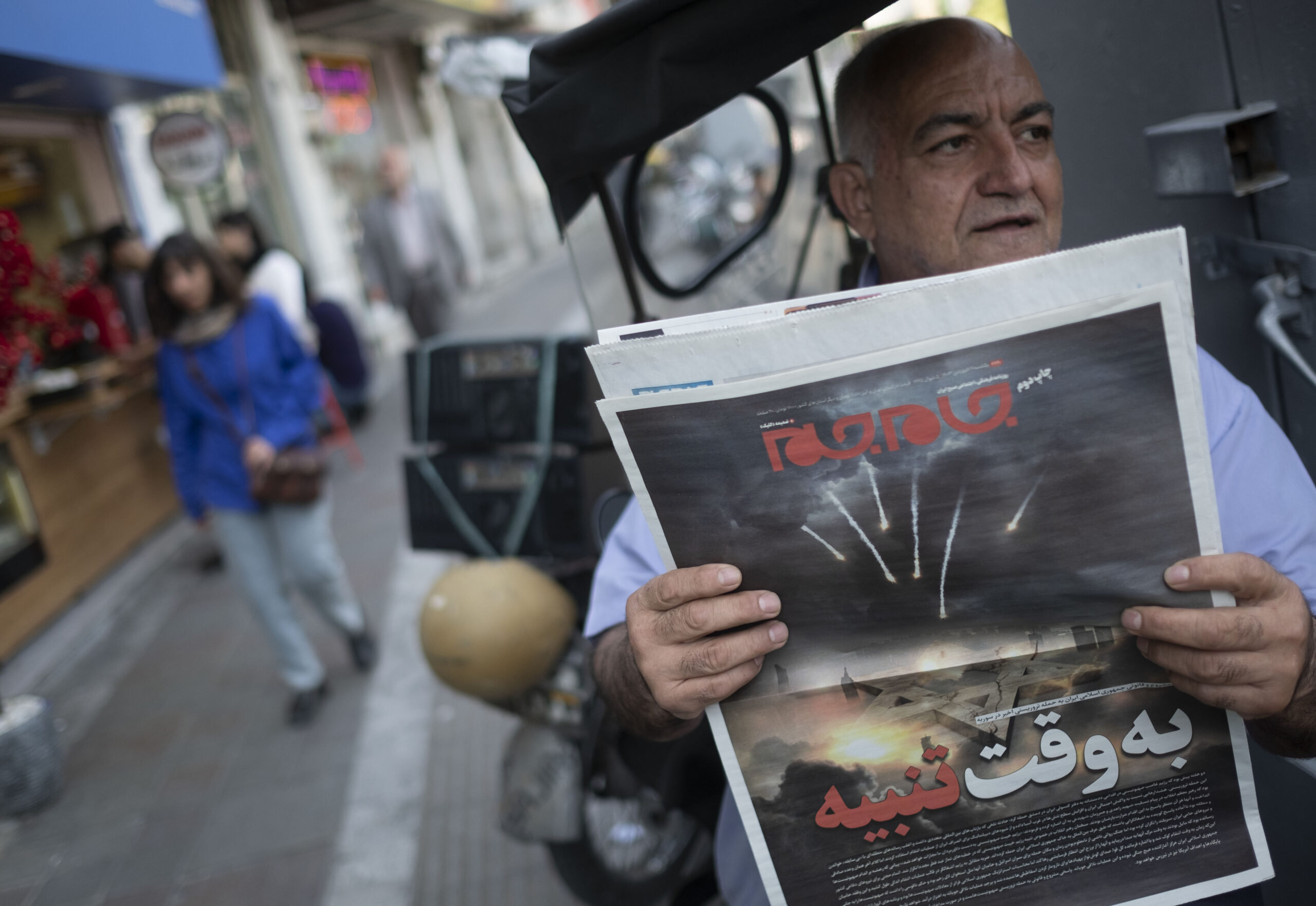
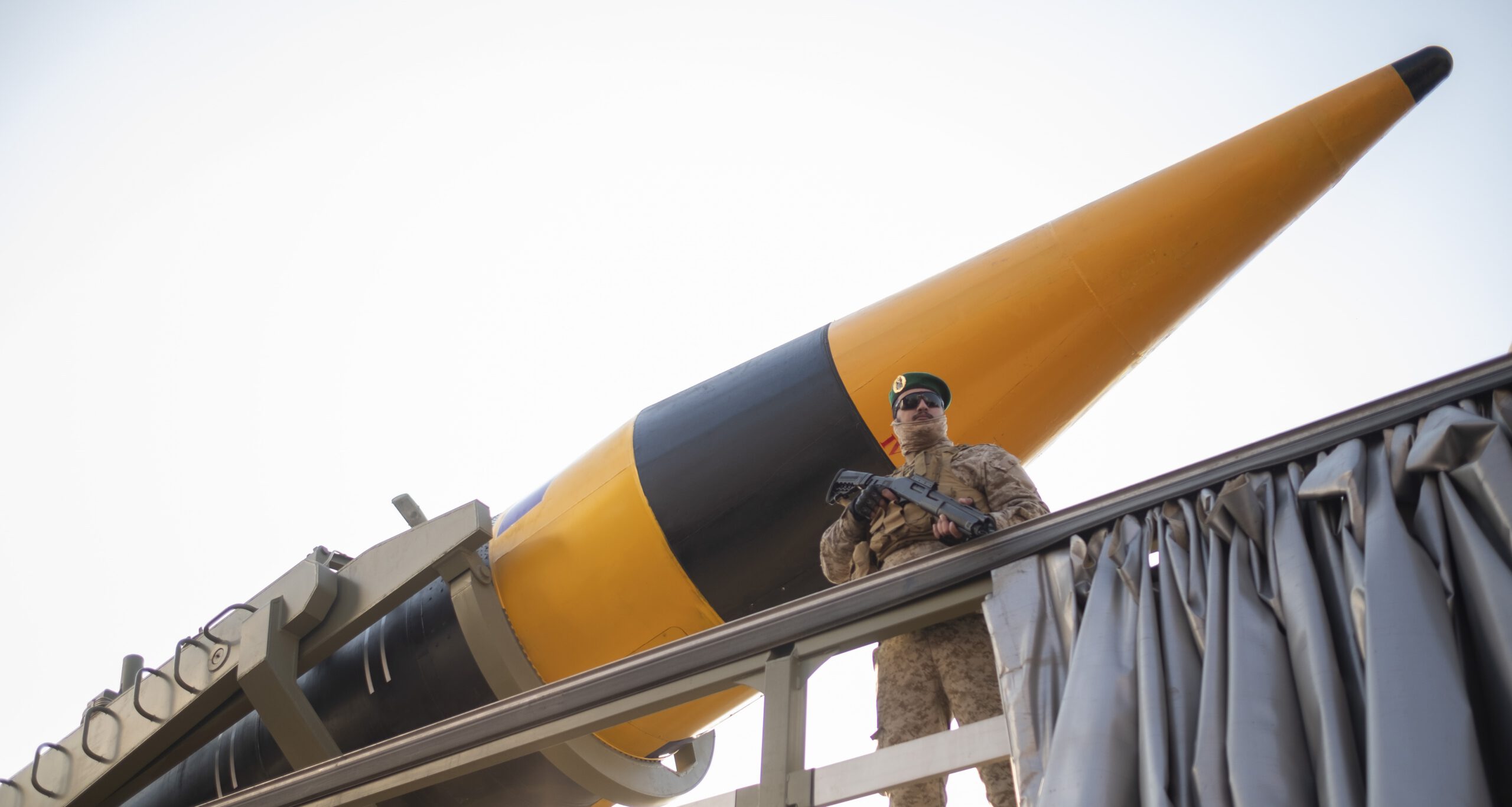
The month of April saw a series of unprecedented escalations in the long-simmering Iranian-Israeli conflict, with both countries launching missile and drone attacks against the other’s territory for the first time in history.
In the wake of these strikes, what will be the impact on the regional security and political environment going forward, what is needed to stabilize the new rules of the game, and how can US diplomacy help to facilitate that process? MEI has asked its experts to weigh in.
The long rise and sudden death of jihadist leader Abu Maria al-Qahtani
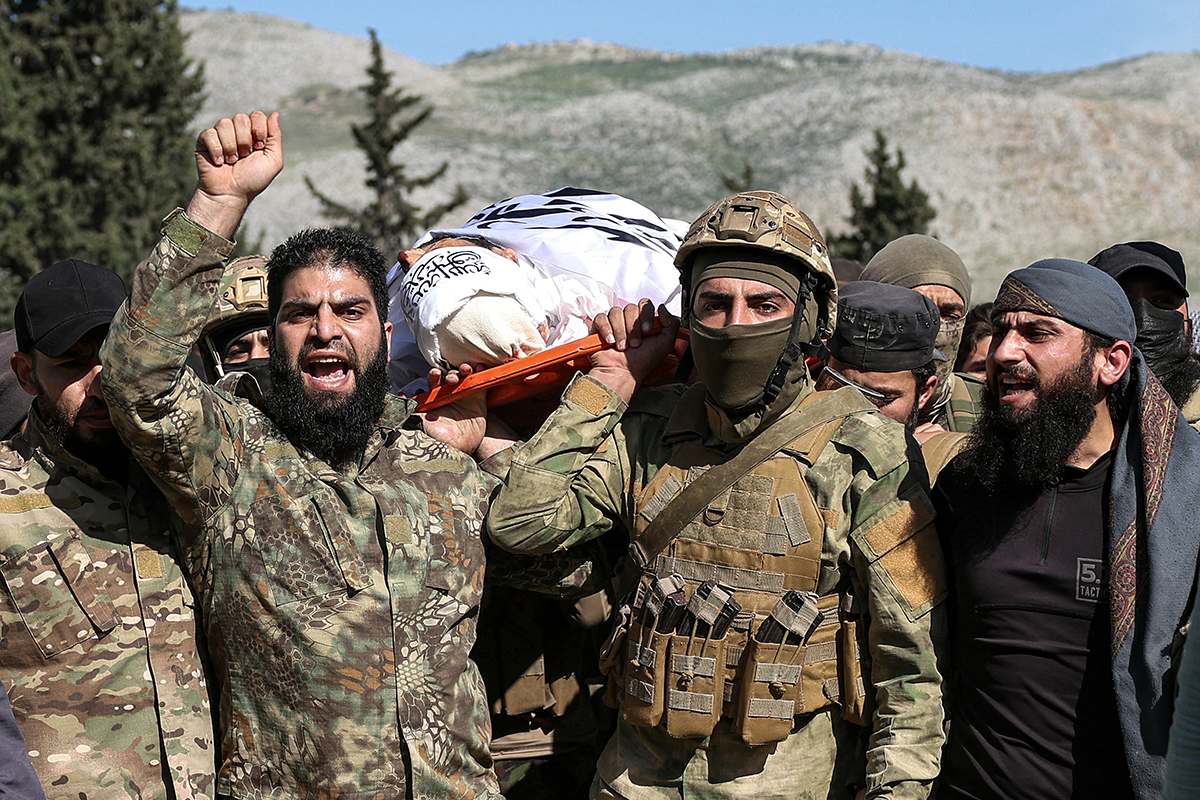
In a significant and surprising turn of events, on the evening of April 5, a prominent Iraqi leader in the Syrian Sunni Islamist group Hay’at Tahrir al-Sham, Maysar bin Ali al-Juburi, also known as Abu Maria al-Qahtani, was reportedly killed in an attack in Idlib’s northern countryside.
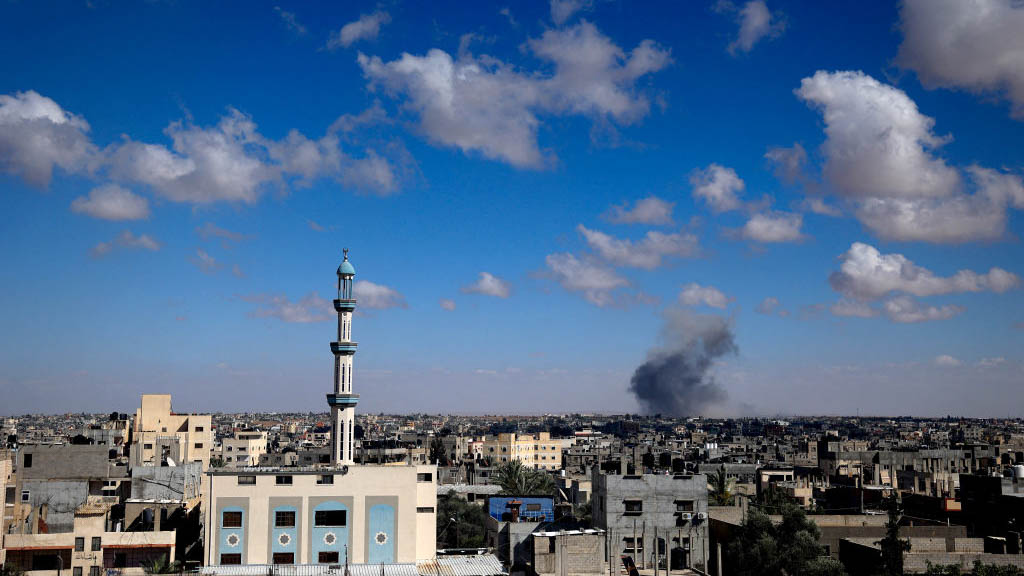
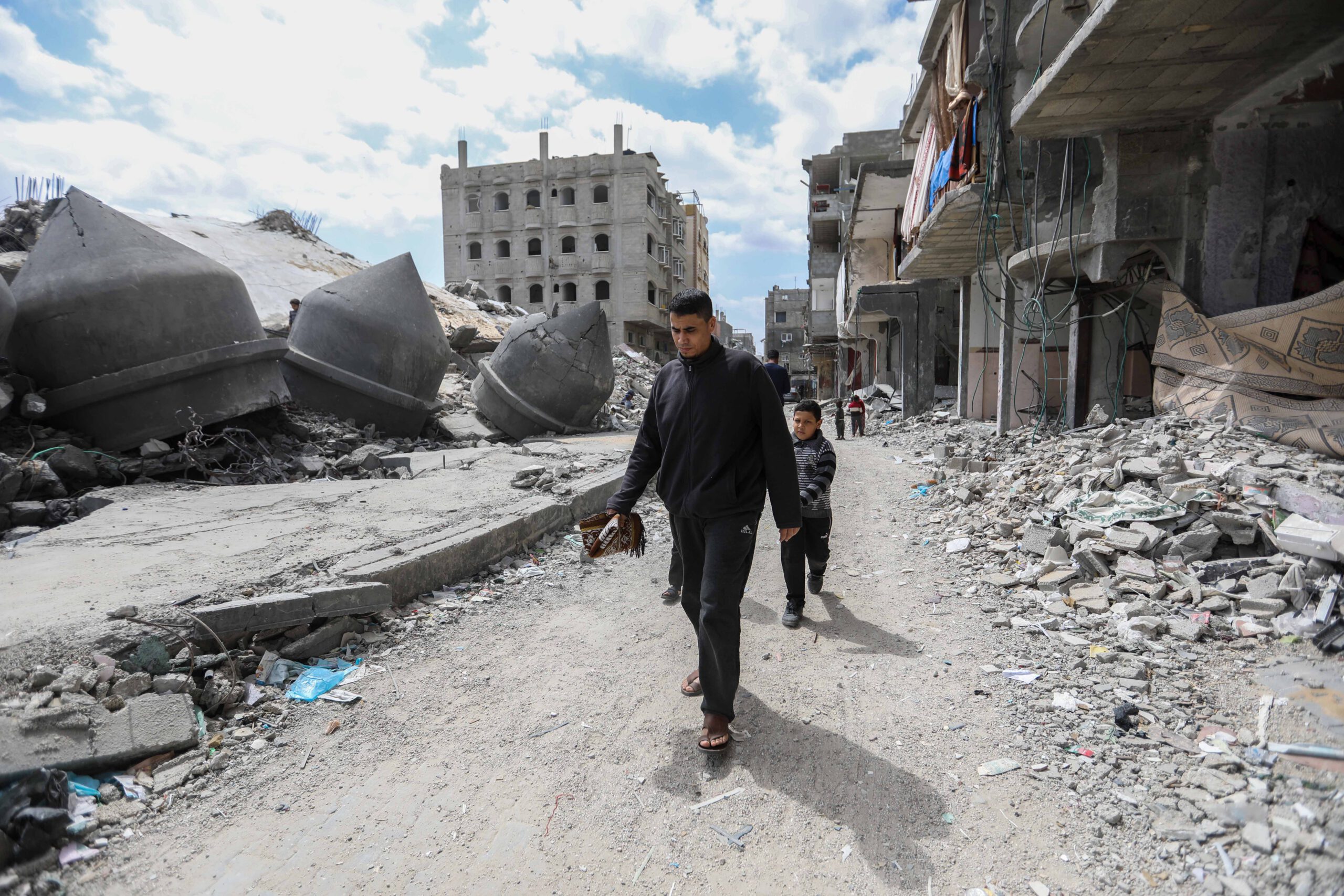
Expert Views: What is needed to end the war in Gaza?
Six months since the October 7 Hamas attacks on Israel and subsequent outbreak of war in Gaza, the deadly and devastating conflict looks no closer to concluding. Is it still possible to achieve a sustainable cessation of hostilities and restart the conflict-resolution process? To get there, what are the incentives and disincentives that could be constructed for the two main combatants, Israel and Hamas?
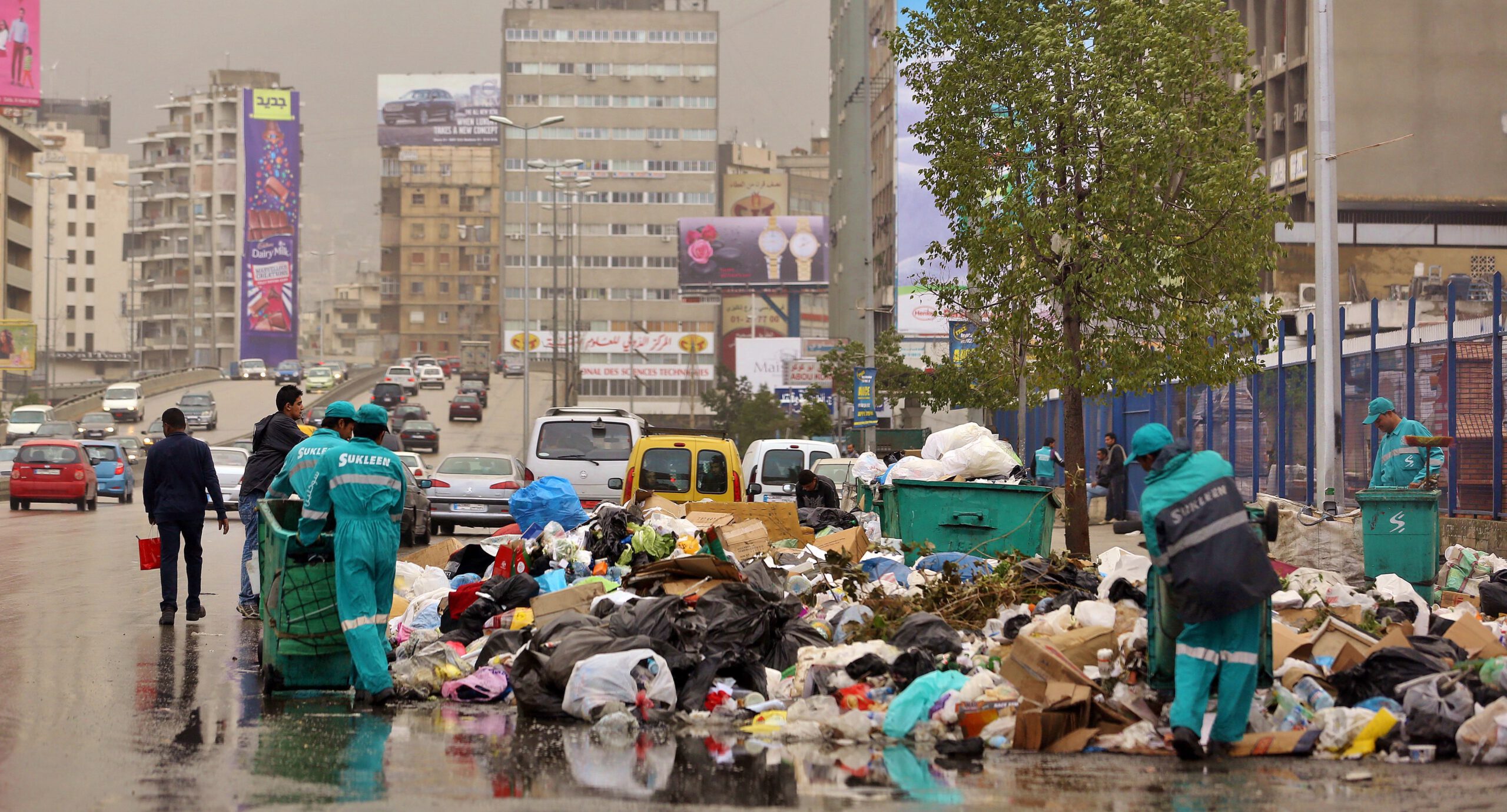
A better development funding model for Lebanon: Prospects, challenges, and applicable lessons
International funders have often called upon recipients to carry out reforms before any funding can be made available or the amount increased. But in many crisis-wracked countries, such as Lebanon, the prospect of reforms may be too distant, with intervention needed immediately. This is why greater emphasis must be placed on risk mitigation measures over which funders can exercise control.
The Evolving Conflict Between Hezbollah and Israel
MEI’s US-Lebanon Fellow Fadi Nicholas Nassar and Emile Hokayem – Director of Regional Security at the International Institute for Strategic Studies – discuss the changing and uncertain rules of engagement between Hezbollah and Israel, and the potential for war between the two following Oct. 7.
Amid war, resolving Lebanon-Israel territorial disputes unlikely
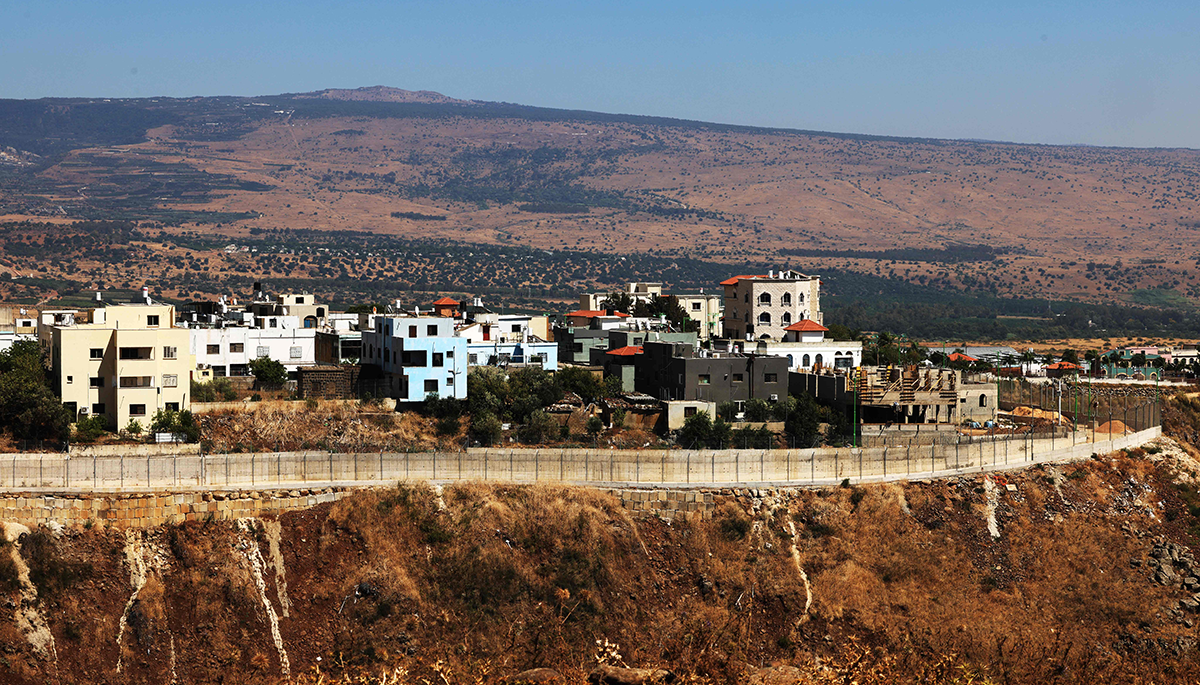
With Israel and Hezbollah on the brink of war, there have been ongoing diplomatic attempts to defuse tensions along the Israel-Lebanon border. Among the long-standing issues between the two countries are disagreements over their shared boundary. Asher Kaufman takes a closer look at these territorial disputes and how they came about, with a particular focus on the village of Ghajar at the center of the tension.
“Exporting its internal problems”: Understanding Iran’s January missile salvos against its neighbors
In mid-January, with the war in Gaza continuing to rage on, Iran launched a series of surprise missile attacks on its immediate neighbors Iraq, Syria, and Pakistan over two days. Taken together, these attacks illustrate that the Islamic Republic puts regime survival above national interest in its foreign policy calculations, which undermines its efforts to engender solidarity and good relations with other Muslim-majority states in the region.
US response to Tower 22 attack in Jordan: Less intense, more restrained than anticipated
On the evening of Saturday, Feb. 3, local time, US warplanes bombed facilities used by Iranian forces and Iran-backed militias in Syria and Iraq, in retaliation for the death of 3 US service members in a Jan. 28 drone attack on Tower 22, a US military base in northeastern Jordan on the Syrian border. The airstrikes primarily targeted locations in eastern Syria and western Iraq.
On this week’s episode, Director of MEI’s Syria and Countering Terrorism & Extremism Programs Charles Lister and MEI Editor-In-Chief Alistair Taylor talk about US policy toward Syria. The deadly Jan. 28 drone attack on a US military outpost in northeastern Jordan, near the borders with Syria and Iraq, has drawn renewed attention to the US military presence in the area. This comes against a backdrop of regional conflict and escalation.
Growing unrest in Syria’s Suwayda as Jordanian airstrikes and civilian deaths increase
As the civilian death toll continues to rise, Jordan has come under growing criticism for its airstrikes in southern Syria’s Suwayda Governorate, aimed at combatting drug trafficking and smuggling operations.