Suspending UNRWA funding is collective punishment for Palestinians
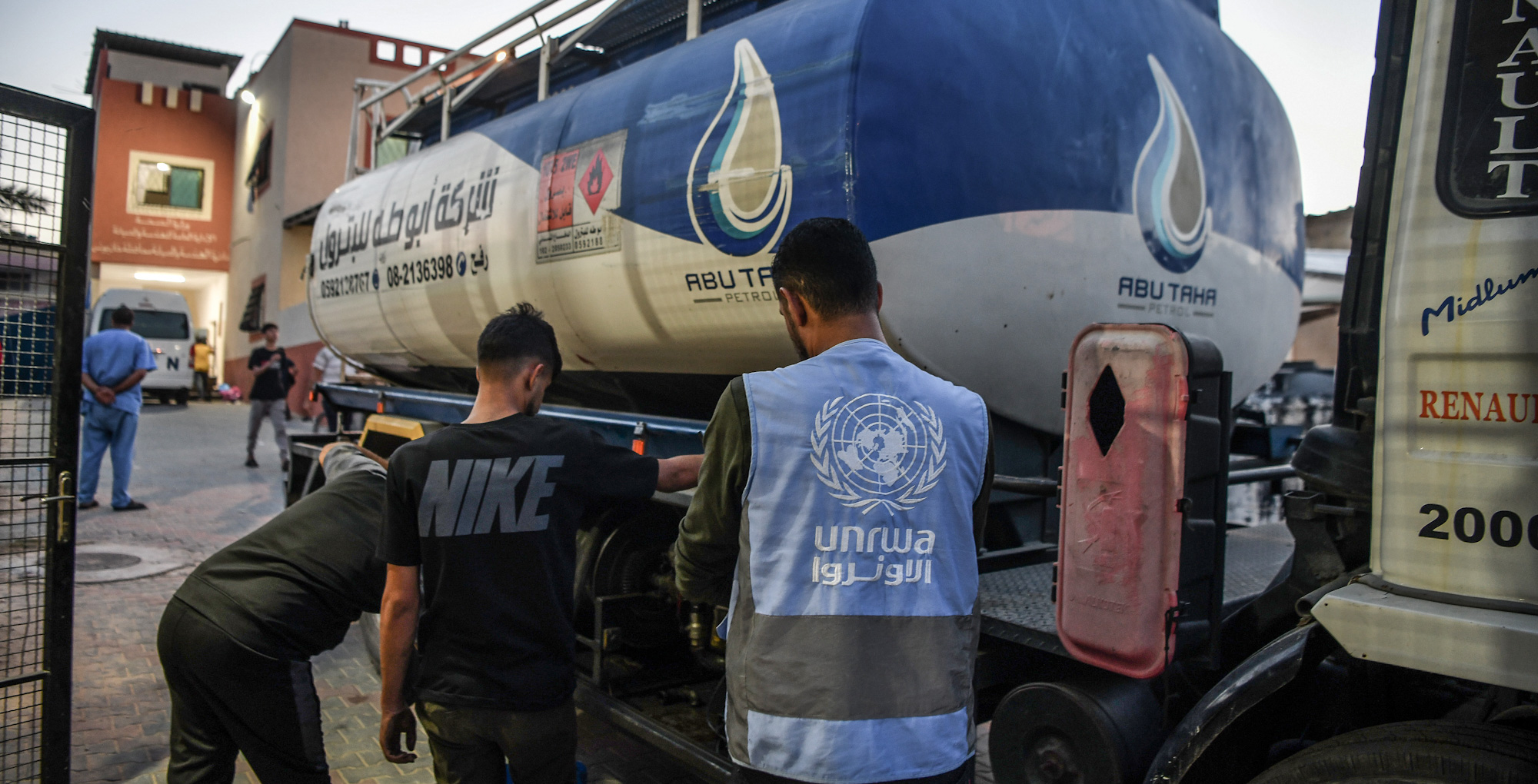
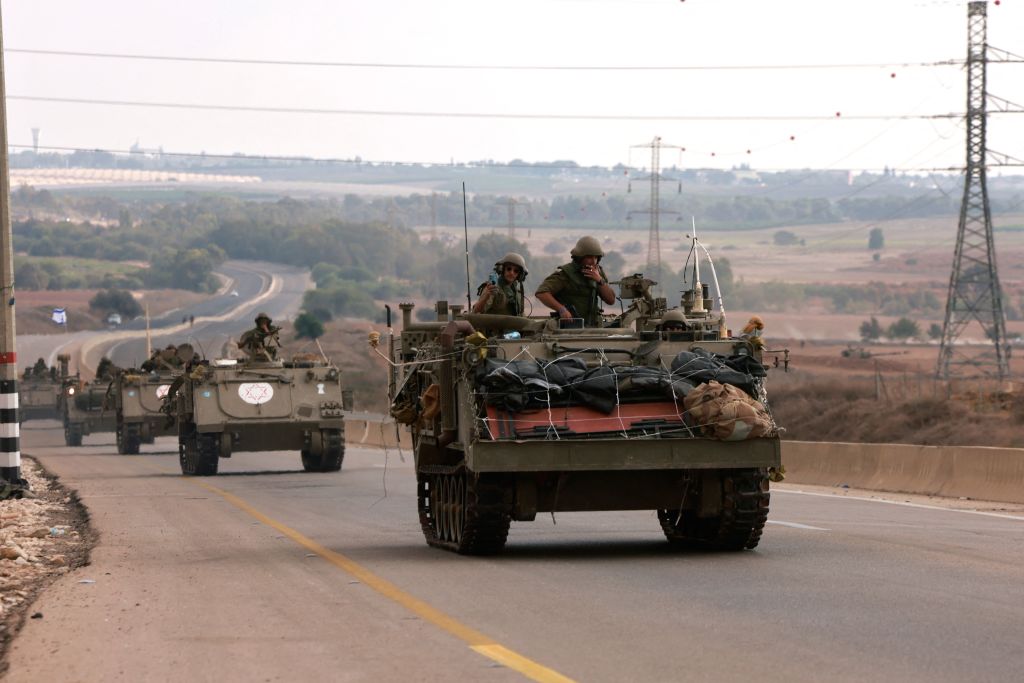
The decision by the United States and other donor countries to suspend financial assistance to UNRWA will have far-reaching and likely devastating consequences for the civilian populations that rely on its services, particularly in the Gaza Strip. Donor countries must realize that the consequences will hinder the humanitarian response to the Israeli war on Gaza, incurring a heavy cost in human lives.
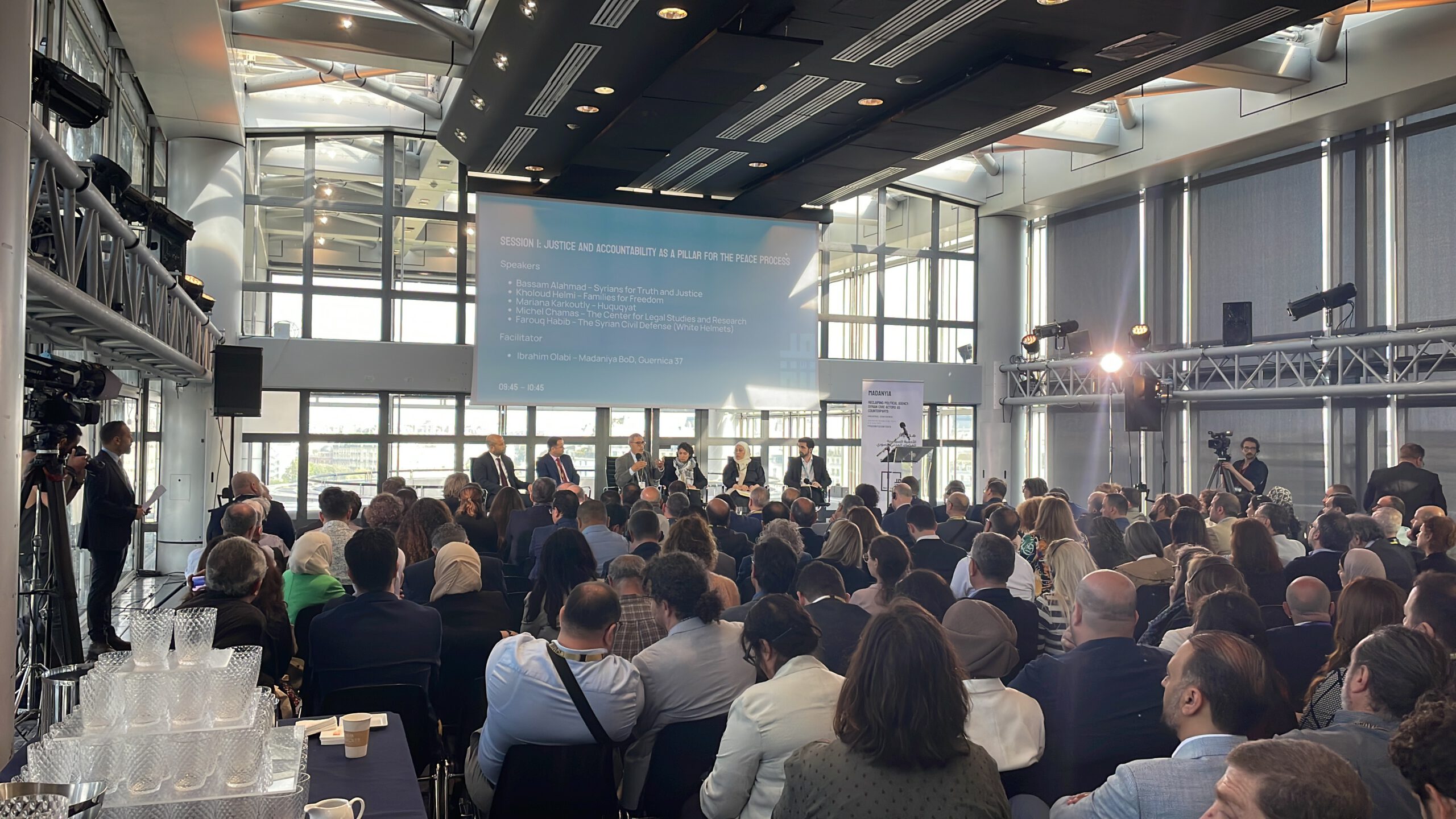
Following two years of preparation, the Syrian Madaniya (“Civil”) initiative held its inaugural conference with over 180 participating organizations. To claim a political role, Madaniya needs a program and a partner. The natural partner for this endeavor is the Syrian Negotiation Commission.
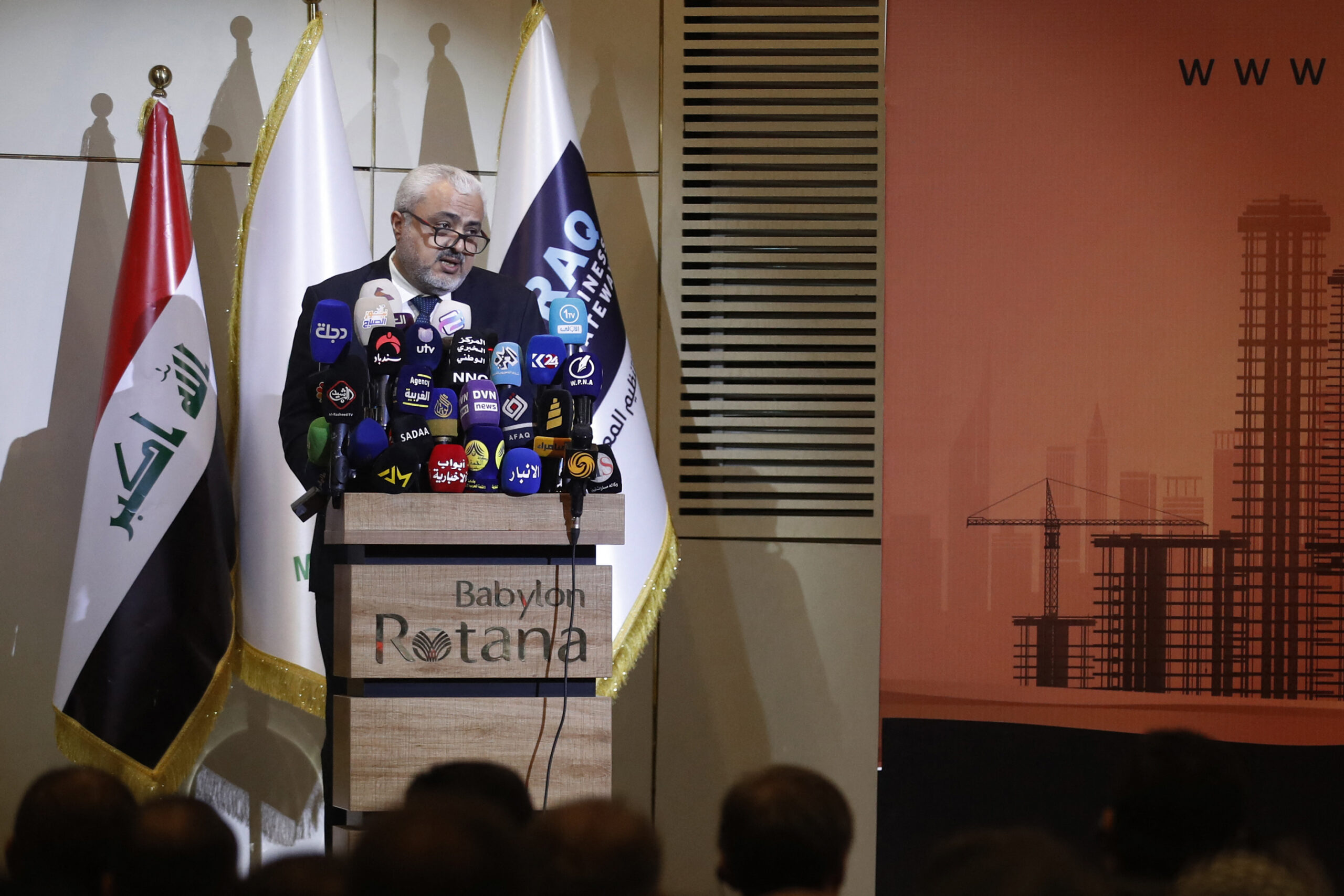
Addressing challenges to tolerance and religious diversity in Iraq
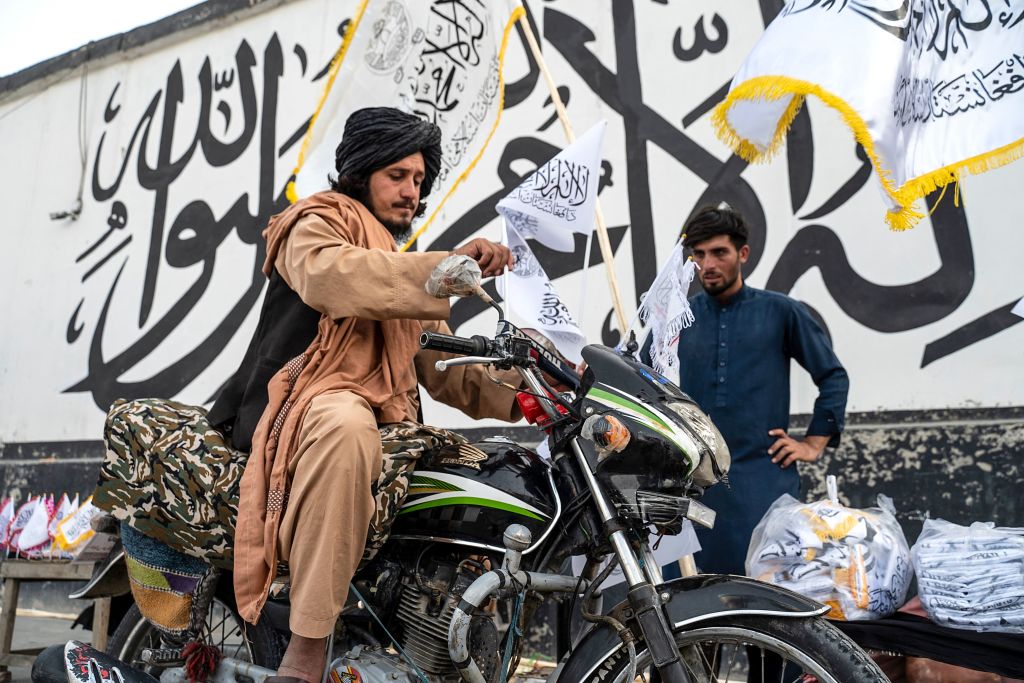
Iraq has long had a troubled history with its ethno-religious minorities, one full of oppression and violence. This was true under the Ba’athist regime and continued after the 2003 U.S.-led invasion, reaching a nadir with the rise of the Islamic State terrorist group. Although Iraq is now enjoying its most stable period in the past two decades, it is also a case study of the pernicious effects of structural violence, especially toward the more marginalized and vulnerable segments of society.
The limits of human rights law in an authoritarian context: Torture and impunity in Turkey
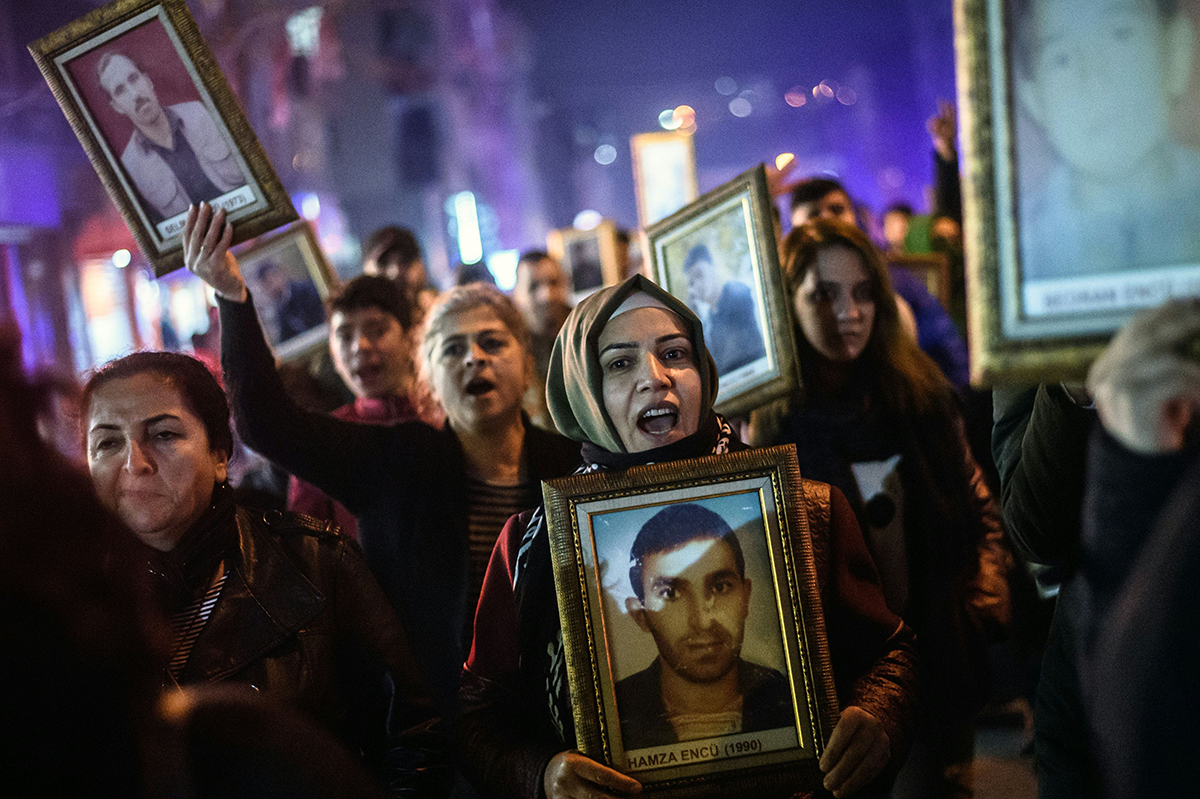
Turkey is a test case of the limits of international human rights law in an authoritarian context. The country is party to all major U.N. and Council of Europe international human rights treaties, including those prohibiting torture and ill treatment, and is subject to the jurisdiction of the European Court of Human Rights. Its constitution and laws ban torture and contain procedural safeguards against it. Yet torture and the impunity of its perpetrators remain state practice, at times reaching systemic levels.
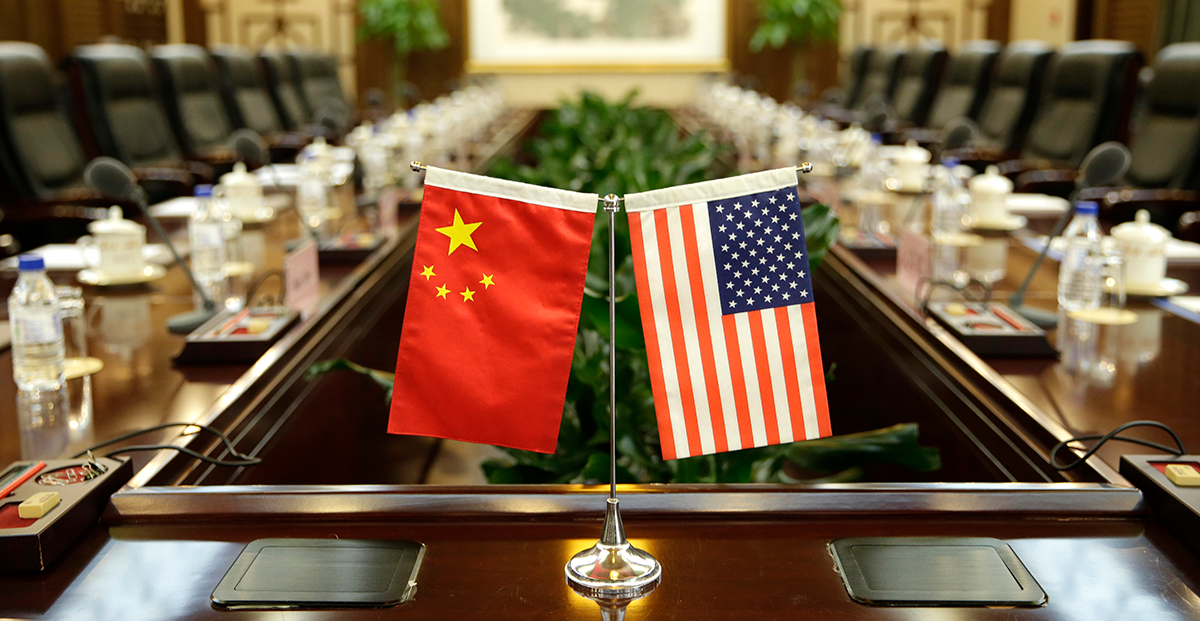
Managing US-China relations in the Middle East among common and conflicting interests
The Biden administration has been trying to diplomatically reengage with China, although so far with little response from Beijing. Any broad reengagement would necessarily include reengagement in the Middle East and North Africa. Both sides have a long list of common interests in the Middle East; the areas where their interests diverge relate mainly to suspicions of the other side’s long-term strategy and global ambitions. How can Washington and Beijing build on common interests in the region while addressing their long-term concerns, reducing some of them and accommodating robust competition or even sharp adversarial attitudes in other areas?