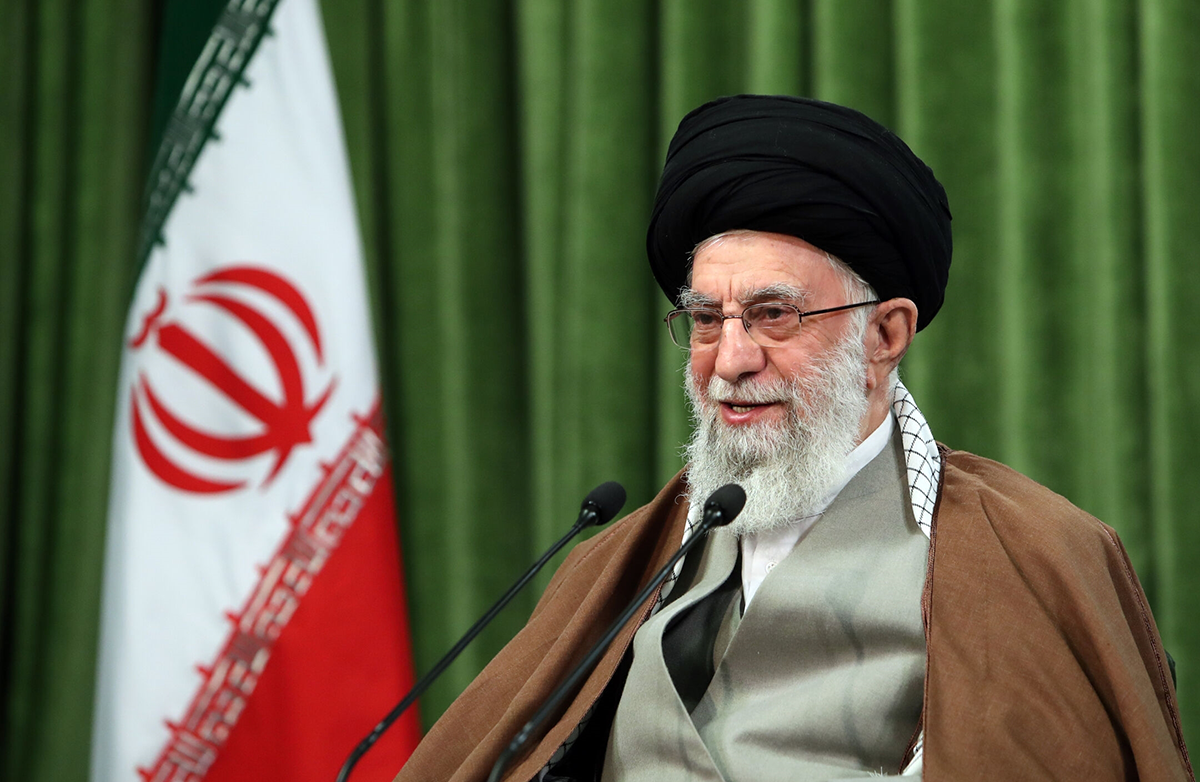
مخاوف خامنئي على مستقبل رجال الدين الإيرانيين (الجزء الثالث)
هذا هو الجزء الأخير من سلسلة مكونة من ثلاثة أجزاء
عندما توفي آية الله روح الله الخميني، مؤسس جمهورية إيران الإسلامية، عن عمر يناهز 89 عامًا، تمتع هو والنظام الذي أسسه بدعم معظم رجال الدين رفيعي المستوى في البلاد.
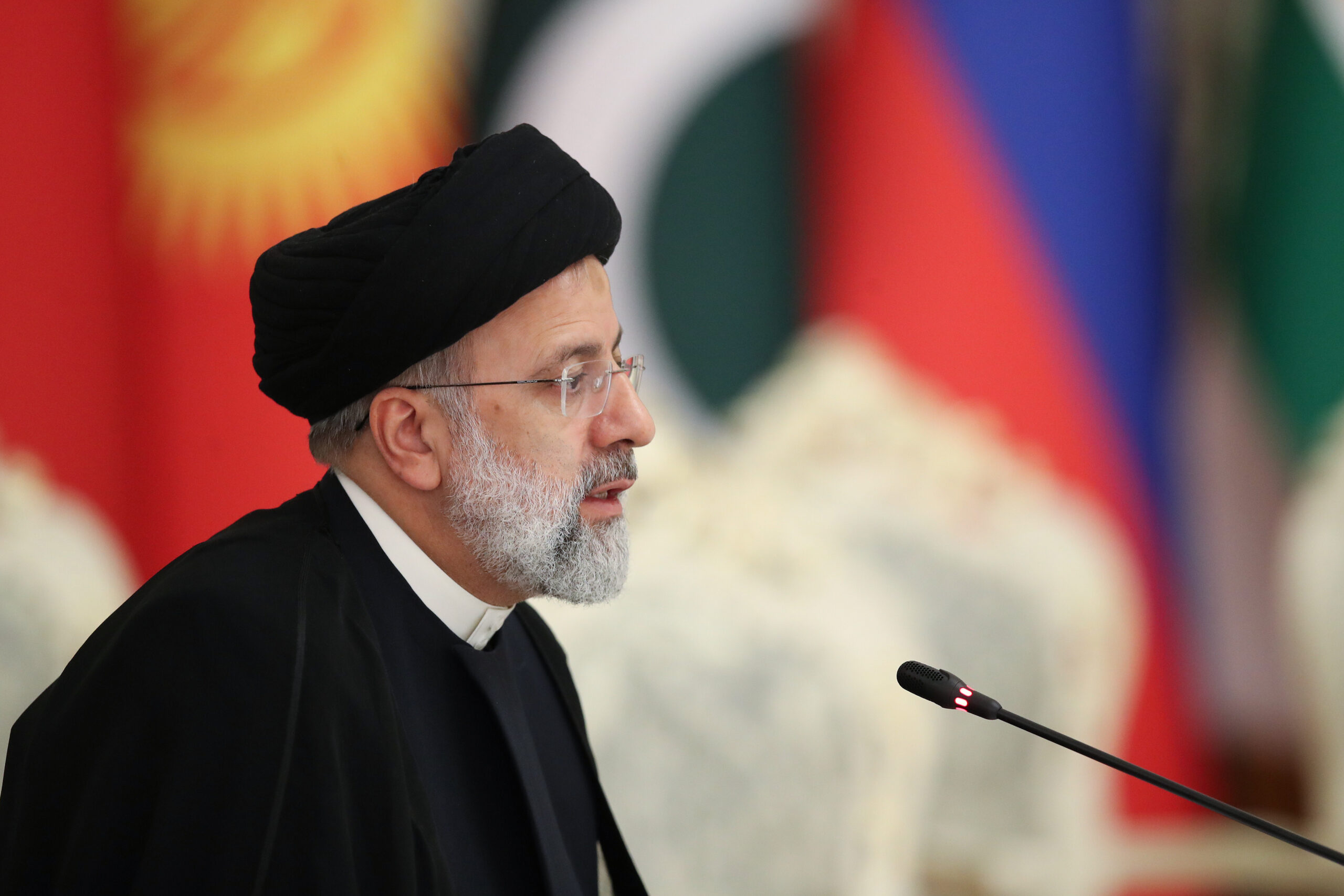
لكن خليفته، المرشد الأعلى آية الله علي خامنئي، البالغ من العمر 82 عامًا، يواجه وضعًا مختلفًا للغاية. فمن الواضح أن معظم كبار رجال الدين لا يؤيدونه، وقد تسبب “انحراف” الجيل الجديد من رجال الدين في مخاوف متزايدة داخل النظام.
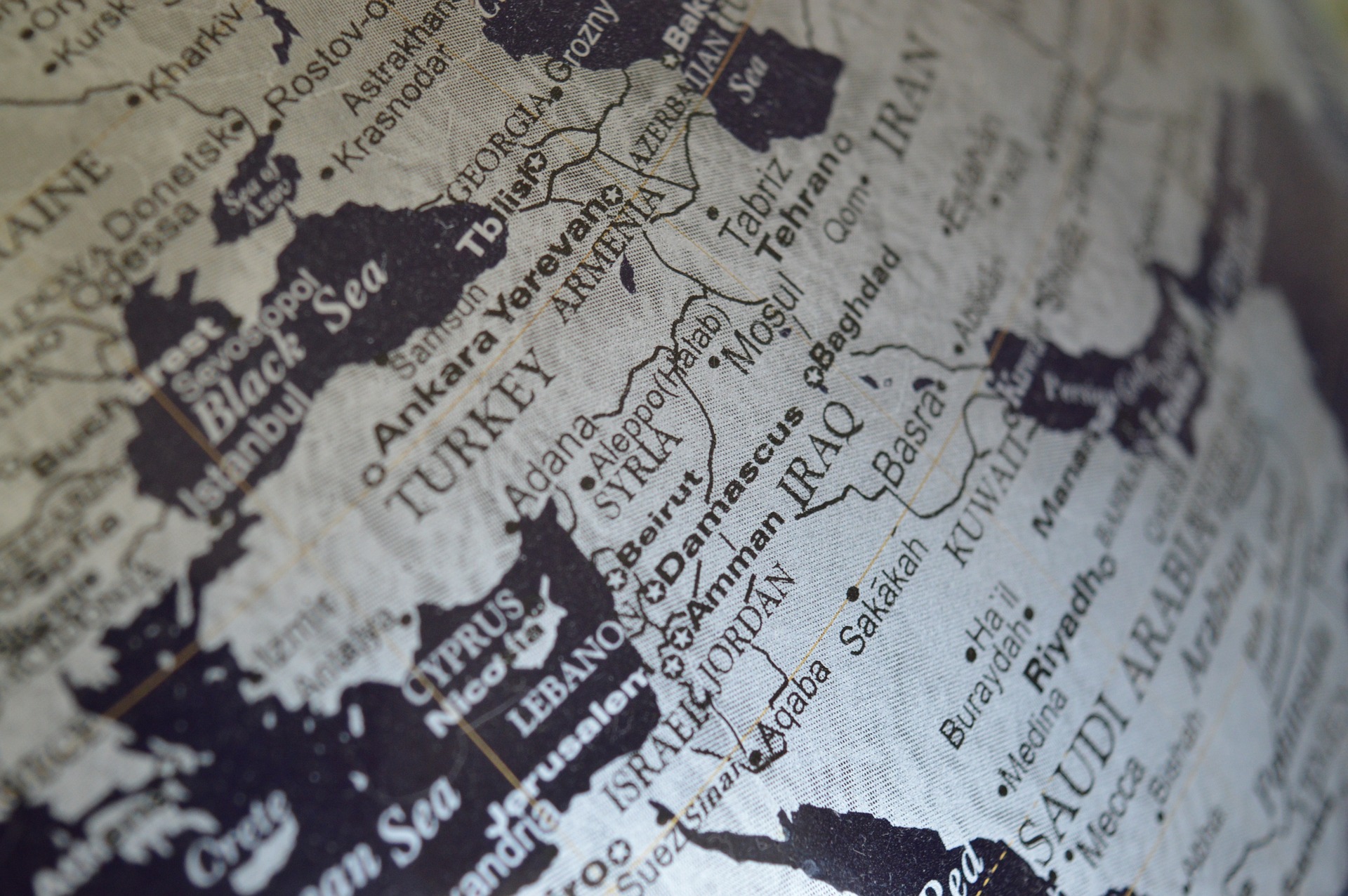
“All About China” is a journey into the history and diverse culture of China through essays that shed light on the lasting imprint of China’s past encounters with the Islamic world as well as an exploration of the increasingly vibrant and complex dynamics of contemporary Sino-Middle Eastern relations.
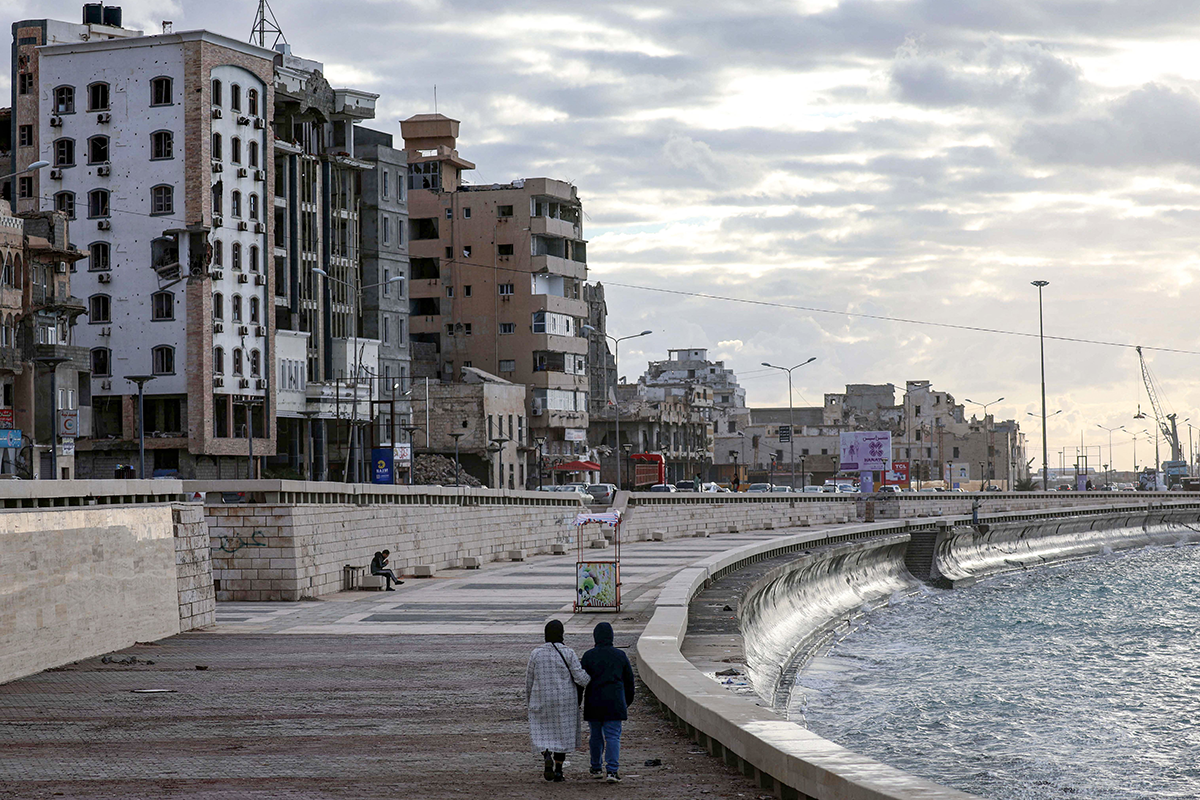
Desalination in Libya: Challenges and opportunities
For the MENA region, groundwater is a hidden but significant problem, as many countries extract more than is being recharged and most lack solid legal frameworks and national water policy regulations to determine use. As a result, there are questions and concerns about the current status of groundwater aquifers, especially with the increasing impact of climate change, as well as the type of sustainable alternative solutions that could assist in conserving them. Libya is no exception to this broader regional trend, and the country suffers from growing water scarcity.
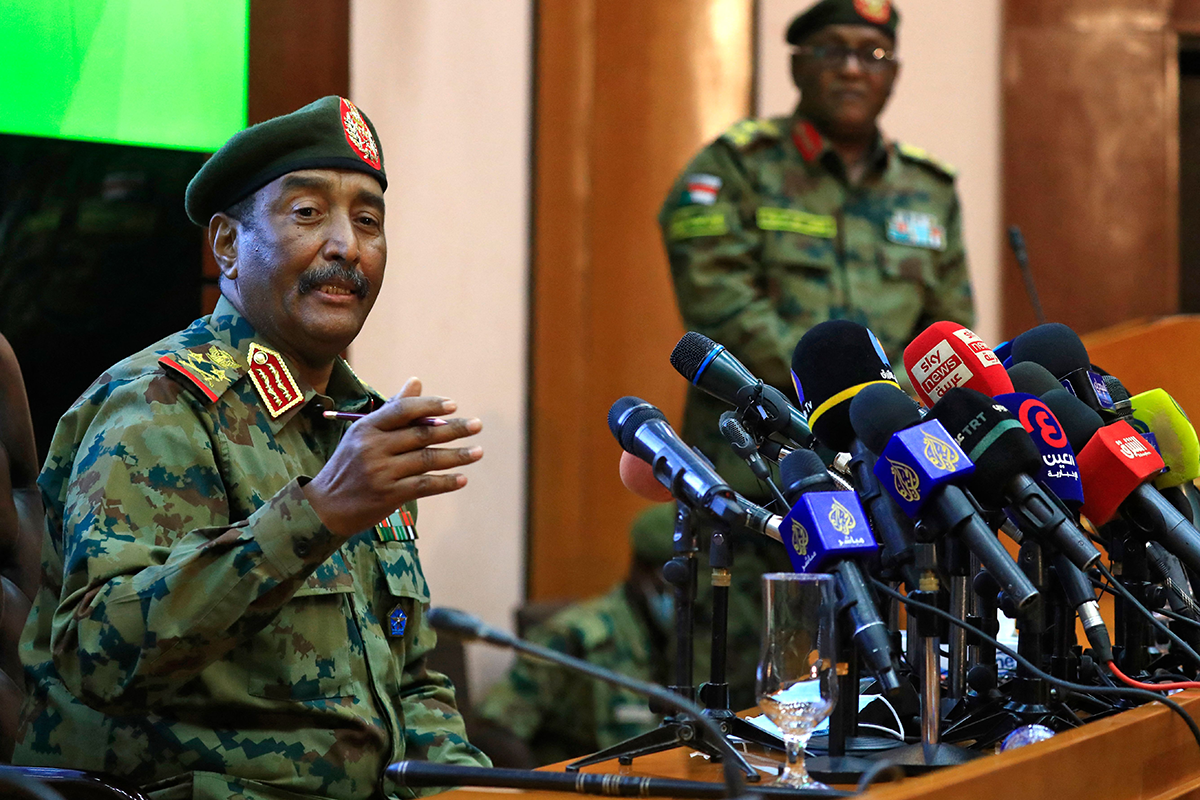
Sudan-Russia relations after the October coup: The view from Moscow
Since late October, Sudan has been mired in a state of intense political turmoil. On Oct. 25, Gen. Abdel Fattah al-Burhan seized power in a coup d’état, placed civilian Prime Minister Abdalla Hamdok under house arrest, and declared a state of emergency. In response to intense international pressure, Burhan and Hamdok signed a 14-point deal on Nov. 21, which reinstated Hamdok as prime minister and resulted in the release of political prisoners. While this agreement thwarted Sudan’s descent into a military dictatorship, mass protests persist and the opposition Forces of Freedom and Change (FFC) have rejected the deal.
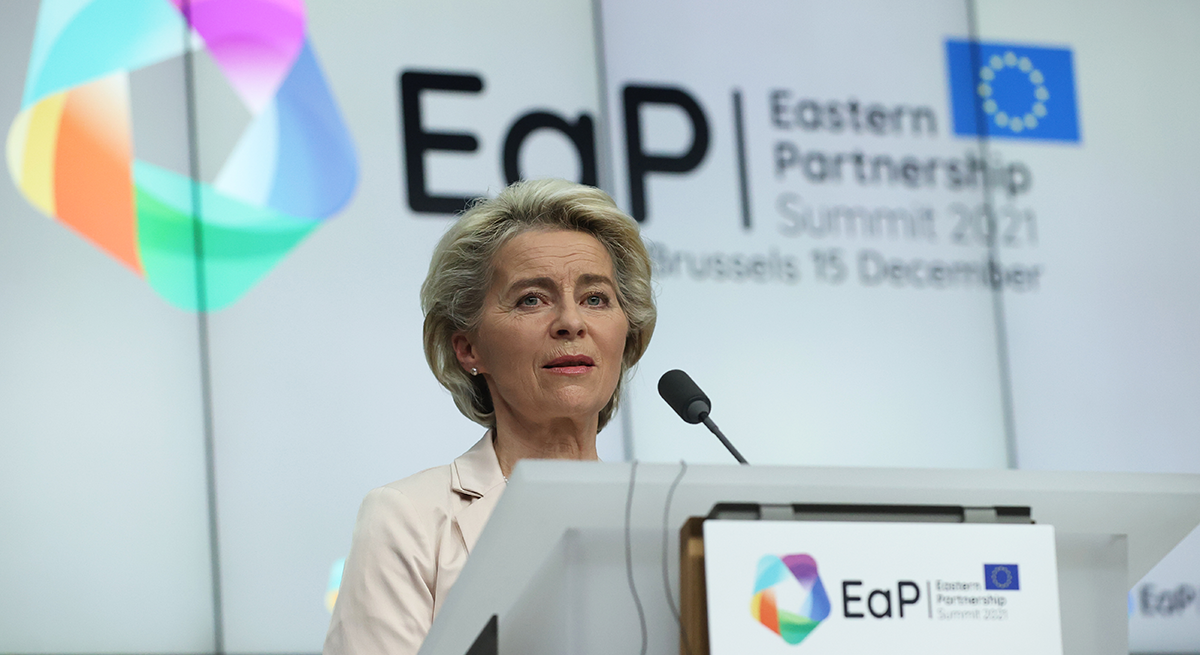
Is the Black Sea European? The European Union is still hesitating
Last week, one day before the European Council, the sixth Eastern Partnership summit took place. For weeks, questions about a potential Russian invasion of Ukraine have been asked around the world. But the Eastern Partnership summit declaration, signed by Ukraine, Georgia, Moldova, Armenia, and Azerbaijan, includes no mention of Russia. The Partnership appears hesitant to commit to more security (or integration), perhaps because some members were hoping for a greater European Union commitment to Black Sea security.
Istikharah or divination, according to Islamic definitions, means to seek goodness and to consult God in various affairs. Istikharah is very common among Shiites, including bibliomancy, which involves randomly opening the Qur’an and reading the first verse on the page, or rosary divination. The use of istikharah has a long history in Iran, not only among the common people, but also among its rulers, who have used it to make decisions on the governance of the country, and this continues to the present day.
Background briefing: The social media war in the Middle East
The following is an excerpt from “The Social Media War in the Middle East,” by Daniel Byman, which appears in the Autumn 2021 issue of The Middle East Journal. Click here to download a PDF of the full piece, available free for a limited time. See the full contents of the latest issue of the Journalhere and consider becoming a subscriber.
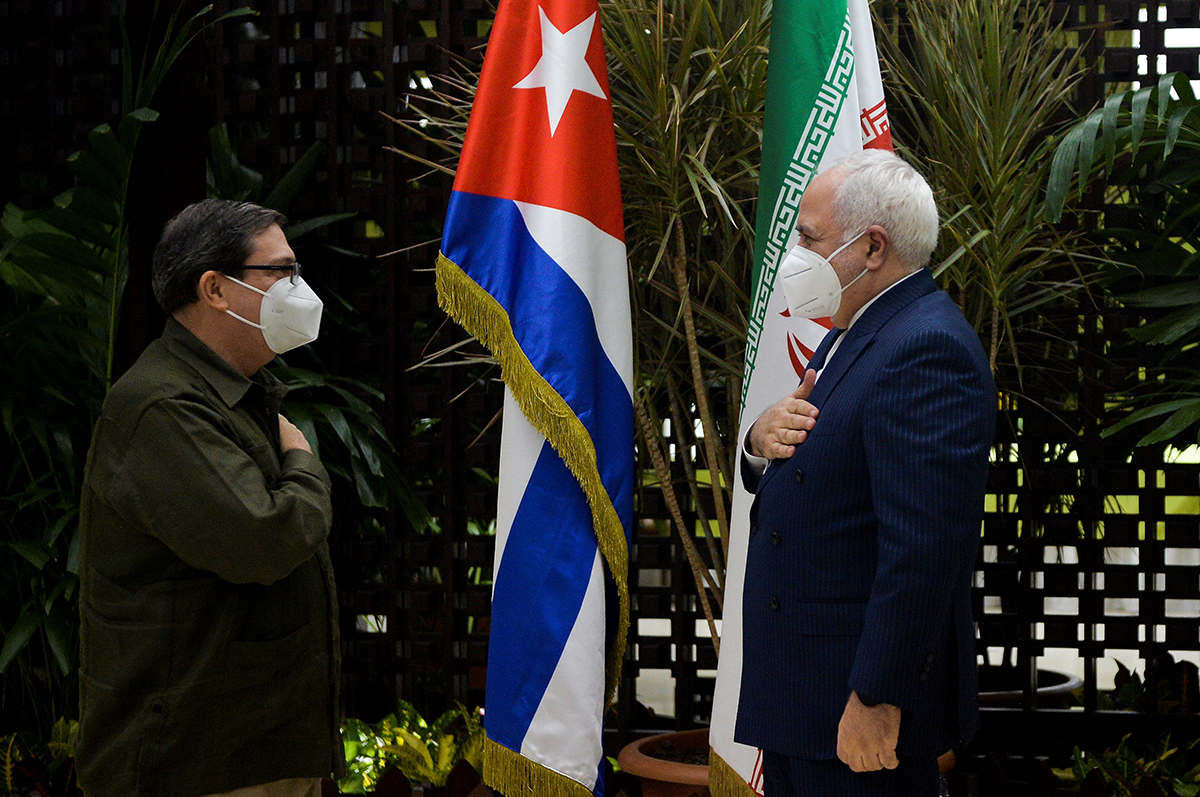
In September, Iranian Foreign Minister Hossein Amir-Abdollahian spoke of the “unlimited” potential to expand Tehran-Havana ties, and both sides have highlighted the fields of medicine and agriculture as ideal areas for cooperation. While that might be the case, there is no denying that the Iran-Cuba partnership represents the coming together of two entirely different political models that above all rests on shared conflict with the United States.
What were the most significant developments in the Middle East and regional policy in 2021? MEI’s Paul Salem, Randa Slim, Bilal Saab, and Karen Young join the program to discuss the key events and what trends to watch in 2022.
Afghan filmmaker Sahraa Karimi tells her people’s story — and her own
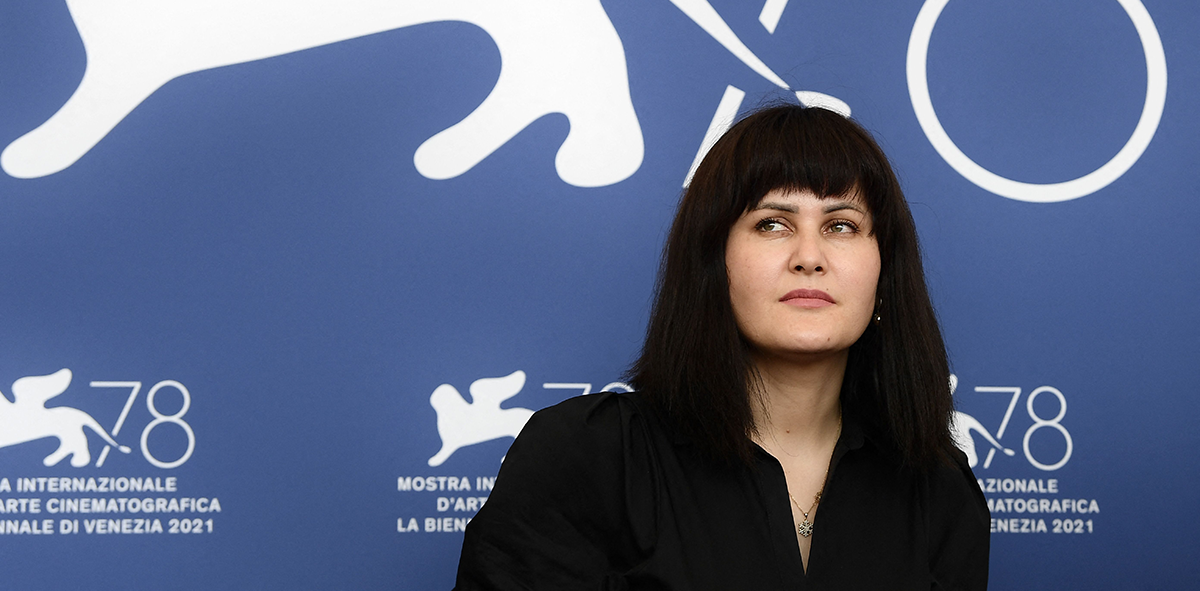
Afghan filmmaker Sahraa Karimi has spent decades documenting the plight of Afghan women. But when the Taliban returned with a vengeance following their takeover of Kabul on Aug. 15 of this year, she turned the camera on herself.