Director of MEI’s Arabian Peninsula Program Gerald Feierstein speaks to scholars Nadwa Al-Dawsari and Fatima Abo Alasrar as they reflect on the tenth anniversary of Yemen’s civil war.
It’s been ten years since the Houthis seized control of the capital of Sanaa, beginning a cycle of fighting that continues on and off to this day. What happened, what is the current state of the conflict, and where might the country be headed?
Excluded candidates, marginalized dissent before Tunisia’s presidential elections
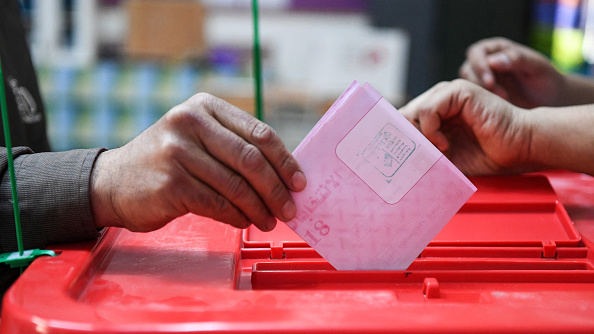
Before Tunisian voters have their say in the presidential election on Oct. 6, state institutions have already had their say. The security services, judicial authorities, and the High Independent Electoral Authority (ISIE) have either obstructed or officially barred over a dozen potential candidates from running. Of the three eligible candidates officially approved by the ISIE, only President Kais Saied and former Saied supporter Zouhair Maghzaoui remain outside of prison. Candidate Ayachi Zammel was arrested on Sept. 6. Many other potential candidates attempted to run from prison or were jailed for alleged technical violations of election laws. By restricting the list of potential candidates effectively to two, state institutions have embraced their historically paternalistic, modernizing role toward a distrusted citizenry.
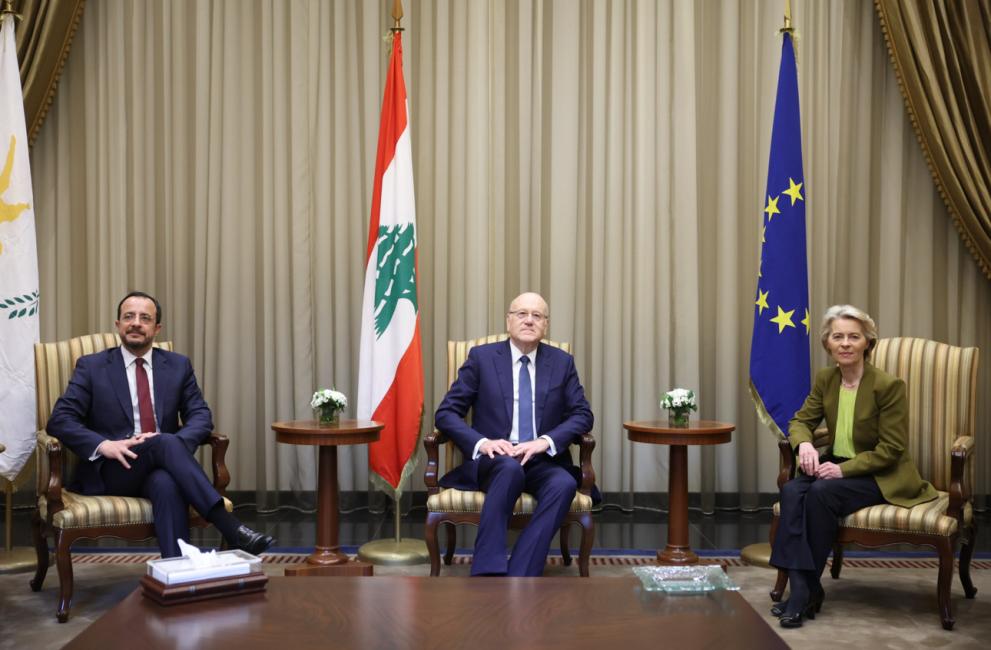
Change and continuity in EU’s foreign policy in the MENA region: What to expect from the new political cycle in Brussels
In the corridors of power in Brussels, it is common to hear that the position of the EU High Representative for Foreign Affairs and Security Policy is an impossible job. It may actually become even more difficult for the outgoing Estonian Prime Minister Kaja Kallas, who is set to succeed the Spanish Josep Borrell as the European Union’s foreign policy chief in the coming weeks.
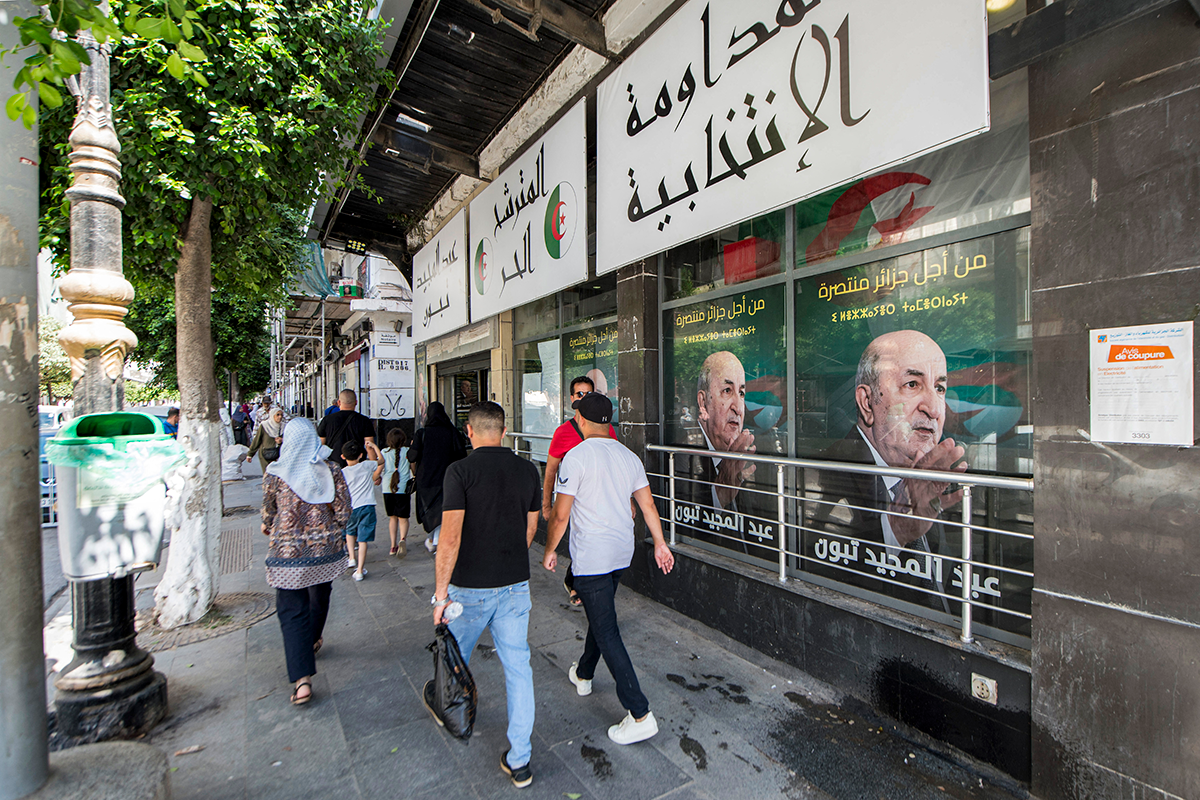
Algeria’s 2024 presidential elections: Keeping up with populist authoritarianism
Algeria is poised for a presidential election on Sept. 7 that, while seemingly predetermined, reveals the complexities of a political landscape profoundly shaped by popular disillusionment following the failure of the 2019 Hirak protest movement. Five years on, incumbent Abdelmadjid Tebboune is promising a second term based on the “continuation of the social state,” but his attempt to renew a social contract based on populist promises of a neoliberal economic renewal is colliding with the lack of institutional reforms necessary to achieve them.
Brokering a solution to the Libyan Central Bank crisis
The ongoing effort by various factions in Libya to gain control of the Central Bank of Libya (CBL) poses a clear and present danger for the entire country, threatening its safety and security as well as its economy.
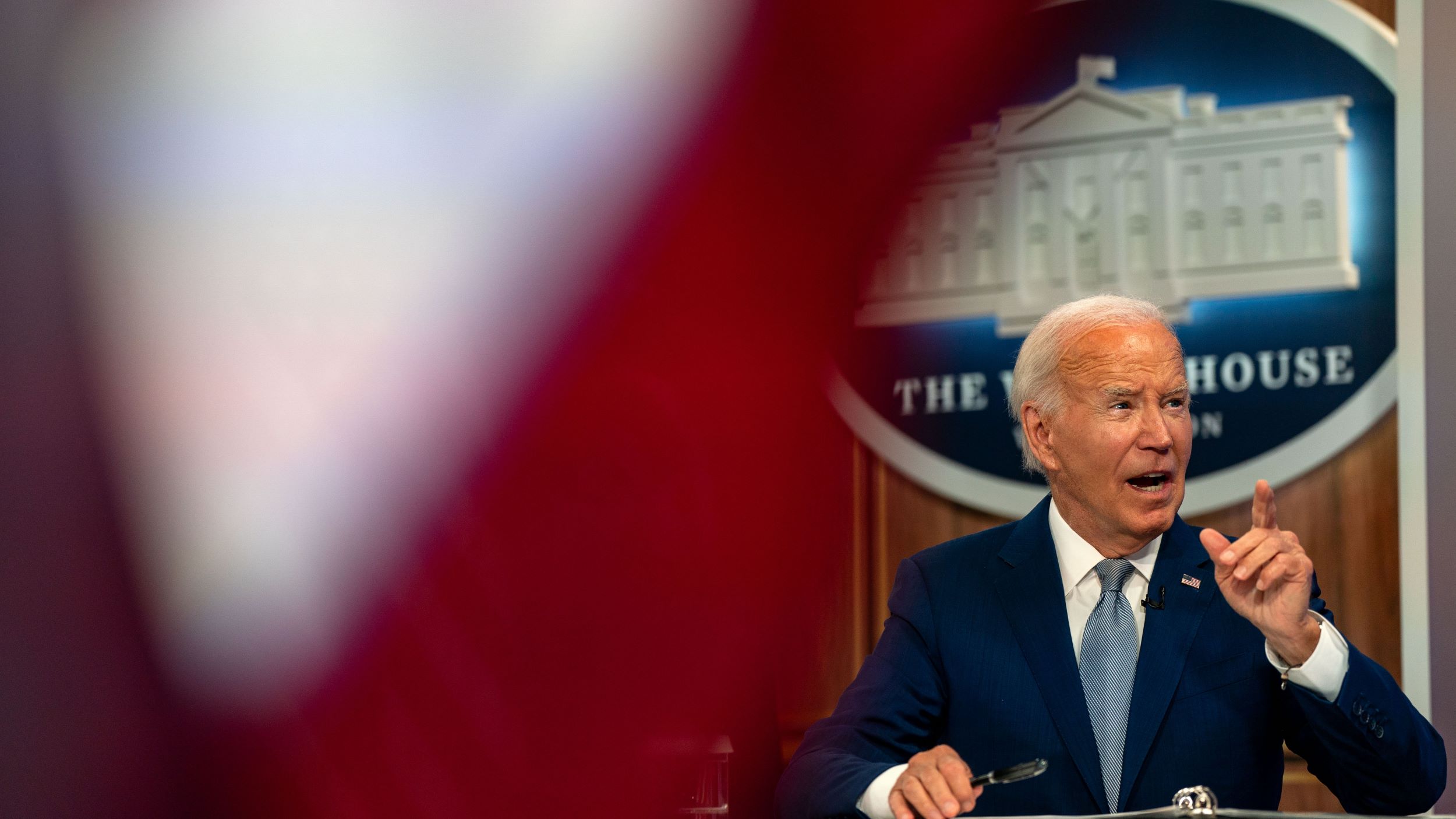
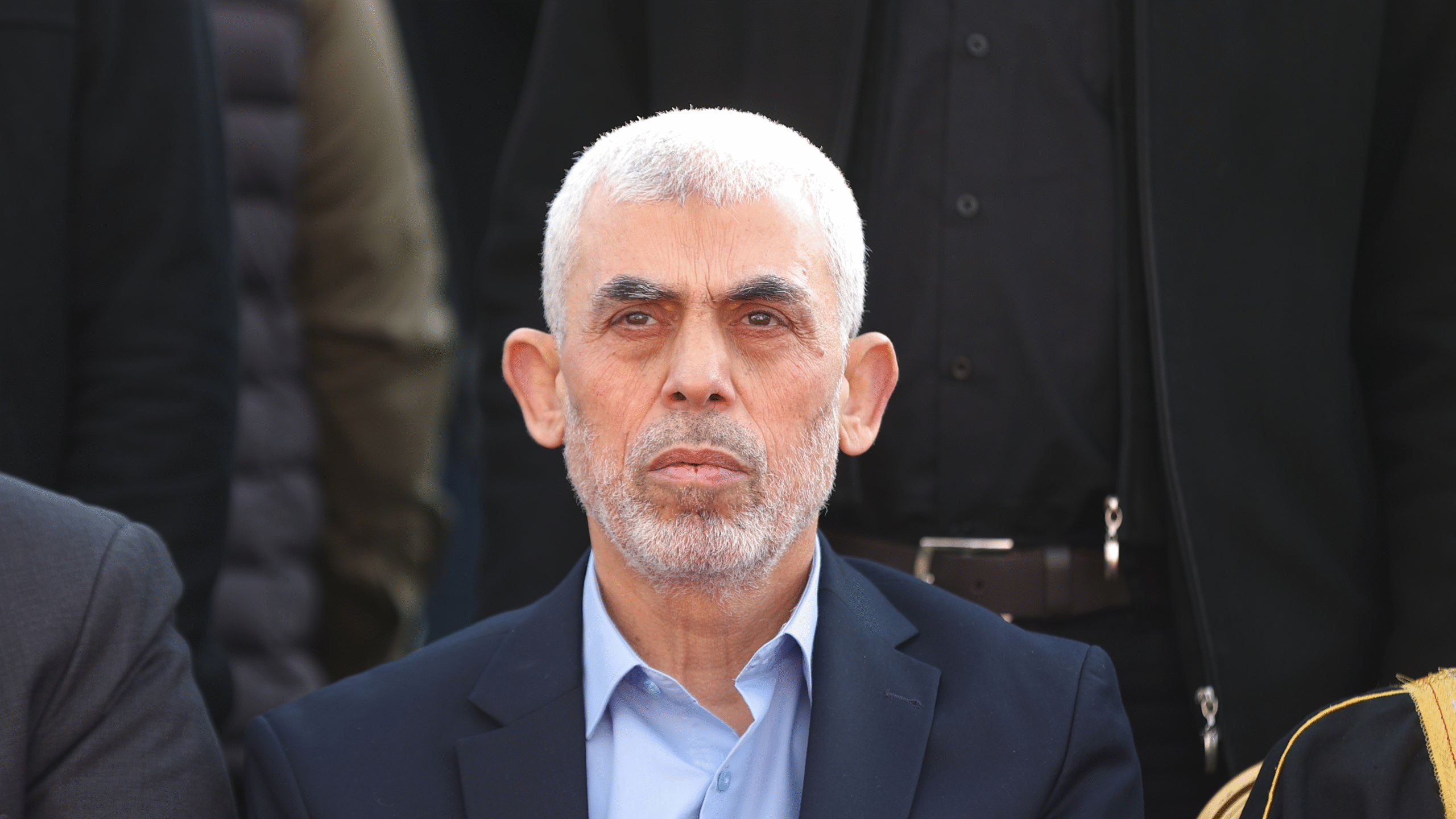
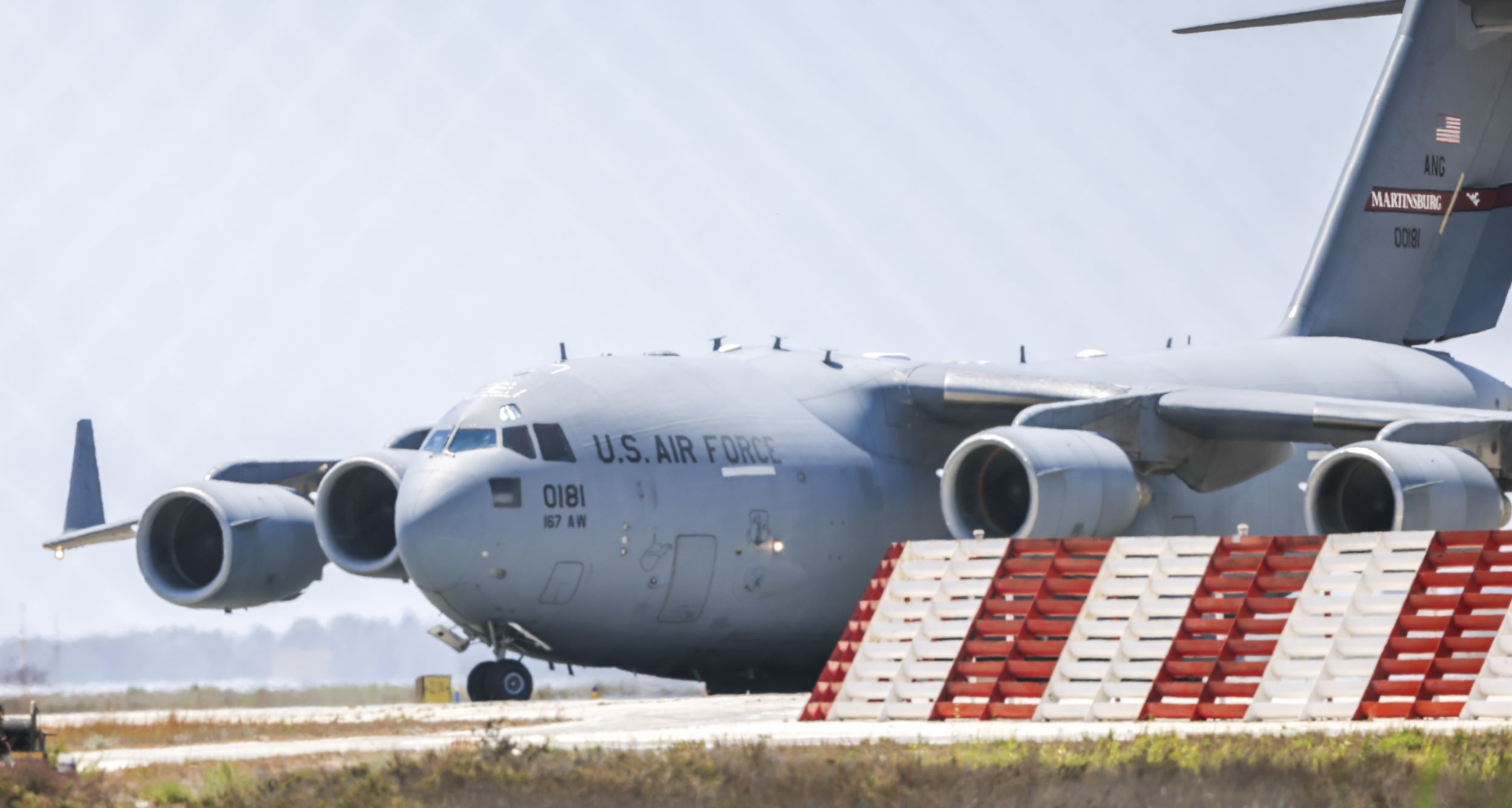
With the Middle East on the brink, how can the US recalibrate its response?
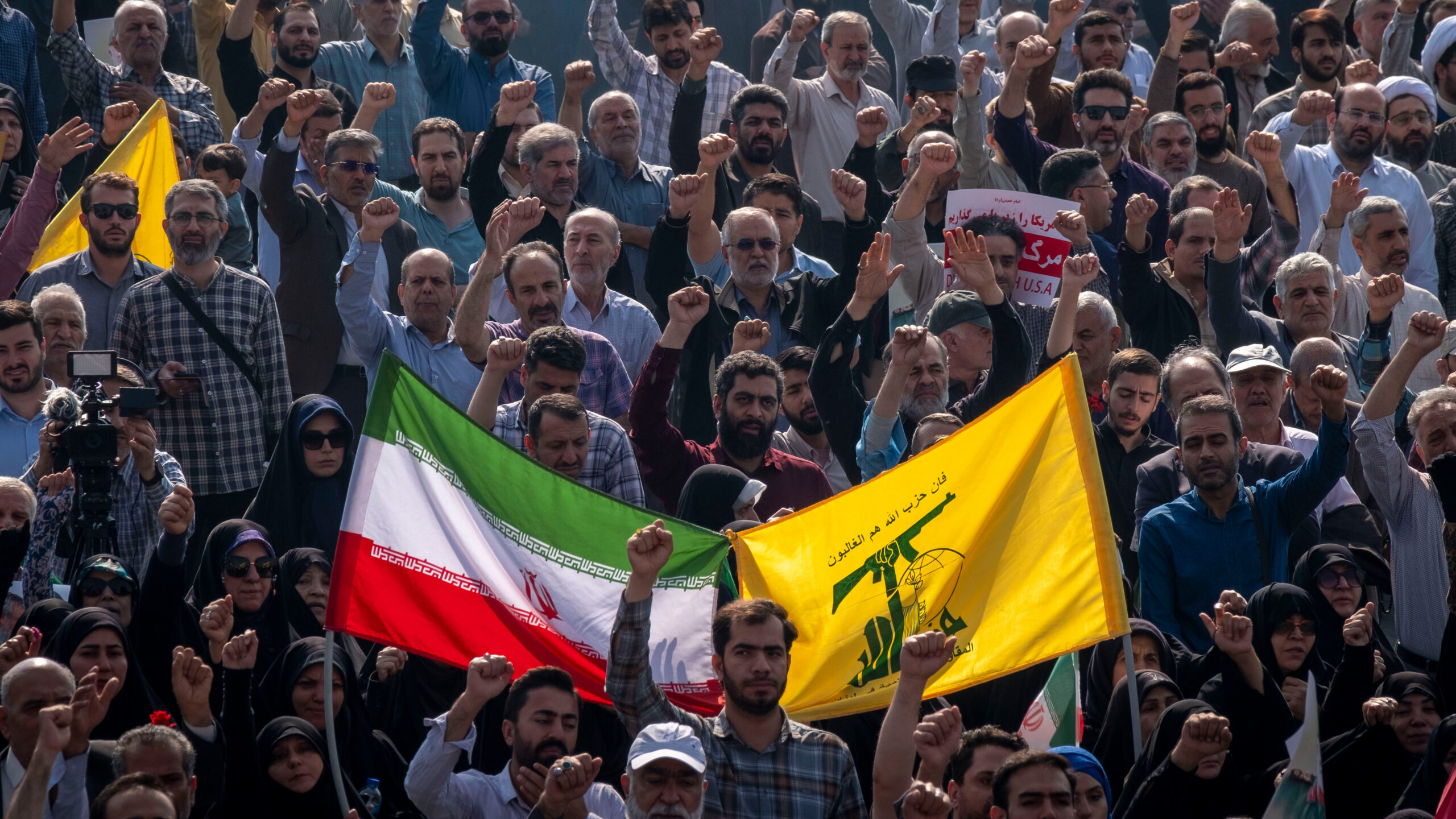
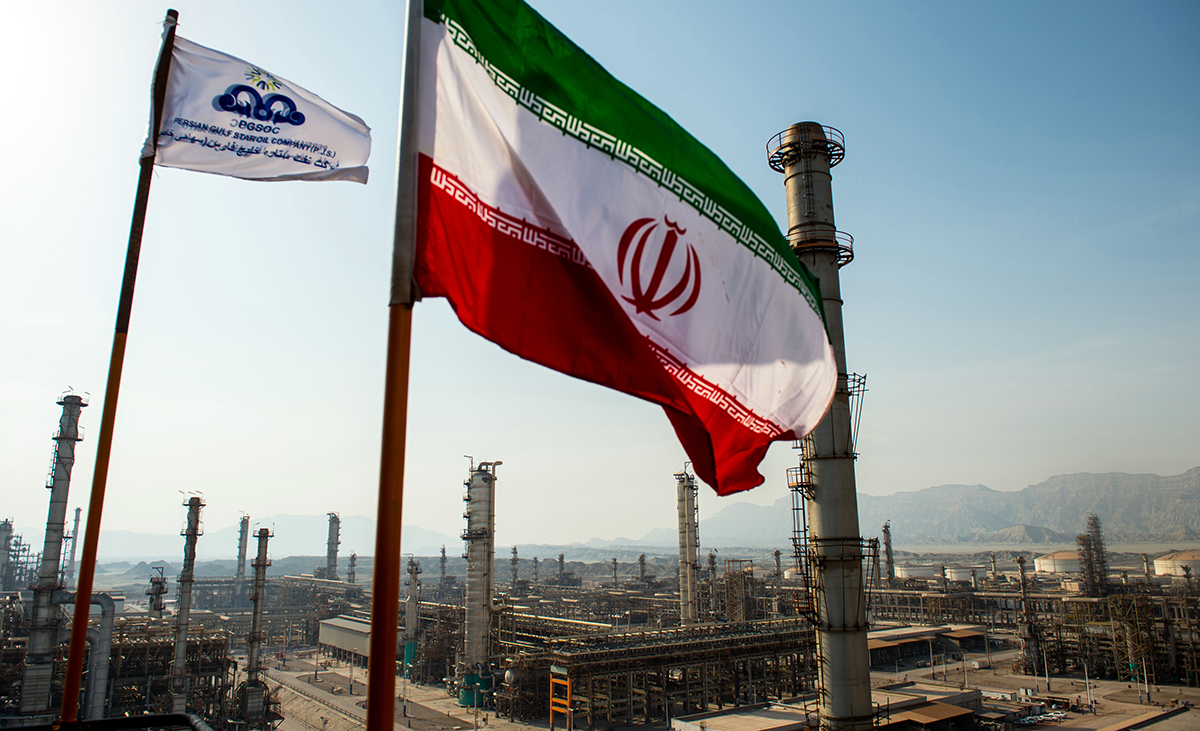
The Middle East teeters on the precipice of a substantial escalation, threatening to more fully draw in Lebanon, Iran, and perhaps other countries. What happens in the coming days, along with the decisions made by adversaries and allies alike, will determine if that happens.
As the Middle East becomes more autonomous and empowered domestically, the leaders in the region might consider more synergetic relations with each other and prepare national long-term plans that provide a balanced and integrated approach to social, technological, environmental, economic, and political development and progress.