Change and continuity in EU’s foreign policy in the MENA region: What to expect from the new political cycle in Brussels
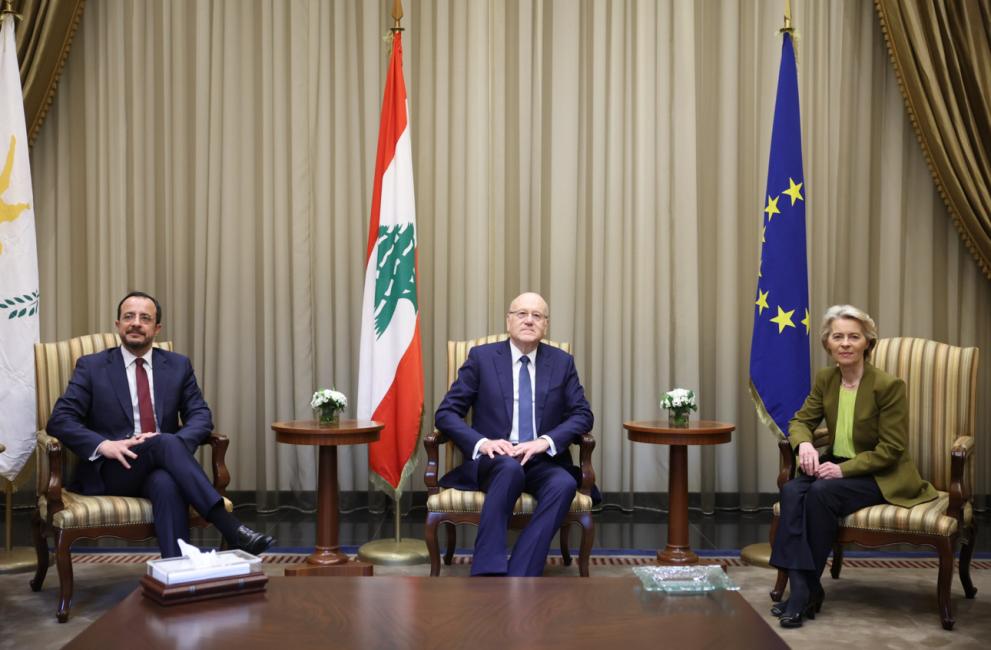
In the corridors of power in Brussels, it is common to hear that the position of the EU High Representative for Foreign Affairs and Security Policy is an impossible job. It may actually become even more difficult for the outgoing Estonian Prime Minister Kaja Kallas, who is set to succeed the Spanish Josep Borrell as the European Union’s foreign policy chief in the coming weeks.
De-Russification: Understanding the trajectory and reversibility of Armenia’s Western pivot
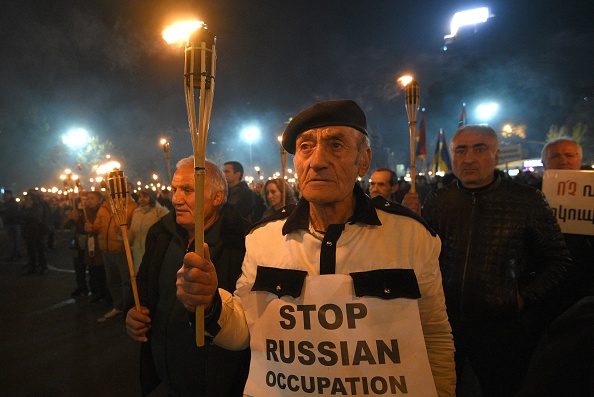
The question of whether Armenia’s recent shift away from reliance on Russia is reversible is central to understanding its democratization trajectory. In recent years, Armenia’s dependency on Russia for security and economic stability has been severely tested, particularly during the 2020 Second Karabakh War and subsequent Azerbaijani incursions on sovereign Armenian territory, where Russia’s lack of support led to widespread disillusionment. This discontent has spurred Armenia to diversify its security, economic, and diplomatic ties, with a notable strengthening of relations with the United States. However, the sustainability of this shift remains uncertain, as it hinges on various societal factors and internal dynamics.
Azerbaijan’s green shift: Energy transition, COP29 commitments, and US collaboration
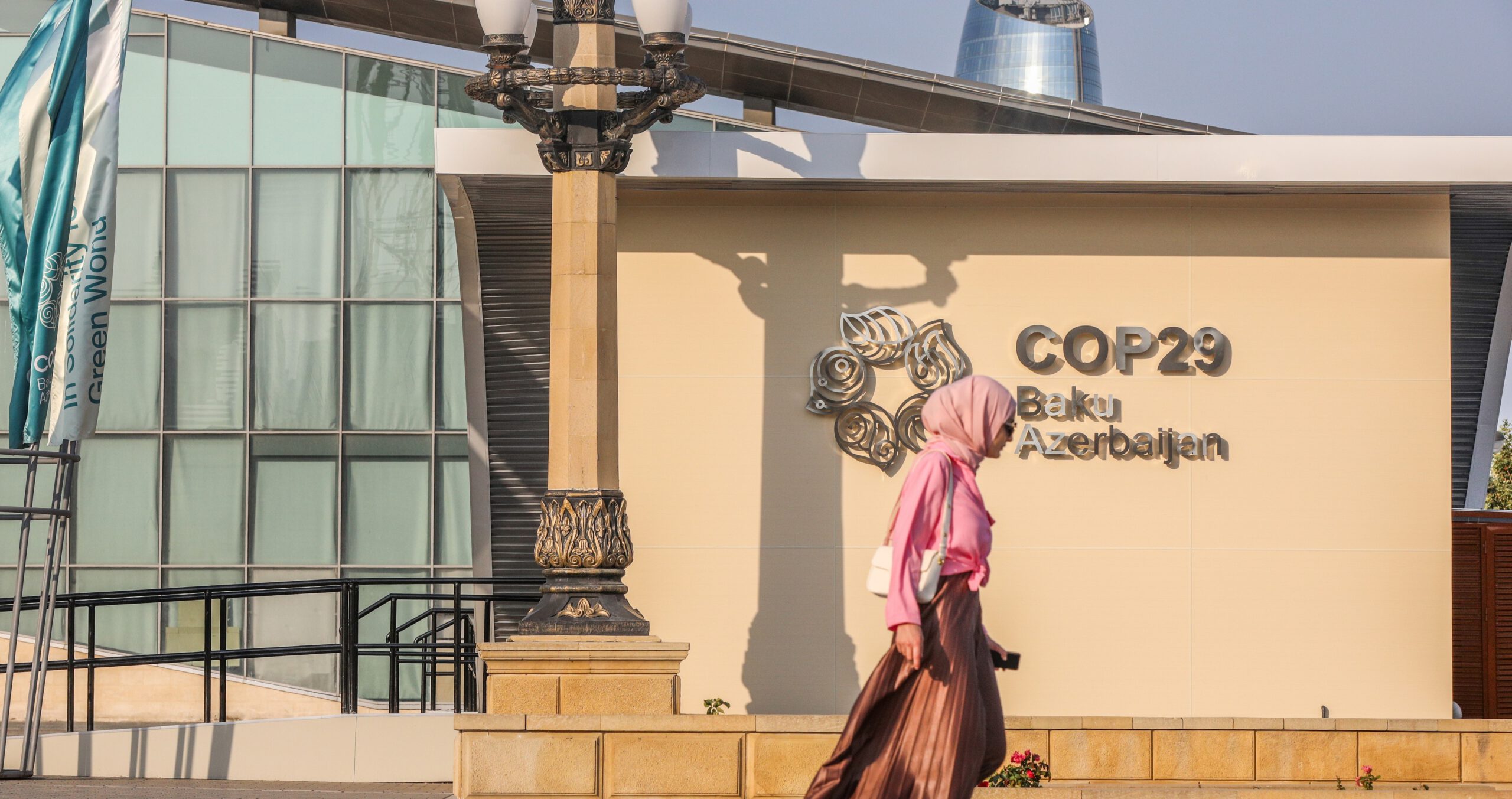
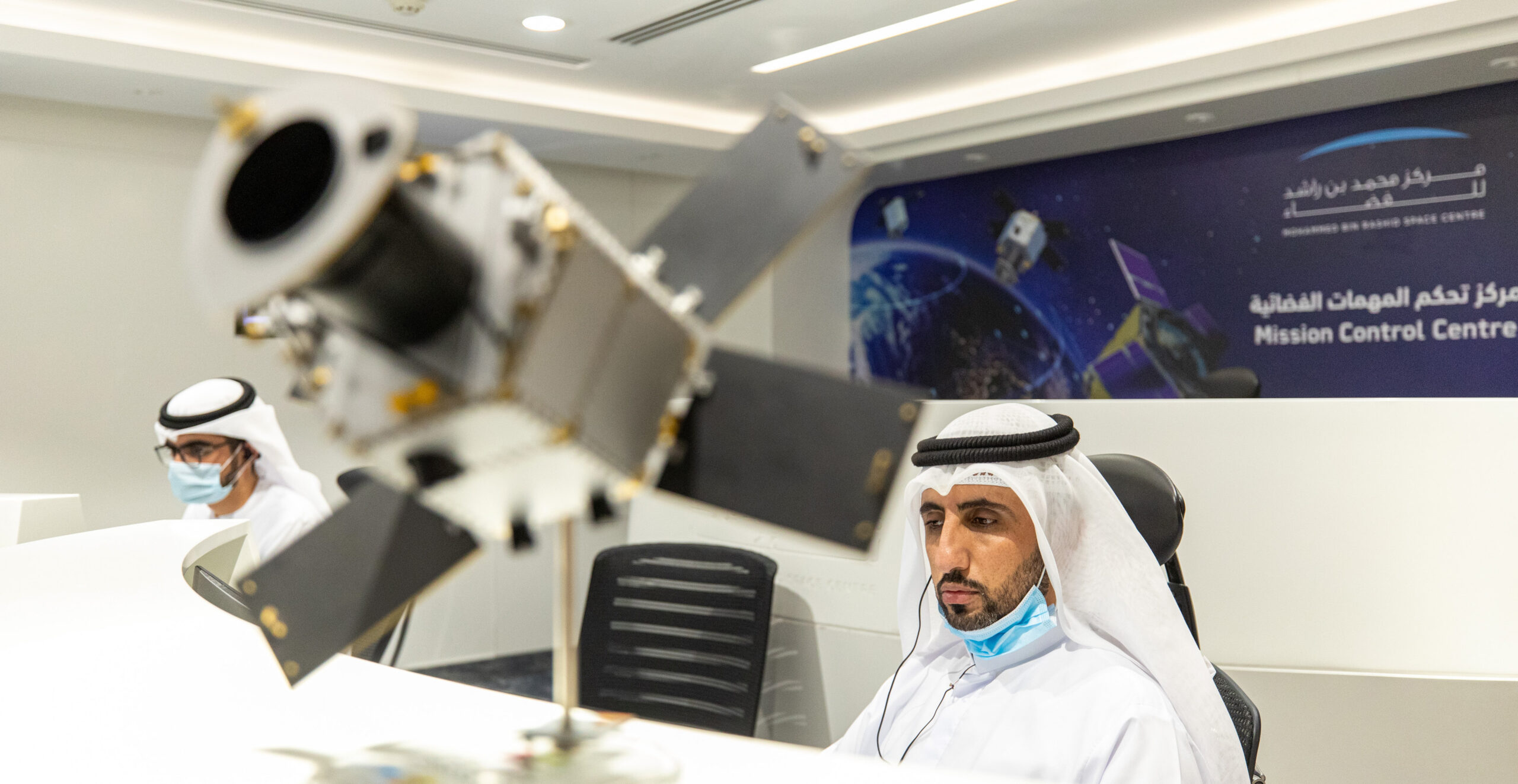
Azerbaijan seeks to establish itself as a major actor in the global energy transition space as it prepares to host the 2024 UN Climate Change Conference (COP29) in Baku, on November 11-22. COP29 offers many opportunities to improve US-Azerbaijani energy cooperation, including by coordinating the United States’ clean energy technology goals with Azerbaijan’s renewable energy revolution.
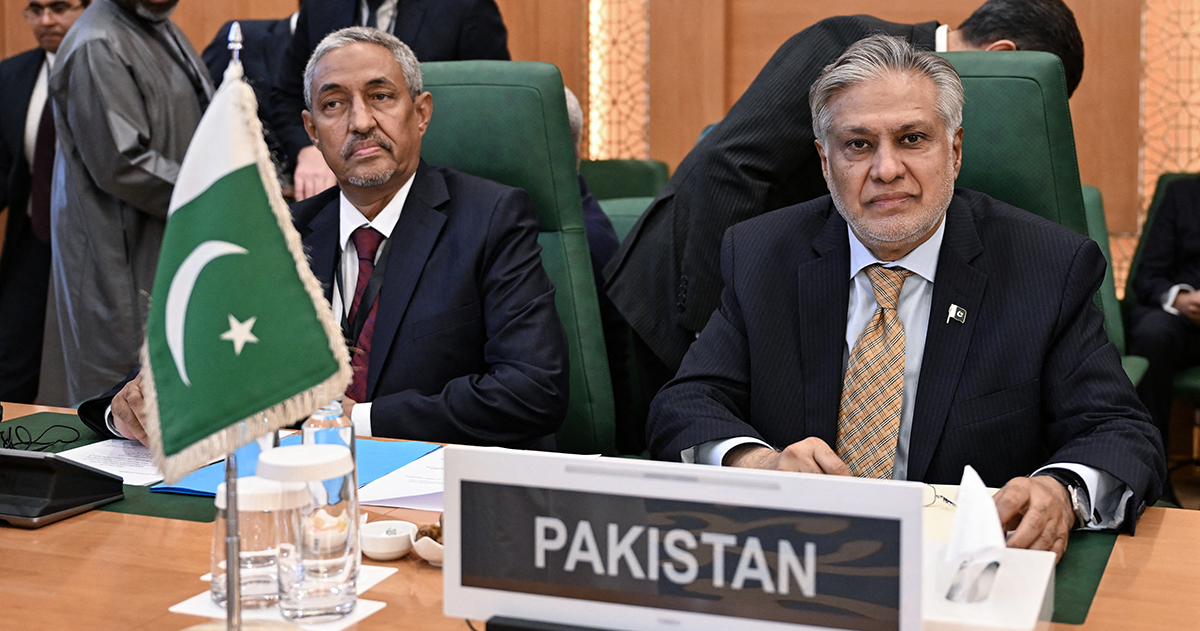
Pakistan’s shifting positions on the plight of Palestinians and relations with Israel
It is ironic that Pakistan and Israel are both countries created in the name of religion, at around the same time, and yet they have no formal relations. While Pakistan’s animosity toward Israel is rooted in the displacement of Palestinians, it has also served as a means of burnishing the country’s credentials within the community of Muslim nations and pushing back against India, which maintains increasingly close ties with Israel.
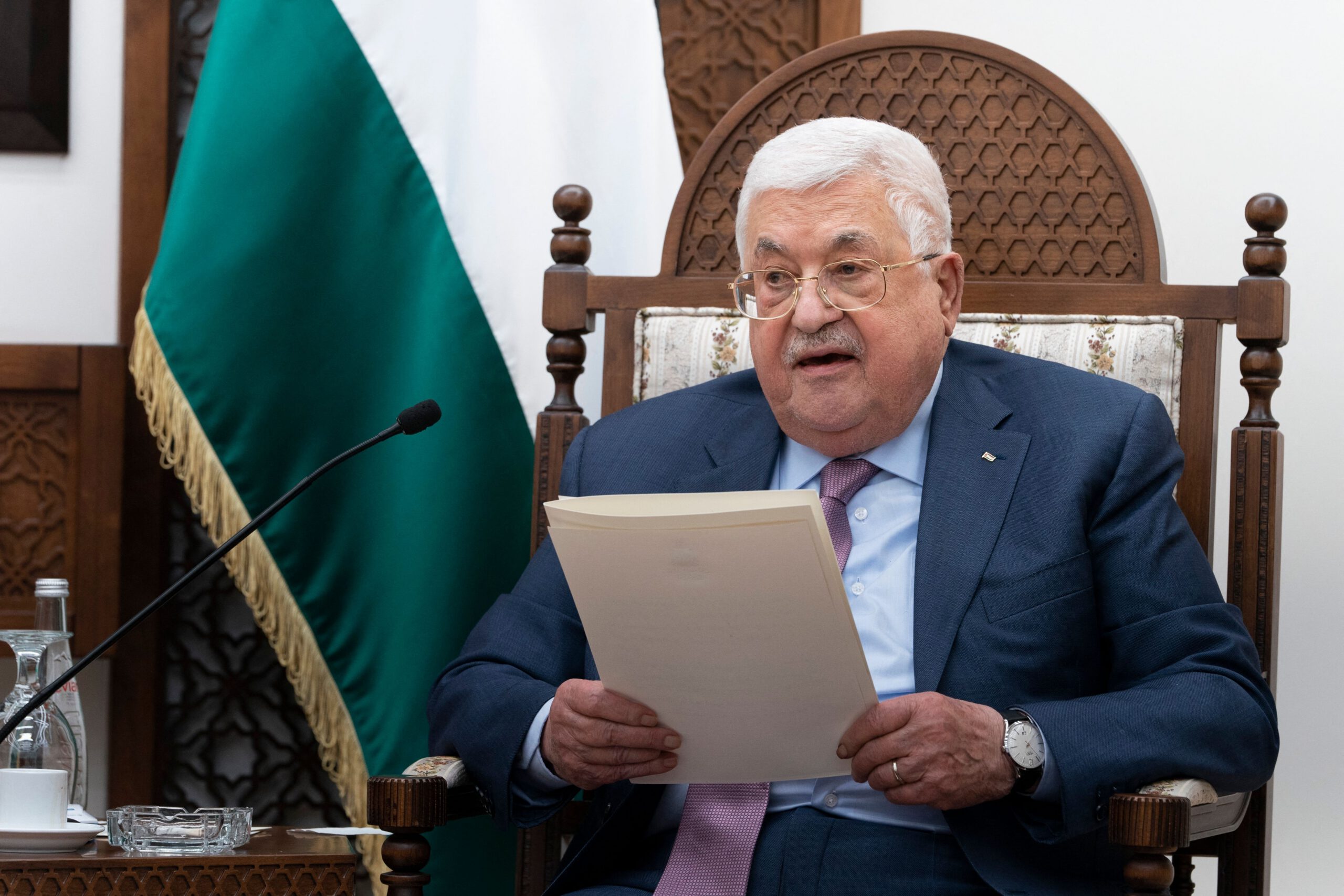
For nearly two decades, Palestinian leadership has been fractured. Along with a basic division between Hamas in Gaza and the Palestinian Authority in the West Bank, numerous other groups have competed for influence. In late July, leaders of all 14 Palestinian political factions, including Fatah and Hamas, met in Beijing to issue a call for national unity.
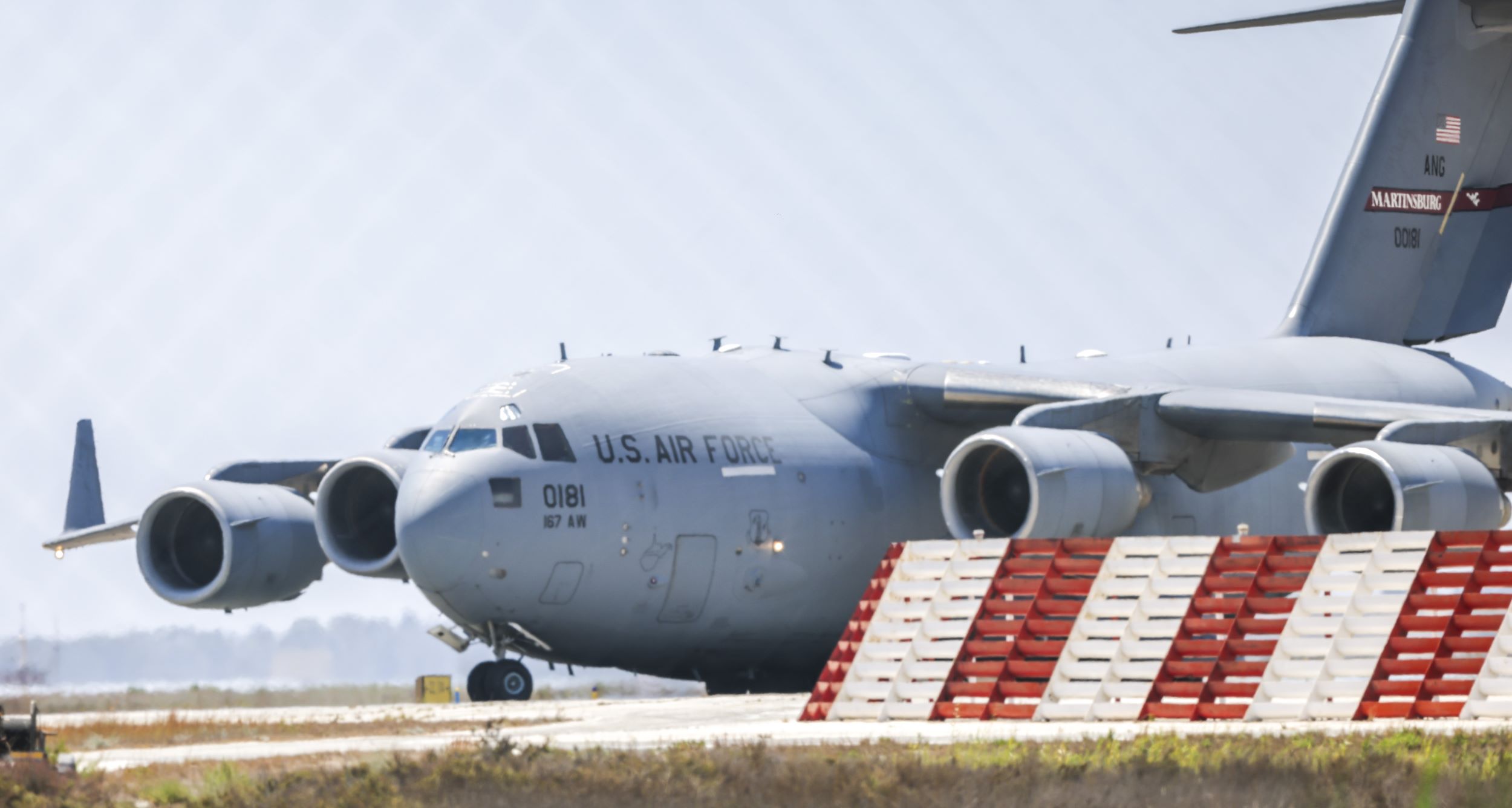
With the Middle East on the brink, how can the US recalibrate its response?
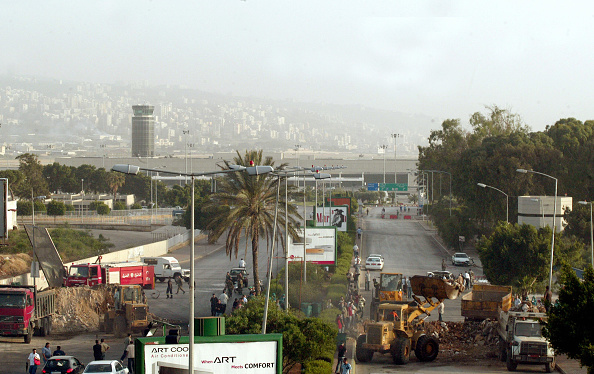
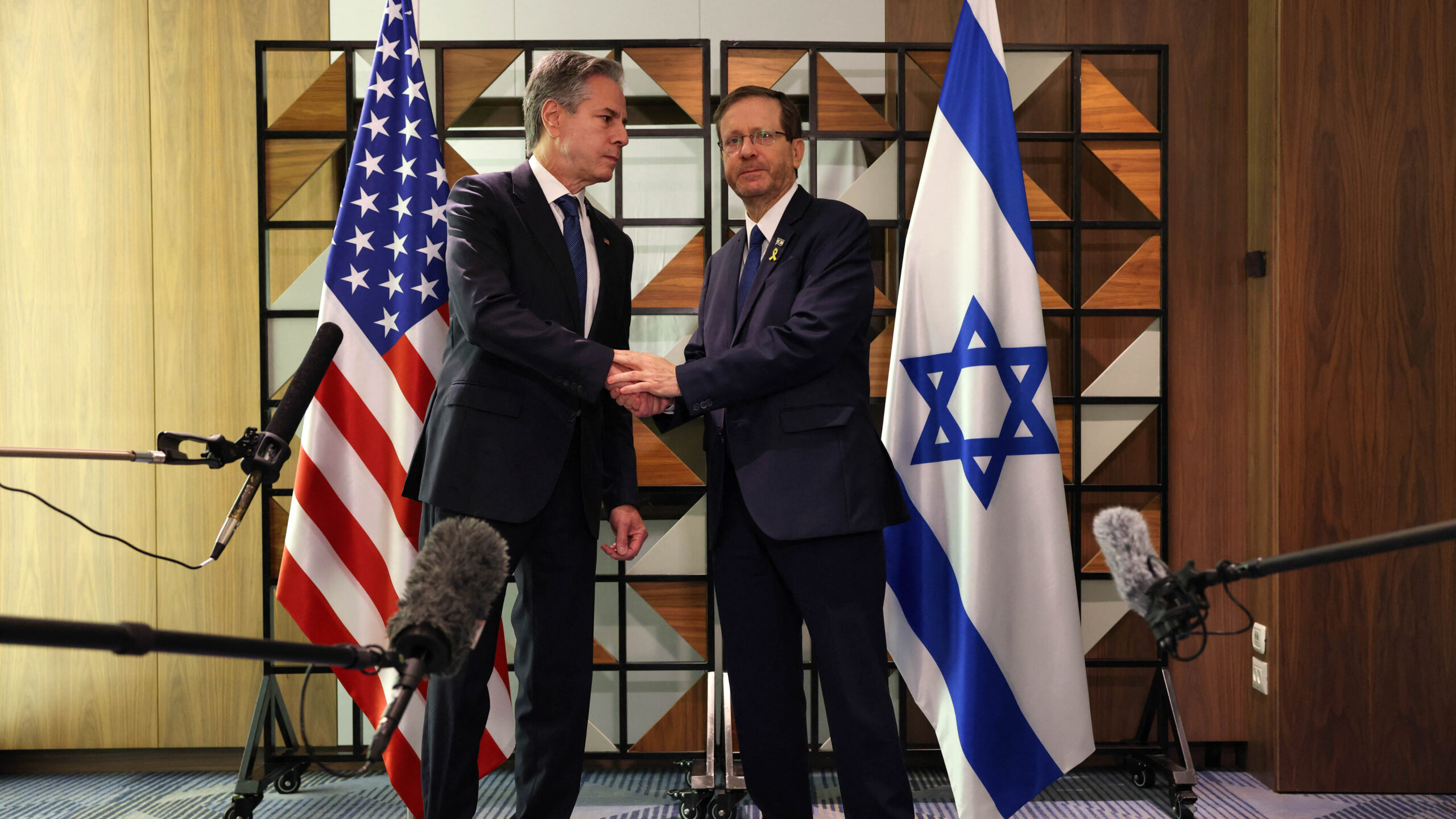
The Middle East teeters on the precipice of a substantial escalation, threatening to more fully draw in Lebanon, Iran, and perhaps other countries. What happens in the coming days, along with the decisions made by adversaries and allies alike, will determine if that happens.
Israel and the Axis of Resistance in the wake of the Gaza war
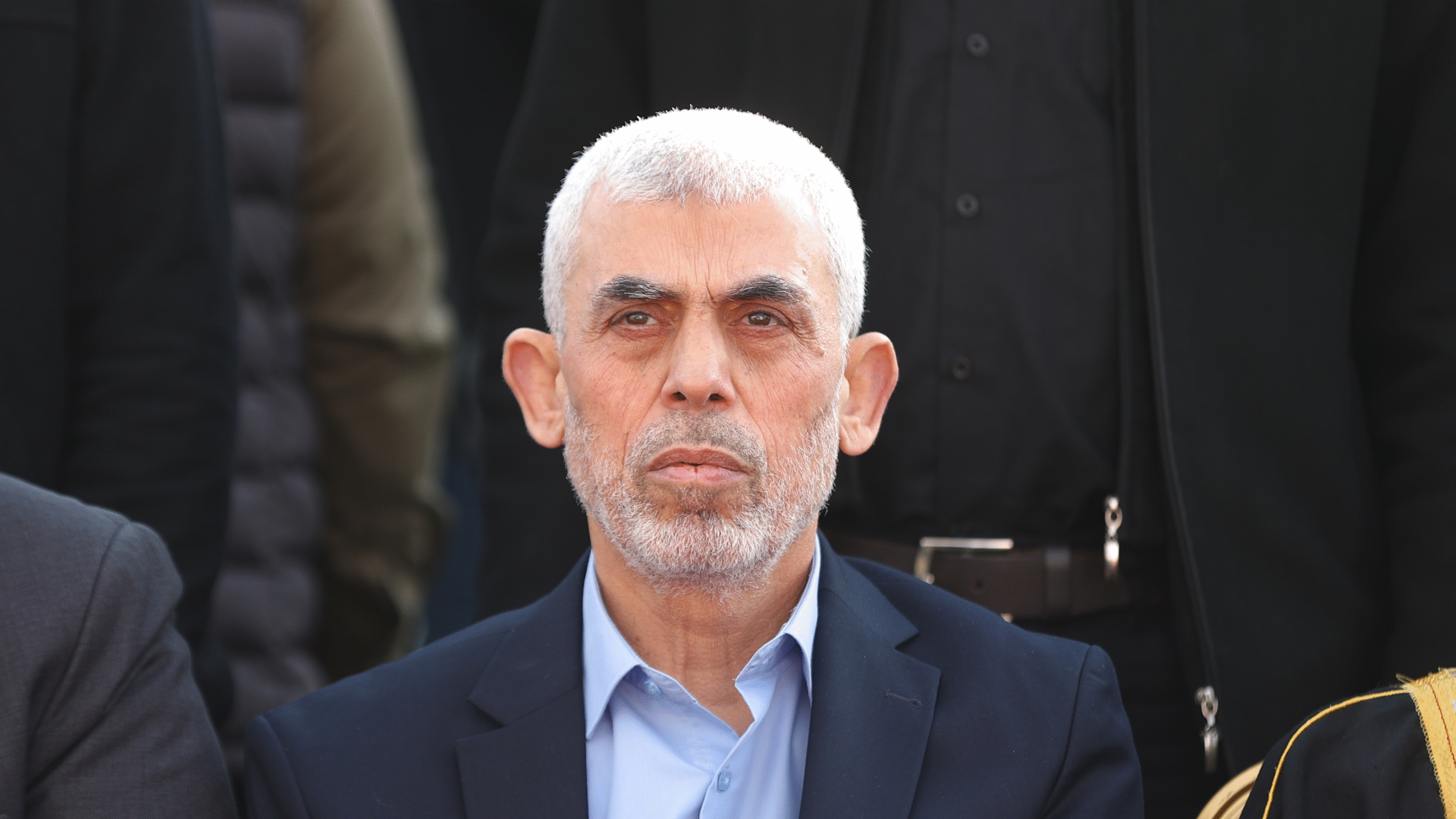
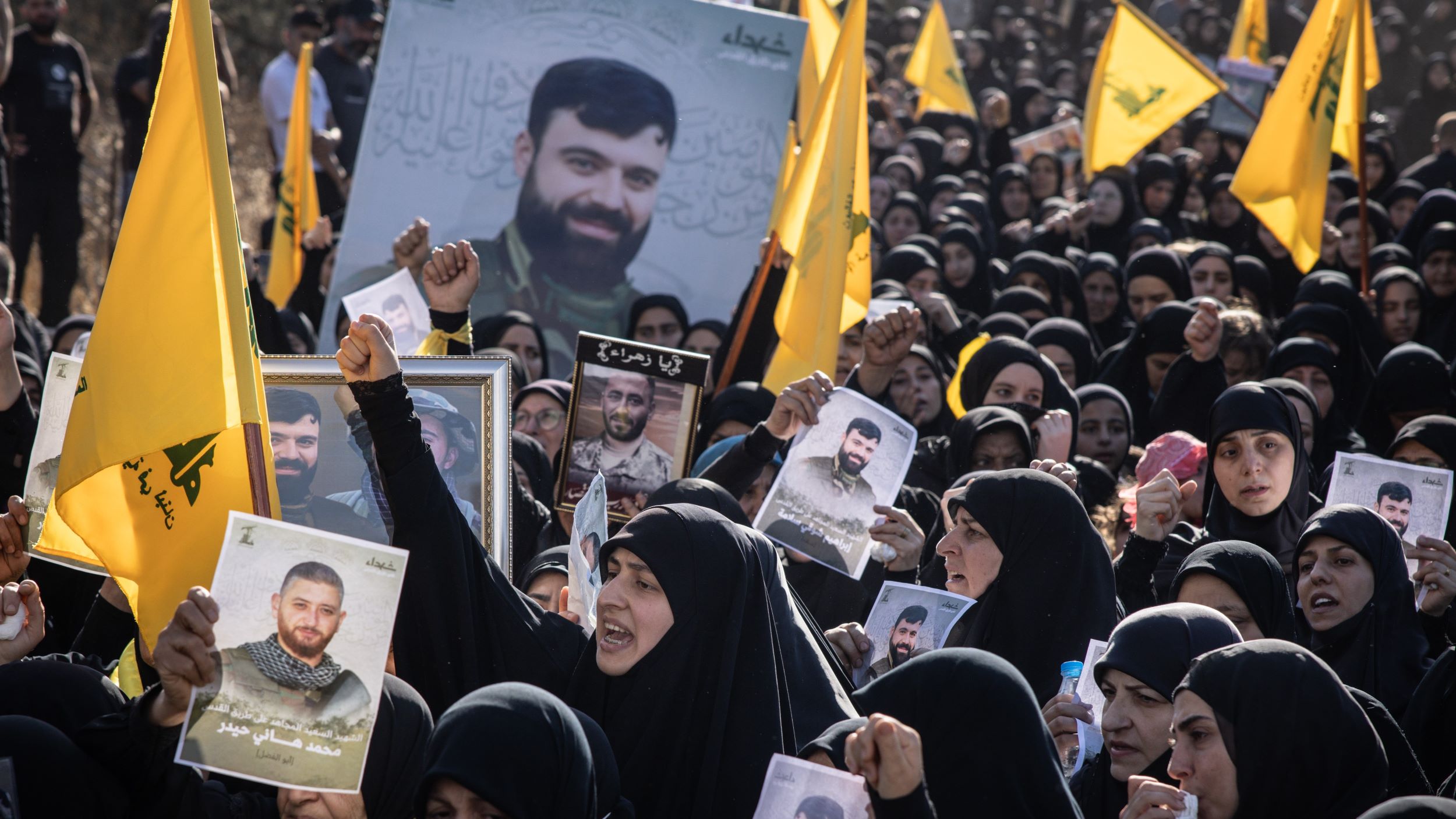
Hamas’ Oct. 7 attack touched off a destructive war with Israel and a limited but fierce regional conflagration between Israel and the Iran-led “Axis of Resistance,” with Lebanese Hezbollah at the forefront. The ongoing conflict has been multi-fronted, multi-faceted, dynamic, and already highly consequential. While a clear bottom line remains elusive, exploring the war’s primary origins and evolution offers useful indicators.
Pakistan's Independence Day highlights deepening ideological divide
On Aug. 14, Pakistan celebrated its 78th Independence Day against the backdrop of a widening ideological and societal divide between proponents of Islamic nationalism and those championing democracy. Seizing the occasion, both the military and political leaders, recognizing Pakistan’s vulnerability to political instability and eroding social cohesion, have sought to shape the national discourse and sway public opinion with their respective narratives.
As the Middle East becomes more autonomous and empowered domestically, the leaders in the region might consider more synergetic relations with each other and prepare national long-term plans that provide a balanced and integrated approach to social, technological, environmental, economic, and political development and progress.