In their dissection of this year’s Festival de Cannes, analysts have noted the glaring absence of the most pertinent theme in present French debates: the relation of France to the Arab world following the Paris terror attacks last November. Cannes remains an exclusive club, restricted to the world’s most prominent filmmakers, the majority of whom are Cannes alumni—Ken Loach, Olivier Assayas, Pedro Almodóvar, Cristian Mungiu, and so forth. The various sidebars of the fest have made up for this omission, featuring ten pan-Arab films mostly by second-generation French Arabs.
'Disgraced' Exposes the Contradictions of Identity
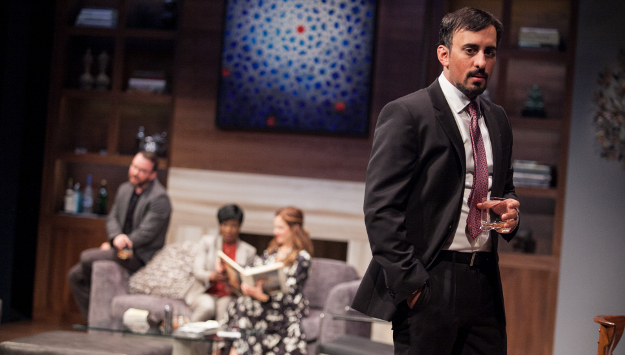
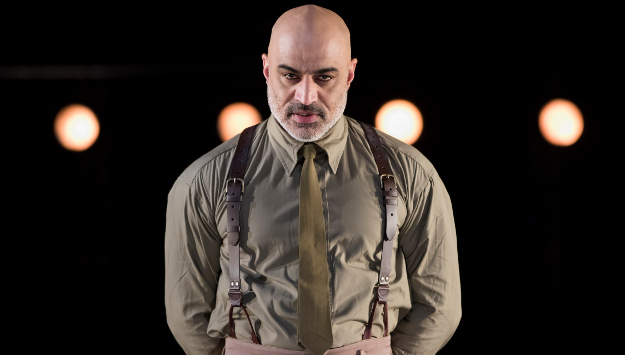
Unsettling is perhaps the word that best describes playwright Ayad Akhtar’s Disgraced. The intensity of the scenes provoked uncomfortable shuffling in seats, and reduced one audience member to tears. The Pulitzer Prize-winning play, featured by Arena Stage in Washington until May 29, should be commended for its bold attempt to tackle one of the most complex and sensitive issues dominating today’s political discourse: Islam and identity.
The Arab World’s Jewish Heritage Showcased in Berlin
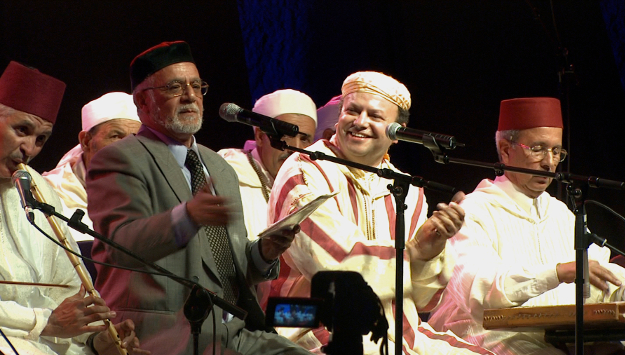
The exodus of Jews from the Arab world is one of the most under-recorded stories of the region’s recent history. As many as 800,000 Jews lived in Egypt, North Africa, Yemen, and the Levant prior to the creation of the state of Israel in 1948. Their stories have largely been deliberately forgotten, buried in the cellars of history for more than half a century.
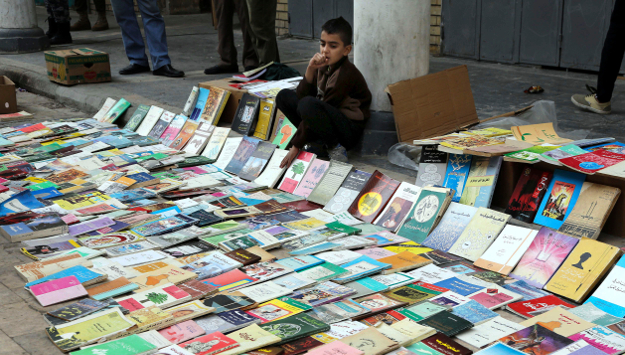
When the Mongols invaded Baghdad in 1258, they laid siege to the city’s libraries, including the famed House of Wisdom—the largest in the world at the time.
A center for Muslim, Jewish, and Christian scholars, the destruction of the library remains one of the most famous examples of cultural loss during wartime.
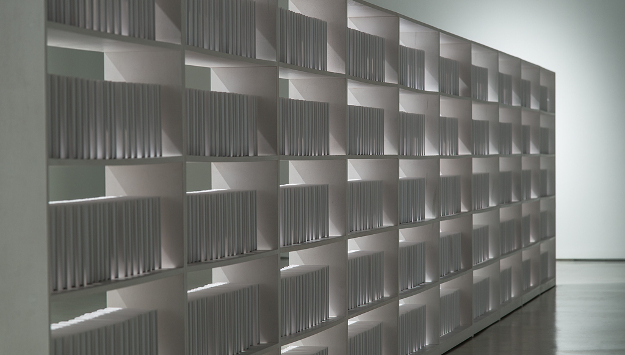
Nine centuries later, Iraqi-American artist Wafaa Bilal has taken the fate of the House of Wisdom as a starting point for a cultural project aimed at rebuilding the library of the Baghdad College of Fine Arts, destroyed in the aftermath of the 2003 invasion.
#CultureUnderThreat Task Force Unveils Recommendations to Combat Antiquities Trafficking
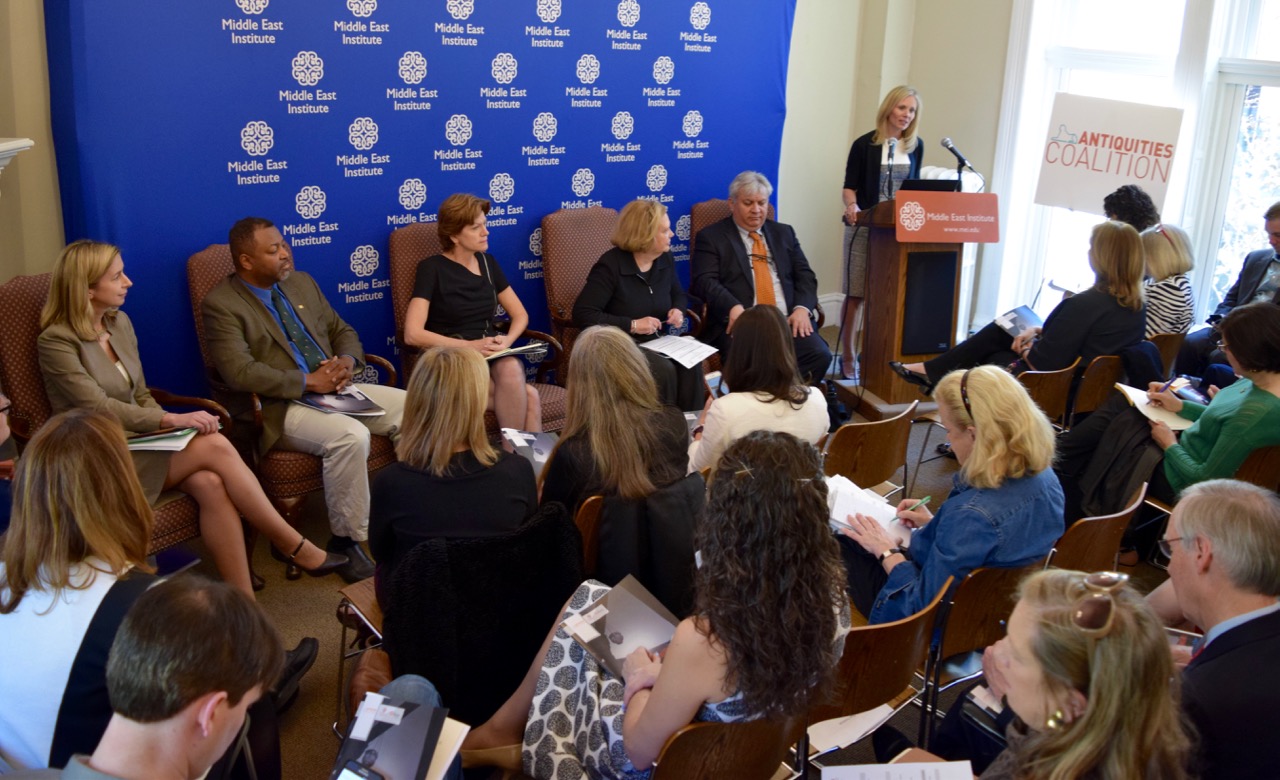
WASHINGTON, DC (April 13, 2016) – Today the Antiquities Coalition, Asia Society, and Middle East Institute released #CultureUnderThreat: Recommendations for the U.S. Government, a series of steps for confronting growing threats to our cultural heritage and global security. Cultural racketeering – the global trade in looted antiquities – is a multibillion-dollar industry that funds organized crime and terrorists like Daesh (also known as ISIS).
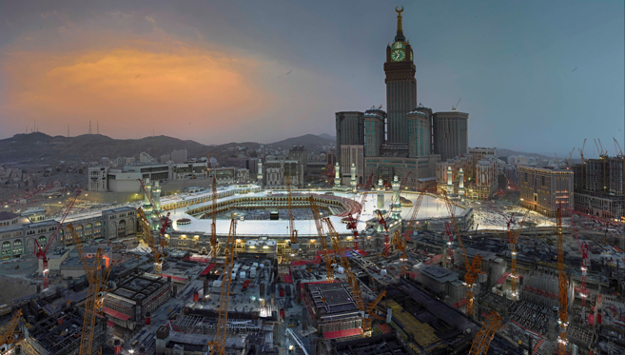
On a sub-level inside one of the Smithsonian’s art galleries in Washington, a man stood entranced by the Golden Hour, a six by eight foot photographic composition of Mecca.
The man noted the dozens of cranes and the Makkah Royal Clock Tower, a monstrous and controversial piece of architecture that dwarfs everything around it. Then, with his finger, the visitor carefully air circumnavigated around the Great Mosque.
“What’s this tiny black cube in the middle?” he asked, pointing to the Kaaba.
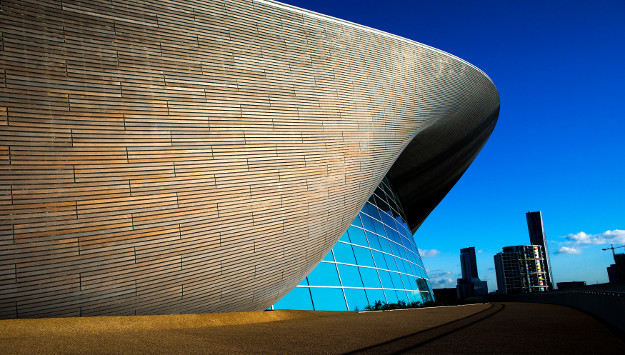
The Middle East Institute (MEI) is saddened by the passing of Zaha Hadid, the renowned Iraqi-born architect whose iconic structures ignited imaginations and experimented with new spatial concepts. Hadid was the first female and first Arab recipient of the Pritzker Architecture Prize, the field’s highest honor. In 2013 she received MEI’s Issam M. Fares Award for Excellence in recognition of her visionary contribution to architecture and urban design.
A casual, short visit to Stockholm may not yield any eye-opening revelations. The mood is as tranquil as ever—the trendy restaurants and bars occupy every neighborhood in the center, and the grandeur of its dazzling, opulent architecture blinds the eye from noticing the Roma beggars scattered across the city.
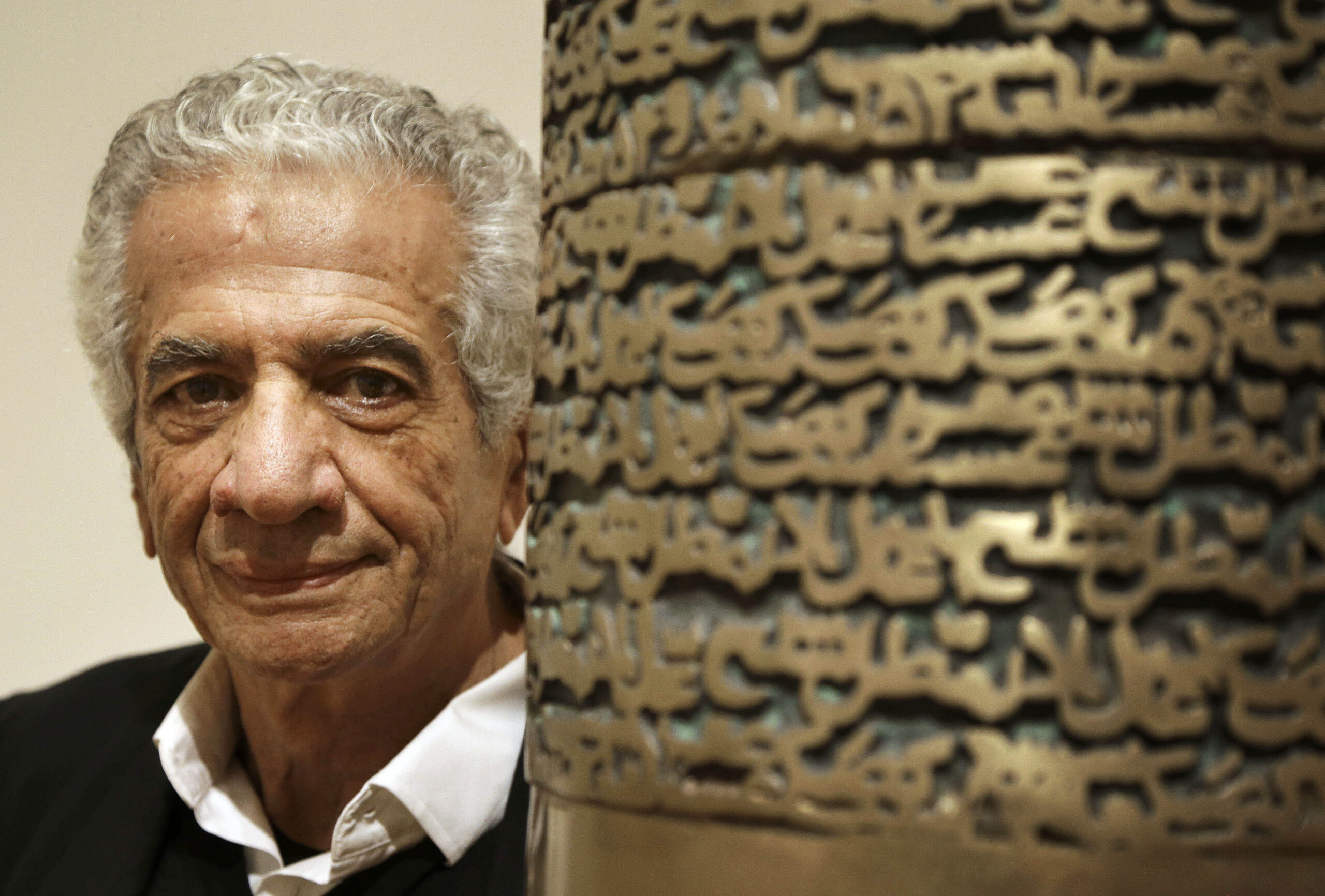
New Documentary Honors Father of Modern Iranian Sculpture
At the edge of the Pacific, in a bucolic suburb of Vancouver called Horseshoe Bay, the “father of modern Iranian sculpture” has lived a quiet existence since 1989.
Despite being a pioneer of Iranian modernism and one of the founders of the Saqqakhaneh School of Art in mid-20th century Tehran, Parviz Tanavoli has been virtually invisible in Vancouver.
Today, however, a new documentary about the artist directed by Canadian filmmaker Terrence Turner has bridged the chasm between the Middle East and the Pacific Northwest.
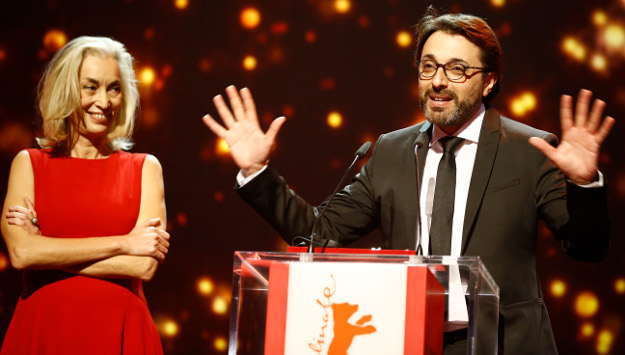
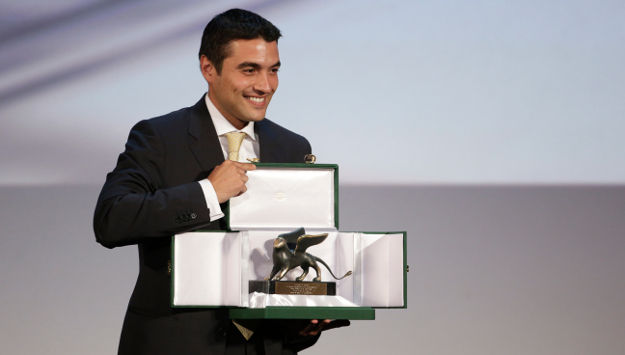
For any major film festival, politics is an imperative ingredient, inseparable from the glamor and publicity organizers always strive to attract. Of all the big film fairs, the Berlin International Film Festival (aka the Berlinale) has forever been known to be the most political, either in its eye-raising selection or in its granted awards.
The Arab Spring’s seismic impact on the region not only shifted the political landscape, it also sparked a new wave of cultural thought. It refocused attention onto Arabic arts and literature as a prism through which various scholars sought to understand ongoing social changes.
Shoot Film, Not Bullets: Yemenis Turn to Art to Cope with Conflict
Yemen’s war is a forgotten catastrophe. Peter Maurer, the president of the International Committee of the Red Cross, stated in August: “Yemen after five months looks like Syria after five years.” All too commonly, civilians are bearing the brunt of the violence in Yemen. According to the United Nations, more than 2,700 people have been killed and more than 5,000 wounded. Schools, hospitals, and roads have been destroyed by the Saudi-led air campaign.
Middle Eastern Cinema in the Spotlight at Palm Springs
Palm Springs is not a place normally associated with cutting edge Middle Eastern cinema.
In fact, the obvious connections to the region are more about geography and agriculture—desert scenes reminiscent of Palestine or Iraq, date palms from North Africa—than film.