Tehran Views GCC Overture as “Sign of Weakness,” Not Goodwill Gesture
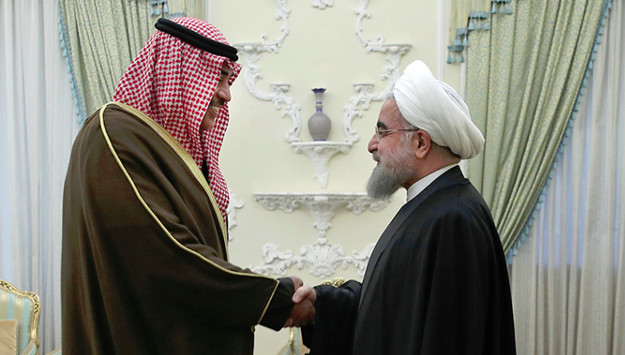
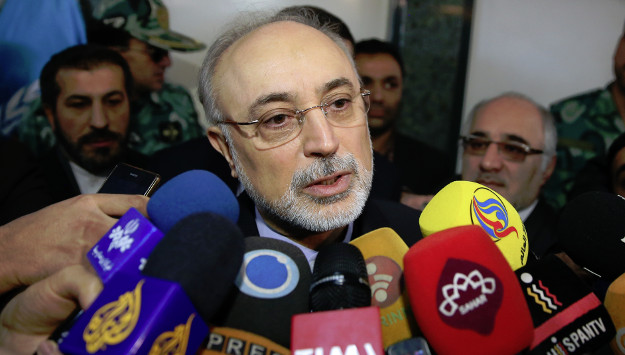
Kuwaiti Foreign Minister Sheikh Sabah Khaled al-Sabah has arrived in Tehran today to deliver a message from Gulf Cooperation Council (GCC) on a strategic dialogue between the Gulf Arab states and Iran, the Iranian and Arab media report. “Gulf states have a true desire that relations with Iran are normal and based on international law,” Sabah said on Tuesday after attending the inauguration of a NATO center in Kuwait.
Trump’s Missile Defense Plan Raises Questions in Iran
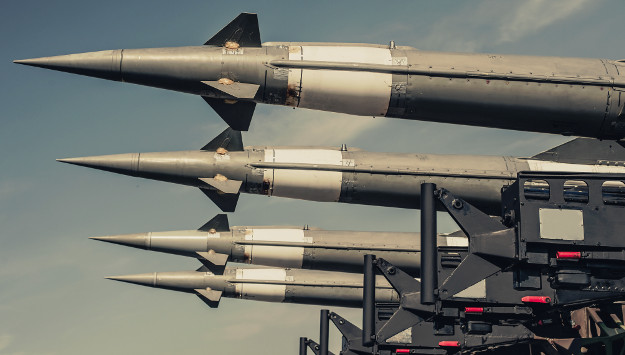
The Trump administration’s plan to develop a missile defense system (MDS) to counter potential intercontinental ballistic missile (ICBM) threats has raised many questions in Iran.
Shortly after Donald Trump took the oath of office, the White House website released a policy statement – titled “Making Our Military Strong Again” – which stated that the administration will “develop a state-of-the-art missile defense system to protect against missile-based attacks from states like Iran and North Korea.”
Rouhani’s Brother and Corruption in Iran Government
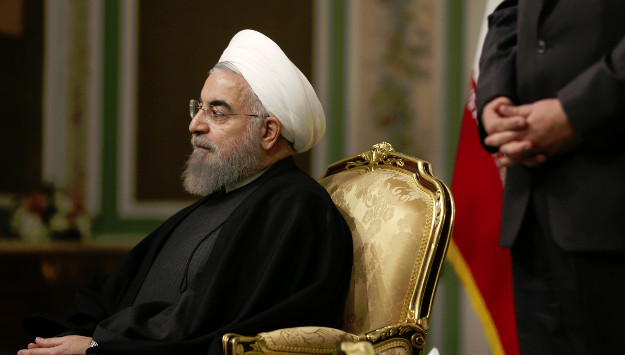
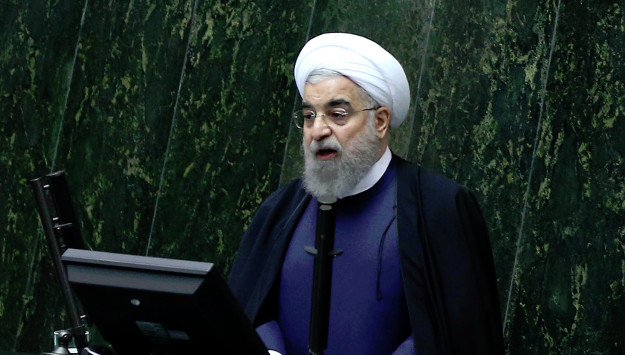
According to the speaker of the Iranian parliament (Majlis), Ali Larijani, 45 parliamentarians are insisting that President Hassan Rouhani look into the alleged wrongdoings of his younger brother, Hossein Fereidun.
Swedish Prime Minister Reminded of Political Prisoners in Tehran
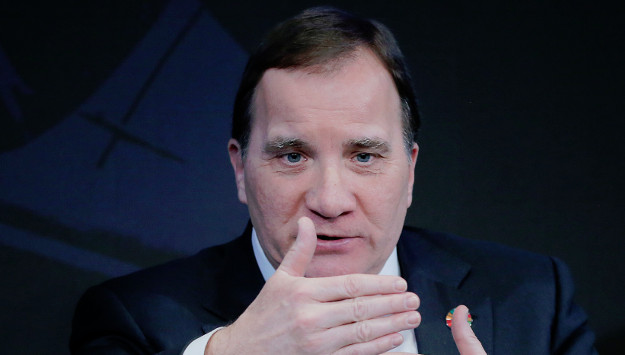
As the Swedish Prime Minister Stefan Lofven prepares for his February 11-12 visit to Tehran he is facing pushback from Iranians that are urging Sweden not to overlook human rights violations while pursuing business interests in that country. A number of open letters have been published by Iranian activists about dire conditions for political prisoners in Iran. It will remain to be seen if Lofven will push the issue while in Tehran.
The Poor of Baluchistan Ignored by Rouhani Minister
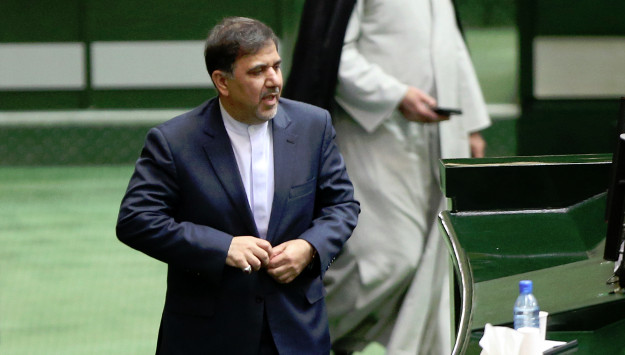
Abbas Akhundi, one of the more controversial ministers in the government of President Hassan Rouhani, has once again come under attack for his performance.
Rafsanjani Had Urged Khamenei to Release Top Political Prisoners
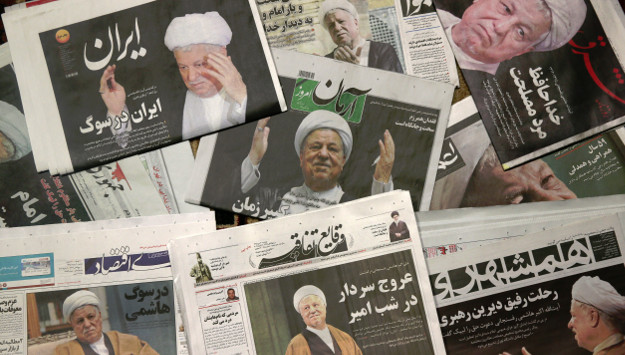
One Iranian opposition-leaning site, Kaleme, has reported that the recently deceased Ayatollah Akbar Hashemi Rafsanjani had strongly urged Iran’s Supreme Leader Ayatollah Ali Khamenei to release Mir-Hossein Mousavi and Mehdi Karroubi from house arrest. “These are elderly people and if anything happens to them [while under house arrest] then the regime is responsible,” Rafsanjani is quoted to have said to Khamenei.
New Poll Shows Support for Rouhani Sinking ahead of Elections
A new opinion poll shows that public support for Iranian President Hassan Rouhani is plummeting as Iranians are increasingly dissatisfied with the government’s handling of economic and democracy-related issues.
Ukrainian officials have confirmed that a shipment of missile components sized at a Kieve airport was destined for Iran. According to a report by IHS Jane’s, the State Border Guard Service of Ukraine (DPSU) said its personnel found 17 boxes with no accompanying documents that contained components for a Fagot anti-tank guided missile system. The DPSU also released photos of components from 9P135-series ground launching systems found on the Iran-bound airliner.
The once powerful Iranian reformist parties are today on the political margins. While they continue to enjoy significant support from voters at election times – which was last evident in the 2016 parliamentary elections when reformists secured about 41% of the vote – the public no longer seems to believe reformists can instill serious reform in Iran. In particular, the Iranian youth of today, which used to be the bedrock of support for reformists, is noticeably disillusioned with the political process in the country.
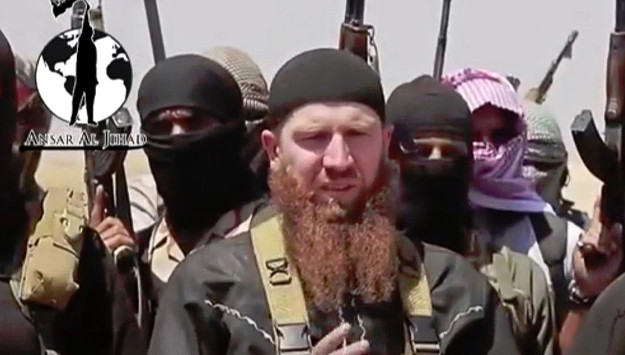
Fars News, an outlet that is linked to Iran’s Islamic Revolution Guards Corps (IRGC), reported that ethnic Chechen forces from Russia are now acting as police units in the Syrian city of Aleppo. The outlet reported that Chechens had also from December 2016 been deployed “to serve in the military police to protect Russia’s Khmeimim air base in Syria.”
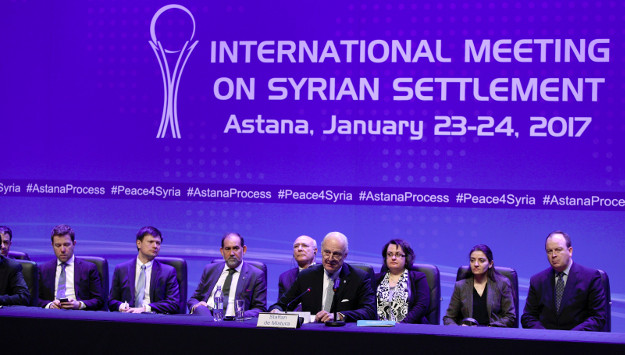
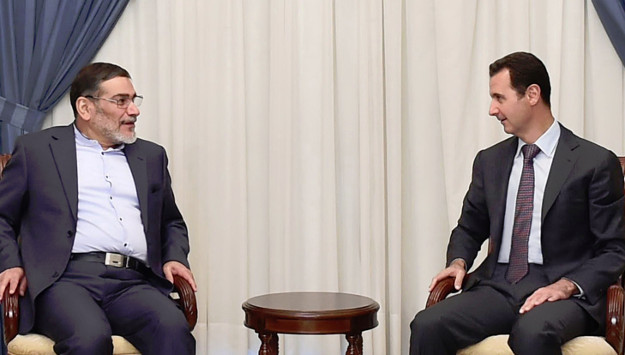
Tehran’s fears of losing out influence during the ongoing peace talks on Syria in Astana were evident even in the makeup of the Iranian delegation. According to Iranian sources, Tehran had been compelled to dispatch a top military figure with extensive experience in Syria in order not to be eclipsed by Russian and Turkish militaries.
Iran, Russia and Turkey agreed earlier today to establish a trilateral mechanism to enforce the fragile cessation of hostilities in Syria. After a two-day meeting in Kazakhstan sponsored by Moscow, the trio issued a joint statement that called for “a political process based on the implementation of the UN Security Council resolution 2254” to end the Syrian civil war.
Iran-Backed Militia Units Continue West Mosul Operations
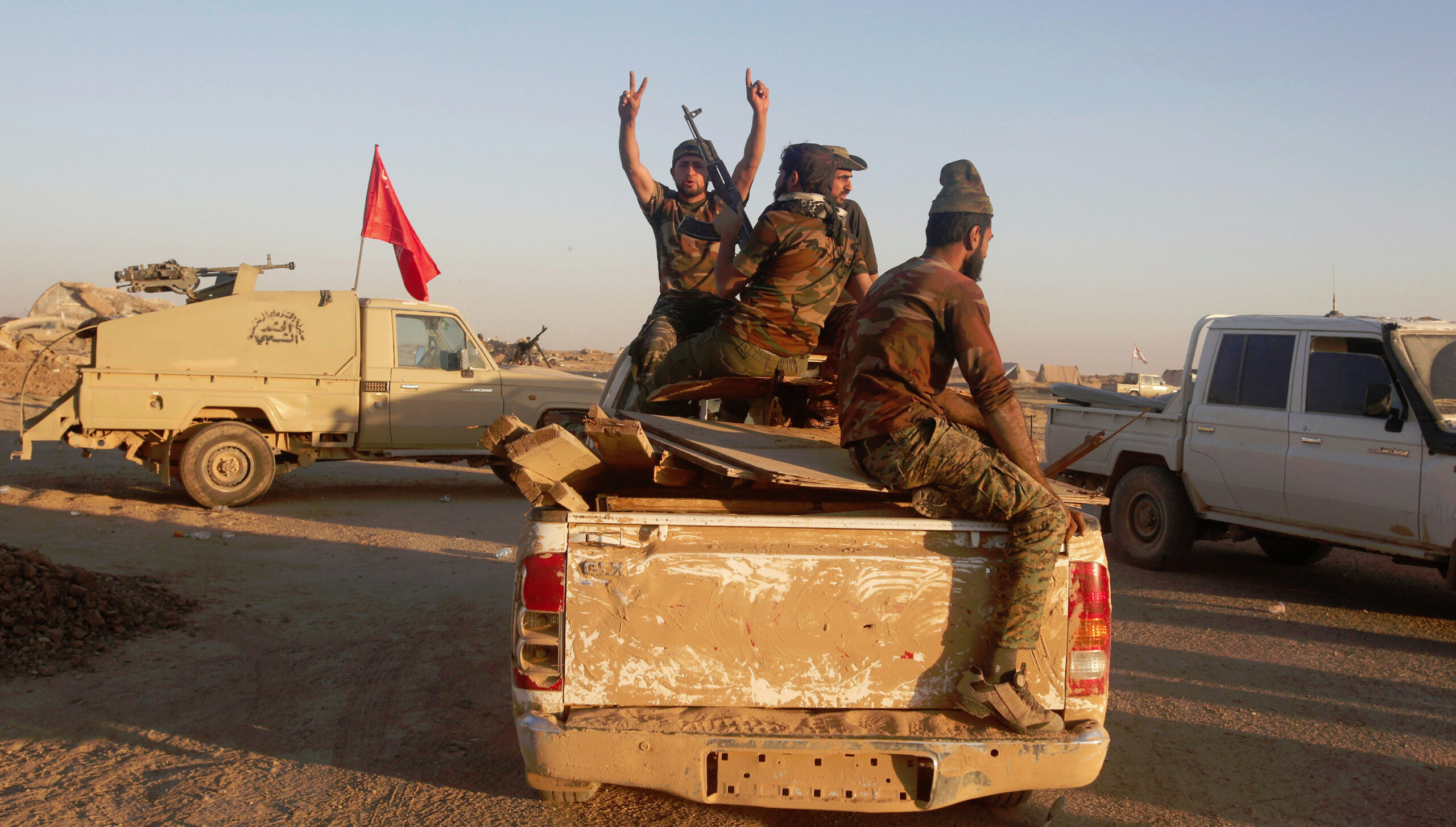
A senior Iraqi official has said that the Popular Mobilization Force (PMF) will take part in the “liberation” of western Mosul. “The popular mobilization forces in Nineveh Province will participate in the liberation operation of Tal Afar,” Iraqi National Security Advisor Falih al-Fayyad said in an interview with Iranian state-run Al-Alam News Network published on January 23.