Cost of Conflict: An Analysis of the Costs of Russia’s Ongoing Hostilities in the Black Sea Region
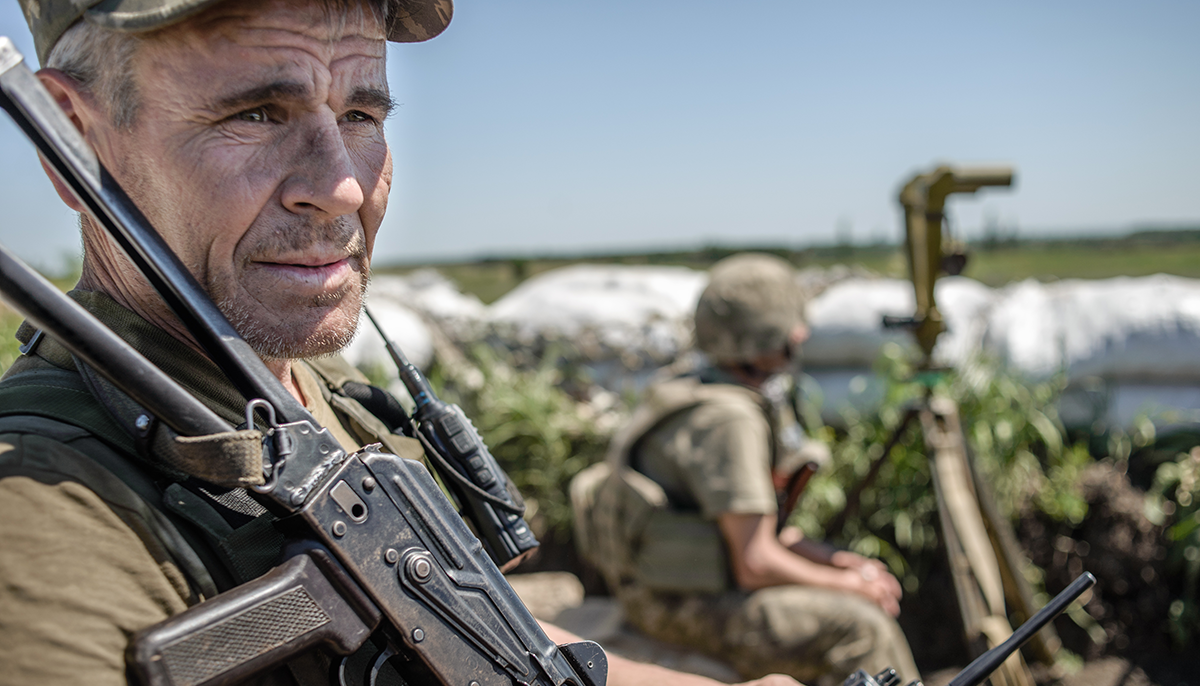
Conflicts are enormously destructive. They destroy lives and property, uproot communities, and reduce the economic potential for all involved. This devastation often has an unaccounted cost, both in terms of the obvious direct destruction of lives and assets, as well as the indirect costs that weigh on economies, often for years to come. This is true of all conflicts, and has certainly been true, and visible, during Russia’s unjustified and illegal invasions of its neighbors, Georgia and Ukraine.
The Schism of Jihadism in the Sahel: How Al-Qaeda and the Islamic State are Battling for Legitimacy in the Sahelian Context
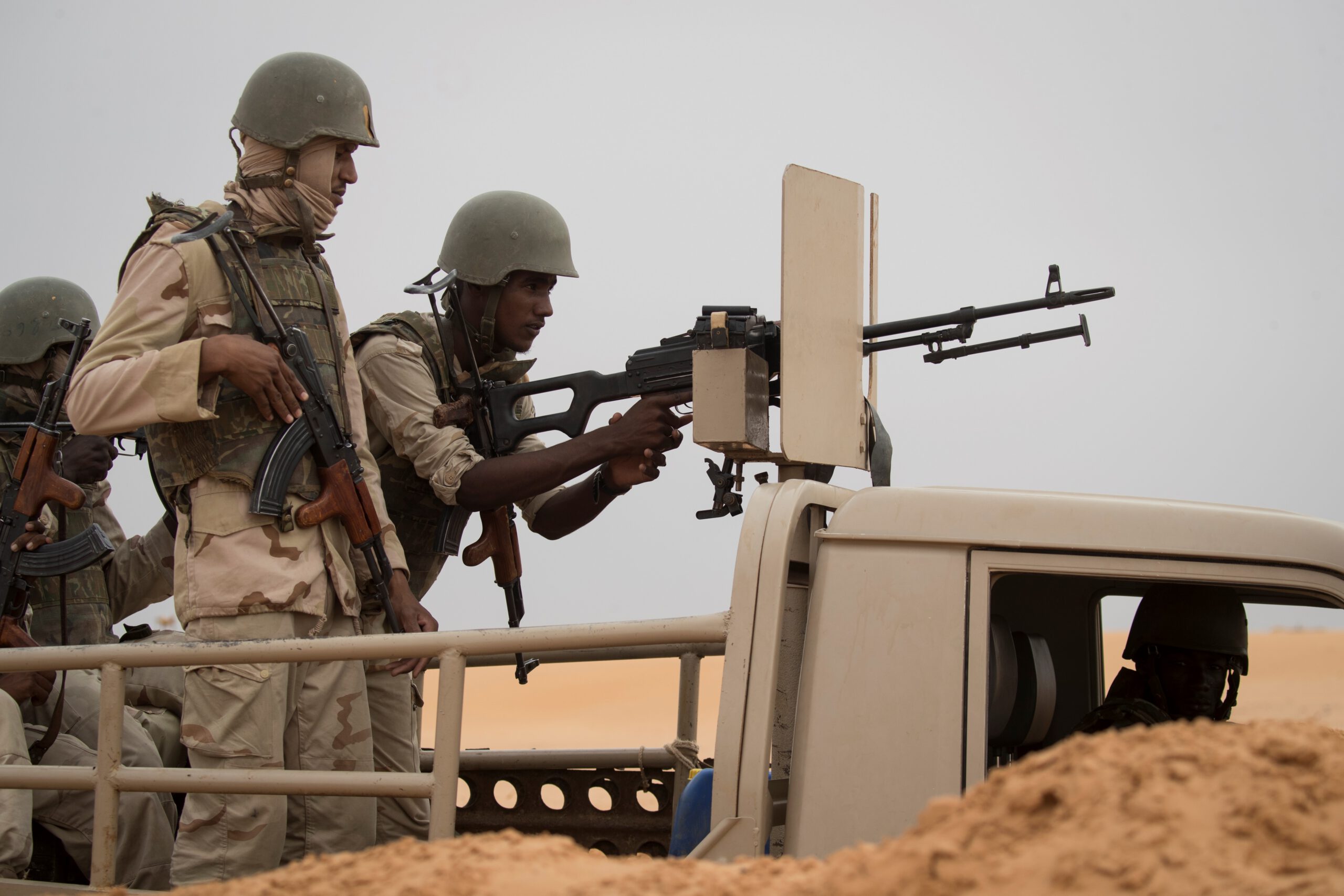
This paper examines the prospects of jihadist expansion in the Sahel region and its implications for security actors and civilian populations alike. It investigates the role of propaganda and public discourse narratives in bolstering jihadist group legitimacy and advancing attempts by groups seeking to generate local embeddedness and mass support. It offers a nuanced perspective of inter-jihadist contestation, one that goes beyond mere focusing on security operations and clashes and delves more deeply into group framing and identity.
A view from the Hill: Congressional action targeting the MENA region, July-September 2021
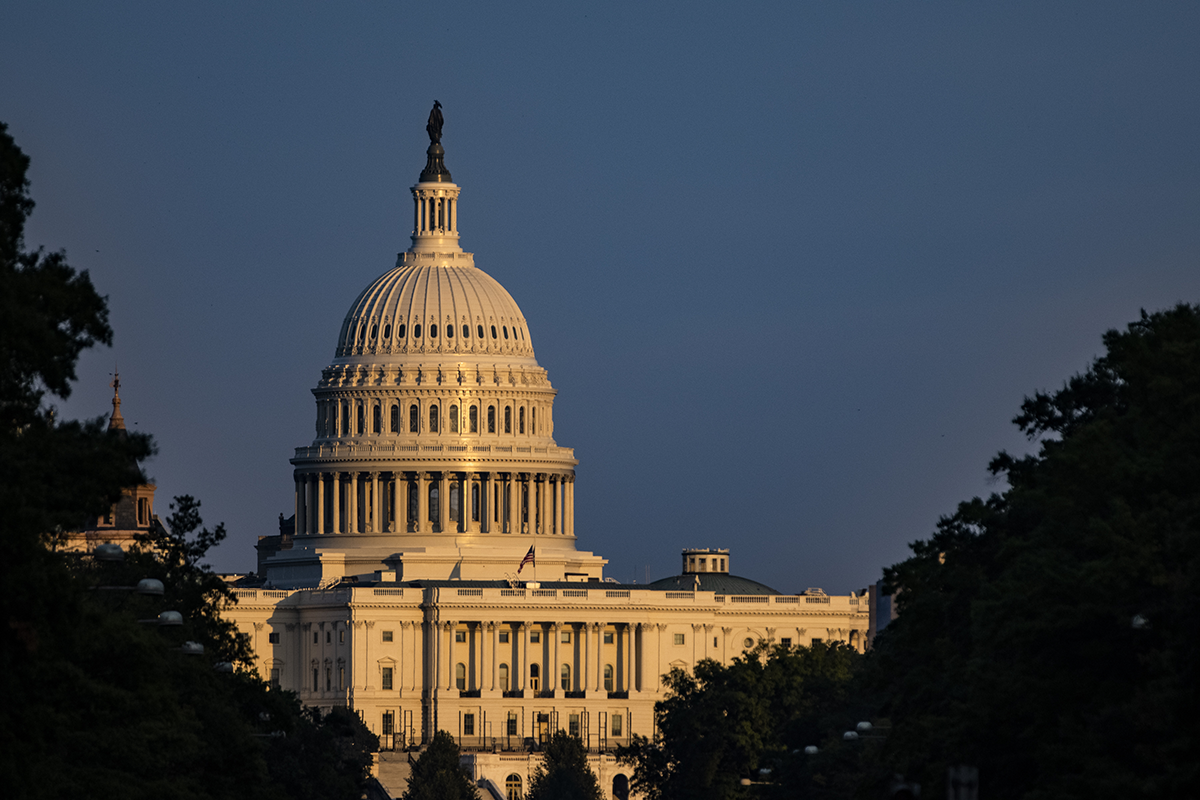
This article chronicles select congressional action concerning the MENA region during the third quarter of 2021. Congress introduced less legislation targeting the MENA region during the third quarter than in previous quarters this year. Yet, it made incremental progress on must-pass legislation and expressed strong interest in Afghanistan during this period.
Overcoming unemployment in Jordan: The need for evidence-based policies
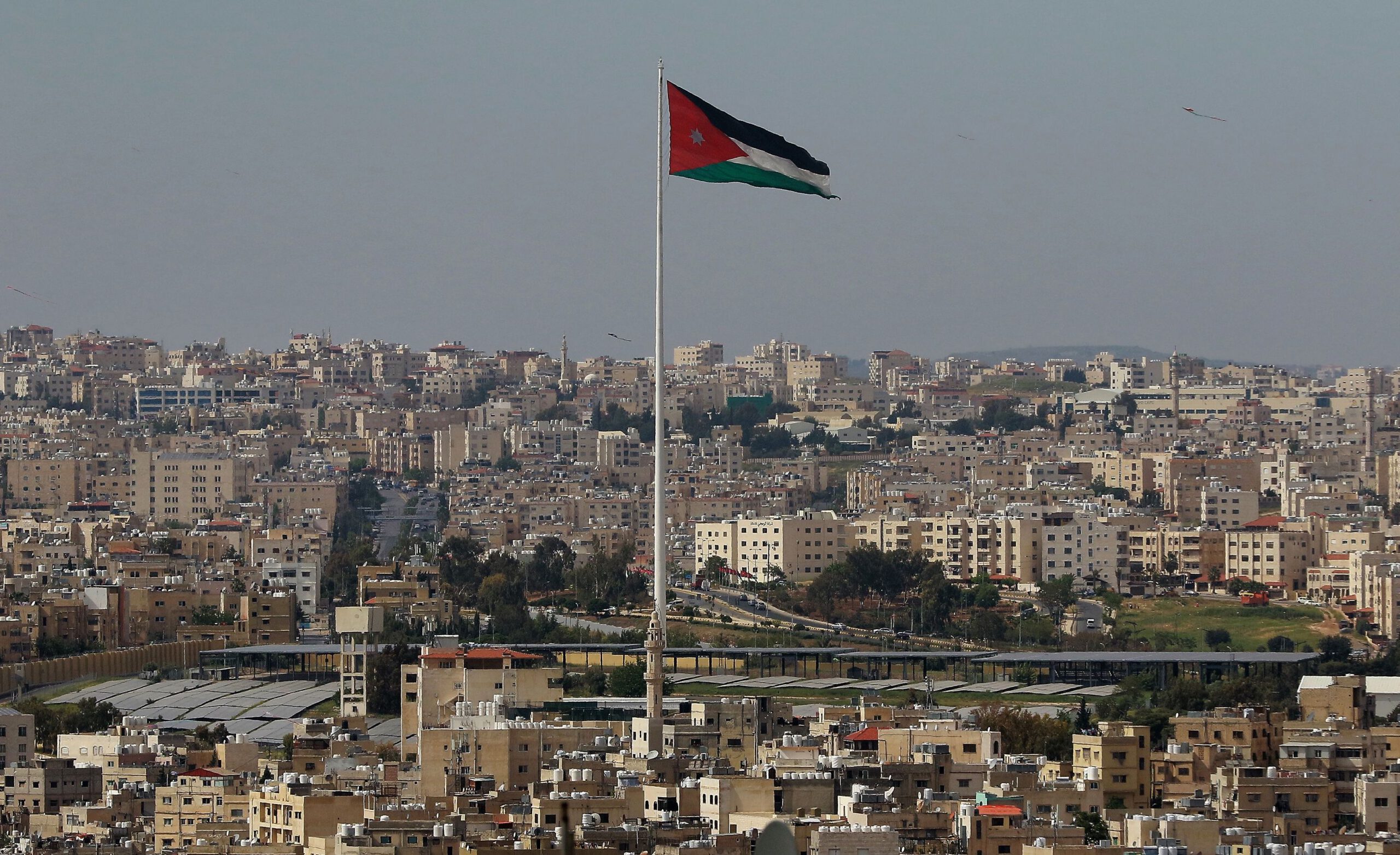
In the last few years, it has become conventional wisdom that unemployment is Jordan’s most pressing challenge. While King Abdullah himself has stressed on many occasions that reducing unemployment is a top priority, the number of unemployed is still on the rise. This problem can be overcome with evidence-based active labor market policies, which are lacking in Jordan.
The humanitarian and human security crises in Afghanistan
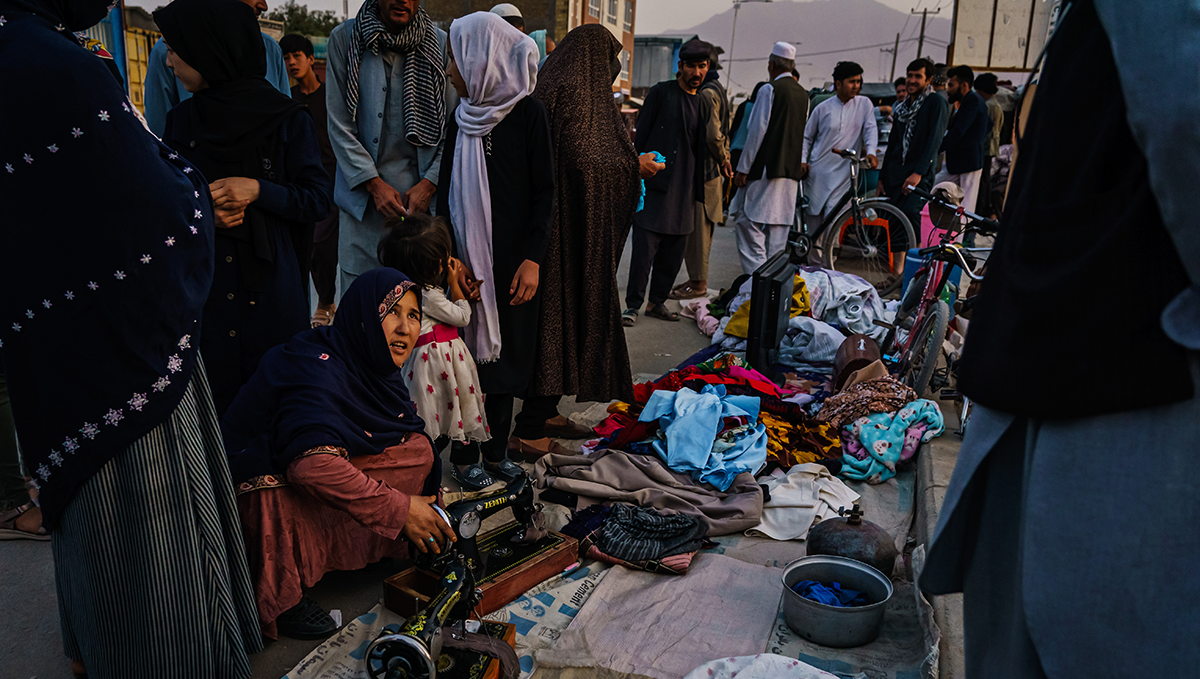
The concept of human security encompasses people-centric policies to protect individuals from insecurity that could pose threats to their survival and dignity. Traditional security systems support that protection and state institutions are responsible for enabling conditions for growth and development in a society. This article discusses the emerging characteristics of Taliban governance, the current state of human security in Afghanistan, and how these new conditions affect the protection of human security.
How digital rights are key to protecting Afghans under the Taliban
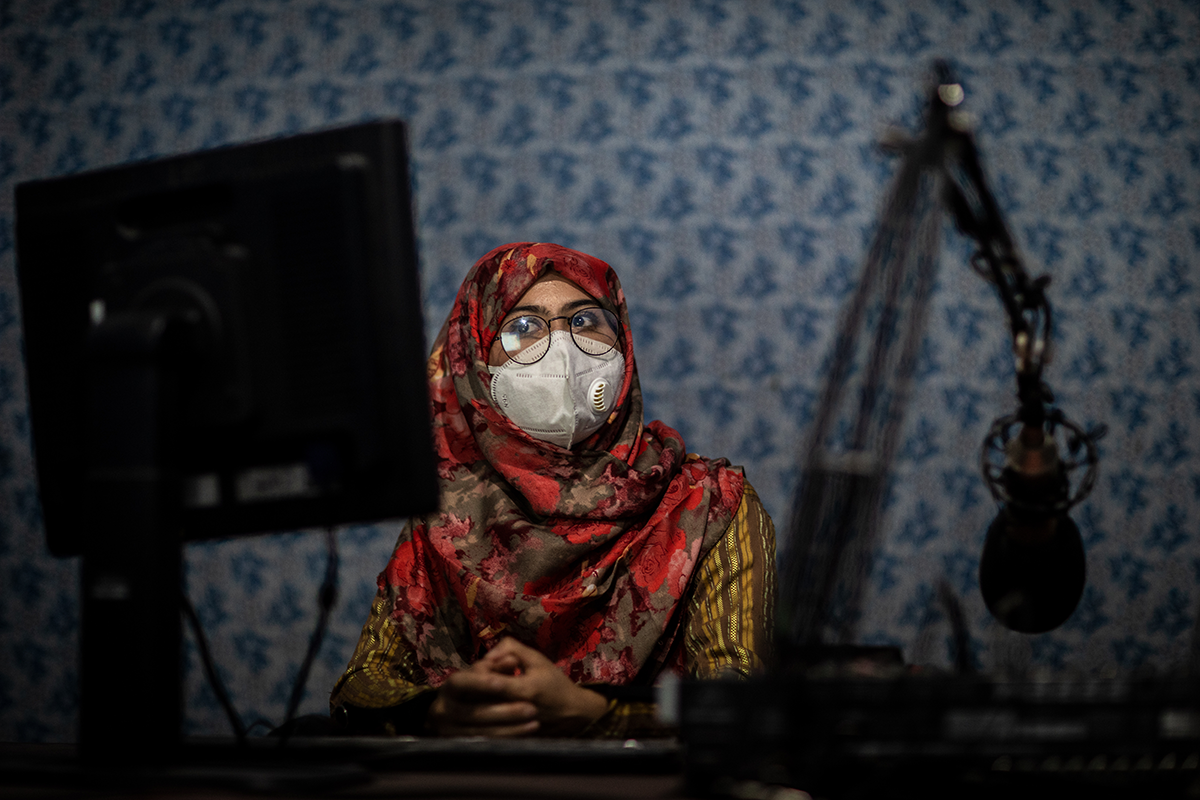
Like the rest of the world during the past 20 years, Afghanistan has lived much of its life online and via networked technology; a multifaceted understanding of how digital rights are foundational to protecting Afghans in the face of an uncertain future must be key to any humanitarian or policy strategy undertaken by the U.S. or the international community.
Cyclone Shaheen: A reminder of the Arabian Peninsula’s vulnerability to extreme weather events
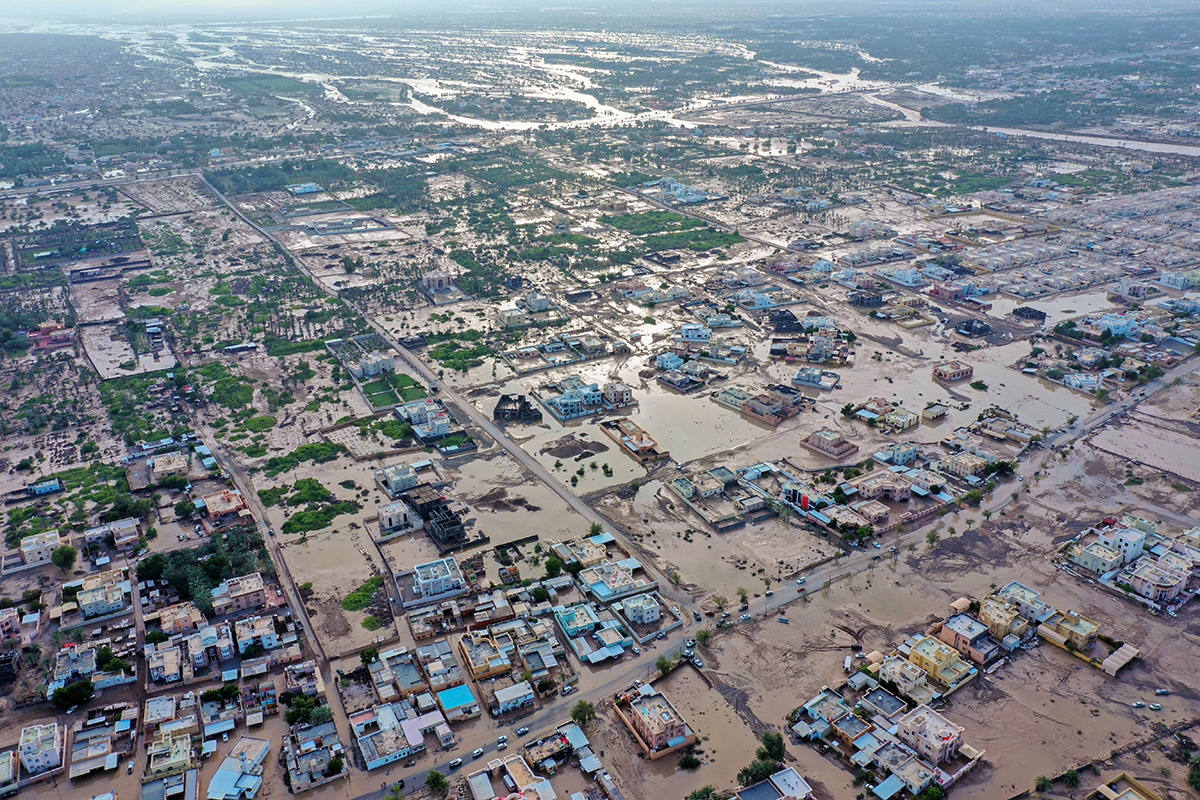
On Oct. 3 Cyclone Shaheen made landfall in Oman, near Muscat, after traveling through the Gulf of Oman from the Arabian Sea. According to the India Meteorological Department, which monitors and tracks the formation of cyclones in the North Indian Ocean, Cyclone Shaheen was categorized as a severe cyclonic storm when it made landfall with sustained winds of 70 miles per hour. Its arrival brought on heavy rainfall and excessive flooding in the many valleys that are a natural part of Oman’s topography. The high winds of the cyclone generated massive storm surges along the coast and caused serious damage to infrastructure and homes, displacing many.
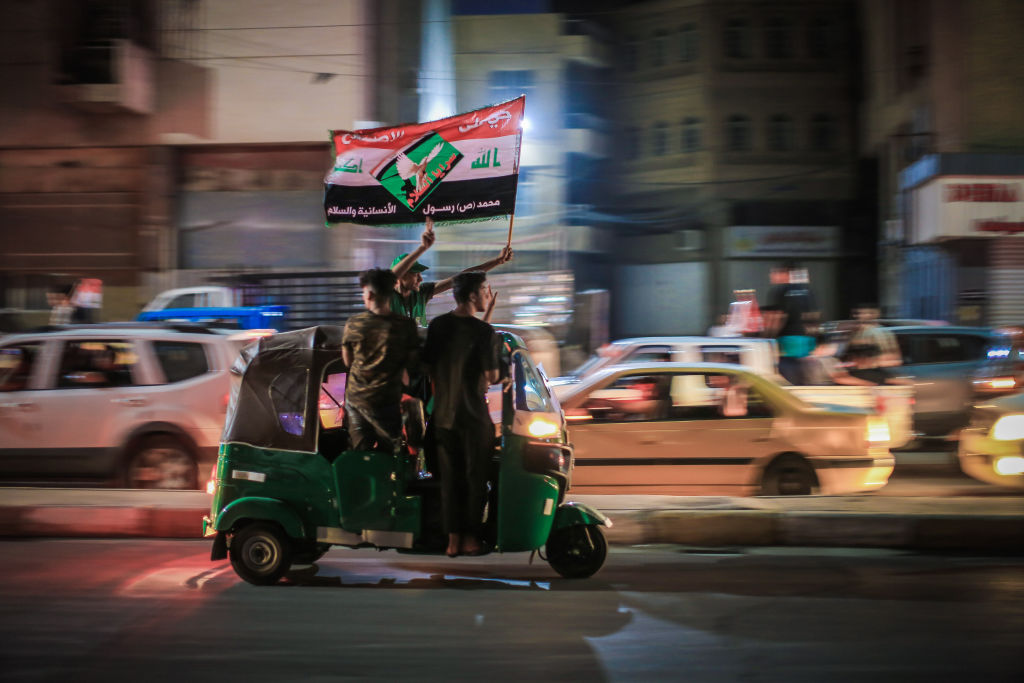
Marsin Alshamary joins the program to discuss the upcoming Iraqi parliamentary elections on Oct. 10. Originally scheduled for 2022, the elections were moved up amid pressure from the Tishreen protest movement that began in late 2019. MEI Senior Fellow Randa Slim also speaks with two long-time watchers of Iraqi politics, Farhad Alaaldin and Naufel Alhassan, about how they see things playing out and the impact the elections might have on Iraq’s political landscape going forward.
Thinking MENA Futures: The Next Five Years and Beyond
The Middle East and North Africa (MENA), for a variety of reasons, are unrivaled in their need for bold, creative thinking about their future. But that is precisely why creative thinking about the future of the region — why strategic foresight — is essential. Produced in conjunction with MEI’s Strategic Foresight Initiative, Thinking MENA Futures aims to map out some of the possible futures for the region, as envisioned by thoughtful innovators working today to realize them.
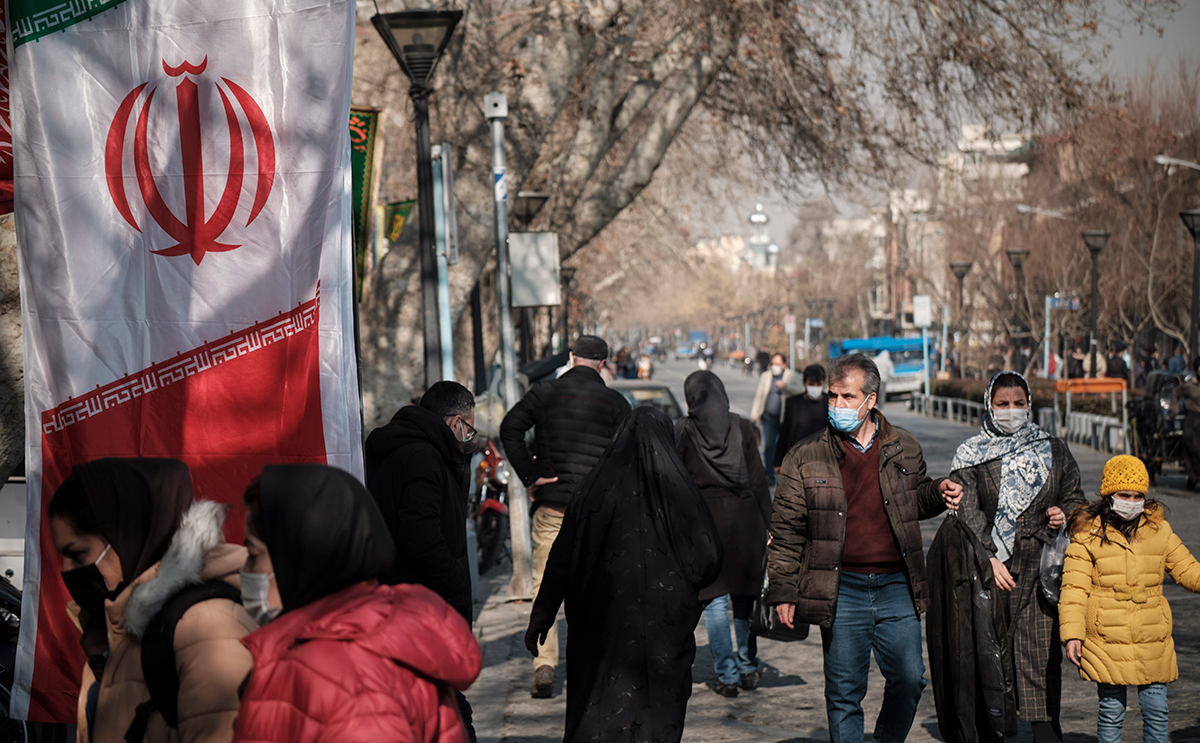
After three years of decline and instability, the Iranian economy has stabilized. Some of the macroeconomic indicators, especially inflation, remain worrying, but the country’s GDP has returned to marginal growth, which is a reminder that the economy has been resilient in the face of massive external and internal pressures. Experts agree that the diversity of economic activity has been the key reason for this resilience. This piece explores three potential medium-term scenarios: 1) A return to the JCPOA; 2) An interim deal that would ease the sanctions pressure; and 3) A continuation of the current sanctions regime.
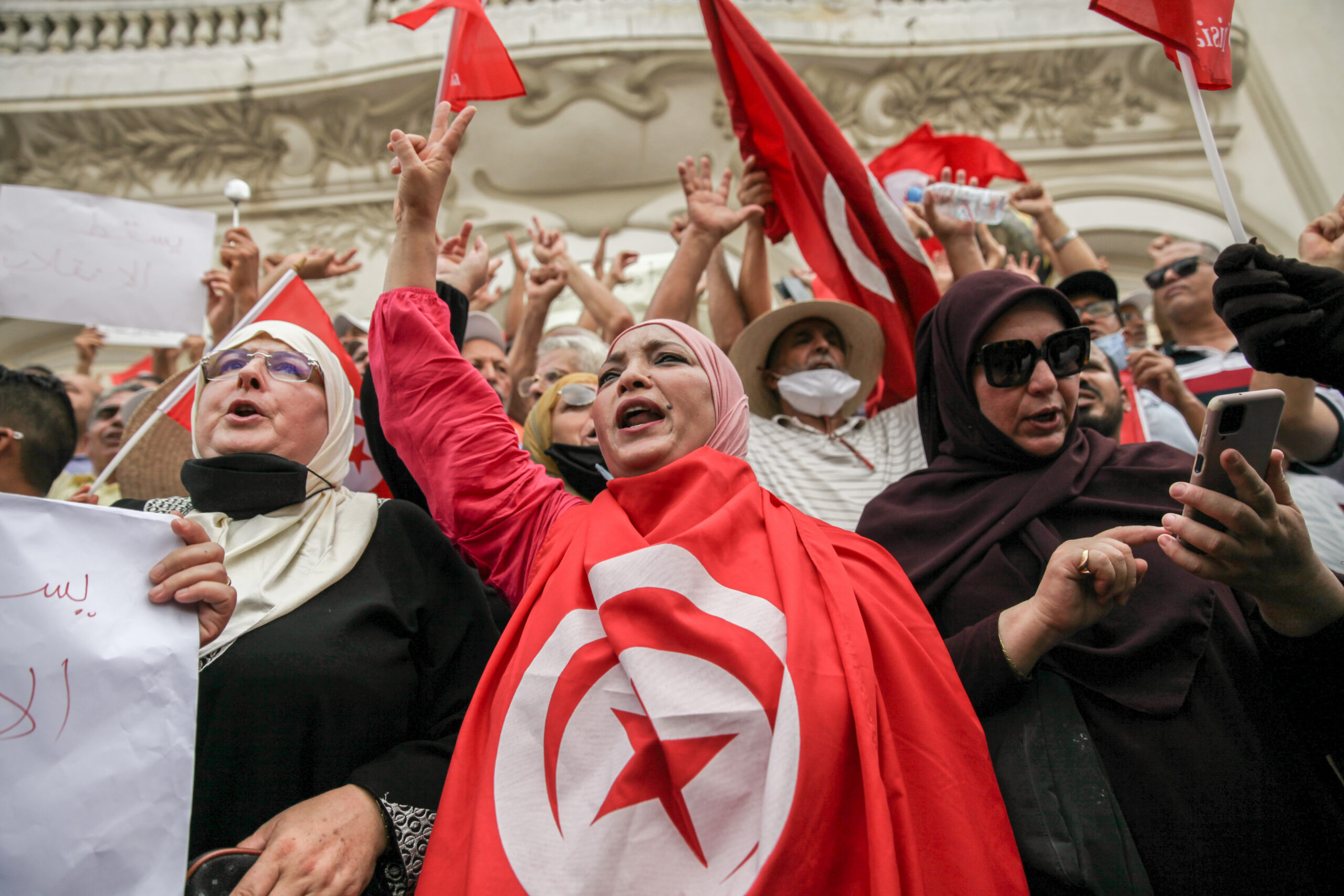
On Oct. 4, MEI hosted a discussion with Dr. James Zogby, president of the Arab American Institute and founder of Zogby Research Services (ZRS); Elizia Volkmann, a British freelance journalist based in Tunis; and Dr. Eya Jrad, researcher and assistant professor of security studies at the Ministry of Higher Education and Scientific Research Tunisia. The conversation revolved around the findings of a ZRS survey of 1,551 Tunisians conducted between Aug. 15 and Sept. 5 covering their attitudes and optimism regarding the future.