Iran Risks Military Clash with U.S. Navy by Sending Weapons to Houthis
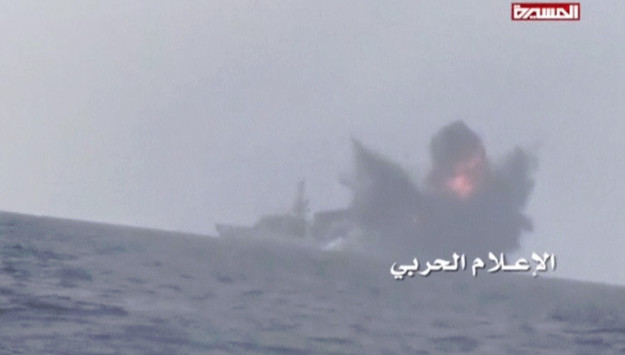
The New York Times reported on February 12 that Defense secretary Jim Mattis last week was exploring whether the U.S. Navy should “intercept and board an Iranian ship to look for contraband weapons possibly headed to Houthi fighters in Yemen.” But according to unnamed U.S.
Designating I.R.G.C. a Terror Organization Could Undo Iran Nuclear Deal
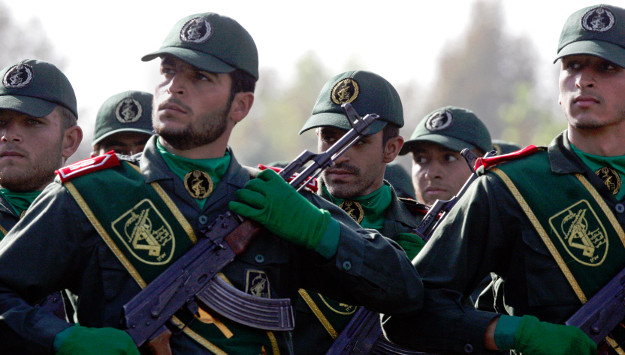
U.S. media reports that the Trump White House might list Iran’s powerful Islamic Revolution Guards Corps (I.R.G.C.) as a terrorist entity has been met by considerable trepidation in Tehran.
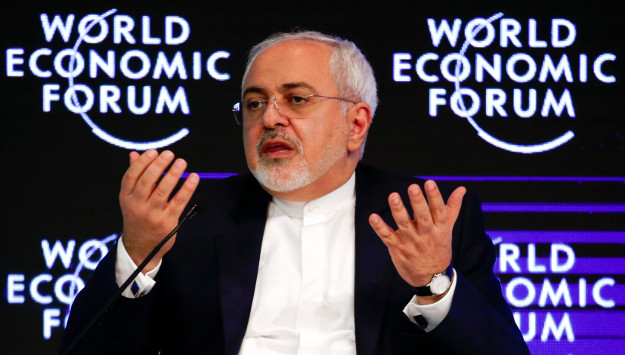
Zarif Again Declares His Allegiance to General Soleimani
Iran’s Foreign Minister Javad Zarif has strongly defended the regional policies of the Islamic Revolution Guards Corps (I.R.G.C.). In particular, Zarif defended General Qassem Soleimani, the head of the Quds Force, which is the I.R.G.C.’s expeditionary force. “I have had a close relationship with General Soleimani for over 20 years. When I was the head of the [Iranian] negotiating team involving questions of Iraq and Afghanistan, I had a very good working relationship with General Soleimani,” Zarif stated.
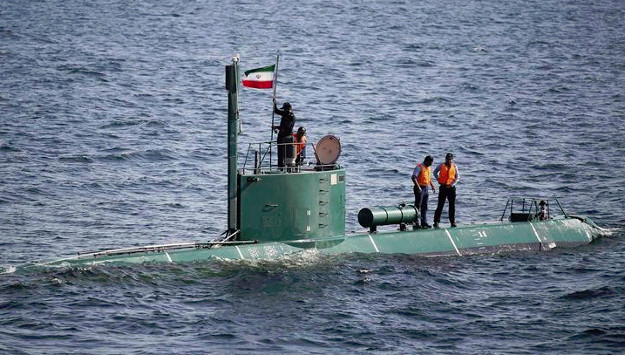
Iran Expansionist Naval Agenda May Further Alarm Regional States
Iranian Navy Commander Habibollah Sayyari on Sunday discussed Iran’s latest progress in developing the capabilities and expanding the operational and geographical scope of the country’s naval forces. He announced that he had deployed 20,000 naval personnel to the Makran region on the Persian Gulf and the Gulf of Oman.
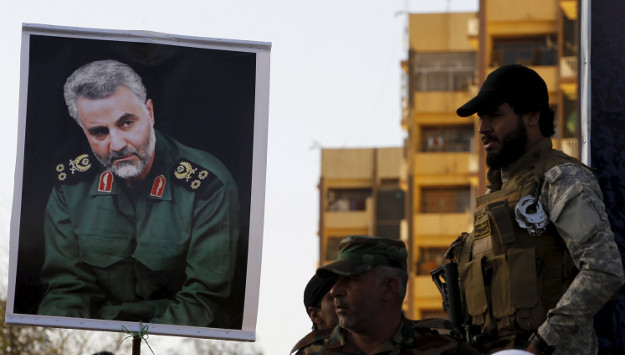
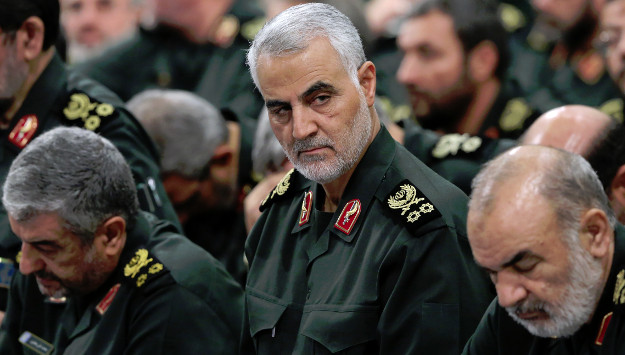
Targeting Iran's Revolutionary Guard Is the Right Move
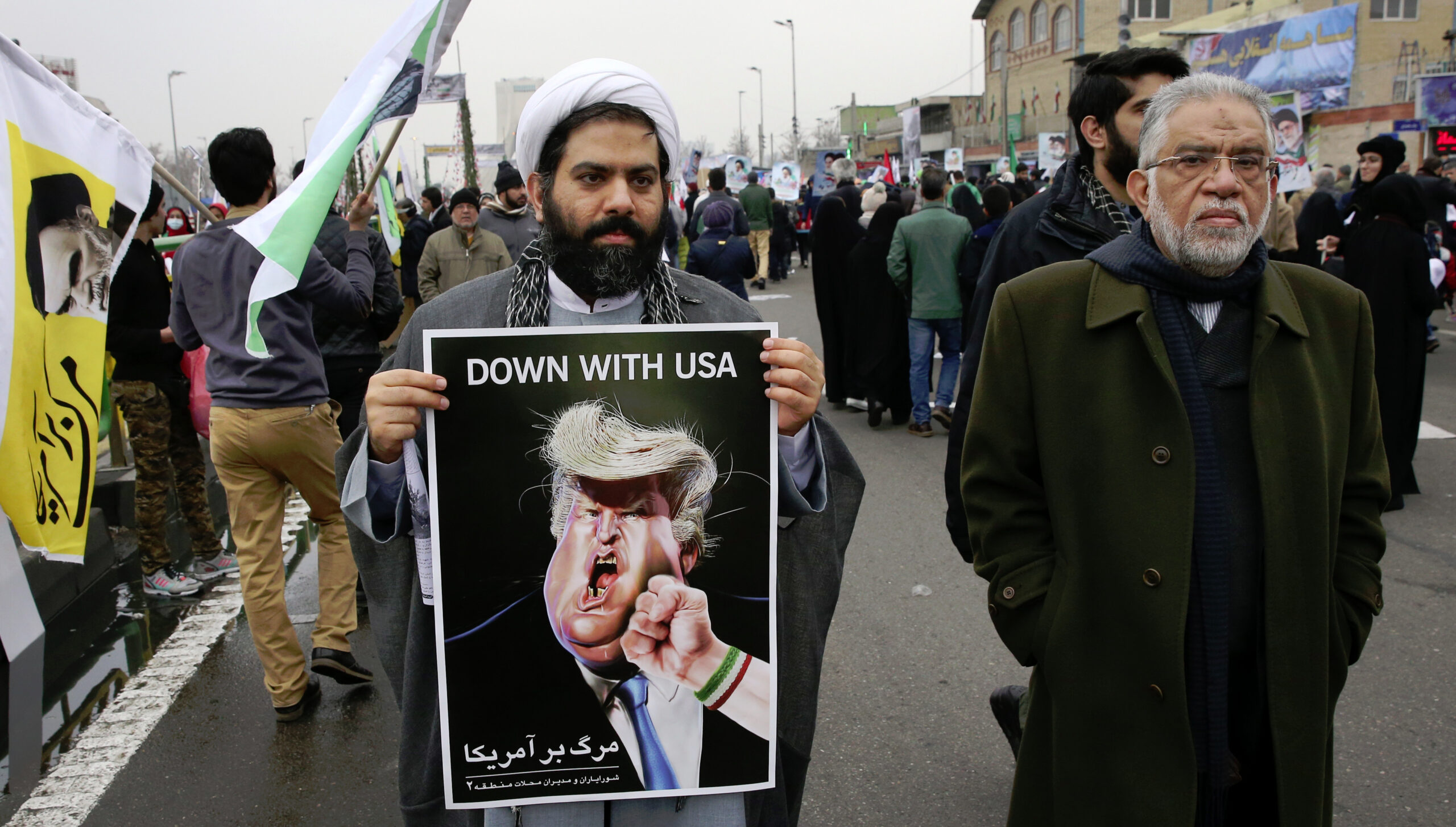
Iranian Regime Marks 1979 Revolution Anniversary with “Death to America” Slogan
Chanting “Death to America” and “Death to Israel,” hundreds of thousands of pro-regime Iranians rallied on Friday to renew allegiance to the clerical establishment and commemorate the 38th anniversary of the country’s Islamic Revolution, Iranian state-run media reported.
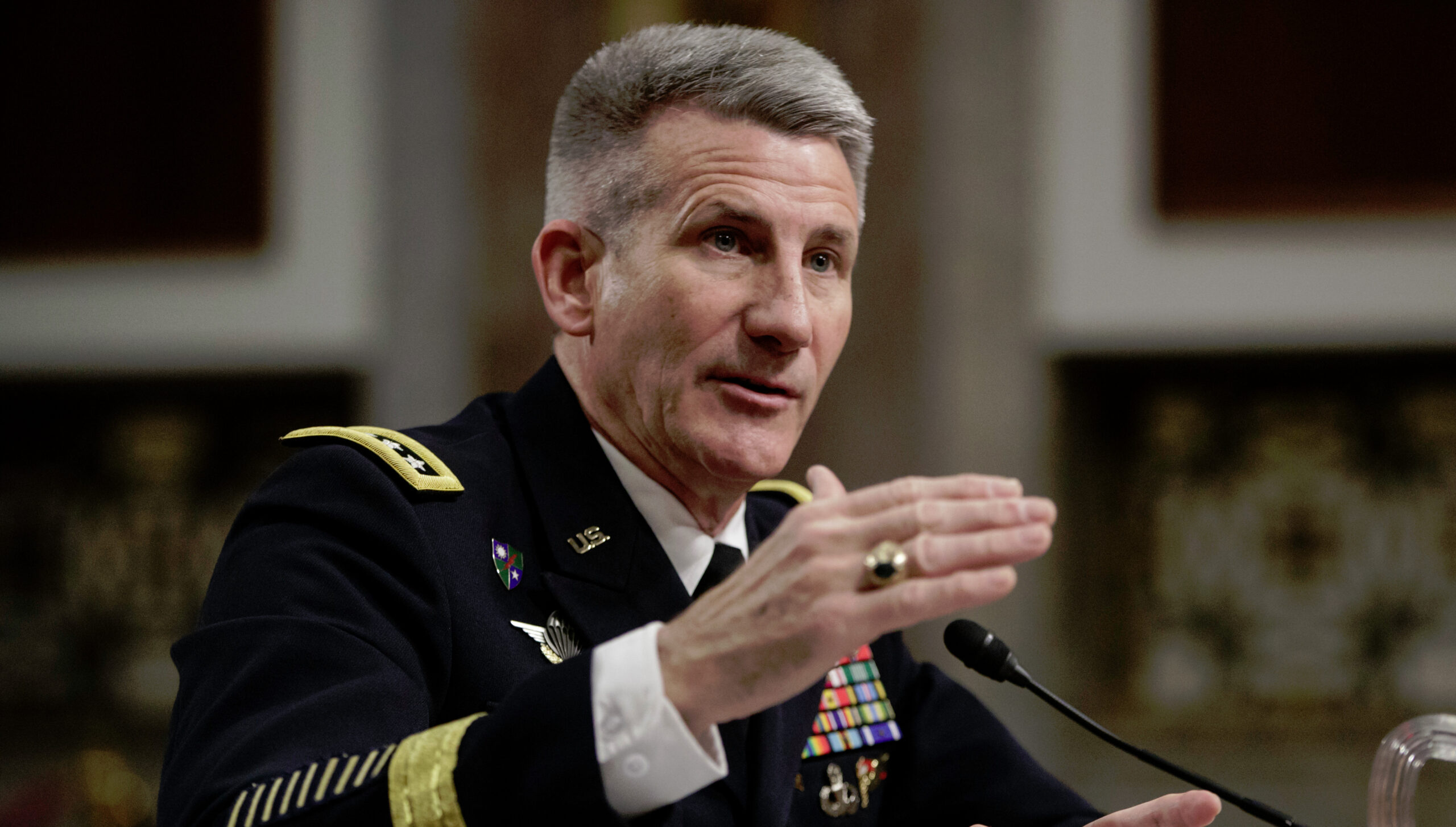
Top U.S. General Provides Further Evidence of Iran’s Support for Taliban
The top American commander in Afghanistan told Congress yesterday that Iran and Russia are supporting the Taliban to undermine the U.S. mission to stabilize the war-ravaged country. Army Gen.
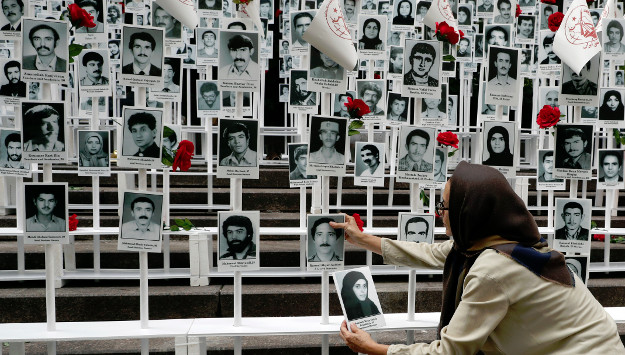
Another Top Dissident on Hunger Strike In Iran
Mehdi Khazali, a prominent critic of the Iranian regime who was arrested by the security forces this week and sent to Tehran’s Evin Prison, has decided to go on hunger strike. Khazali’s hunger strike was reported by a number of reformist-leaning outlets in Iran.
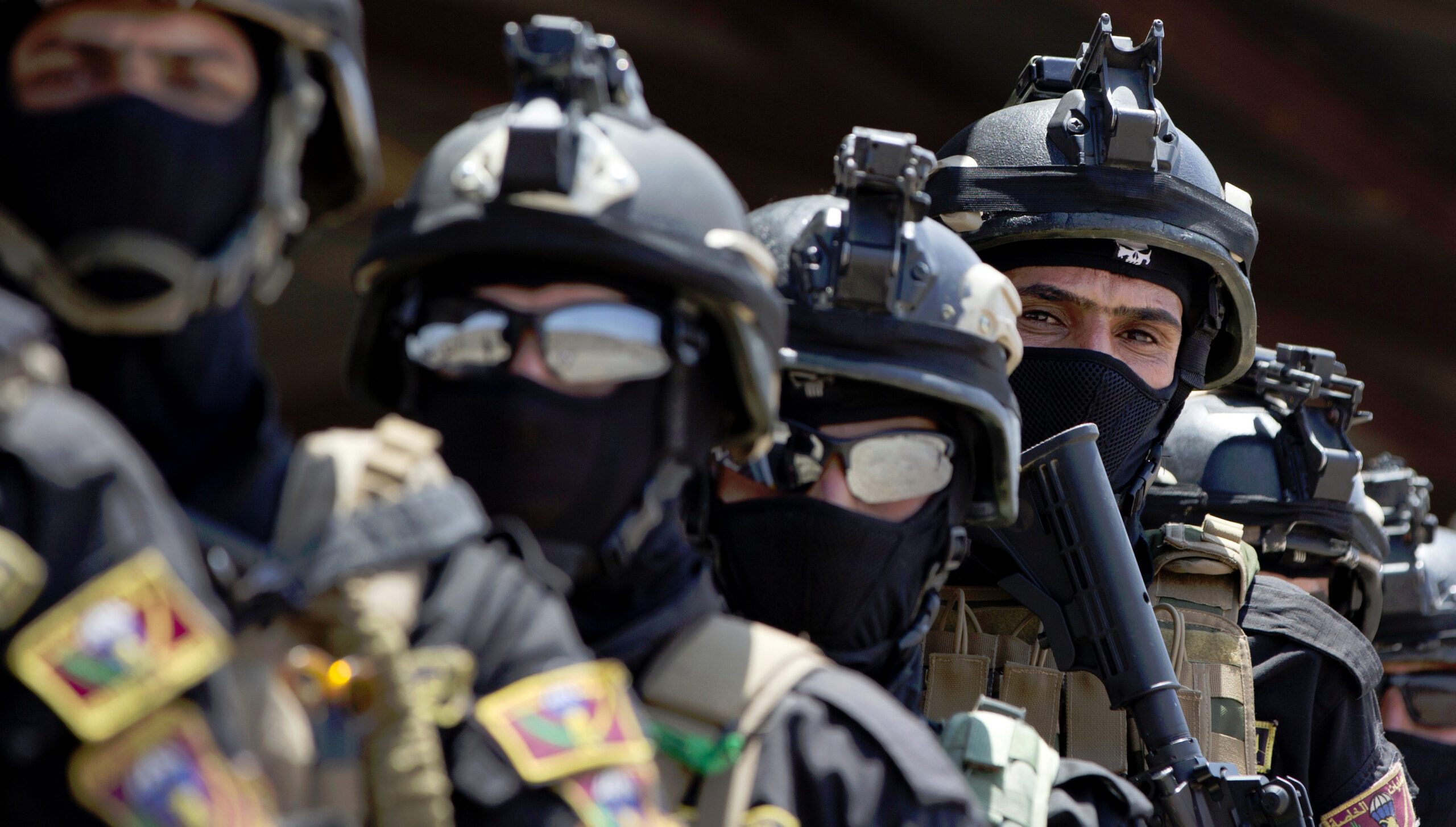
Iran Plays with ISIS Card to Scare Its People
Iranian media is reporting that the security forces in the country have arrested members of the Islamic State just outside Tehran.
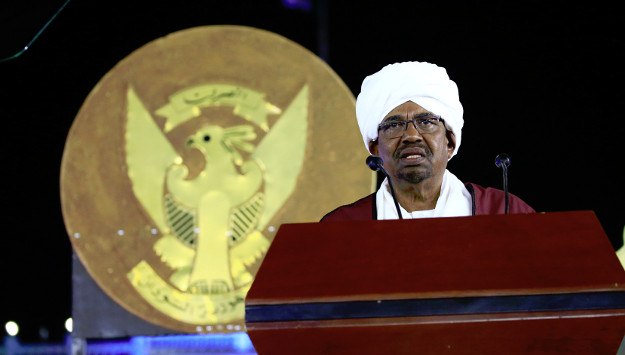
Sudan’s President Blasts Iran’s “Expansionist” Policies in Mideast and North Africa
Sudanese President Omar al-Bashir has accused Iran’s “expansionist” policies in the Middle East, particularly in the Arab world.