Key takeaways from new polling on Iran’s foreign policy and regional role
Arash Ghafouri and Alex Vatanka break down key takeaways from a new survey conducted by Stasis Consulting among Iranians living in Iran on Tehran’s foreign policy, regional influence, and diplomatic relations.
New polling highlights Iranians’ views on Iran’s foreign policy and regional role
The results of the latest public opinion survey from Stasis Consulting provide key insights into how Iranians view Tehran’s foreign policy, regional influence, and diplomatic relations at a time of heightened tensions in the Middle East, including how they perceive the economic costs of Iran’s current approach and its support for its regional proxy groups.
Iran’s missile attack on Israel on Oct. 1, 2024, marked a significant escalation in the ongoing regional tensions. This assault, reportedly involving 180 missiles, was the Islamic Republic of Iran’s largest yet against Israel, targeting military and security sites in retaliation for Israeli assassinations of leaders of Hezbollah and Hamas in Tehran and Beirut. Iranian officials framed the attack as an act of self-defense, warning that further Israeli actions could provoke even stronger retaliation from Tehran.
From Nasrallah to Khamenei: The power vacuum shaping the Middle East
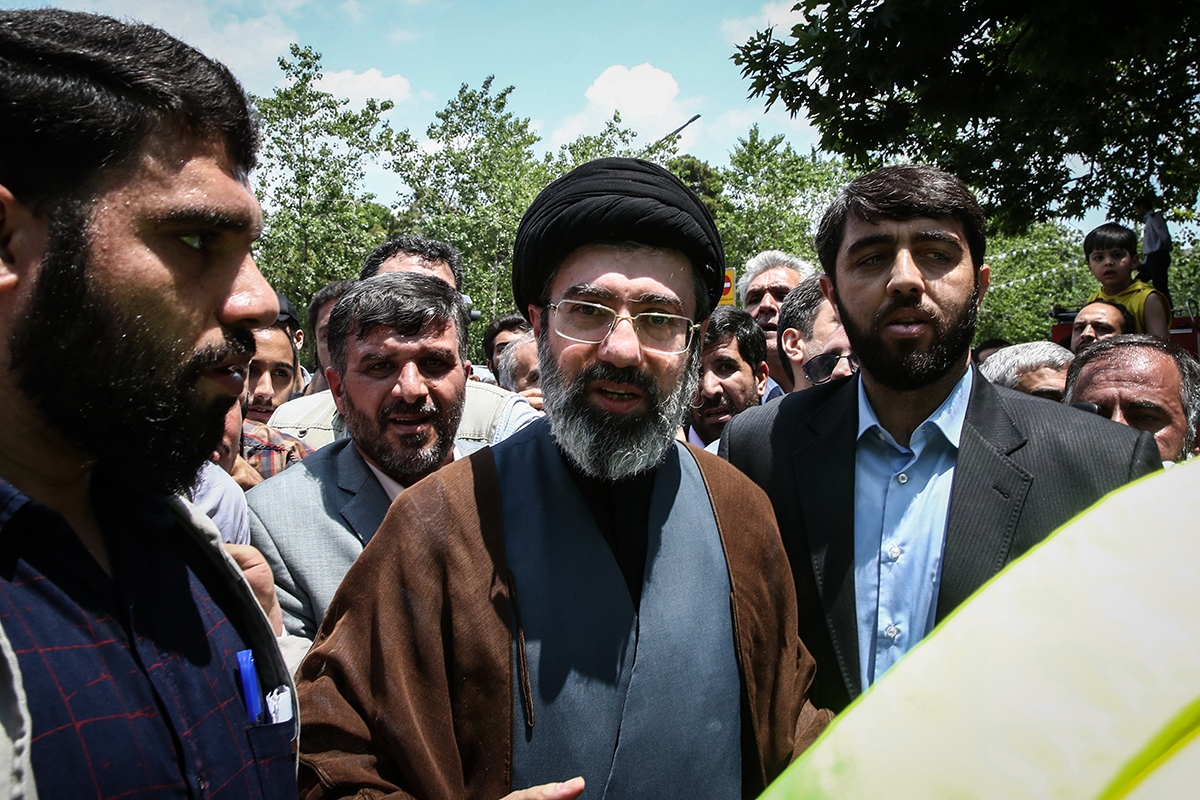
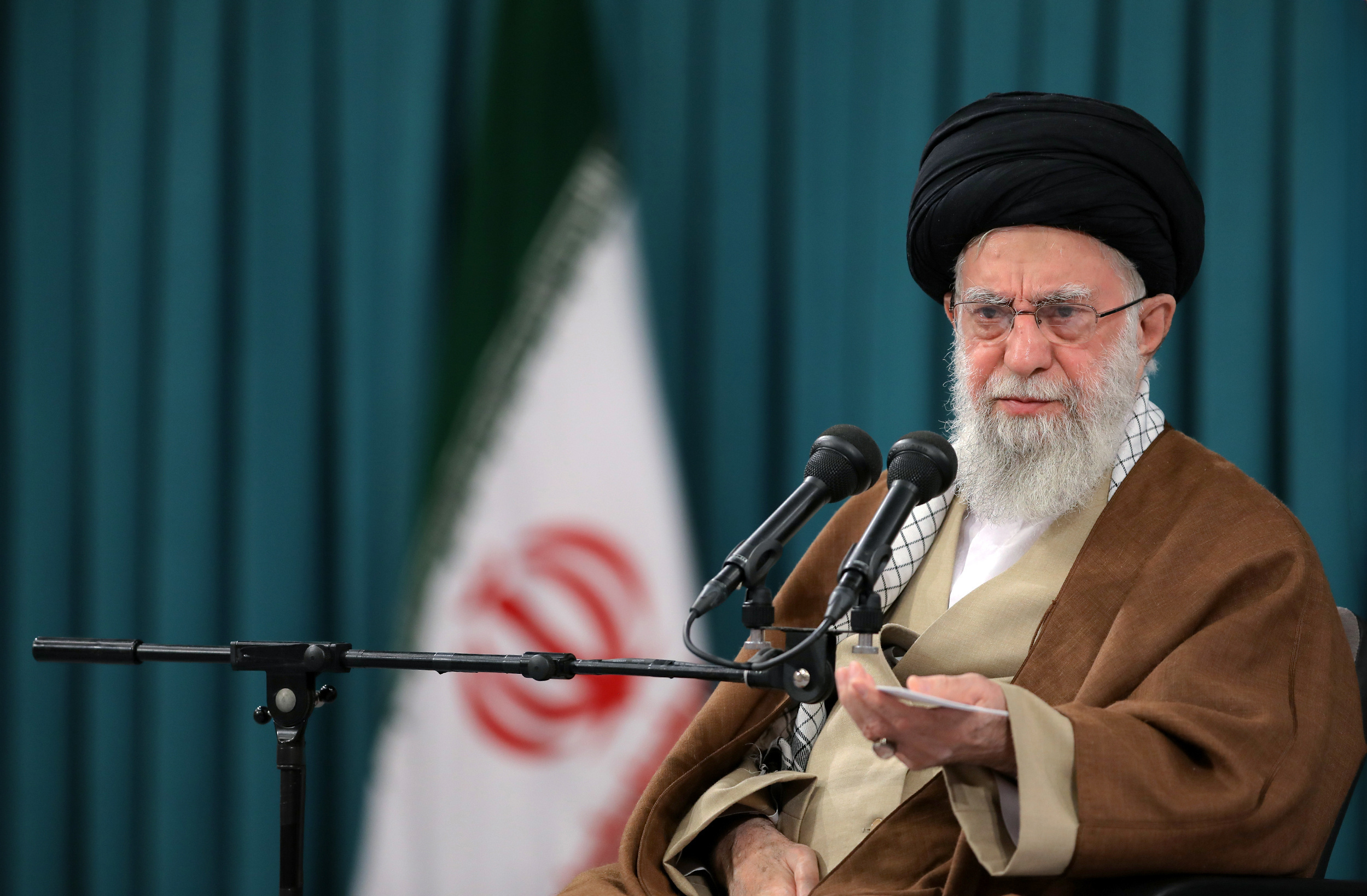
Israel’s targeted killing of Hezbollah Secretary-General Hassan Nasrallah has not only caused a succession crisis for Hezbollah, but has also highlighted the problem of succession for the Islamic Republic of Iran. Coupled with the death of President Ebrahim Raisi in a helicopter crash earlier this year, Nasrallah’s assassination has scrambled the dynamics of the supreme leadership transition with an aging 85-year-old Ayatollah Ali Khamenei at the helm, and is likely the reason his son, Mojtaba Khamenei, a key figure in the Office of the Supreme Leader, has recently emerged from the shadows.
Washington must make sure this is the last war between Israel and Lebanon
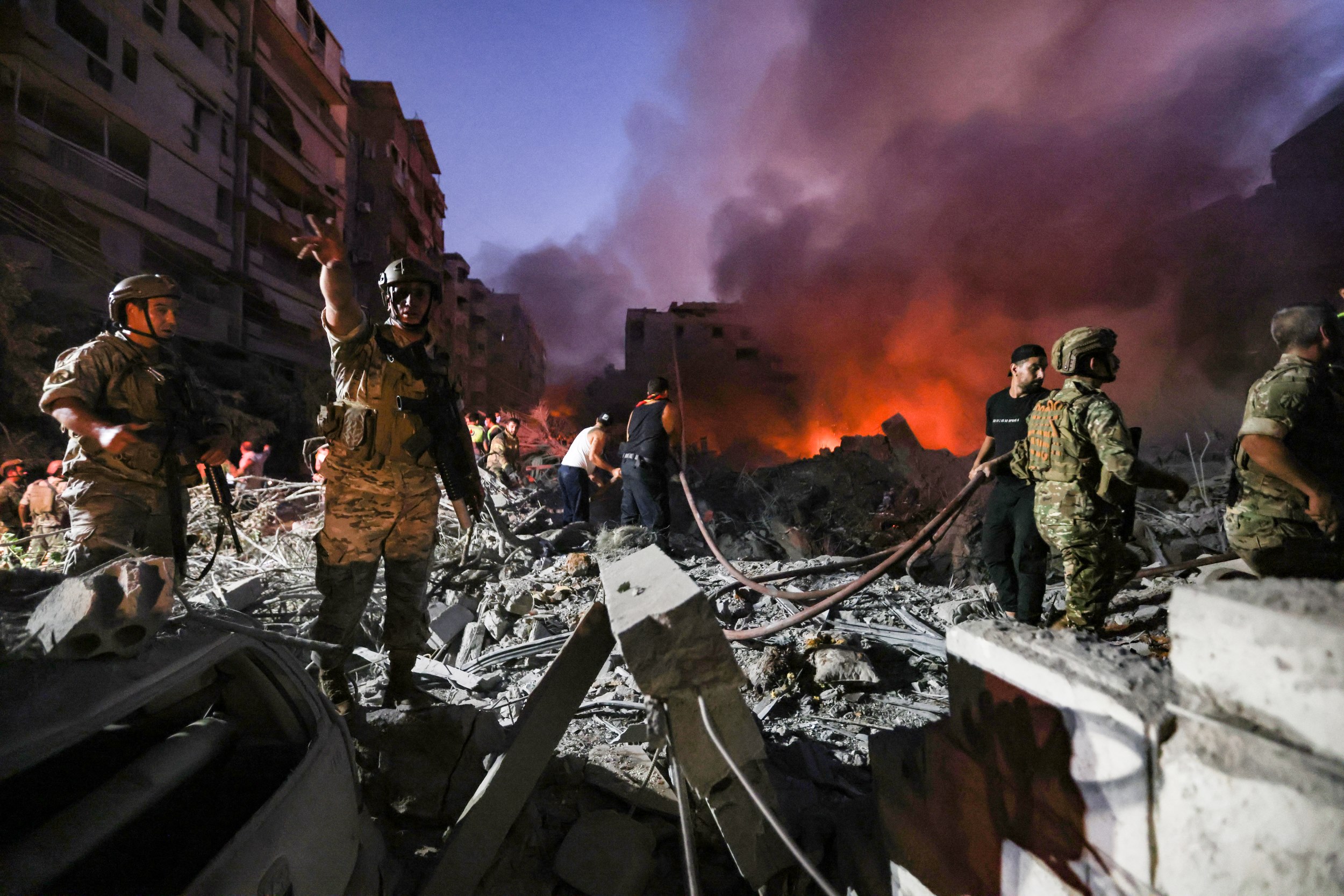
The assassination of Hezbollah’s secretary-general, Hassan Nasrallah, marks an inflection point that will redefine the security landscape of the Middle East. His deputy, Naim Qassem, has pledged “continued resistance,” claiming Hezbollah was steadfast and will not retreat, while Israel has pressed ahead with a ground invasion of southern Lebanon. The United States must act decisively to ensure this is the last war between Israel and Lebanon.
After Iran’s second direct missile attack on Israel in less than six months, all eyes are on Israel’s next move. Reports suggest that Jerusalem plans a massive revenge that might include striking Iran’s oil and nuclear facilities and other strategic sites.
The killing of Hezbollah Secretary-General Hassan Nasrallah along with the rapid degradation of Hezbollah’s power over the past two weeks signals a tectonic shift in the Middle East.
Pezeshkian in New York and Khamenei’s moment of truth
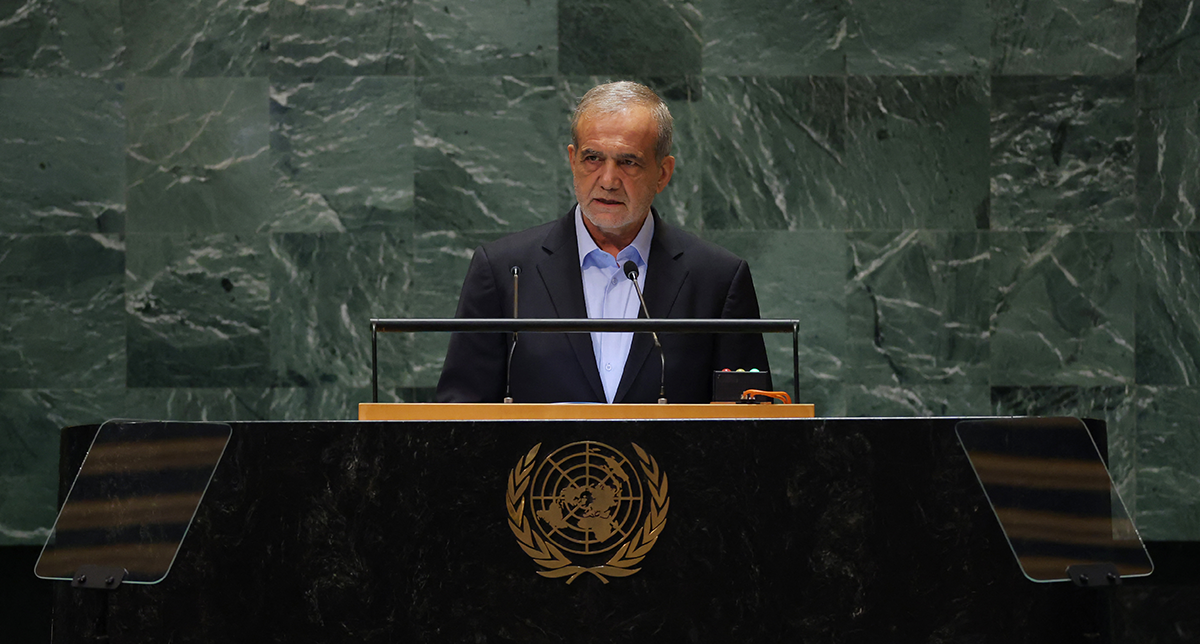
Iran’s new president, Masoud Pezeshkian, arrived in New York this week for the United Nations General Assembly amid both widespread skepticism and a small dose of hopeful anticipation about his message to the world. In the end, he landed somewhere in the middle. The question now is how much leeway Supreme Leader Ali Khamenei and his foot soldiers in the Revolutionary Guards will give Pezeshkian in an attempt to start a new chapter.
The two leading presidential candidates in America’s 2024 election have made statements and established track records on the Middle East based on their time in office. This document aims to highlight the most important and reliable positions staked out by former President Donald Trump and current Vice President Kamala Harris.
Defense Rapid Reaction: Israel expands its war aims to neutralize Hezbollah
In the latest installment of the Defense Rapid Reaction series, experts from MEI’s Defense & Security Program provide their views on the likely evolution of the Israeli-Hezbollah war, the potential for the conflict to draw in outside actors, as well as the impact of the war on global terrorist recruitment and appeal for extremist activities.