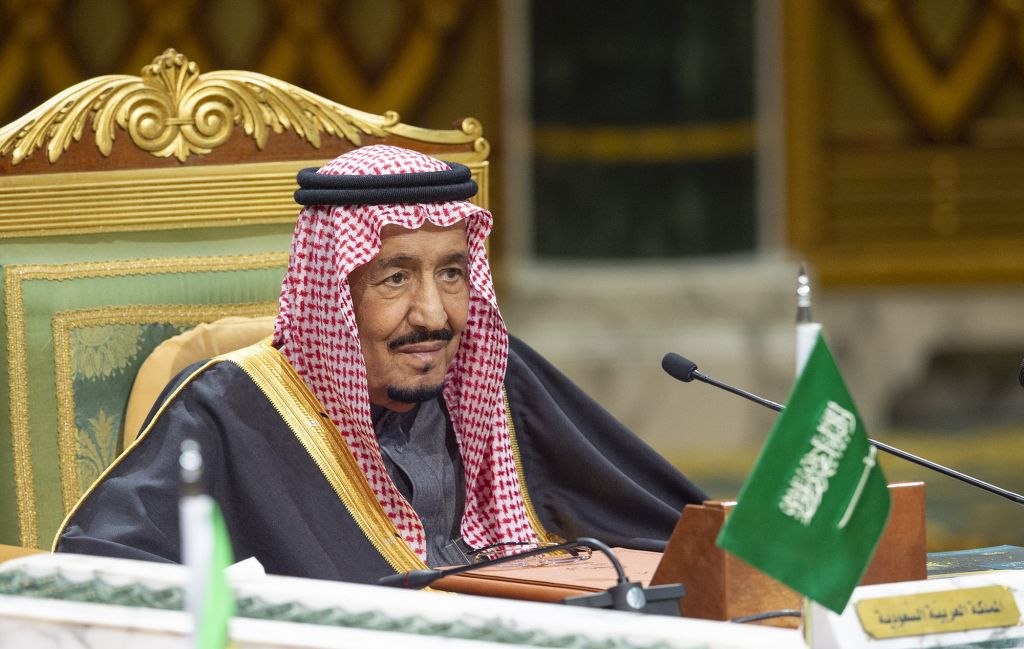
Running around in circles: How Saudi Arabia is losing its war in Yemen to Iran
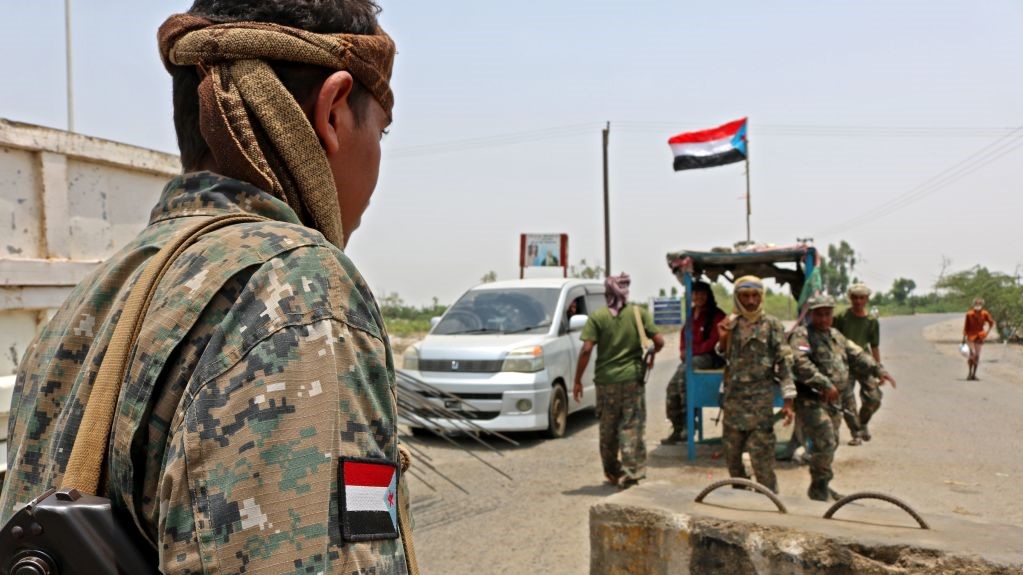
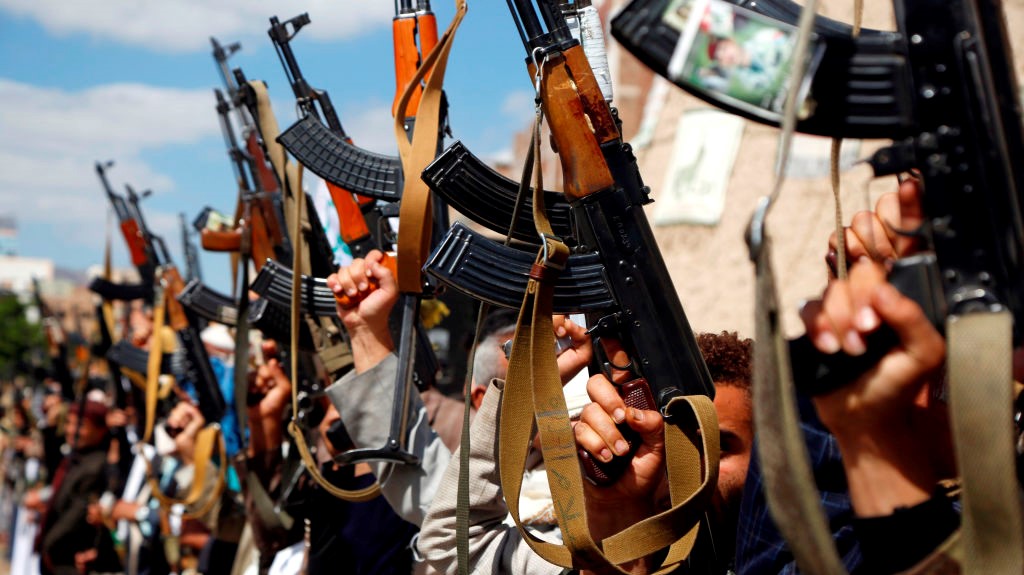
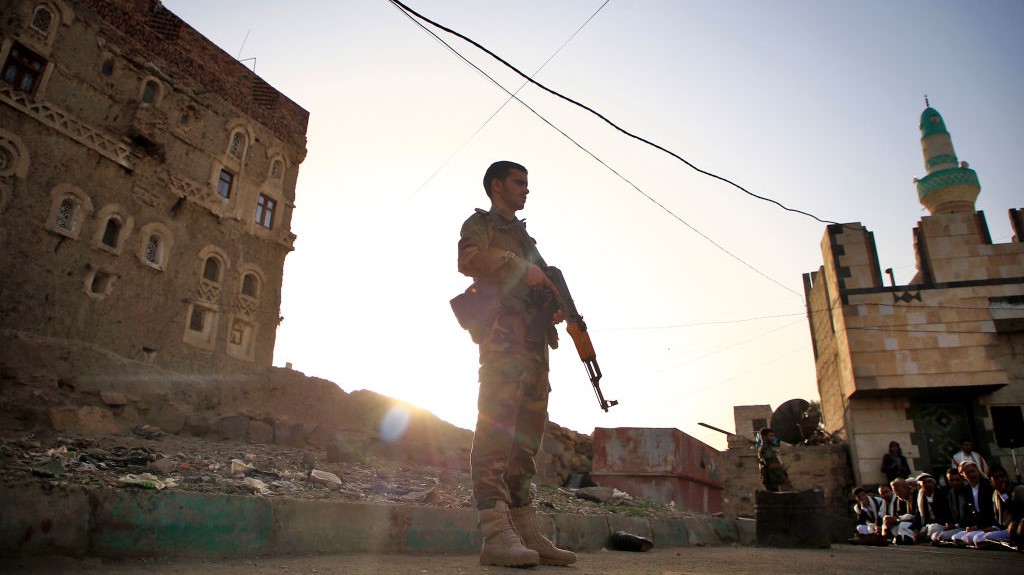
On March 1, the Iran-backed Houthis took control of the city of al-Hazm, the capital of al-Jawf Province, after weeks of fierce clashes with local tribes and Yemeni government forces. Incompetence, lack of unified leadership, and the absence of a military strategy by the Yemeni government and the Saudi-led coalition have played into the hands of the Houthis.
The UAE may have withdrawn from Yemen, but its influence remains strong
On Feb. 9, 2020, after five years of involvement in Yemen’s civil war as part of the Saudi-led coalition, the UAE’s leadership celebrated the completion of its phased military withdrawal from the country in a ceremony at Zayed Military City. Although the UAE’s withdrawal has provided an exit strategy from the stalemate in Yemen, it neither suspends Abu Dhabi’s role in the coalition nor curtails Emirati influence on the ground.
Obstacles to the implementation of the Riyadh Agreement
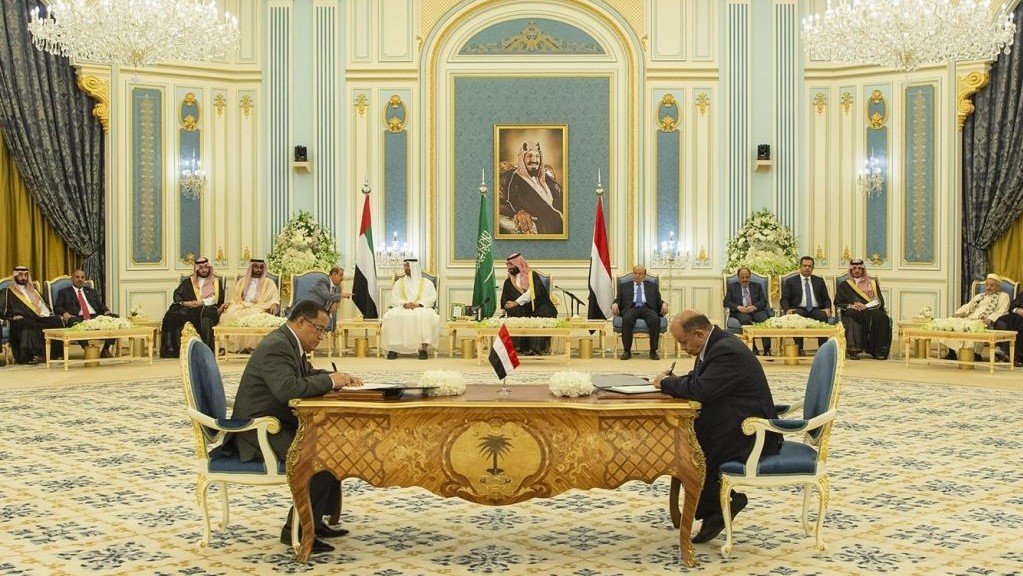
Now that all of the implementation deadlines have come and gone, where do things stand with the Riyadh Agreement, signed in late 2019 by Yemen’s Hadi government and the Southern Transitional Council?
From Stockholm to Riyadh: Breaking the Yemen peace process deadlock
Over the past 14 months, there have been moments when it seemed like progress was being made toward de-escalation in Yemen, but there have also been significant setbacks as well. Peace efforts thus far have been largely fragmented and frail, and two primary lessons from the past failures have become clear.
A fight for survival in a new landscape: Can Yemen’s GPC recover after Saleh?
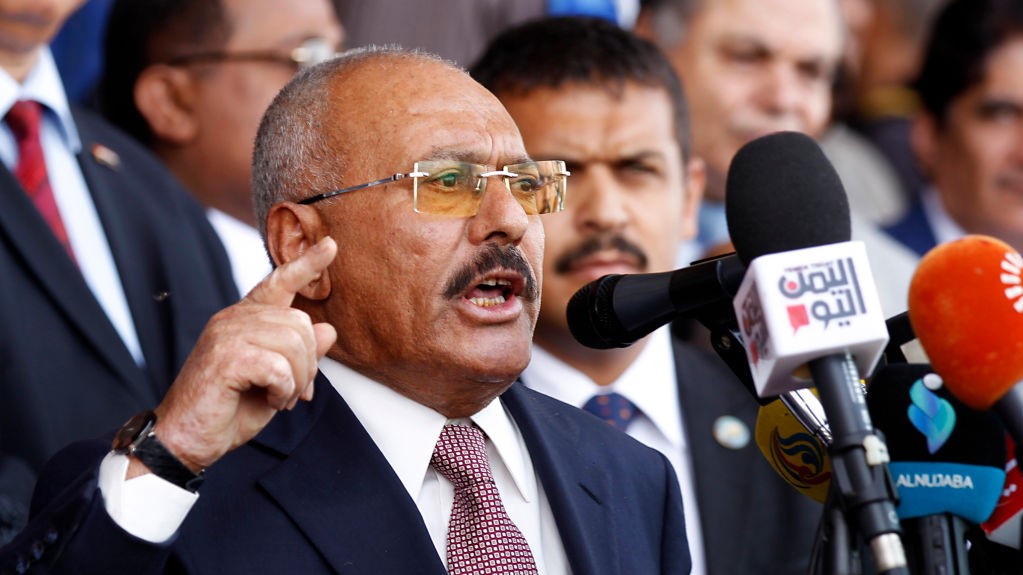
Since the death of its founder Ali Abdullah Saleh on Dec. 4, 2017, the General People’s Congress (GPC) — Yemen’s dominant political party for the past four decades — has faced a test in attempting to reunify its divided wings in Riyadh, Cairo, Abu Dhabi, and Sanaa amid a shifting strategic landscape. The GPC’s factions have competed over the party leadership, failed to elect a transitional leader, and exchanged accusations following the Saudi-brokered meeting in Jeddah in July 2019. Nevertheless, Abu Dhabi and Riyadh’s attempts to revive Saleh’s damaged old political vehicle continue, both politically and militarily.
Yemen’s Stockholm Agreement one year on: Imaginary progress?
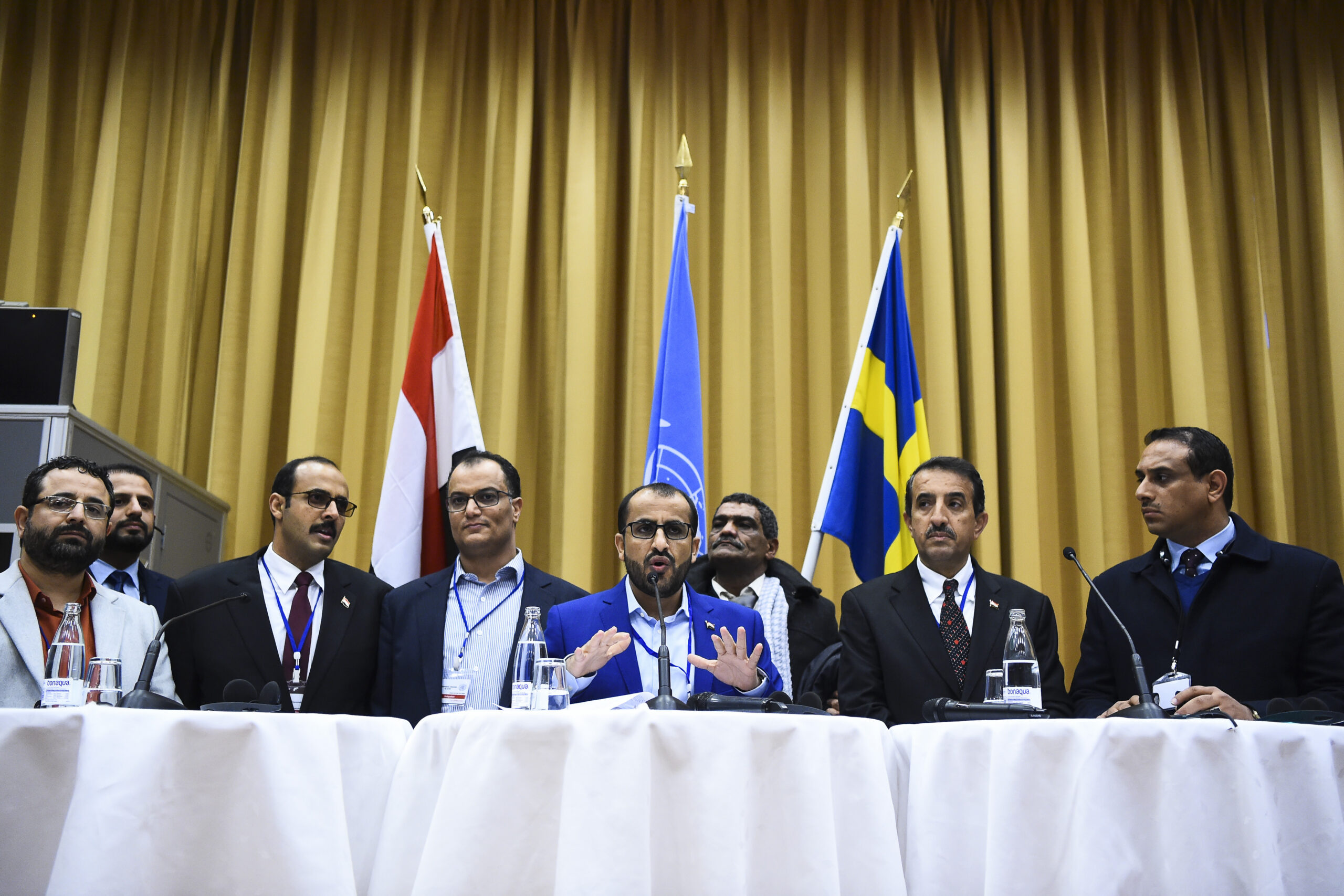
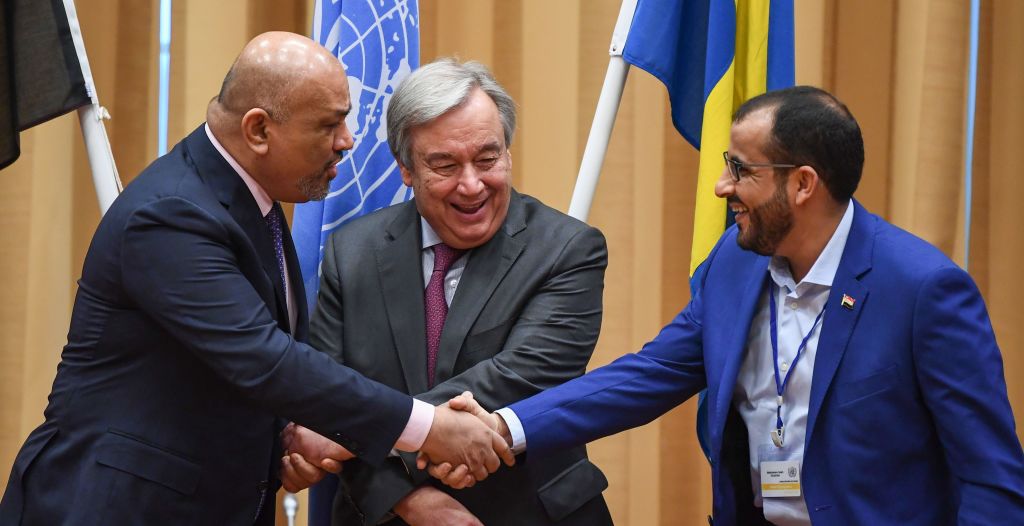
Just over a year ago, the international community rejoiced in the revival of the UN-led Yemen peace process with the conclusion of the Stockholm Agreement between the Yemeni government and the Houthi insurgency (Ansar Allah), brokered by UN Special Envoy Martin Griffiths. Although the deal marked the first political breakthrough in the peace process since the collapse of Geneva and Kuwait talks under Griffith’s predecessor, the ensuing hurdles in implementation meant that hopes for its success were short-lived. In evaluating the progress on the agreement’s three key components — covering prisoner exchange, Hodeida, and Taiz — it quickly becomes clear that the truism that implementing peace agreements is far more important, and difficult, than concluding them still rings true.
MEI experts Robert S. Ford, Fatima Abo Alasrar, and Emad Badi join host Alistair Taylor to survey what lies ahead for the Middle East in 2020, with particular attention to Iran, Syria, Yemen, Libya, Iraq and Algeria.
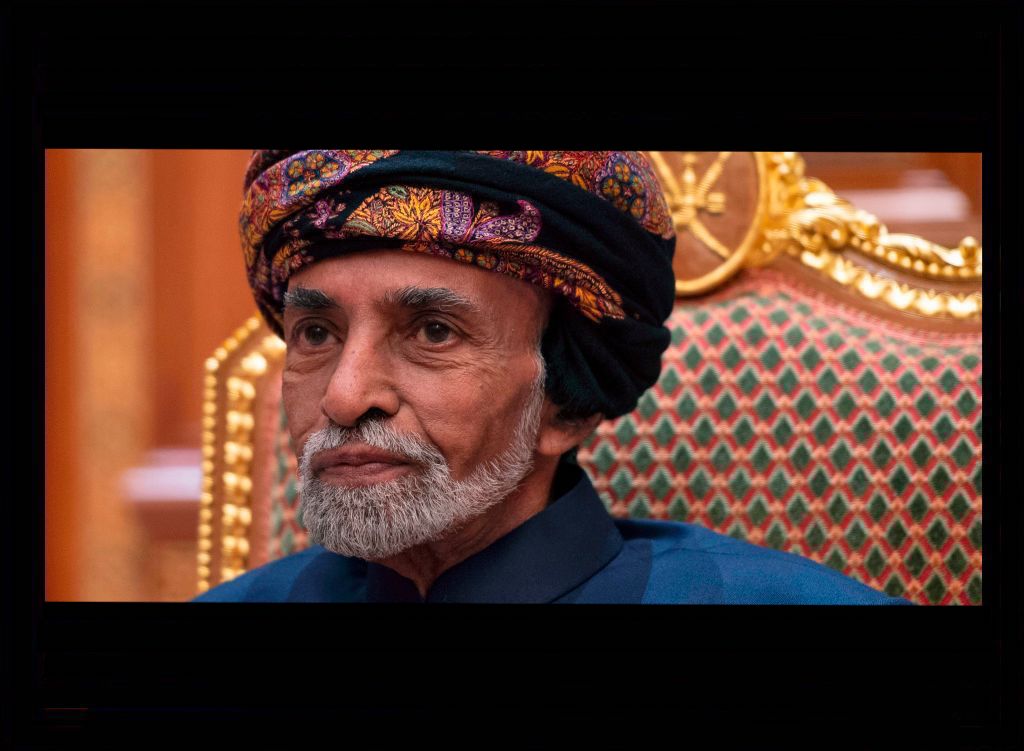
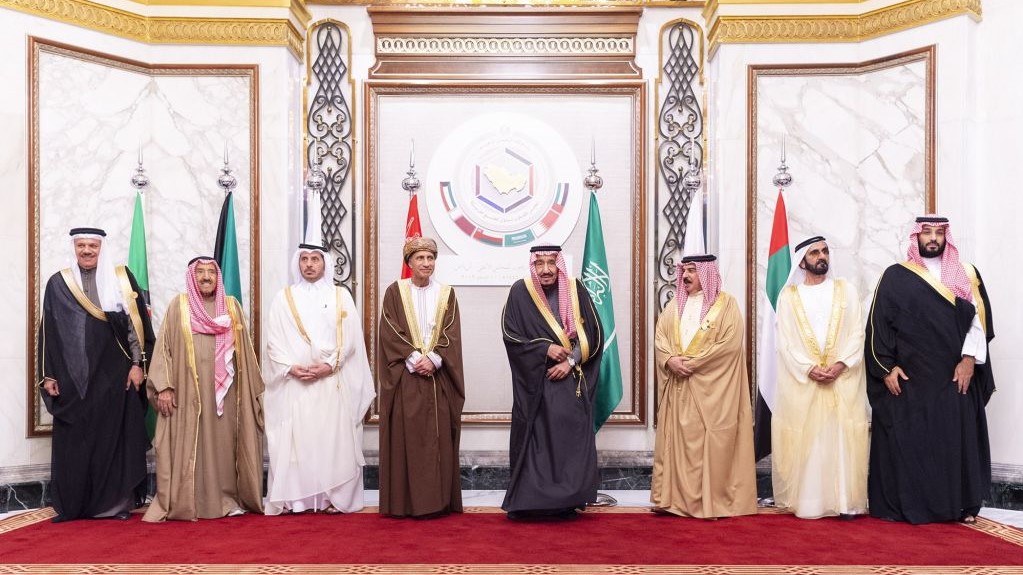
The announcement of Sultan Qaboos bin Said al-Said’s passing on Jan. 10 marked the end of an era. Now that the Arab world lost its longest-serving leader, none of the Gulf states has a ruler that was on the throne when the Gulf Cooperation Council (GCC) was established in 1981. Most Omanis have never known another leader and this transition period, marked by three days of mourning, is an emotional time for those in the sultanate.
The future of the UK’s relationship with the Maghreb
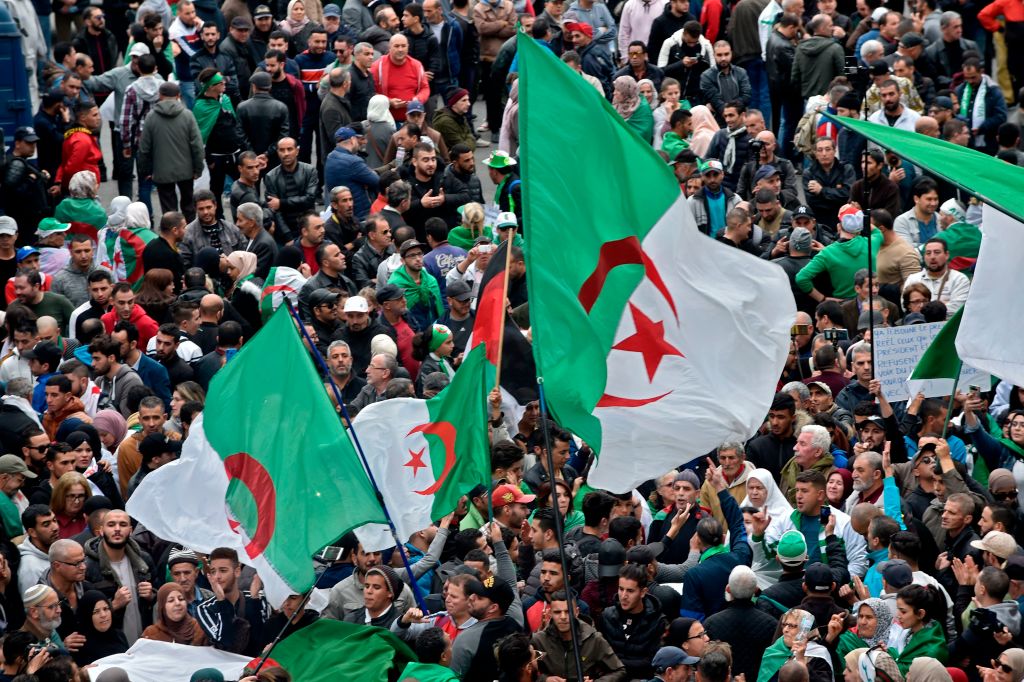
The UK’s impending exit from the EU will present a new chapter for British interests in and posture toward the region. If the UK is to find a trade-off for loss of diplomatic and economic heft, it will need to re-prioritize its engagement efforts. Policy continuity toward Morocco and Tunisia appears inevitable; Algeria, in contrast, promises great opportunity for an evolving relationship.
The intra-GCC competition over the Palestinian heart
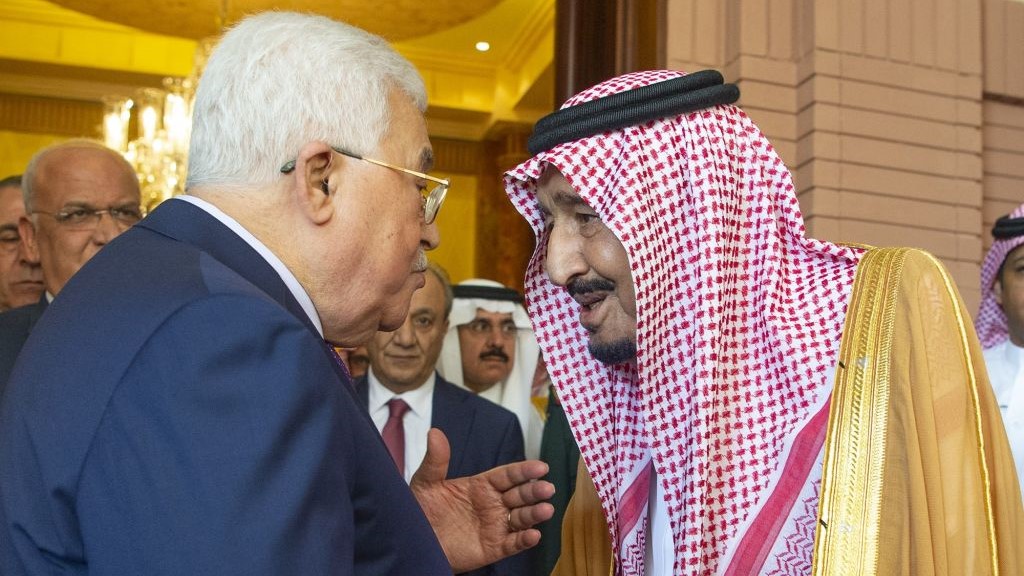
Since 2017 three separate blocs have emerged within the Gulf. Driven by the region’s divisions, rival power centers, and conflicting interests, the Gulf states are playing an ever-greater role in Palestinian affairs.
The steps the Saudis have taken in 2019 may help to ease international pressure on the kingdom’s leadership and restore its image as a constructive player in the world.