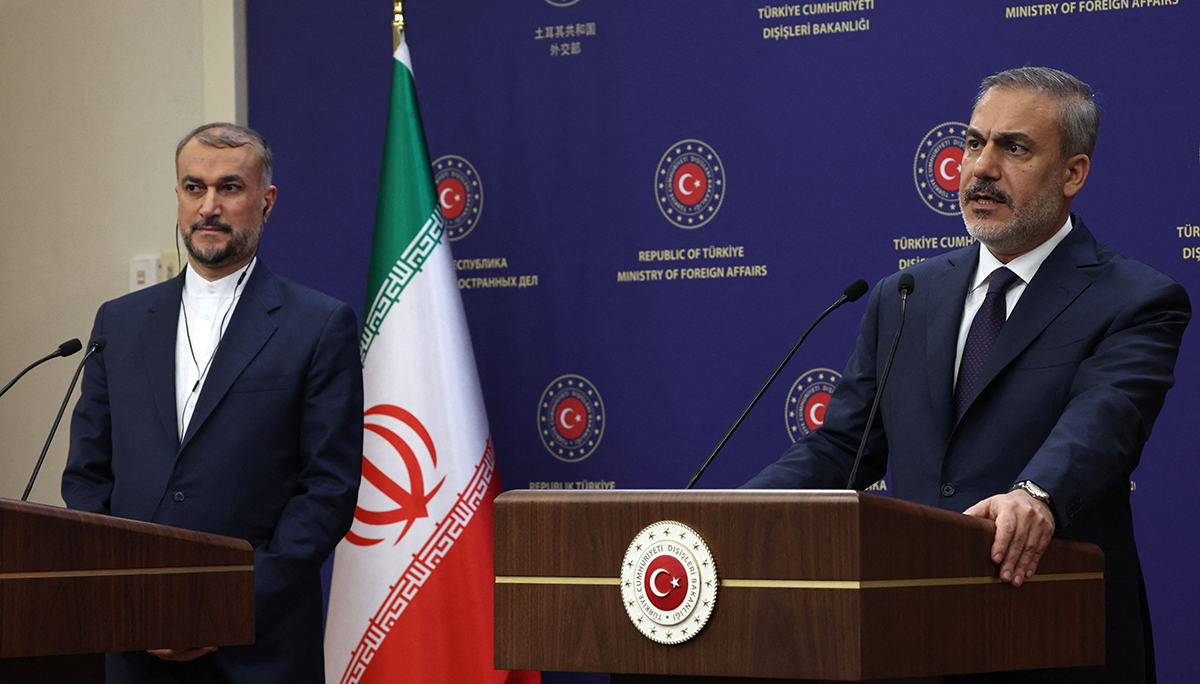
Turkey and Iran: Toward an “Axis of Revisionism” amid the war in Gaza?
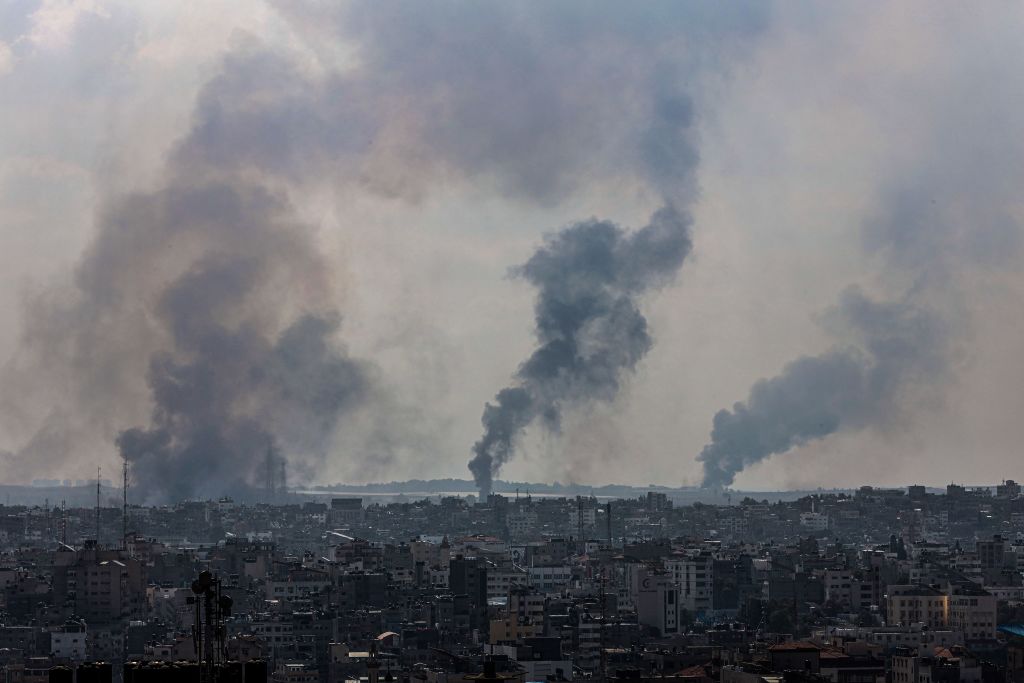
Hamas’ violent and unexpected Oct. 7 attack on Israel has shaken a fragile regional order in the Middle East. Ankara and Tehran are worried that a stronger U.S. presence in the Middle East is detrimental to their regional interests. The war in Gaza might help close the ranks between Turkey and Iran, yet there are serious limitations to a sustainable alliance between the two countries.
Gaza crisis shows Washington badly missing Iran strategy
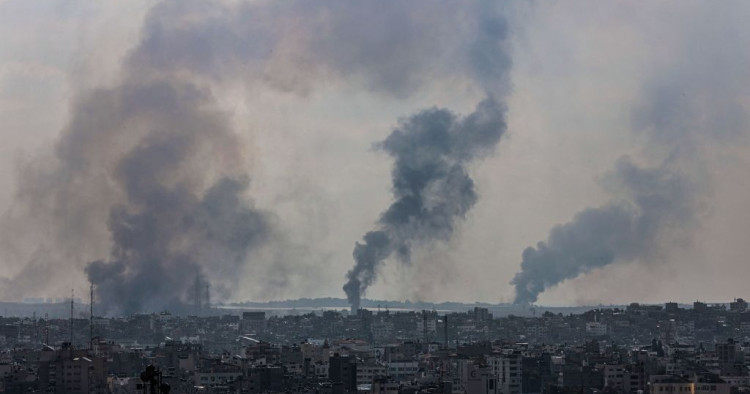
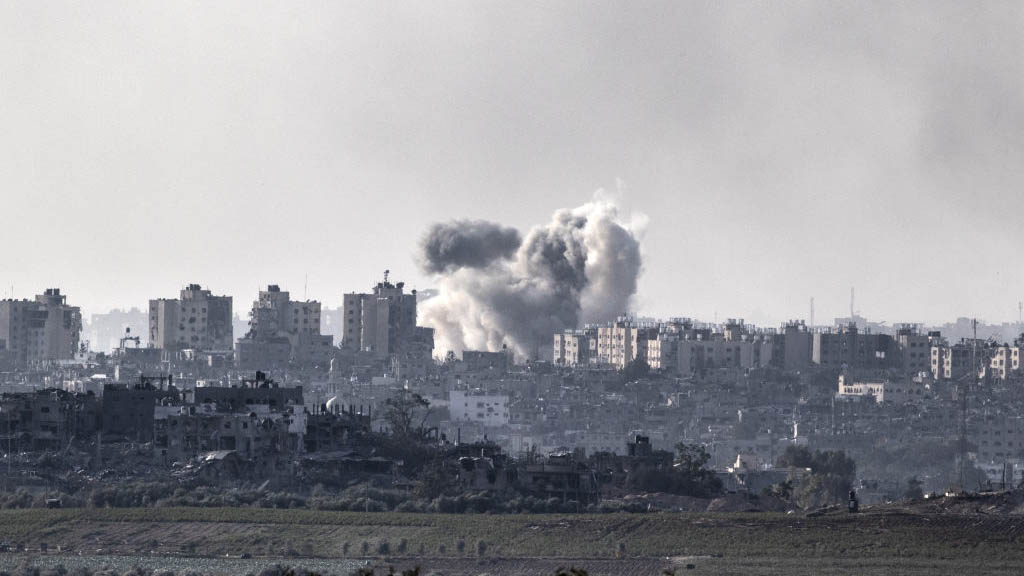
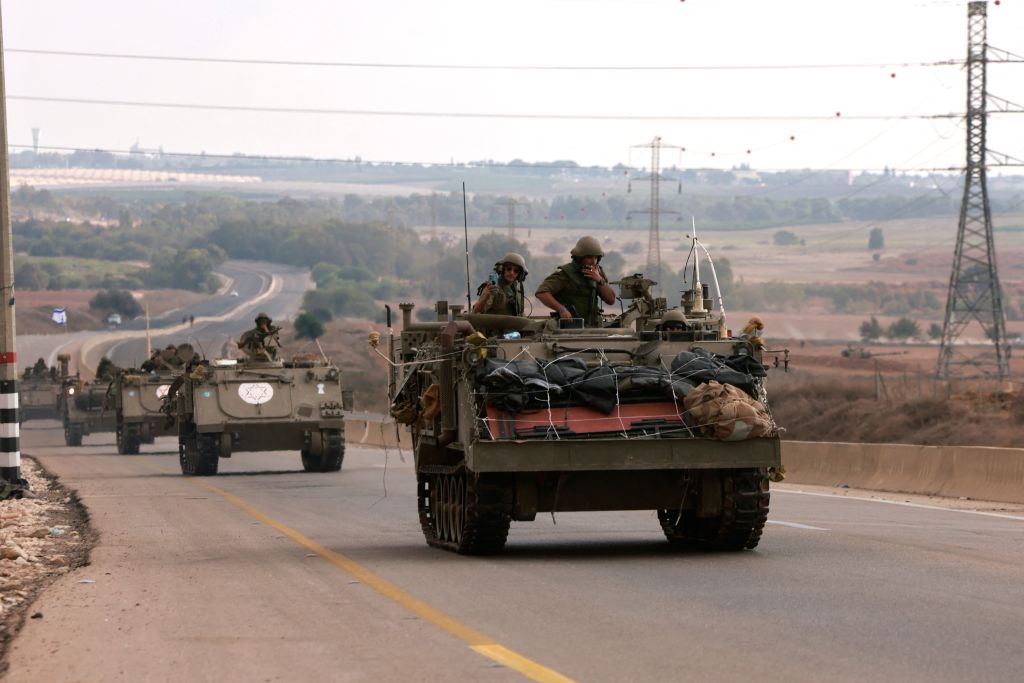
Washington’s chief concern regarding Israel’s ground offensive against Hamas in Gaza is the risk of regional escalation and Iran’s opening of another front against the Jewish state, which could drag the United States into the war.
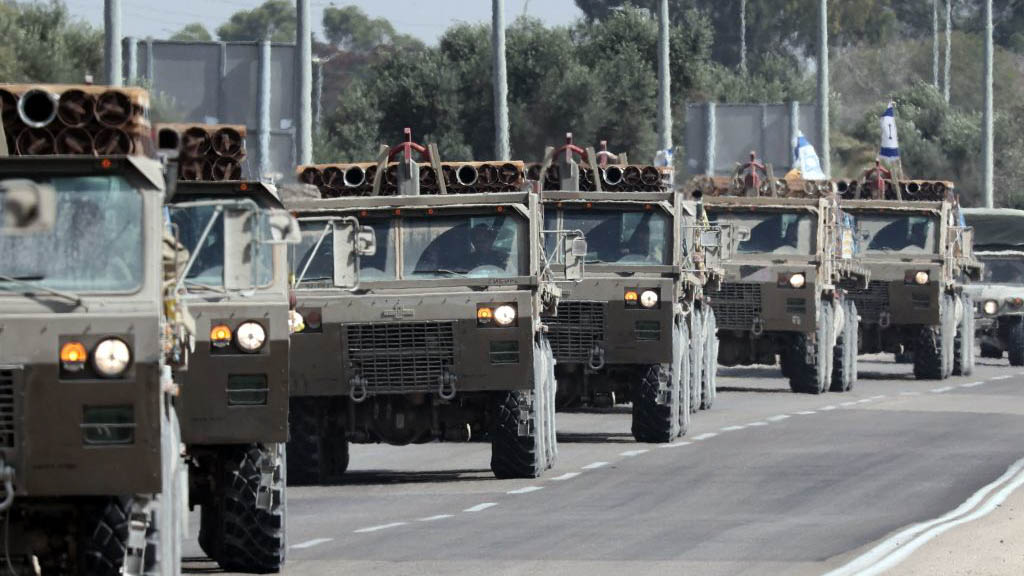
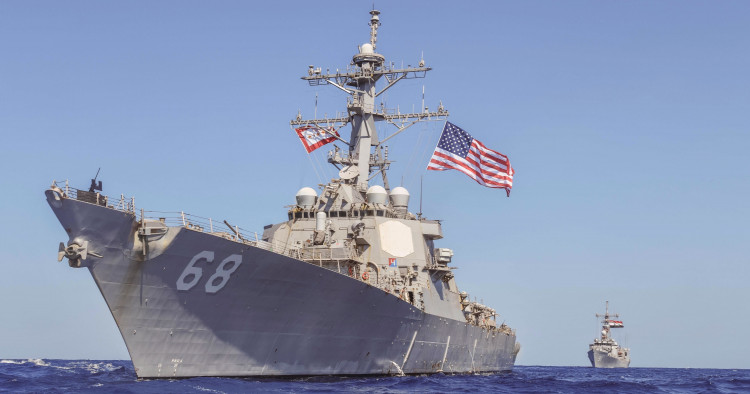
The United States has communicated to Tehran the consequences of further Iranian involvement in the conflict, and it has moved additional military assets to the region to boost the credibility of its threats.
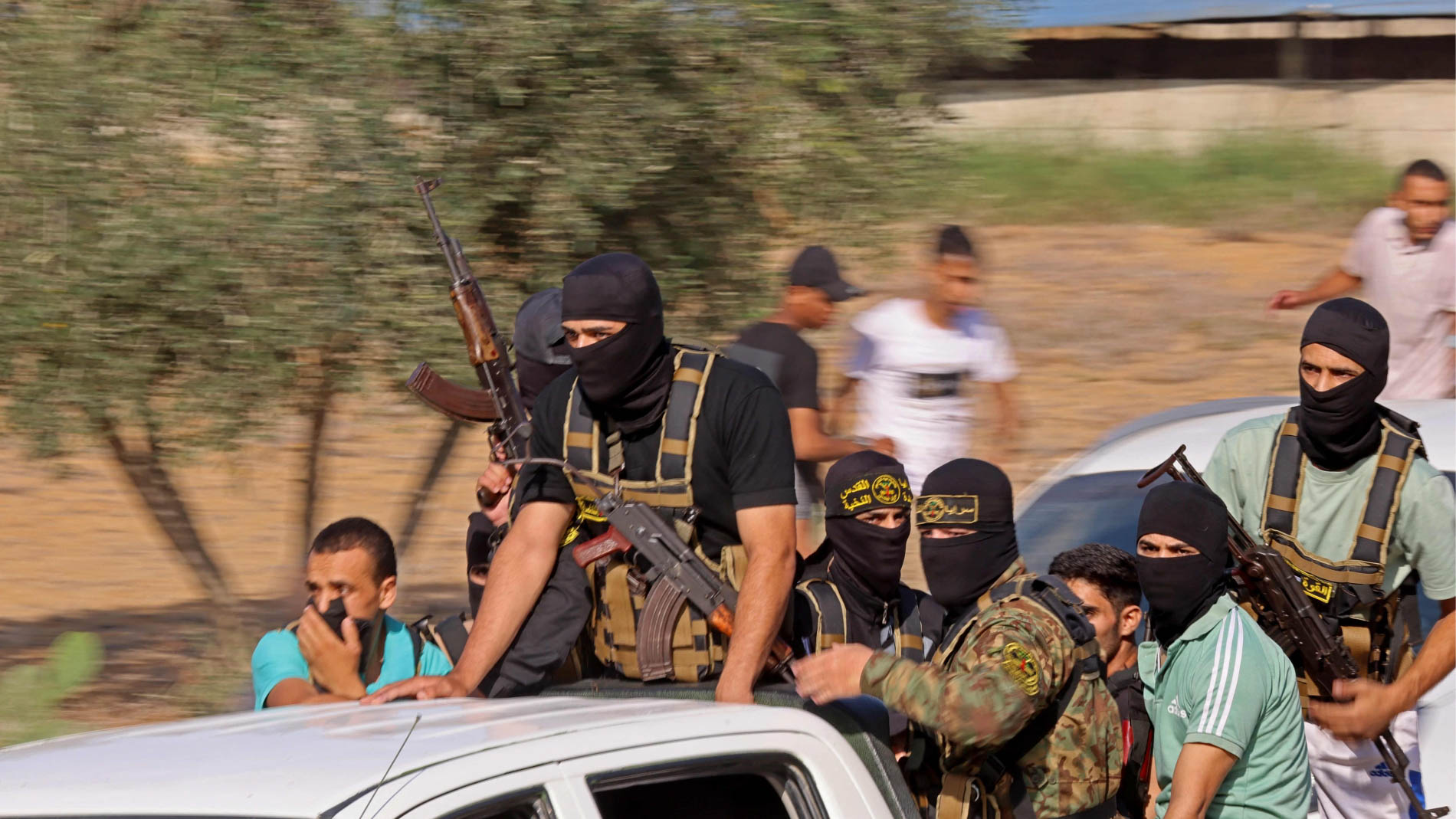
On 7 October, Hamas shocked the world, when thousands of its militants invaded southern Israel, taking control of territory, massacring civilians and kidnapping hundreds.
The attack itself demonstrated an unusual level of complexity, with a first wave seeing drones taking out Israeli reconnaissance equipment and observation posts and cyber attacks creating distractions, opening a path for amassed militant incursions from the air, sea and ground.
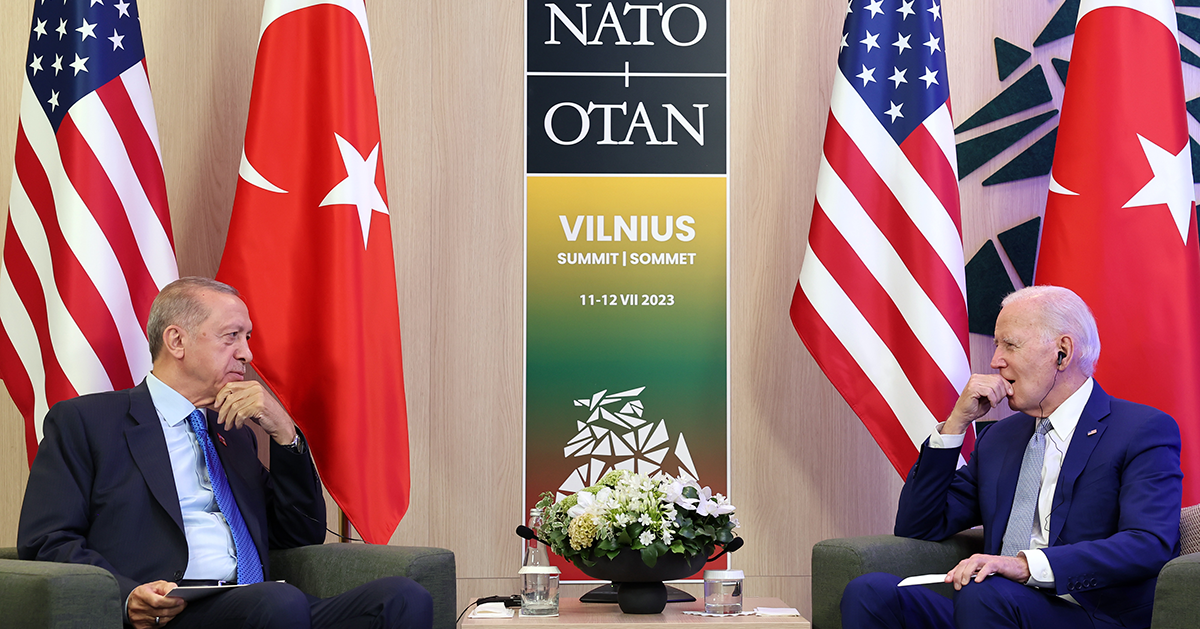
For the better part of a decade, Turkey and the U.S. have been locked in what might be considered an unhappy marriage, marked by bitter misunderstandings and growing distrust. Some optimists had hoped that something of a reset might be possible, but recent events, both in Turkey’s ongoing conflict with the PKK and because of the ripple effects from Israel’s war with Hamas, likely mean that U.S.-Turkish relations, far from improving, will get colder yet in the months to come.
In Israel-Hamas war, Russia's leverage erodes, outflanked by US naval power
Russia, historically viewed as a major stakeholder and player in the Middle East since the Cold War, is seeing its leverage eroding as the Hamas-Israel war enters its third week, and the Kremlin is absent despite attempts to mediate the conflict.
Built For Growth: Energy Storage Systems In The Gulf
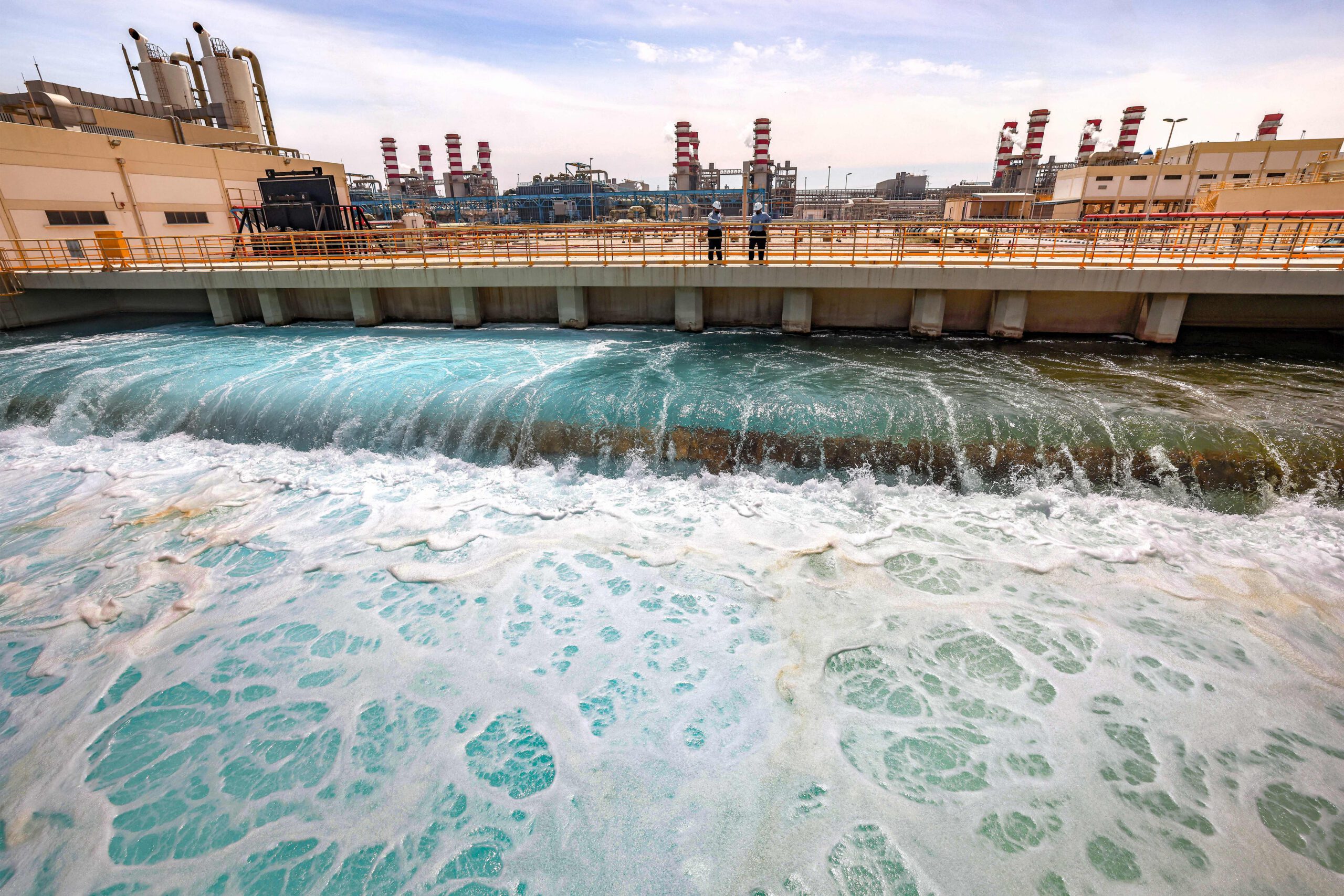
Increasing deployment of large-scale grid-integrated Energy Storage Systems (EES) in Gulf Arab states is being driven by the implementation of renewable energy systems. More and more, variable renewable energies are being integrated into the grid as upgrades to transmission and distribution networks are being deferred. As a result, demand for ESS is likely to grow.
Hezbollah’s calculations on opening a second front against Israel
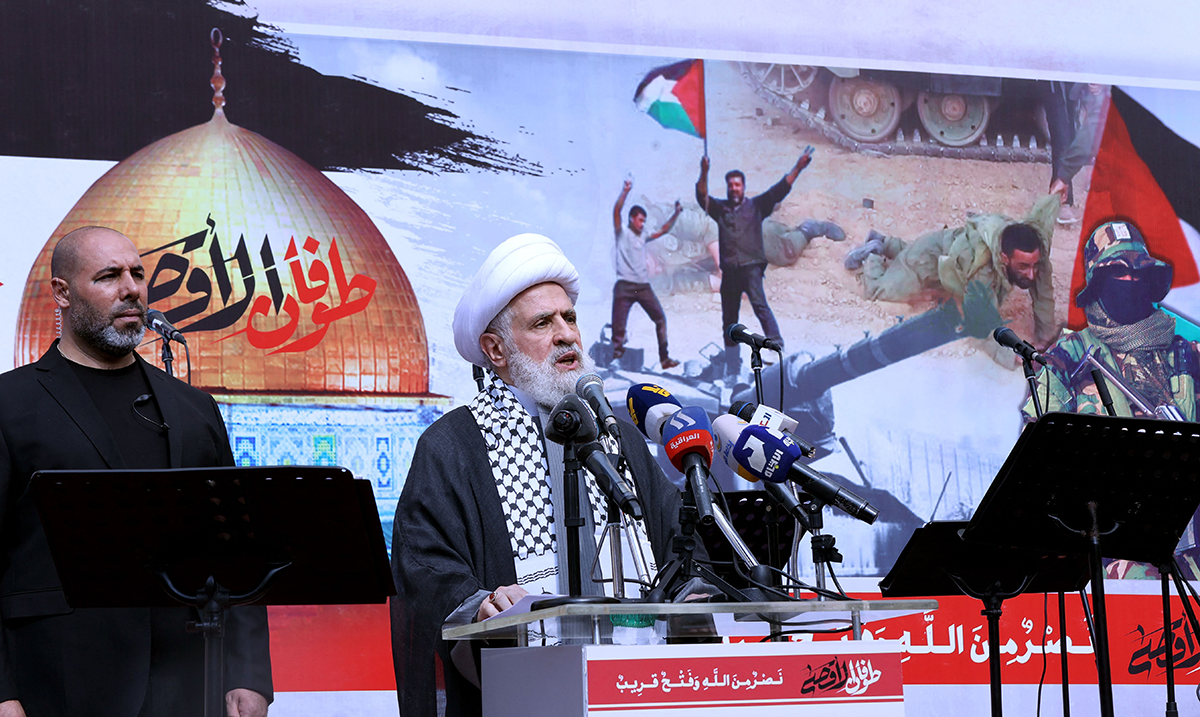
Since the Hamas attack on Oct. 7, regional and extra-regional actors have been working to prevent an expansion of the conflict beyond the Gaza-Israel theater, focusing particularly on the Lebanese-Israeli border. A decision by Hezbollah to enter the ongoing war would open a second front and bring into the fight their large arsenal of rockets and precision-guided missiles capable of hitting critical Israeli infrastructure. It would also bring destruction to Lebanon while the country reels from a severe economic crisis.
A devastating Israel-Lebanon war is brewing, but it can still be stopped
This week’s shock attack by Palestinian militant group Hamas against Israel left the Middle East on a knife’s edge. The world remains focused on Israel’s unfolding military response in Gaza, which in the days ahead will surely prove long, punishing, and unpredictable.
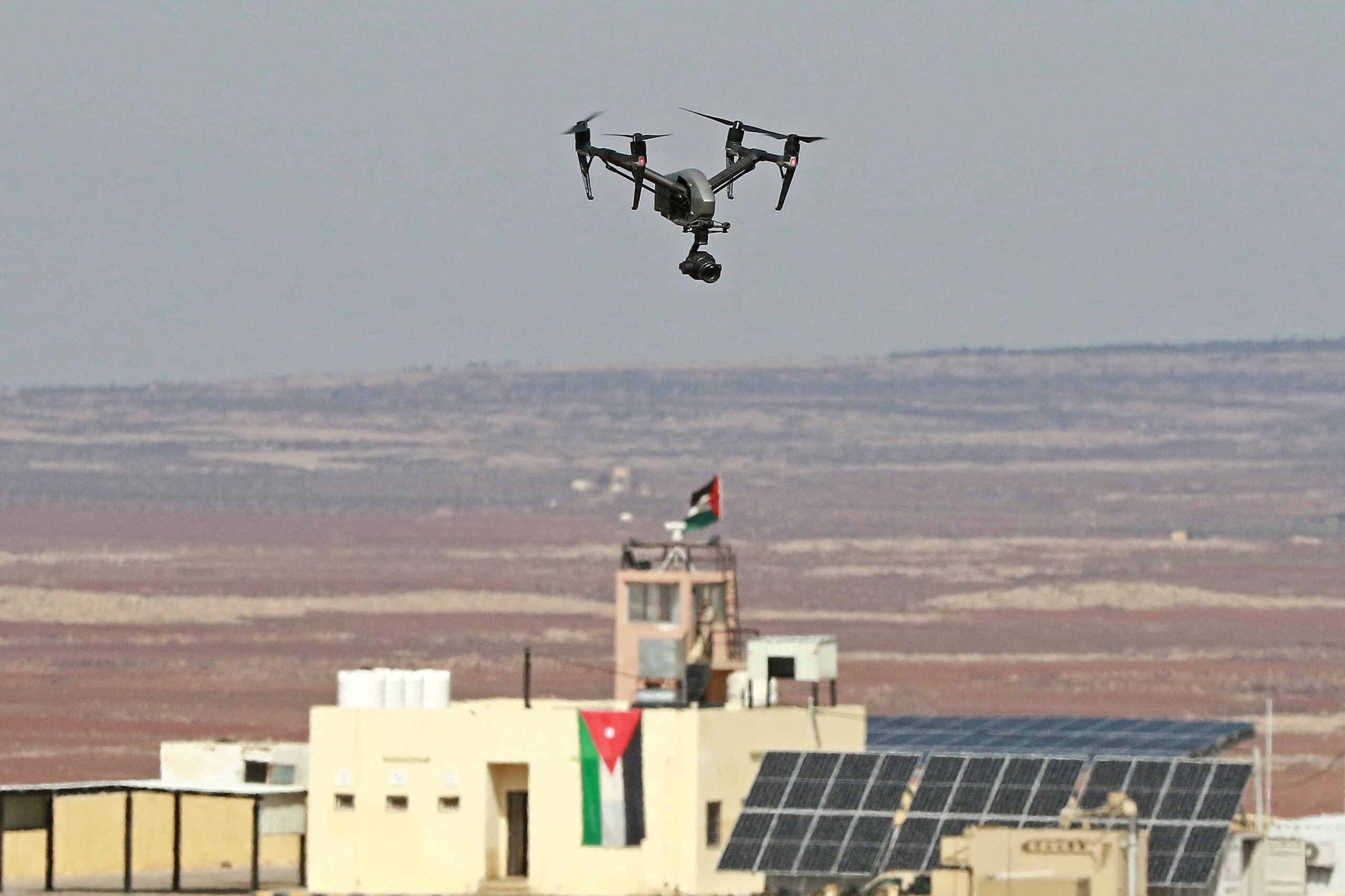
On Sept. 26, Jordan dealt a double blow to drug traffickers by intercepting two drones packed with crystal meth from Syria. But this is just the tip of a rapidly growing iceberg. In the past two months alone, Amman has thwarted four more drones, each laden with a deadly cocktail of drugs, arms, and explosives. This surge illuminates a disturbing evolution in the tactics of smuggling networks operating in southern Syria.
Turkish escalation in northeastern Syria amid changes in military strategy
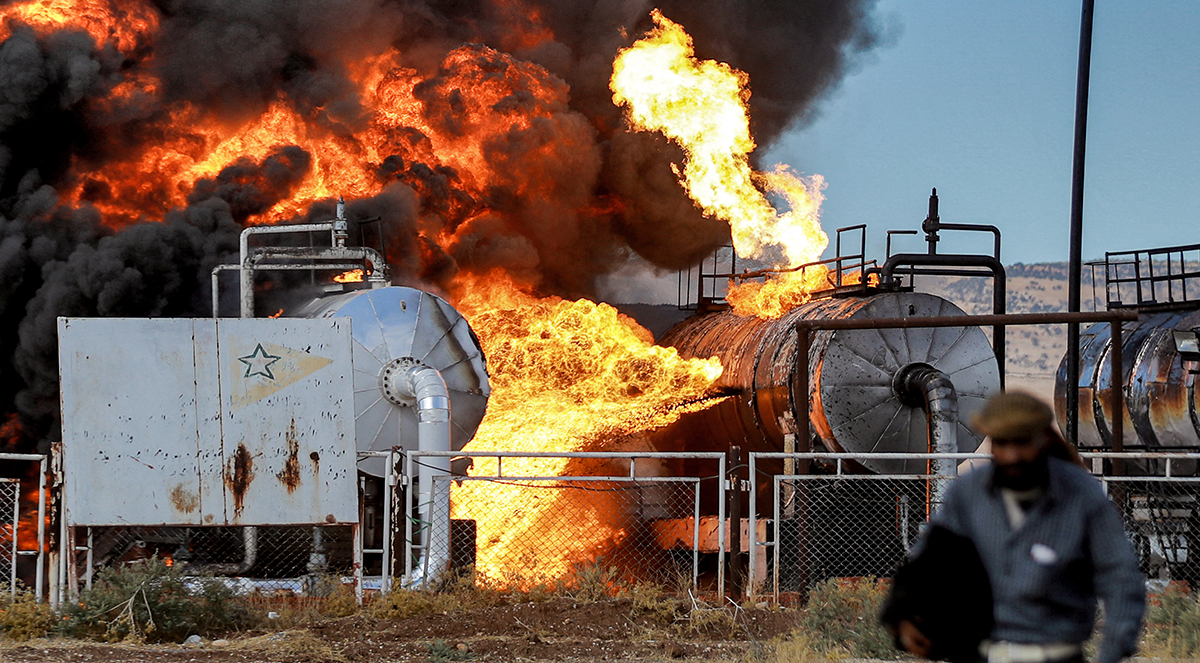
After several quiet months on the Turkish-Syrian border, tensions have escalated in recent days. Turkish forces have intensified their attacks against the SDF in northeastern Syria and targeted PKK hideouts along the Turkish-Iraqi border. This escalation is unfolding against the backdrop of the suicide blast in Turkey’s capital, Ankara, on Oct. 1 that targeted the Interior Ministry.
Syria’s Suwayda protests underscore pressing need for a political solution
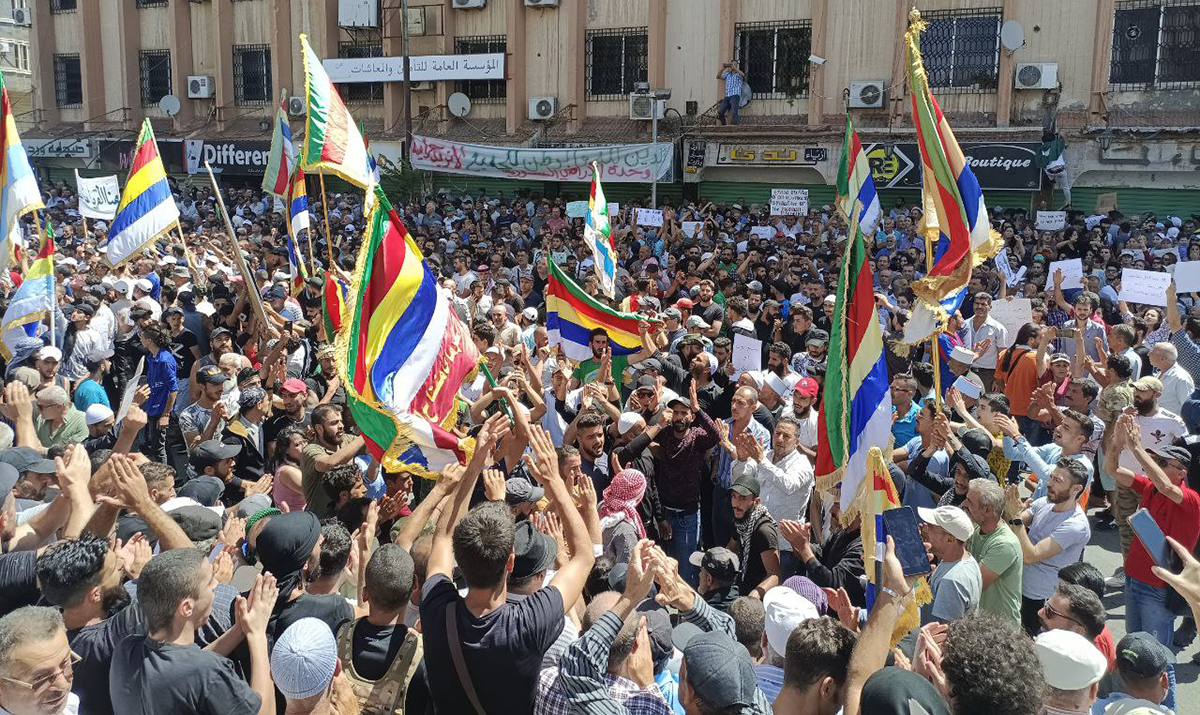
Despite the great magnitude of the disaster that has befallen Syria over the past 12 years, Syrians have not wavered in their perseverance and belief in their right to a free and dignified life. In the city of Suwayda in the south, for the seventh consecutive week now, peaceful popular demonstrations continue with diverse participation from all segments of the Syrian people.