Deradicalization Programs for SOSMA, POTA, and POCA Detainees in Malaysia
Counterterrorism strategies can be made more effective by incorporating deradicalization and rehabilitation measures. Deradicalization is a key element of Malaysia’s counterterrorism and violent extremism strategy. This article discusses the Malaysian Government’s multi-stage deradicalization process.
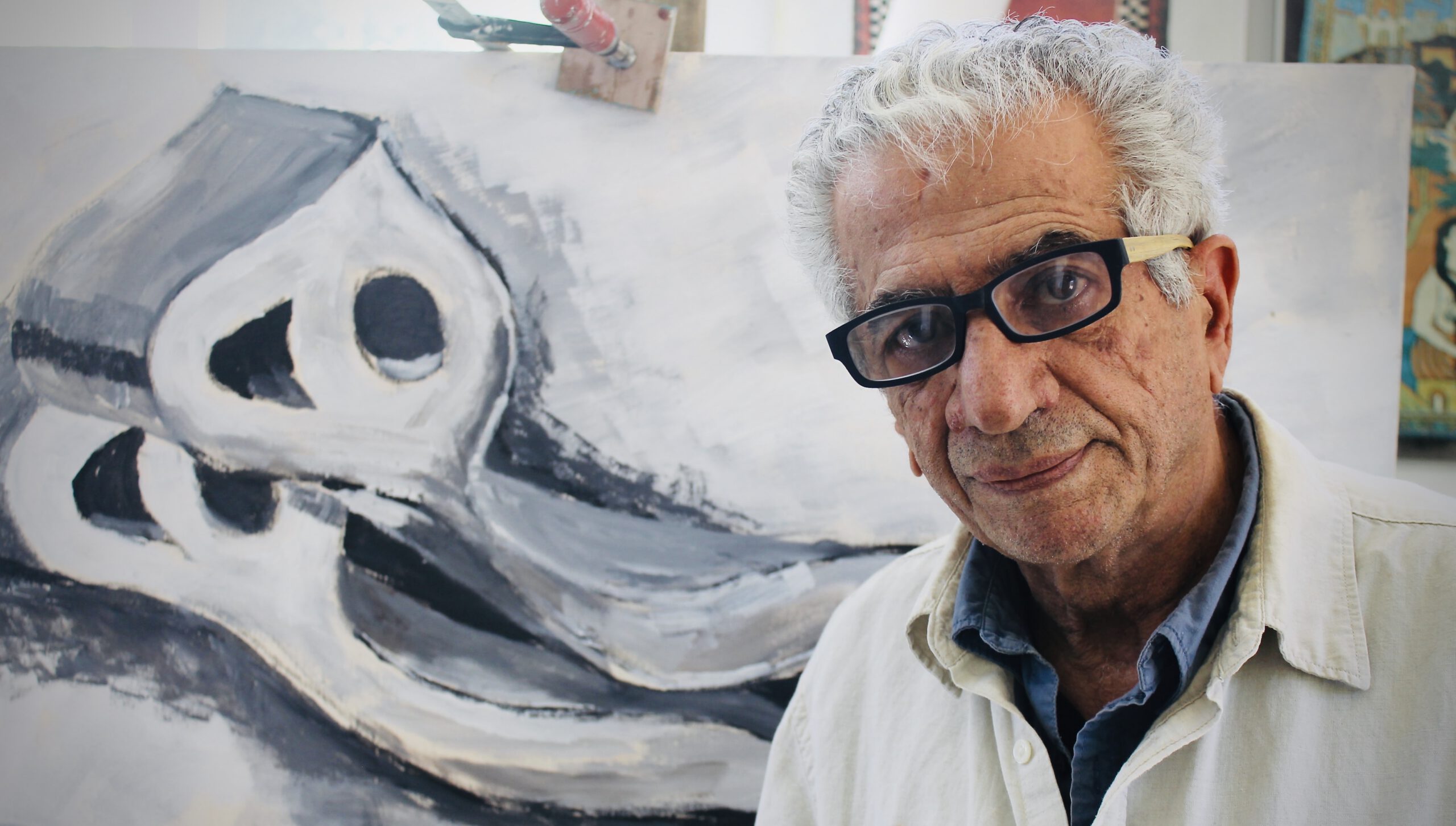
Far from his native Tehran in bucolic West Vancouver, Parviz Tanavoli, the 83-year-old “father of modern Iranian sculpture,” contemplates the fate of his homeland. “My heart breaks when I see what is happening in Iran now,” says the renowned artist, who divides his time between a life of relative obscurity on Canada’s Pacific coast, and Tehran, where he is referred to simply as “Master Tanavoli.”
It has been more than a year since the fall of Baghouz. Eleven Malaysians have returned from Syria under the Malaysian government’s offer, conditional upon compliance with checks and enforcement, and a one-month rehabilitation program. Since then, the authorities are optimistic that more will be able to return. However, the anticipation of more returnees raises questions about Malaysia’s readiness to receive incoming batches of Malaysia Islamic State (IS) fighters. Given Malaysia’s lack of experience dealing with battle-hardened terrorists and questions about the efficacy of existing deradicalization efforts, can these structures tackle issues that Malaysia has never faced?
Rival Afghan leaders strike a power-sharing deal, but there are plenty of other obstacles on the road to peace
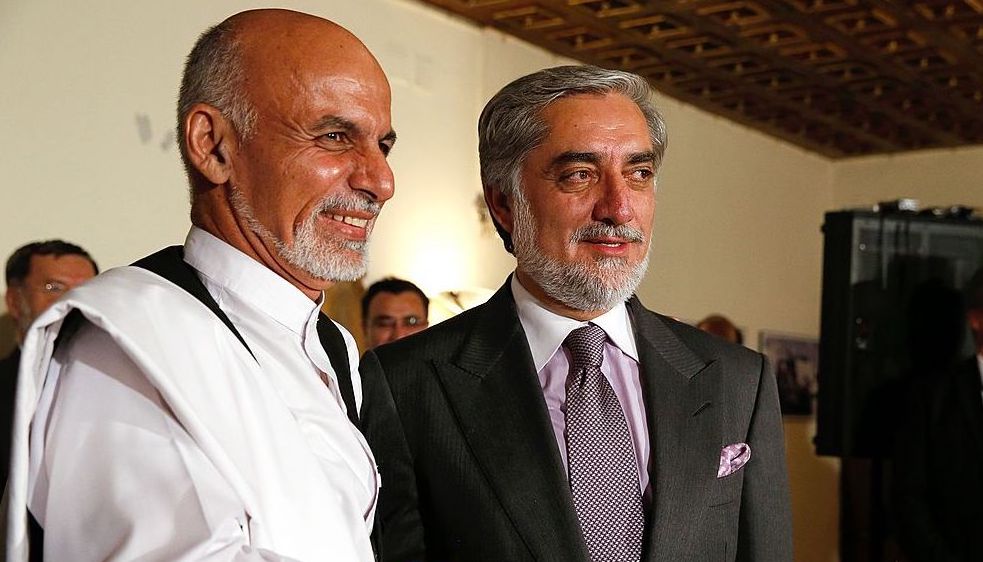
There was no other way to end the political logjam in conflict-ridden Afghanistan than to make current President Ashraf Ghani and the outgoing Chief Executive Abdullah Abdullah agree to share power. The deal announced on May 17 has been widely welcomed by the international community because the political tensions between the two rivals were viewed as one of the major hurdles to the advancement of an intra-Afghan reconciliation process. The political jockeying in Kabul is far from the only impediment to reconciliation though and there are deeper obstacles to the peace process.
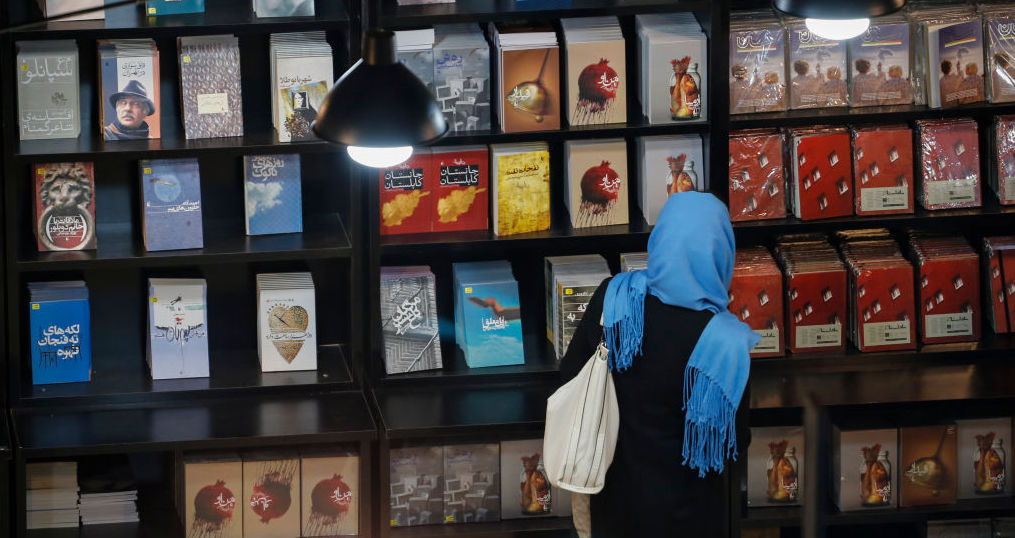
Unfortunately, many distinguished Arab writers are unknown to the majority of Iranian readers and their works are not available in Persian. Arab literature has largely been neglected in the Iranian literary translation market.
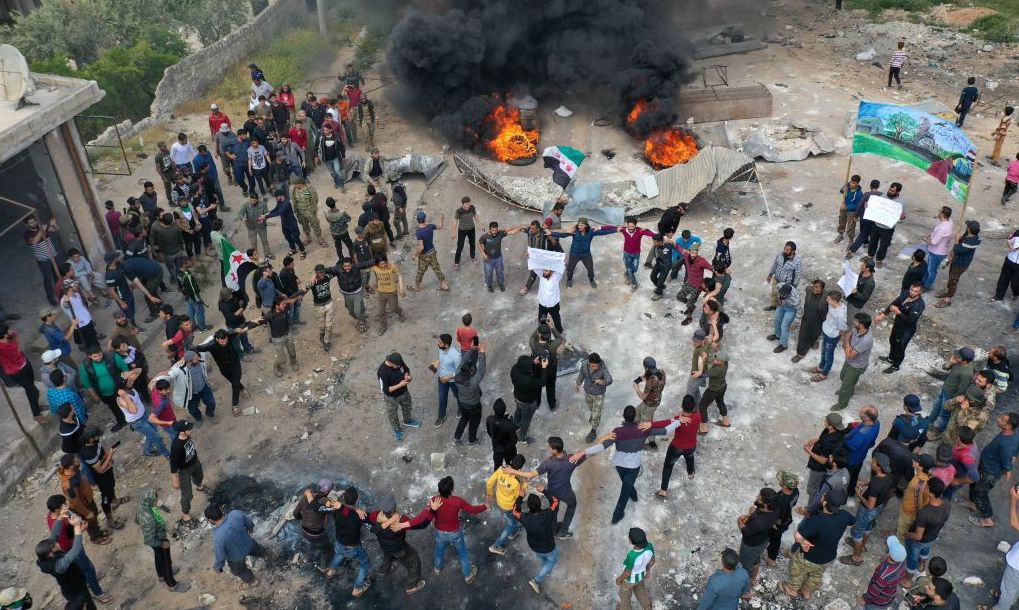
With its territory under increasing pressure, its finances dwindling, and manpower more challenged than ever, HTS’s ability to balance its extremism with controlled uses of pragmatism is under strain. Internally, its leadership is bitterly divided over decisions of the past, present, and future and externally, its rivals and enemies all appear to be conspiring against it. In an attempt to protect internal cohesion, HTS has become determinedly self-assertive in recent weeks, pursuing unpopular policies such as trading with the regime and lashing out at those brave enough to express their dissatisfaction. In response to HTS aggressions, a wider array of opposition voices — both moderate and Islamist — are declaring loudly that HTS now represents a threat to their revolution.
Supporting refugee communities during the pandemic
Basma El Husseiny (Action for Hope) and Samar El Yassir (Anera) join guest host Lyne Sneige to discuss the impact of the COVID-19 pandemic on refugee communities and the NGOs that work with them.
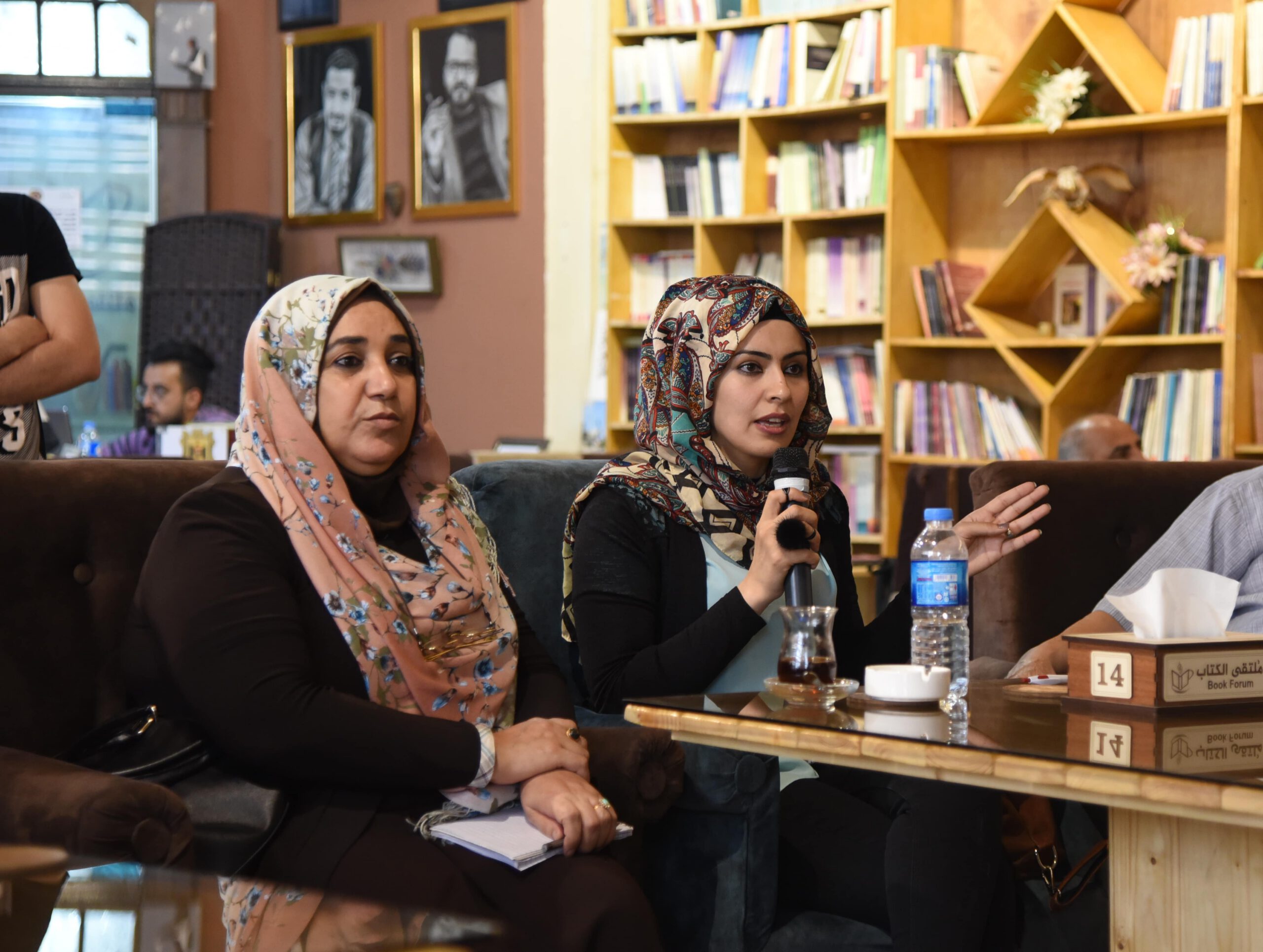
Mosul’s Book Forum: Rebuilding minds one book at a time, even under lockdown
The spiritual cousin to the Shabandar Café — Baghdad’s literary heart that survived being bombed by extremists in 2007 — Mosul’s Book Forum is both an intellectual refuge and a laboratory for discussion and cultural expression.
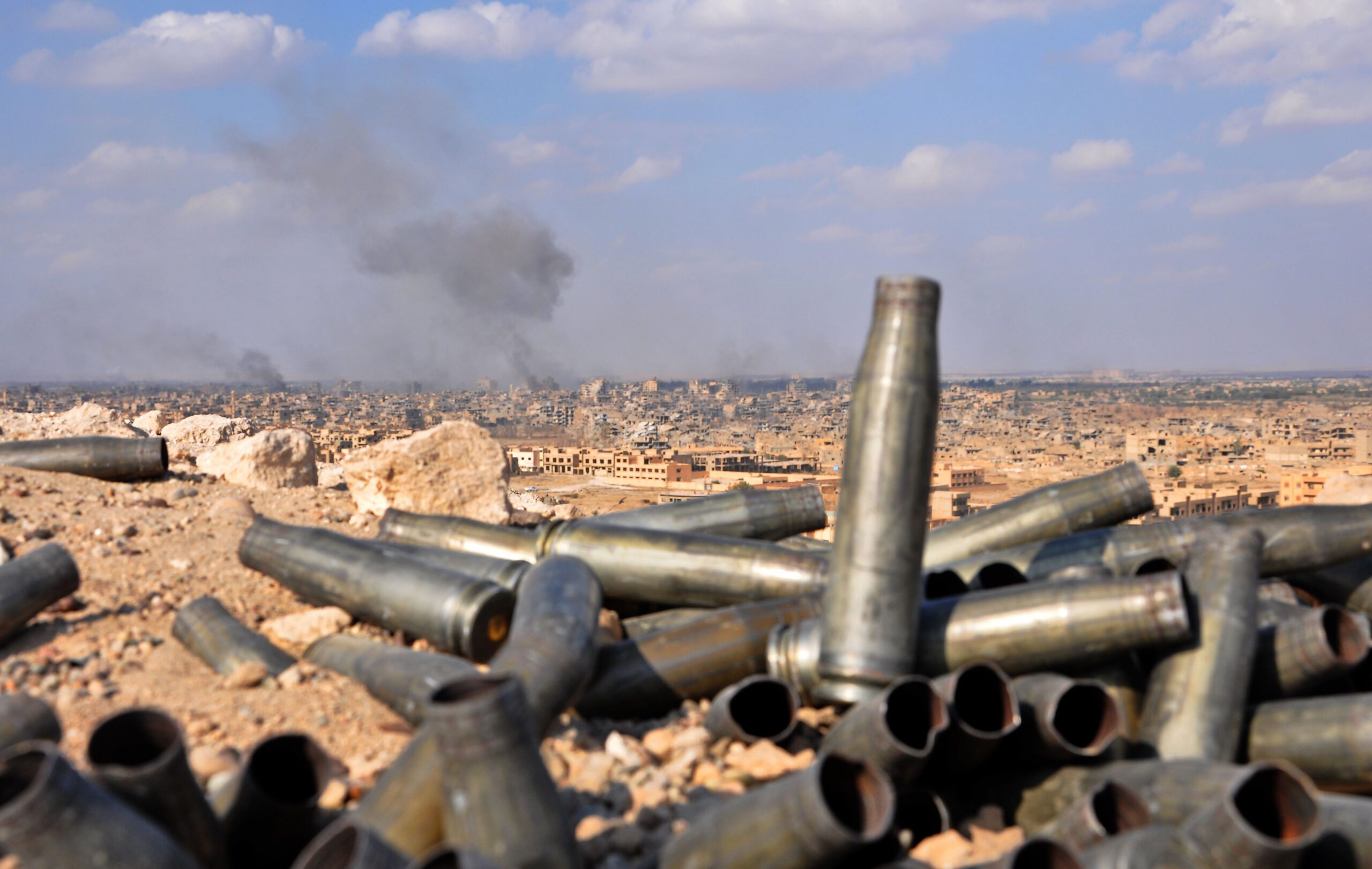
When the American-backed Syrian Democratic Forces (SDF) captured the village of al-Baghouz in late
March 2019, ISIS’s self-proclaimed “caliphate” came to an end. The largest multinational military
coalition in modern history spent four-and-a-half years methodically rolling back ISIS’s control of an
expanse of territory the size of Britain, stretching across Syria and Iraq.
“A Force They Haven’t Seen Before”: Insurgent ISIS in Central Syria
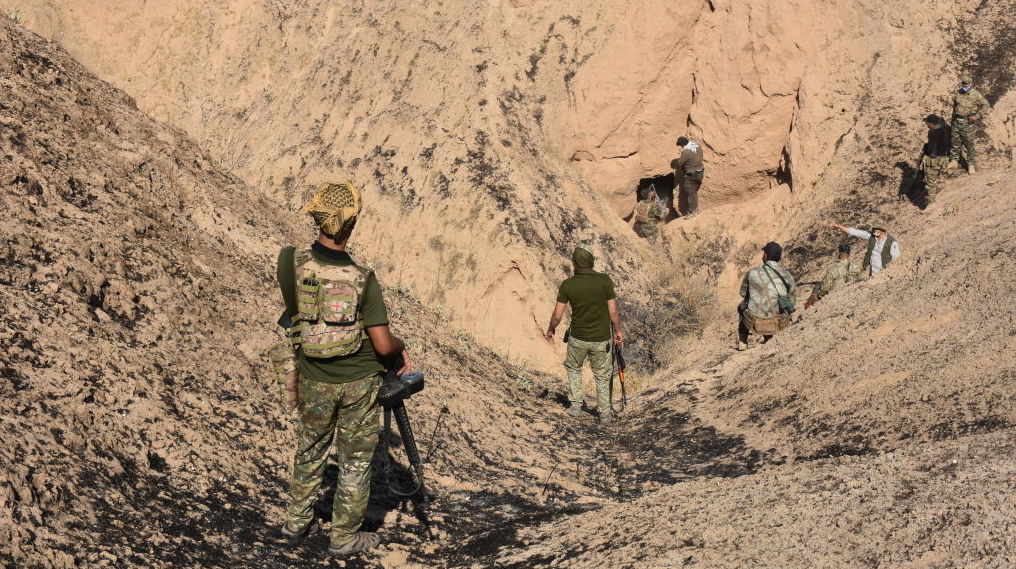
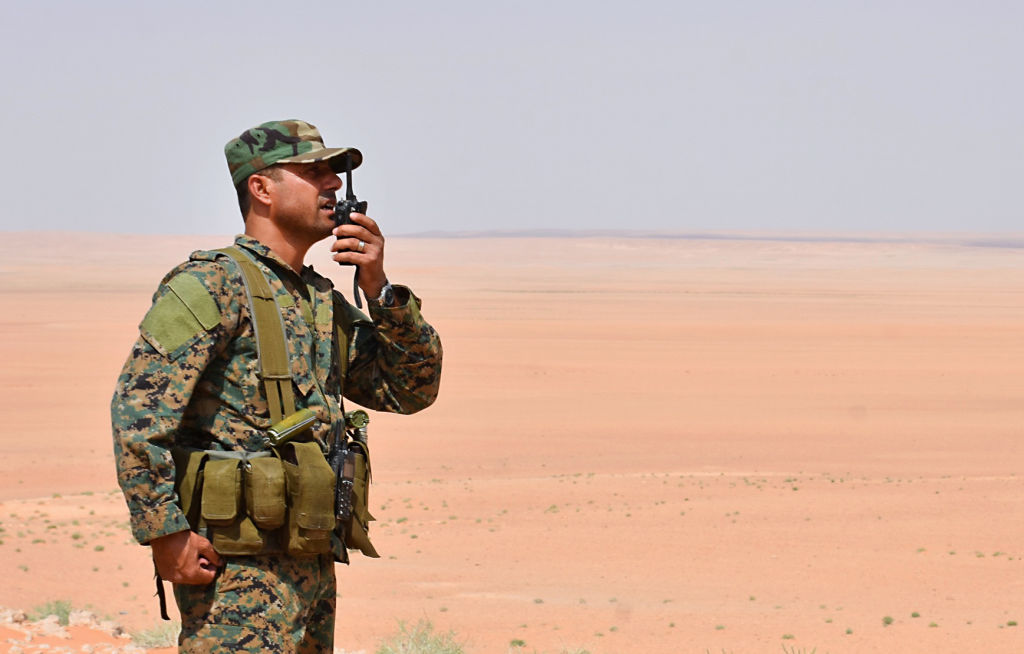
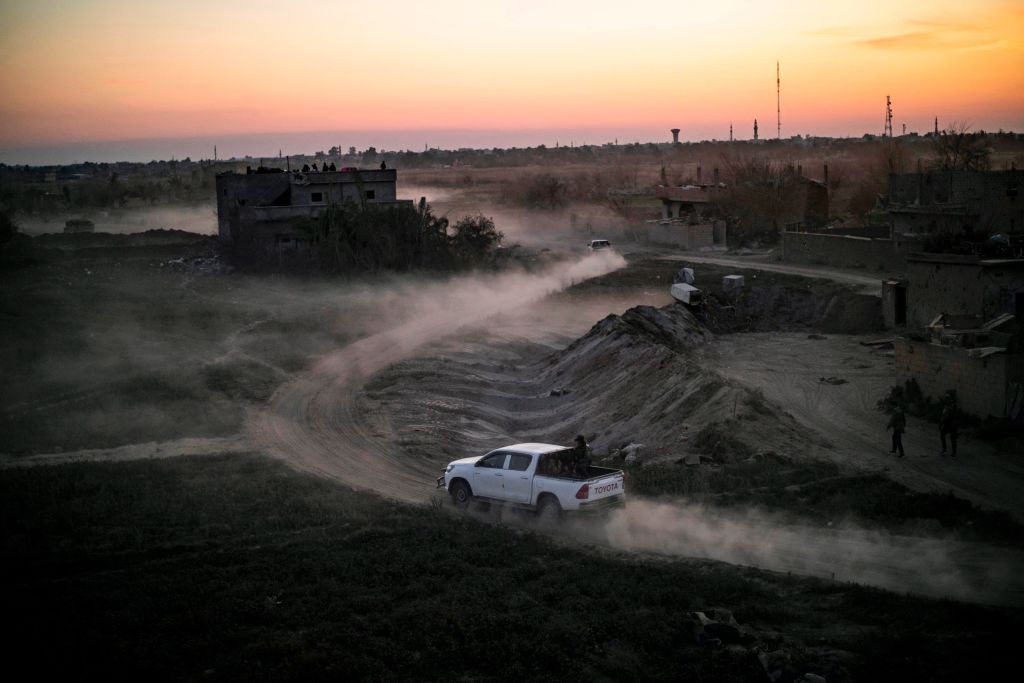
Immediately after the Syrian regime and its allies captured central Syria in late 2017, ISIS began waging an effective and deadly insurgency in the area. It first targeted urban centers along the western Euphrates before shifting focus in spring 2018 to the transport lines and mountains running along the M20 from Khunayfis to Shoula. These wide-ranging operations have killed a minimum of 860 pro-regime fighters of all ranks, units, and types. This report tracks self-reported regime losses in the region, as indicated on loyalist Facebook pages, community pages, and unit pages, from Nov. 10, 2017 through March 31, 2020.
A new challenge to countering insurgency and terrorism
In active threat zones, the capacity to launch major operations will likely be constrained for at least several months once the virus begins its inevitable surge.
How the region's art sector is adapting under COVID-19
Adila Laïdi-Hanieh (The Palestinian Museum), Saleh Barakat (Agial Gallery and Saleh Barakat Gallery), and Khaled Barakeh (Co-Culture) join guest host Lyne Sneige for a discussion of how the COVID-19 pandemic has impacted the arts and culture sector across the Middle East, and how artists, galleries and museums are working to adapt during a global crisis.
Seizing the Moment for Change: Pathways to a Sustainable US-Pakistan Relationship
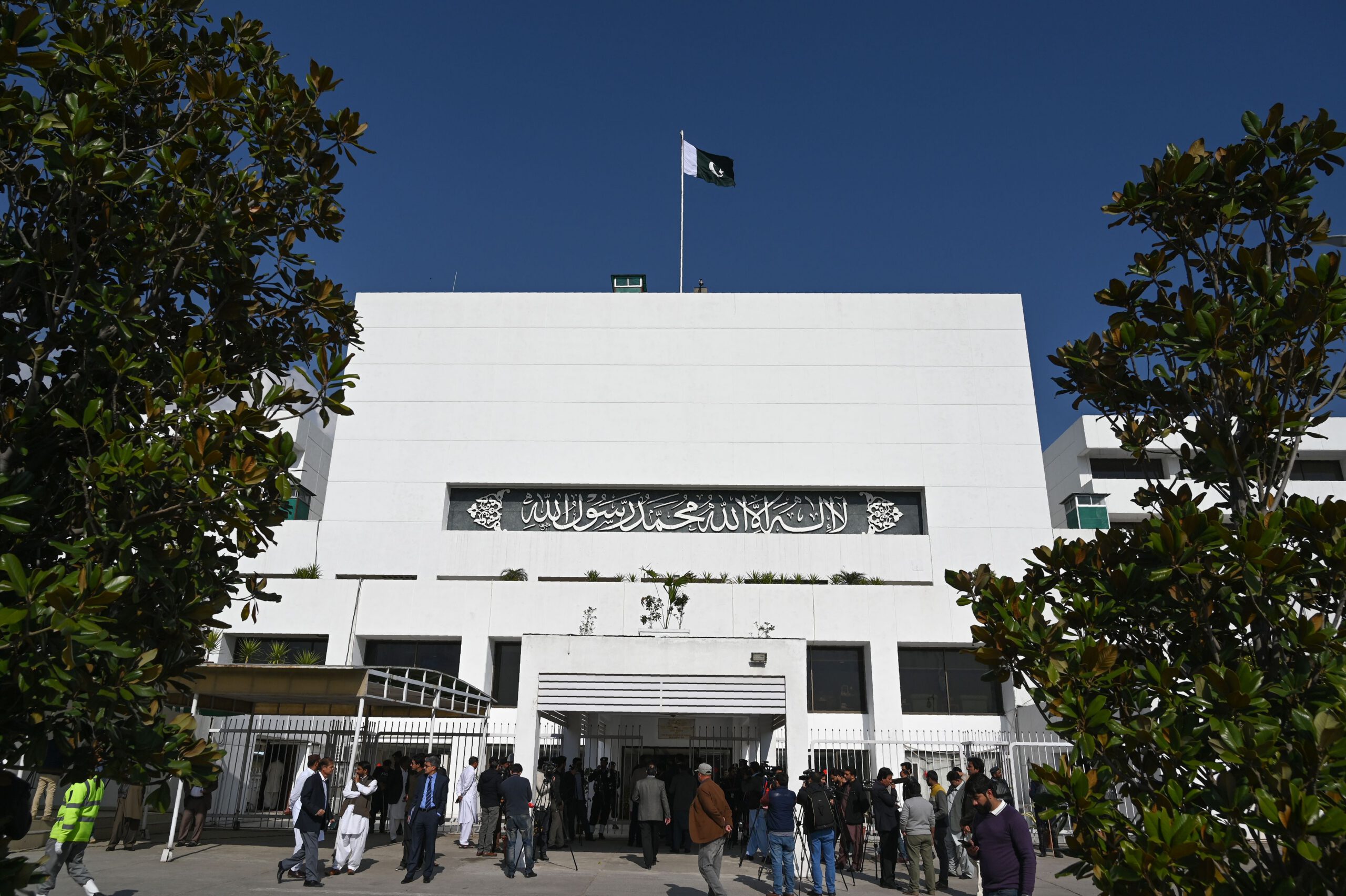
It is a near truism that U.S. relations with Pakistan have been historically unstable, waxing and waning, climbing to heights of interdependence and sinking to mutual recrimination. Yet this is presently a period unmarked by either high promise or driven by crisis. Rather than a reason, however, for leaving the relationship untouched and unexamined, this can be a time of unusual opportunity to create a more deliberative approach to thinking about the bilateral relationship and for shaping fresh initiatives.