How the MENA region’s climate regime influences its water resources
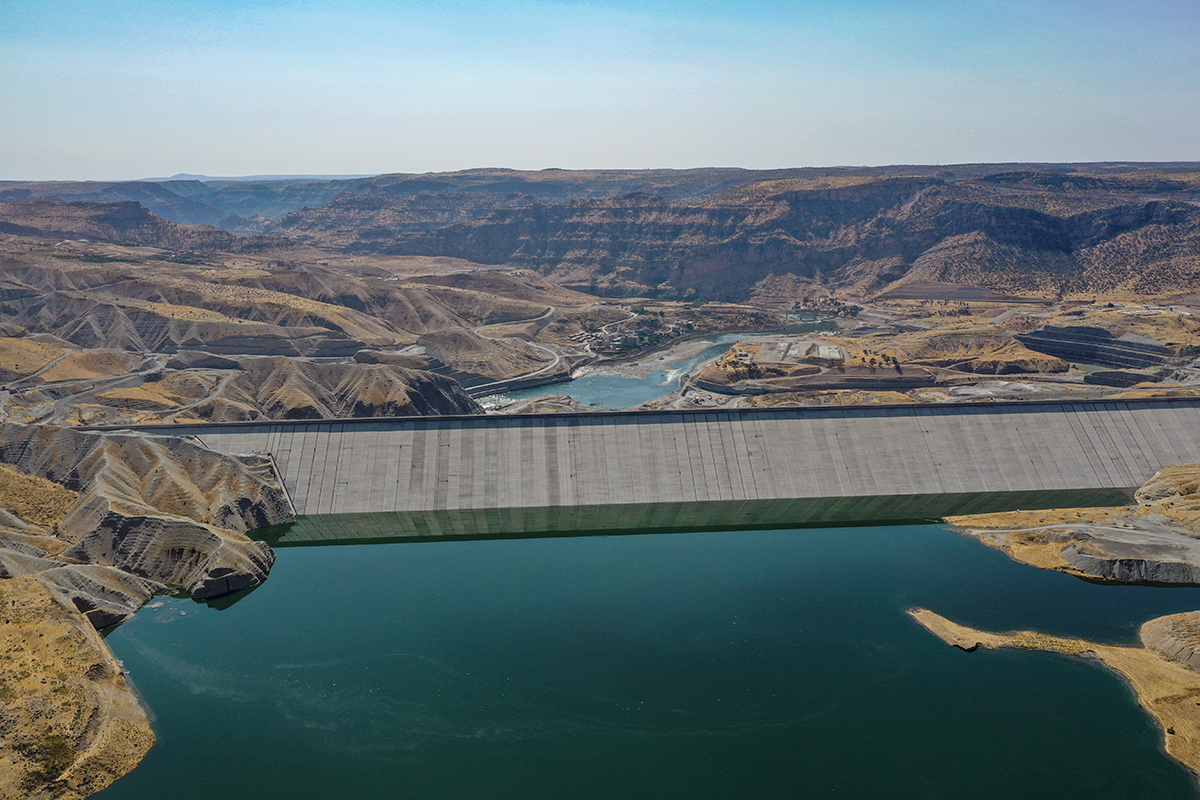
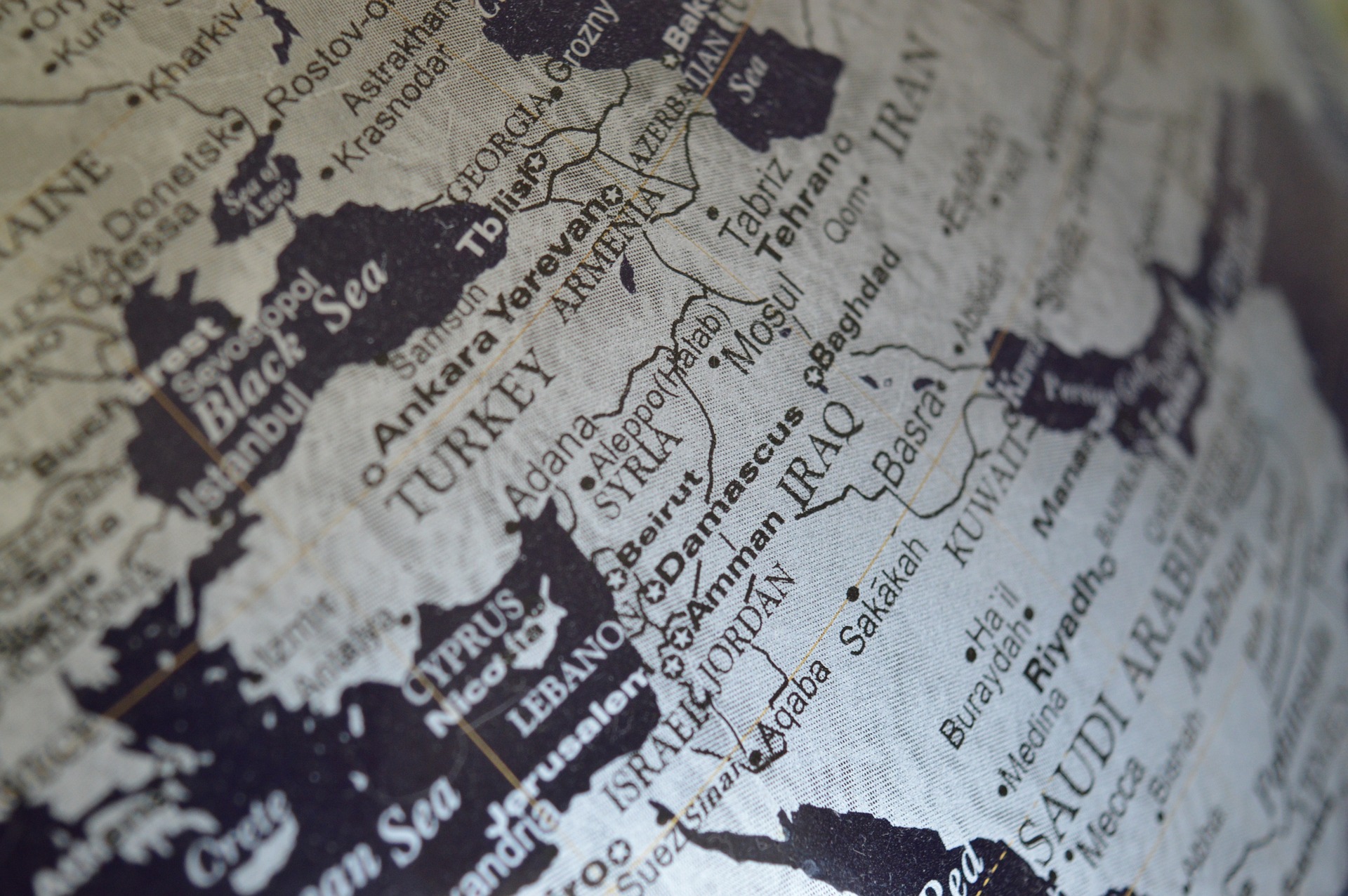
The MENA region faces unique challenges to environmental sustainability and human habitation. First and foremost among these is the limited availability of freshwater. The region sees most of its precipitation fall as mountain snow and sustained availability of water to river systems like the Tigris and Euphrates is dependent on the predictable transformation of mountain snowpack into runoff.
Solving Tunisia’s growing waste management problem
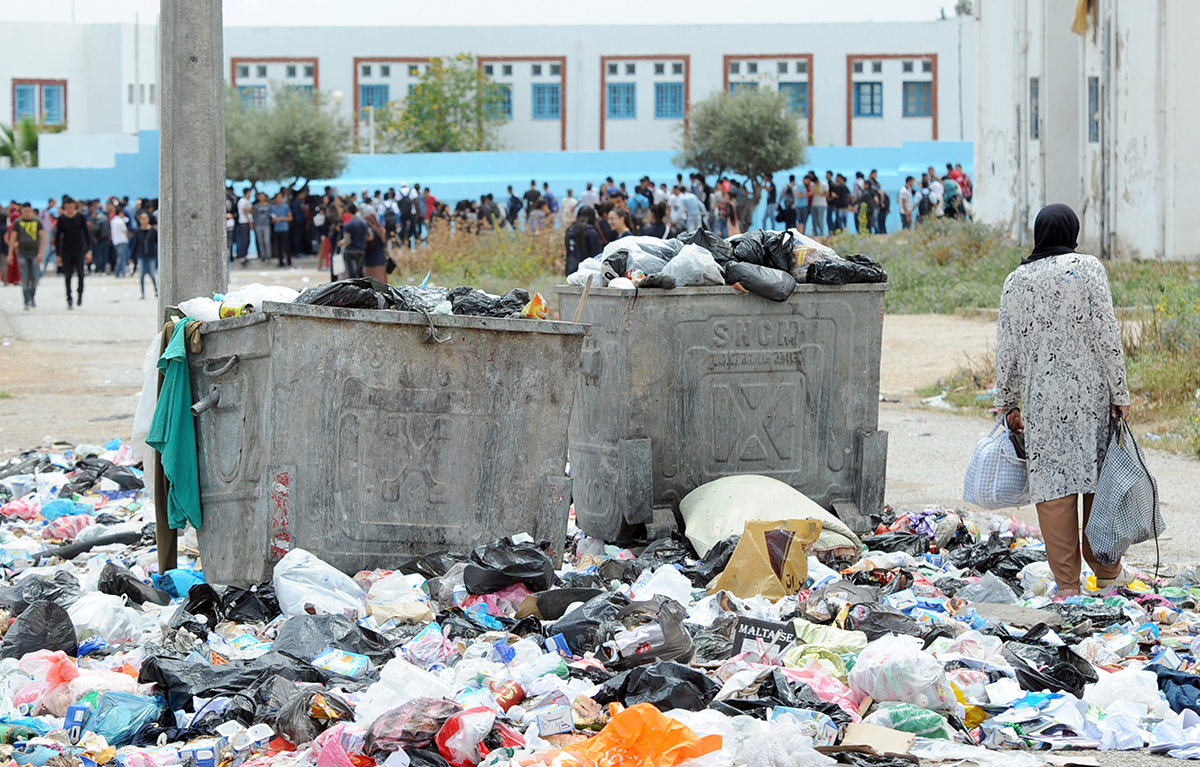
Given its outsized role in contributing to greenhouse gas emissions, waste management is an issue of global importance. Landfills account for almost 5% of total global greenhouse gas emissions and 12% of the world’s emissions of methane. The associated challenges are particularly acute in North Africa, and especially in Tunisia.
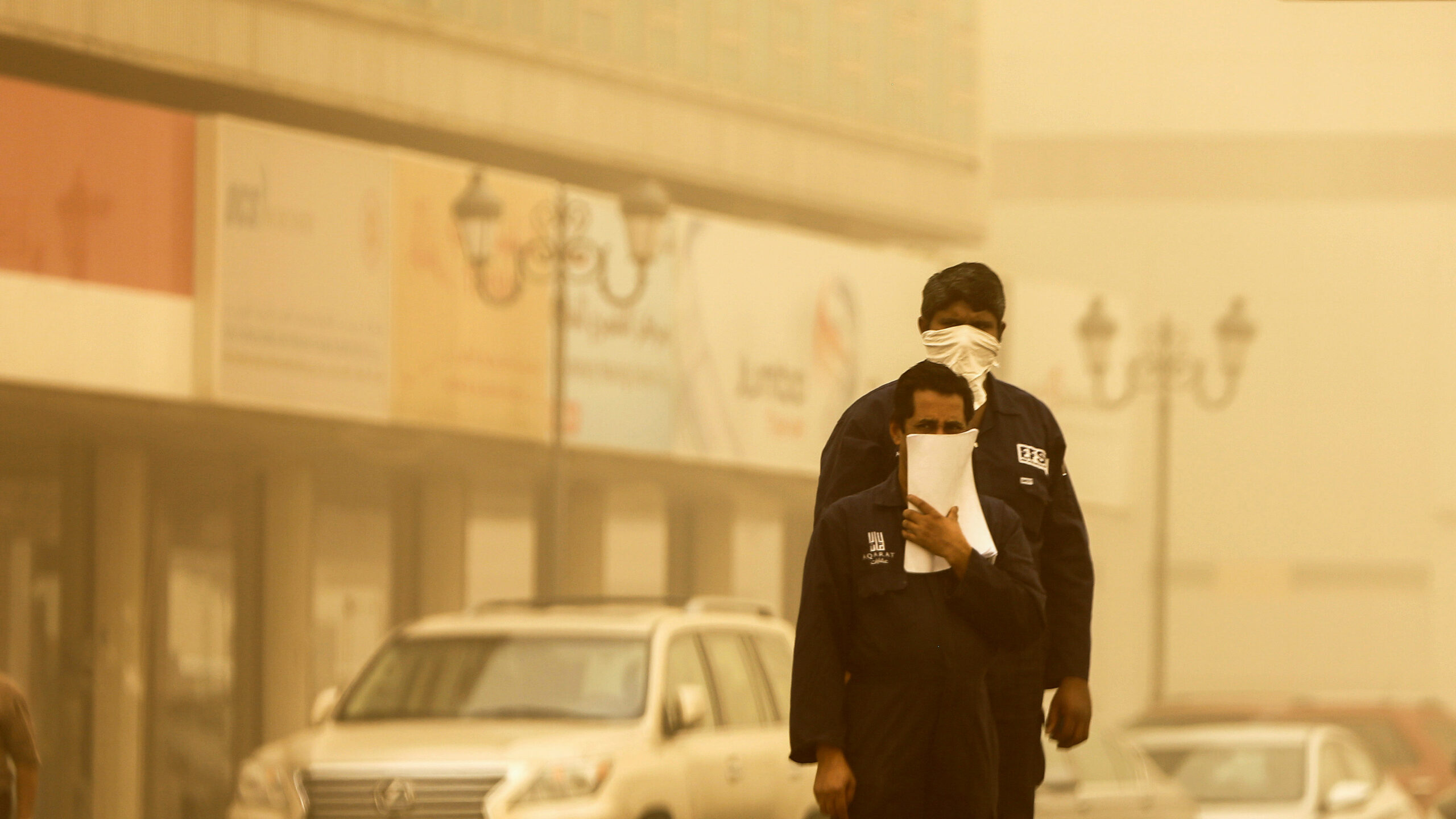
Severe sand and dust storms are an underrated risk in the Gulf region, despite mitigation measures
The precise causes of sand and dust storms (SDSs) are not fully known, but they are becoming better understood. Armed with this knowledge, regional actors are beginning to respond in the face of intensifying SDSs.
Randa Slim and Amb. Edward Gabriel discuss the daunting trifecta of economic, financial, and political crises Lebanon currently faces and what they anticipate for the country’s future.
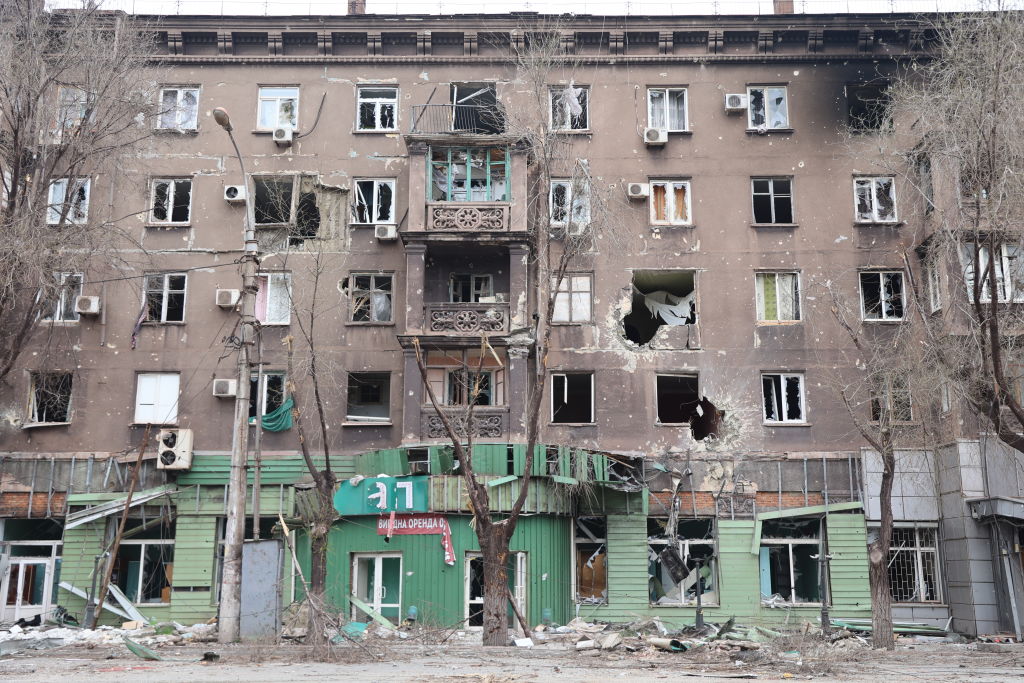
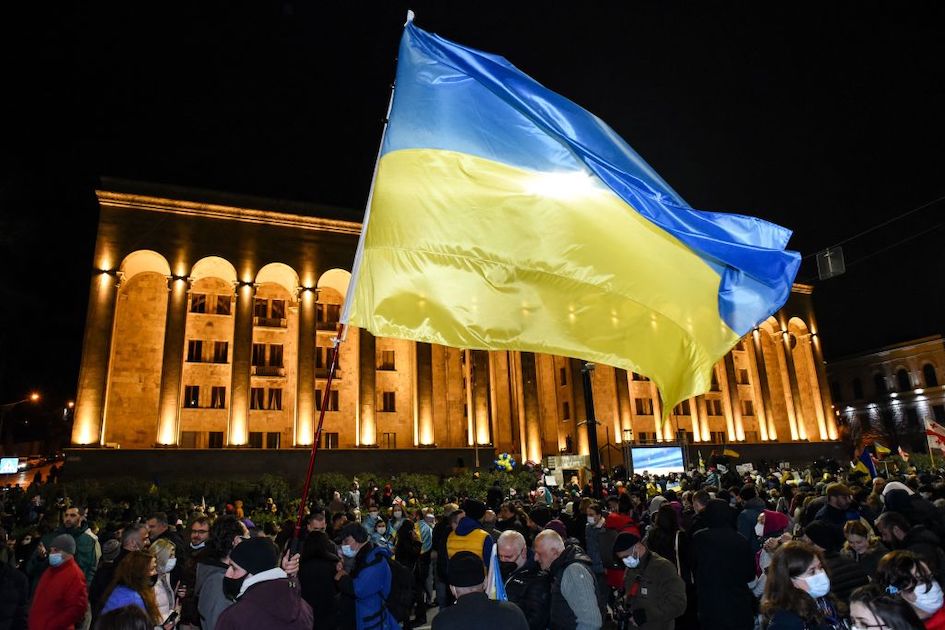
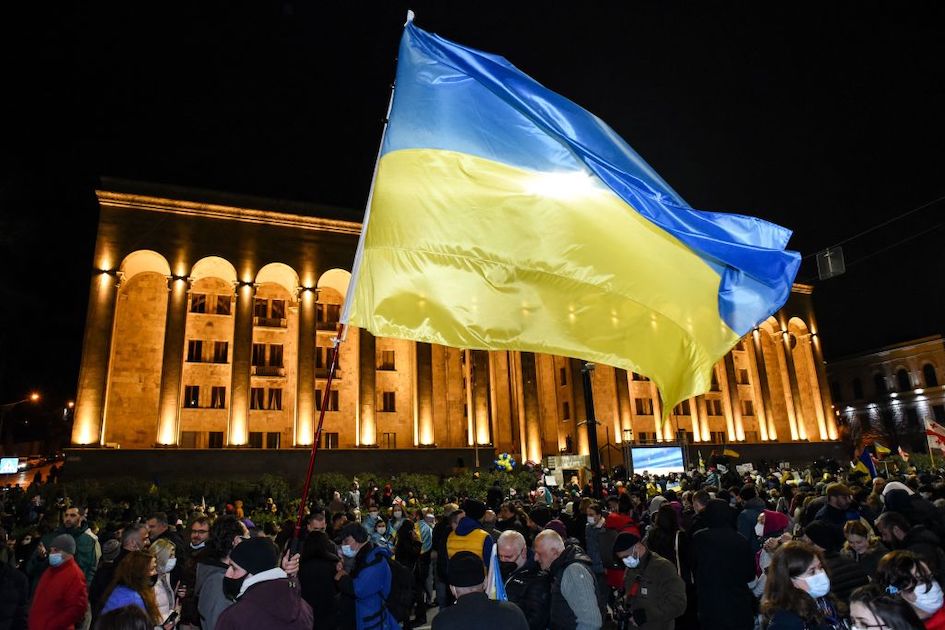
تنقسم الحكومات العربية إلى ثلاثة معسكرات حول موقفها من الغزو الروسي لأوكرانيا: المعسكر الأول الموالي لروسيا، وكما هو متوقع فإنه يضم سوريا، التي سارعت إلى الاعتراف باستقلال المنطقتين الانفصاليتين المنشقتين في شرق أوكرانيا وأبدت استعدادها للانضمام إلى القتال الروسي؛ والمعسكر الثاني المناهض للغزو والذي يضم لبنان والكويت؛ أما الفريق الثالث فيضم الدول المترددة ويشمل القوى الإقليمية مثل السعودية والإمارات ومصر.
يعكس بيان جامعة الدول العربية في 28 فبراير/شباط موقف المترددين: فهو لا يذكر روسيا، ويشير إلى الغزو على أنه “أزمة”، ويدعو إلى حل دبلوماسي.
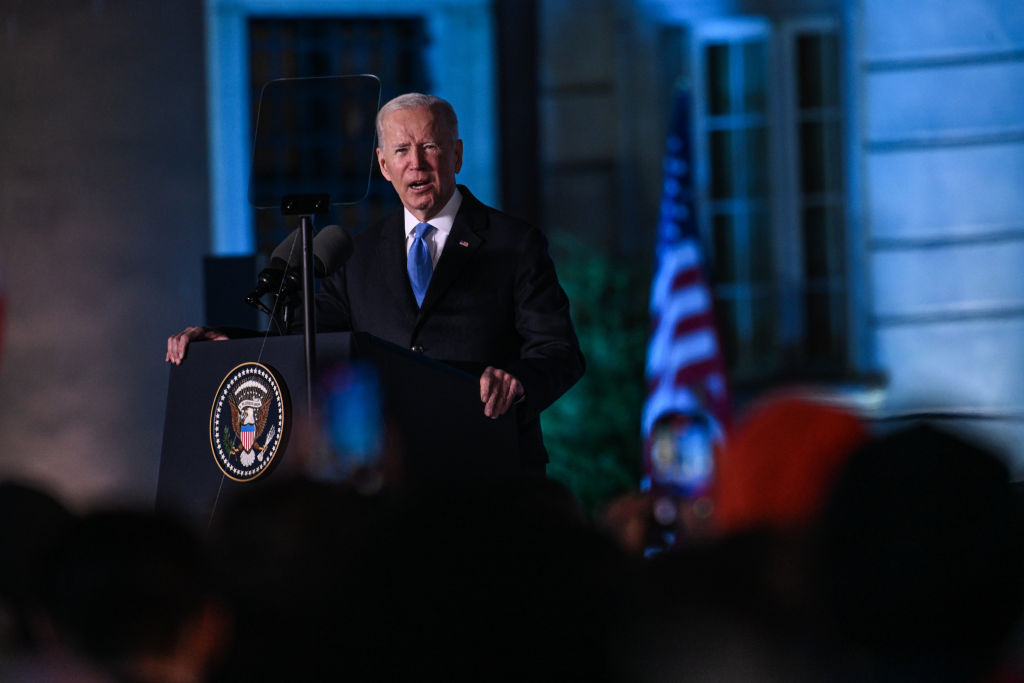
Brian Katulis and Randa Slim join the program to discuss the Biden administration’s Middle East policy one year in, and look ahead to the challenges it will face in the region in the year ahead.
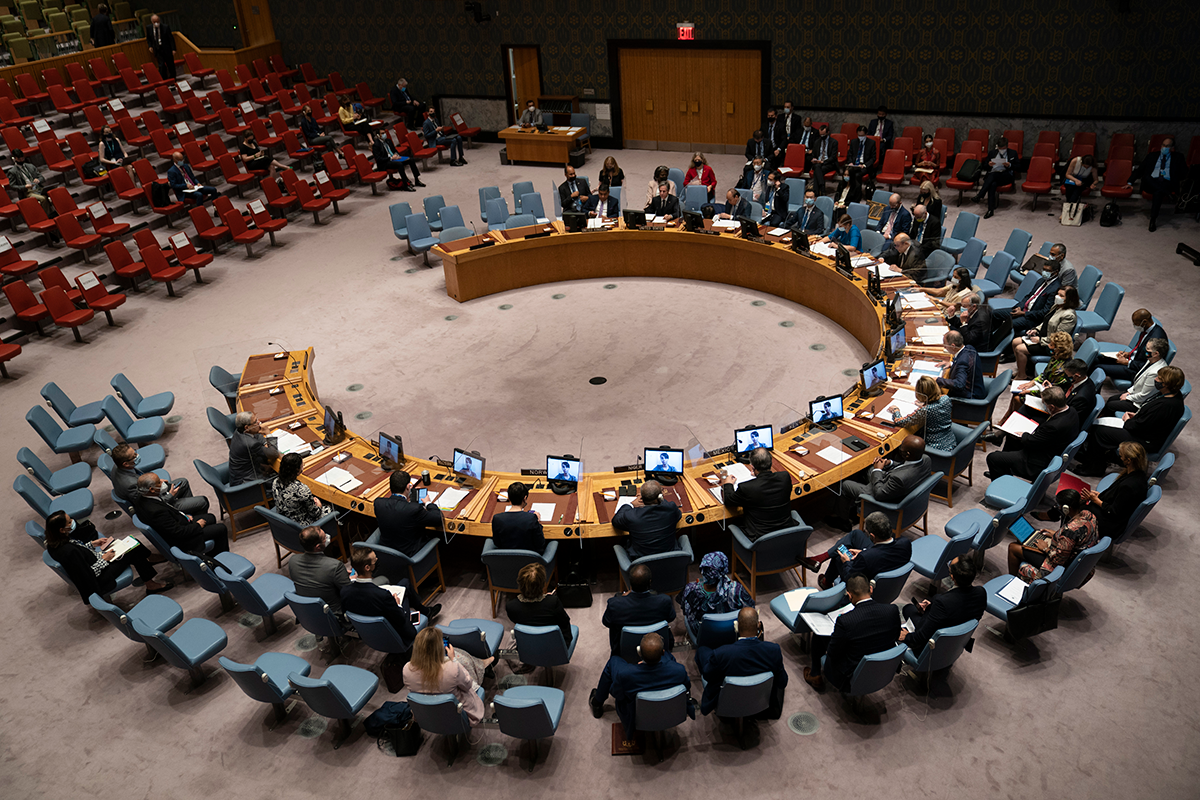
On Dec. 13, 2021, at a United Nations Security Council (UNSC) meeting, a draft resolution that would have recognized climate change as a security threat was rejected. The resolution, co-sponsored by Niger and Ireland, would have incorporated climate change as a security risk within the U.N. framework of conflict prevention strategies. What are the potential implications of this and what comes next? We asked seven experts to weigh in with their thoughts.
Confronting climate change, Turkey needs “green” leadership now more than ever
Turkey, like all other countries, is facing the harsh reality of climate change. Last year, it experienced one of the hottest summers on record. Blistering heat waves led to widespread wildfires in the country’s southwest, affecting five times more land than normal during the summer. Though Turkey usually has large water surpluses, some areas experienced shortages due to extreme drought. Others suffered heavy flooding, leaving scores dead.
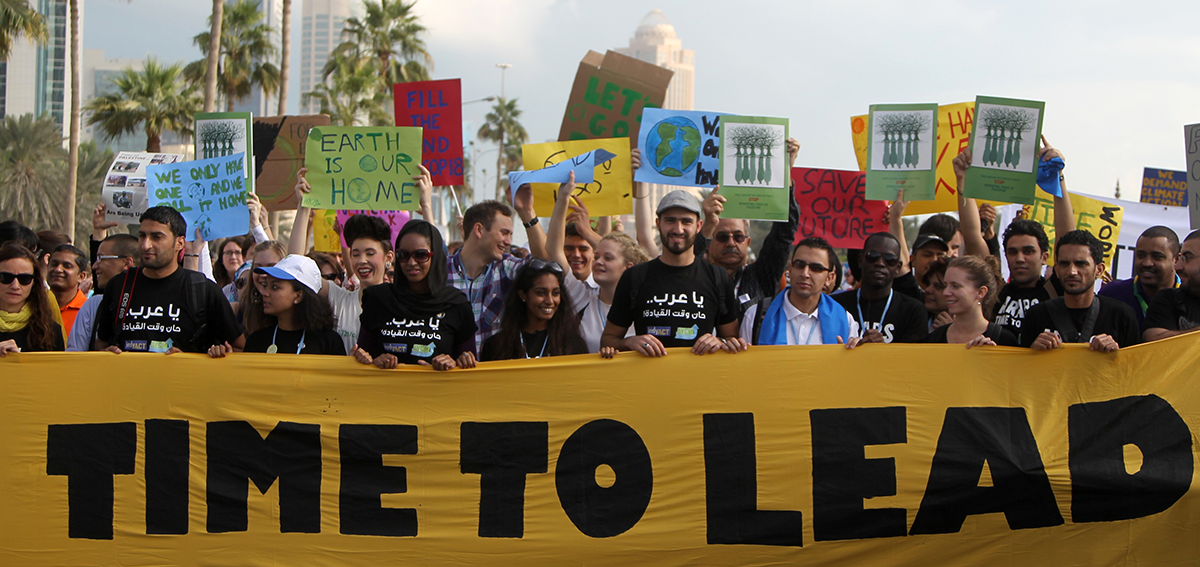
As UN climate summit returns to the Middle East, Arab youth fear a lack of representation and opportunities
It’s worth considering how youth in the Arab region have fared and are expected to fare in terms of climate activism. While this has historically been excellent, there are some disparities masked by the glossy big picture in the global climate movement.
Desalination in Libya: Challenges and opportunities
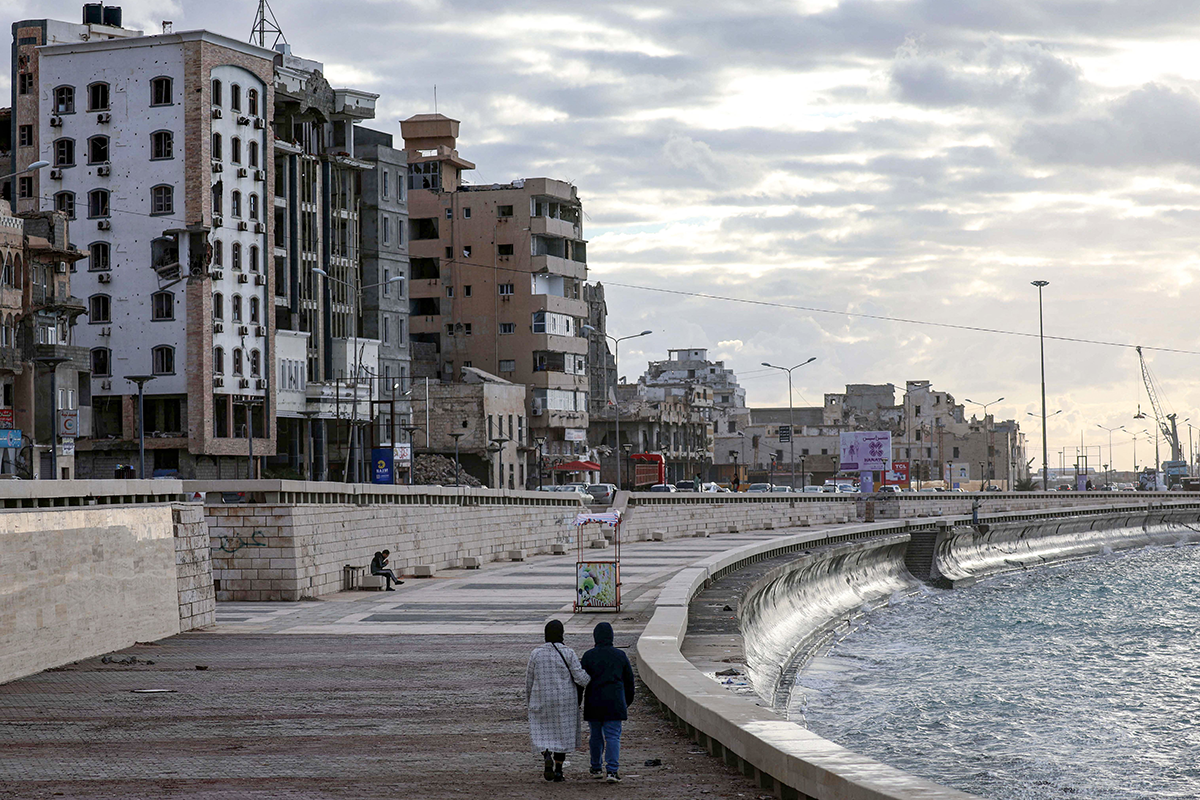
For the MENA region, groundwater is a hidden but significant problem, as many countries extract more than is being recharged and most lack solid legal frameworks and national water policy regulations to determine use. As a result, there are questions and concerns about the current status of groundwater aquifers, especially with the increasing impact of climate change, as well as the type of sustainable alternative solutions that could assist in conserving them. Libya is no exception to this broader regional trend, and the country suffers from growing water scarcity.
What were the most significant developments in the Middle East and regional policy in 2021? MEI’s Paul Salem, Randa Slim, Bilal Saab, and Karen Young join the program to discuss the key events and what trends to watch in 2022.