Iraq tries to assert state authority during crisis
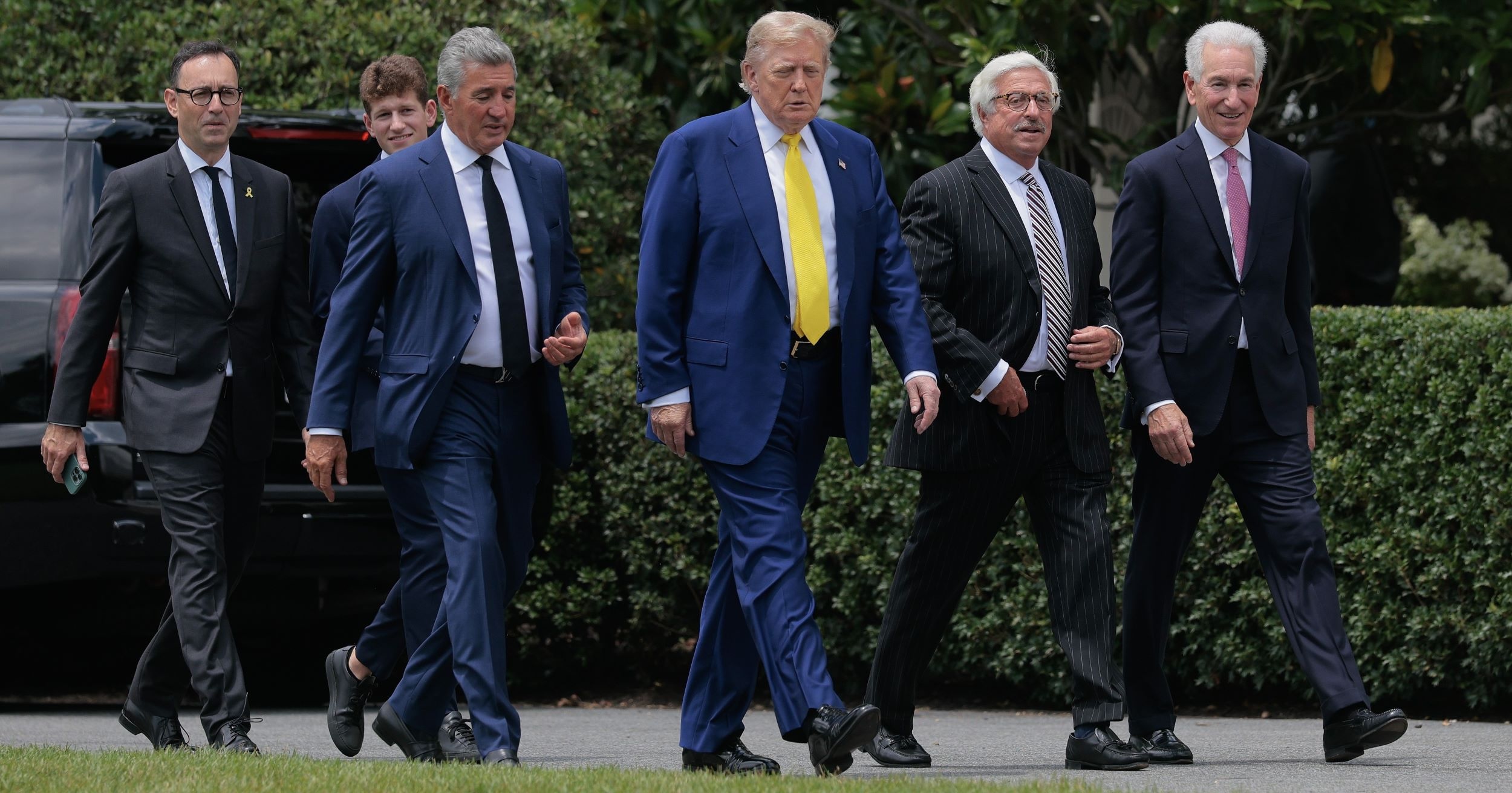
The Iraqi government has long navigated a path between maintaining political ties with its Iranian neighbor and Tehran’s allies inside Iraq on the one hand, and preserving its security relationship with the United States on the other. Unsurprisingly, it quickly welcomed US President Donald Trump’s June 23 Israel-Iran cease-fire agreement.
Trump at war with Iran: Regime change, risk, and the hidden battle inside Tehran
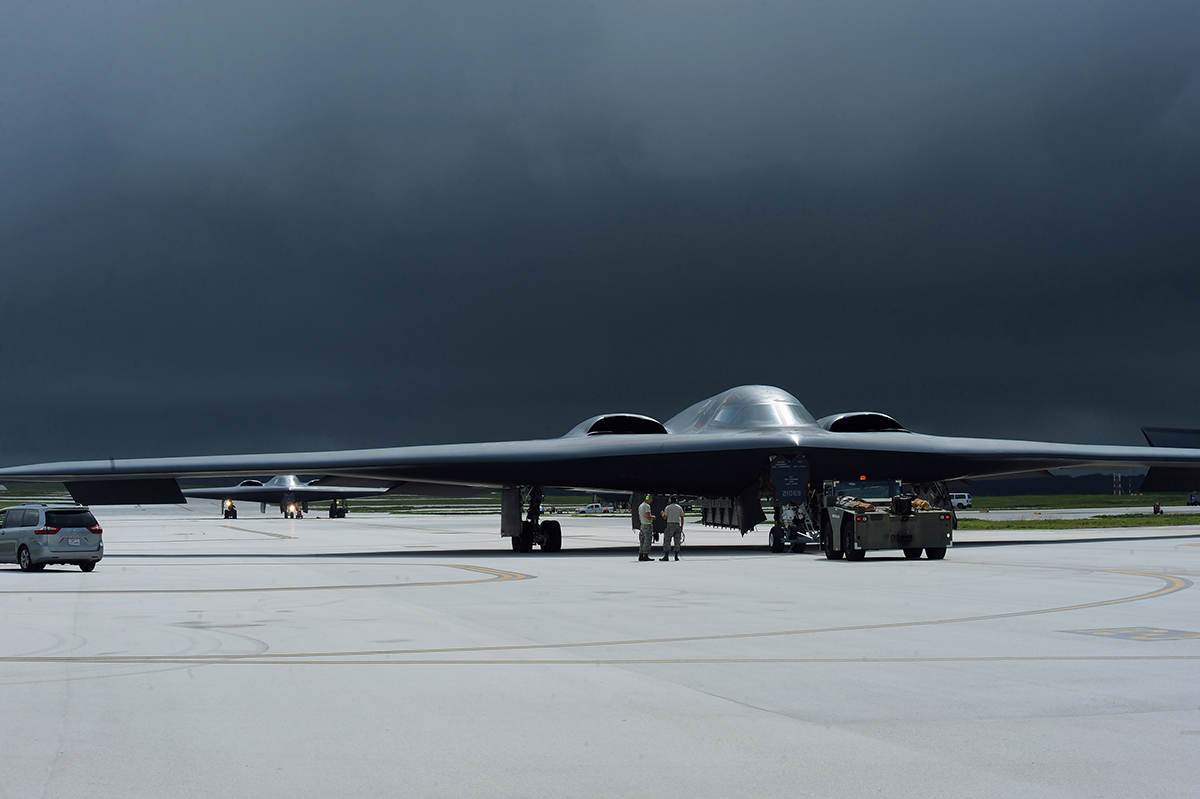
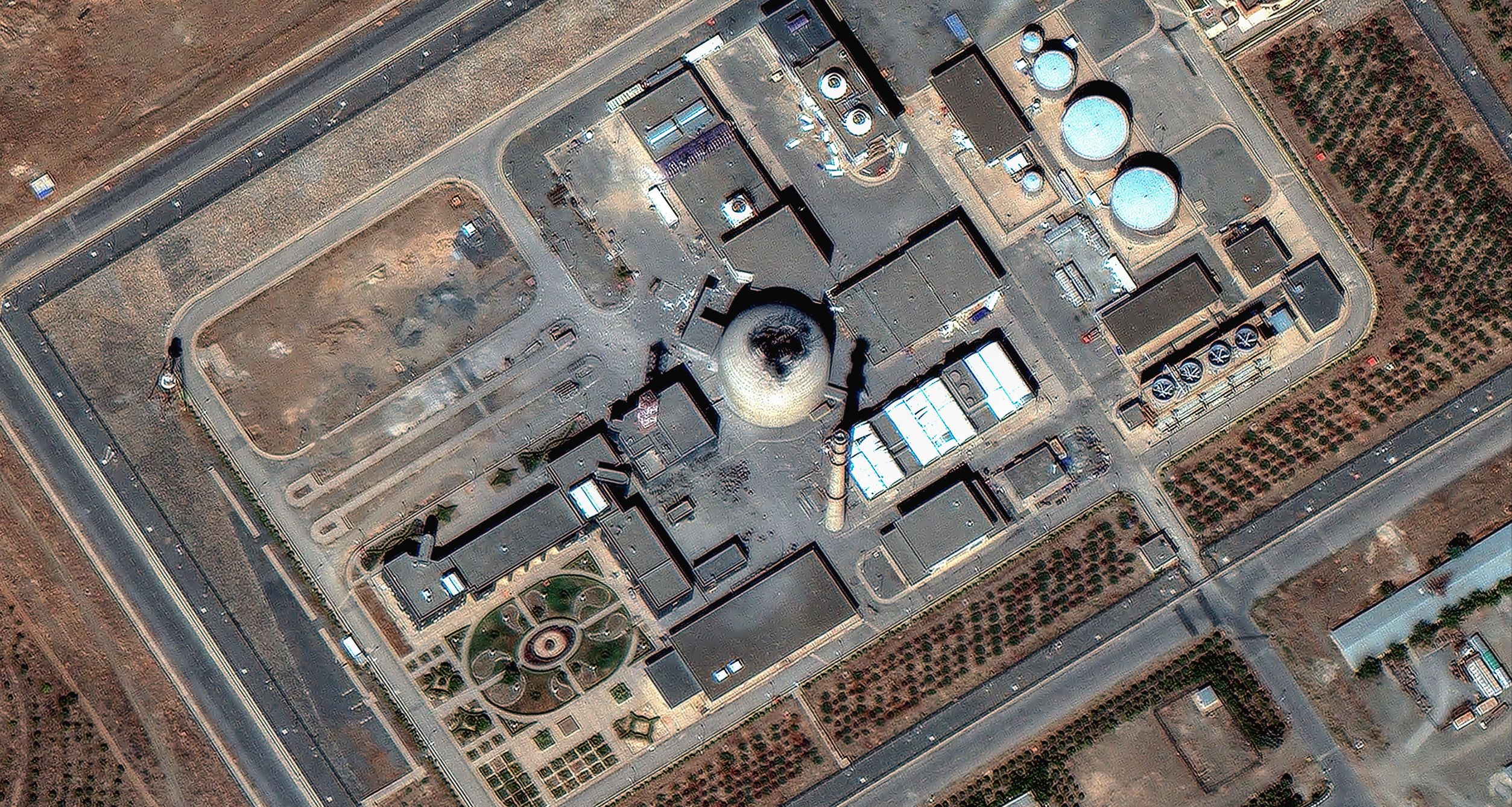
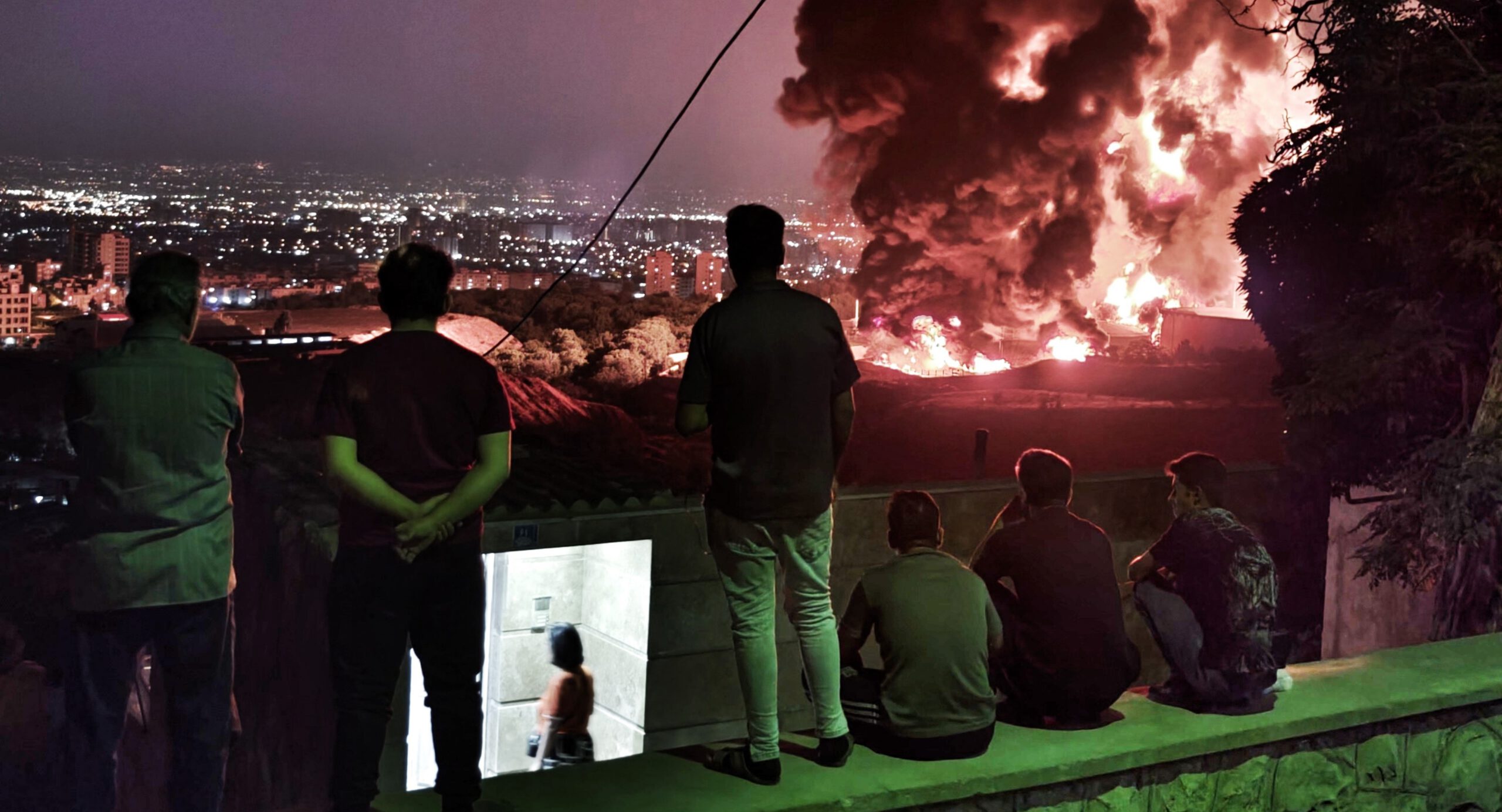
The United States is now at war with Iran, or at least something dangerously close to it. The June 21 US strikes on key Iranian nuclear infrastructure, including the underground Fordow facility, marked a dramatic escalation. Yet Washington has carefully avoided calling this a full-scale war.
The US enters Israel’s war with Iran — MEI experts react
The United States struck three nuclear facilities in Iran on the evening of June 21, in the midst of the ongoing Israel-Iran conflict. MEI scholars provide real-time analysis to help make sense of what this escalation means and what might come next.
Caught in the crossfire: How the Iran-Israel war undermines Erdoğan’s agenda
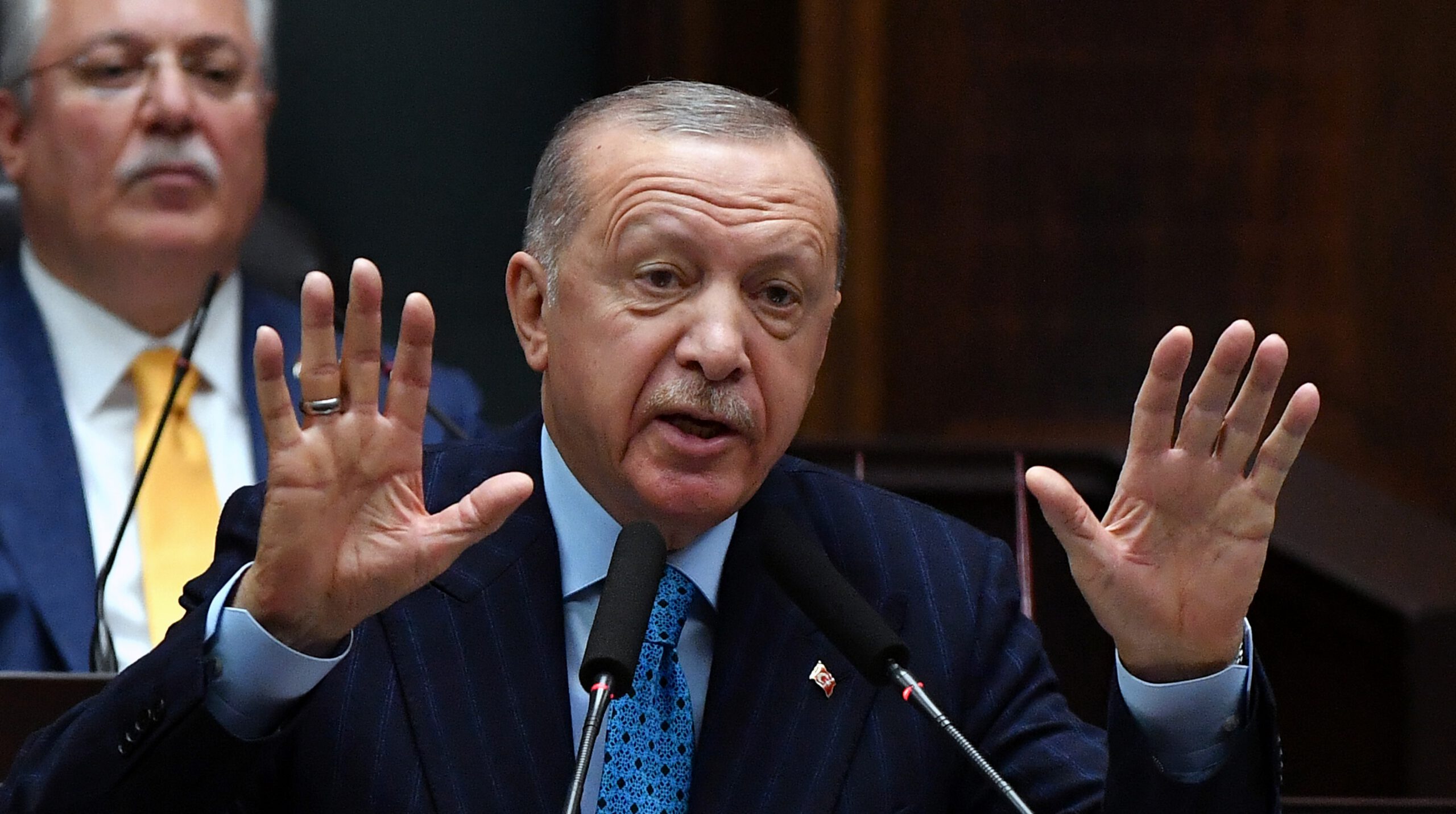
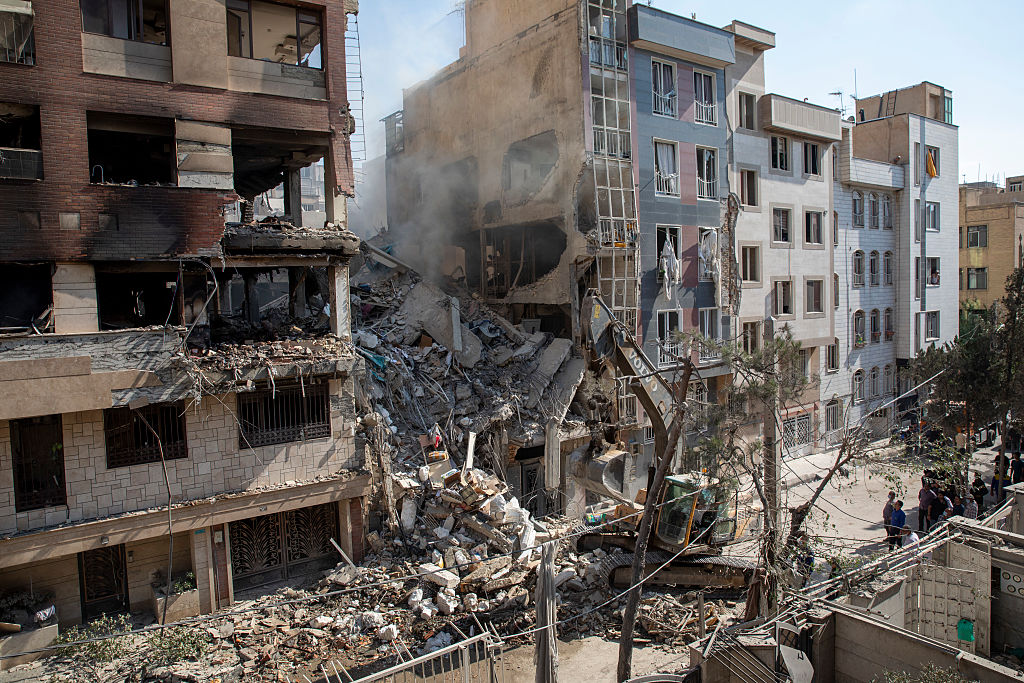
Israel’s full-blown war against Iran threatens to upend regional dynamics and Turkey’s careful balancing act. The conflict presents both immediate threats and long-term strategic risks for Turkey.
US has an opening to force concessions from Iran in a potential deal
As the Israel-Iran conflict intensifies, warnings are growing louder that the war could result in hazardous and destructive radiological spillover to much of the region. But the posturing of various key actors in the Gulf and beyond has opened the door to a broader political settlement between the United States and Iran that could end the hostilities before such a dangerous scenario comes to pass.
A divided and distracted America edges towards another major Middle East war
As the world watches and waits to see whether the conflict between Israel and Iran escalates into a wider war and whether the United States gets more directly involved, Americans remain sharply divided and mostly distracted by events closer to home, for now.
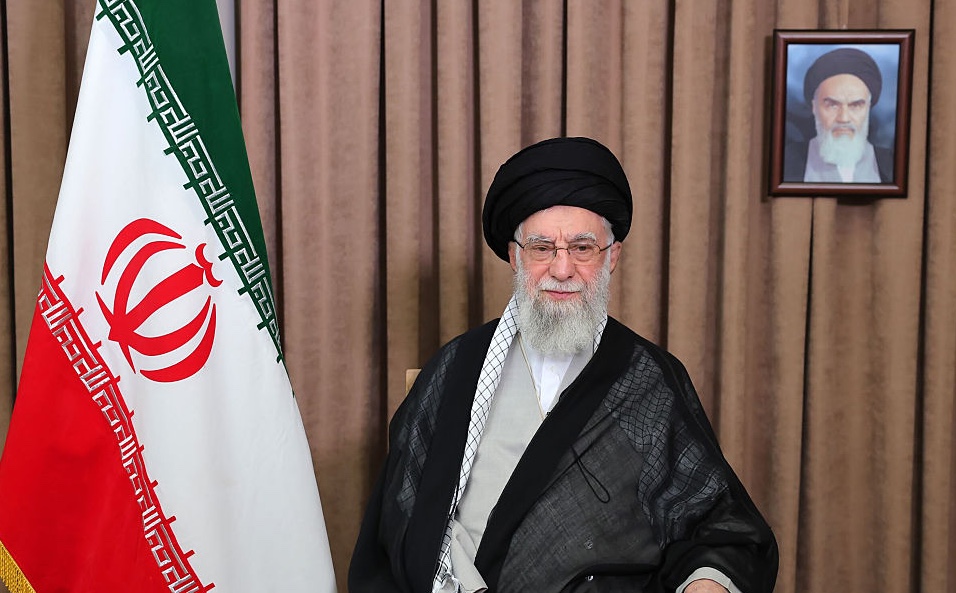
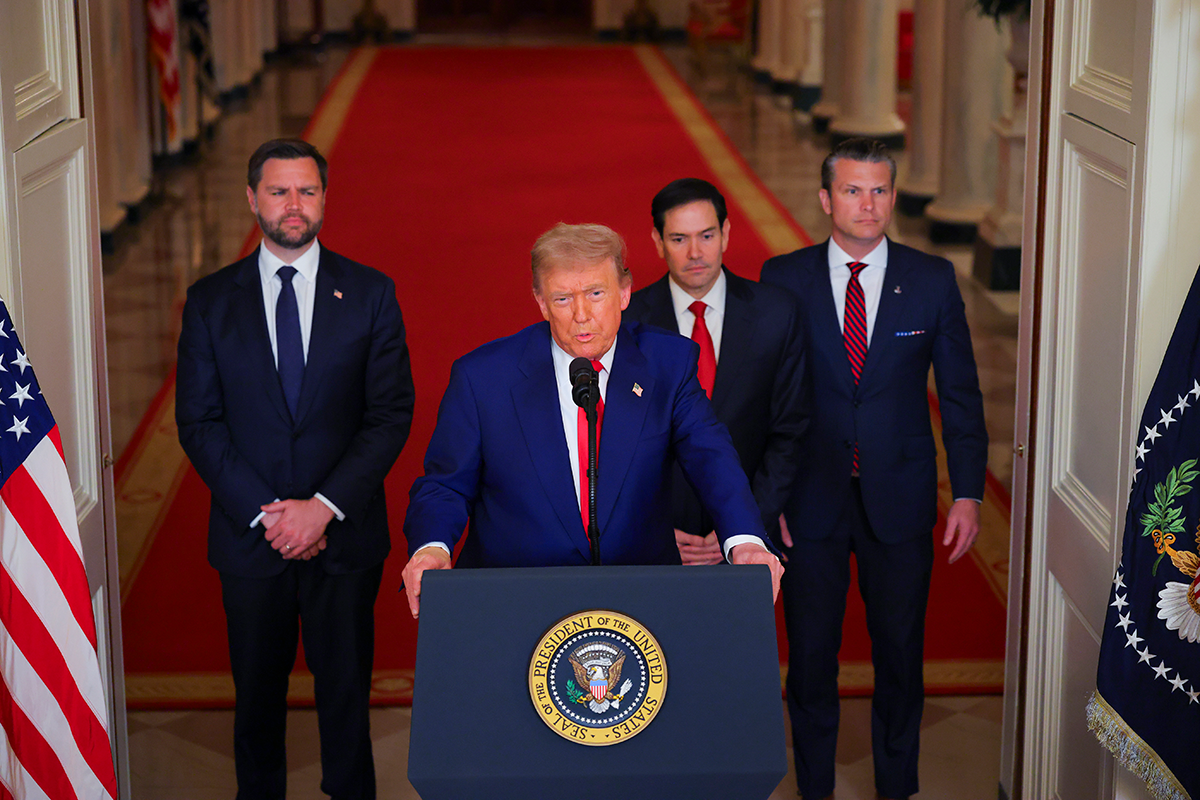
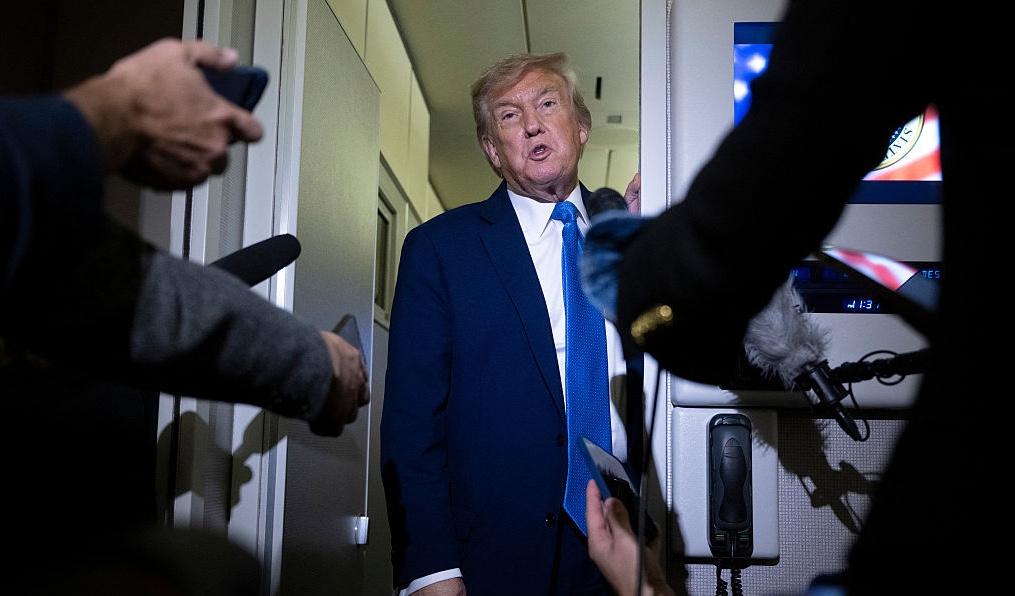
President Donald Trump threatens Iranian Supreme Leader Ali Khamenei. But measured language and disciplined policy can help prevent escalation and protect American interests.
The Israel-Iran war: Scenarios for the days — and years — ahead
The evolving confrontation with Israel and the United States places the Islamic Republic of Iran at a critical inflection point. Tehran faces choices that range from limited negotiation and strategic restraint to escalation and eventual collapse. The following analysis explores the key scenarios that could unfold in the coming days, weeks, and years.
The Iran-Israel Conflict and the Future of the Iranian Regime
Senior Fellow Alex Vatanka joins hosts Alistair Taylor and Matthew Czekaj to examine the dramatic escalation between Israel and Iran following Israel’s targeted strikes on Iranian nuclear sites, infrastructure, and senior IRGC officials. Vatanka discusses how the Iranian regime is responding, the risk of wider regional conflict, and whether the current campaign could mark the beginning of the end for the Islamic Republic.
Where do we go from here? Day 5 of the Israel-Iran war
The past four days have clarified much about what Israel wants from this conflict, what Iran can and cannot do to fight back, and what decisions confront the American president over the next few days.
Sanctions are lifting, but Syrians still can’t go home
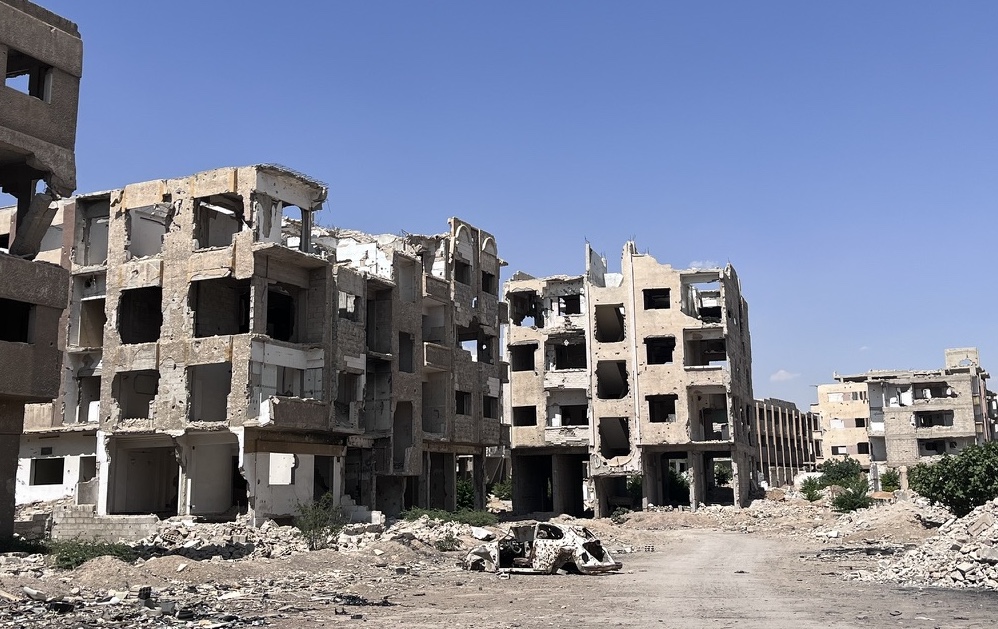
On May 23, President Donald Trump’s administration suspended the majority of sanctions on Syria, marking the most sweeping shift in the policy of the United States toward Damascus in over a decade. But lifting sanctions will not magically make Syria safe for return. For millions of displaced Syrians, their country remains a minefield — literally and bureaucratically.
Lebanon at a Crossroads: Sovereignty, Hizballah's Disarmament, and the Road to Reform
MEI Senior Fellow Paul Salem joins the program to assess Lebanon’s rapidly shifting political landscape. With a new president and government promising to enact reforms and reassert sovereignty, Lebanon faces a daunting agenda: disarming Hizballah, rebuilding institutions, navigating regional diplomacy, and restoring the economy.
The ripple effects of US foreign aid cuts to food and water access across North Africa
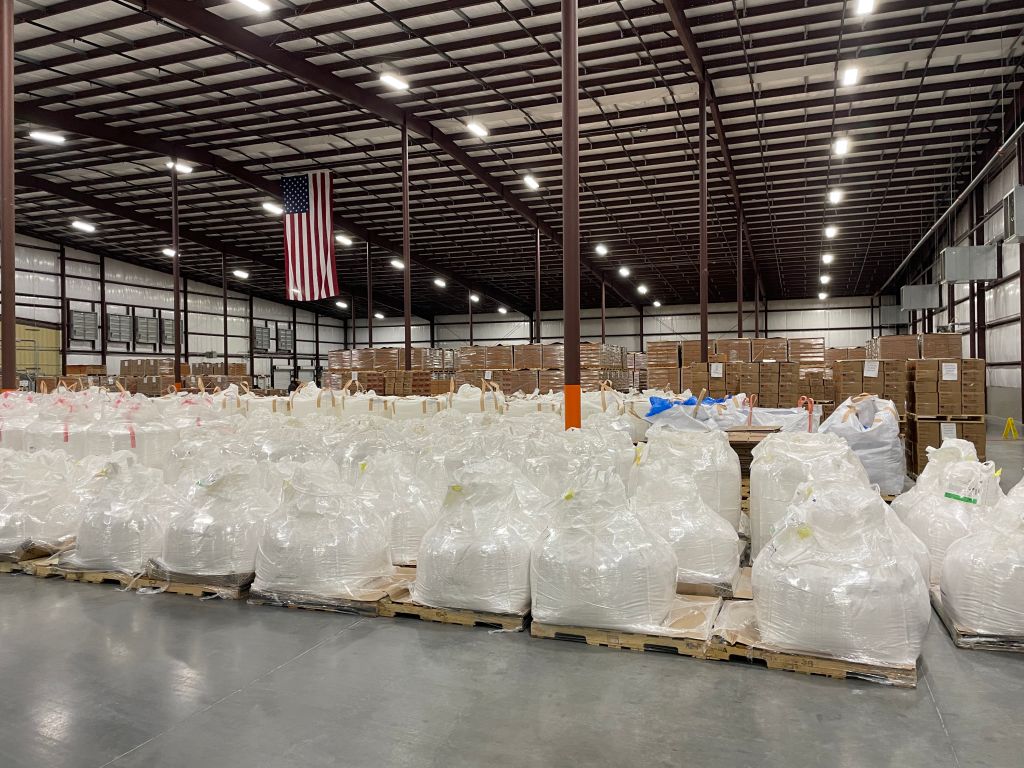
When Executive Order (EO) 14169, “Reevaluating and Realigning United States Foreign Aid,” was issued and implemented by the administration of President Donald Trump in early 2025, it effectively halted nearly all US foreign aid. The order primarily suspended the disbursement of non-military aid programs, leading to the termination of US-funded assistance projects, contracts, and employment across the world. The impact of this abrupt elimination of foreign aid was especially acute for humanitarian and development programs, crippling those targeting food assistance, clean water access, public health, and agricultural support.
Building Syria’s new army: Future plans and the challenges ahead
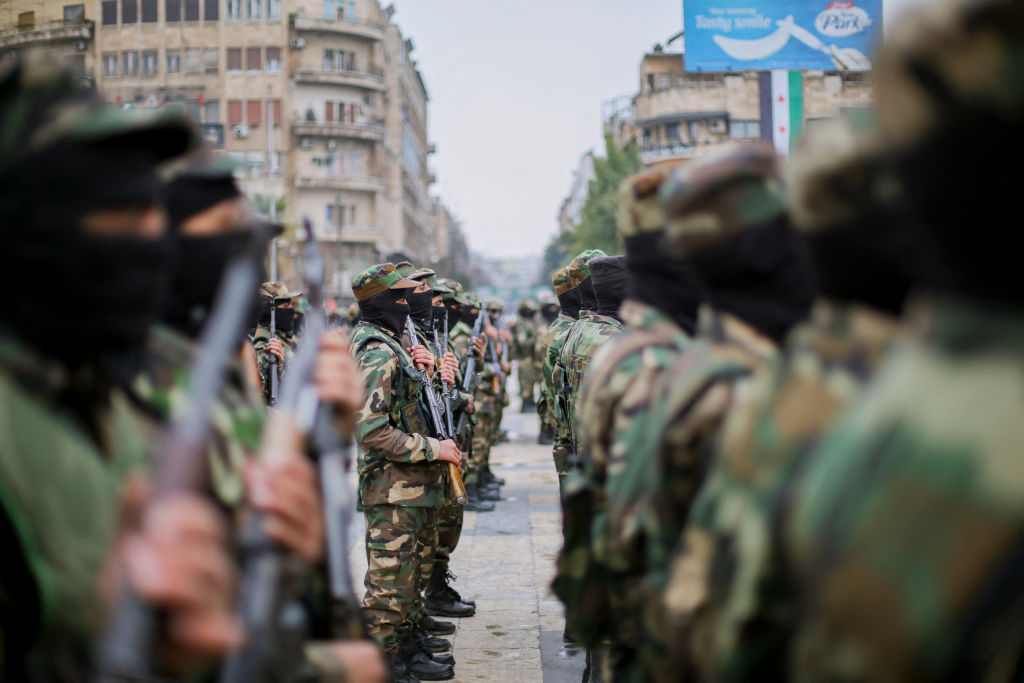
Following the fall of Bashar al-Assad’s regime on Dec. 8, 2024, after the rebel military operation “Deterrence of Aggression” and the establishment of a transitional government, Ahmed al-Sharaa, Syria’s interim president, quickly began working to form a unified national army, dismantle the existing factions, and centralize all weapons under the authority of the state in an effort to address one of the most pressing challenges facing his administration. While several initial moves have been completed, important steps in this complicated process are still pending. This article highlights the current developments surrounding the formation of the new army, including progress achieved to date and key challenges going forward.