Syrian foreign policy in the Caucasus and Ukraine: An unbalanced, Russia-centered approach
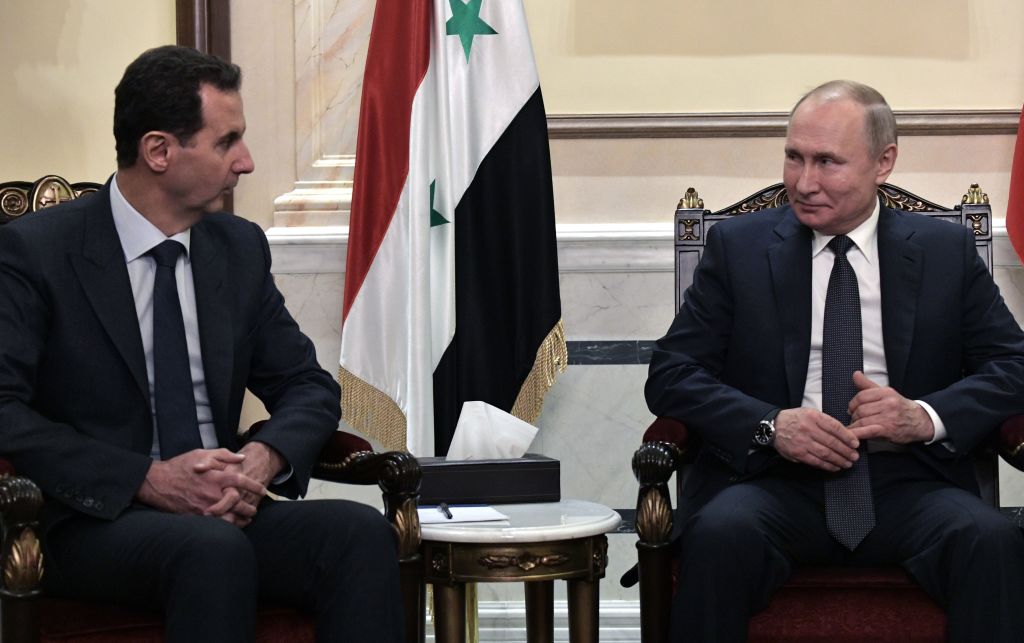
The embattled Syrian regime’s need to preserve Russian military and political support has compelled Damascus to adopt the Kremlin line in its foreign policy positions toward the former Soviet space.
Is Chechnya’s leader a ticking time-bomb for Russian-Turkish relations?
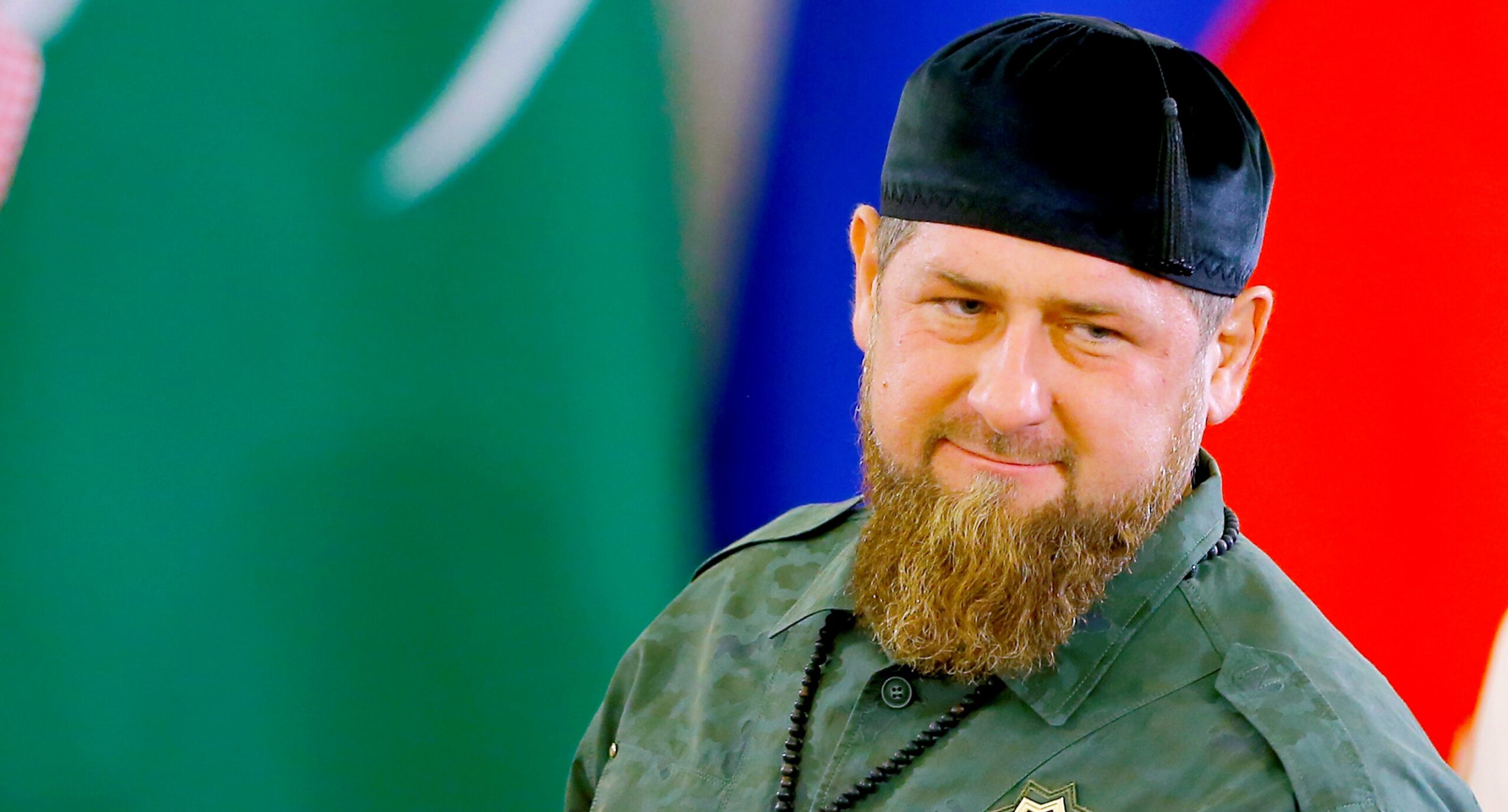
Chechen strongman and close Putin ally Ramzan Kadyrov claims he met with Turkish officials to discuss cooperation. If true, the claim would signify Turkey’s possible backsliding on some of its previous commitments as well as trigger a negative reaction from Ukraine.
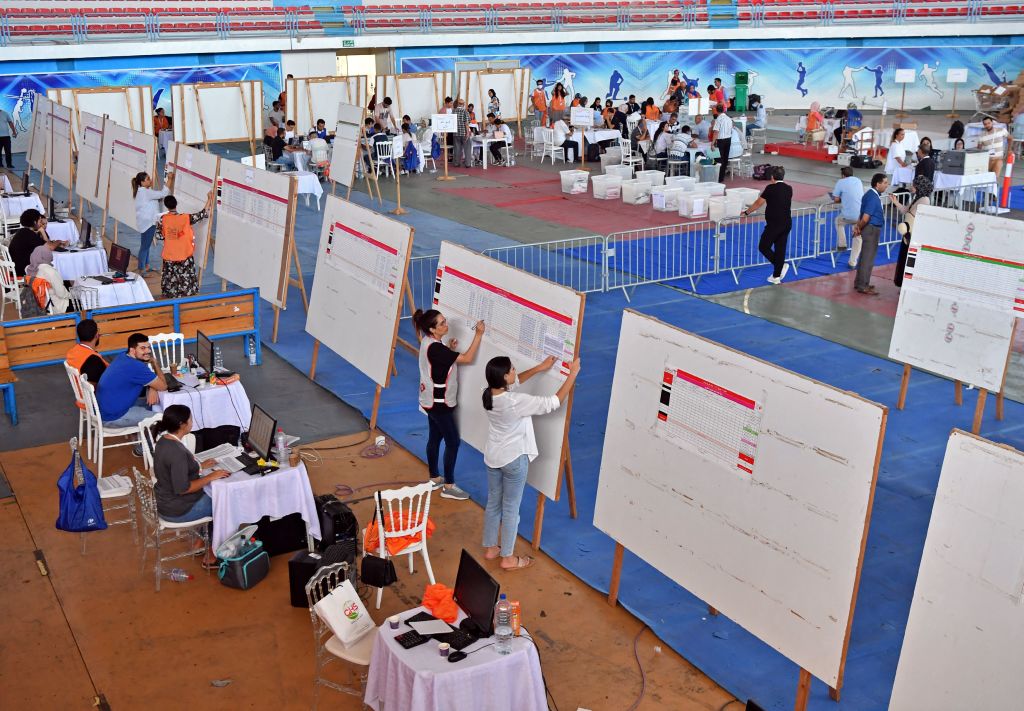
Despite official hype of a “strategic partnership,” Iranian public is skeptical of Russia
The Iranian government has invested heavily in trying to sway public attitudes to embrace closer relations with Russia; but a plurality of Iranians would like to see balanced ties with all nations and for Tehran to pursue a mature, pragmatic overseas agenda.
“Fauda” is the name of the gripping Israeli television series about to launch its fourth season on Netflix. Fauda means “chaos” in Arabic and is the word Israeli special forces use when they lose control of an operation. Russian President Vladimir Putin is now creating chaos to snatch victory from the jaws of defeat.
Russia Created a Refugee Crisis, and Now Putin Is Weaponizing It
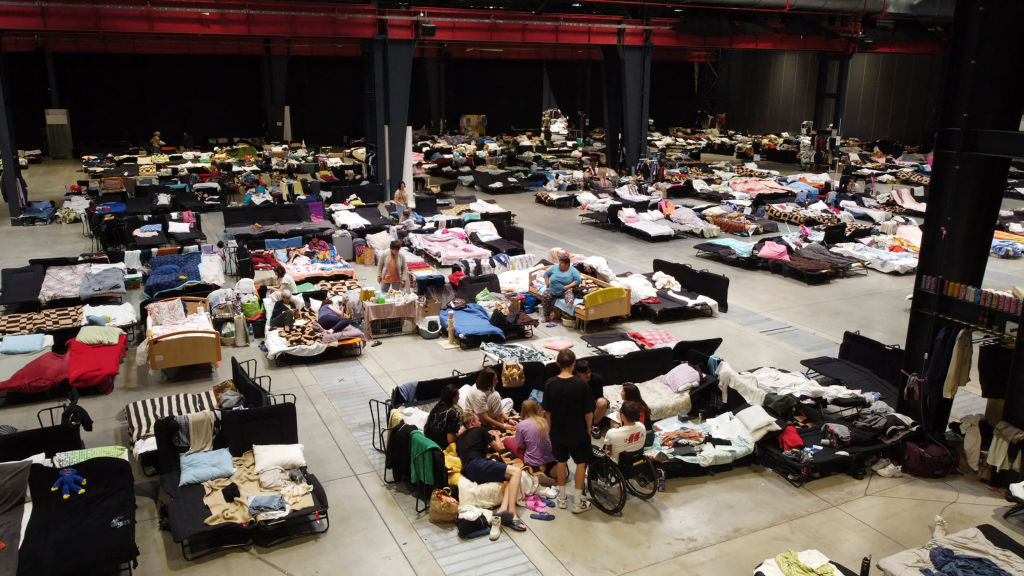
Vladimir Putin’s hybrid war in Ukraine has created a multifaceted humanitarian crisis that the Kremlin plans to weaponize against the West to further provoke instability and chaos. Refugees have poured out of Ukraine since his February 24 invasion, and Russia’s attacks on Ukraine’s agricultural sector—from grain-export blockades to theft to strikes on agricultural facilities—are creating disruptions to the global food supply that are likely to create even more refugees worldwide. Foreign Minister Sergei Lavrov is touring Africa this week, blaming the West for the food crisis. Western leaders must realize the full destabilizing potential of Russia’s weaponization of the refugee crisis. In response, the United States should combine conventional military support with multilateral information operations to counter Russia’s plans.
Ransomware in the UAE: Evolving threats and expanding responses
Immediately following the outbreak of COVID-19, cyber attacks swept across the Middle East, leaving public and private entities highly vulnerable and transforming the pandemic into both a physical and a digital threat. Despite worldwide physical isolation, many people were more digitally connected than ever before, which vastly expanded the attack surface for eager cyber threat actors. Ransomware attacks, in particular, hit the Middle East rapidly and in great numbers, especially the UAE.
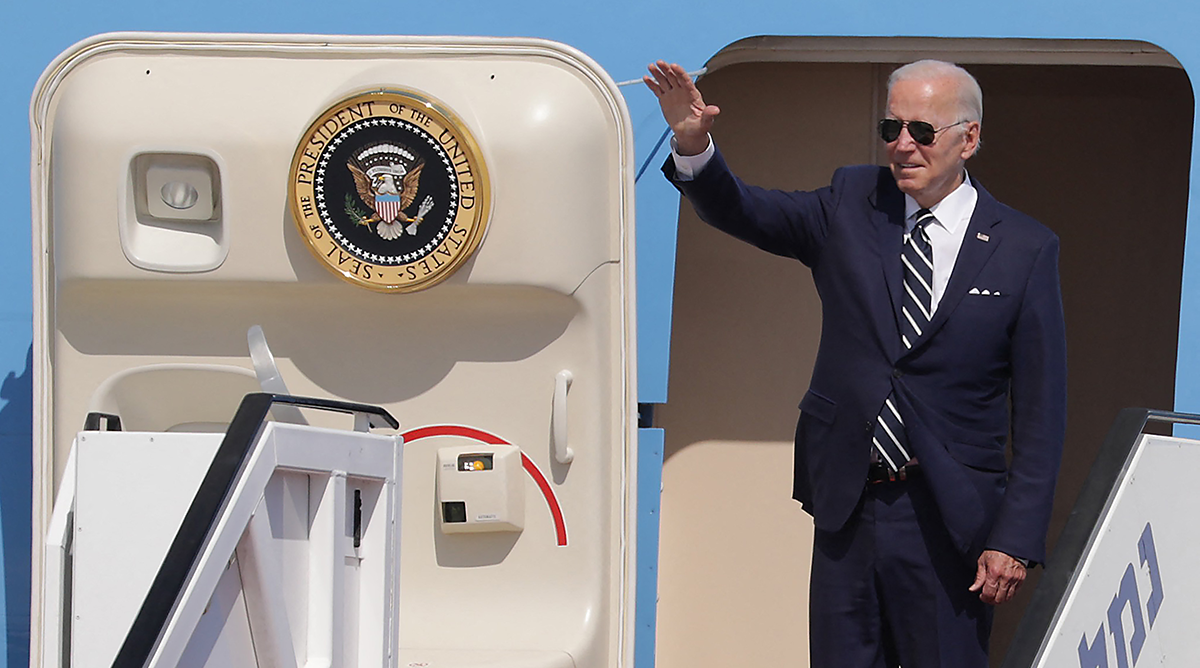
Biden v. Putin: Rival roadshows in an increasingly assertive Middle East
The U.S. and Russian presidents staged high visibility visits to the Middle East in the past week and a half. The visits were designed to assert each great power’s influence in the region at a time of escalating great power conflict. But both presidents cut a diminished figure on the regional stage at a time when leaders in Turkey, Iran, and Saudi Arabia are feeling increasingly empowered.
Ukraine’s critical minerals and Europe’s energy transition: A motivation for Russian aggression?
Russia’s war launched on February 24, 2022, may have partly been motivated by Ukraine’s large reserves of critical metals and their global strategic importance in the production of advanced “green” energy technologies. The cutoff of access to Ukrainian sources, combined with the nature of the partnership between Moscow and Beijing — with China being the largest supplier of the necessary critical minerals — could endanger the very notion of the West’s energy transition.
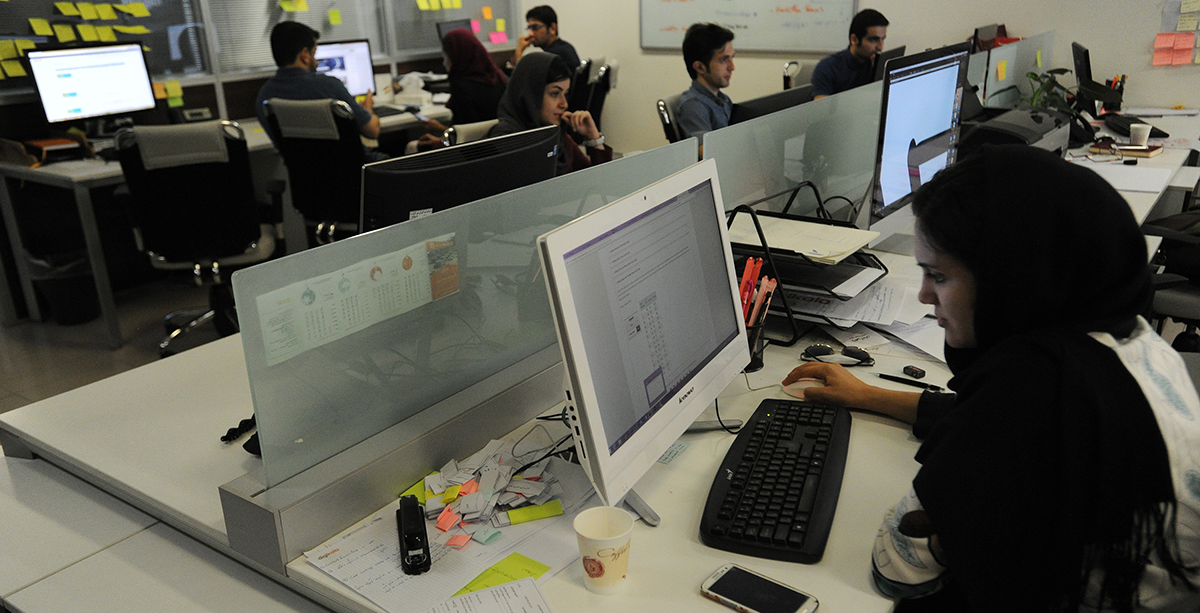
Escalating emigration and the “drought” in Iran's IT industry
For many years, Iran’s educated elites have been leaving the country in growing numbers. They are emigrating, mostly to Western countries, for various reasons, but chief among them are poor economic conditions and a lack of political and social freedoms at home. Iran’s information technology sector is among the sectors hit hardest due to the burgeoning outflow of its experts in recent years.
Opinion: War in Europe, famine in Africa . . . Why we must defeat Russian imperialism now
Russia’s invasion of Ukraine is about more than Ukraine. It’s about frontline states in Europe’s east that fear they’re next; it’s about Europe whole and free.