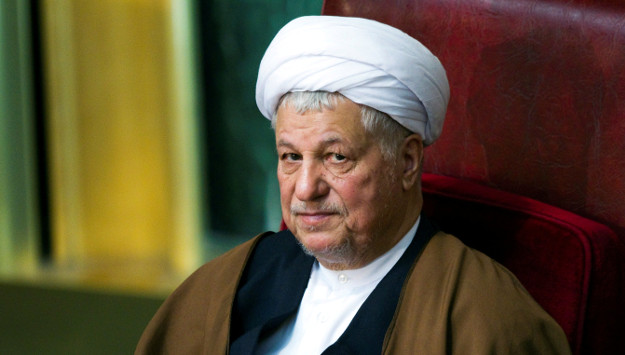
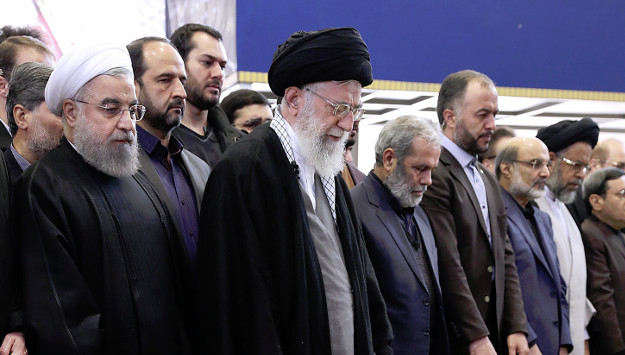
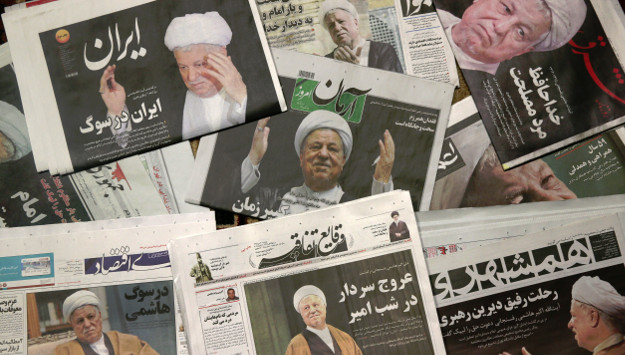
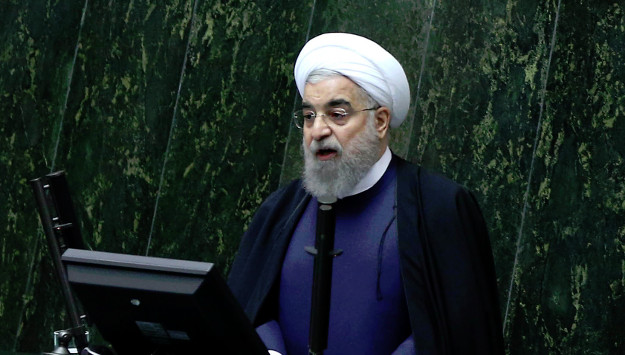
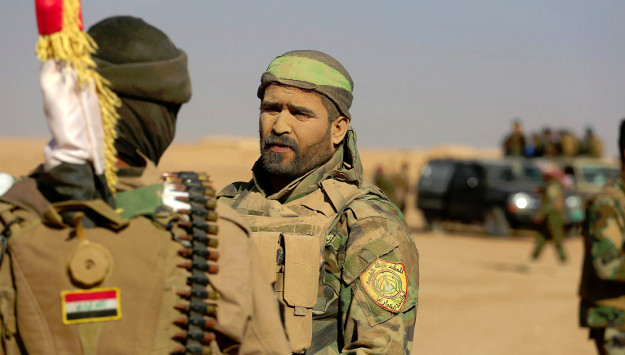
The death of Ayatollah Ali Akbar Hashemi Rafsanjani on January 8 marks a major turning point for Iran. For nearly 40 years, his undisguised hunger for power combined with his knack for deal making had made him the most proven kingmaker of the Islamic Republic.
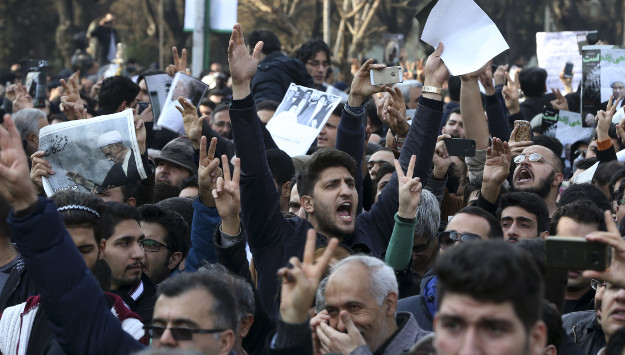
During the January 10 mass rallies of the funeral of former president Ali Akbar Hashemi Rafsanjani, crowds in Tehran repeatedly chanted “Death to Russia” and “Russian Embassy is the den of spies.” Those chanting are supporters of the popular political opposition, which continue to be repressed by the security services.
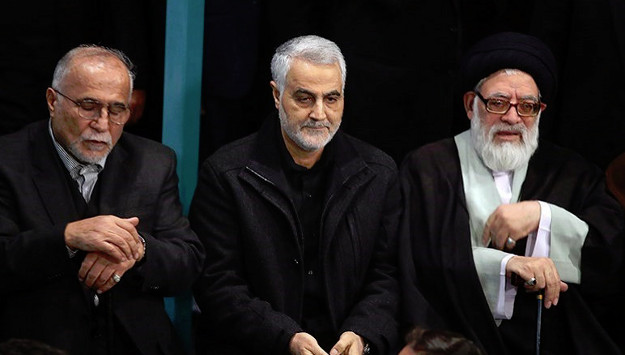
Iran’s Quds Force Commander Qassem Suleimani attended the funeral of Ayatollah Akbar Hashemi Rafsanjani and praised the former Iranian president’s anti-American and anti-Israeli sentiments and positions.
The generals of the Islamic Revolution Guards Corps (IRGC) have been busy mourning the death of Ayatollah Ali Akbar Hashemi Rafsanjani. That is at least the public show they have put on. Since his death, several top IRGC commanders have hailed Rafsanjani as a pillar of the Islamic Republic and a hero in the so-called struggle against Western powers. Such public show of grief, however, is hardly convincing. In recent weeks prior to his death, IRGC-run media and personalities had unleashed a barrage of new attacks against Rafsanjani.
Iran Continues Efforts to Subvert Saudi Arabia from within
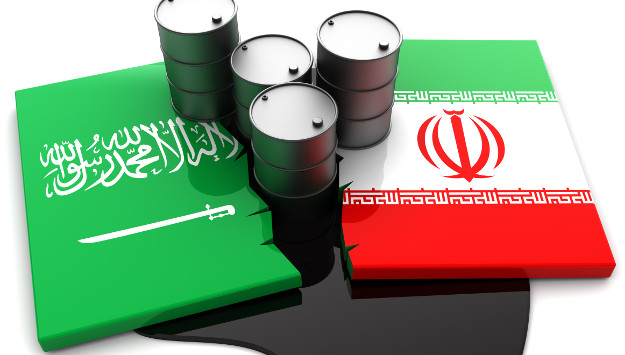
In fresh evidence that the government of Iran continues its efforts to undermine Saudi stability and security from within, a Saudi court has convicted a Saudi businessman of plotting with the government of Iran to instigate sectarian strife and threaten Saudi social stability, according to a report in al-Sharq al-Awsat.
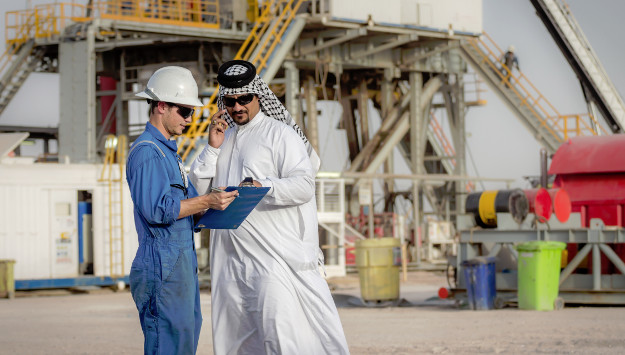
Iran’s Oil Ministry has announced that two new energy contracts have been signed with Iraq. In particular, Tehran is looking to export natural gas to Iraq. Energy is only part of the equation.
Rafsanjani’s Funeral Turns into Anti-Regime Protest
Today’s funeral for an influential Iranian leader turned into a protest rally against the regime. It was reminiscent of the demonstrations by the so-called Green Movement that rocked Iran after the country’s controversial 2009 presidential elections.
Iran Steps up Efforts to Expand Its Influence in Lebanon
On January 6, a high-level Iranian parliamentary delegation visited Beirut and pledged to provide military aid to the Lebanese army. Alaeddin Boroujerdi, the chairman of Iranian Parliament’s Committee for Foreign Policy and National Security, said the Islamic Republic was “determined to arm Lebanon’s army,” but added that the implementation of the plan was contingent upon Beirut’s approval.
Iranian Support for Taliban Alarms Afghan Officials
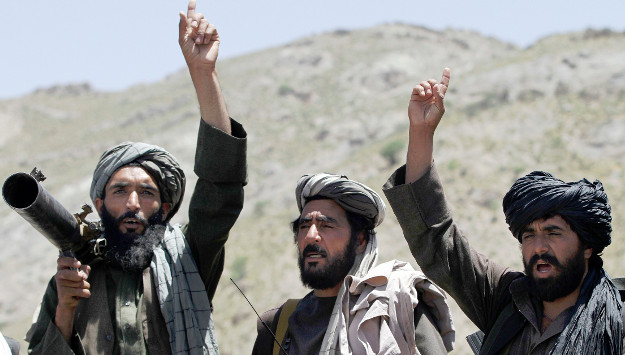
Afghan officials say the Iranian government has deepened its ties with the Taliban leadership and increasingly funds, shelters and arms terrorists fighting in Afghanistan, particularly in the three western provinces bordering Iran. They allege that the Islamic Revolution Guards Corps (IRGC) and its secretive Quds Force operatives recruit militants from across Afghanistan and run terrorist training camps for them inside the Iranian territory – further fueling the insurgency and complicating stabilization efforts in the war-ravaged country.
Rafsanjani’s Death Weakens Rouhani’s Reelection Prospects
News Brief: On January 8, former Iranian president Akbar Hashemi Rafsanjani died of a heart attack in Tehran at the age of 82. An influential cleric and politician, Rafsanjani was the chairman of Iran’s Expediency Council, a body that mediates between the parliament and the hardline watchdog Guardian Council.
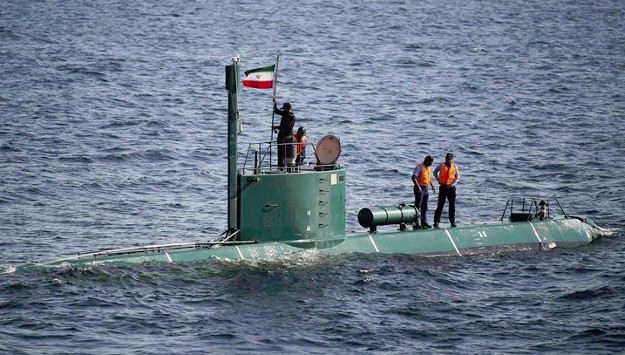
As Iranian leaders were mourning the death of former President Ali Akbar Hashemi Rafsanjani, a dangerous confrontation was brewing between the US and Iranian naval forces near the Strait of Hormuz. Fars News Agency, an Iranian outlet affiliated with the Islamic Revolution Guards Corps (IRGC), reported the incident but did not provide details.
“There will be no peace in Afghanistan without Iran.” This was a remark a top Iranian diplomat made last week in an expansive interview with the country’s media.
Corruption Charges Roil Tehran and Threaten Rouhani's Reelection
According to Transparency International, the Islamic Republic of Iran has a serious corruption problem. It ranks 130 out of 168 countries surveyed. Previously such international assessments rarely made headlines among the Iranian population who are busy trying to make a living. But the issue of large-scale institutional corruption involving top regime figures has recently exploded as a daily topic of conversation.
Rouhani's Special Advisor Warns Against “American Islam”
News Brief: In a blistering attack, Ali Younesi, President Hassan Rouhani’s special envoy for minority rights, portrayed all the conflicts of the Middle East as a result of Western plots. “There is no other way but regional cooperation to bring about border security and combat extremism,” Younesi said. He was particularly scornful toward the United States, the United Kingdom and Israel.