Israel’s failures and response to the Hamas attack: A preliminary assessment
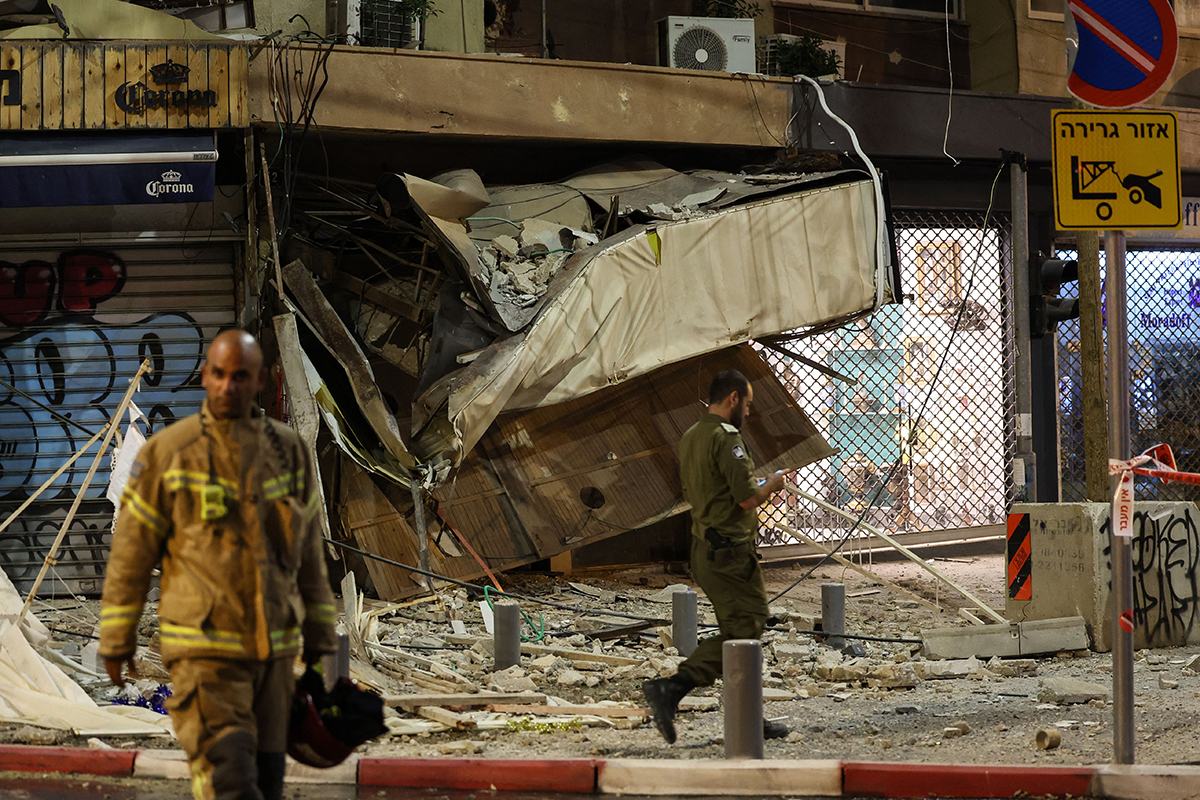
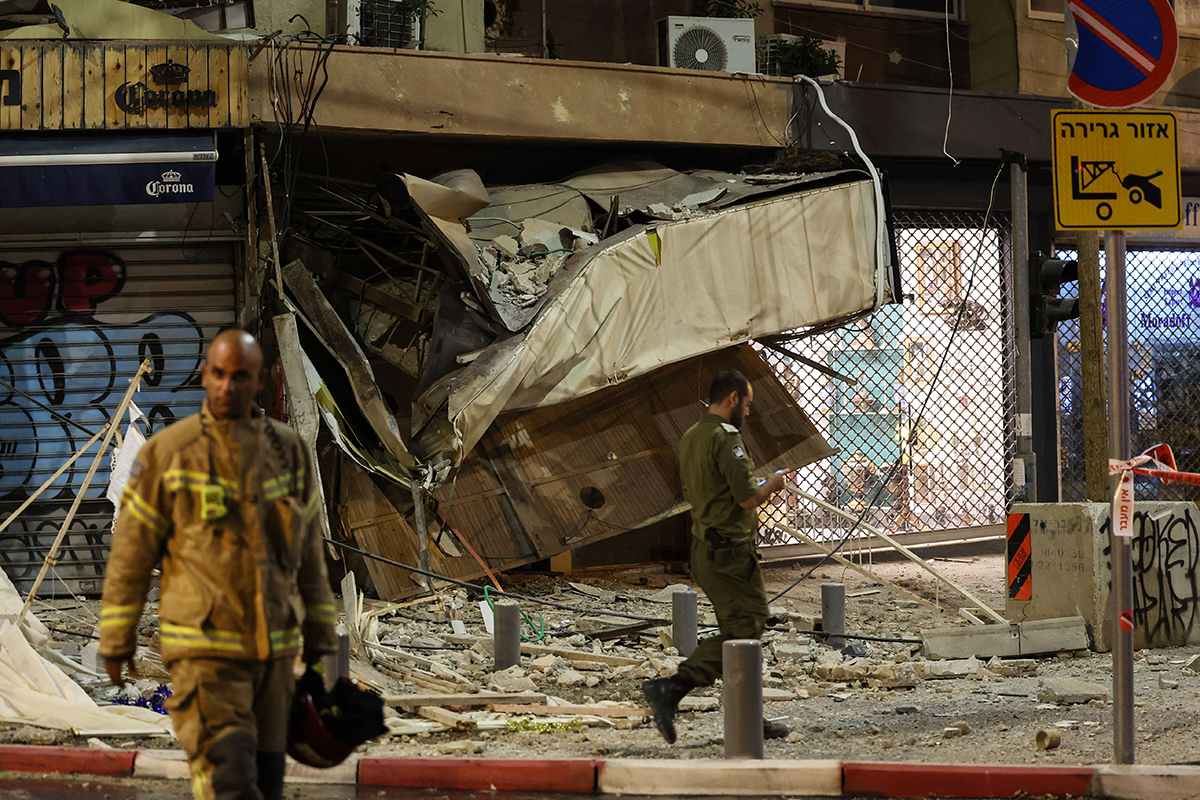
The Israeli lack of preparedness for, and weak initial response to, the Hamas attack on Oct. 7 encompassed four key failures. But its consequences may bring far-reaching political changes and internal reforms.
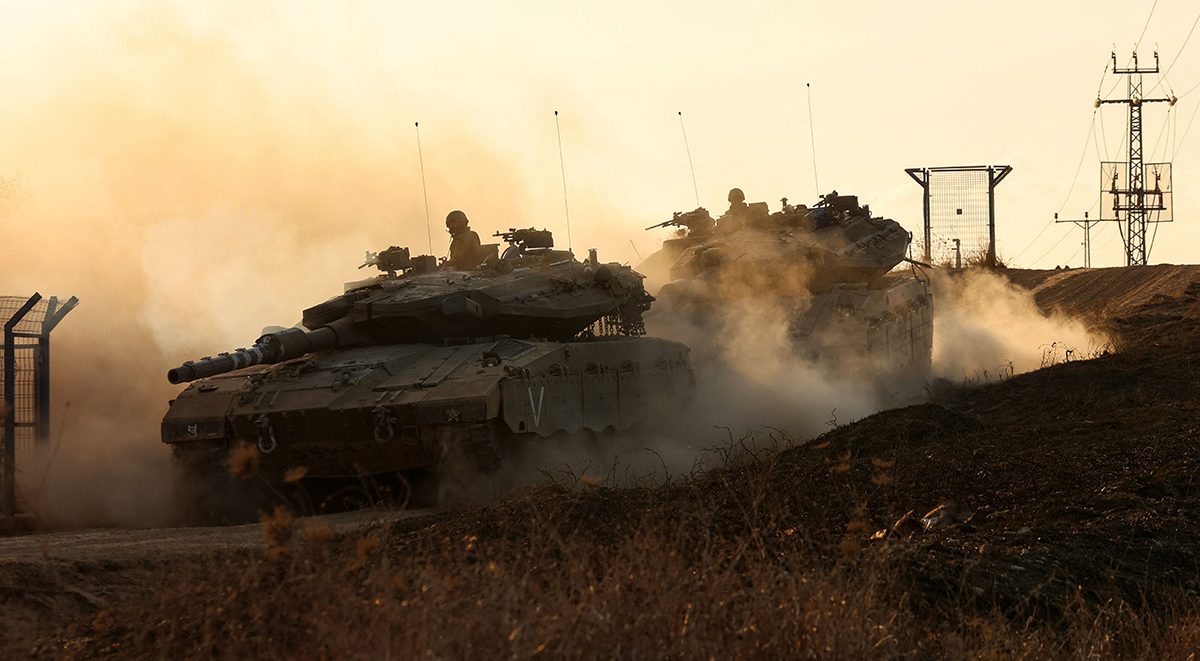
Israel has the capacity to significantly damage Hamas with a ground offensive. But politics will restrain it throughout
There is political logic behind the Israeli government’s declaration that it will ‘wipe Hamas off the Earth’.
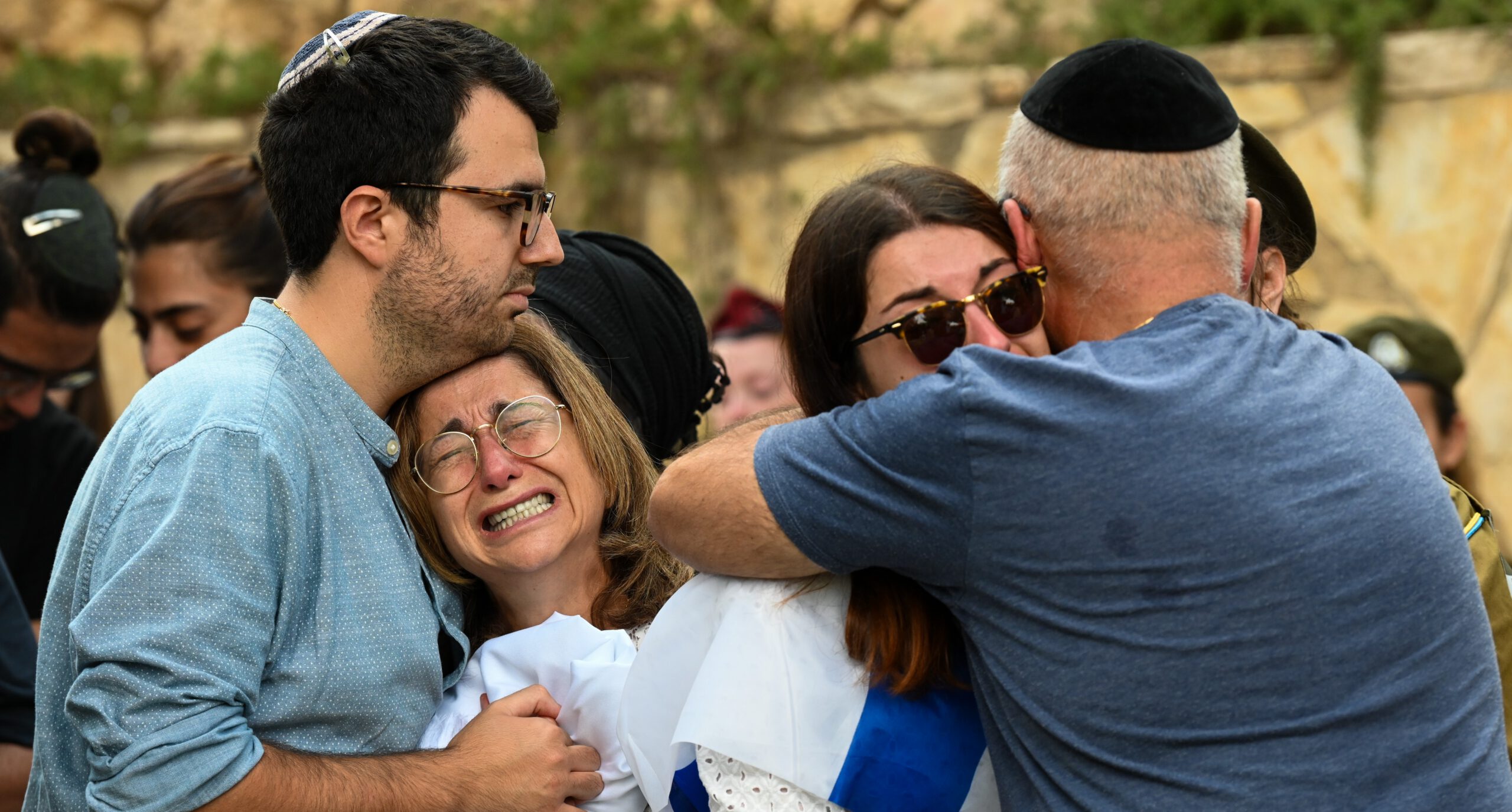
The Israeli public want to see Hamas destroyed once and for all, given the unprecedented mass murder it just committed.
Israeli Prime Minister Benjamin Netanyahu and his colleagues, already under intense pressure for allowing the attack to take place (and for putting Israel in a vulnerable position by pursuing anti-democratic policies) were compelled to make big promises. Their maximalist goals reflect the stakes in their fight for political survival.
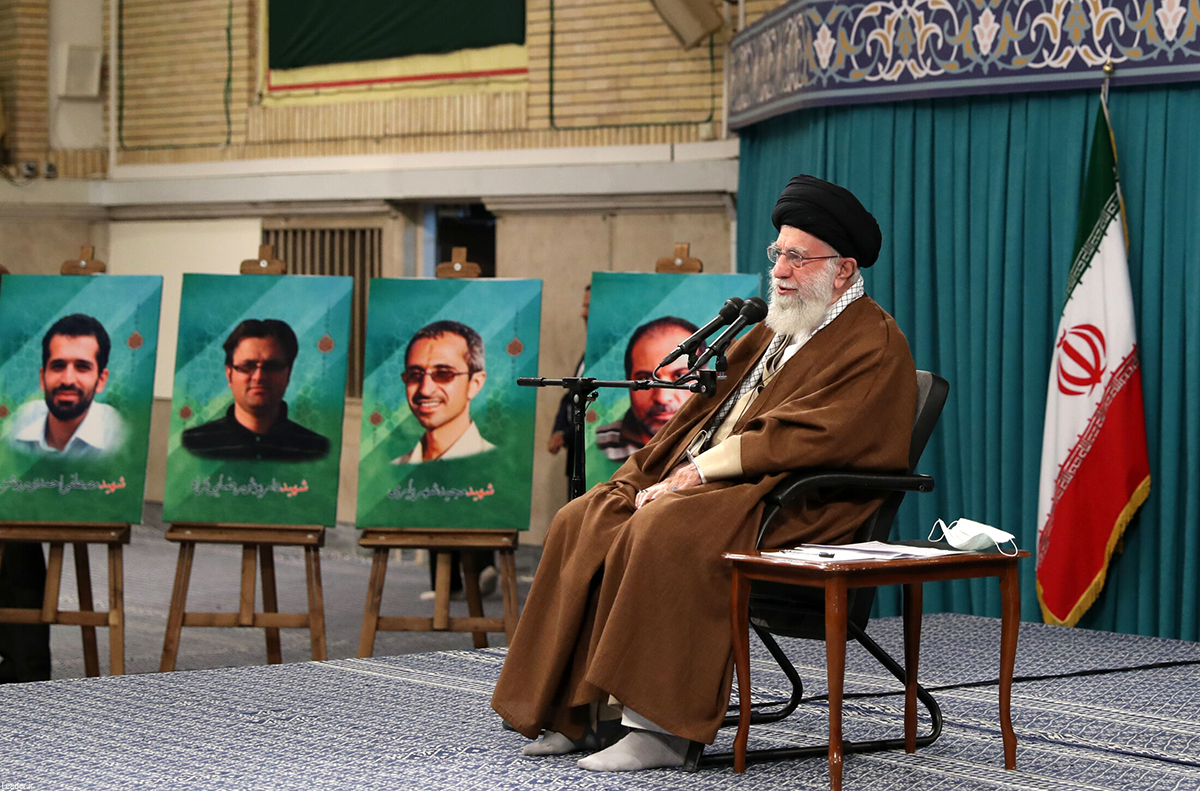
As the war rages on between Israel and Hamas in Gaza, the role of Iran will remain a central factor. Tehran is not only Israel’s top regional foe but also the leading provider of military aid and training for Hamas. But what is its endgame? As with all stakeholders in this war, Tehran’s calculations are evolving and shaped by events on the ground in Gaza.
An Israeli ground assault on Gaza requires an endgame
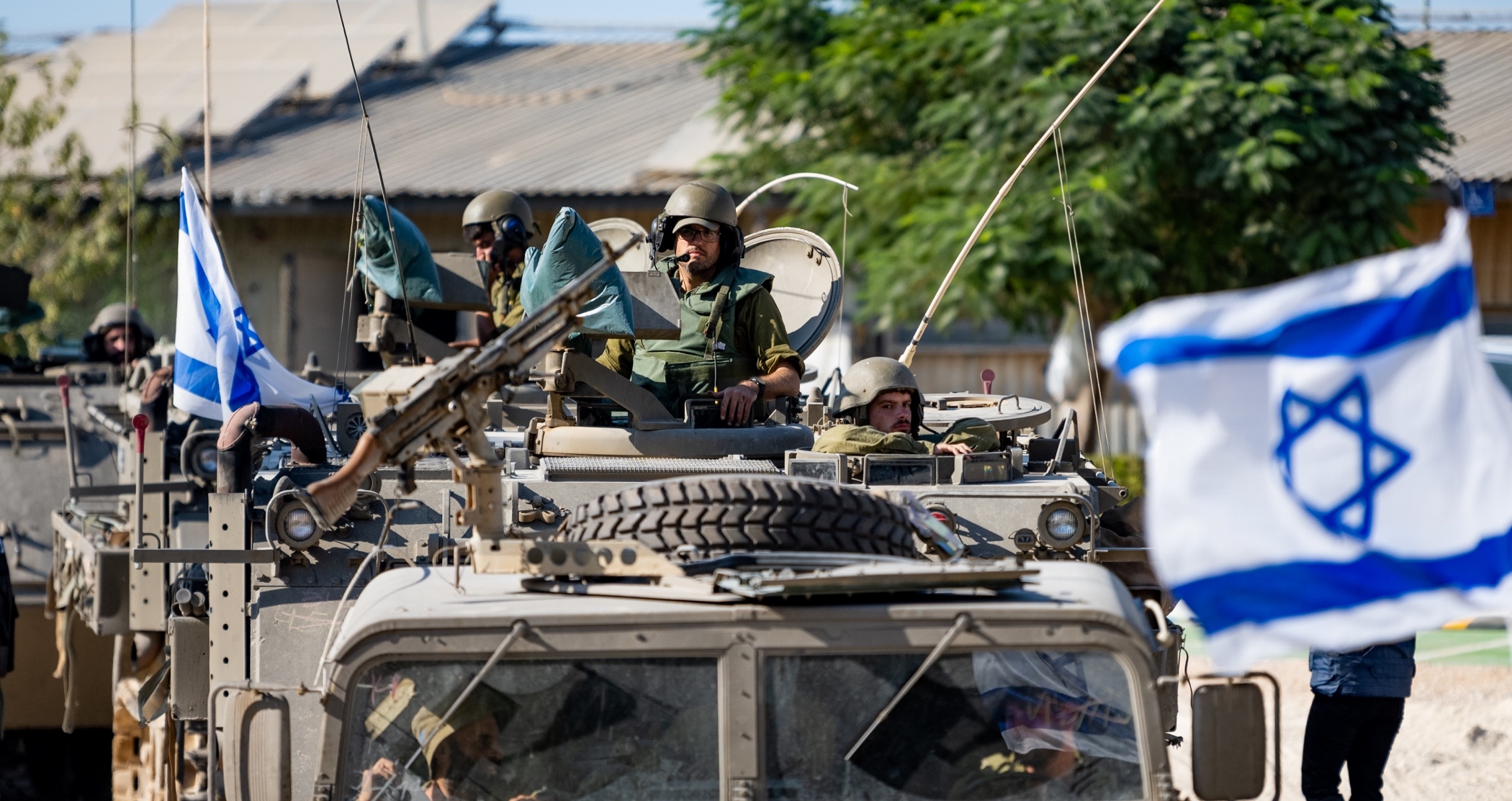
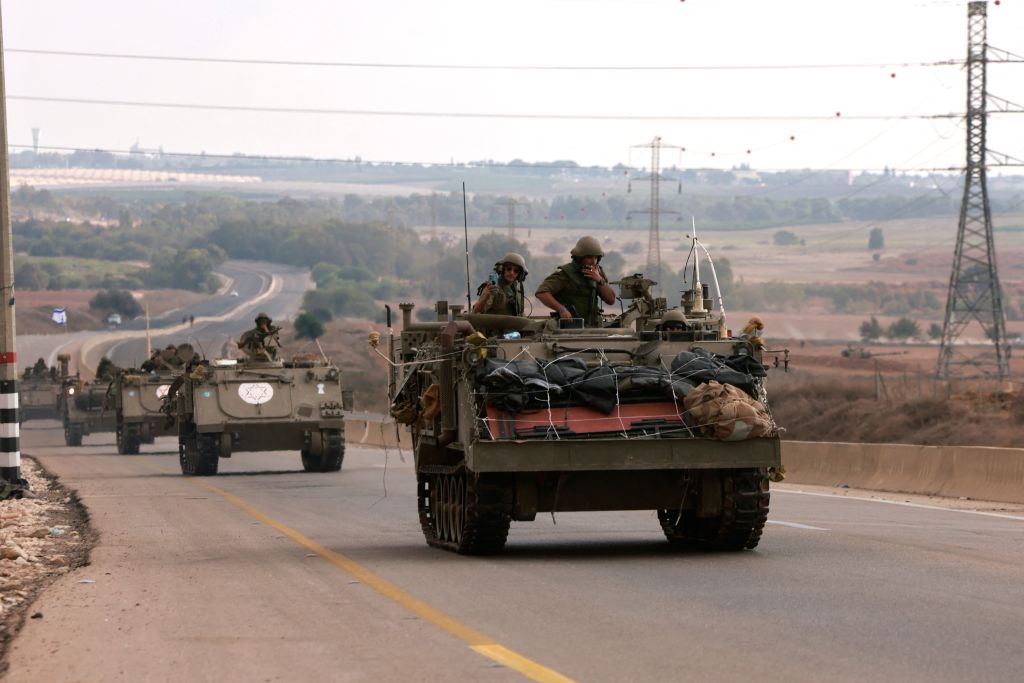
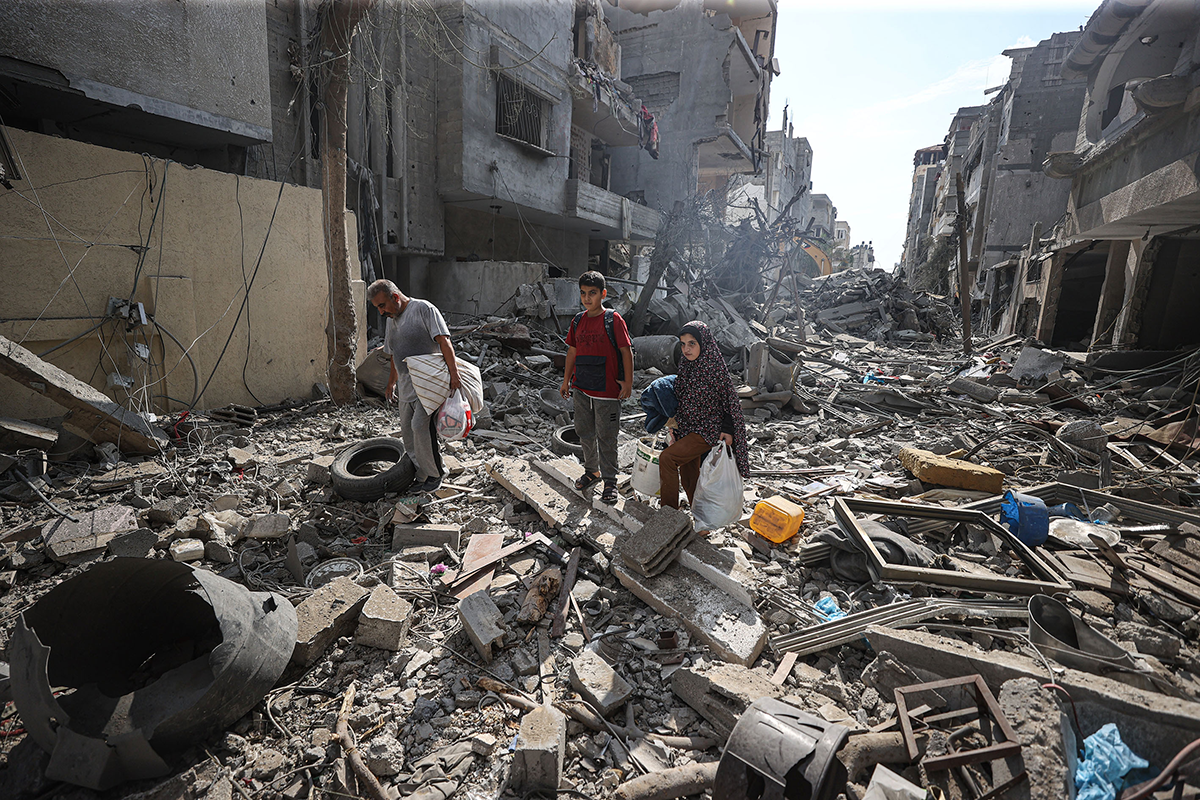
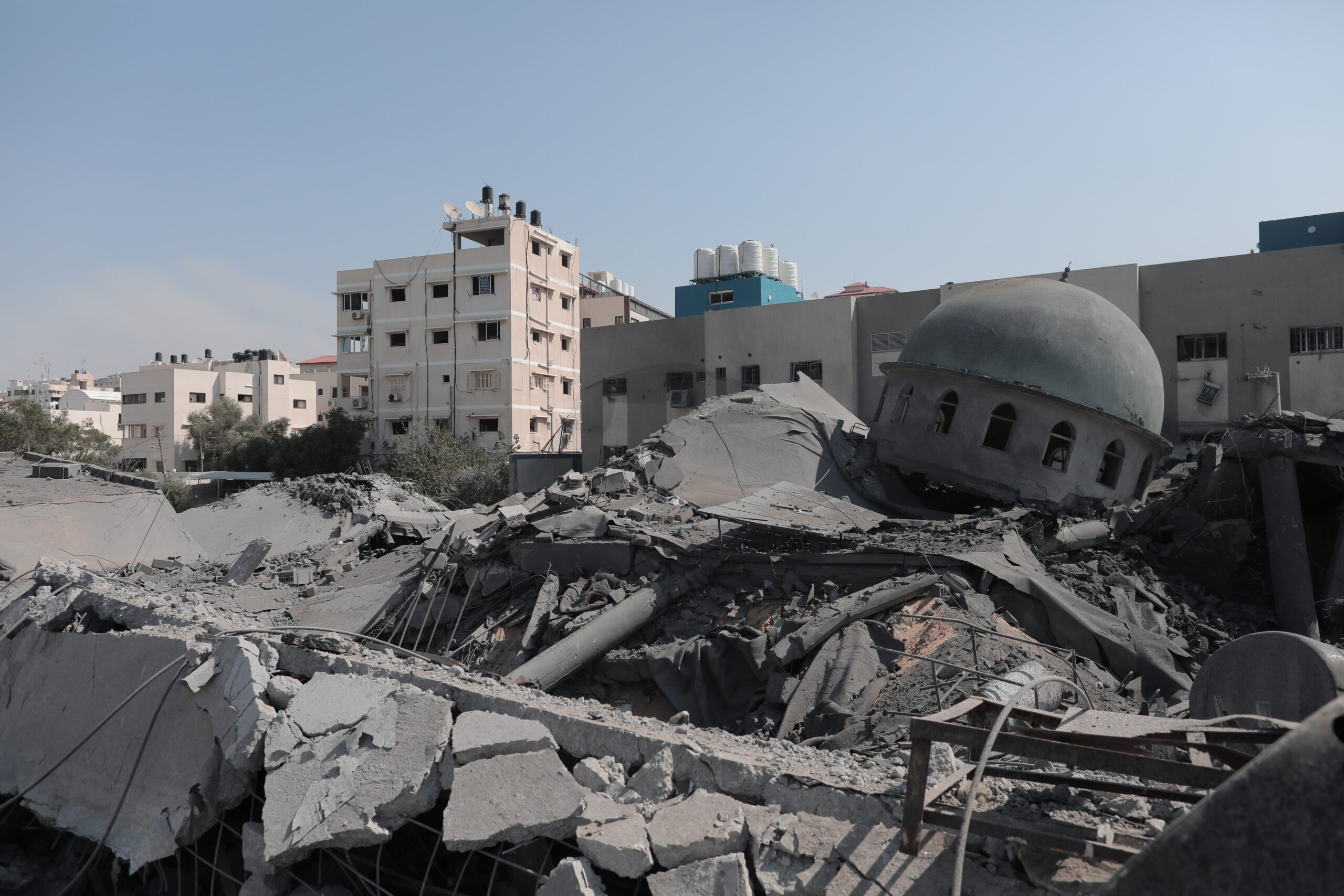
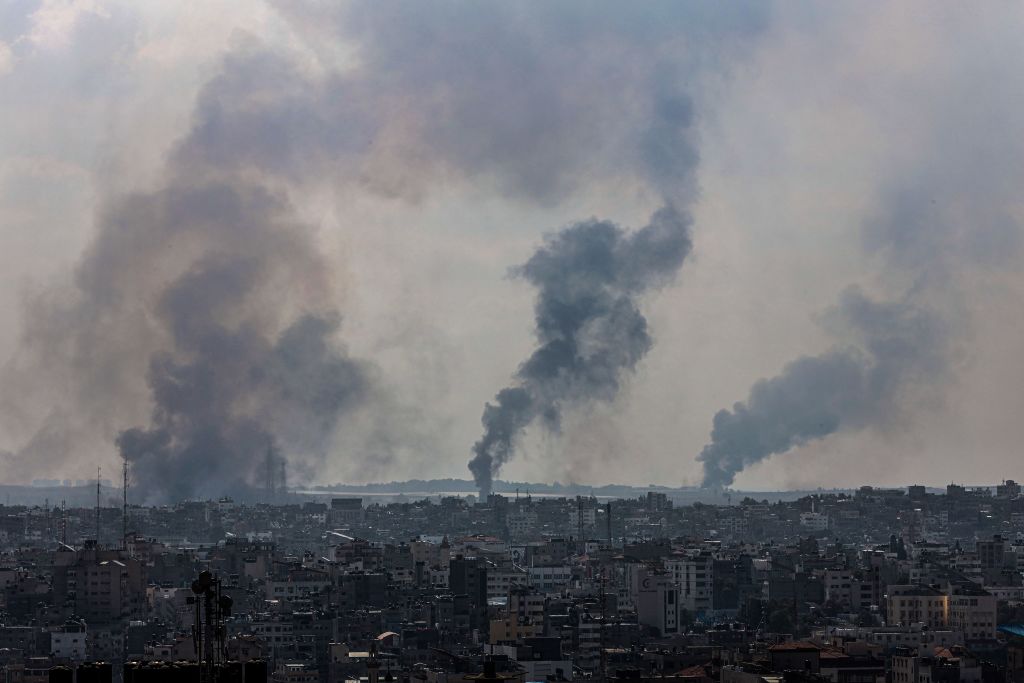
Though it has mobilized 360,000 reservists, the highest number since its 1982 invasion of Lebanon, in pursuing a large-scale ground invasion of Gaza Israel risks unprecedentedly high casualties of its own and massive condemnation by both the Arab world and the West if Palestinian deaths, already reported as exceeding 3,000, rise to multiples of that figure.
Israel-Hamas war: Conflict scenarios, US diplomacy, and shoring up regional stability
Nine days after the Hamas attack inside Israel, the Israel Defense Forces (IDF) is massing troops for a large-scale ground incursion into Gaza. For now, the outlines and endgame of Israel’s military action are not entirely clear. Meanwhile, escalation is rising along the Israel-Lebanon border and U.S. Secretary of State Antony Blinken is crisscrossing the Middle East communicating both deterrence and diplomacy.
Dehumanization, lack of empathy for Palestinians is alarming—and dangerous
The scale and brutality of Hamas’s grisly attack on Israel last Saturday has understandably triggered a massive outpouring of sympathy and solidarity with Israel. And yet, there has been no similar outpouring of sympathy for Palestinians, who are now also dying in disturbingly large numbers.
As Israel-Hamas war begins, it’s not too late to shape this historic inflection point
Hamas’ murderous raid on Oct. 7, resulting in the deaths of more than 1,300 Israelis, mostly civilians, may well turn out to be a consequential inflection point, having unleashed political and popular forces that could lead in a positive or, just as likely, extremely negative direction.
In the latest installment of the Defense Rapid Reaction series, experts from MEI’s Defense & Security Program provide their views on the Oct. 7 Hamas surprise attack on Israel and what it might mean for Israelis and Palestinians, the wider region, and U.S. policy.
Understanding the legal drama in Israel: Will the Supreme Court prevent a constitutional crisis?
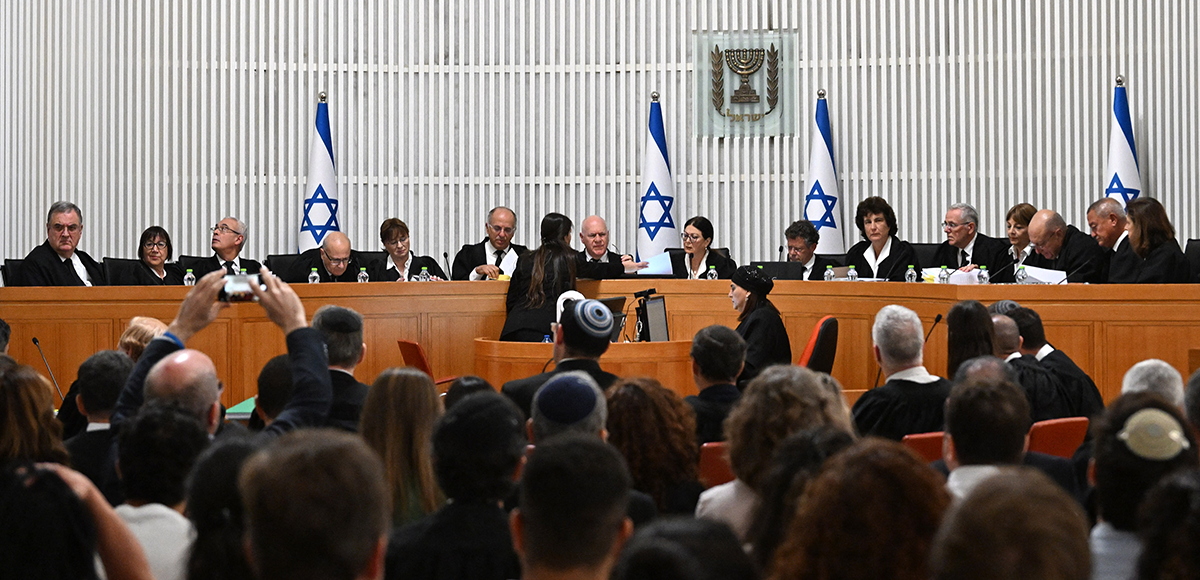
After a year of unprecedented events, Israel’s political and constitutional turmoil came to a head on Sept. 12, when the Supreme Court heard oral arguments in a critical case that will determine the future of the Netanyahu government’s judicial overhaul. The arguments concern the so-called Reasonableness Amendment, passed by Israel’s parliament in late July; this amendment to the country’s Basic Laws would partially strip the Supreme Court of its authority to review governmental acts.
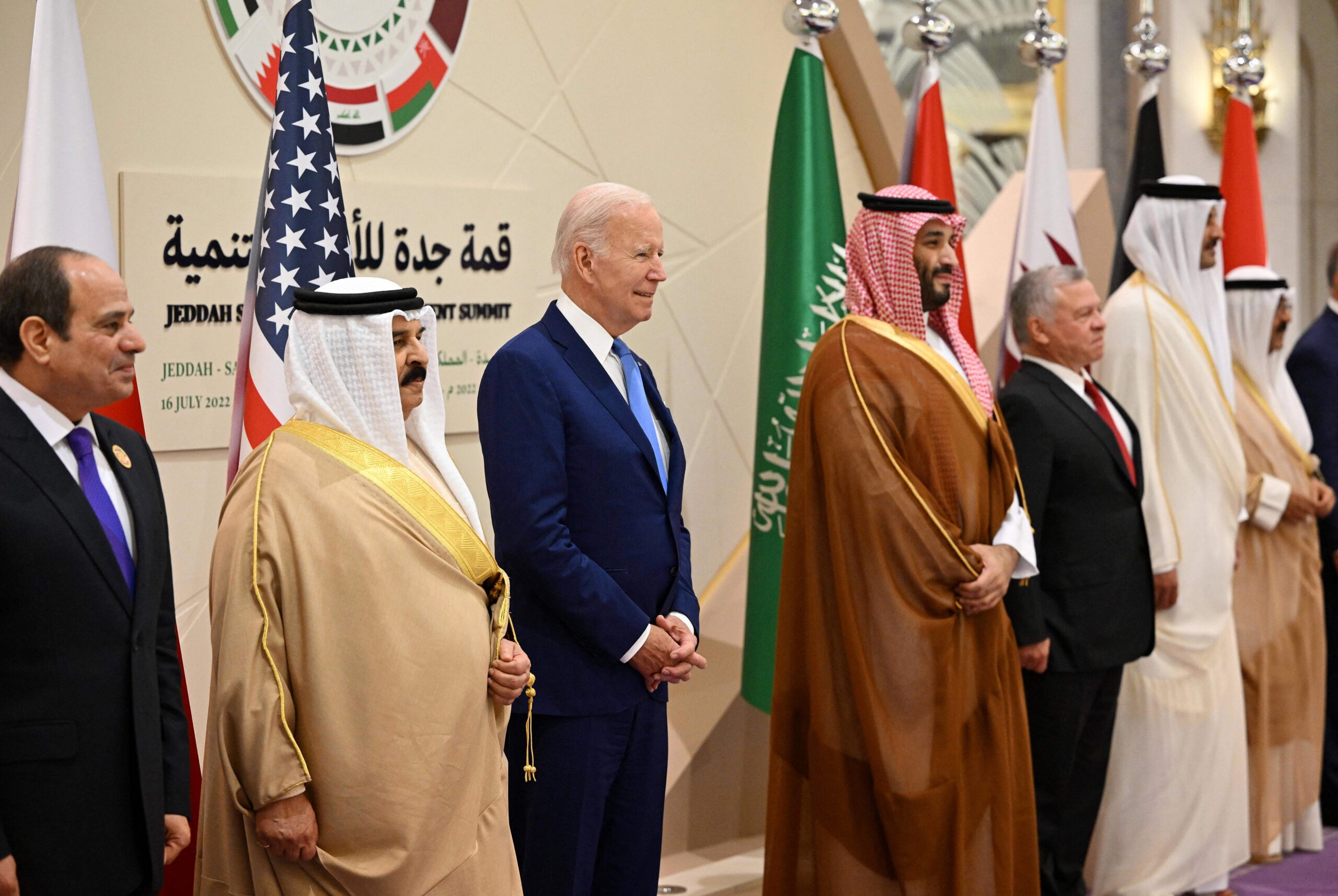
Treading Cautiously on Shifting Sands: An Assessment of Biden’s Middle East Policy Approach, 2021-2023
This report provides an interim assessment of the Biden administration’s overall Middle East strategy and examines the strategic opportunities and risks for U.S. policy in the broader region.
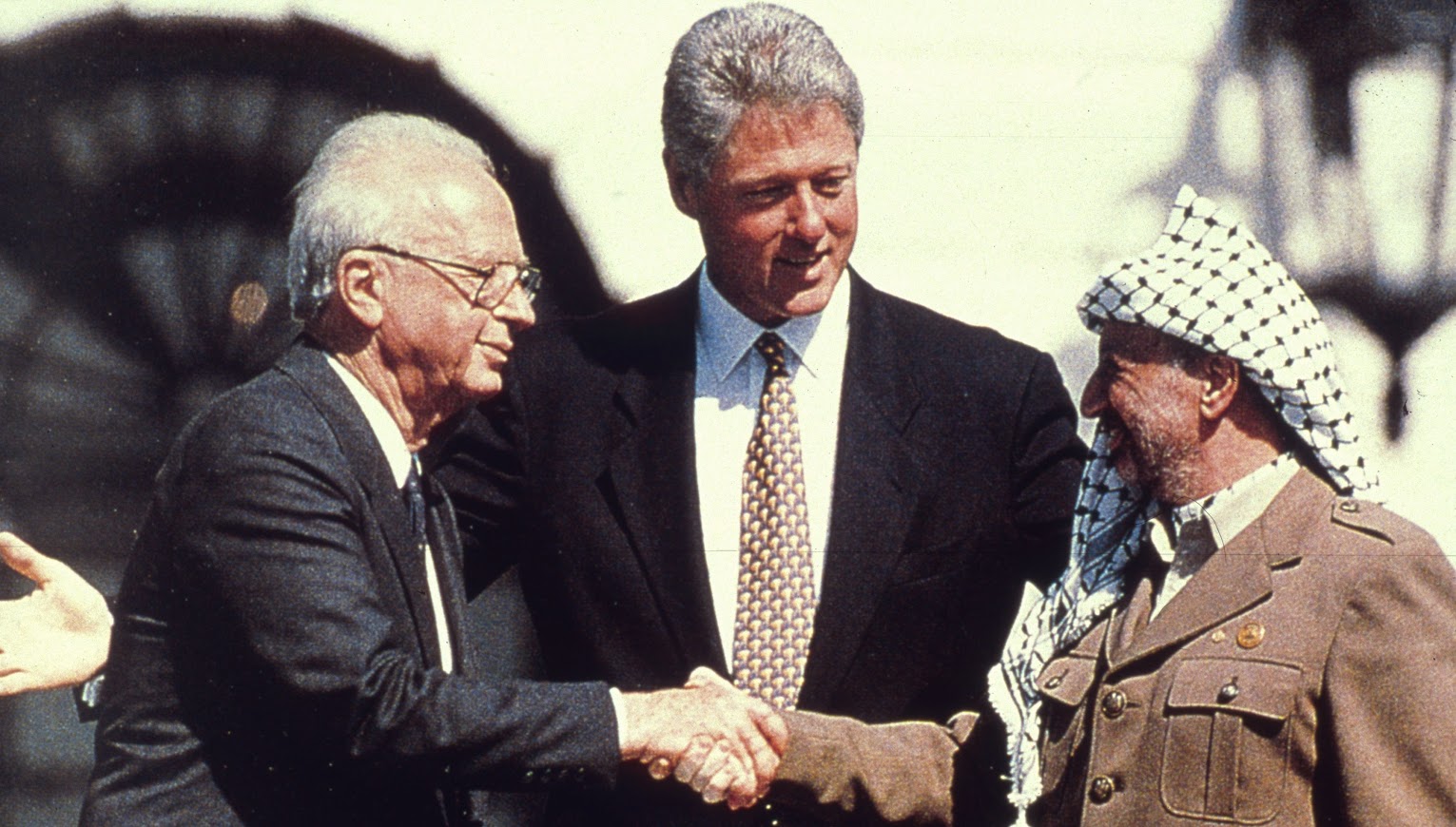
Thirty years on since its historic signing, the Oslo Accords framework continues to define virtually all aspects of Israeli-Palestinian relations as well as America’s and the broader international community’s approach to the peace process. Yet Oslo’s extraordinary longevity stands not as a testament to its utility but to its unmitigated and ongoing failure.
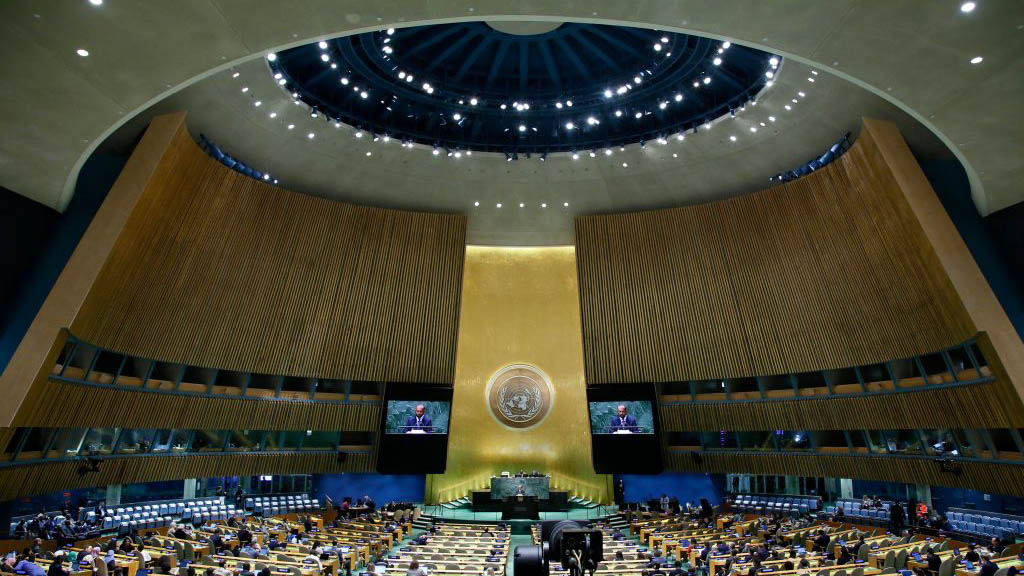
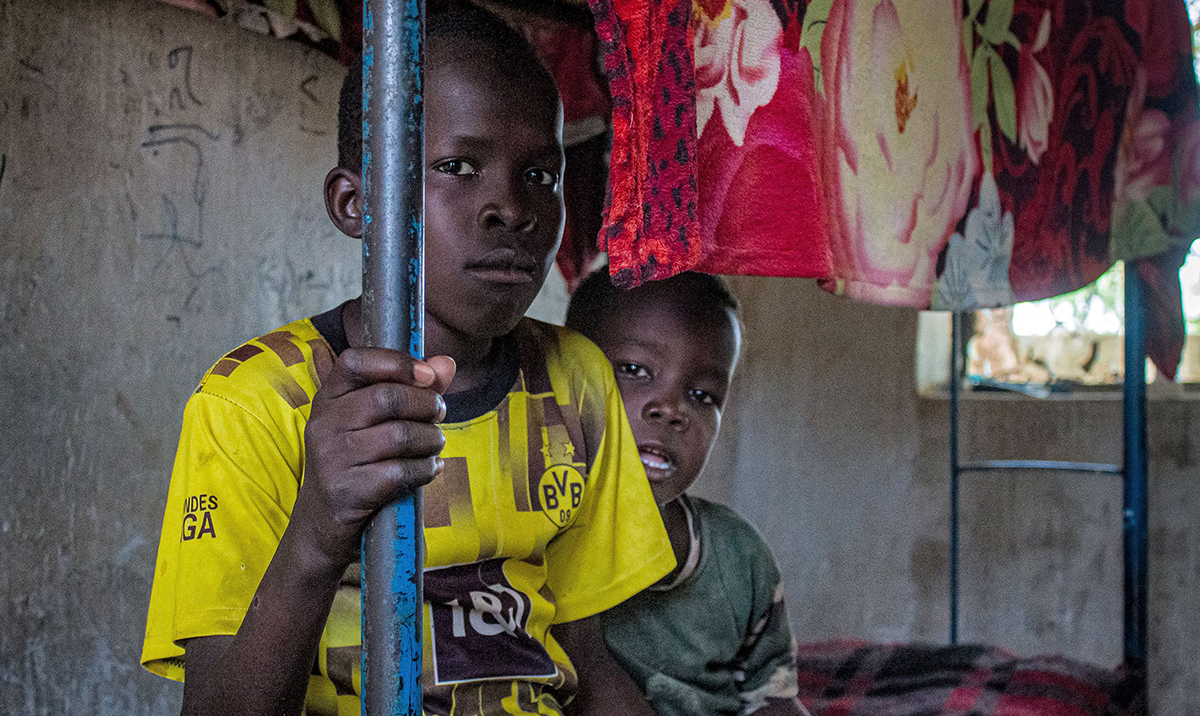
Nearly five months on, Sudan’s war between its army and largest paramilitary force has destroyed much of Khartoum, the adjacent cities of Bahri and Omdurman, as well as key towns in Darfur. The warring forces have killed thousands of civilians, destroyed critical infrastructure, and forced a staggering 4.9 million people to flee their homes. The U.N. is providing important humanitarian assistance, but it should be doing far more, especially to advance accountability and improve coordination in the messy diplomatic arena. Both the high-level week in New York and the Human Rights Council session in Geneva present opportunities that it should not squander.