Neither East nor West: Turkey’s calculations in the Ukraine crisis
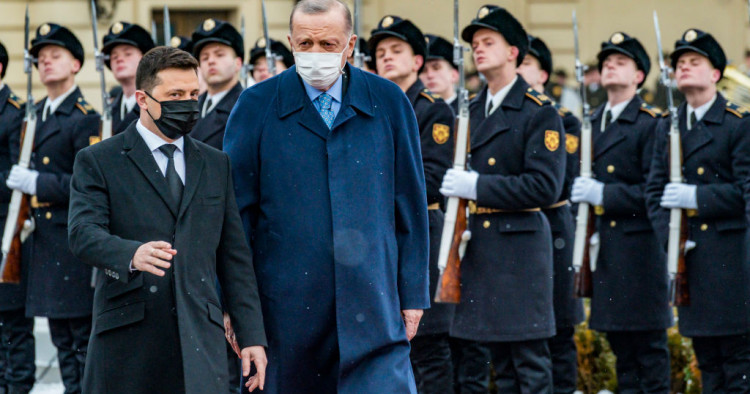
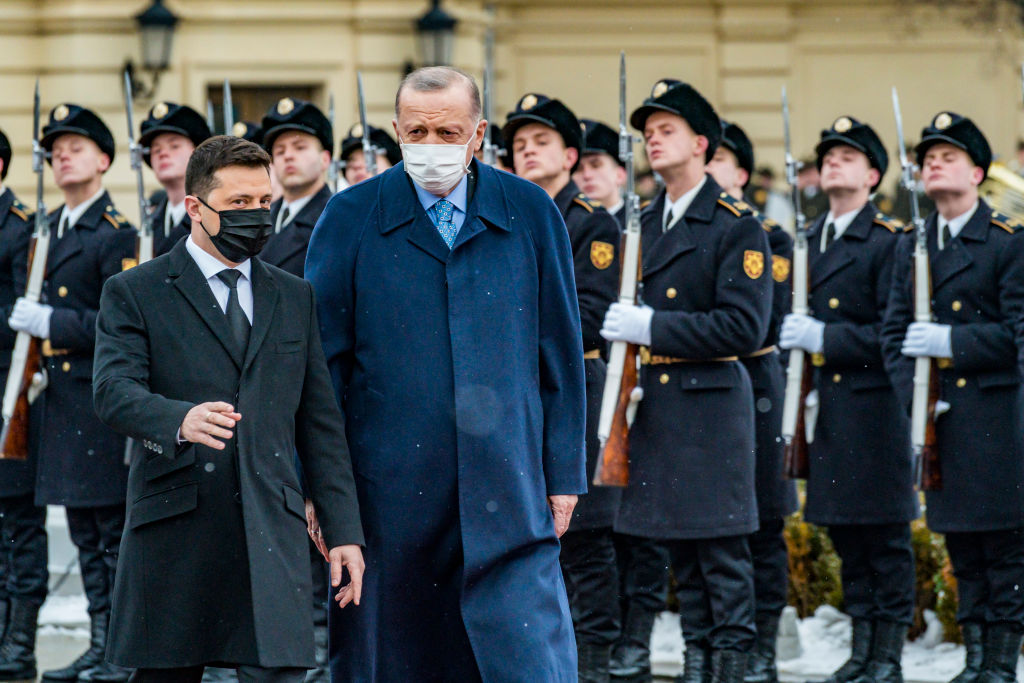
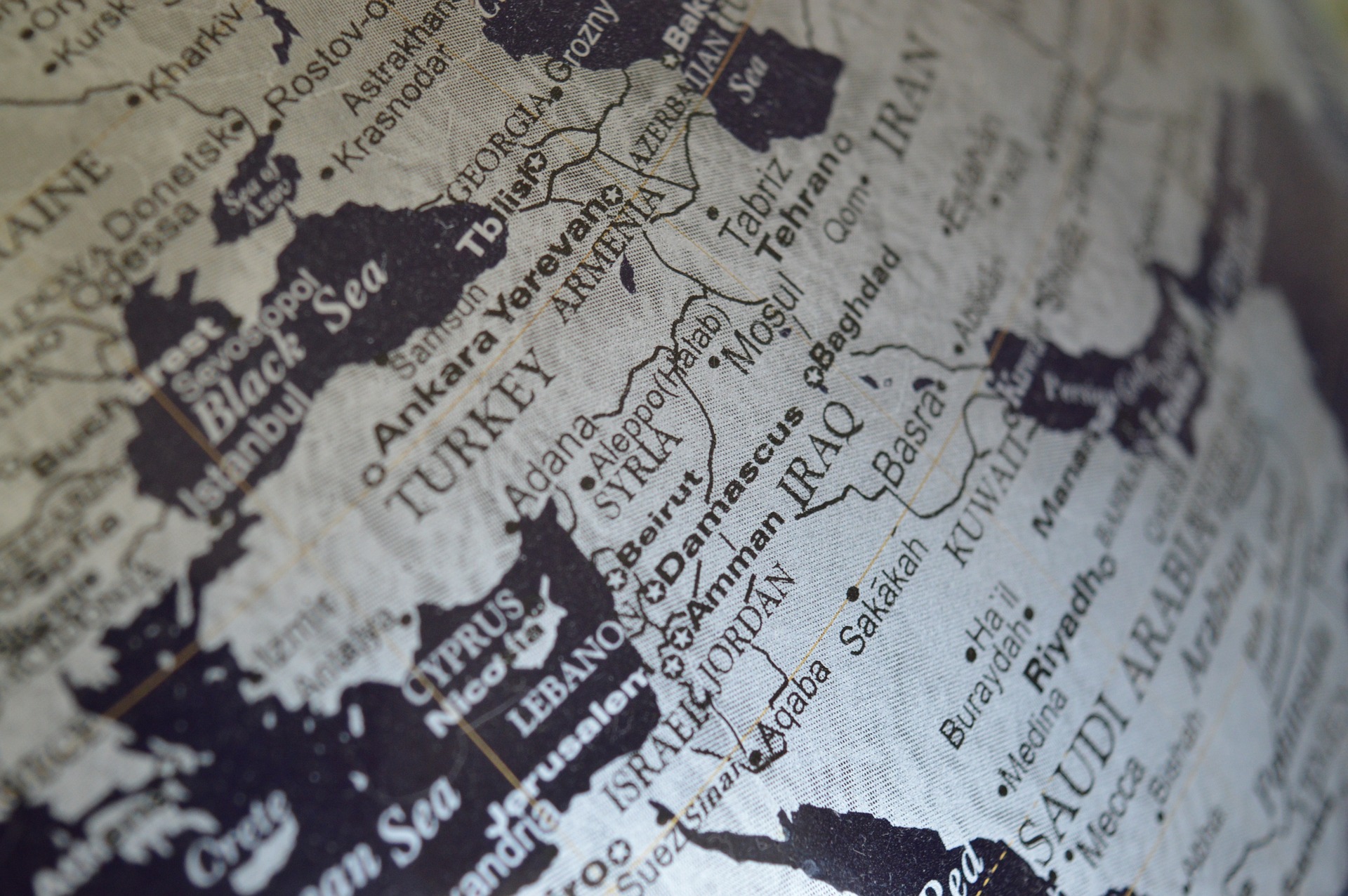
The crisis in Ukraine, from the perspective of Ankara, carries significant risks, but also some opportunity. It is neither a crisis of their own making, nor one that they welcomed; nevertheless, Ankara has clearly developed a basic blueprint for weathering the storm. From the perspective of Washington policymakers, their strategy is likely to hold more frustration than reassurance.
Fragile promise: The prospects for Turkish-Armenian normalization
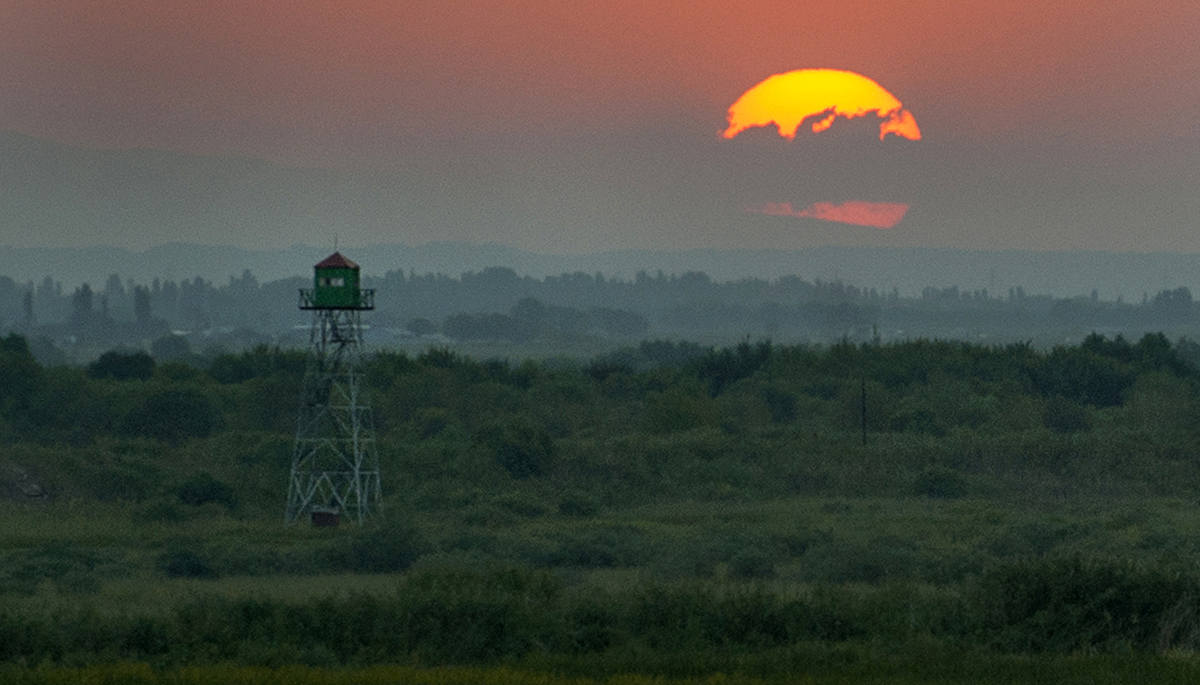
Now, after decades of animosity, Turkey and Armenia are taking steps to normalize ties, and the prospects for restoring relations and reopening the border have never been brighter.
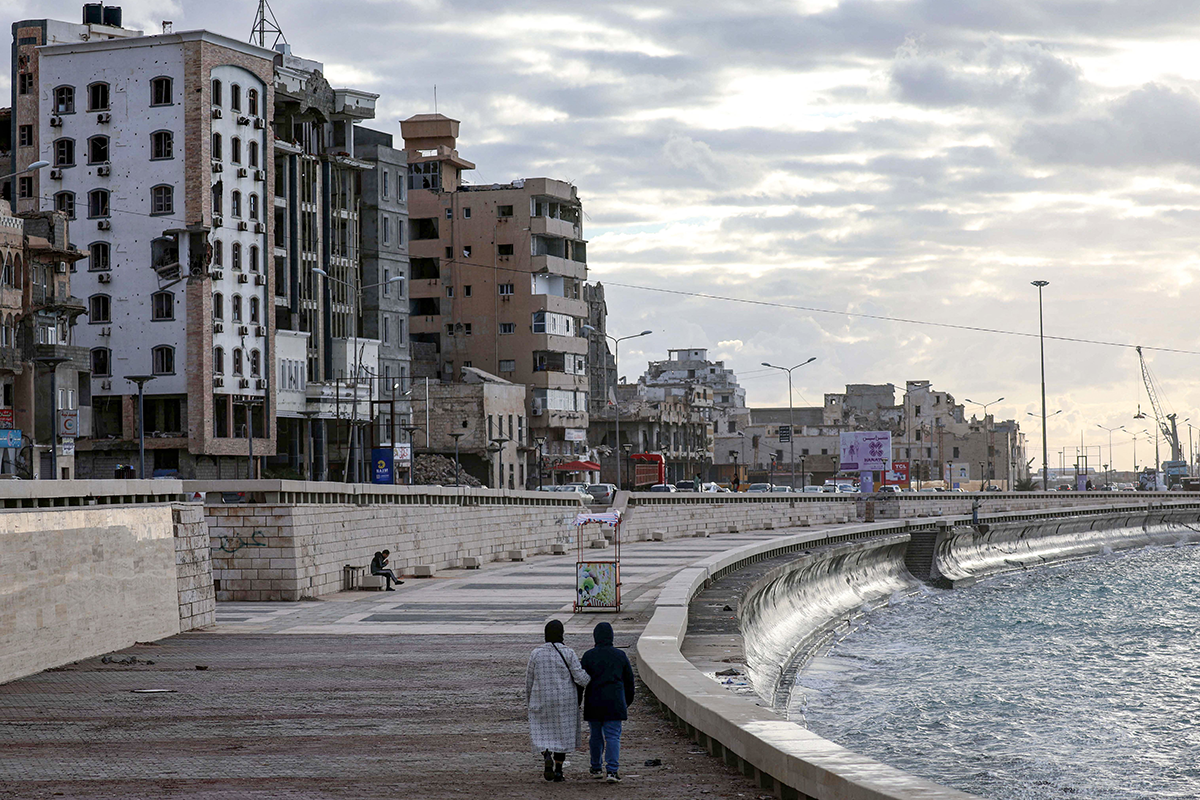
Struggle over legitimacy in Libya begins third period of dueling governments
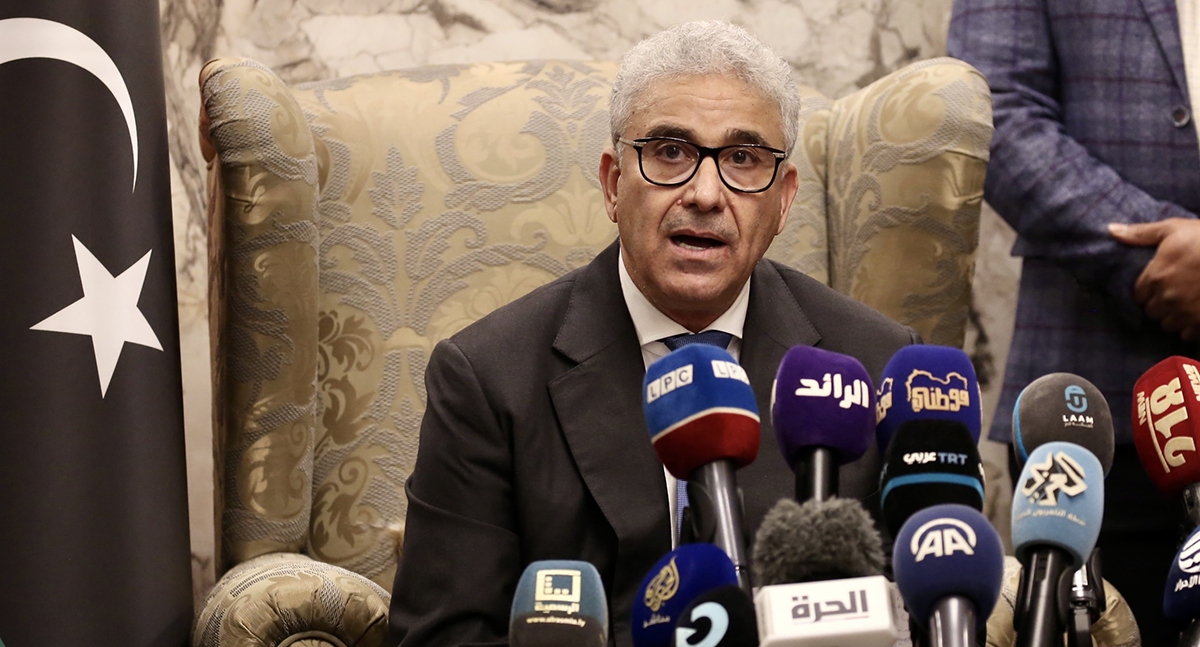
With the election on Feb. 10, 2022 by the Libyan House of Representatives of Misratan Fathi Bashagha as its choice to become the country’s new prime minister, Libya has entered a new, third round of two governments contesting each other’s legitimacy.
وسط مخاوف الغرب من أن روسيا على وشك مهاجمة أوكرانيا، وقعت تركيا وأوكرانيا اتفاقية للتجارة الحرة وأعلنتا عن صفقة لأوكرانيا لتصنيع طائرات مُسيّرة تركية خلال زيارة الرئيس رجب طيب أردوغان الأخيرة إلى كييف في 3 فبراير/شباط. تمثل الزيارة جزءًا من خطة أردوغان لتعميق علاقات تركيا بأوكرانيا، التي لا تعد فقط سوقًا مهمًا لتصدير منتجات الدفاع التركية، ولكنها أيضًا أساسية لجهود أنقرة للتخفيف من التداعيات السلبية للعقوبات الأمريكية على صناعتها الدفاعية. إحدى هذه المجالات التي خلقت فيها العقوبات الأمريكية مأزقًا للصناعات الدفاعية التركية هي تكنولوجيا المحركات.
Confronting climate change, Turkey needs “green” leadership now more than ever
Turkey, like all other countries, is facing the harsh reality of climate change. Last year, it experienced one of the hottest summers on record. Blistering heat waves led to widespread wildfires in the country’s southwest, affecting five times more land than normal during the summer. Though Turkey usually has large water surpluses, some areas experienced shortages due to extreme drought. Others suffered heavy flooding, leaving scores dead.
Strong Turkey-Ukraine ties are key to Black Sea security
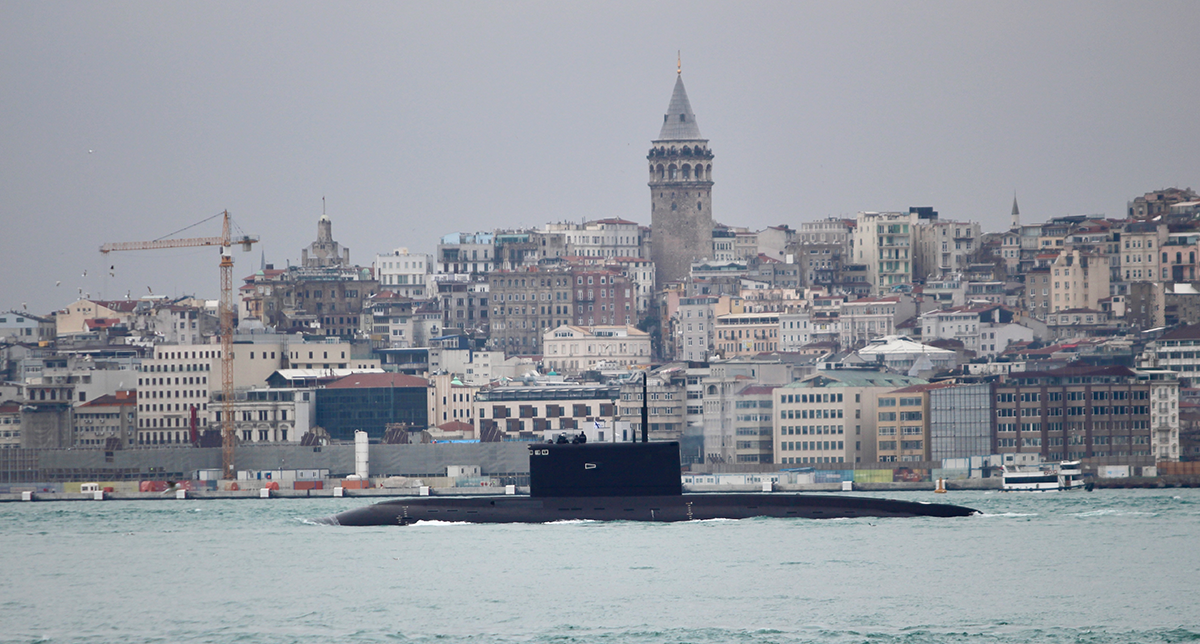
On Jan. 6, 2019, the eve of Orthodox Christmas, the Ecumenical Patriarchate in Istanbul awarded a decree of independence, known as a tomos, to the then-newly established Orthodox Church of Ukraine — a milestone in the country’s history. The move reversed a 1686 decision that had transferred jurisdiction over Kyivan Orthodox churches to Moscow. After 333 years, however, it’s not only the faithful who have changed their direction from Moscow toward Istanbul. Ukraine and Turkey are strengthening their strategic partnership by deepening their cultural, political, military, and economic cooperation.
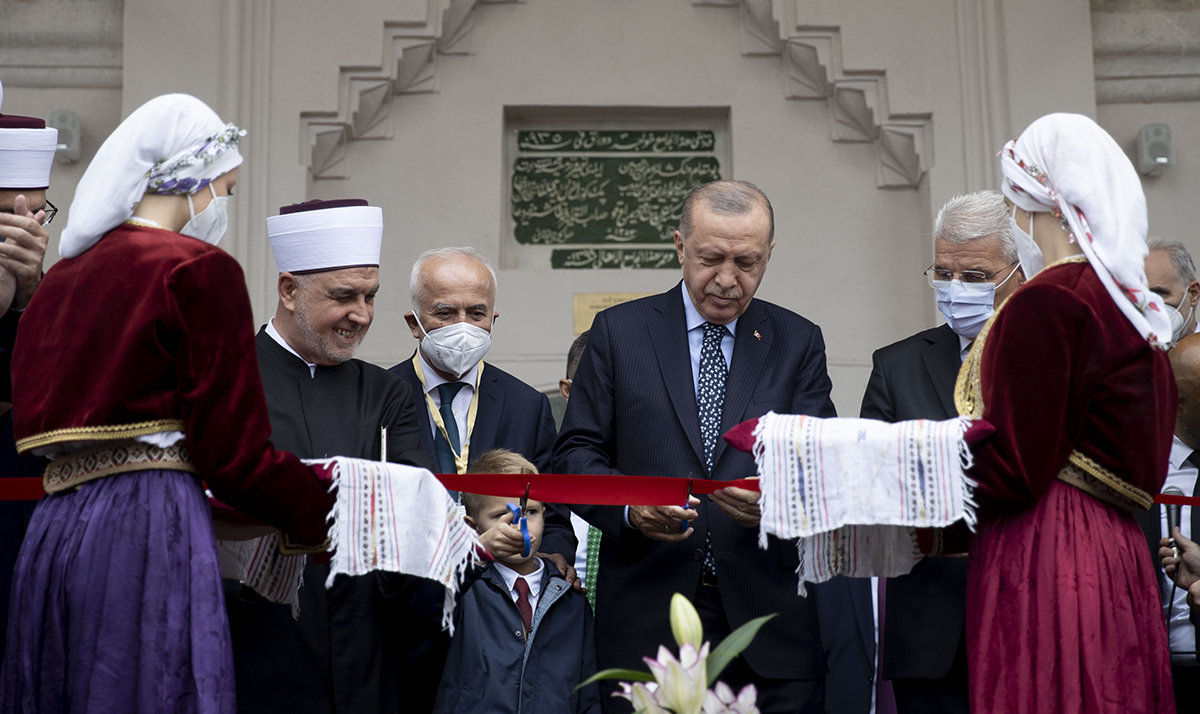
Competing over Islam: Turkey, Saudi Arabia, and Iran in the Balkans
Turkey, Saudi Arabia, and Iran have been the main competitors in a struggle over who — and in what manner — should act as the patron of Muslims in the Balkans. These three countries are very different in terms of their historical footprint, economic and political presence, and local networks. What they share, however, is the use of Islam to exert soft power. This paper will discuss how they are seeking to wield influence, how regional actors respond to their overtures, and whether these three countries are meeting their objectives in the region.
Desalination in Libya: Challenges and opportunities
For the MENA region, groundwater is a hidden but significant problem, as many countries extract more than is being recharged and most lack solid legal frameworks and national water policy regulations to determine use. As a result, there are questions and concerns about the current status of groundwater aquifers, especially with the increasing impact of climate change, as well as the type of sustainable alternative solutions that could assist in conserving them. Libya is no exception to this broader regional trend, and the country suffers from growing water scarcity.
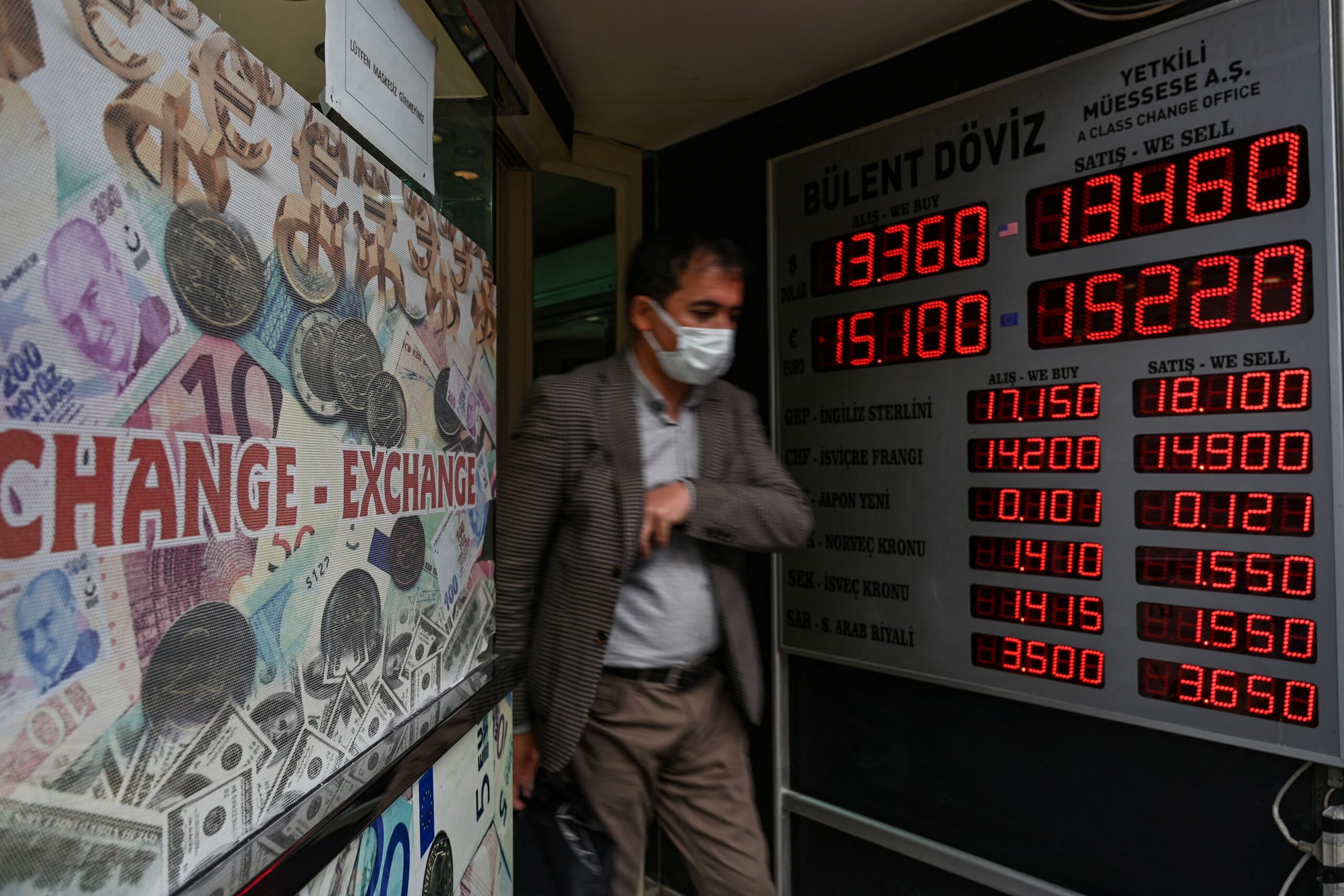
عقب استقالة وزير المالية واستبداله بأحد الموالين للرئيس رجب طيب أردوغان في الثاني من ديسمبر/كانون الأول، واصلت الليرة التركية تراجعها المطرد أمام الدولار، لتصل خسائرها خلال العام إلى قرابة 50٪. من جديد تقع العملة التركية تحت وابل من المضاربات، على غرار الحلقات السابقة في يوليو/تموز 2018 وأكتوبر/تشرين
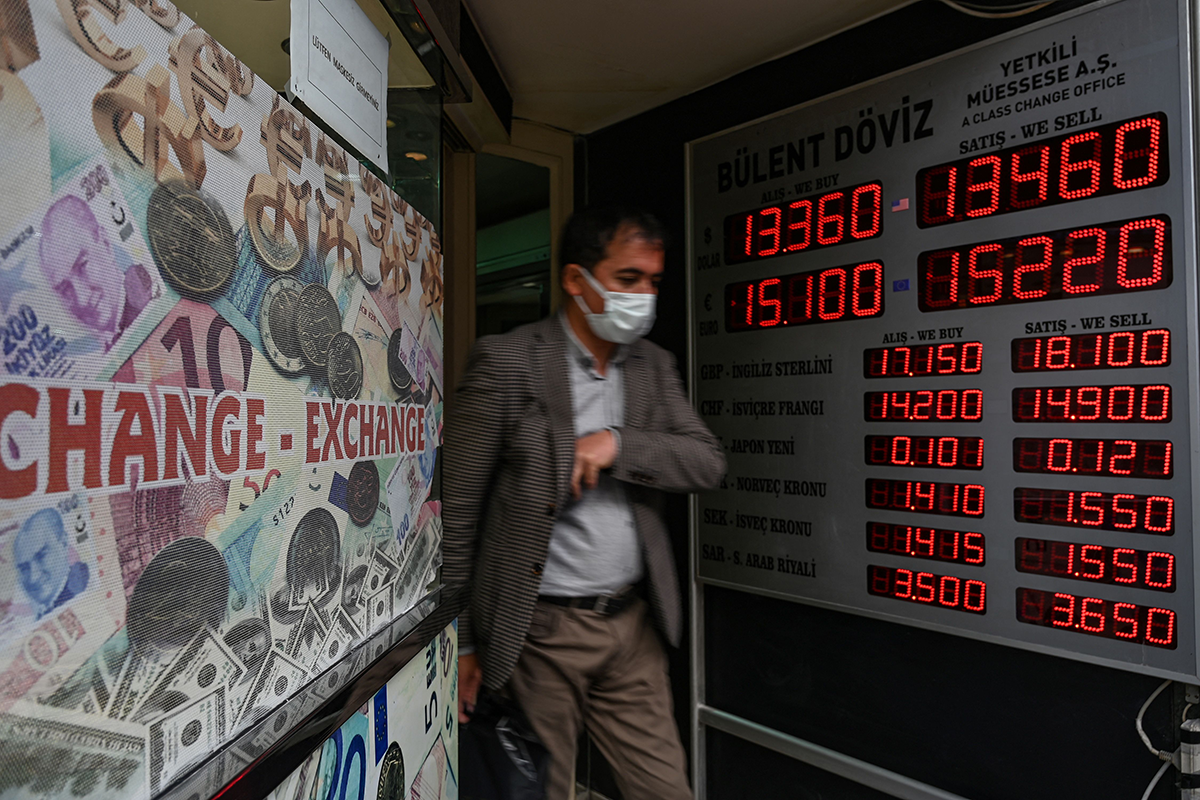
Following the resignation of the finance minister and his replacement by a loyalist on Dec. 2, the Turkish lira continued its steady decline against the dollar, bringing its losses for the year to nearly 50%. The Central Bank of the Republic of Turkey’s early cuts to the policy rate since September have resulted in an exodus of foreign capital and a rush in demand for foreign exchange among domestic investors.