Skip to Content

Research & Commentary Results

Filter by
3031 Results
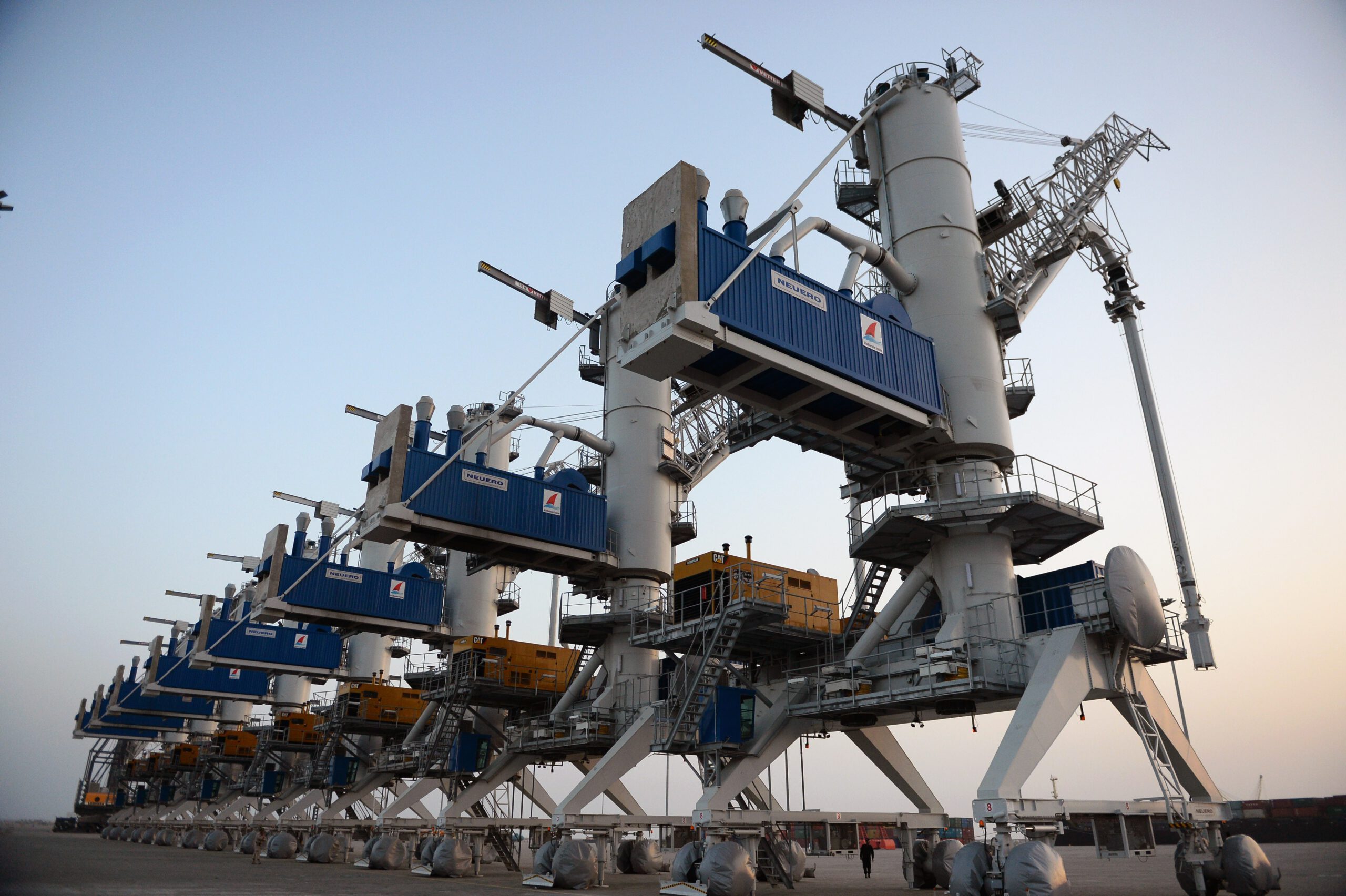
The IMF, CPEC, and Pakistan: Will the Chinese save Islamabad yet again?
Photo by Huang Jingwen/Xinhua via Getty Images
  • Analysis
  • The IMF, CPEC, and Pakistan: Will the Chinese save Islamabad yet again?

    The China-Pakistan Economic Corridor (CPEC), once heralded as a “game-changer,” has almost disappeared from the spotlight in recent years. The project has faced slow implementation, unpaid loans, corruption, and a dire security situation. How is China responding to Pakistan’s poor handling of CPEC, its perpetual financial troubles, and its periodic demands on China to bail it out?

    August 6, 2024

    Monday Briefing: The Middle East is the closest it has ever been to an all-out war
  • Commentary
  • Monday Briefing: The Middle East is the closest it has ever been to an all-out war

    After 10 months of Israel’s war on Gaza, the US administration has lost control over its ally and the fear of its opponents. As a result, Washington has only limited, if any, impact on the cost-benefit escalation calculus of the fighting sides. The Middle East is today the closest it has ever been to an all-out multi-front regional war.

    Iran strives to become a pan-sectarian Islamic power
    Iranian Foreign Minister Hossein Amir-Abdollahian meets with the head of the Taliban's political bureau Mullah Abdul Ghani Baradar in Tehran, Iran on Nov. 5, 2023.
  • Analysis
  • Iran strives to become a pan-sectarian Islamic power

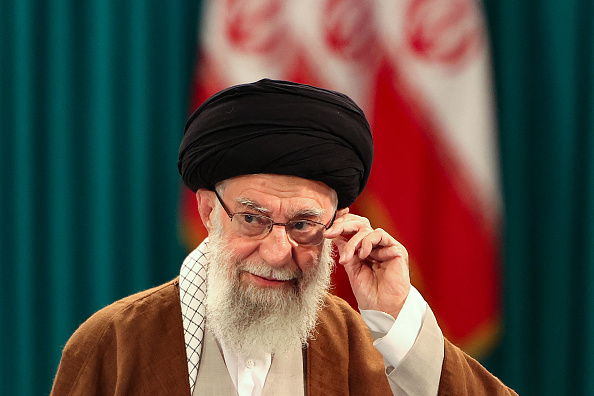
    The success of Iran’s Islamic Revolution in 1979 marked the first time in modern history that a secular regime in the Middle East was toppled in favor of a theocratic, Islamist order. Over the following decades, the Islamic Republic of Iran’s primary objective has been to become a regional hegemon. In pursuit of this goal, Iran’s Shi’a clerical leadership has been willing to adopt a remarkably pragmatic approach, allowing it to often diverge from its religious dogma.

    August 1, 2024

    A waiting game as the region teeters on the brink of full-blown war
    Photo by HOSSEIN BERIS/Middle East Images/AFP via Getty Images
  • Analysis
  • A waiting game as the region teeters on the brink of full-blown war

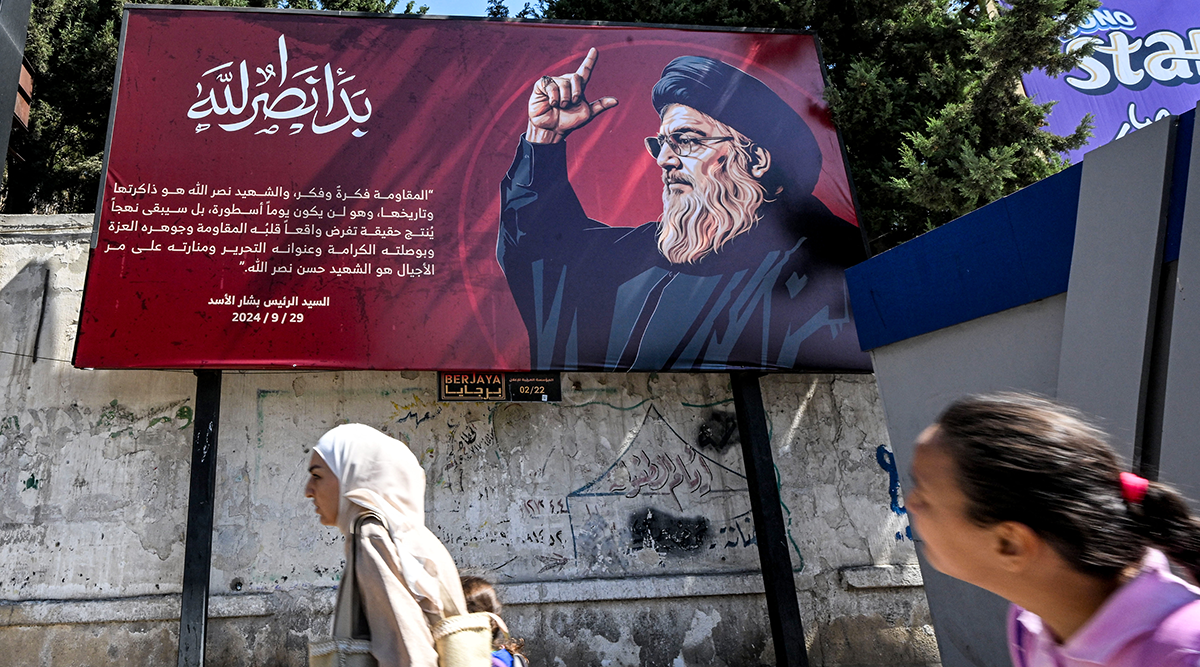
    Israel’s targeted killing of Hezbollah military leader Fuad Shukr in Beirut and Hamas political chief Ismail Haniyeh in Tehran are explosive events for the region. Coming within 12 hours of each other, they were also an earthquake within the “Axis of Resistance” — but not one likely to encourage de-escalation. Far from it.

    Special Briefing: The regional impact of Ismail Haniyeh’s assassination
  • Commentary
  • Special Briefing: The regional impact of Ismail Haniyeh’s assassination

    In a new special briefing, scholars from across MEI weigh in with their thoughts on the assassination of Hamas political leader Ismail Haniyeh and the potential regional impact.

    July 31, 2024

    Israeli Strikes and the Risk of Regional Escalation
  • Podcast
  • Israeli Strikes and the Risk of Regional Escalation

    This week’s episode looks at the dramatic regional developments of the past 24 hours, including the Israeli strike on a top Hezbollah commander in Beirut and the assassination of Hamas political leader Ismail Haniyeh in Tehran. The strikes mark a significant escalation, and are expected to provoke retaliation from Iran and Hezbollah that could potentially ignite a wider regional conflict.

    July 31, 2024

    Pakistan’s political scene looks increasingly unsettled and complicated
    Photo by ABDUL MAJEED/AFP via Getty Images
  • Analysis
  • Pakistan’s political scene looks increasingly unsettled and complicated

    The deep rift between the Pakistan Tehreek-e-Insaf (PTI) party and Pakistan’s civil-military establishment shows no sign of weakening but appears to be shifting. The coalition government and its military sponsors, so recently seen as having taken command of the political heights, are now showing signs of panicking as they appear to be losing the initiative and ability to set the narrative.

    The Limits of Biden’s Middle East Diplomacy: An Assessment of US Policy, April-July 2024
    Photographer: Michael Reynolds/EPA/Bloomberg via Getty Images
  • Analysis
  • The Limits of Biden’s Middle East Diplomacy: An Assessment of US Policy, April-July 2024

    In reaction to the Oct. 7 Hamas attack on Israel and the subsequent Gaza war, the Biden administration articulated six main objectives. After nine months of the Israel-Hamas conflict, which has repeatedly threatened to spill out into neighboring theaters, the Biden administration’s success toward achieving these goals has mostly declined, not for a lack of effort but rather a reflection of considerable challenges in the environment and major shortcomings in policy conceptualization and implementation.

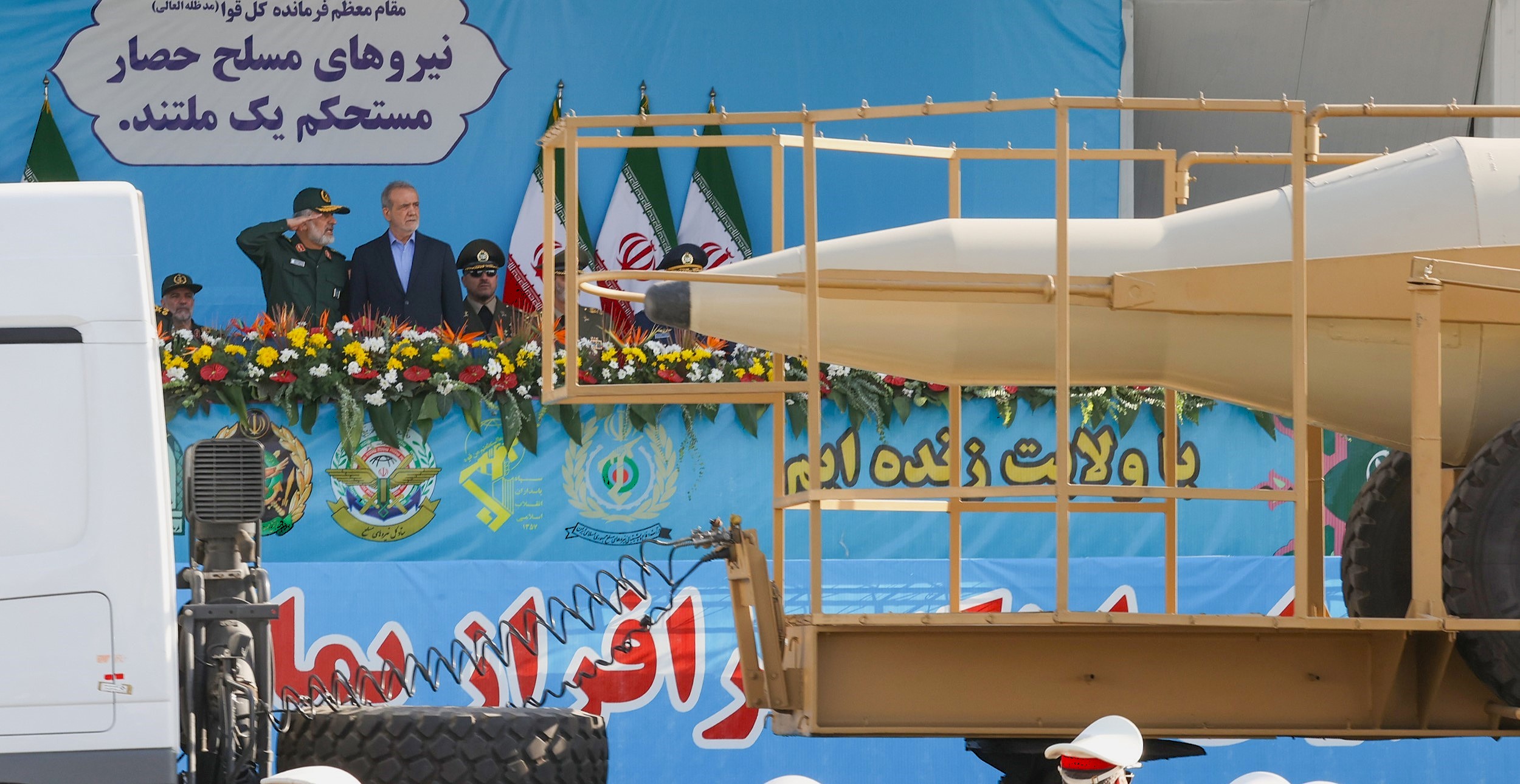
    Why President-elect Pezeshkian’s focus on Arab ties makes sense for an Iran facing monumental socio-economic challenges
    Photo by Fatemeh Bahrami/Anadolu via Getty Images
  • Analysis
  • Why President-elect Pezeshkian’s focus on Arab ties makes sense for an Iran facing monumental socio-economic challenges

    The conventional wisdom is that Iranian President-elect Masoud Pezeshkian is yet another bit of window dressing put up by the “deep state” in Tehran, which effectively calls the shots on the most contentious foreign policy files. But it might just be that Pezeshkian’s sudden emergence as president was orchestrated from the outset as a pretext for the Iranian regime to change course.

    The geopolitical implications of Houthi attacks and Israeli retaliation
    Photo by MOHAMMED HUWAIS/AFP via Getty Images
  • Analysis
  • The geopolitical implications of Houthi attacks and Israeli retaliation

    The Houthis’ strategy of escalation has the potential to upset the fragile balance of power in the Middle East and underlines the ability of smaller actors to influence larger geopolitical outcomes through calculated risks and alliances.

    July 23, 2024

    Key takeaways for NATO and the Middle East from the Washington Summit Declaration
    Photo by Jakub Porzycki/NurPhoto via Getty Images
  • Analysis
  • Key takeaways for NATO and the Middle East from the Washington Summit Declaration

    At the Washington Summit, NATO member states mostly focused on efforts to counter Russia and to support Ukraine. However, the 2024 summit communiqué also addresses non-Euro-Atlantic risks and opportunities, based on the idea that “conflict, fragility and instability” elsewhere directly affects NATO security.

    July 15, 2024

    Is Iran an ideological state?
  • Commentary
  • Is Iran an ideological state?

    Iran’s foreign policy has generally been characterized by continuity in the postrevolutionary period, yet its motives have transformed over time. This research paper argues that Islamic fundamentalism goaded and motivated foreign policy in the first decade of the Islamic Republic of Iran. After the death of Ayatollah Ruhollah Khomeini, the country’s foreign policy maintained a fundamentalist posture, but was forcefully driven by policies to guarantee its political survival.

    July 10, 2024

    Central Asian states look to Iran as they seek to expand regional transit corridors
    Photo by Fatemeh Bahrami/Anadolu Agency/Getty Images
  • Analysis
  • Central Asian states look to Iran as they seek to expand regional transit corridors

    When Russia launched its full-scale invasion of Ukraine in late February 2022, it prompted the Central Asian states, and others, to reconsider Iran’s potential role as a transit country. In a little more than two years, Central Asia’s view of Iran has changed from international pariah to key link in lucrative trade routes.

    July 9, 2024