Pushed over the edge: Political and military dynamics at the Afghanistan-Pakistan border
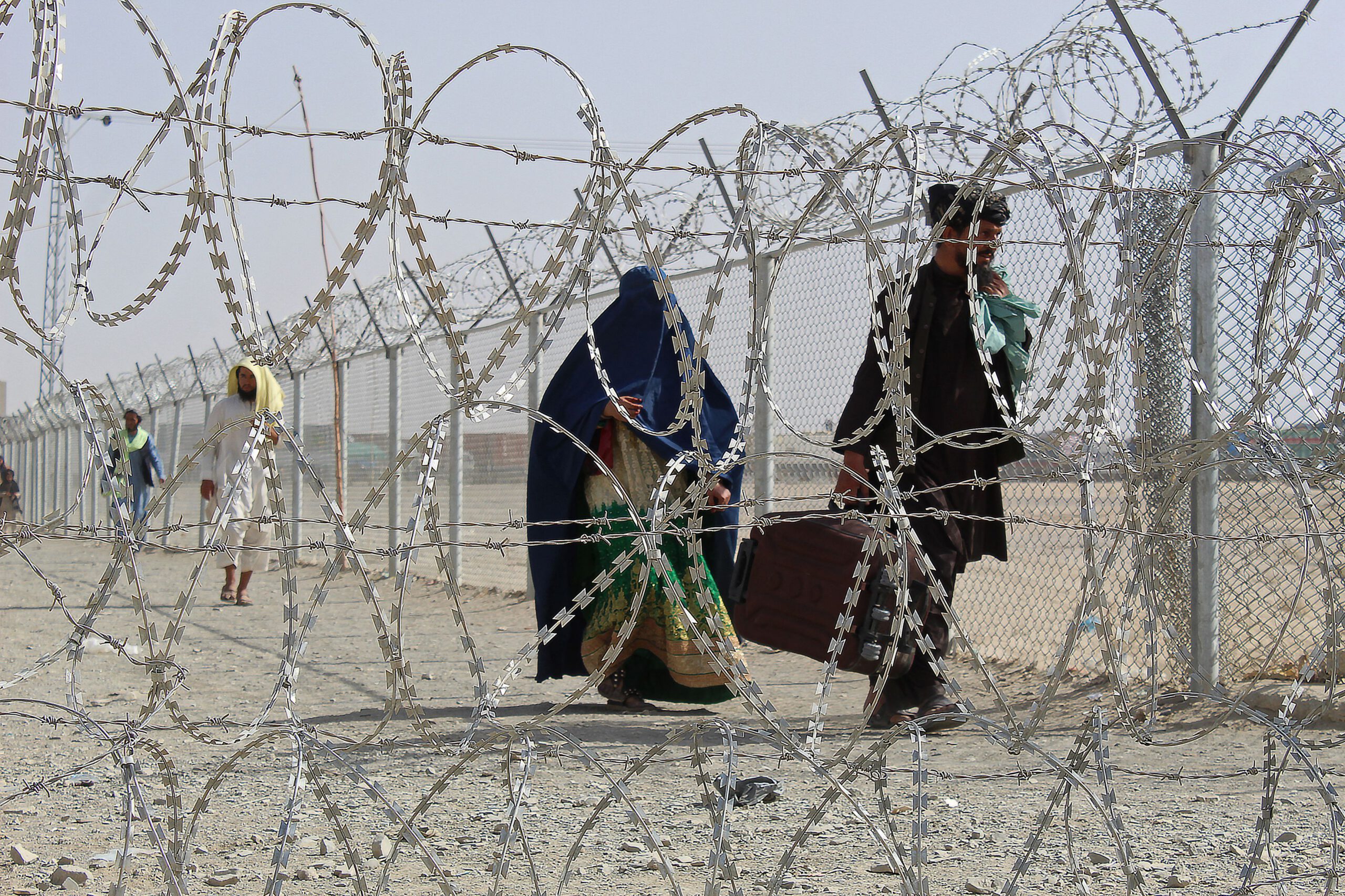
Frequent and violent border clashes have created political tensions between Pakistan and Afghanistan. This may surprise observers, since Afghanistan is being ruled by the Afghan Taliban, long supported by Pakistan’s security establishment. Recent incidents illustrate, however, that while the interests of Pakistan and its clients in Kabul may often converge they are hardly identical. Divergent political ideologies, national histories and strategic aims are driving them apart on many crucial issues.
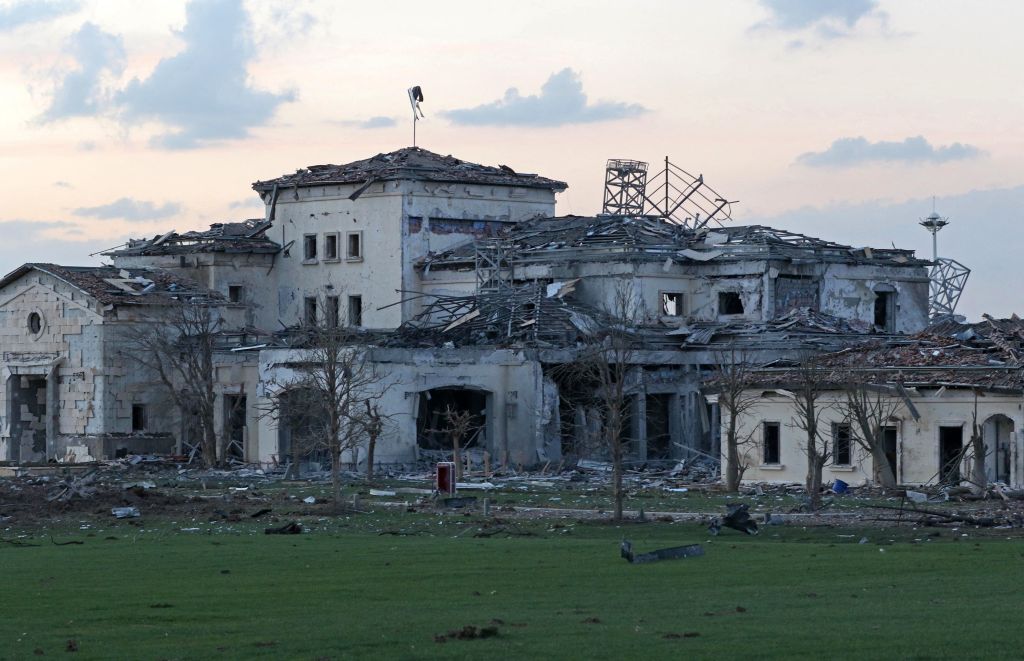
Former Iraqi Prime Minister Dr. Haider al-Abadi joins the program to discuss the country’s fight against ISIS, Iraqi politics and the challenges of reform. Dr. al-Abadi has a new book out, entitled “Impossible Victory: How Iraq Defeated ISIS” (Biteback Publishing, April 2022).
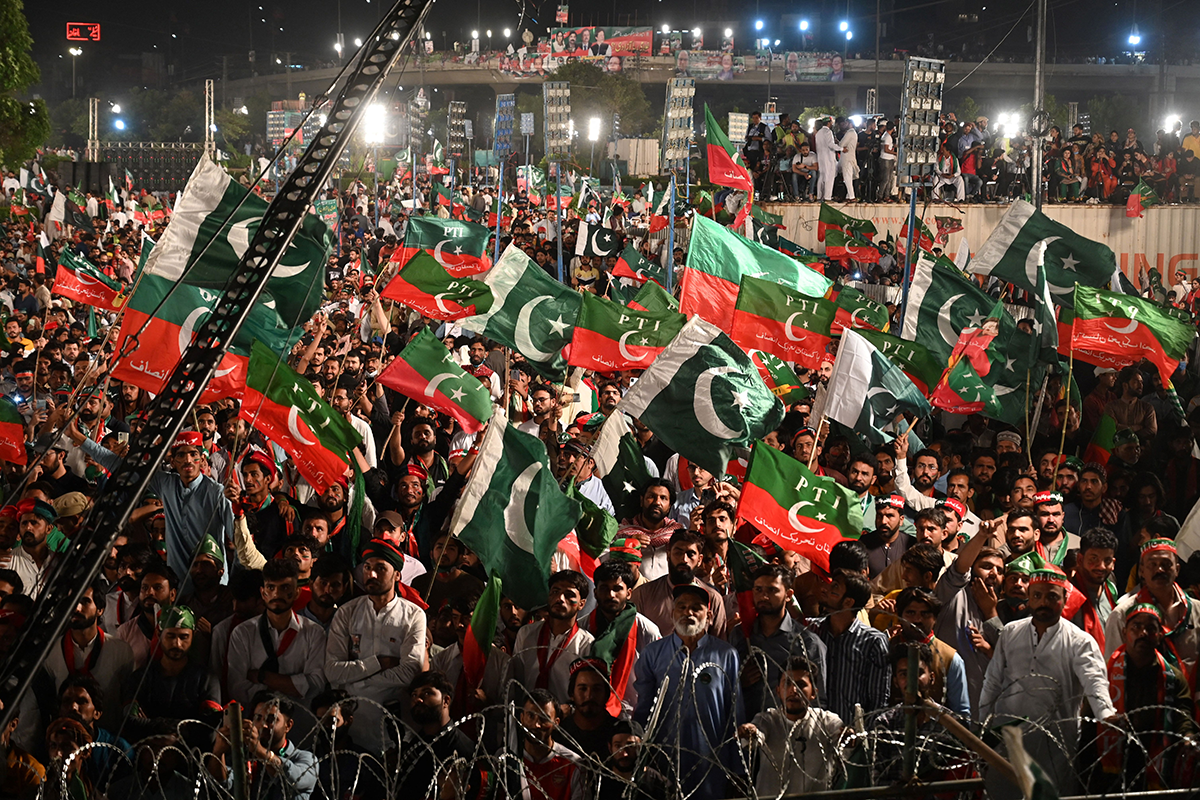
Has Imran Khan’s ouster opened a Pandora’s box in Pakistan?
Khan’s removal has served to galvanize and perhaps even expand his support base and his opponents among the senior brass of the army and in the political class have unwittingly rehabilitated his public image. As Khan’s political fortunes have improved, the new coalition government is struggling to handle the hot potato of a deteriorating economy and the army is facing criticism unprecedented in recent years.
In a room at the old Mosul Museum, a young Moslawi singer closes his eyes in a moment of rapture. Singing next to the museum’s modernist 1974 incarnation still being restored after ISIS’s pillage of it treasures, his voice lifts the hearts of listeners.
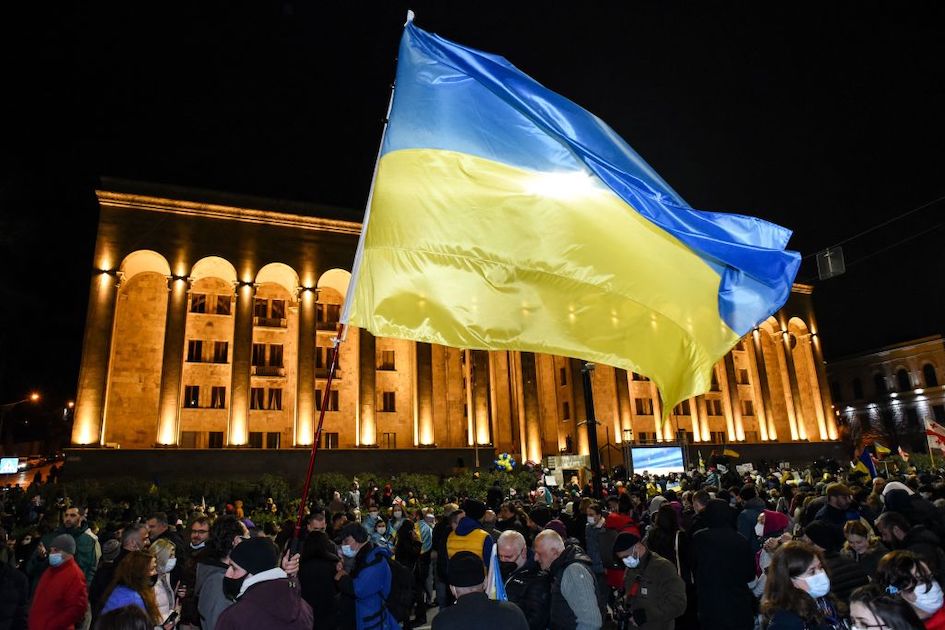
Iraq has refrained from taking a firm position on the war and political opinion on Russia’s conduct is divided along partisan and factional lines. The imposition of sanctions against Russia has complicated its energy investments in Iraq and prospective arms purchases from Moscow and could have a long-lasting adverse impact on the Iraqi economy.
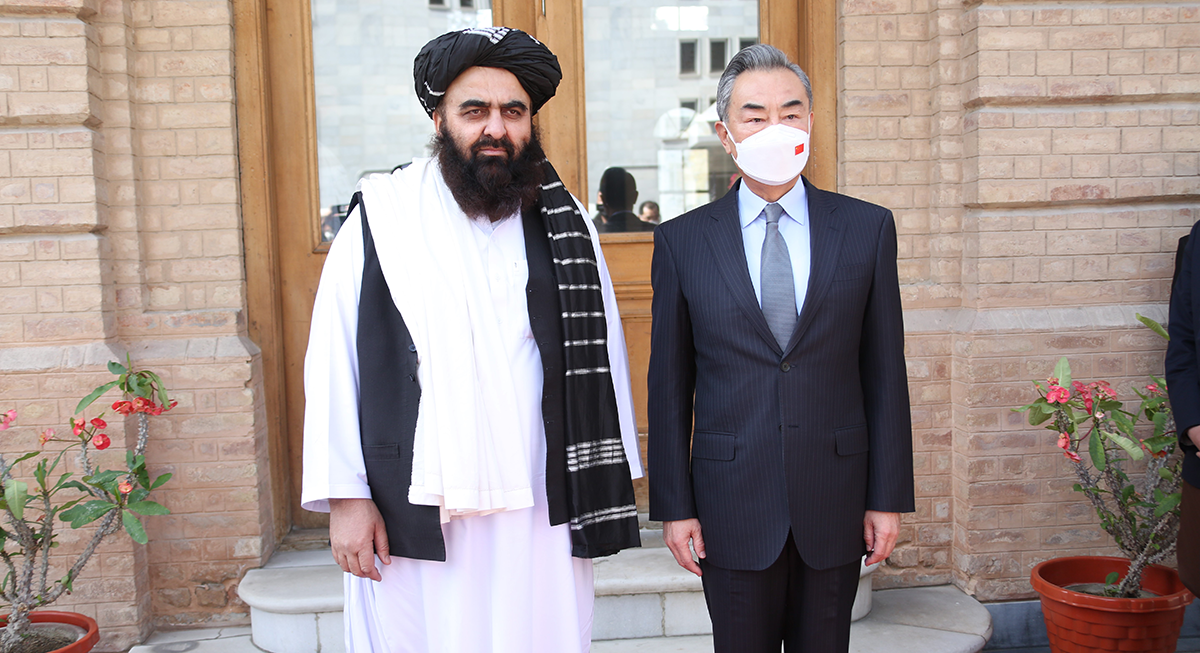
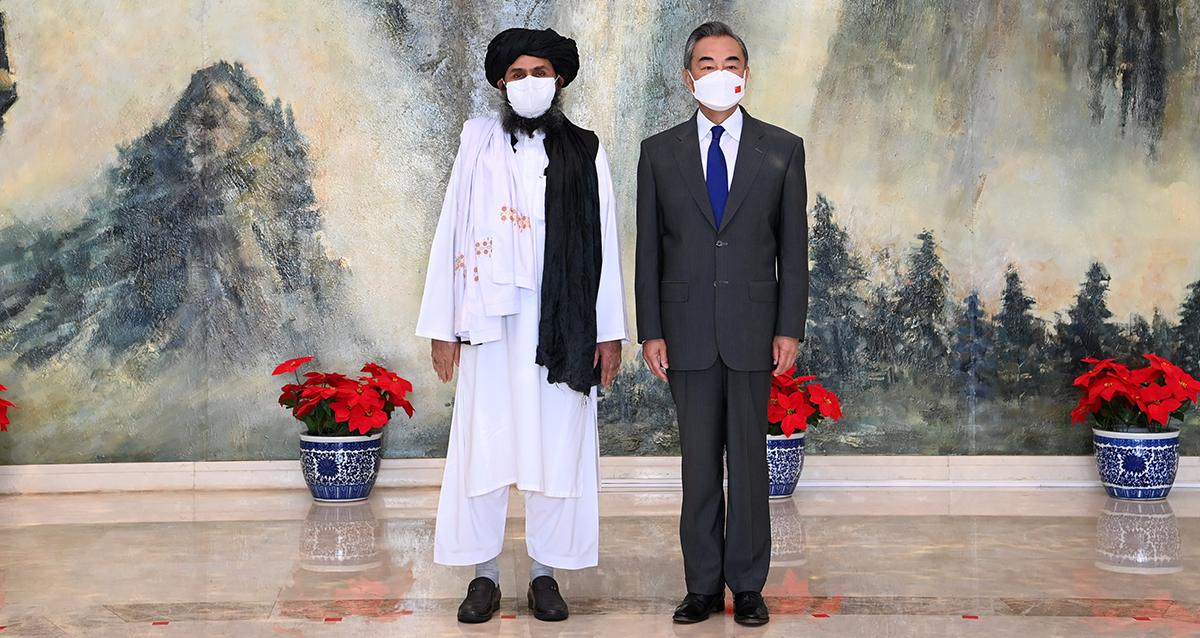
Despite expectations that China, Russia, and other states would try to exploit the Western military departure from Afghanistan, the Taliban’s regime remains unrecognized by any other government. Neighboring countries have not gone beyond limited diplomatic engagement, economic detachment, and security containment.
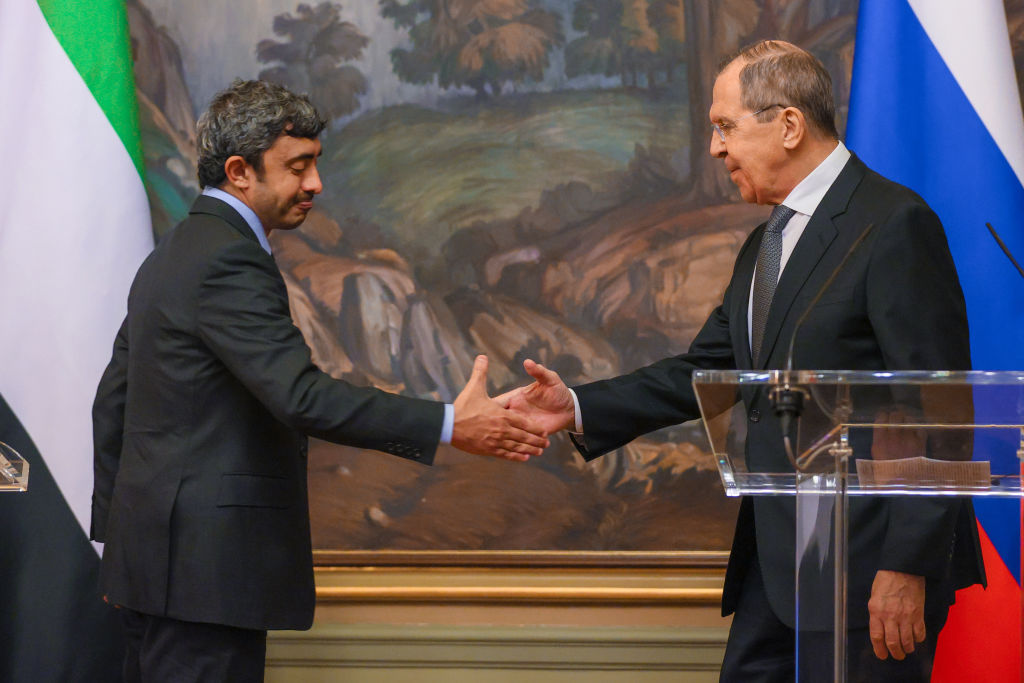
China draws closer to the Taliban as regional foreign ministers prepare to meet in Beijing
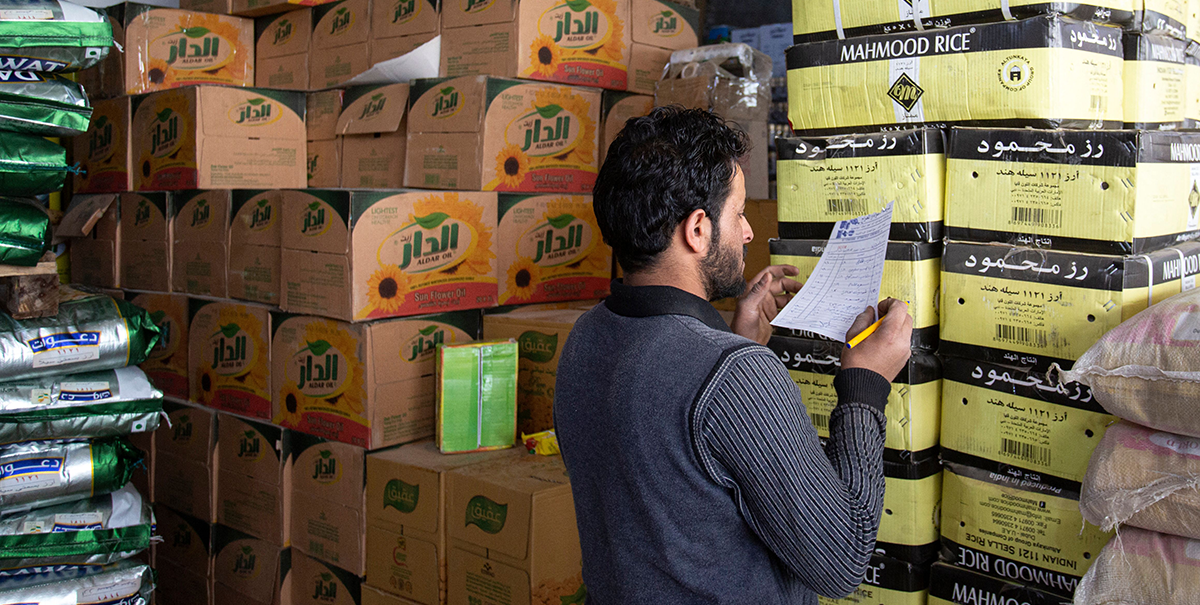
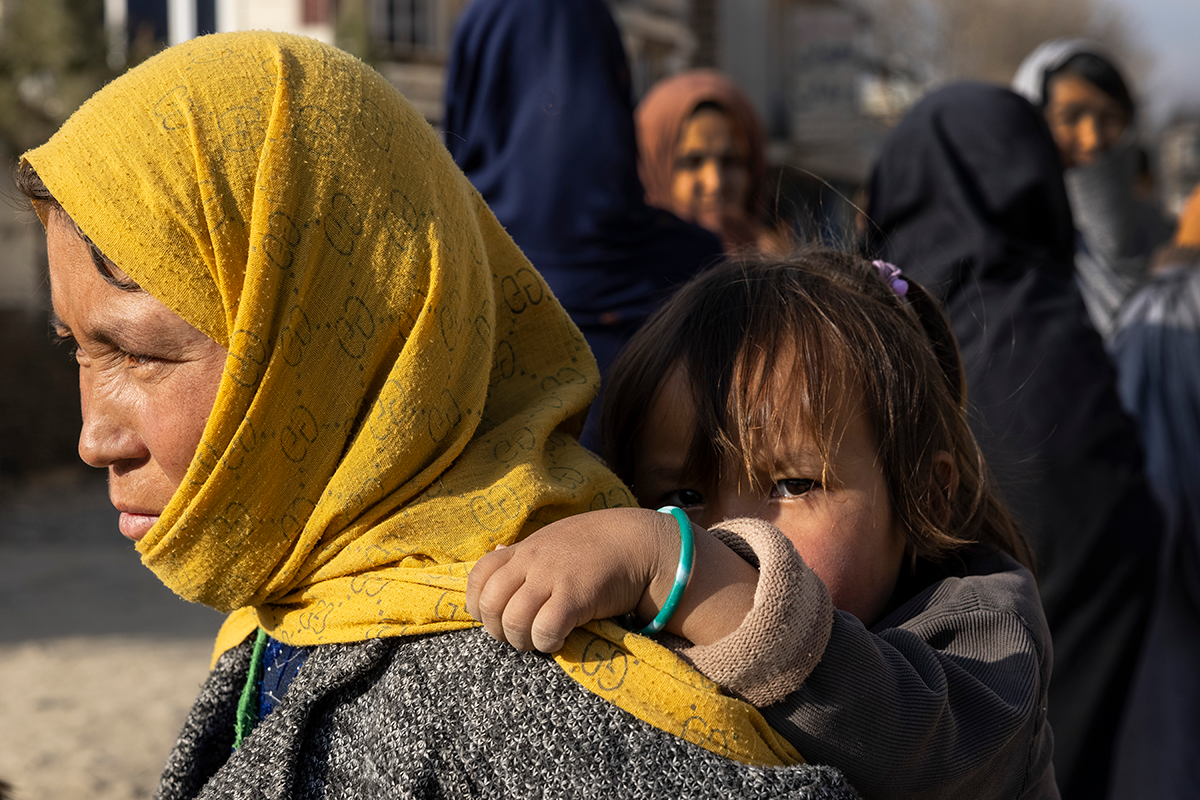
Despite the loss of crucial foreign aid, a deepening food crisis, and a sinking economy, little attention has been given to the effects of Afghanistan’s current political instability on the Taliban’s international relations. The international community has certainly taken an interest in Afghanistan, urging the Taliban to implement reforms, such as political representation for all Afghan ethnicities and respect for women’s rights, particularly when it comes to education and work. For its part, however, China has not let such concerns get in the way of establishing strong ties with the Afghan Taliban.
As global attention shifts further away from Afghanistan to Ukraine and elsewhere, time is running out to change course before the country’s freefall under the Taliban becomes irreversible. The international community needs a two-pronged, interlinked approach to normalize the economy and stabilize the political scene.