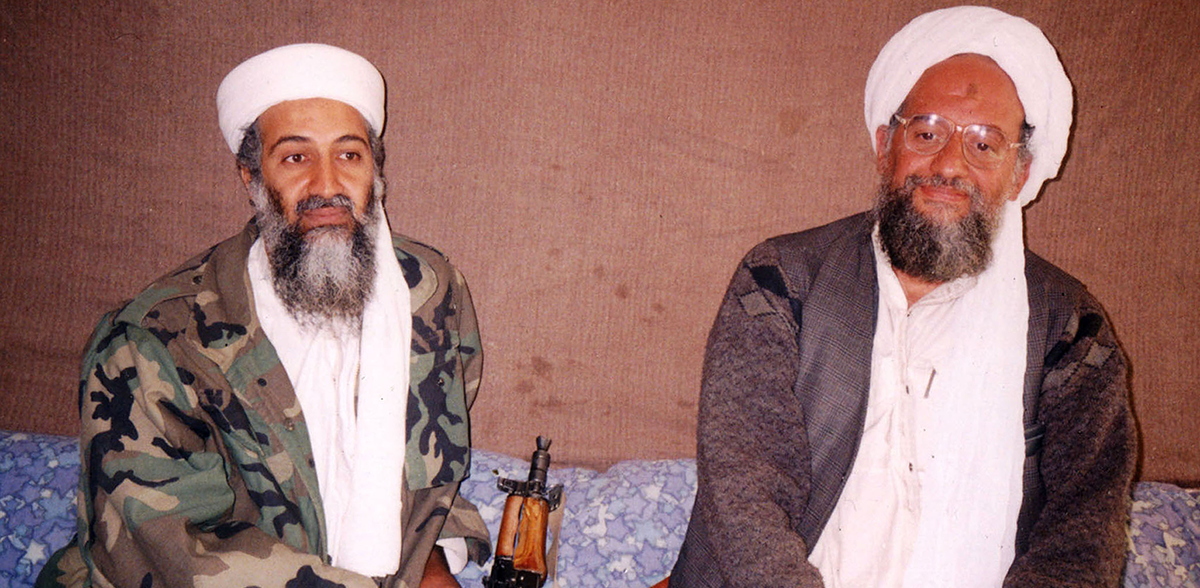
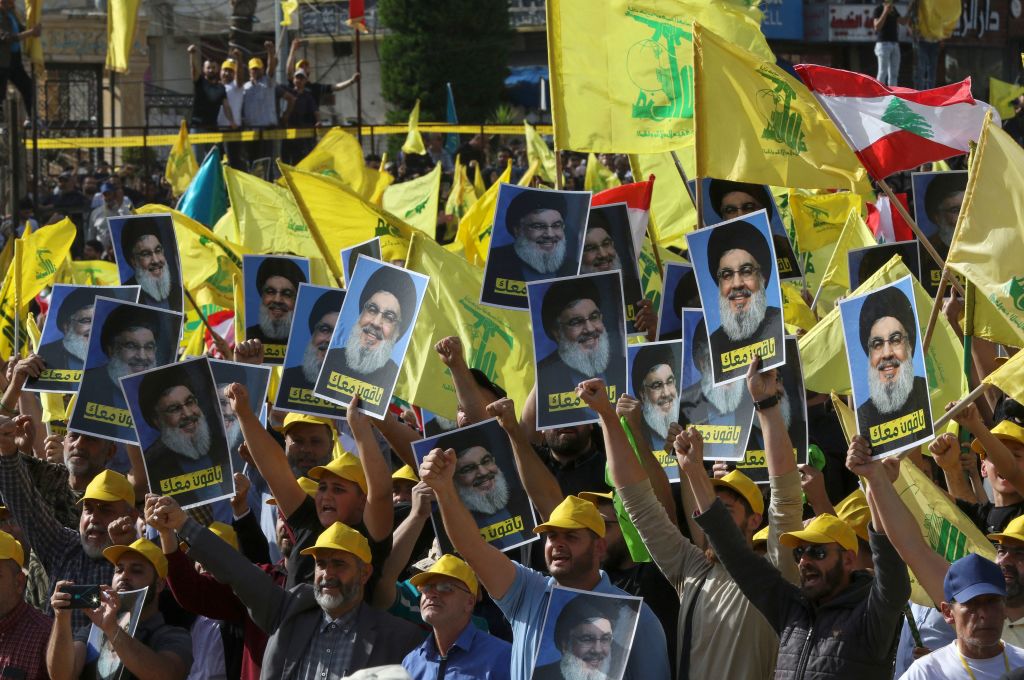
On this week’s episode, host Alistair Taylor explores the ramifications of the CIA drone strike that killed al-Qaeda leader Ayman al-Zawahiri in Kabul, Afghanistan on July 31. Joining the program are three MEI experts — Mick Mulroy, Javid Ahmad, and Douglas London — who bring with them a variety of perspectives, from intelligence to diplomacy.
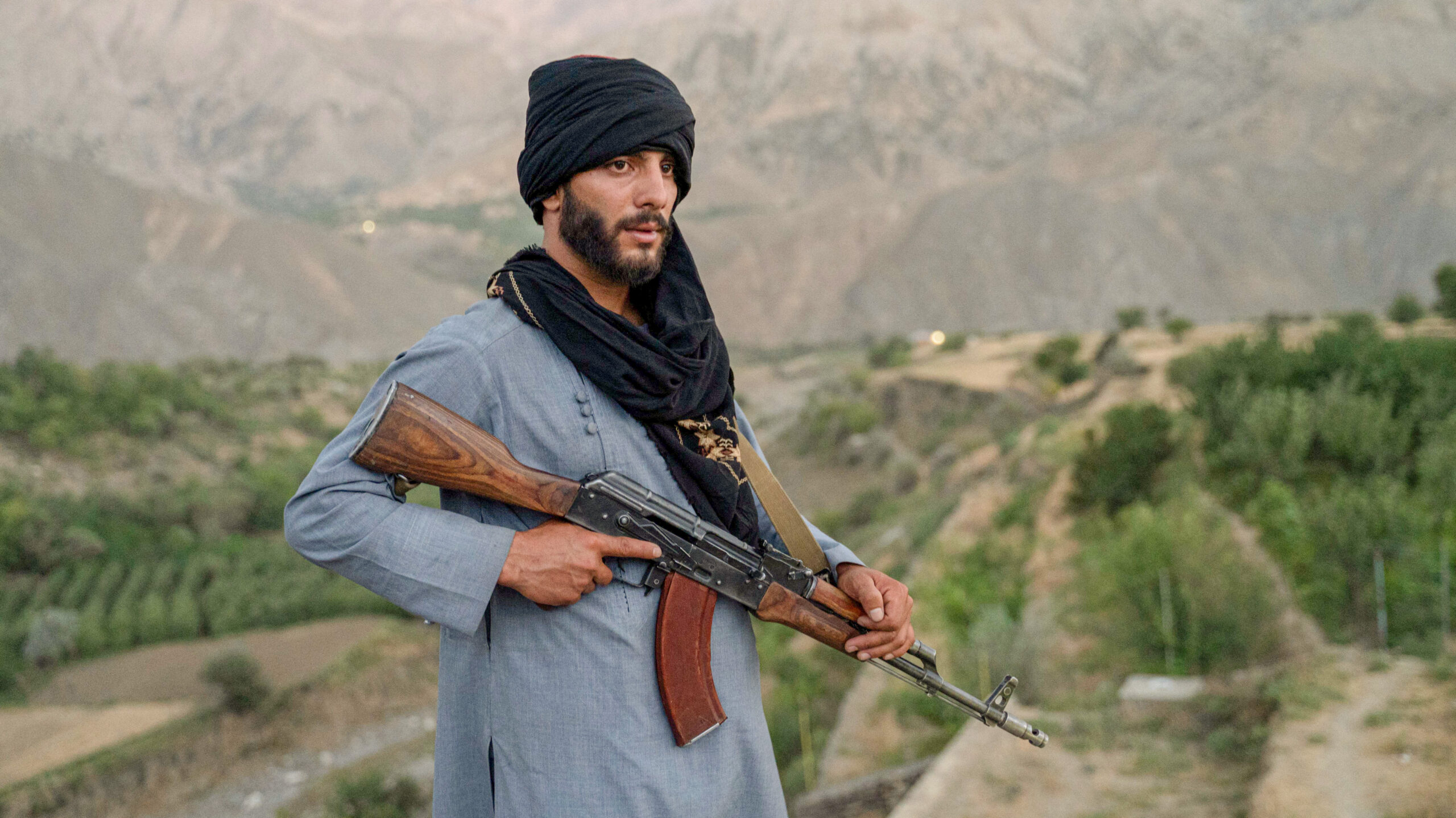
Afghanistan adrift one year after the Taliban takeover
Even prior to al-Qaeda leader Ayman al-Zawahiri’s death in a CIA drone strike on July 31, the last few months have mostly underscored the Taliban’s global isolation and the anguish of the Afghan people. A year on from the Taliban’s takeover of Kabul in August 2021, no foreign government has officially recognized the regime.
Refugees First: A New Approach to Middle East Peace
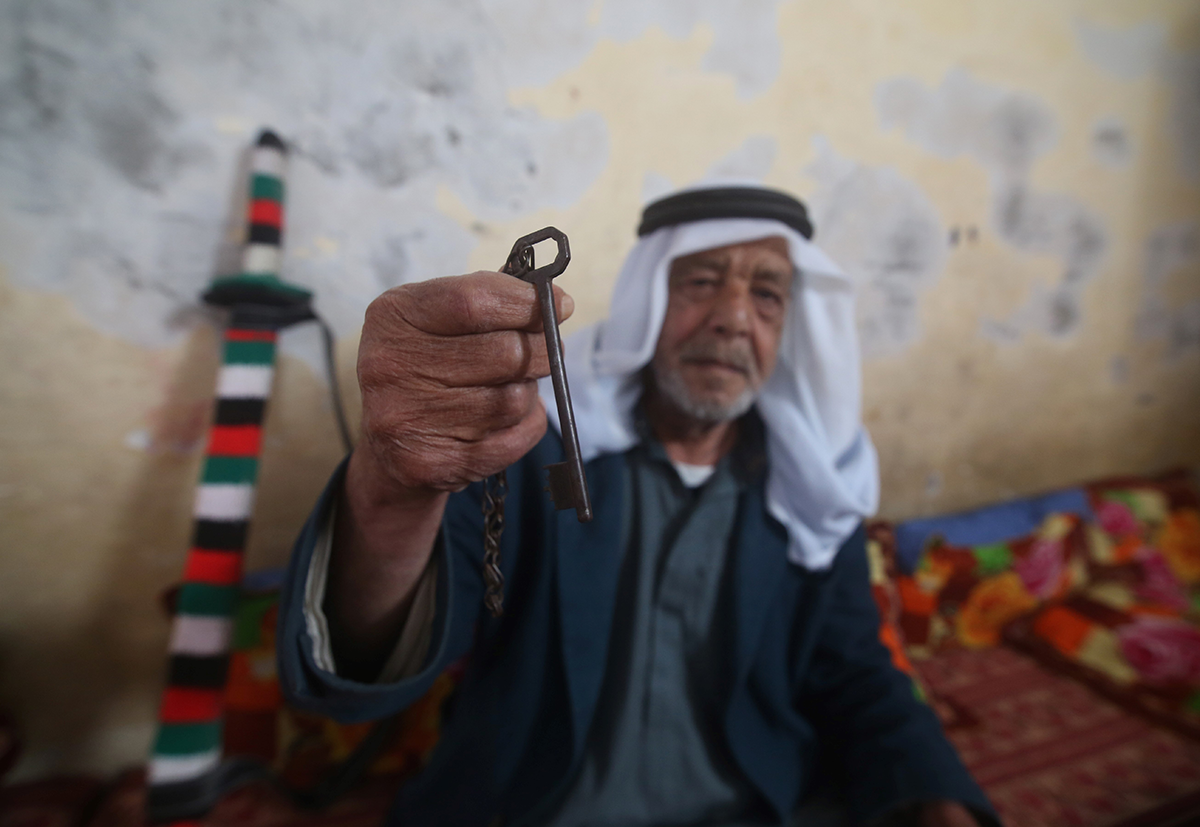
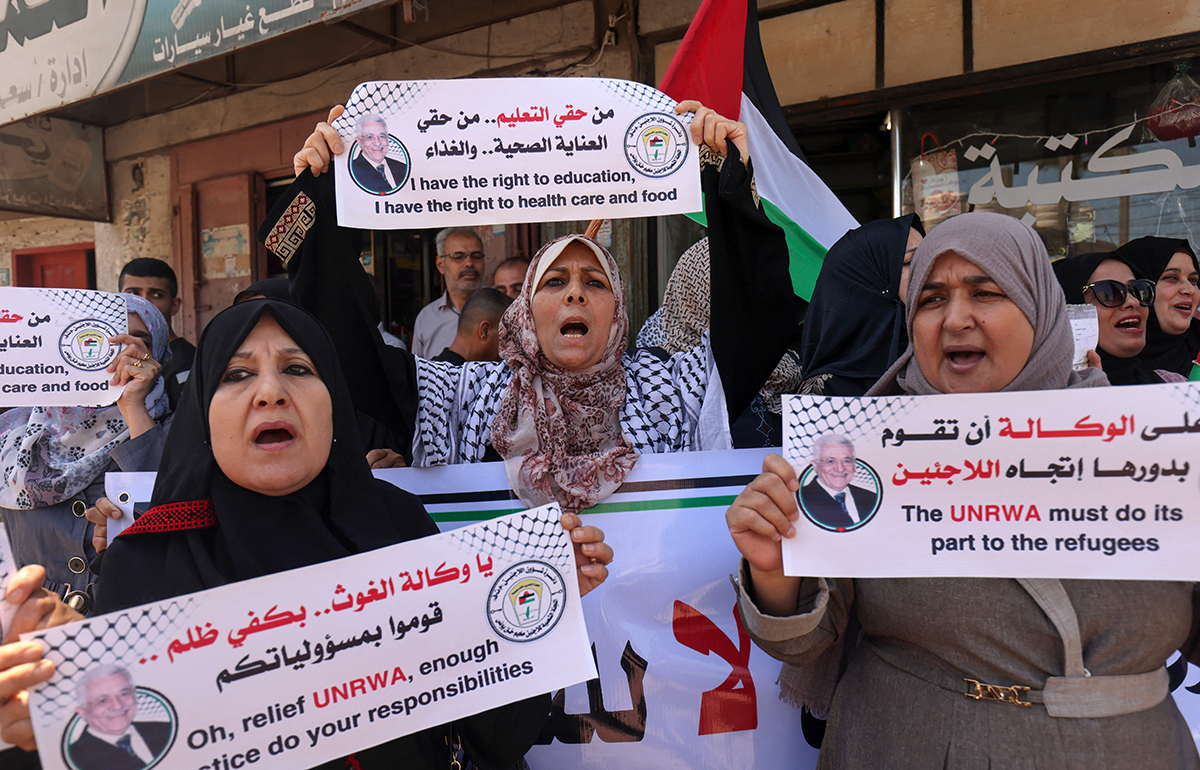
According to UNRWA, there are approximately 6.3 million registered Palestinian refugees across the Arab world. The majority of these are the descendants of the 750,000 Palestinians who were displaced between 1947 and 1949 over the course of Israel’s creation, an event known among Palestinians as the Nakba or “catastrophe.” This paper aims to evaluate past proposals on the refugee question and promote a new refugee-first framework that could produce tangible solutions for Palestinian refugees and for the conflict at large.
Strike on al-Qaeda leader Zawahiri is a major win for US counterterrorism
The death of al-Qaeda leader Ayman al-Zawahiri in a U.S. drone strike outside Kabul over the weekend is a major counterterrorism achievement — and a much-needed triumph for the Biden administration, for whom anything to do with Afghanistan has become an issue of acute discomfort. Since late 2019, Zawahiri has been thought to have been based in eastern Afghanistan, and a number of U.S. officials have suggested that in public. That by itself would seem to indicate a certain level of awareness of his probable whereabouts, but his death in the capital Kabul is astounding.
Fearing a collapse: Palestinian refugees and UNRWA’s worsening financial crisis
In early June 2022, the Advisory Commission of the United Nations Relief and Works Agency for Palestinian Refugees in the Near East met in Beirut. Facing a $100 million budget deficit and the indifference of donor countries, UNRWA’s future is uncertain.
Another blow for the unsteady Israeli coalition government
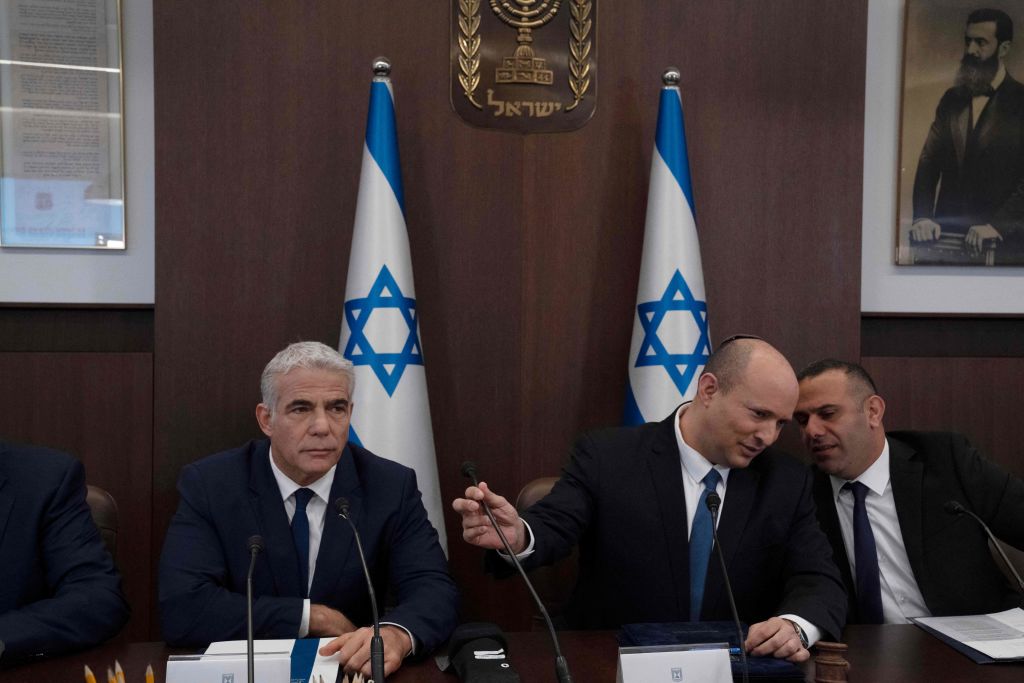
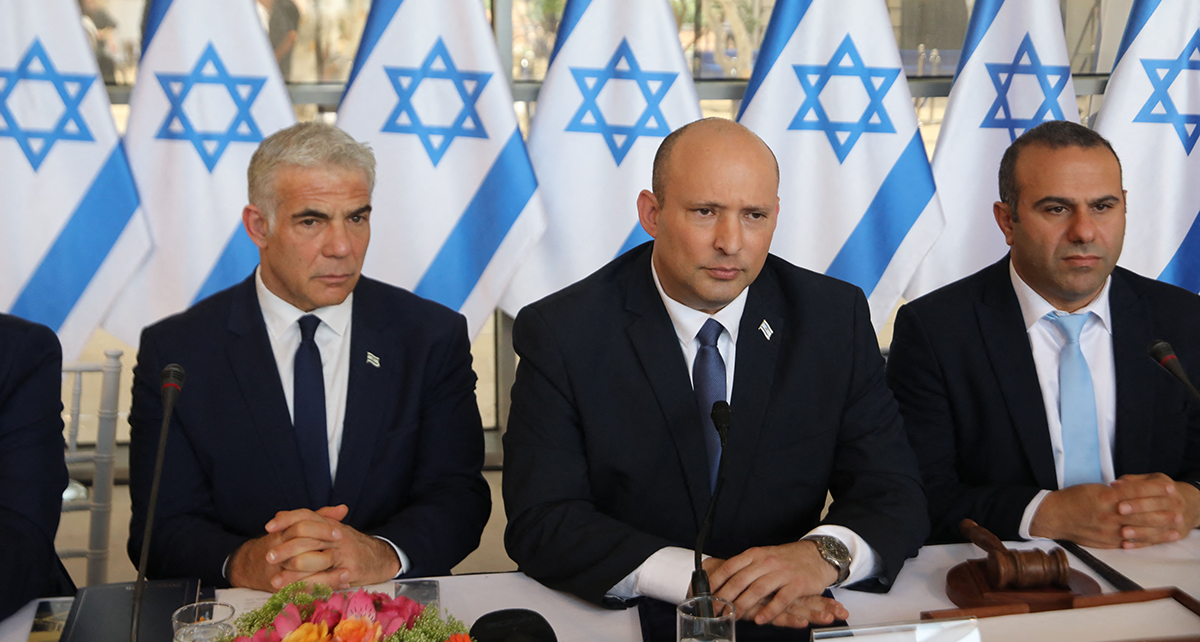
On June 6 Israel’s coalition government lost an important vote, in which more than half of the Knesset members on both sides voted against their own most fundamental beliefs in a desperate effort to either bring down the coalition or to save it. The substance of the legislation was barely more than a pretext, but the opposition smelled blood and was willing to do virtually anything to regain power.
A false alarm or a wake-up call for Israel’s fragile coalition?
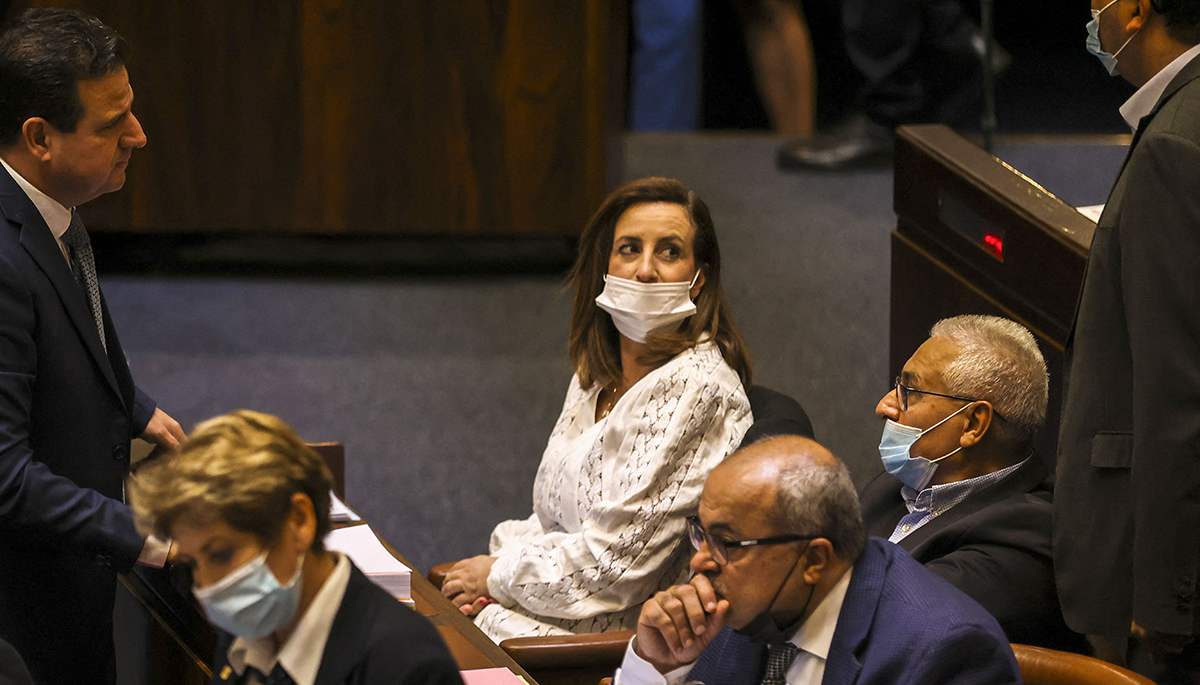
On May 19, Ghaida Rinawi Zoabi, one of Meretz’s two Arab Knesset members, announced she was leaving the governing coalition and her party. On May 22, however, it was announced that she had rejoined both. What happened and what does it tell us about the state of Israel’s fragile coalition government?
The Palestinian Authority’s economic “disengagement” looks a lot like the status quo
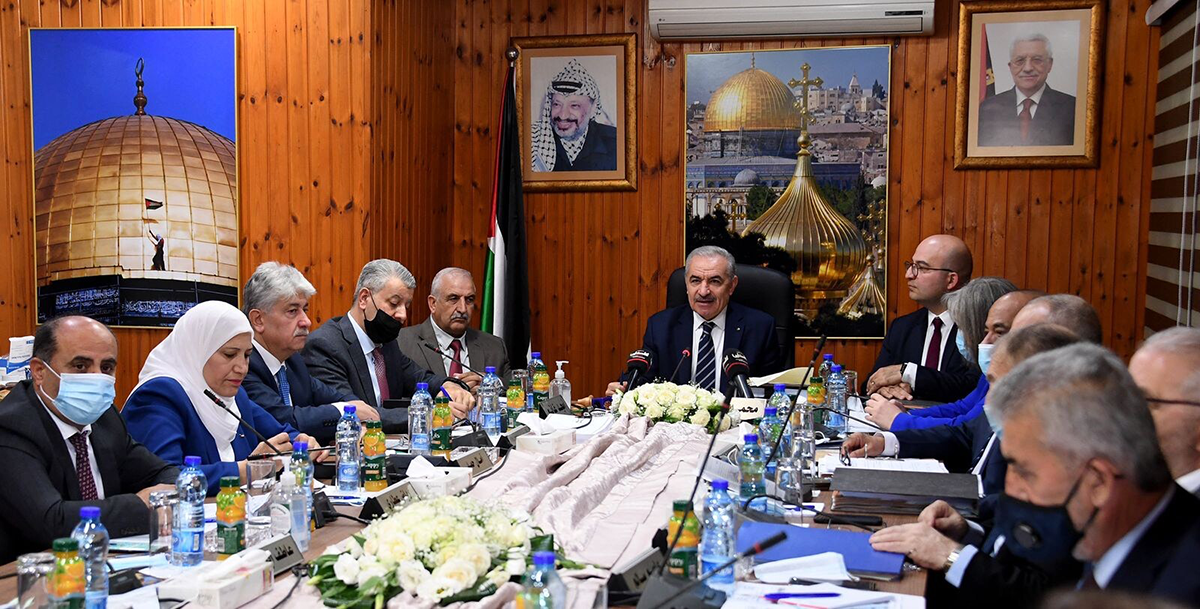
Palestinian Authority (PA) officials repeatedly deny acquiescing to the economic peace model with Israel, but such rhetoric is not reflected in their actions. In recent years integration between the Palestinian and Israeli economies has only deepened.
“Half of us were left behind while one of our colleagues back home was shot dead”
There are certain events that are so impactful that you remember exactly where you were and what you were doing when you heard about them. The killing of Shireen Abu Akleh, the veteran Al Jazeera journalist, last Wednesday in the occupied West Bank was for me just such an event — both because of who she was and what I was doing at the time.
Five things the United States knew about the Nakba as it unfolded
An estimated 750,000 Palestinians were either driven from their homes or fled during the Nakba in 1948. To counter attempts at Nakba denial and “memoricide” by U.S. politicians and others, it is instructive to review the archives of U.S. diplomats stationed in Palestine and surrounding Arab countries who witnessed the Nakba unfold and reported back on the magnitude and gravity of Israel’s dispossession of Palestine’s indigenous inhabitants.