Strike on al-Qaeda leader Zawahiri is a major win for US counterterrorism
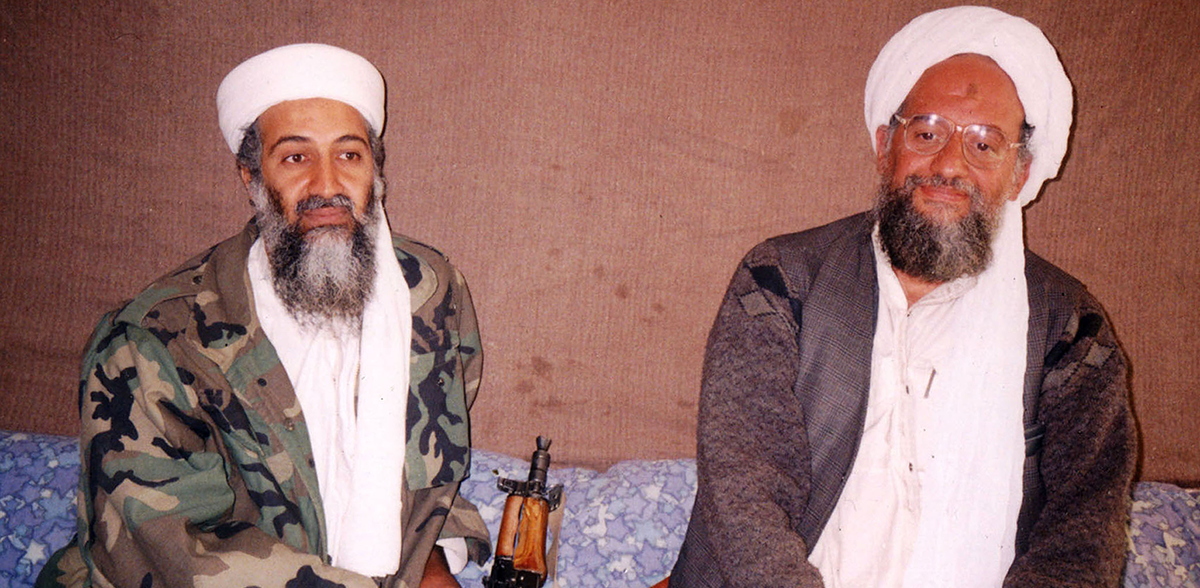
The death of al-Qaeda leader Ayman al-Zawahiri in a U.S. drone strike outside Kabul over the weekend is a major counterterrorism achievement — and a much-needed triumph for the Biden administration, for whom anything to do with Afghanistan has become an issue of acute discomfort. Since late 2019, Zawahiri has been thought to have been based in eastern Afghanistan, and a number of U.S. officials have suggested that in public. That by itself would seem to indicate a certain level of awareness of his probable whereabouts, but his death in the capital Kabul is astounding.
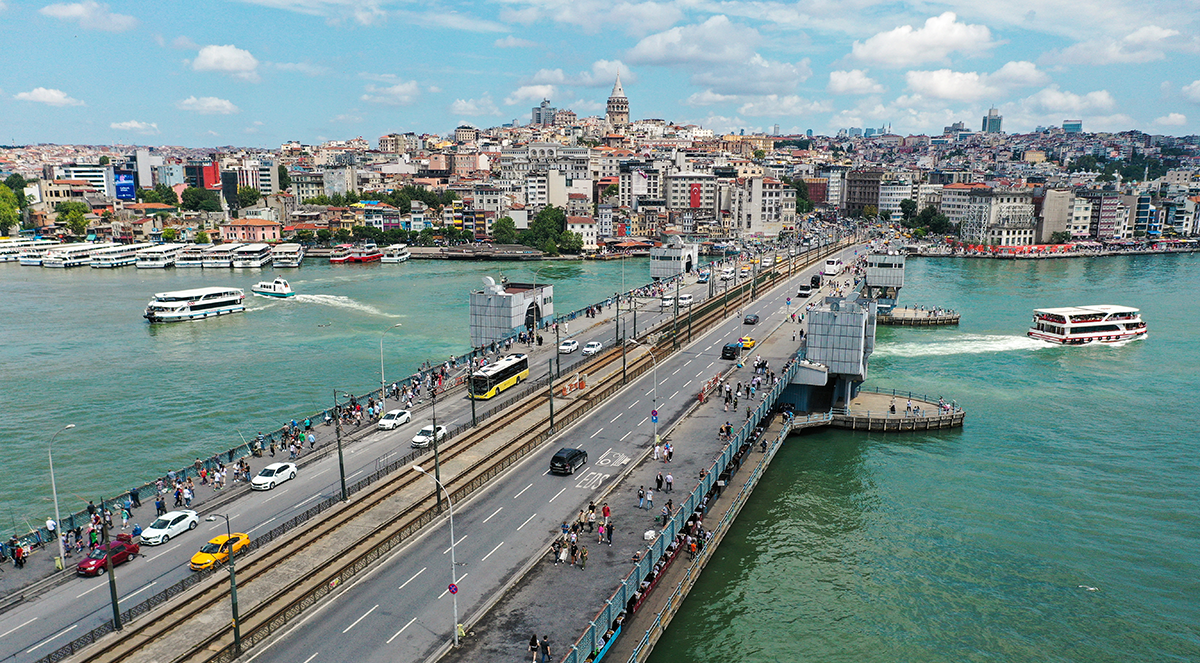
During two days of meetings in May 2022, members of the Middle East Dialogue, convened by MEI, met in Istanbul, Turkey to discuss pressing issues relating to: i) the effects of the war in Ukraine on the MENA region; ii) current and future projections regarding Gulf relations with Iran, amid the stalemate over a revival of the 2015 JCPOA; iii) the future pathways and security framework for the MENA region; and iv) the Baghdad Declaration of Good Neighborhood Principles for the Middle East. This meeting brought together policymakers, academics, and experts from across the MENA region. This report provides an analytical understanding of the issues discussed and recommendations shared during the meeting.
Iran’s Revolutionary Guard and the Rising Cult of Mahdism: Missiles and Militias for the Apocalypse
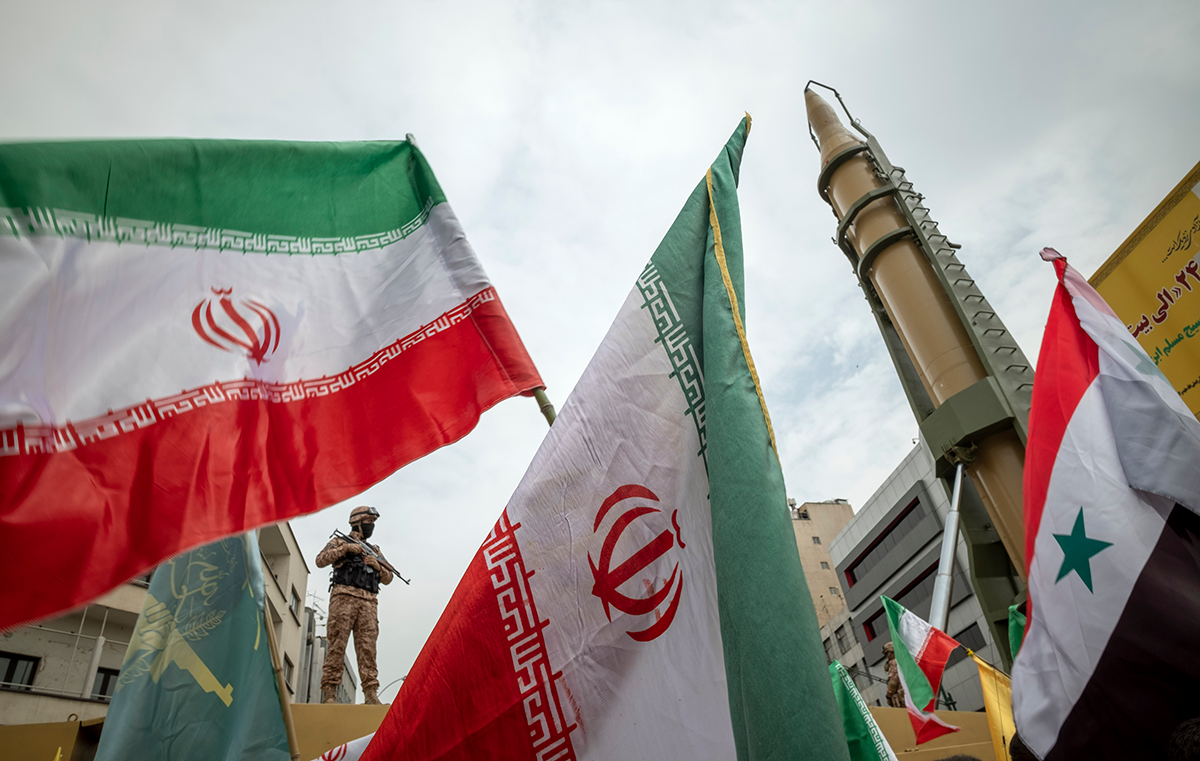
As the U.S. administration considers whether to remove Iran’s Islamic Revolutionary Guard Corps as a foreign terrorist organization, understanding its nature, development, and ideology is essential to making an informed decision. There is much about it that differentiates it from a conventional armed force. One fundamental aspect of its ideology that until now has been overlooked is the doctrine of Mahdism.
Former Iraqi Prime Minister Dr. Haider al-Abadi joins the program to discuss the country’s fight against ISIS, Iraqi politics and the challenges of reform. Dr. al-Abadi has a new book out, entitled “Impossible Victory: How Iraq Defeated ISIS” (Biteback Publishing, April 2022).
«داعش» يتعافى في سوريا… لكن الحاجة ماسة إلى الاستقرار
عندما لقي تنظيم داعش الإقليمي الهزيمة في سوريا قبل أكثر من ثلاث سنوات، احتفل العالم بإنجاز تاريخي. فعلى مدار خمس سنوات، حشد تحالف ضم أكثر من 80 دولة موارده المشتركة لدحر «داعش» في سوريا والعراق، والتصدي للجماعة الإرهابية على الإنترنت، ودحر شبكاتها المالية والشركات التابعة لها المكتشفة حديثاً في جميع أنحاء العالم.
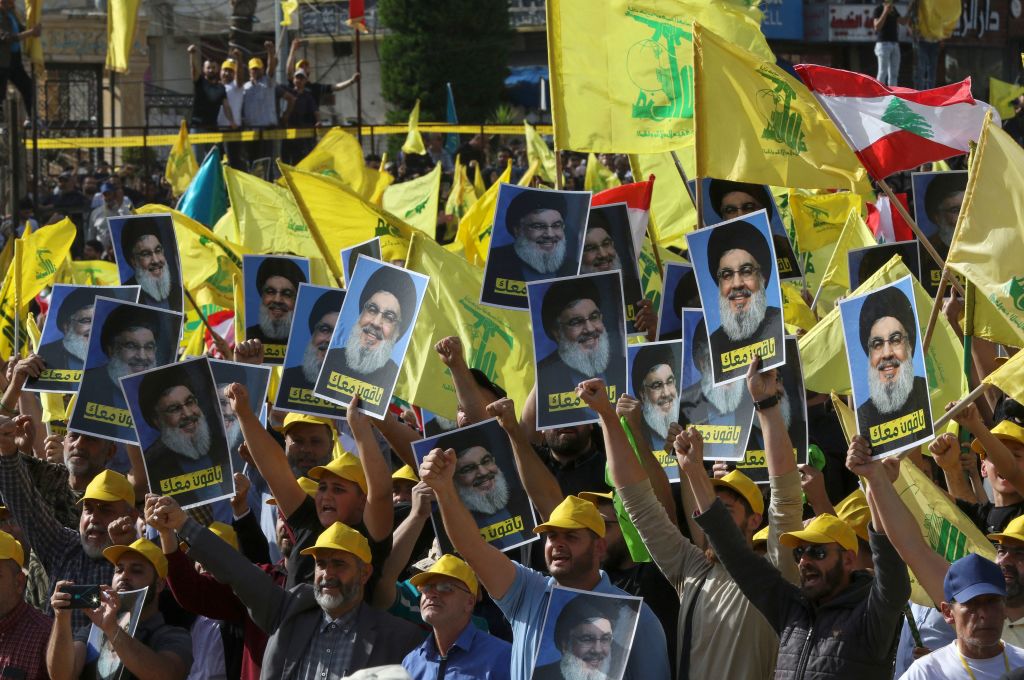
Randa Slim and Amb. Edward Gabriel discuss the daunting trifecta of economic, financial, and political crises Lebanon currently faces and what they anticipate for the country’s future.
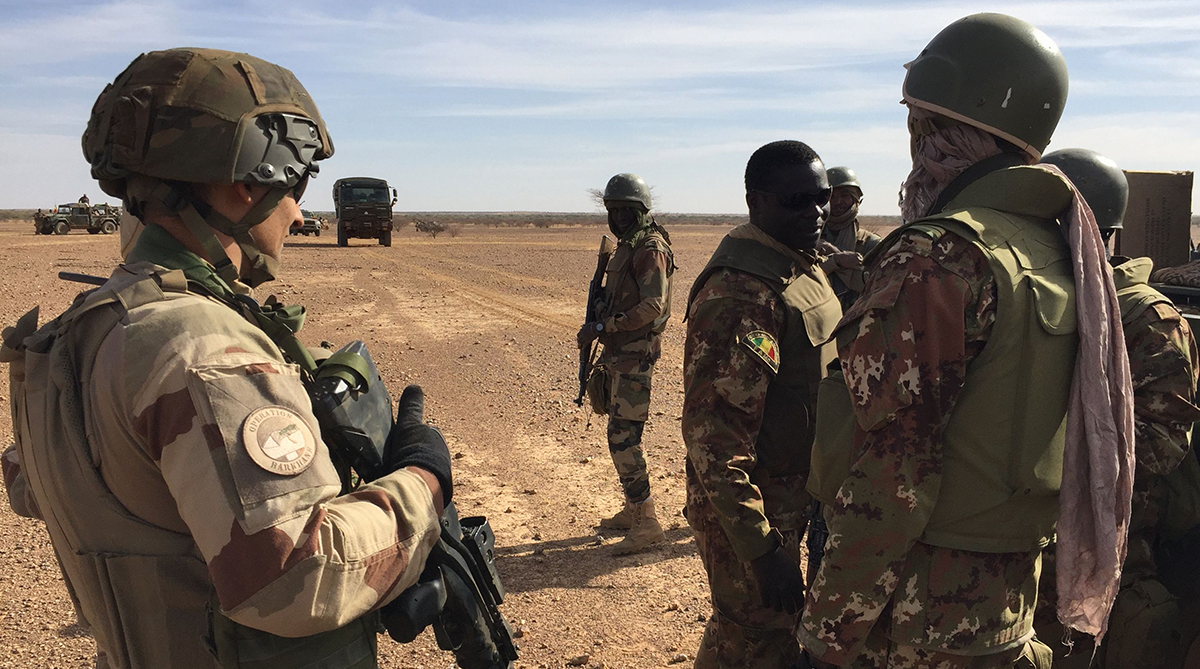
On Feb. 17, French President Emmanuel Macron announced the coming withdrawal of French armed forces from Mali. The decision put an end to nine years of French military intervention in the West African country.
تنقسم الحكومات العربية إلى ثلاثة معسكرات حول موقفها من الغزو الروسي لأوكرانيا: المعسكر الأول الموالي لروسيا، وكما هو متوقع فإنه يضم سوريا، التي سارعت إلى الاعتراف باستقلال المنطقتين الانفصاليتين المنشقتين في شرق أوكرانيا وأبدت استعدادها للانضمام إلى القتال الروسي؛ والمعسكر الثاني المناهض للغزو والذي يضم لبنان والكويت؛ أما الفريق الثالث فيضم الدول المترددة ويشمل القوى الإقليمية مثل السعودية والإمارات ومصر.
يعكس بيان جامعة الدول العربية في 28 فبراير/شباط موقف المترددين: فهو لا يذكر روسيا، ويشير إلى الغزو على أنه “أزمة”، ويدعو إلى حل دبلوماسي.
The Pakistani Taliban’s radical rebranding: Is there more than meets the eye?
In a statement released on Feb. 12, the Tehreek-e Taliban Pakistan (TTP) distanced itself from international terrorism, declaring that its violence was singularly focused on Pakistan. While the TTP’s recent comments on America are unprecedented, they do fit into its broader rebranding effort under the leadership of Noor Wali Mehsud, who took over the group in 2018.
تفاصيل هجوم "داعش" على سجن الصناعة في مدينة الحسكة السورية
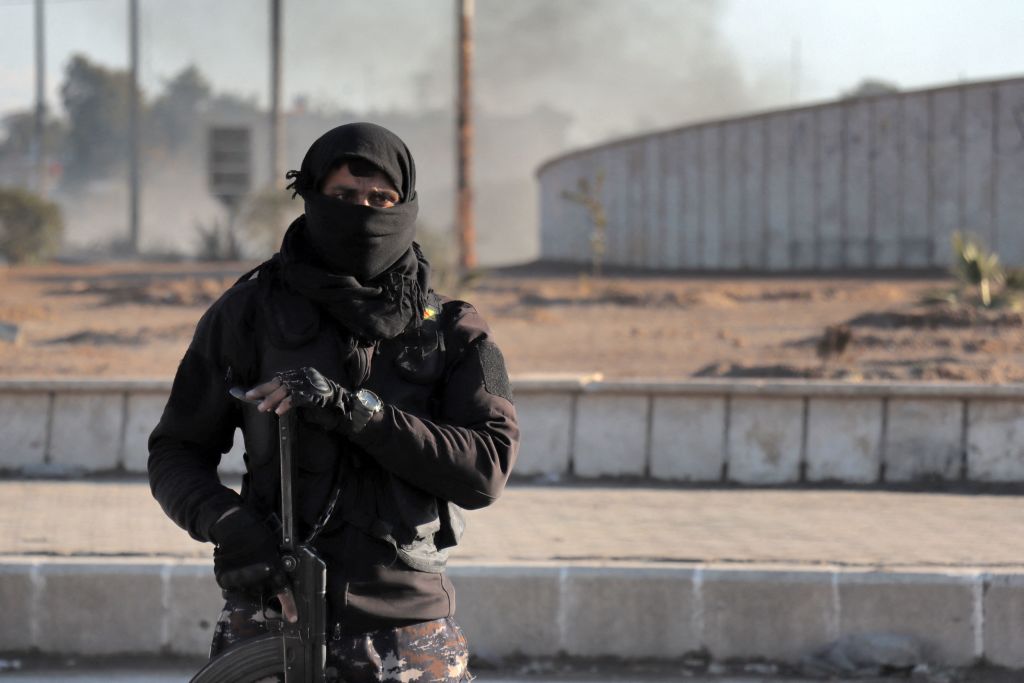
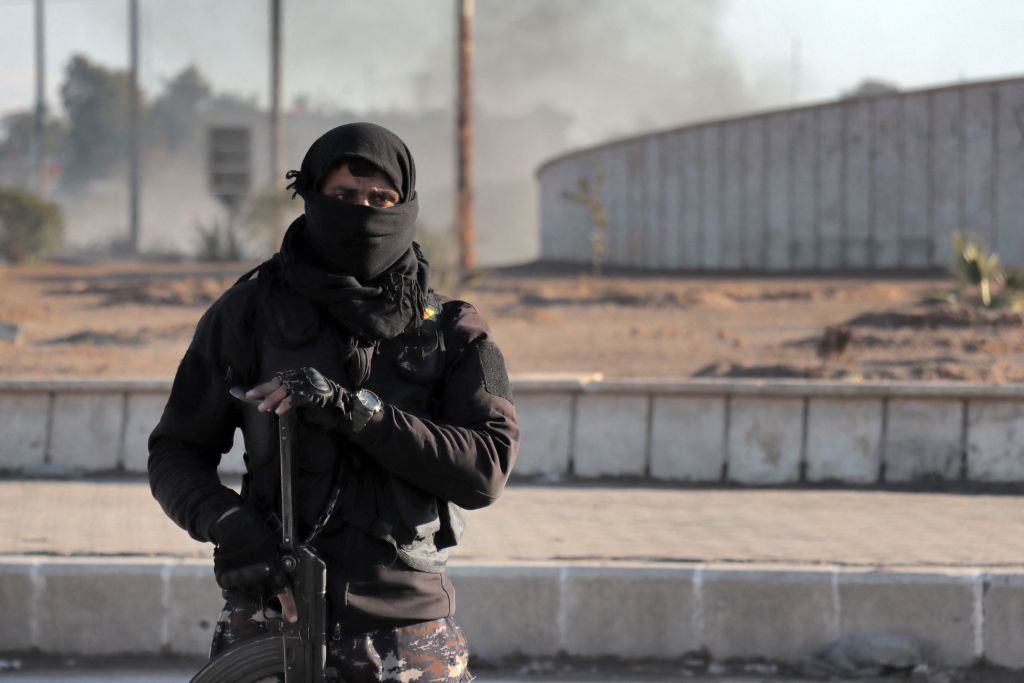
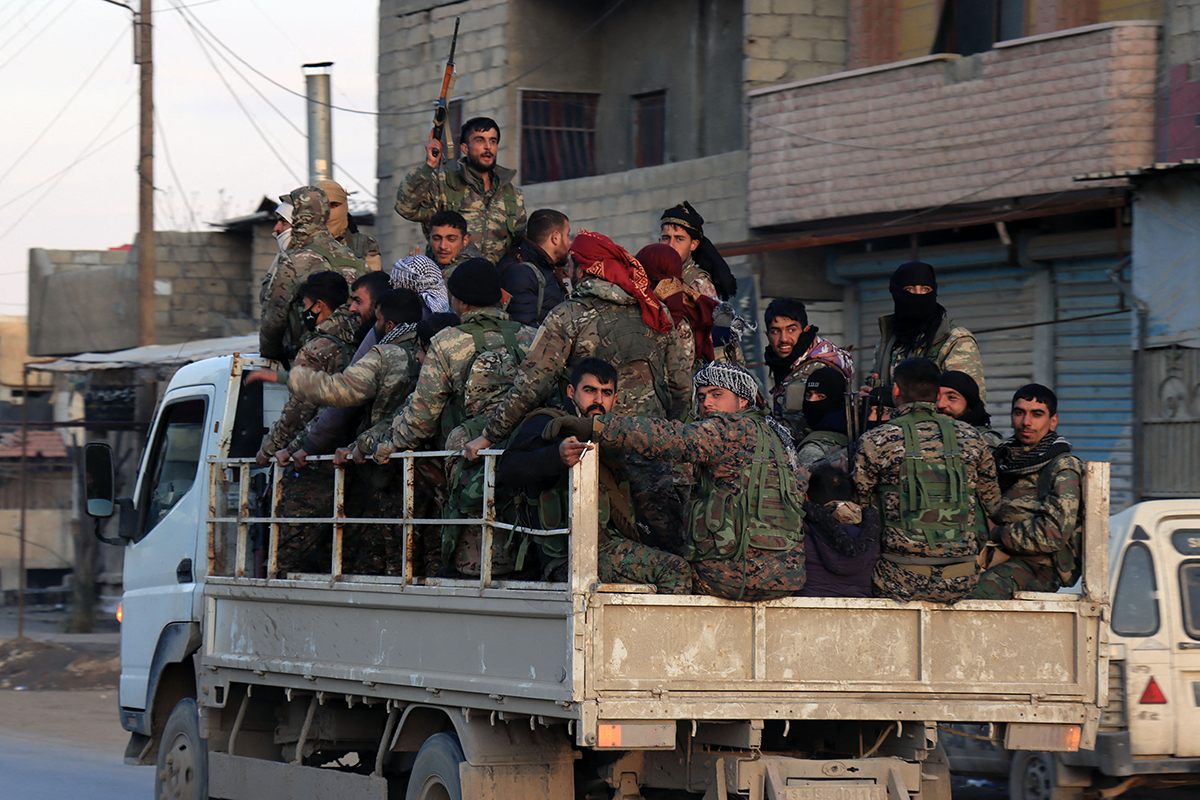
في العشرين من شهر كانون الثاني/ يناير، هاجمت مجموعات تابعة لتنظيم “داعش”، سجن الصناعة الواقع في الجهة الجنوبية لمدينة الحسكة أقصى شمال شرق سورية، الهجوم الذي أستمر لقرابة تسعة أيام، أنتهى بمقتل العشرات من مقاتلي التنظيم ومعتقليه داخل السجن، إضافة لمقتل قرابة 140 عنصراً من قوات سوريا الديمقراطية وحامية السجن التابعة لها.