Weekly Briefing: Syria Talks at G20 Summit, Russian Moves on Israel-Palestine, and Iran Energy Policy
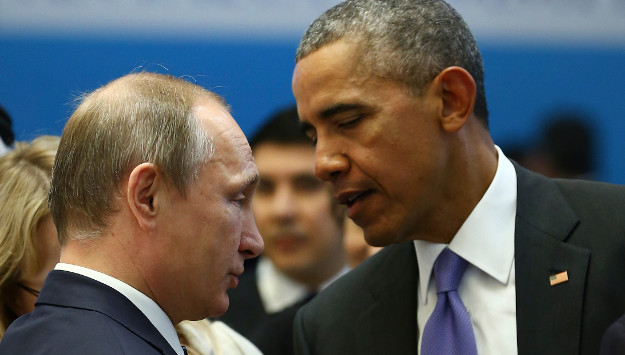
In this issues of MEI’s weekly briefing, contributors Daniel Serwer, Randa Slim, Eran Etzion, and Alex Vatanka provide analysis on recent and upcoming events including discussions between the United States, Russia and Turkey on Syria policy at the G20 Summit, the Syrian opposition’s transition plans, Russian moves on Israel-Palestine, and Iran’s energy policy.
Informal Networks and Political Transitions in the MENA and Southeast Asia
This collection of essays, inspired by Sean Yom’s piece “Arab Civil Society: Weaker but Deeper,” seeks to “peer into hidden spaces of resistance not captured by the formal sector” and is thus intended to complement the MAP series on
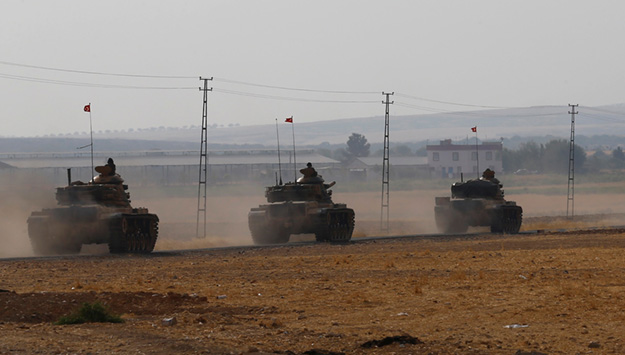
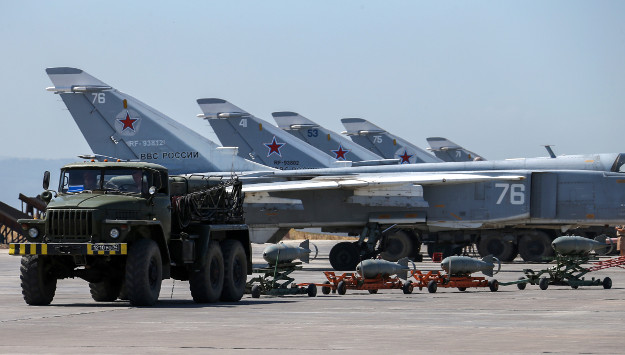
Turkey’s intervention in the Syrian conflict signals a new milestone in the five-year-old Syrian crisis, with its insertion as a new direct player certain to further complicate the dynamics of this already complicated conflict. Turkey’s Operation Euphrates Shield in northern Syria wasn’t a surprise with respect to the concept—the Turks have been advocating a safe zone for several years—but it was so in terms of timing, just six weeks after the failed coup attempt.
Monday Briefing: Turkish Incursion into Syria, OPEC Meeting
In this week’s Monday Briefing, MEI experts Gonul Tol, Daniel Serwer, and Jean-François Seznec provide analysis on recent and upcoming events including the Turkish intervention in Syria, and next month’s OPEC meeting in Algeria.
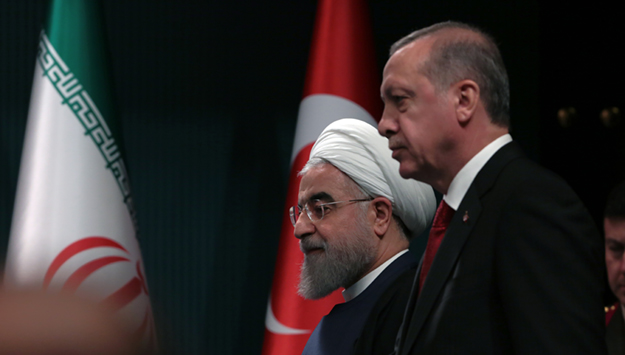
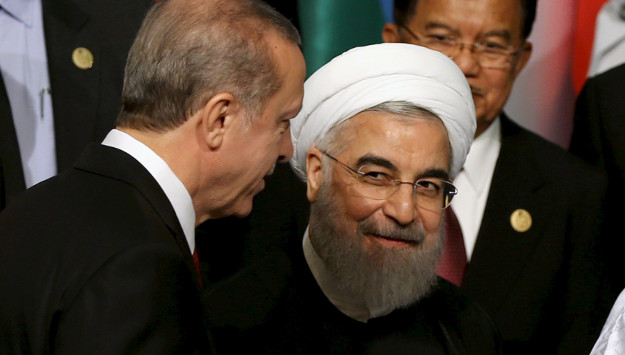
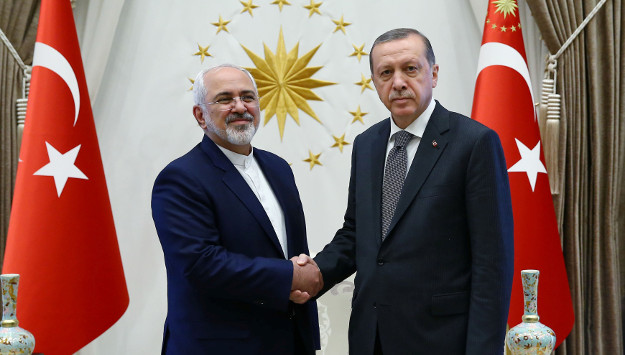
Turkish President Erdogan is about to make a high-profile visit to Tehran. The trip is not just about a potential warming of relations between Ankara and Tehran but some think it might become a turning point and herald a new regional alignment on how to end the Syrian civil war.
G.C.C., Iran Look to Sea Trade to Reduce Dependence on Oil
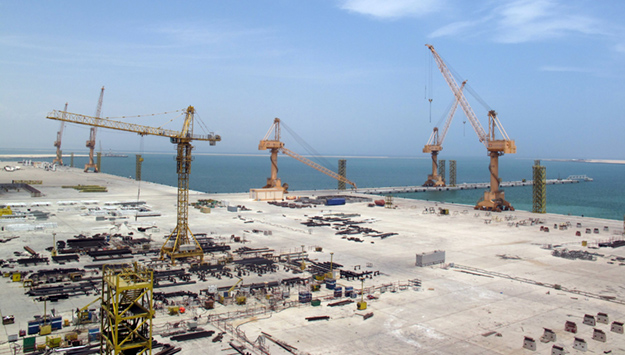
Continuing low oil prices have prompted Persian Gulf states to diversify their heavily petro-dependent economies. This issue is forcing the oil-rich states to invest and expand their potential as international trade hubs as a pathway away from the time bomb of single commodity exports. As many Gulf states have outlined in economic plans, as well as developed on the ground, maritime trade is an increasingly essential link connecting the Middle East to the global economy.
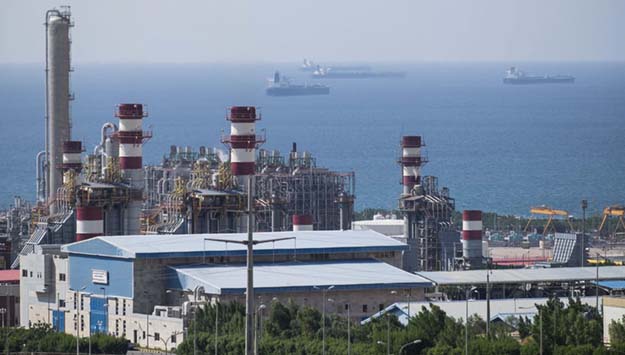
Iranian oil sales have nearly doubled since sanctions were lifted on its oil exports in January 2016. In fact, Iran is recovering market share faster than many experts had expected.
Several factors have contributed to this development, including that Iran has—
Monday Briefing: Turkey's Iran Outreach and Regional Diplomatic Strategy
In this week’s Monday Briefing, MEI experts Gonul Tol, Alex Vatanka, Charles Schmitz, and Robert S. Ford provide analysis on current issues including Turkey’s regional diplomacy as President Erdogan is set to visit Tehran, the Iranian perspective on Turkey’s role in the region, Secretary Kerry’s visit to Saudi Arabia amid renewed fighting in Yemen, and ongoing attempts to broker a cease-fire deal in Syria.
Monday Briefing: India FM to Visit Iraq and Syria; Iran-Turkey Relations After the Failed Coup; Afghanistan's Fractured Government
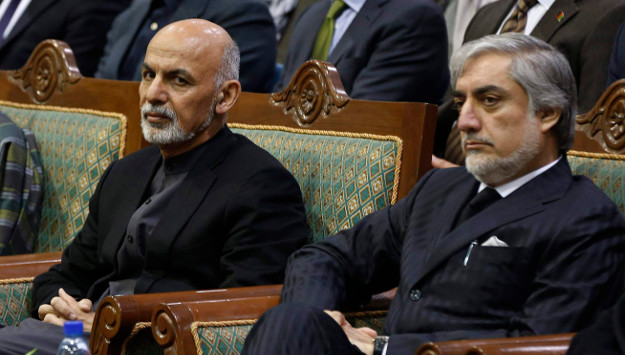
In this week’s Monday Briefing, MEI experts Zubair Iqbal, Alex Vatanka, and Marvin G. Weinbaum provide analysis on issues including India’s Middle East policy as its foreign minister is set to visit Iraq and Syria, the opening of relations between Iran and Turkey following the latter’s recent failed coup, and the latest signs of tension within Afghanistan’s shaky unity government.
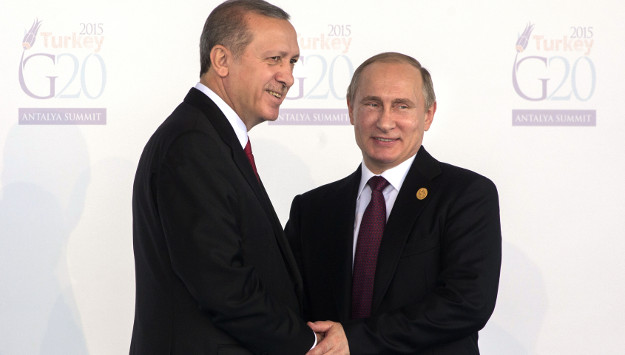
Monday Briefing: Erdogan Reaching Out to Russia; Update on Battle for Aleppo
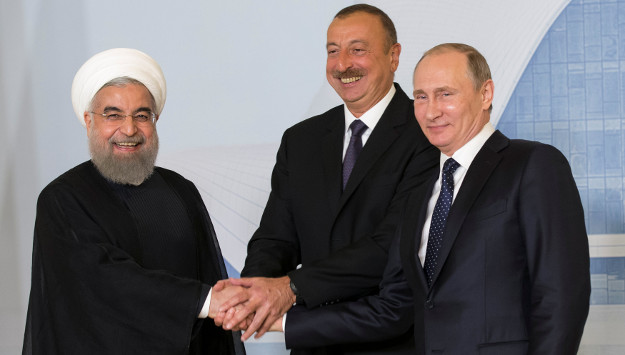
In this week’s Monday Briefing MEI experts provide analysis on recent and upcoming events including Turkish President Erdogan’s trip to Russia tomorrow, Iranian President Rouhani’s upcoming meeting with President Putin in Baku, the ongoing battle for Aleppo, strains in U.S.-Pakistan relations over the Haqqani Network, and what’s next for Tunisia’s political transition following the vote of no confidence in the current government.
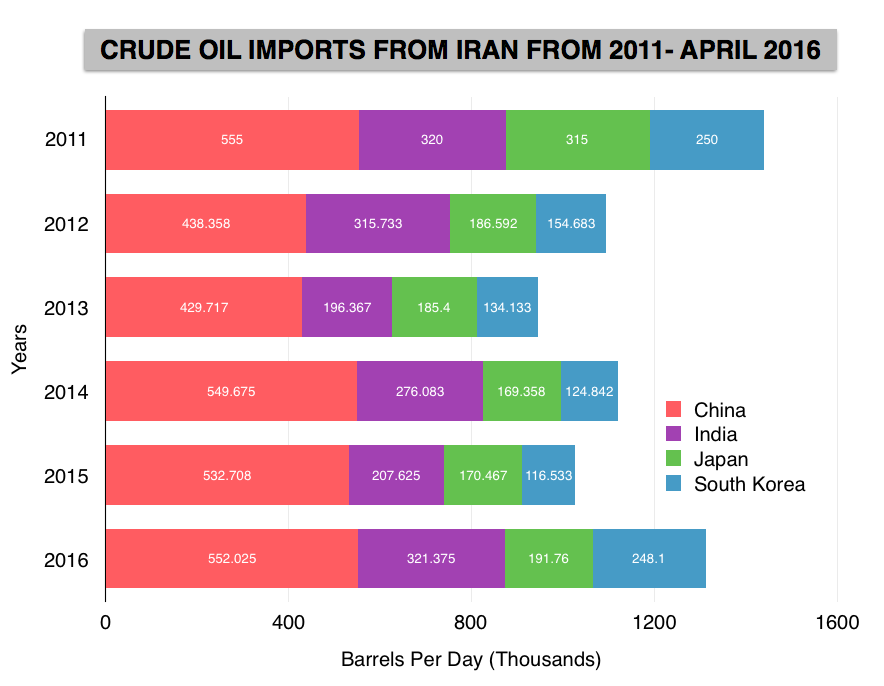
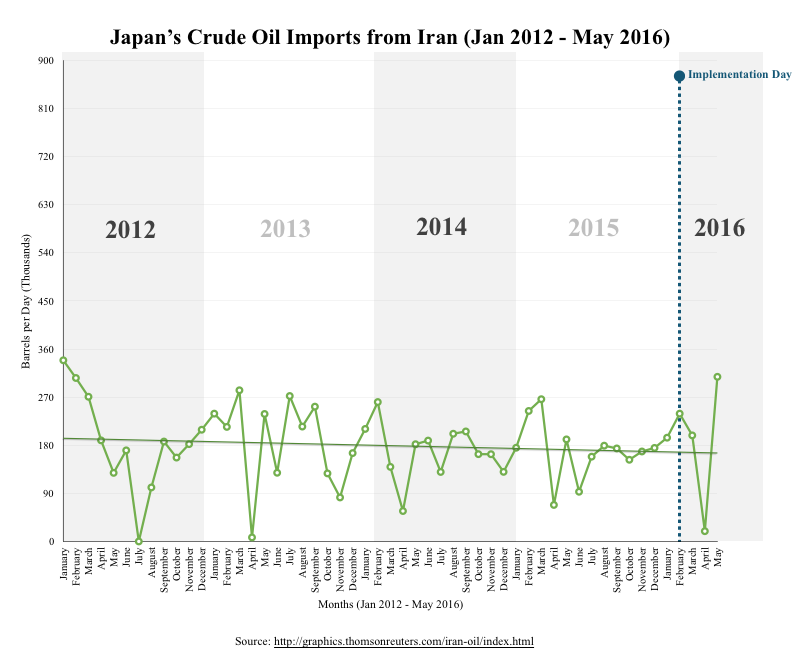
U.S.-European nuclear-related sanctions on Iran in 2011 resulted in a major reduction of Japanese crude oil imports from Iran, which were largely offset by increased purchases from other Middle Eastern producers. This pattern remained more or less intact through the end of 2015.[1]
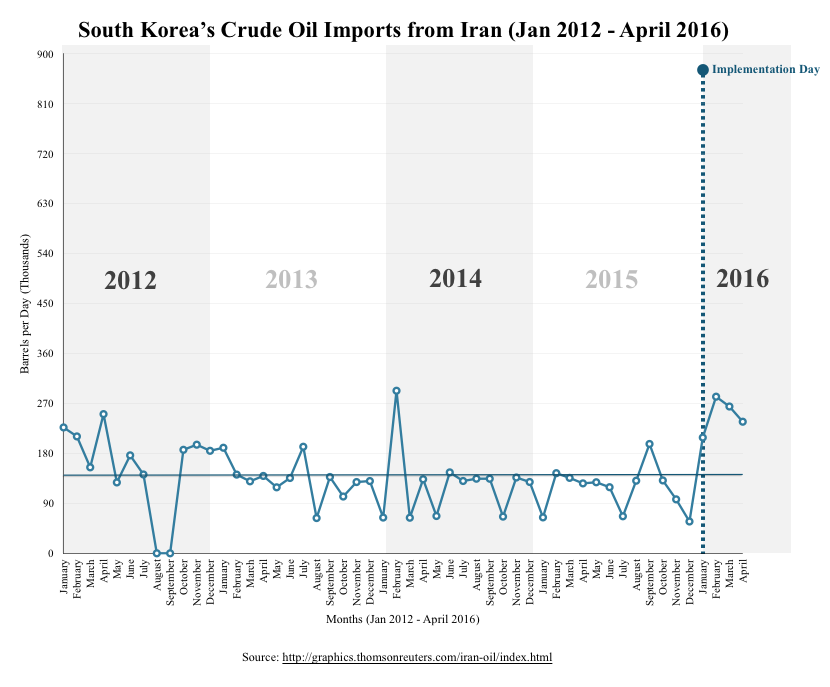
South Korea is the world’s fifth-largest crude oil importer and sixth-largest oil refining country. In June 2012, South Korea suspended all oil imports from Iran in response to a European Union insurance ban on tankers carrying Iranian crude oil.[1] South Korea subsequently obtained a waiver and resumed importing Iranian crude oil. However, the average annual volume of crude oil purchased by South Korea from Iran during the period 2012-2015 was 40% lower than in 2011.