Top Hamas Figure Urges Relinking With Bashar Al-Assad
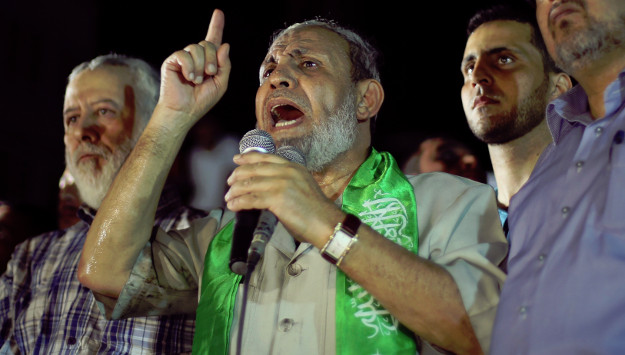
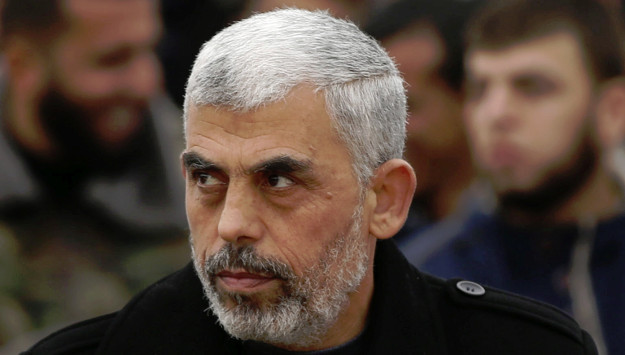
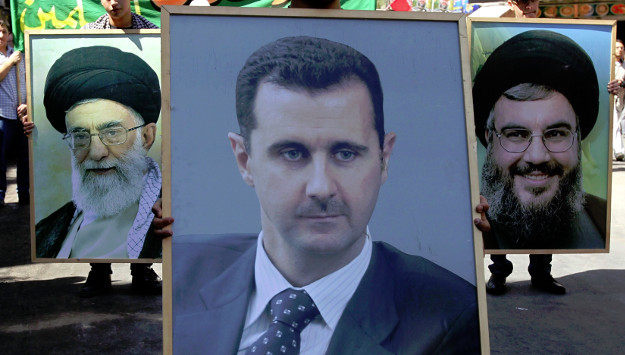
Mahmoud al-Zahar, one of the top members of the Hamas leadership is reported by the Iranian press to push for the resumption of relations between the Palestinian organization and the Syrian regime of Bashar al-Assad.
Iran-Linked Militia Groups Playing Increasing Role in Mosul and Kirkuk Military Operations
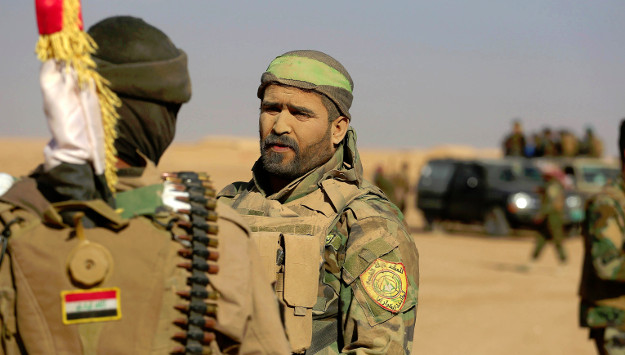
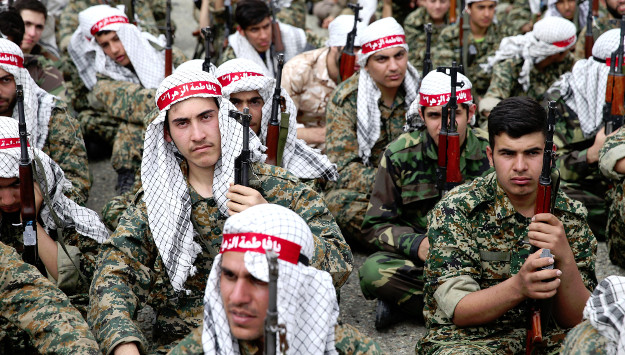
A number of leaders of Iraq’s Popular Mobilization Forces (PMF) have told Iran’s Fars News Agency (FNA) that their forces will play a leading military role in “liberating” 3,000 square kilometers of Islamic State-held areas in western Mosul.
Right Group Blasts Iran’s Intelligence Ministry for Violently Arresting Young Arab Activist
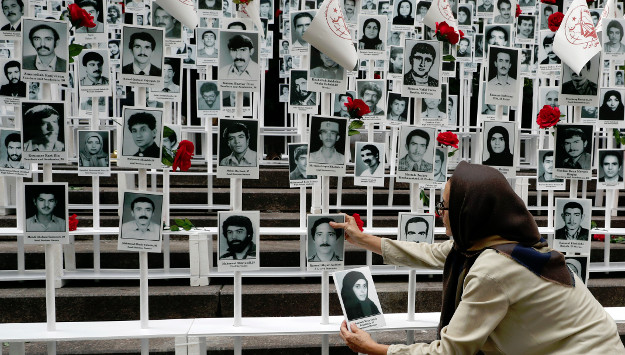
Iranian Intelligence Ministry authorities have violently arrested a 17-year-old ethnic Arab activist in the southeastern province of Khuzestan on February 8, the Campaign for Human Rights in Iran
Prominent Afghan Jihadi Leader Warns Iran against Supporting Taliban
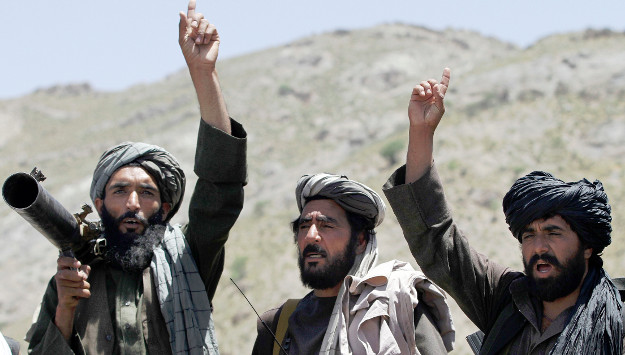
Prominent Afghan jihadi leader Amir Ismail Khan has warned the Iranian government against providing military and financial assistance to the Taliban militants in Afghanistan.
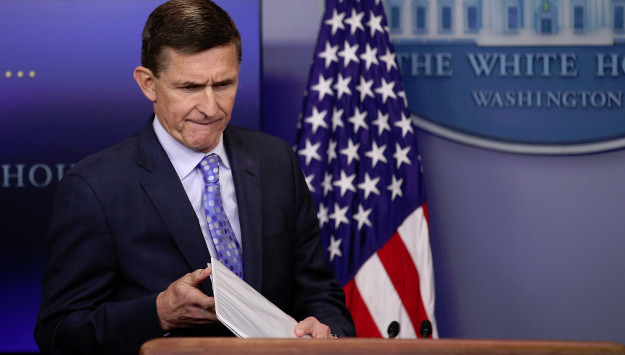
Iranian Media Welcomes Flynn’s Resignation but U.S. Iran Policy Won’t Change unless Tehran Moderates Its Behavior
The Iranian media welcomed the resignation of Michael Flynn as the U.S. national security adviser, but cautioned that Washington would continue to pursue hostile policies against the Islamic Republic.
Turkish President Recep Tayyip Erdogan’s official trip to Bahrain, Saudi Arabia and Qatar has prompted anxiety in Tehran. Erdogan arrived in Riyadh on Monday night after a visit to Bahrain, and he is scheduled to go to Qatar next.
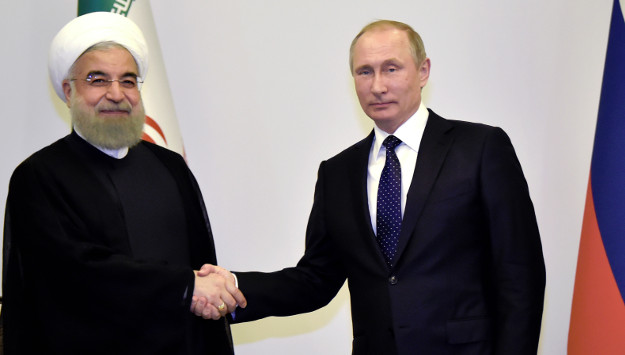
Top Russian Official Cancels Trip to Tehran in Anger
Iranian media have been speculating about reasons why Russian Deputy Prime Minister Dmitryi Rogozin this week canceled his planned trip to Tehran. Rogozin was due to hold talks with top Iranian officials, including Defense Minister Hossein Dehgan.
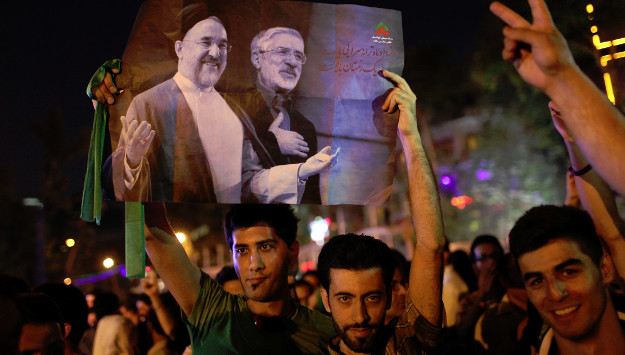
Rouhani Called Out for Not Fulfilling Election Promise of Releasing Political Prisoners
The U.S. Department of State released a statement this afternoon calling for the immediate release of former Iranian opposition leaders and presidential candidates Mehdi Karroubi and Mir Hossein Mousavi, as well as Mousavi’s wife and women’s rights activist Zahra Rahnavard.
Iran Risks Military Clash with U.S. Navy by Sending Weapons to Houthis
The New York Times reported on February 12 that Defense secretary Jim Mattis last week was exploring whether the U.S. Navy should “intercept and board an Iranian ship to look for contraband weapons possibly headed to Houthi fighters in Yemen.” But according to unnamed U.S.
Designating I.R.G.C. a Terror Organization Could Undo Iran Nuclear Deal
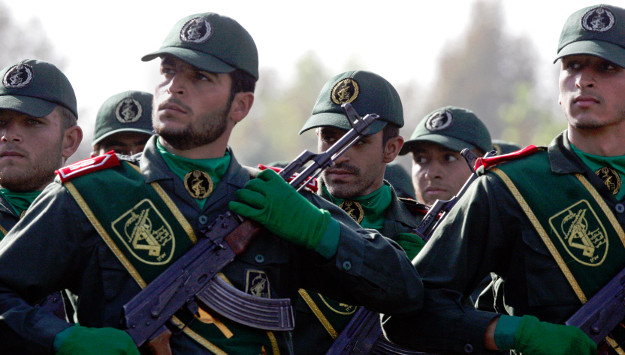
U.S. media reports that the Trump White House might list Iran’s powerful Islamic Revolution Guards Corps (I.R.G.C.) as a terrorist entity has been met by considerable trepidation in Tehran.
Zarif Again Declares His Allegiance to General Soleimani
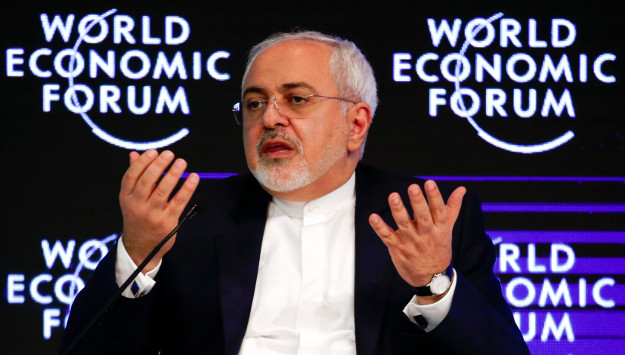
Iran’s Foreign Minister Javad Zarif has strongly defended the regional policies of the Islamic Revolution Guards Corps (I.R.G.C.). In particular, Zarif defended General Qassem Soleimani, the head of the Quds Force, which is the I.R.G.C.’s expeditionary force. “I have had a close relationship with General Soleimani for over 20 years. When I was the head of the [Iranian] negotiating team involving questions of Iraq and Afghanistan, I had a very good working relationship with General Soleimani,” Zarif stated.