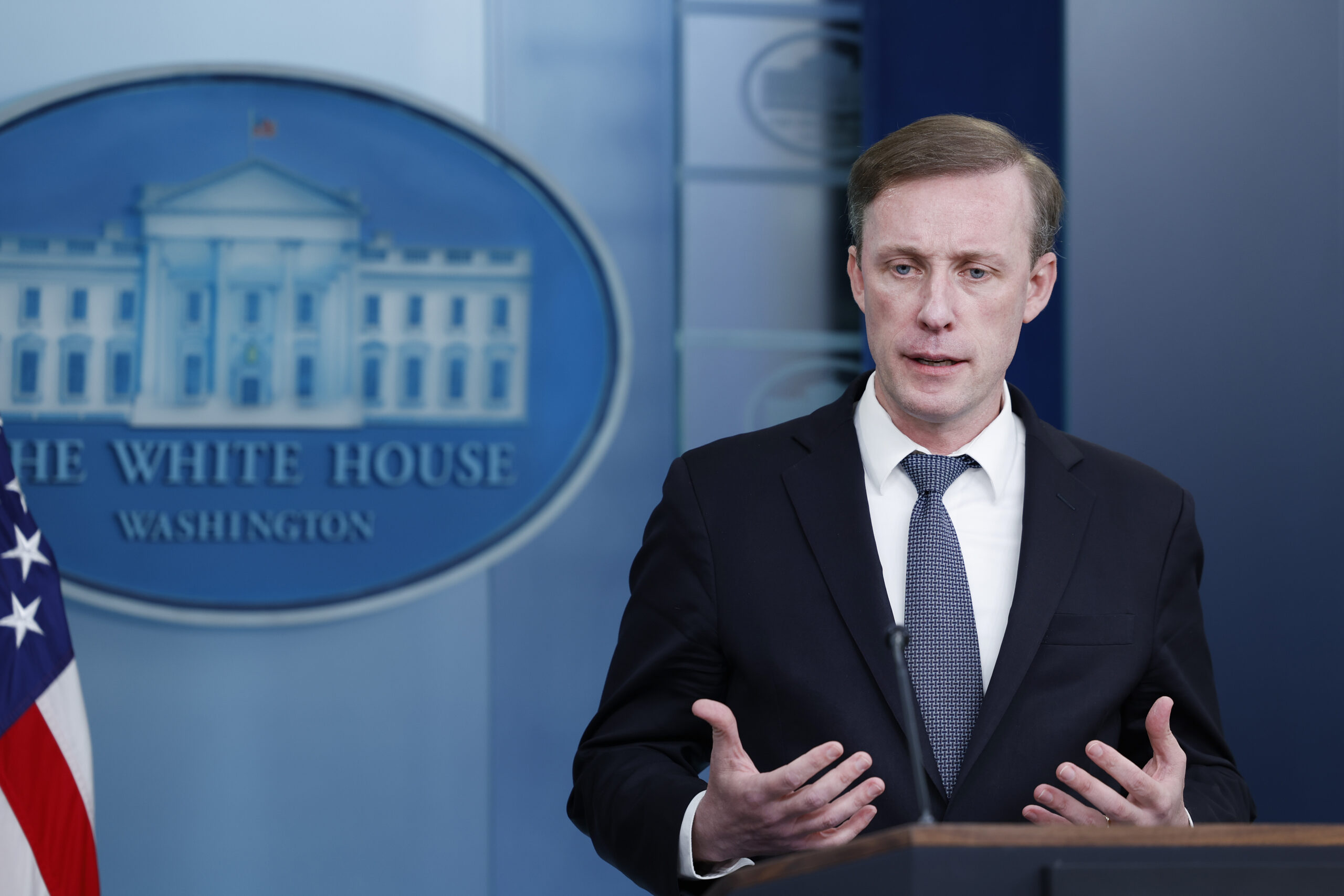
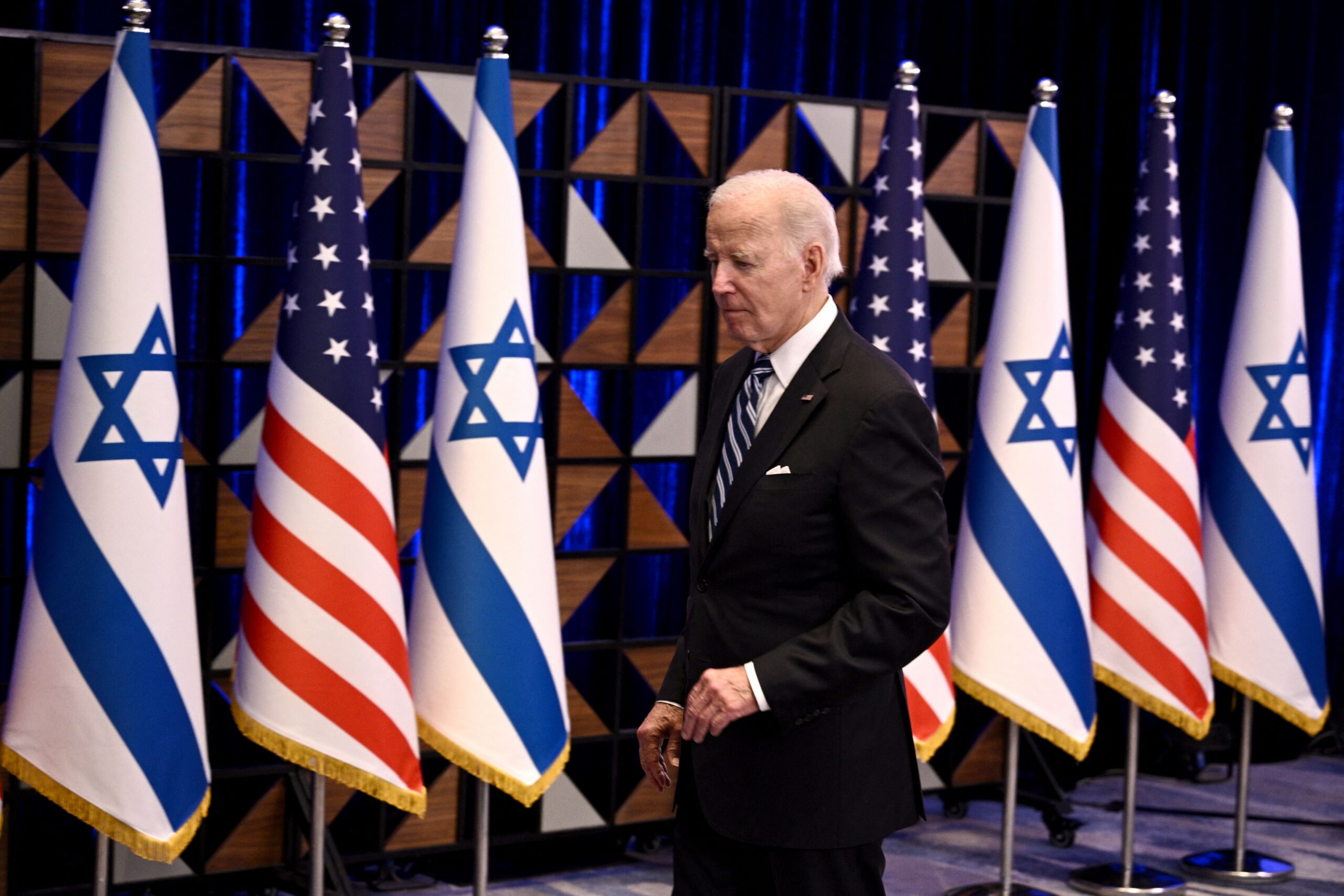
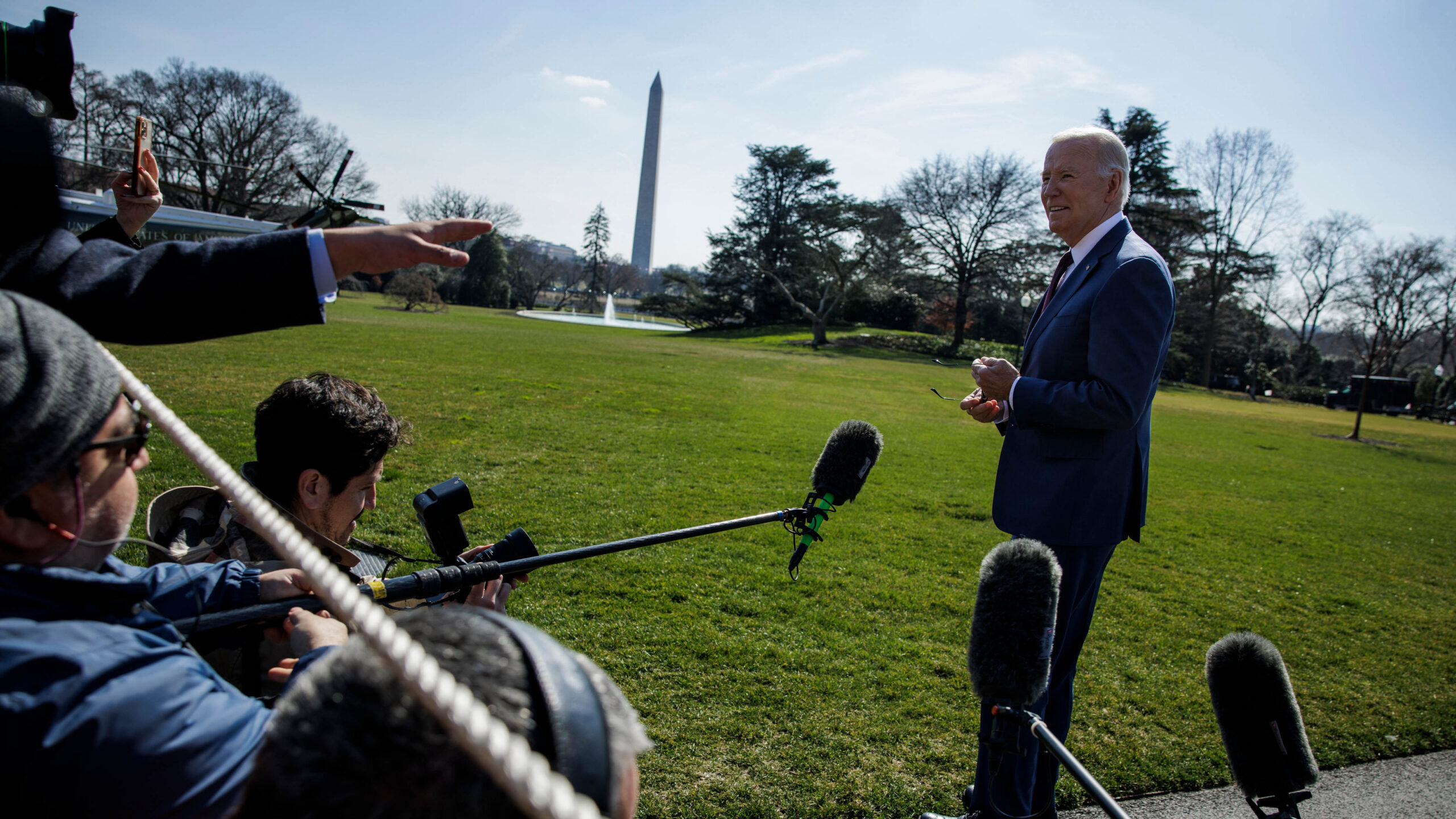
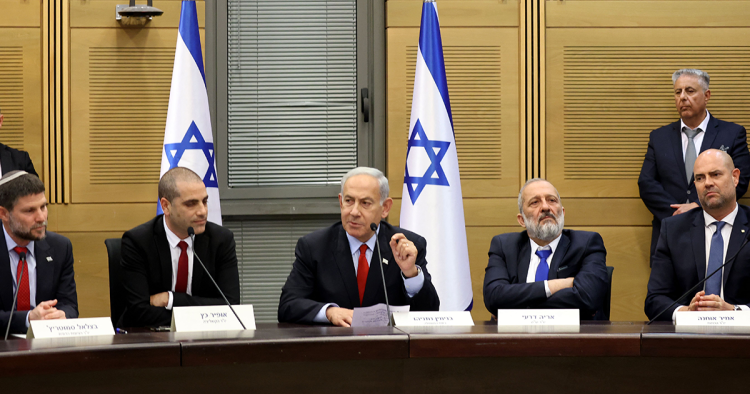
On 13 December 2023, following discussions with Israeli Prime Minister Benjamin Netanyahu on Israel’s military campaign in Gaza, US President Joe Biden rejected congressional calls to stop or condition US military assistance to the Jewish state.
“We’re not going to do a damn thing other than protect Israel in the process. Not a single thing,” he said at the time.
A month earlier, Vice President Kamala Harris said the United States “(was) not going to create any conditions on the support (it) was giving Israel to defend itself.”
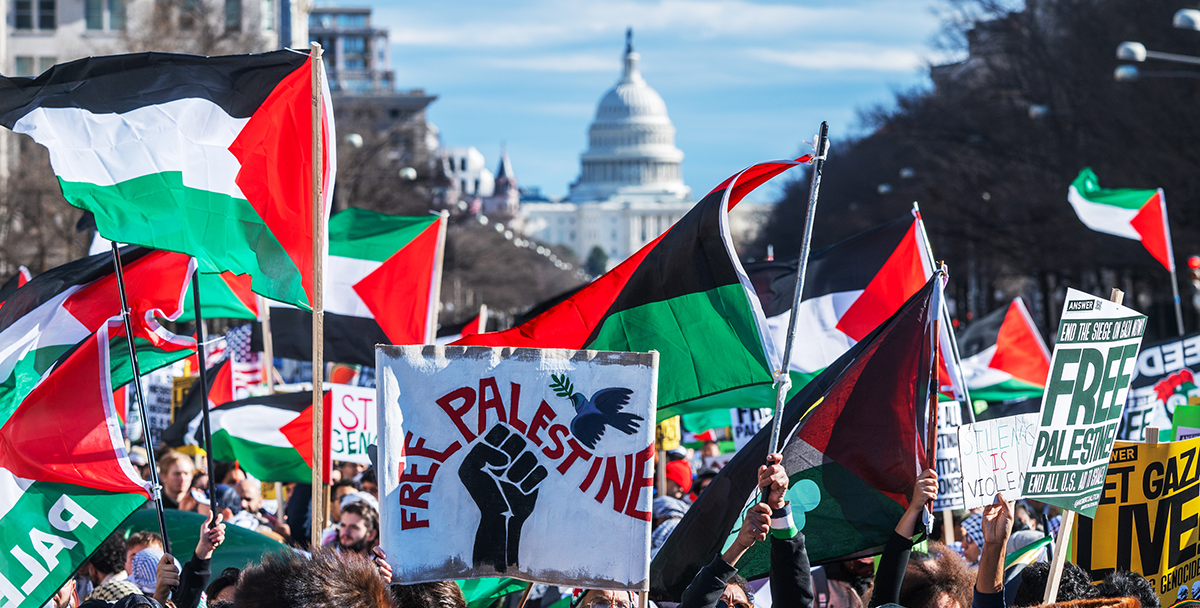
The ongoing catastrophe in Gaza is driving a surge in sympathy for Palestinians in the Western world that could mark a turning point in how the Israeli-Palestinian conflict is engaged with moving forward. Changing attitudes among younger generations are primarily responsible for this shift, driven in part by a post-Black Lives Matter outlook and narrative that has simplified and distilled the conflict.
Expelling MK Cassif: A warning sign for Palestinian representation in the Knesset
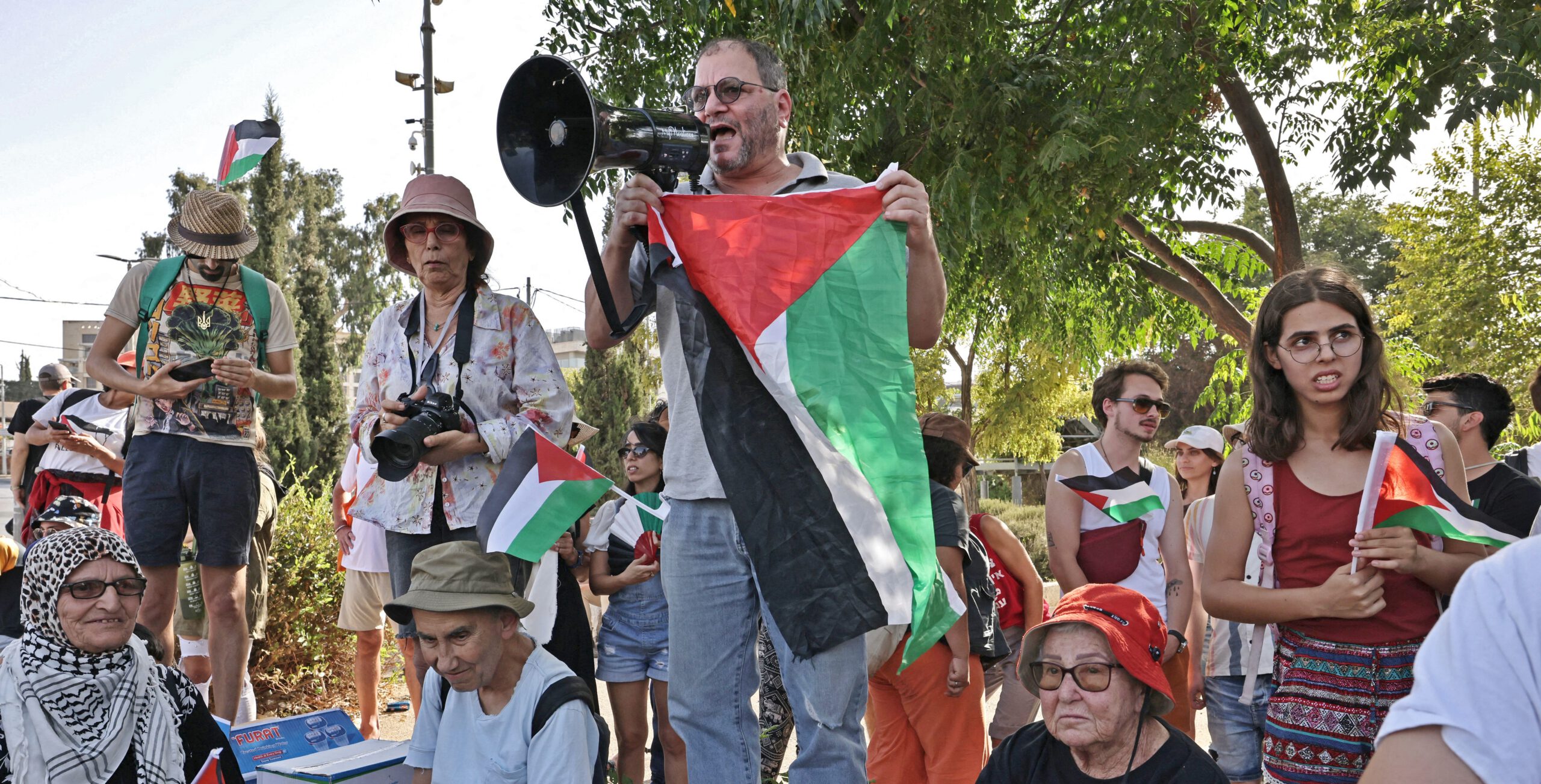
If the Knesset expels lawmaker Ofer Cassif, it will represent the national legislature’s first use of the Suspension Law and signal a sharp curtailing of legal space for non-Zionist players in Israeli politics.
Suspending UNRWA funding is collective punishment for Palestinians
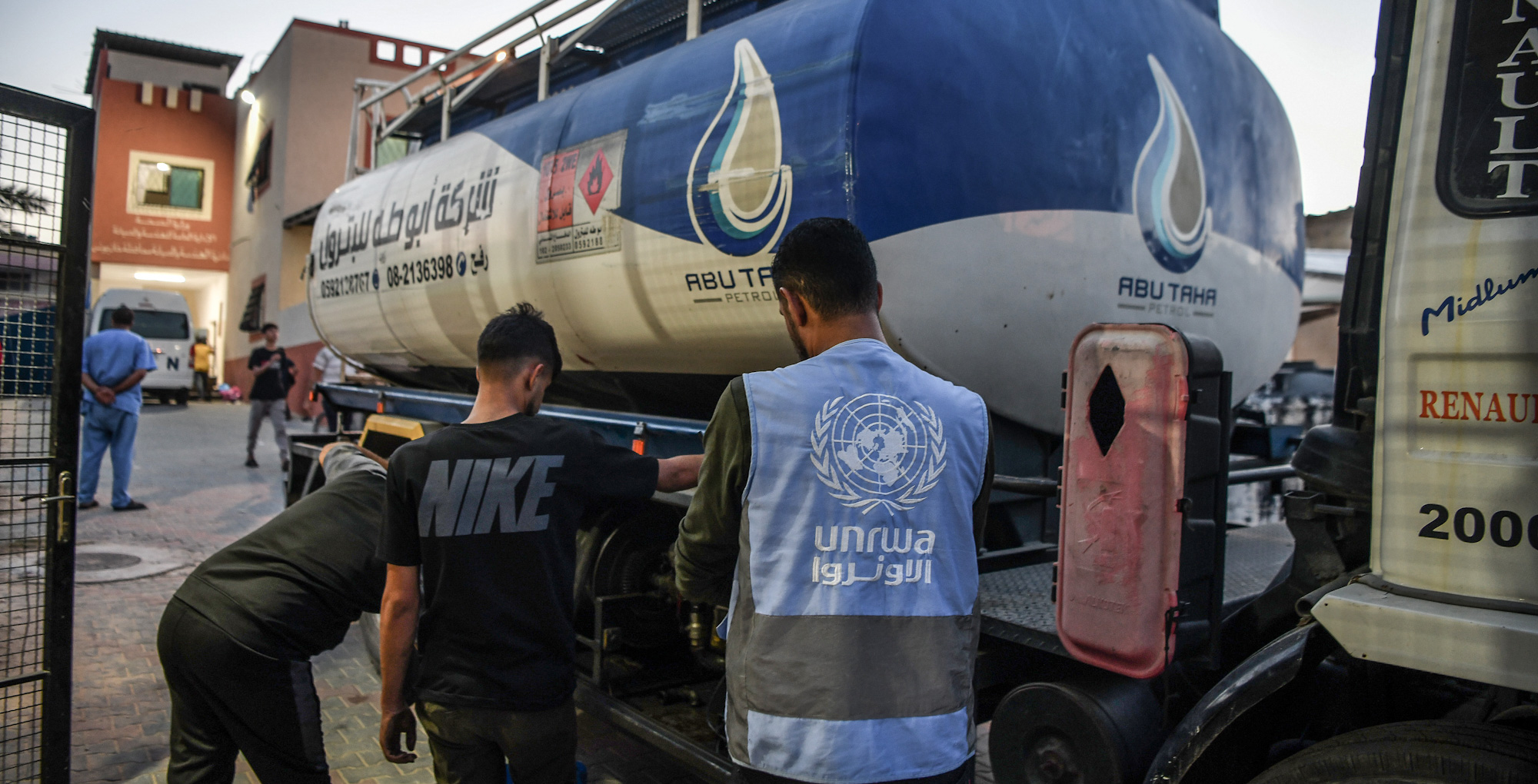
The decision by the United States and other donor countries to suspend financial assistance to UNRWA will have far-reaching and likely devastating consequences for the civilian populations that rely on its services, particularly in the Gaza Strip. Donor countries must realize that the consequences will hinder the humanitarian response to the Israeli war on Gaza, incurring a heavy cost in human lives.
Growing unrest in Syria’s Suwayda as Jordanian airstrikes and civilian deaths increase
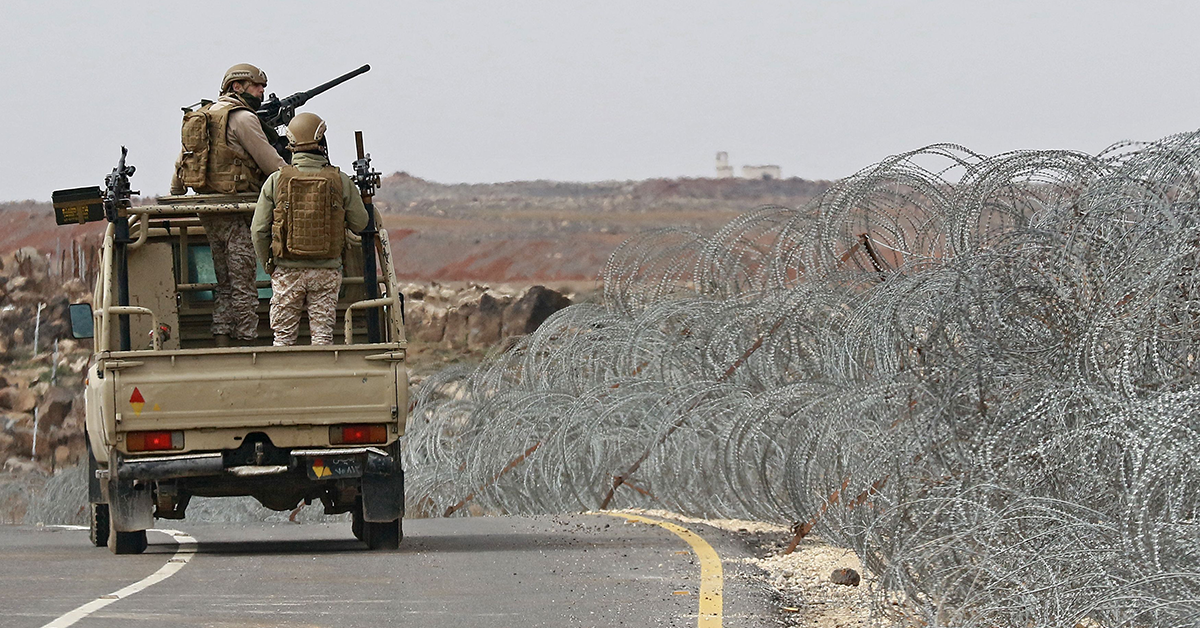
As the civilian death toll continues to rise, Jordan has come under growing criticism for its airstrikes in southern Syria’s Suwayda Governorate, aimed at combatting drug trafficking and smuggling operations.
What does Israel want to see come out of US mediation efforts on Israel-Lebanon?
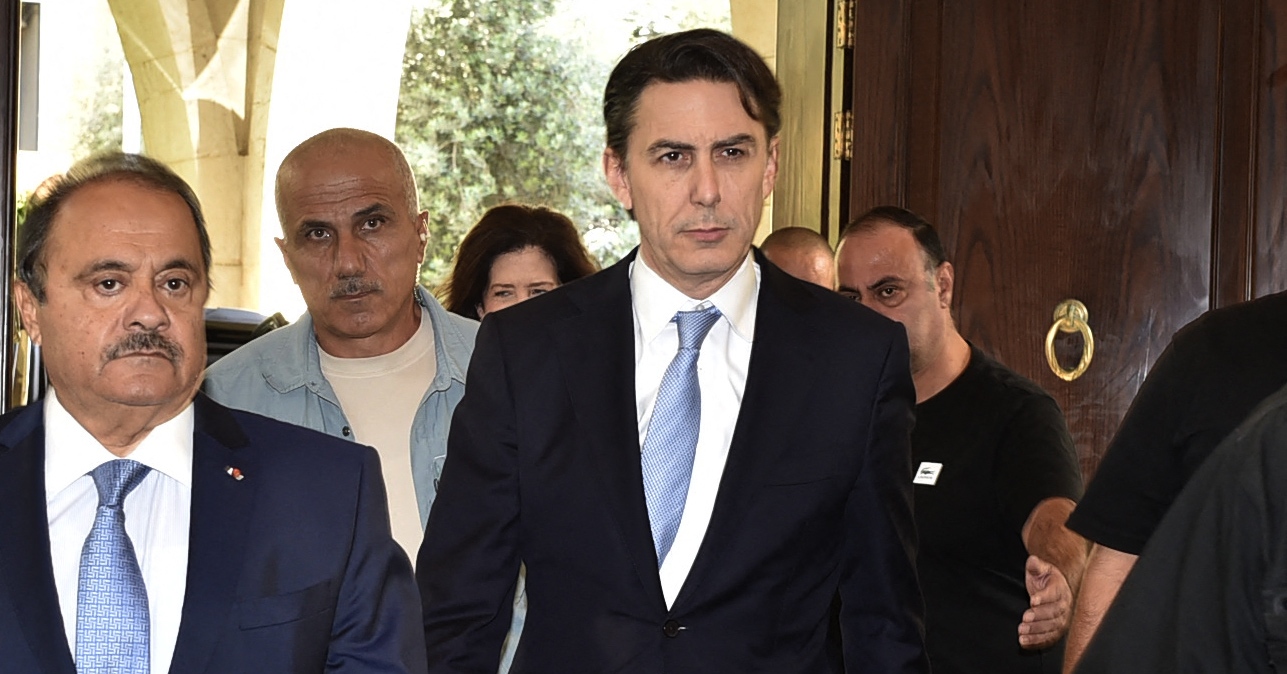
The weeks ahead are crucial for Israel and Lebanon and will likely indicate whether a broader confrontation between Israel and Hezbollah can be avoided diplomatically or if it is inevitable. Israeli officials have called on Lebanon and the world to deliver a solution; but in practice, Israeli eyes are set on Washington, DC.
Why Israel’s top court is greenlighting a civil rights crackdown
In times of war, constitutional courts frequently fail to defend civil liberties. There is no shortage of examples of this from around the world, often stemming from an impulse to avoid conflict with the national security establishment in order to avoid losing public support. In the wake of the Hamas-led attacks on October 7 and Israel’s ongoing bombardment of the Gaza Strip, the Israeli Supreme Court has been no exception.
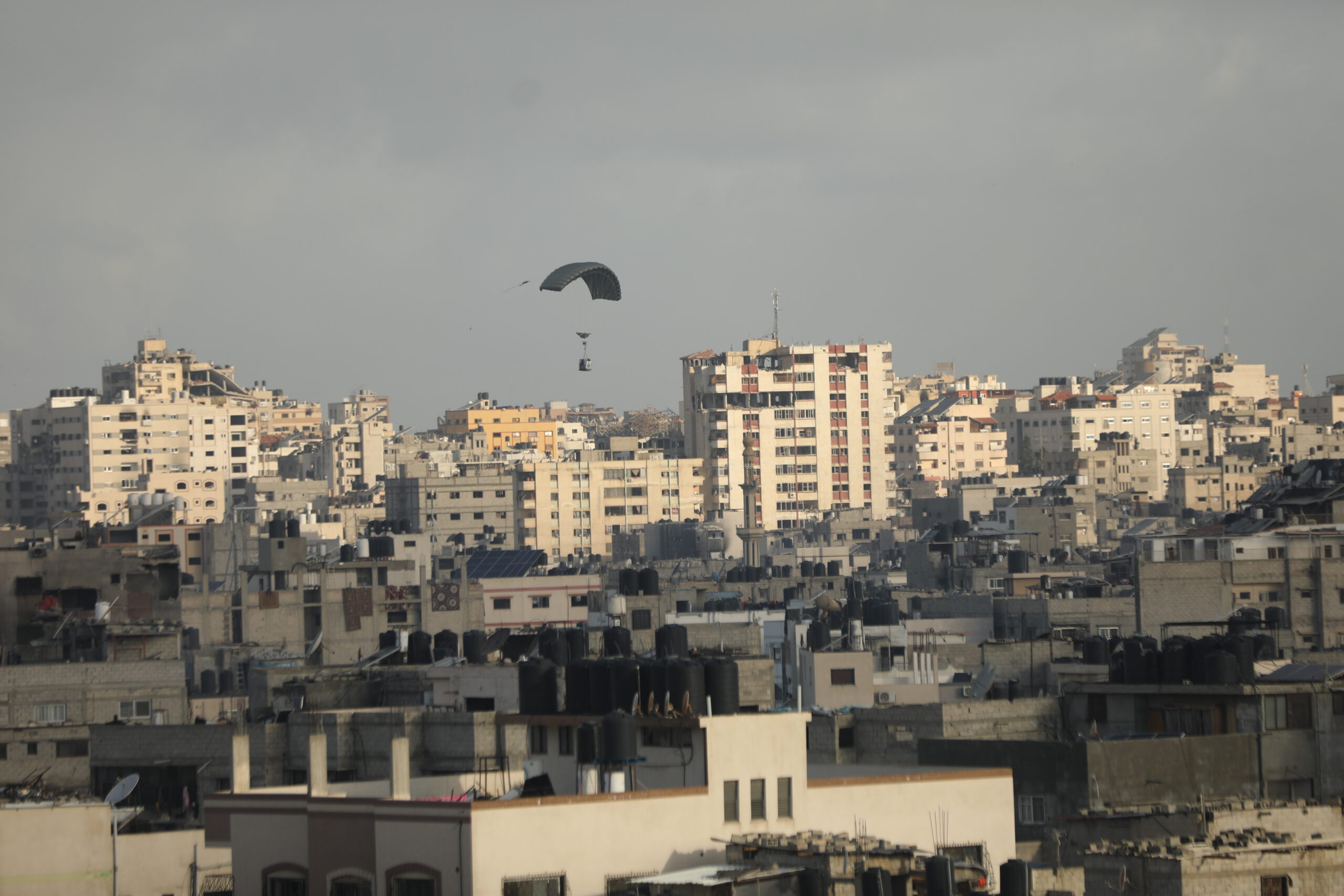
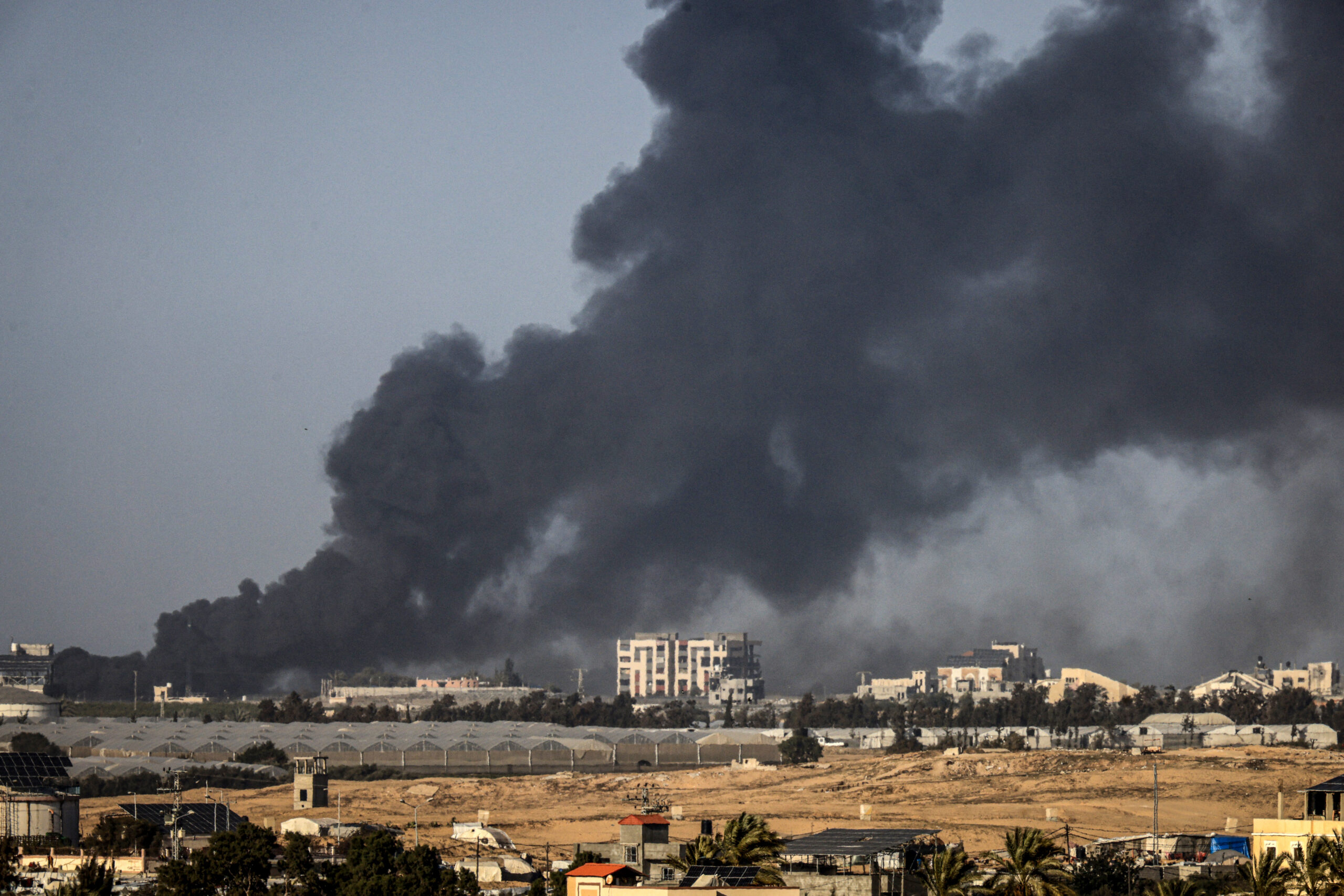
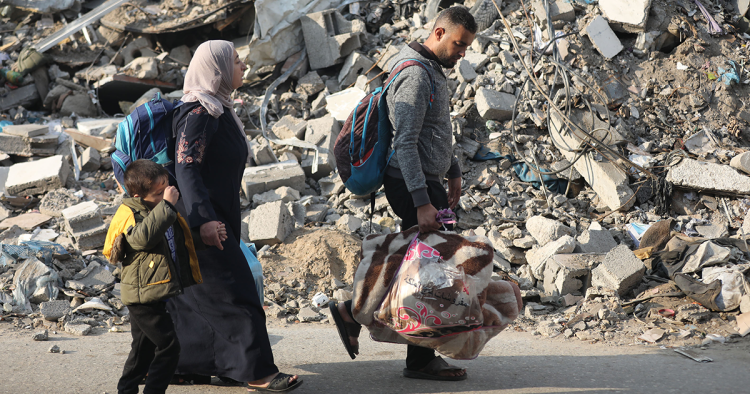
The Israeli military offensive in the Gaza Strip has led to a displacement crisis of historic magnitude. According to international assessments, about 1.9 million Palestinians are displaced in Gaza—85 percent of the population. More than a million of them have fled from the northern part of Gaza following Israel’s instructions. The pictures, stories, and videos appearing on social media since the beginning of the war, with Palestinian families fleeing with light luggage, feel to many like a national flashback to the Nakba, an Arabic word that means “catastrophe.”.