Managing US-China relations in the Middle East among common and conflicting interests
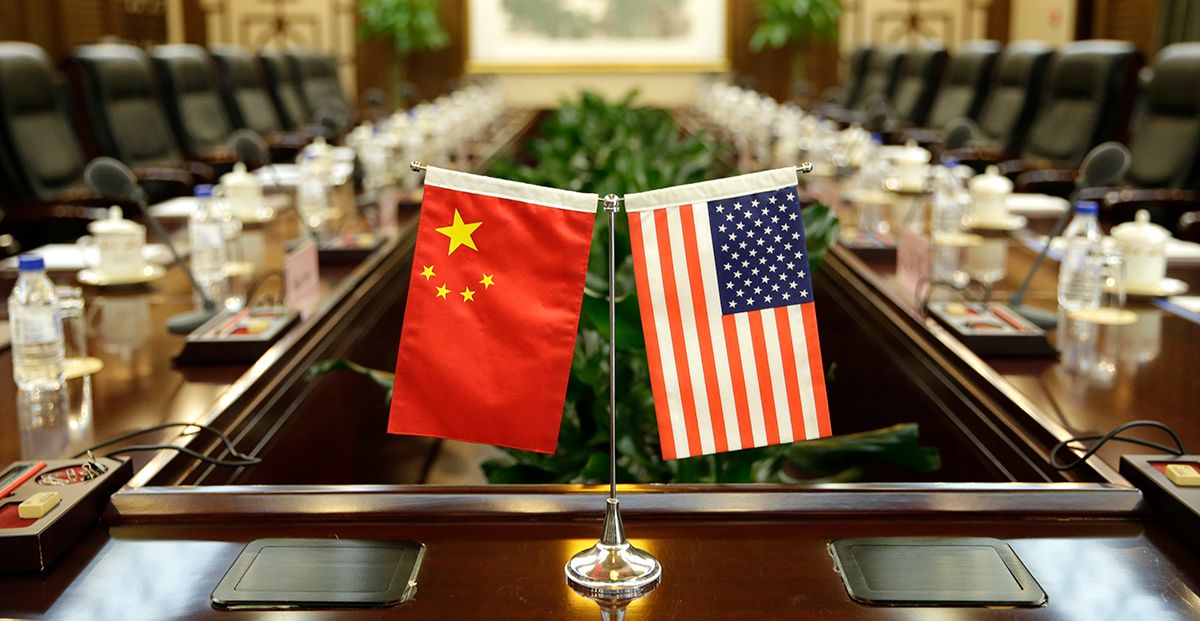
The Biden administration has been trying to diplomatically reengage with China, although so far with little response from Beijing. Any broad reengagement would necessarily include reengagement in the Middle East and North Africa. Both sides have a long list of common interests in the Middle East; the areas where their interests diverge relate mainly to suspicions of the other side’s long-term strategy and global ambitions. How can Washington and Beijing build on common interests in the region while addressing their long-term concerns, reducing some of them and accommodating robust competition or even sharp adversarial attitudes in other areas?
Putting Diplomacy First in the Middle East: Creating Incentives for De-Escalation
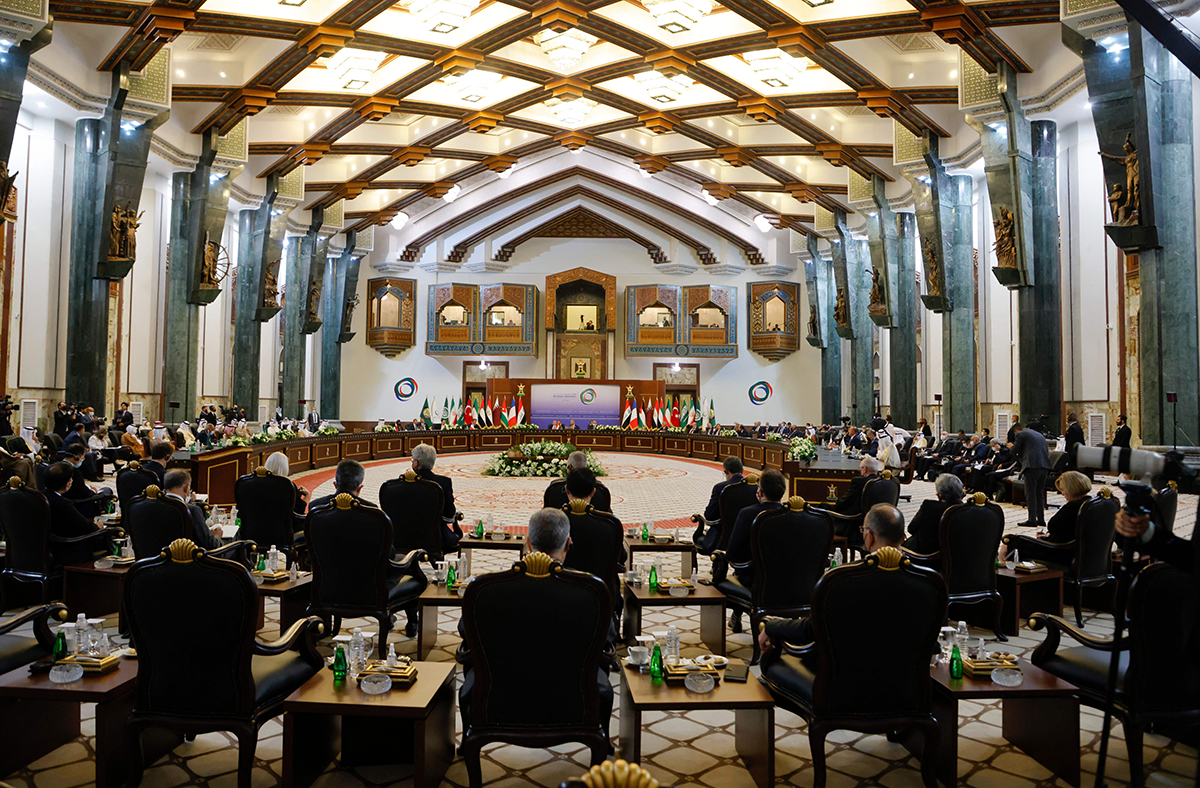
The Middle East is undergoing a historic transformation with unprecedented opportunities to build new relationships, de-escalate tensions, and foster conditions for stronger integration. At the same time, the region remains on edge because of ongoing tensions in Yemen, Syria, Iraq, and other conflict zones, a civil war that broke out recently in Sudan, along with the overarching challenges presented by fraught relations between Iran, Israel, and several Arab Gulf countries — with the longer-term implications of the still-fragile Iranian-Saudi rapprochement yet to be fully assessed.
The Slowing Down of Israel-Arab Relations Under the Netanyahu Government
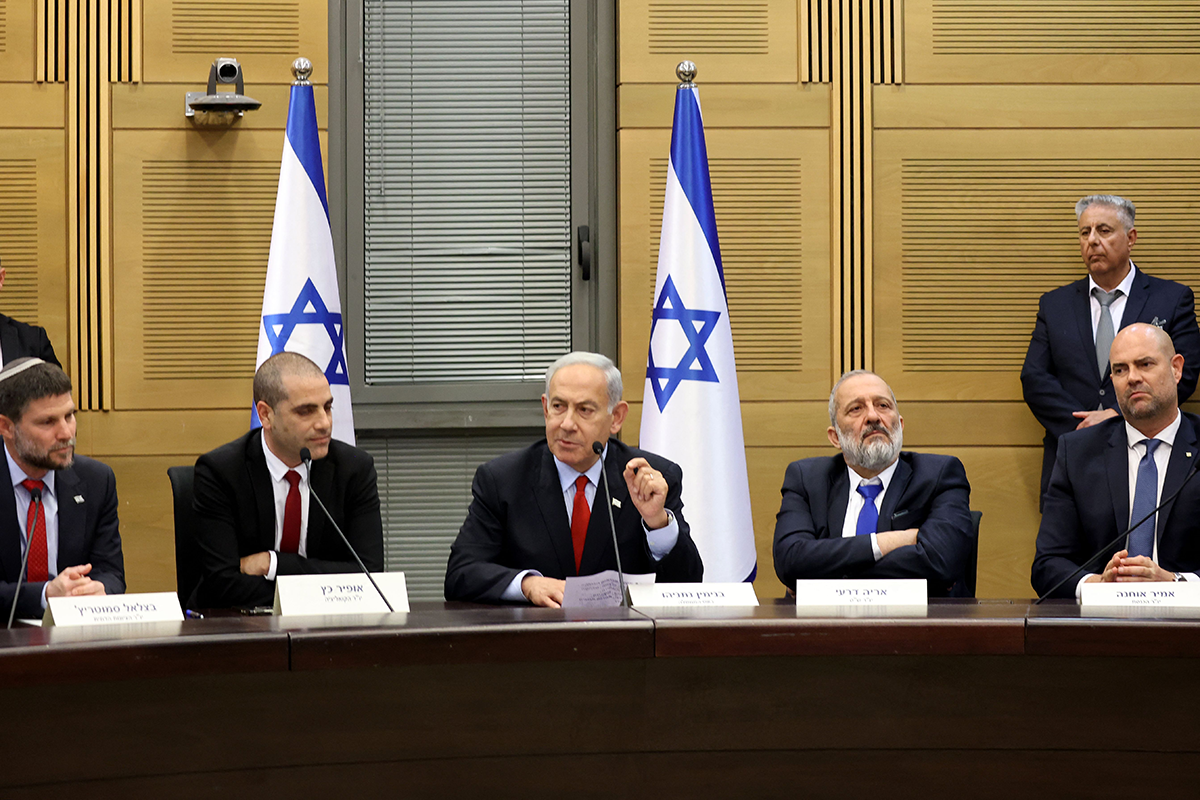
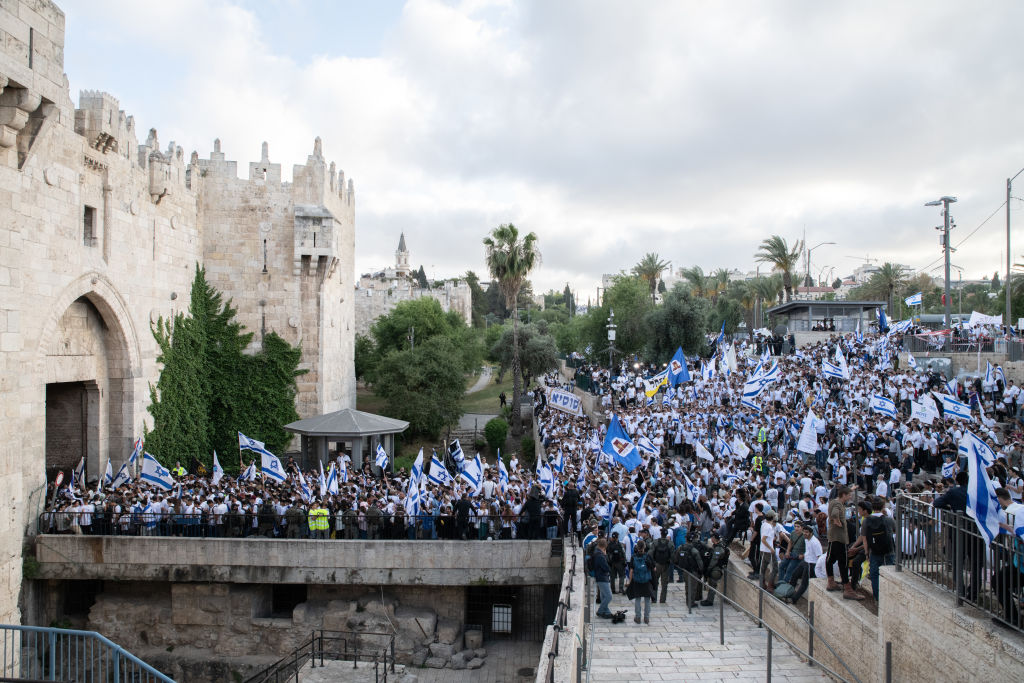
Dynamics between Israel and the Arab world have taken a turn for the worse in the first few months of the new Israeli government. The positive momentum in Israel-Arab relations, which Prime Minister Netanyahu himself was key in generating through the signing of the Abraham Accords and which picked up pace during the Bennett-Lapid government that followed, has slowed down. Only limited progress may be feasible under the current government, but conditions for positive change do exist and include marginalizing Israeli extremists, avoiding a flare-up with the Palestinians, reducing the domestic turmoil in Israel, and ensuring the effective involvement of the U.S. and the EU.
Over the last two decades, the Mediterranean has become an important region. Many scholars, policymakers and analysts have mostly referred to this region from a nexus of security, geopolitics and traditional energy politics. With the war in Ukraine, the relevance of this whole region has increased along the same line. The Mediterranean today is home to some of the most enduring conflicts in the world. New energy resources are being discovered in disputed areas in an environment of intense geopolitical competition over regional leadership and energy routes within and beyond the region.
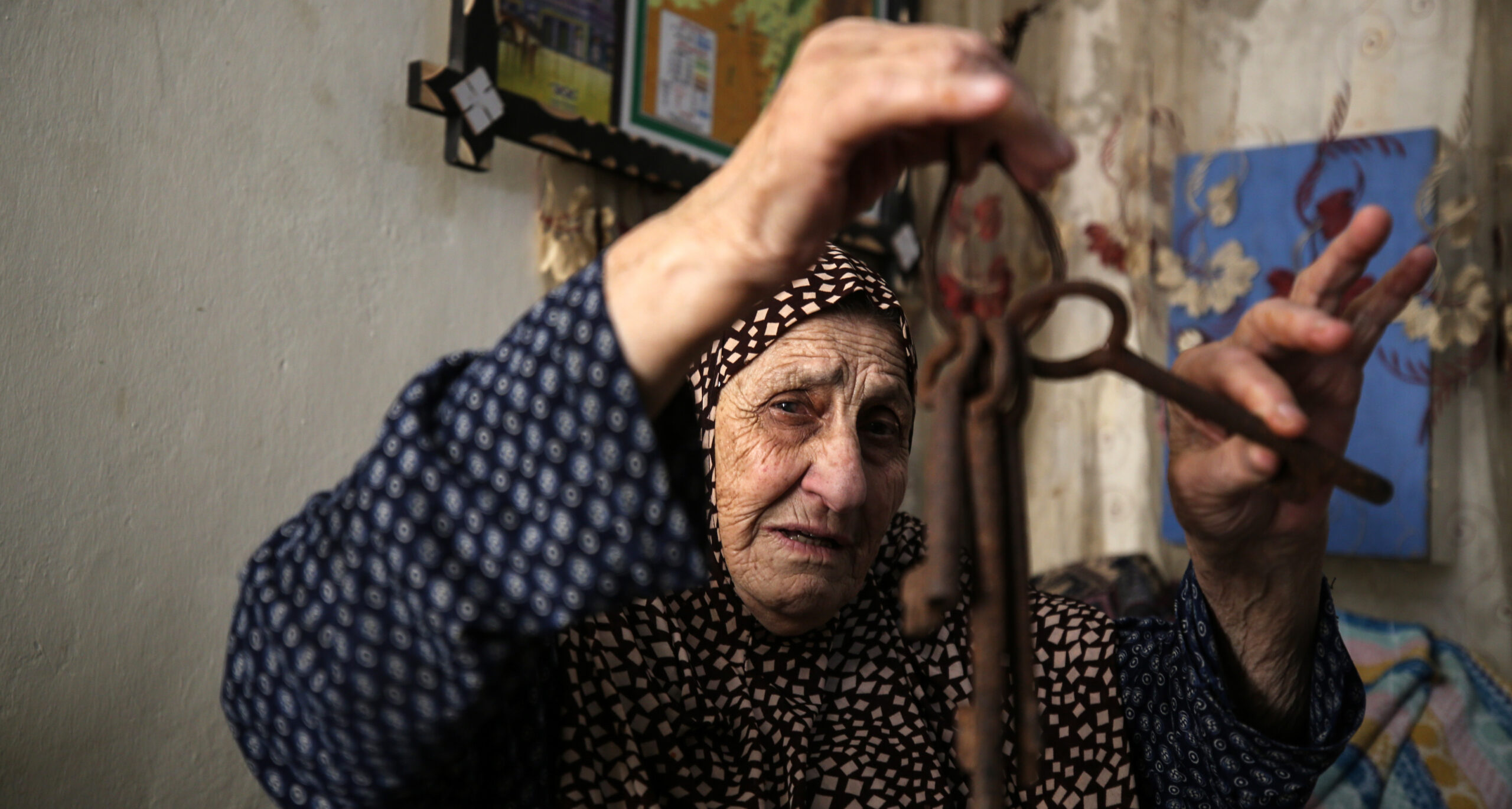
For Palestinians, the Nakba (Catastrophe) is a somber occasion that represents the loss of their homeland and the forced displacement that followed. To truly understand the tragedy of the Nakba and the ongoing trauma experienced by Palestinians, it is important to humanize their experiences. By listening to and amplifying these voices, we can begin to truly understand the complexity and depth of the Palestinian experience.
Even with all eyes on Gaza, the struggle for Israel’s democracy continues
The costs that Israeli Prime Minister Benjamin Netanyahu and the State of Israel have been paying following the government’s first months in office have become more and more significant in recent weeks, and are they are not forgotten even as Israelis focus on coping with a cycle of warfare with Palestinian Islamic Jihad in Gaza.
Decarbonization and Political Transformation in Iraq: The Impact on Politics, Society and Regional Relations
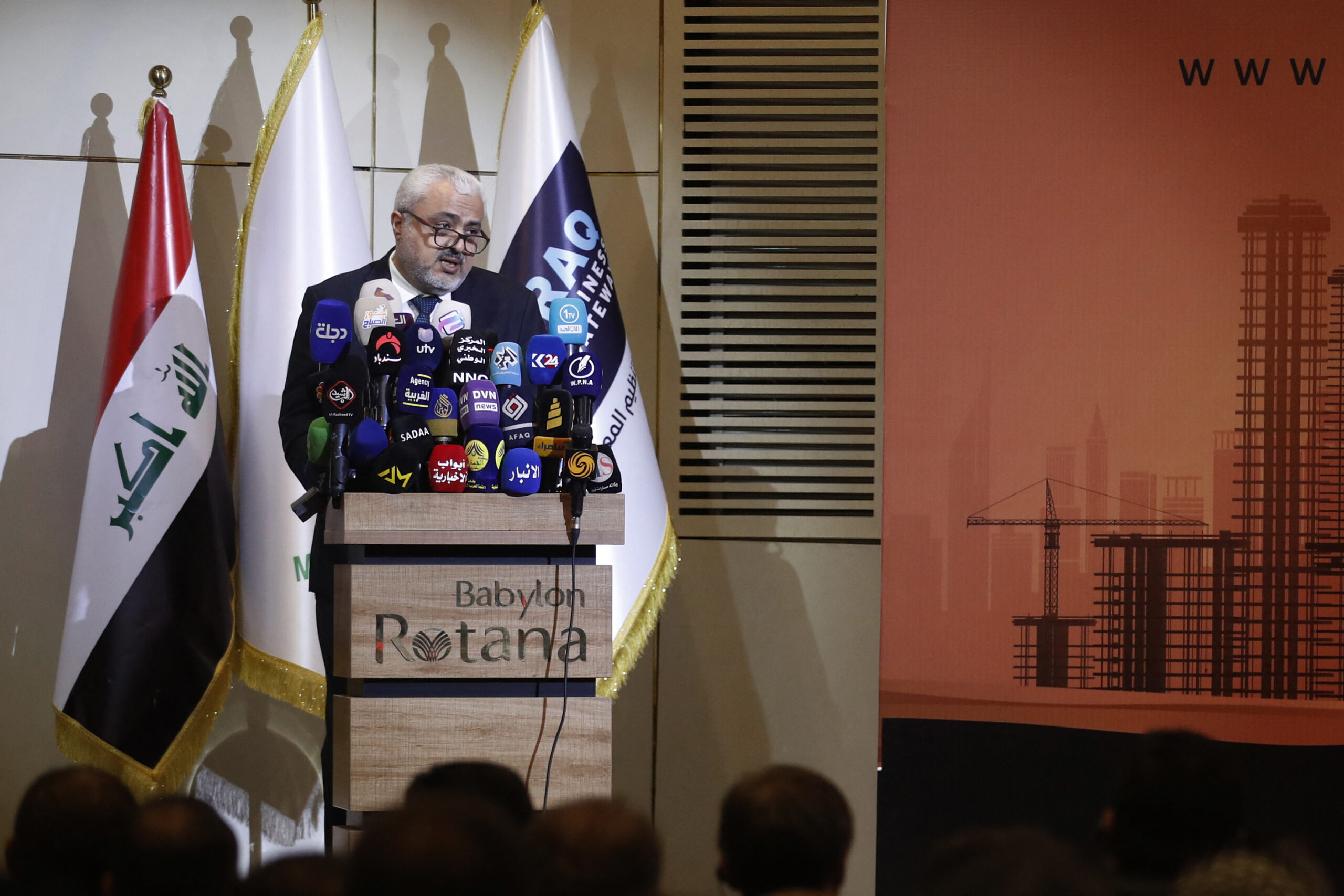
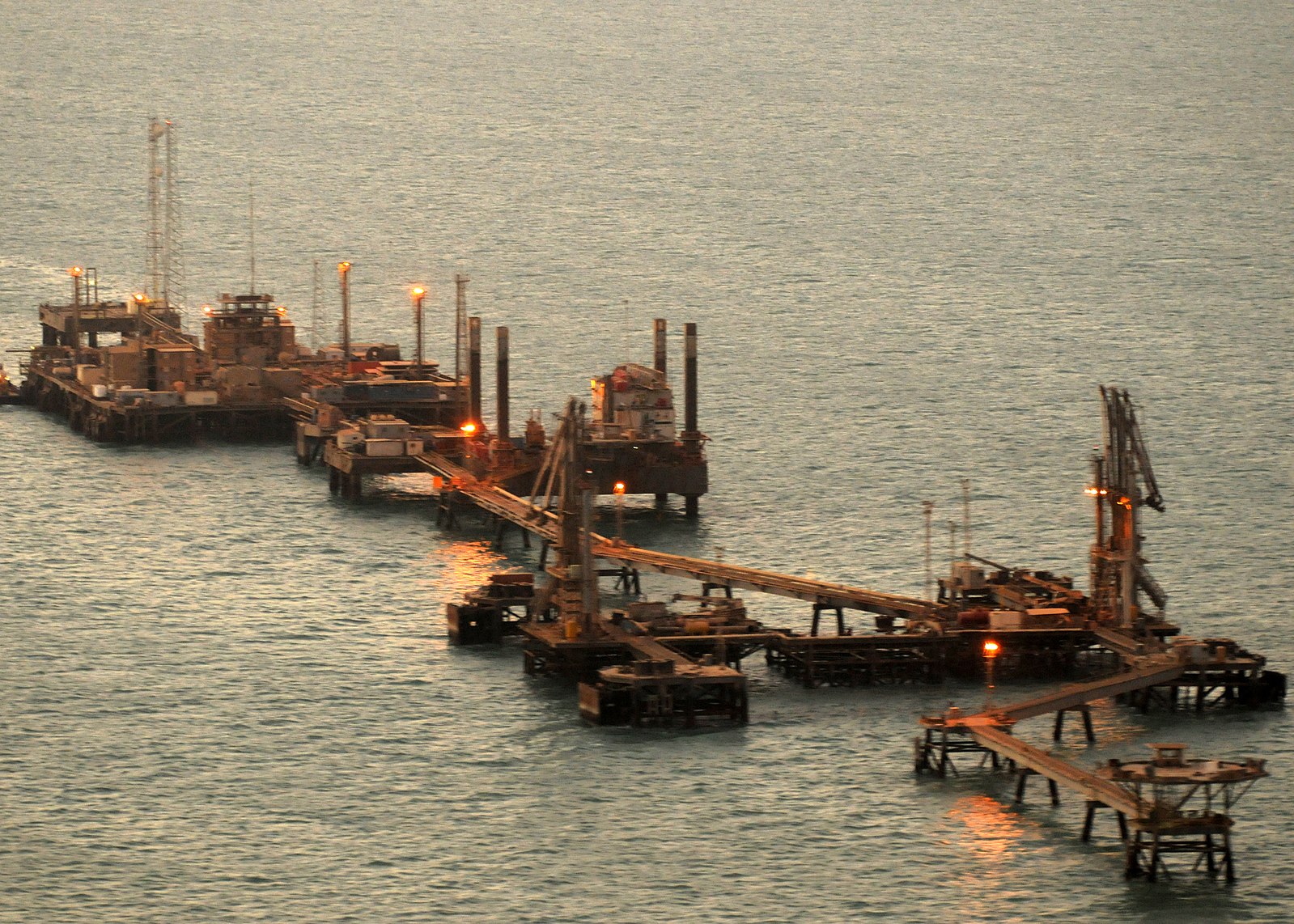
What happens when a petrostate loses its oil rents? While the oil market continues to go through boom-and-bust cycles, cases such as Iraq provide evidence of how the rapid loss of oil revenues—traumatic decarbonization—may affect the politics and stability of these petrostates. In Iraq, multiple shocks to oil revenues from 2014 through 2020 fundamentally altered the organization and concentration of political power in Iraq with destabilizing and democratic consequences.
The judicial “reform” will make things worse, but Israel’s Supreme Court has long failed Palestinian citizens
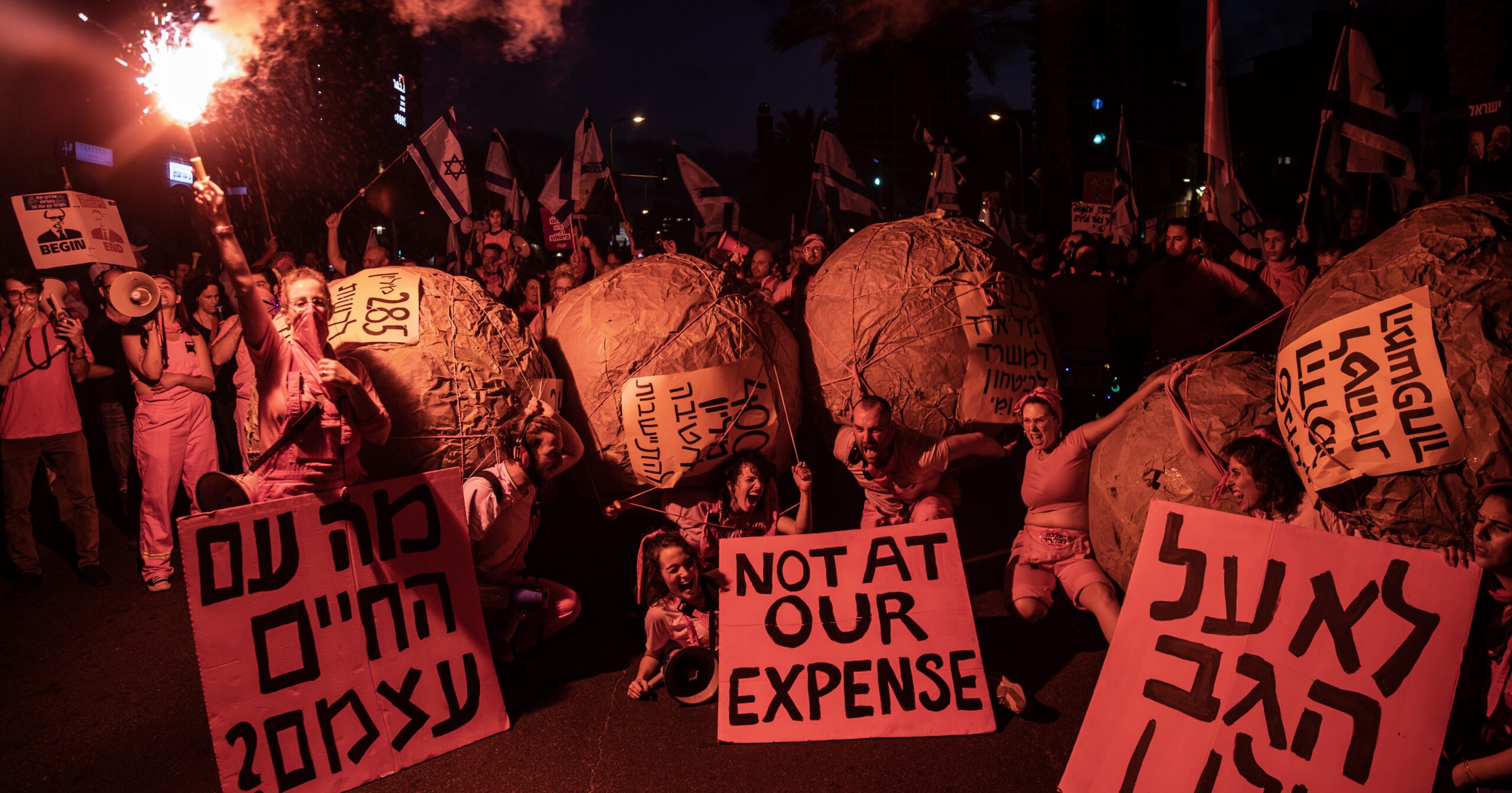
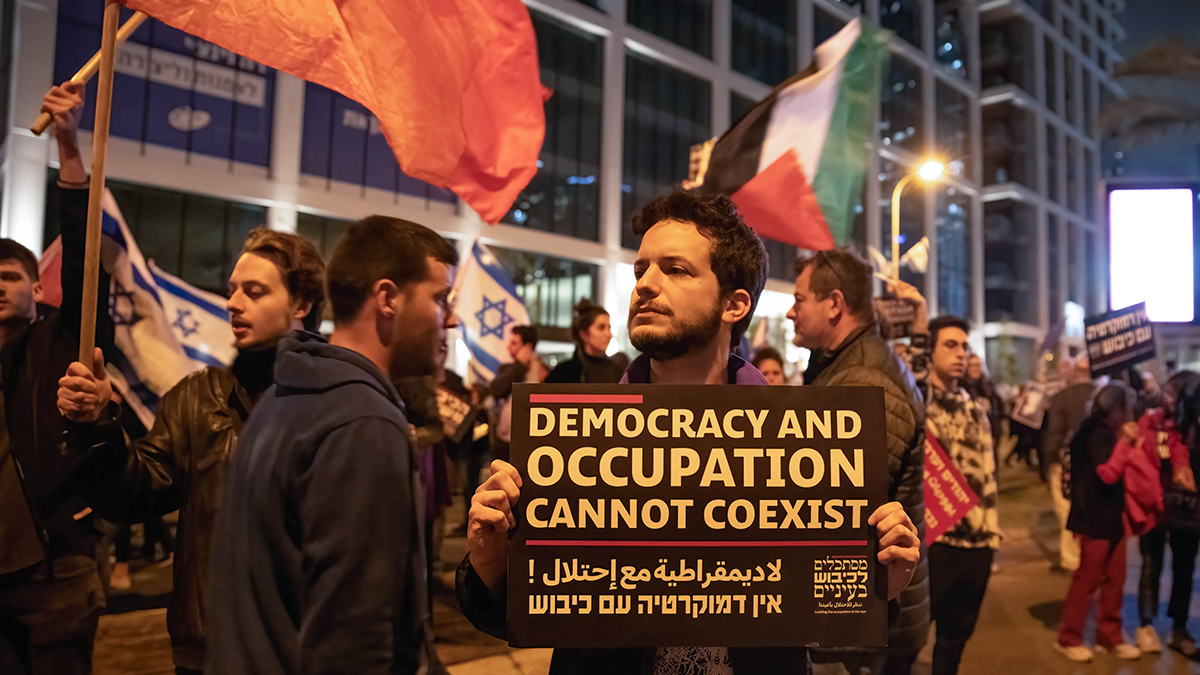
Over the past several months, the eyes of the world have been on the massive demonstrations in Israel against the Netanyahu government’s proposed judicial “reform.” Even though Palestinian citizens of Israel are likely to be the group most affected by the proposed changes, they have been notable for their absence, for the most part, from the protests. While Jewish citizens are worried about what the proposed changes might mean for Israel’s judiciary and the future of its democracy, the Supreme Court and the legal system more broadly have long failed to protect the rights of the country’s Palestinian citizens.
The Israeli protests: What’s happened and what’s likely to come
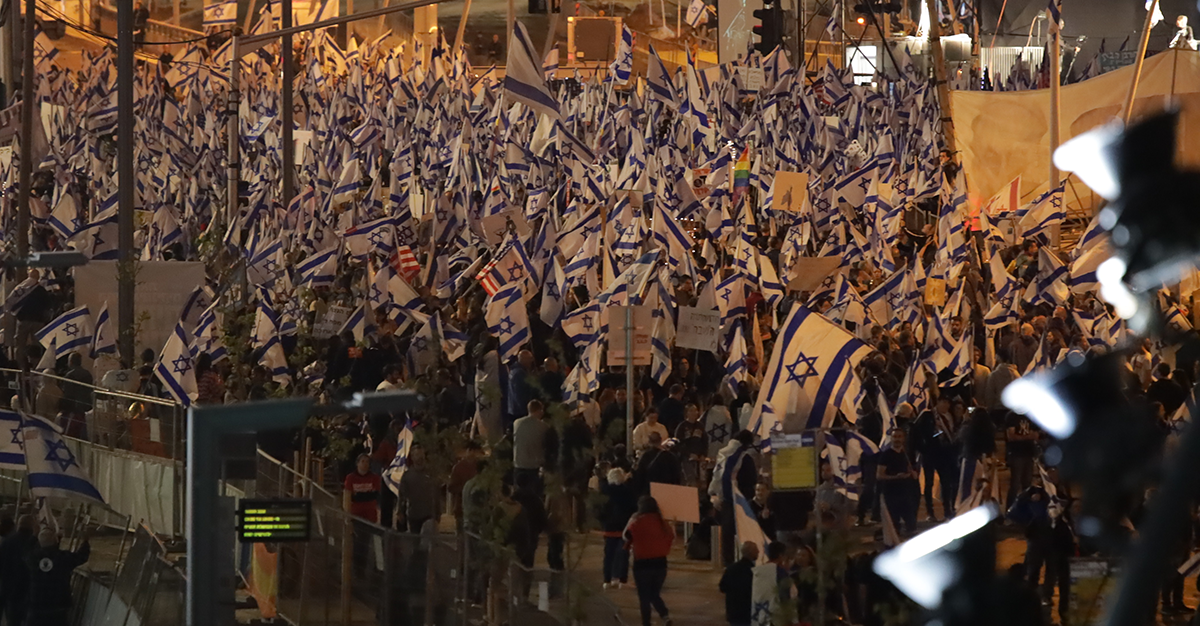
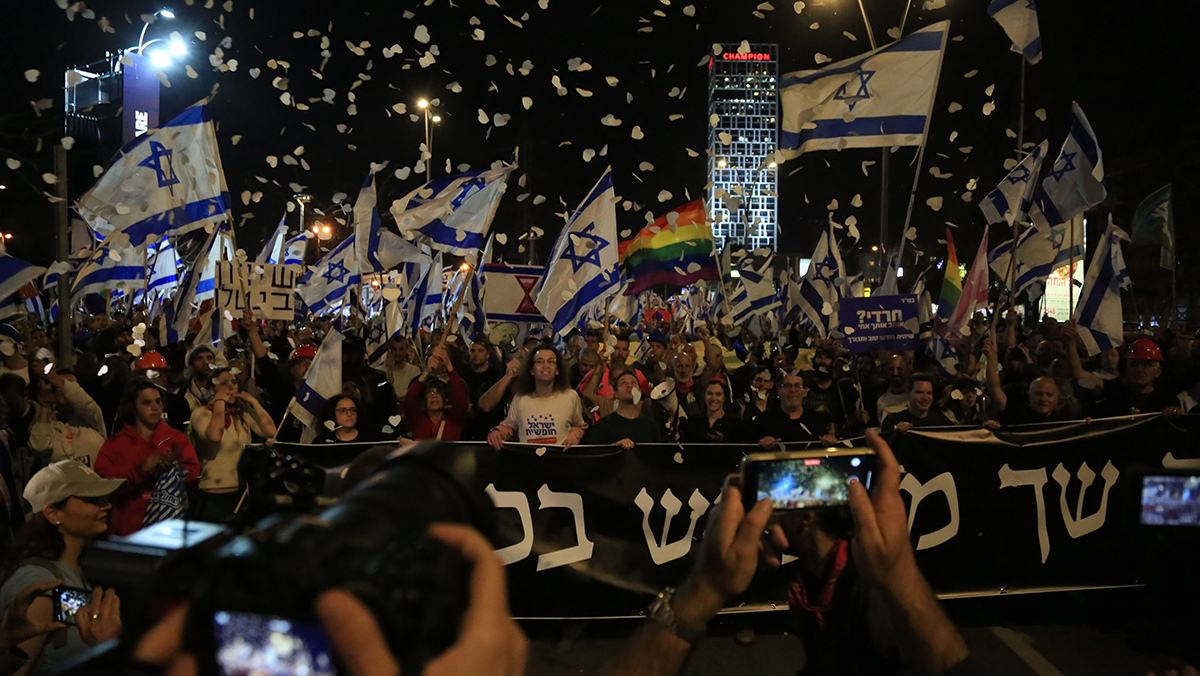
Monday, March 27 was supposed to be a red-letter day for the new far-right Israeli coalition government, when it planned to slide through the Knesset the central provision of its “judicial overhaul” bill, comfortably ahead of the Passover recess beginning on April 2. Instead, it ended up being one of the most extraordinary days in Israeli history. Spurred by the “firing” of Defense Minister Yoav Gallant by Prime Minister Benjamin Netanyahu the evening before, the demonstrations against the overhaul, which had been building in intensity for over two months, became overwhelming.
If the US wants to make its mark on the future of Israeli democracy, it’s time it moved from words to deeds
As Israel’s hardline coalition government is ramming through legislation that would radically alter the country’s political character and system of government, alarm bells are finally ringing in Washington. Even President Joe Biden has finally picked up the phone and expressed his concern to Prime Minister Benjamin Netanyahu about his anti-democratic agenda. The growing American apprehension, however, has yet to be translated into meaningful policy action.