Five things the United States knew about the Nakba as it unfolded
An estimated 750,000 Palestinians were either driven from their homes or fled during the Nakba in 1948. To counter attempts at Nakba denial and “memoricide” by U.S. politicians and others, it is instructive to review the archives of U.S. diplomats stationed in Palestine and surrounding Arab countries who witnessed the Nakba unfold and reported back on the magnitude and gravity of Israel’s dispossession of Palestine’s indigenous inhabitants.
What’s driving Mansour Abbas and Ra’am’s strategy?
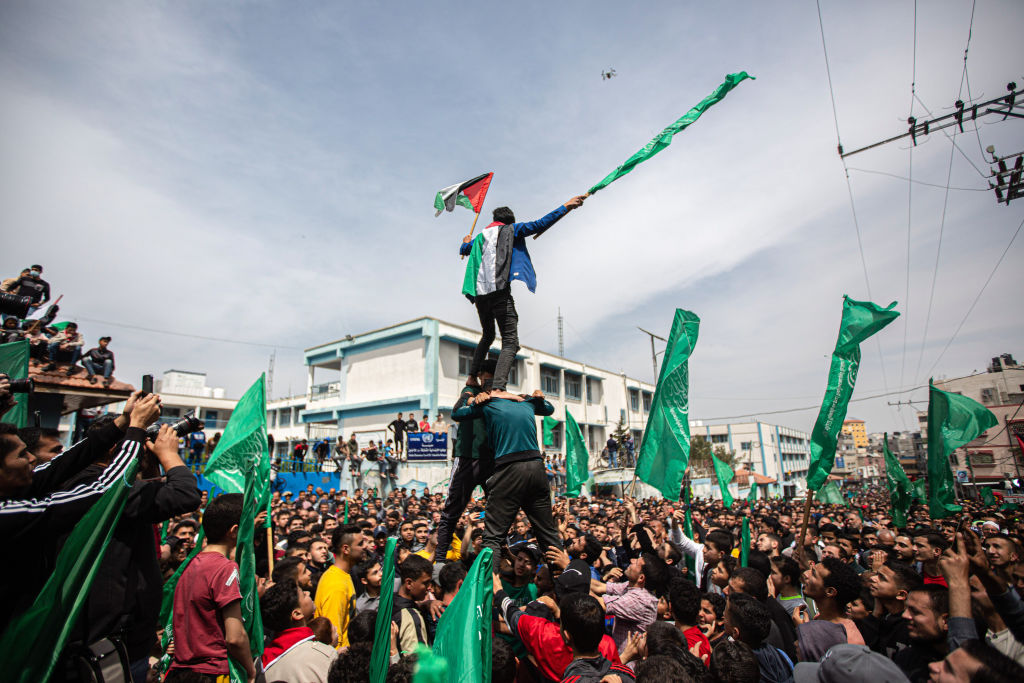
The United Arab List (Ra’am) political party and its chairperson, Knesset Member Mansour Abbas, have come under fire recently from Hamas Gaza head Yahya Sinwar and other Palestinian leaders for supporting Israel’s governing coalition, particularly in light of the violence at al-Aqsa Mosque over the past month. What accounts for the party’s position and what is it hoping to achieve?
Nowhere to hide: The impact of Israel's digital surveillance regime on the Palestinians
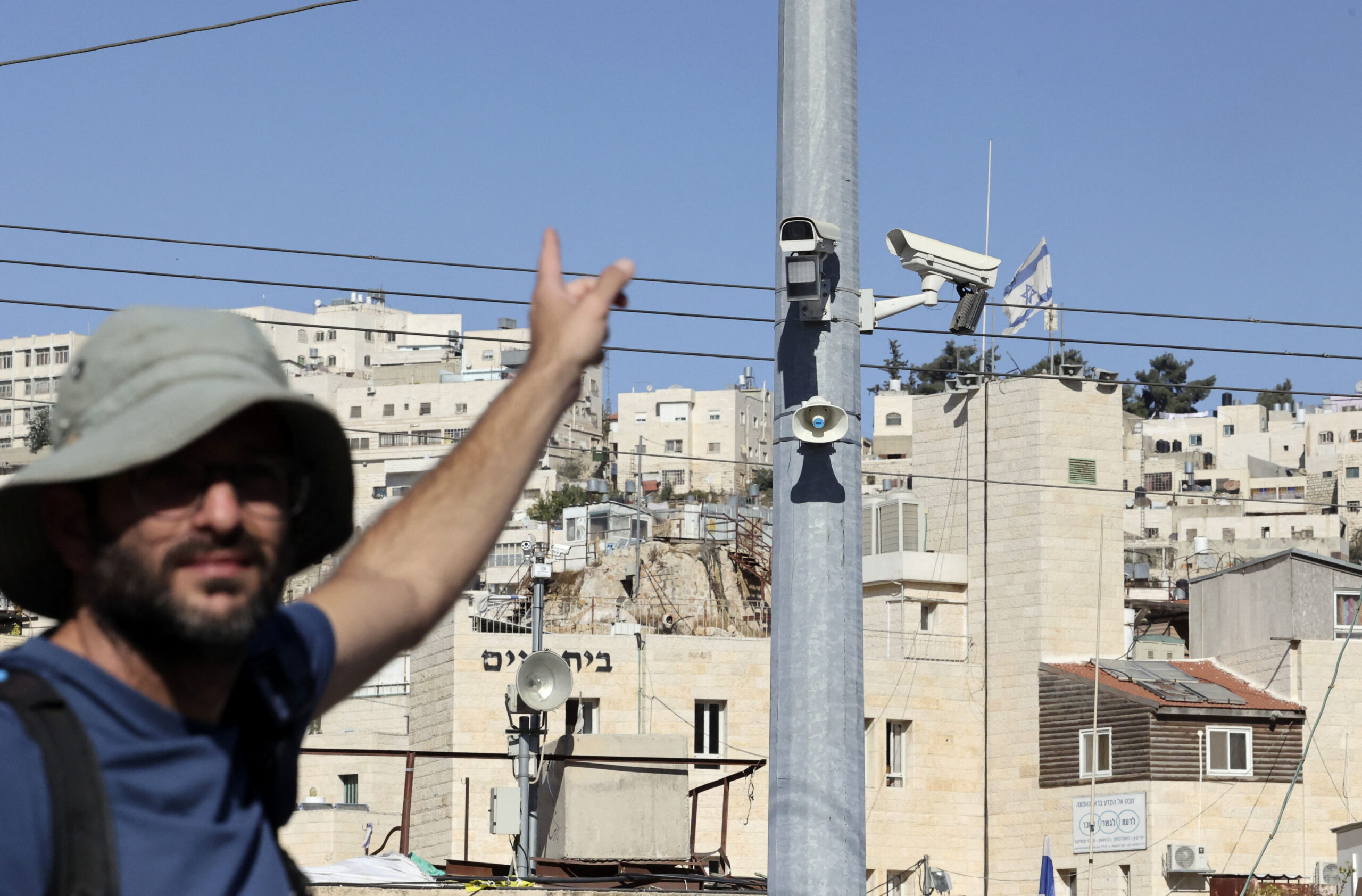
Over the course of 2020 and 2021, groundbreaking investigations revealed in stark detail Israeli authorities’ intensifying use of surveillance and predictive technologies to police and control Palestinians. Subjecting Palestinians to such scrutiny from security and military apparatuses narrows their expressive spaces and plunges them into a state of constant anxiety. This practice also carries out a commercial purpose: Occupied Palestine effectively functions as an open-air laboratory for Israel to test techniques of espionage and surveillance before selling them to repressive regimes around the world.
The digital Middle East: Another front in Russia’s information war
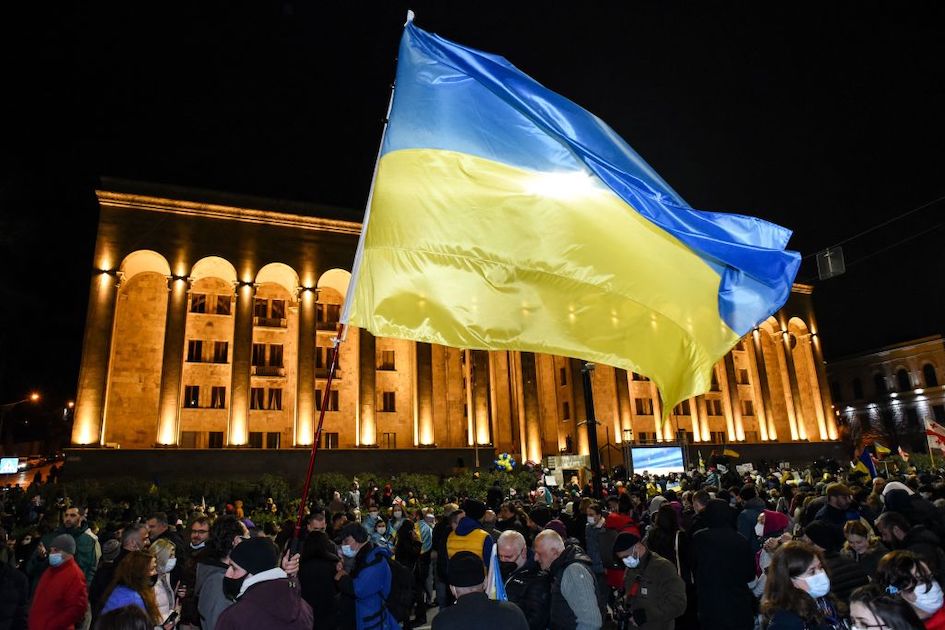
The Middle East and North Africa (MENA) region, long a target of the Kremlin’s information operations, is being flooded with disinformation from Moscow amid the invasion of Ukraine launched on February 24. Prior to the war, Russia’s President Vladimir Putin gave a lengthy history lesson in his televised speech, claiming that Ukraine was created by Bolshevik Russia, and that it should not exist as an autonomous nation. This conflict has already taken an immense human toll and triggered the largest intra-European refugee crisis since the Second World War. And yet the human impact of the war, the full implications of which remain to be seen, extends beyond the physical world into the virtual realm. As missiles strike Ukrainian cities, a parallel war is being fought online — not only in Russia and Ukraine, but around the world, as the Russian state strives to disseminate its messaging. On the home front, Putin has successfully quarantined his people within an information vacuum through unprecedented crackdowns. In addition to Twitter, Facebook and Instagram, the Kremlin has blocked access to the most popular independent media outlets, forcing hundreds of journalists to flee the country. In response, EU officials have banned content from the Russian-state-owned media outlets Russia Today (RT) and Sputnik across the European Union.
Why the latest escalation in the West Bank and East Jerusalem is unlikely to lead to a repeat of last year’s Gaza war
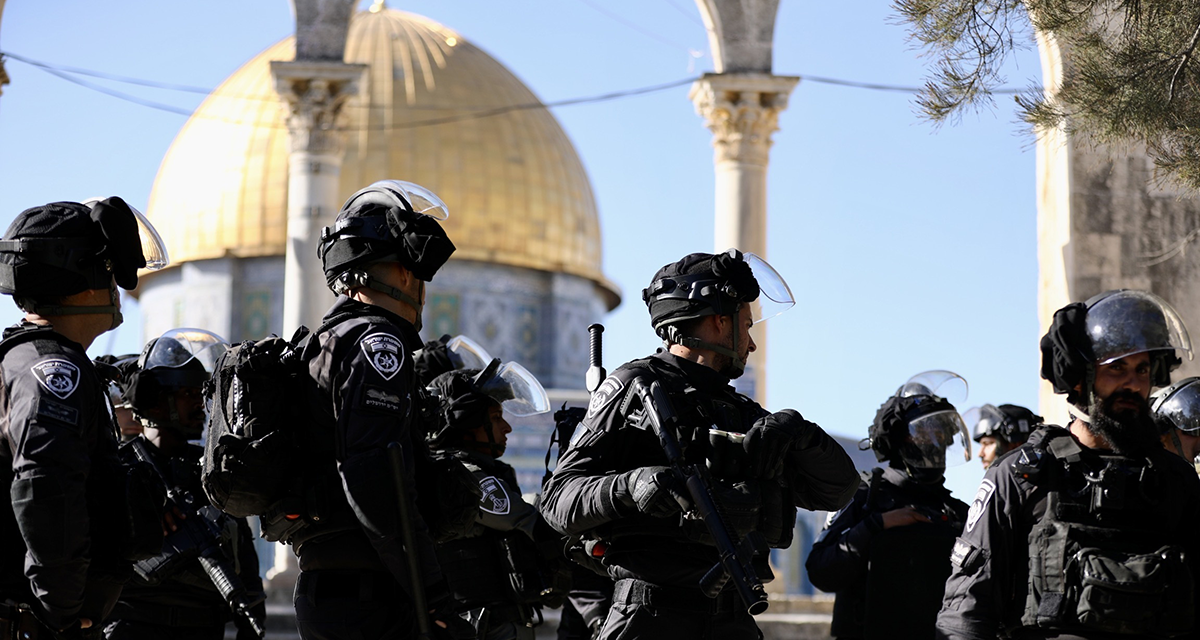
While the events now taking place in Jerusalem and the West Bank are very similar to those of May 2021, the political contexts are different on all sides. Although Israel carried out an airstrike on April 18 following rocket fire from the Gaza Strip, the situation is unlikely to lead to a repeat of last year’s Gaza war.
Host Alistair Taylor speaks with Khaled Elgindy and Lara Friedman about the release of their recently completed 2022 congressional briefing series on Israel and Palestine: Hot topics in Congress. The eight-part webinar series features an array of Palestinian and Israeli voices, weighing in on some of the most pressing and timely Israel/Palestine-related topics in Congress.
مرة أخرى، عرقلة إسرائيلية غير قانونية للم شمل العائلات الفلسطينية
أقر البرلمان الإسرائيلي، في العاشر من آذار مارس الجاري ، مشروع قانون يمنع منح الجنسية للفلسطينيين من الضفة الغربية المحتلة وقطاع غزة المتزوجين من مواطنين إسرائيليين.
Mirette Mabrouk, Joey Shea, and guest host Eliza Campbell discuss current political disputes over the Grand Ethiopian Renaissance Dam (GERD), cyber diplomacy, and the effects of climate change on the Horn of Africa.
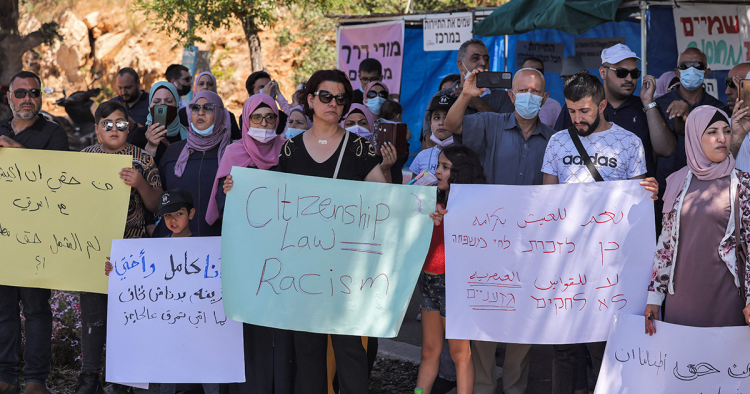
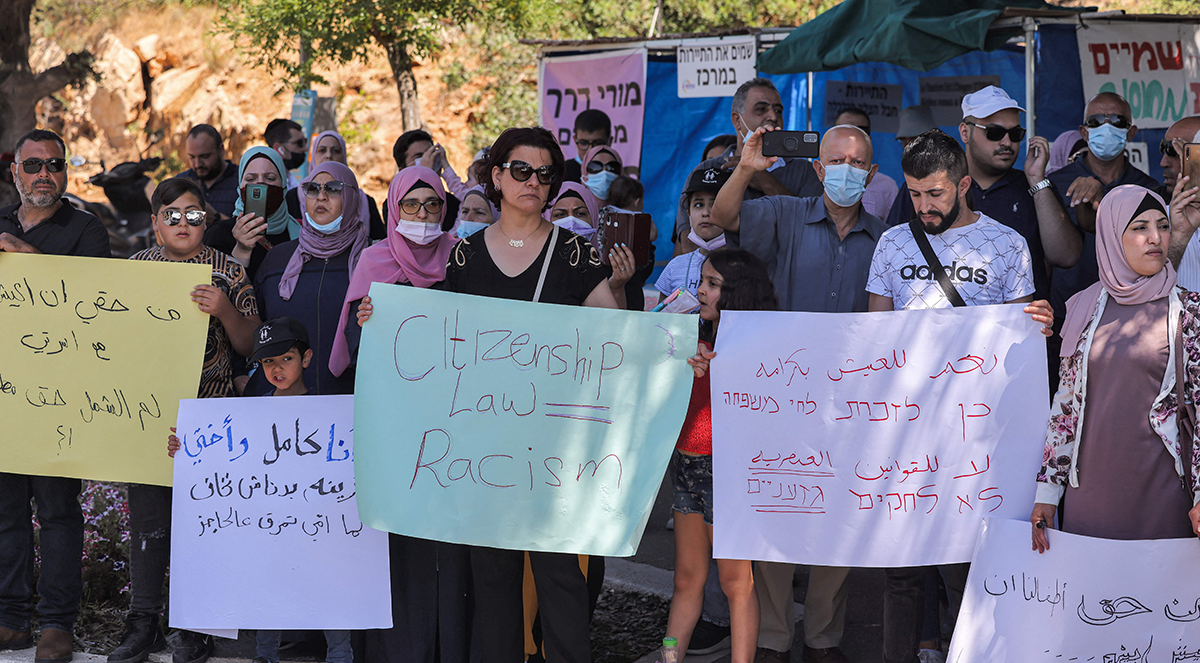
Once again, Israel throws up an unlawful barrier to Palestinian family reunification
On March 10, Israel’s parliament enacted a bill denying naturalization to Palestinians from the occupied West Bank and Gaza who marry Israeli citizens. While most foreign nationals who marry Israelis can live in Israel and eventually become citizens, Palestinians and certain other Arabs cannot.
Drones are re-engineering the geopolitics of the Middle East
The Middle East is experiencing a seismic shift in its geopolitics: the dawn of the era of drones. From Syria to Libya and from Yemen to Iraq, UAVs have altered the dynamics on the battlefield. Agile and affordable, drones aren’t just a menace to remote conflict zones, but also to states far removed from theaters of war.
Connecting Beijing’s global infrastructure: The PEACE Cable in the Middle East and North Africa
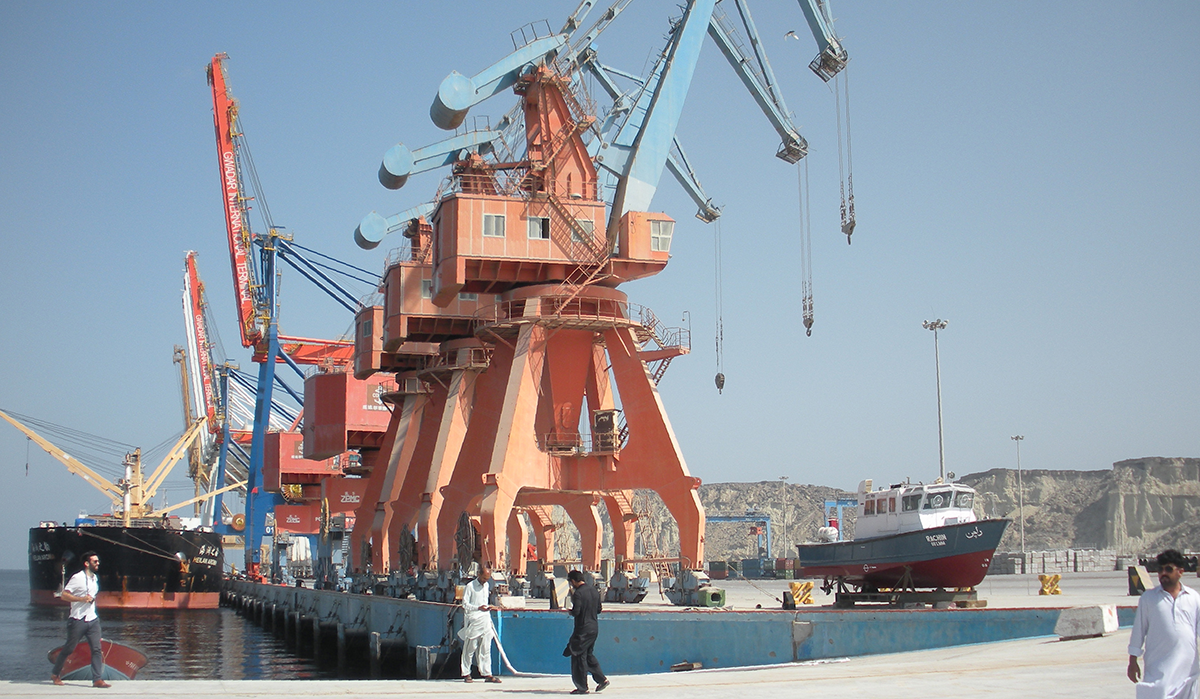
One of the most ambitious elements of China’s Digital Silk Road is the Pakistan & East Africa Connecting Europe (PEACE) fiber-optic cable. China has long expressed its ambition to connect the greater Middle East, Africa, and Europe with Chinese fiber optics in order to expand its presence in the region, and Beijing now boasts strategic infrastructure assets in geopolitical hotspots, such as the Pakistani port of Gwadar.
Expanding use of e-wallets in Egypt: Strengthening the social contract one transaction at a time
Egypt, like much of MENA, is experiencing an unprecedented digital transformation. Governments throughout the region are embracing emerging technologies, particularly in governance and, increasingly, financial management. Countries across MENA are adopting ICT strategies, such as the ICT Vision 2030 in Egypt. Egypt’s plan aims to develop a knowledge-based society by means of a strong digital economy built on reliable, affordable, and equitable access to digital tools.