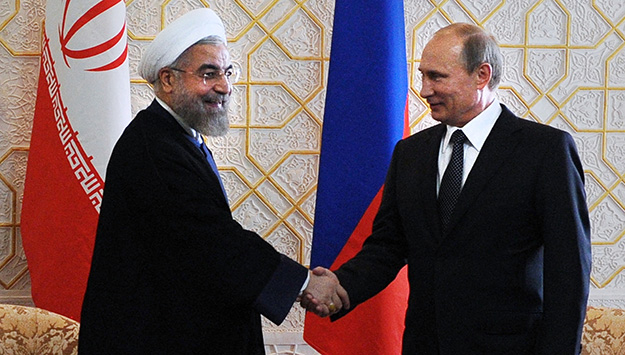
Russian President Vladimir Putin made waves leading into the UN General Assembly with new military deployments to Syria and an accord with Iran and the Iraqi government, signaling the formation of something like an alternate coalition combating ISIS. The sudden moves serve as a wakeup call not only for the United States and its allies, but also for Iran. The Russian actions are not enough to lead the Iranians to openly second-guess their support for Syria’s President Bashar al-Assad, but they are bound to raise tough questions among officials in Tehran.
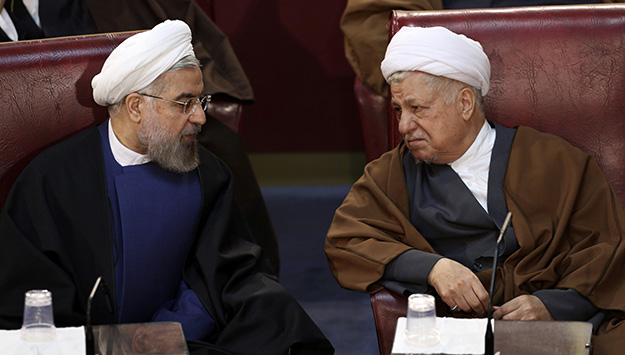
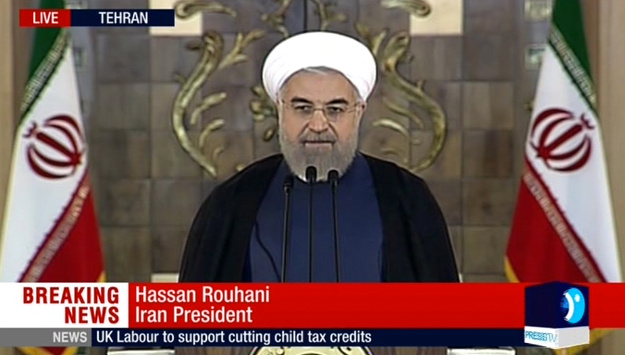
Looking to capitalize on the momentum from the July 14 nuclear deal, the moderate government of Iranian President Hassan Rouhani is now seeking ways to reduce tensions with its regional rivals, particularly Saudi Arabia. This is no small task. Not only must Rouhani convince his domestic critics that mending ties with their arch rival is in Iran’s interest, but he must also get a read on Riyadh’s new leader, King Salman, and the ruling elite.
Upgrading Civil Society in Iran: Dynamics of Adaptation
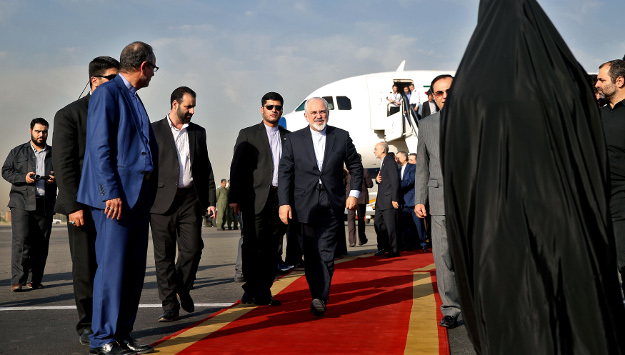
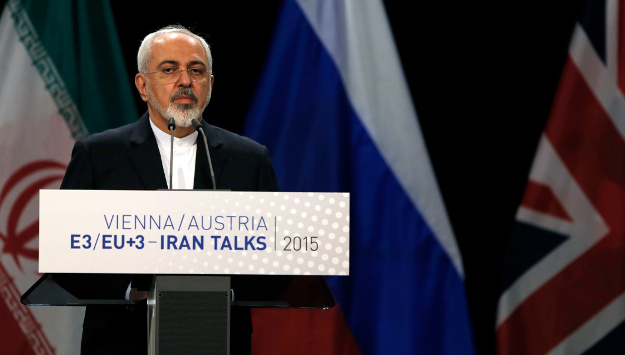
Since the end of Mahmoud Ahmadinejad’s government in June 2013 and the election of the moderate Hassan Rouhani, Iran’s diplomatic activity has changed, specifically its engagement in nuclear talks. The possibility of an agreement reignited enthusiasm for and attention to Iran’s civil society, which played an important role in supporting a diplomatic solution to the nuclear dispute. While many lauded Minister of Foreign Affairs Javad Zarif as the champion of the diplomatic breakthrough, others interpreted the progress in the negotiations to be the result of effective collective efforts by pro-democracy activists.
Read the full article in the September 2015 issue of The Ripon Forum.
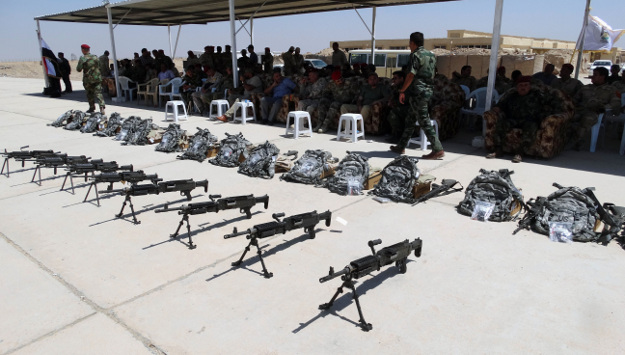
It will be one year this September since the U.S. president declared the formation of an international coalition to ‘degrade and destroy’ ISIS. After 6,000 air strikes, 9,000 targets struck, 10,000 fighters killed, and various battles undertaken in Iraq and Syria, the war is at a strategic stalemate.
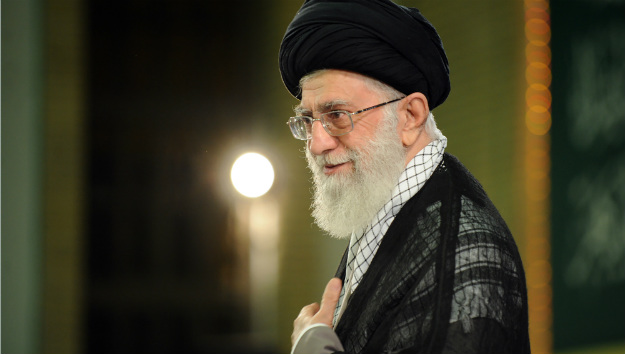
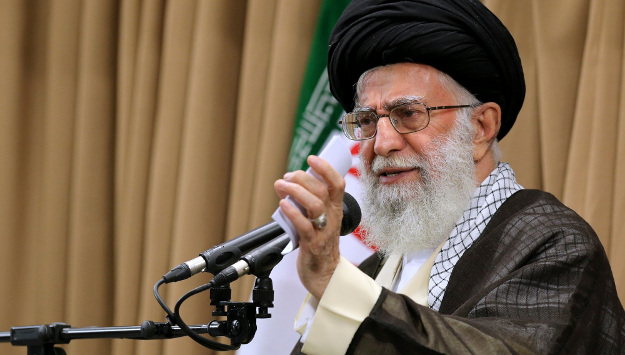
In the United States the nuclear deal with Iran has become a political football of historic proportions, but that hasn’t been the case in Iran. Why not? Most likely it is because for Iran’s Supreme Leader, Ayatollah Ali Khamenei, there is no viable alternative to the Joint Comprehensive Plan of Action (JCPOA). It’s a choice between a deal with the world community or more isolation and economic pain, as well as the social-political uncertainty at home that could come with it.
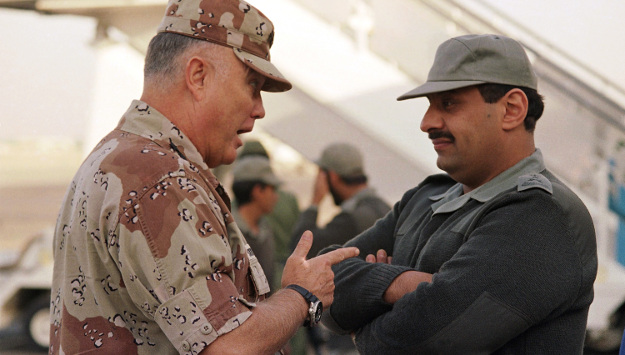
Twenty-five years ago, on August 7th 1990, an American interagency team walked into an urgent meeting with King Fahd of Saudi Arabia, not knowing what would happen. A week earlier Iraq had seized Kuwait. The Americans feared that the Iraqi Army might keep going, seizing the Saudi oil fields. As a result of decisions made at that August 7th meeting, Iraq and terrorism have dominated American foreign policy for three decades and continue to do so.
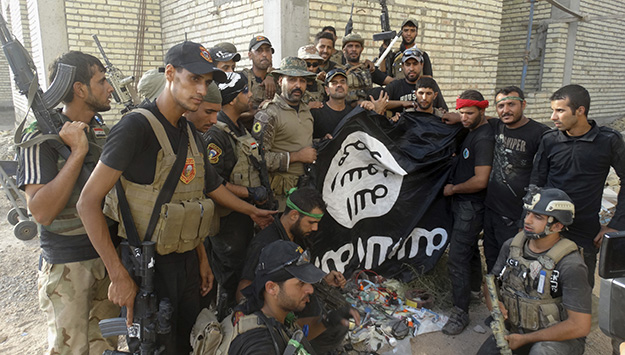
If the hallmark of al-Qa‘ida was to execute simultaneous spectacular attacks to advance its strategic momentum, the month of Ramadan in June and July showed that the Islamic State (ISIS) is taking this tactic to a new level. Yet the extreme amounts of blood shed during the holy month will likely ultimately weaken ISIS, as tribes and other groups in Syria and Iraq, even more appalled by the organization’s barbarism, unite against it.
This article was first published on NPR’s Parallels blog.
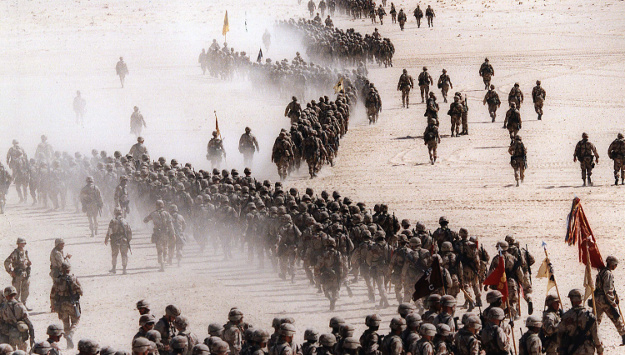
It started so well. When Saddam Hussein’s Iraq invaded Kuwait on Aug. 2, 1990, the United States swiftly cobbled together a broad coalition, unleashed a stunning new generation of air power and waged a lightning ground offensive that lasted all of four days. Iraqi troops were so desperate to quit that some surrendered to Western journalists armed only with notebooks.
Here are some criticisms of the Iran deal that contain at least a kernel of truth; they are worth addressing for the sake of clarifying some of the arguments pro and con.
The Iran nuclear deal has only one big surprise: it is consistent with the April 2 “parameters” that preceded it and contains no surprises. No one caved. Nothing got walked back.
Iran Nuclear Deal: A Platform for Future Cooperation?
MEI interviewed Senior Fellow Alex Vatanka about the historic nuclear agreement between Iran and the P5+1 that was reached on July 14, 2015, and how it may impact regional dynamics and the long-term relationship between Iran and the West.