Back to the Future: Bazaar Strikes, Three Decades after the Iranian Revolution
This essay series examines the roles that community-based organizations (CBOs) have played as active participants in the process of “governing” megacities—whether in service delivery, risk mitigation, or the creation of
The Revolutionary Legacy: A Contested and Insecure Polity
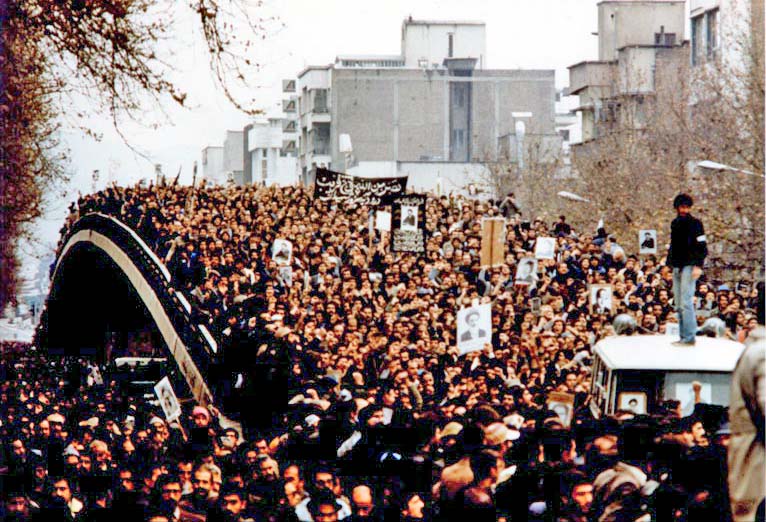
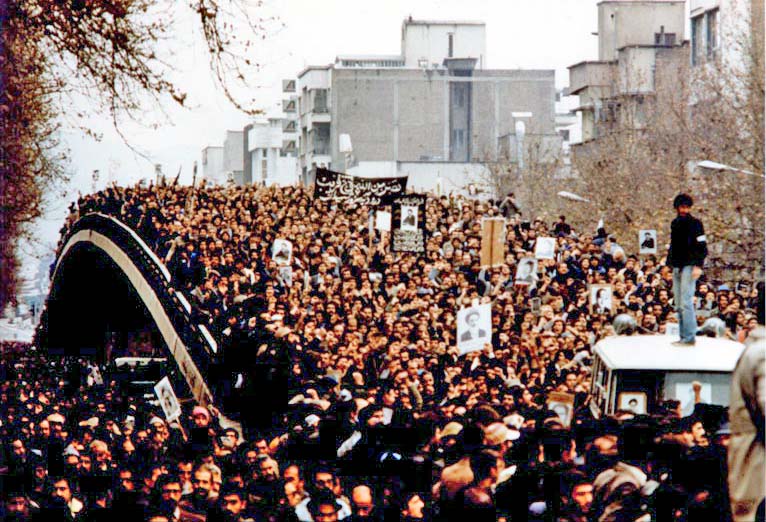
Islamic Iran will enter its 30th year with almost as much political noise as it generated at its inception. On the one hand, Iran’s nuclear program and the confrontation it has engendered are daily reminders of the regional and global dimensions of Iran’s revolution. On the other hand, the incessant squabbling among various branches of the government as well as among different political factions point to the fact that, more than anything else, the revolution was about an end to a one-man dominated political system.
The establishment of several para-governmental organizations (bonyads) following the revolution of 1979 in Iran has created a large socio-economic sector. This sector tried to harness a mass society by creating parallel structures of revolutionary legitimacy and authority in order to contribute to the consolidation process.
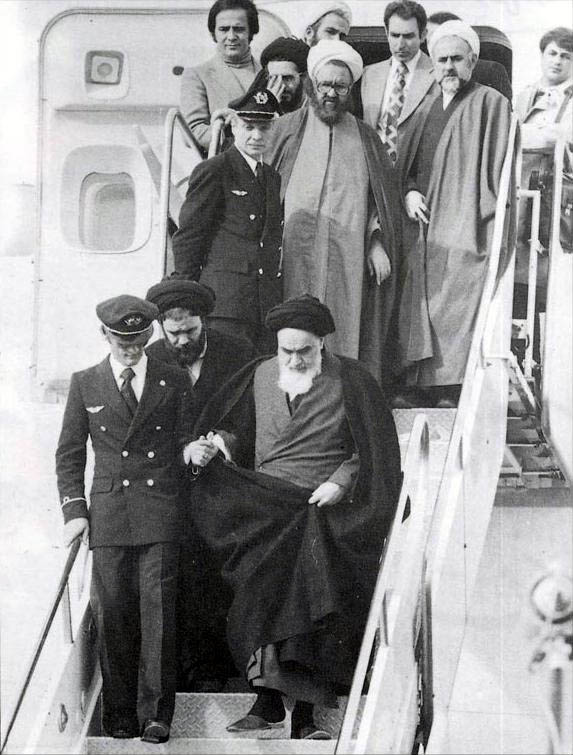
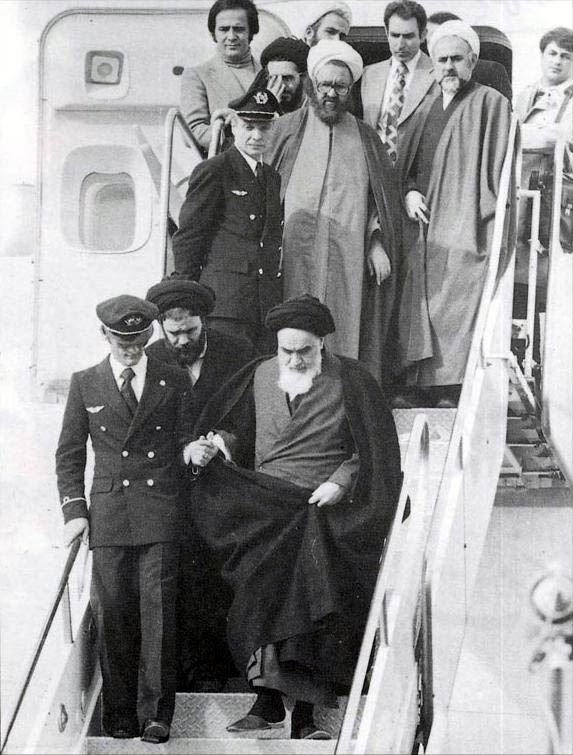
How is it possible that the Islamic Republic of Iran has lasted 30 years? Some of the revolutionaries themselves are probably surprised by this longevity. In 1979, they wrote a constitution that enshrined Imam Ruhollah Khomeini as the leader of the Islamic Republic. Surely they didn’t expect him to live another 30 years, past age 100, but their insistence on Khomeini’s unique characteristics made it unlikely that anybody else would be qualified to succeed him.
The execution of the original project of the Islamic Revolution in Iran has been repeatedly deferred for various reasons. More recently it is the increasing secularization of society under theocratic rule that is hindering the implementation of the original project despite a monopolization of political power by core elite factions.
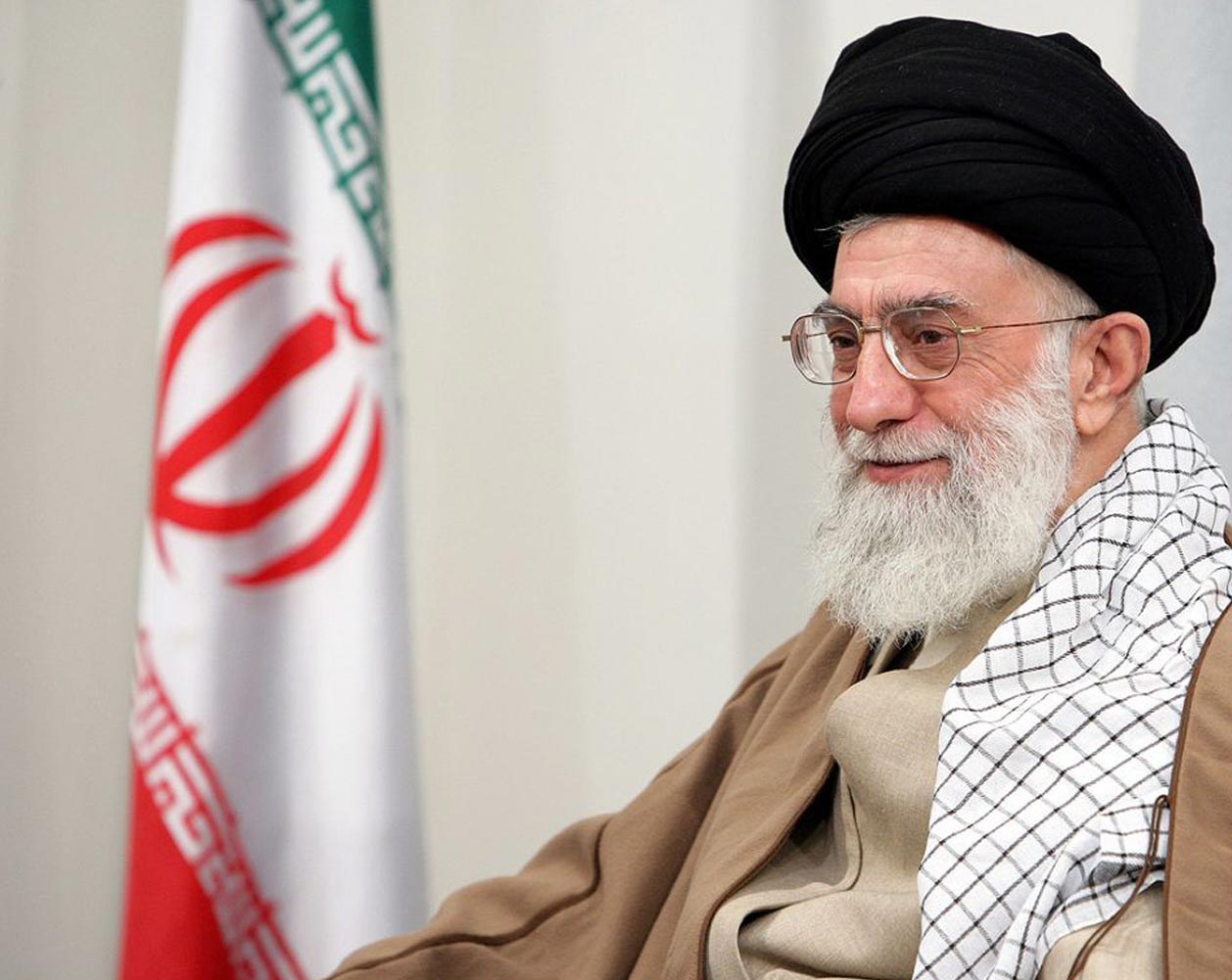
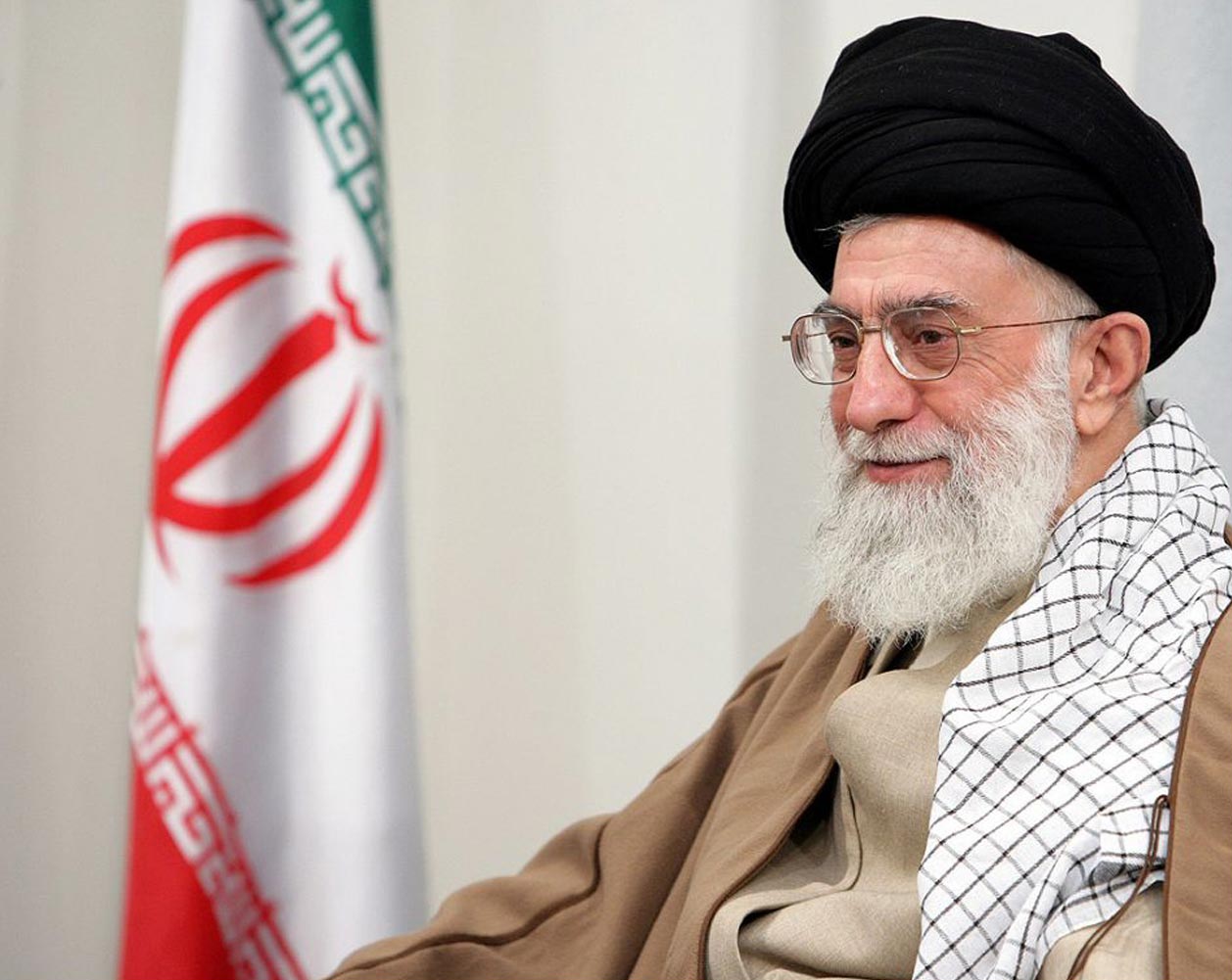
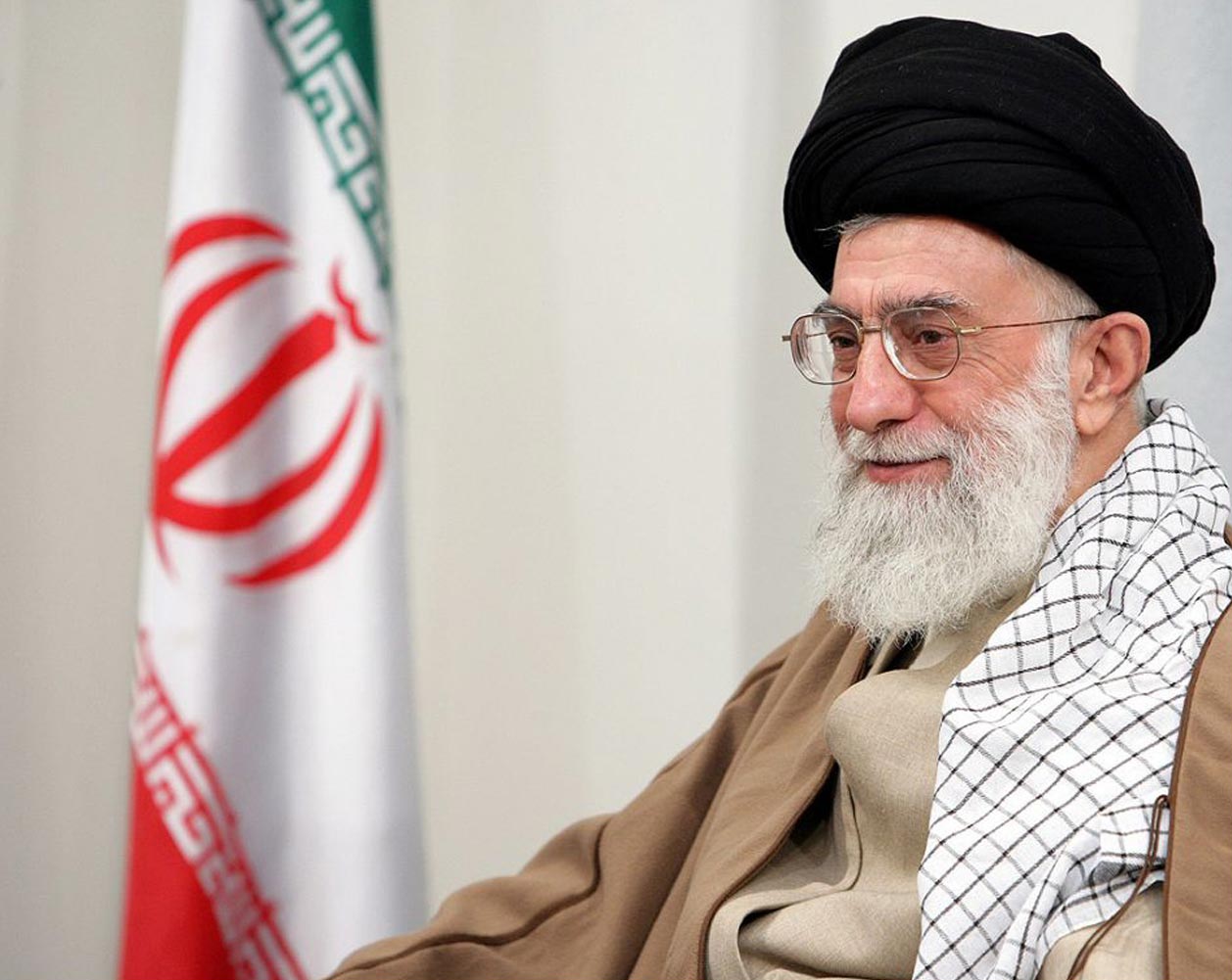
Thirty years ago, Ayatollah Khomeini proclaimed equity and social justice as the Revolution’s main objective. His successor, Ayatollah Khamene’i, continues to refer to social justice as the revolution’s defining theme. Similarly, Presidents Khatami and Ahmadinejad, though they are from very different political persuasions, placed heavy emphasis on social justice in their political rhetoric.
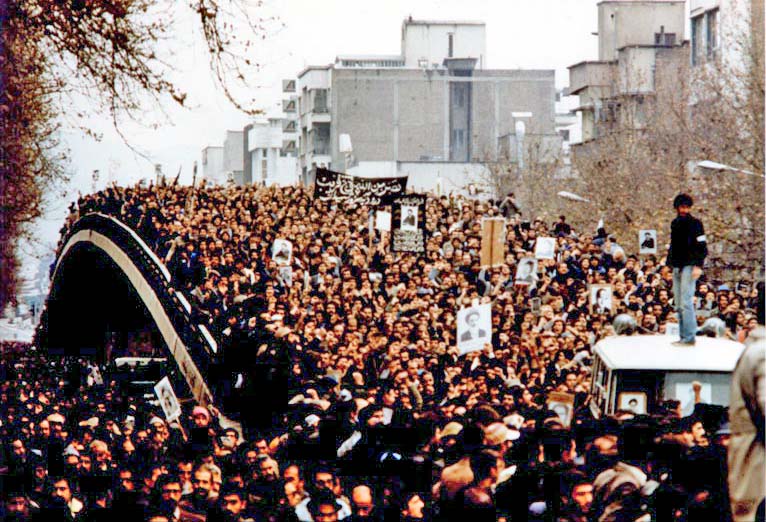
Each year during the anniversary of the revolution, which in Iran is called Dahe-ye Mobarakeh Fajr(The Sacred Ten Days), the Islamic regime leaves no doubt in Iranians’ minds about the causes of the Islamic Revolution.
The term revolution has become a cliché — it is in such common usage that we have forgotten it started its linguistic life as a metaphor. The metaphor was that of a wheel turning upon its axis. The idea, derived from that, is of sweeping change, reminding perhaps of the older, medieval idea of the wheel of fortune (to be found on the tarot card with that name, for example); bringing the mighty low and raising the lowly up on high.
To write briefly about women in Iran since 1979 (and say something different from what is in my recent books Modern Iran and Women in the Middle East and my article on women in the December 2008 issue of Current History) is a challenge.
Elections as a Tool to Sustain the Theological Power Structure
In the 30-year history of the Islamic Republic of Iran (IRI), a total of 30 elections have been held. In spite of losing popular ground, and despite uninterrupted elections, the clerics in Iran still firmly hold the reins of power because elections are designed to serve the status quo rather than to change it.
Women and the Islamic Republic: Emancipation or Suppression?
This essay focuses on the differences between the pre- and post-revolutionary periods in legal interpretations regarding the treatment of female sexuality in marriage and its implications for the freedom of labor and the autonomy of women. I argue that under the monarchy, the theoretical commoditization of female sexuality in marriage was treated as negotiable and modifiable. By contrast, the Islamic Republic has treated the issue as non-negotiable and has reinforced it through the enhancement of women’s entitlements in marriage.
The Iranian Revolution and its aftermath have generated many debates, one of which pertains to the effects on women’s labor force participation and employment patterns. For over 20 years, Iran-born scholars have debated the extent of women’s post-revolutionary marginalization, emphasizing the impact of ideology or economic policy. For some, Islamization led to women’s labor marginalization, while others have argued that Islamization — and its attendant sex segregation — actually benefited women, in that conservative families allowed their daughters to be educated and to seek work.
Shi‘a Politics in Iran after 30 Years of Revolution
In the wake of the 1979 Iranian Revolution, Twelver Shi‘a Islam saw the crystallization of a major radical movement led by activist clerics and militant ideologues with a revolutionary agenda to establish an Islamist political order. The institutionalization of the political ideology of the velayat-e faqih or the “guardianship of the jurist,” advanced by Ayatollah Ruhollah Khomeini (1900-1989), brought to the fore a new conception of Shi‘a government.
Whether or not Muhammad Khatami decides to run again for President of Iran, his prominent legacy symbolizes an ongoing fertile debate inside Iran about political reform and adaptation. For Khatami, democracy and dialogue remain the essential path for Islamic Republic, a bridge between civilizations, a solid course for Iran to the future.
Observers, including this author, often emphasize apparent Iranian paradoxes to alert outsiders to Iran’s vibrant and dynamic society, beyond the static, enigmatic “black” clichés so commonly clung to in popular Western discourse.