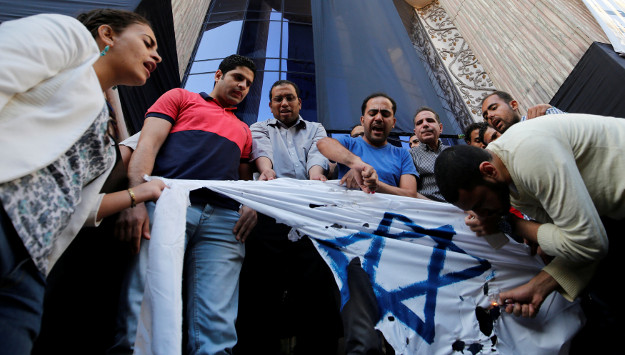
Netanyahu, Sisi and Zero Problems Diplomacy
Read the full article on Al Jazeera.
These days even the hint of a renewal of diplomacy on Palestine is enough to set tongues wagging. In recent months, France has led what remains an inchoate effort to fill the diplomatic vacuum created by the Obama administration’s decision two years ago to close its book on Palestine.
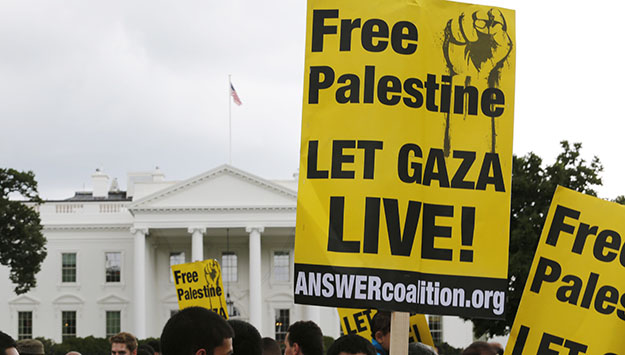
Presidential Race Shifts Discourse on Israel-Palestine
The 2016 presidential primaries have upended a wide variety of assumptions about the rules of American politics, and what the traffic will bear. One of these areas is the Israeli-Palestinian conflict.
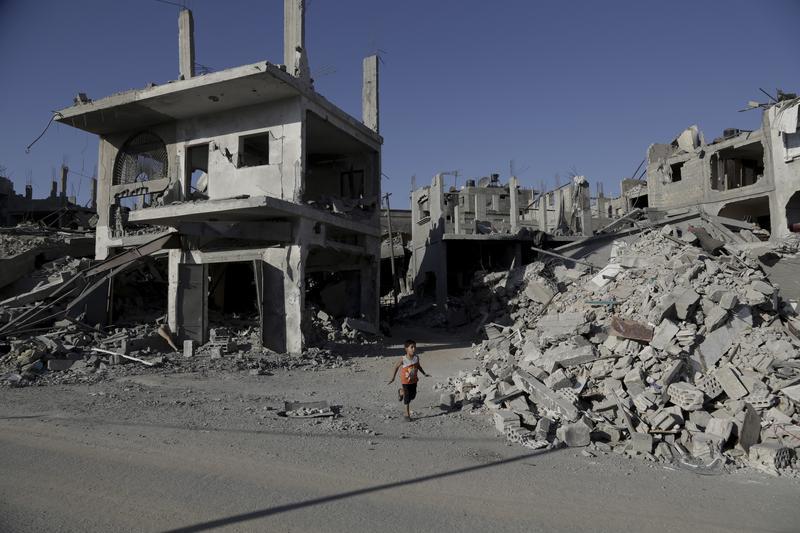
New Gaza War Inevitable without International Action
With the exception of the extremely slow reconstruction process of what was destroyed during the last Israel-Gaza war in the summer of 2014, the conditions that preceded that war remain in place. The Palestinian reconciliation process remains cosmetic, negotiations for a truce between Israel and Hamas that were supposed to resume under Egyptian auspices have stalled, and humanitarian conditions in Gaza are becoming increasingly dire. Without improvement on any of these issues, the risks for a new round of fighting remain high.

The Potential for Intra-Regional Energy Cooperation
Regional Cooperation Series
This Policy Paper is part of The Middle East Institute’s Regional Cooperation Series. Throughout 2016, MEI will be releasing several policy papers by renowned scholars and experts exploring possibilities to foster regional cooperation across an array of sectors. The purpose is to highlight the myriad benefits and opportunities associated with regional cooperation, and the high costs of the continued business-as-usual model of competition and intense rivalry.
Summary

Obama Not to Blame for Region’s Failures
This paper is part of a MEI scholar series titled “The Middle East and the 2016 Presidential Elections.”
Philip Gordon, a former Middle East policy adviser in the White House, likes to say that President Barack Obama learned three lessons from the region’s unending turmoil.
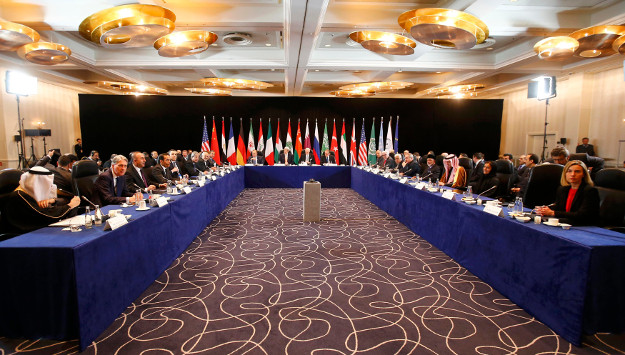
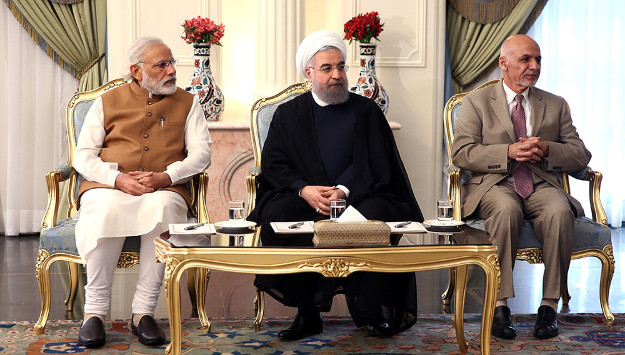
Monday Briefing: International Syria Support Group, Mustafa Badreddine, Global Refugee Summit, and India's Modi to Visit Iran
In this week’s Monday Briefing, MEI experts Robert S. Ford, Randa Slim, Paul Salem, and Alex Vatanka provide analysis on recent events including Tuesday’s meeting of the International Syria Support Group in Vienna, the death of Hezbollah senior leader Mustafa Badreddine, the global Refugee Summit to be held in Istanbul, and Indian PM Modi’s upcoming visit to Iran.
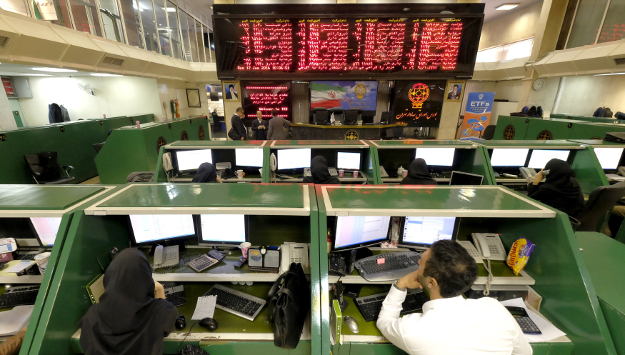
Iran's Post-Sanctions Economic Options
This paper is part of a MEI scholar series titled “The Middle East and the 2016 Presidential Elections.”
Introduction
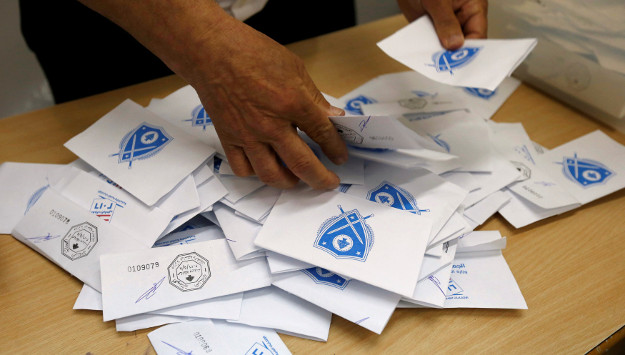
Monday Briefing: Lebanon's Elections, Gaza Unrest, Syria Talks, and Saudi's New Oil Minister
In this week’s Monday Briefing, MEI experts Paul Salem, Paul Scham, Charles Lister, and Jean-François Seznec provide analysis on recent events including Lebanon’s elections, unrest in Gaza, the ongoing Syria talks, and Saudi Arabia’s new oil minister.
Lebanon Elections Run Smoothly
Paul Salem, Vice President for Policy and Research
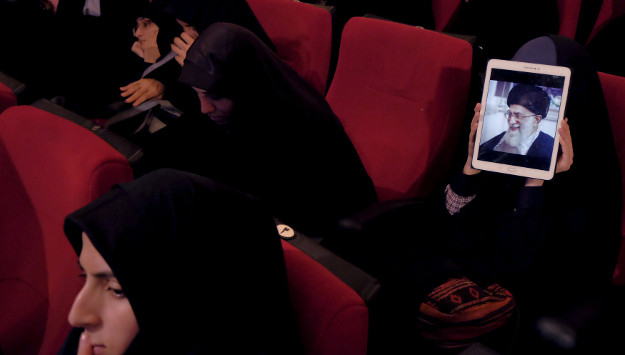
Monday Briefing: Syria Cease-fire, Yemen Talks, and Iran Elections
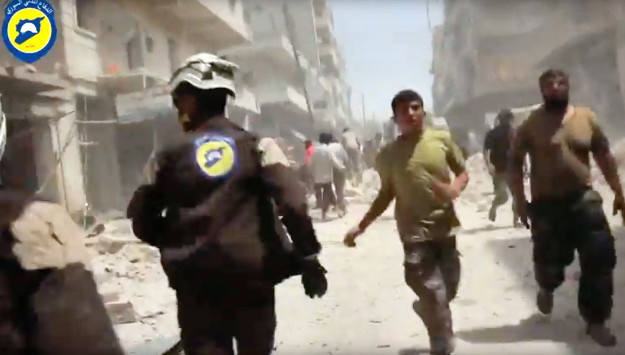
In this week’s Monday Briefing, MEI experts Charles Lister, Charles Schmitz, and Alex Vatanka provide analysis on recent events including the Syrian cease-fire, Al-Qaeda losses in Yemen, and Iran’s parliamentary elections.
Cease-fire Dead in Syria
Charles Lister, Resident Fellow
Defying Expectations: China’s Iran Trade and Investments
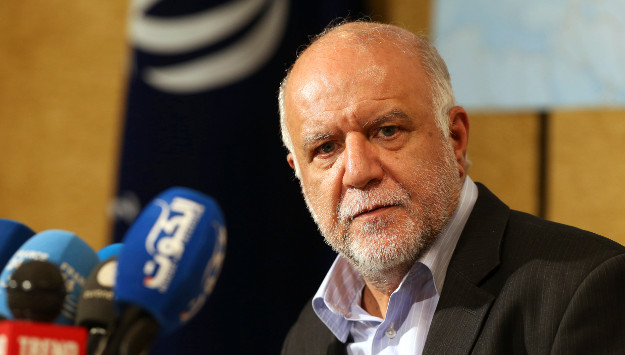
This essay examines China-Iran trade relations, as well as Chinese investments in Iran. Particularly, it asks whether the Chinese-Iranian stated ambition to increase the value of bilateral trade to $600 billion within a decade is attainable. Additionally, it identifies the factors responsible for the trade deficit in Iran’s favor, and shows that the pace of China’s foreign direct investment (F.D.I) in Iran is slowing in spite of absolute increases.
Iran’s Uneasy Relationship with its Sunni Minority
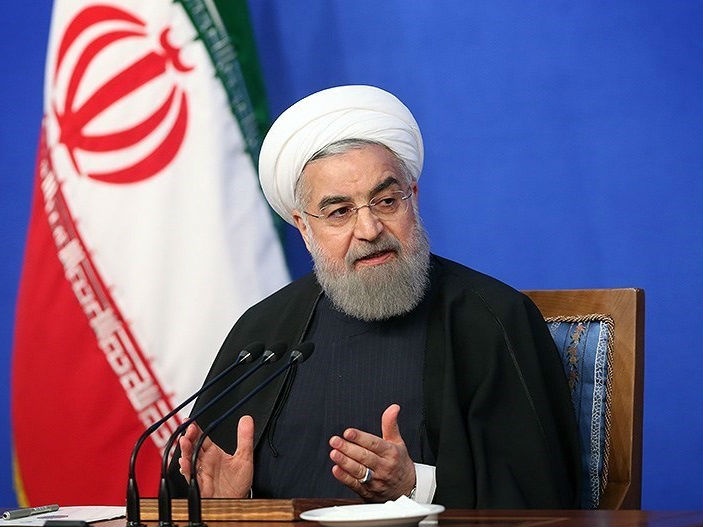
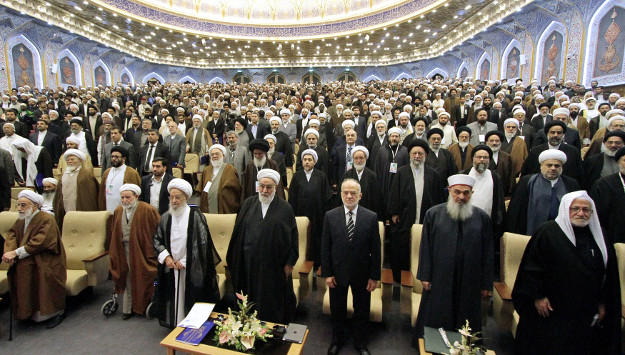
The threat of militant extremism among Iran’s Sunnis is being taken very seriously in Tehran. Iranian authorities have been exerting considerable effort to stem the spread of Salafism and Wahhabism into Iran’s mainly Hanafi Sunni majority regions. One strategy that authorities are not pursuing, however, is development. Indeed, the continued underdevelopment of these regions is leaving the door open to radical Islam. Iran’s Sunnis have long struggled with poverty and discrimination, and are suspiciously viewed as the country’s fifth column.