Allen Keiswetter is a scholar at the Middle East Institute and an analyst at the law firm of Dentons. This is an updated version of a paper originally published by Dentons-GPS.
The Iran Sanctions and South Korea’s Balancing Act
Following the recent progress on the Iranian nuclear issue and the subsequent easing of sanctions, South Korean businesses are reengaging the Iranian market. A South Korean trade delegation visited Iran on March 9, 2014 to expand bilateral trade ties in the mining, industrial, and food sectors. On March 17, South Korea’s Finance Ministry lifted a ban, allowing South Korean auto, construction, pharmaceutical, and telecommunications industries to resume trade with Iran, though sanctions remained in the shipbuilding, shipping, and harbor sectors.
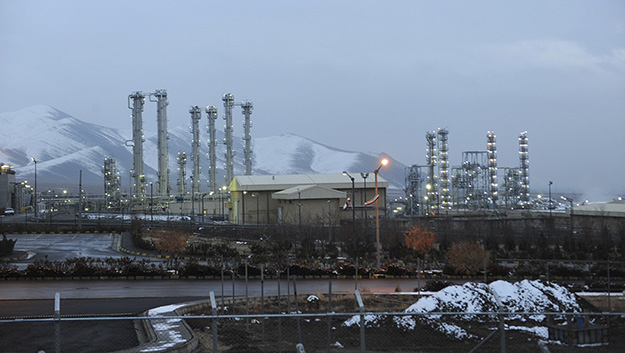
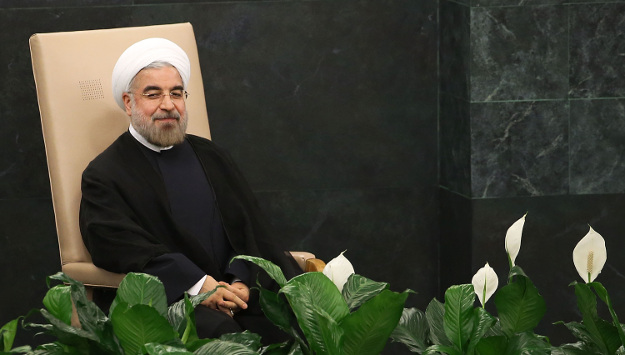
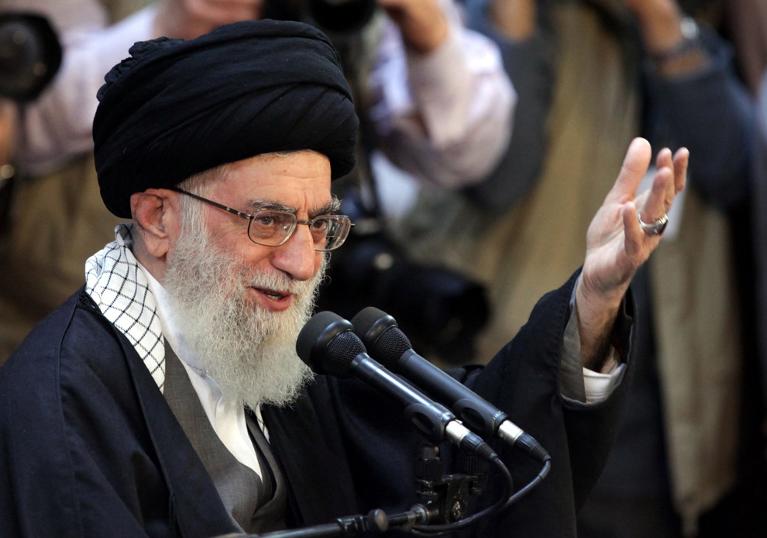
Geography alone should make the Arab world Iran’s key foreign policy focus. Of Iran’s 13 immediate neighbors, seven are Arab countries.[1] But Tehran’s approach to the Arab world, with its 22 states extending from North Africa to the Arabian Peninsula, varies widely in intensity, and Iran’s objectives are equally varied depending on the country in question.
Five Arab Elections in Search of a Democratic Transition
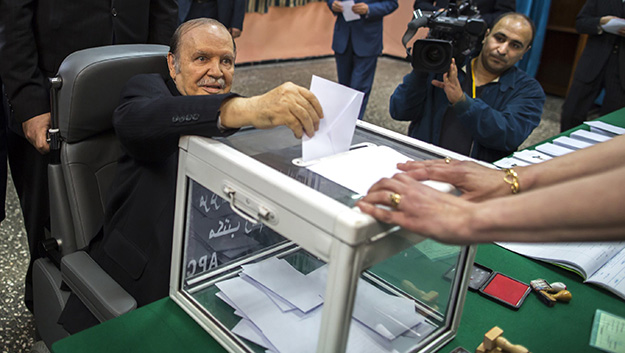
Algerian President Abdelaziz Bouteflika casts his ballot on April 17.
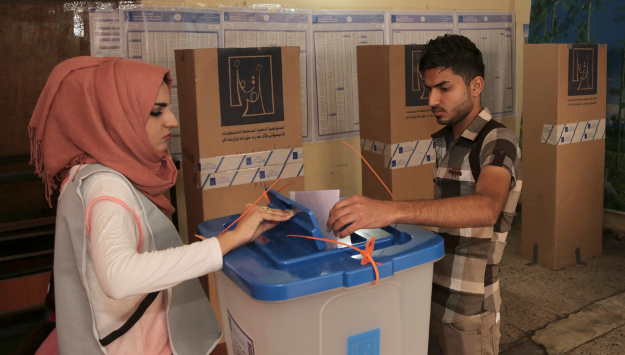
In the current two months between mid-April and early June, five Arab countries—Algeria, Lebanon, Iraq, Egypt, and even war-torn Syria—are holding key elections, with little sign that any is moving in the direction of meaningful democratic transition.
With Iraq’s elections scheduled for April 30, the United States should be acutely aware of its reduced but remaining influence in the country. Even in 2006 and 2010, when more than 100,000 U.S. soldiers were present in Iraq, it was largely Iran that had the final say on the premierships, if not the exact shape of the cabinets that were formed after the elections.
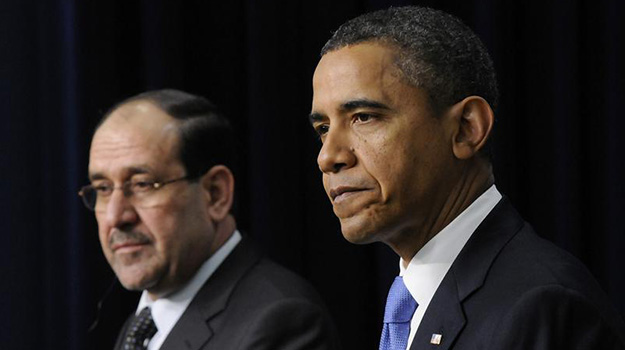
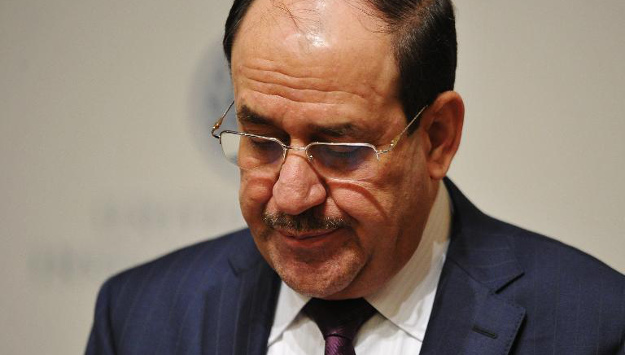
Two years after the U.S. withdrawal and four years into Prime Minister Nuri al-Maliki’s second term, Iraq is on the brink of breaking apart. The upcoming parliamentary elections scheduled for April 30, and the political process of government formation that will follow, present an opportunity to push for a return to more inclusive politics in Iraq. Unless Maliki is replaced or drastically changes his policies, these might be the last elections in a nominally united Iraq.
The Middle East Dialogue is a regional Track II forum that meets twice a year and brings together current and former officials and senior experts from the Middle East, the United States, Russia, China, and the EU to discuss emerging political & security trends in the region. What follows is a report from the latest meeting of the Dialogue in Erbil, Iraq, on March 30-31, 2014, led by MEI’s Director of Track II Dialogues Randa Slim and VP for Policy and Research Paul Salem.
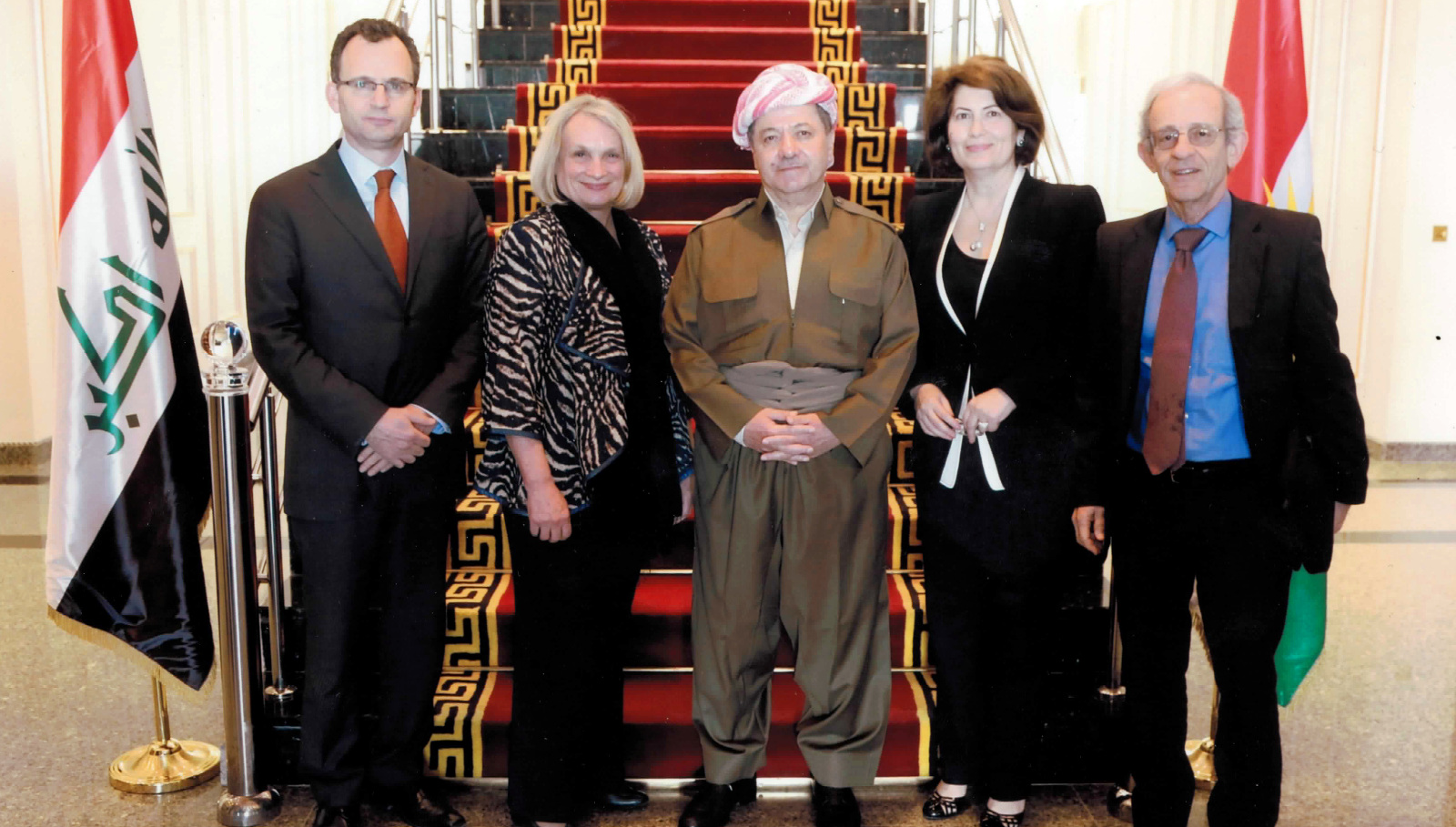
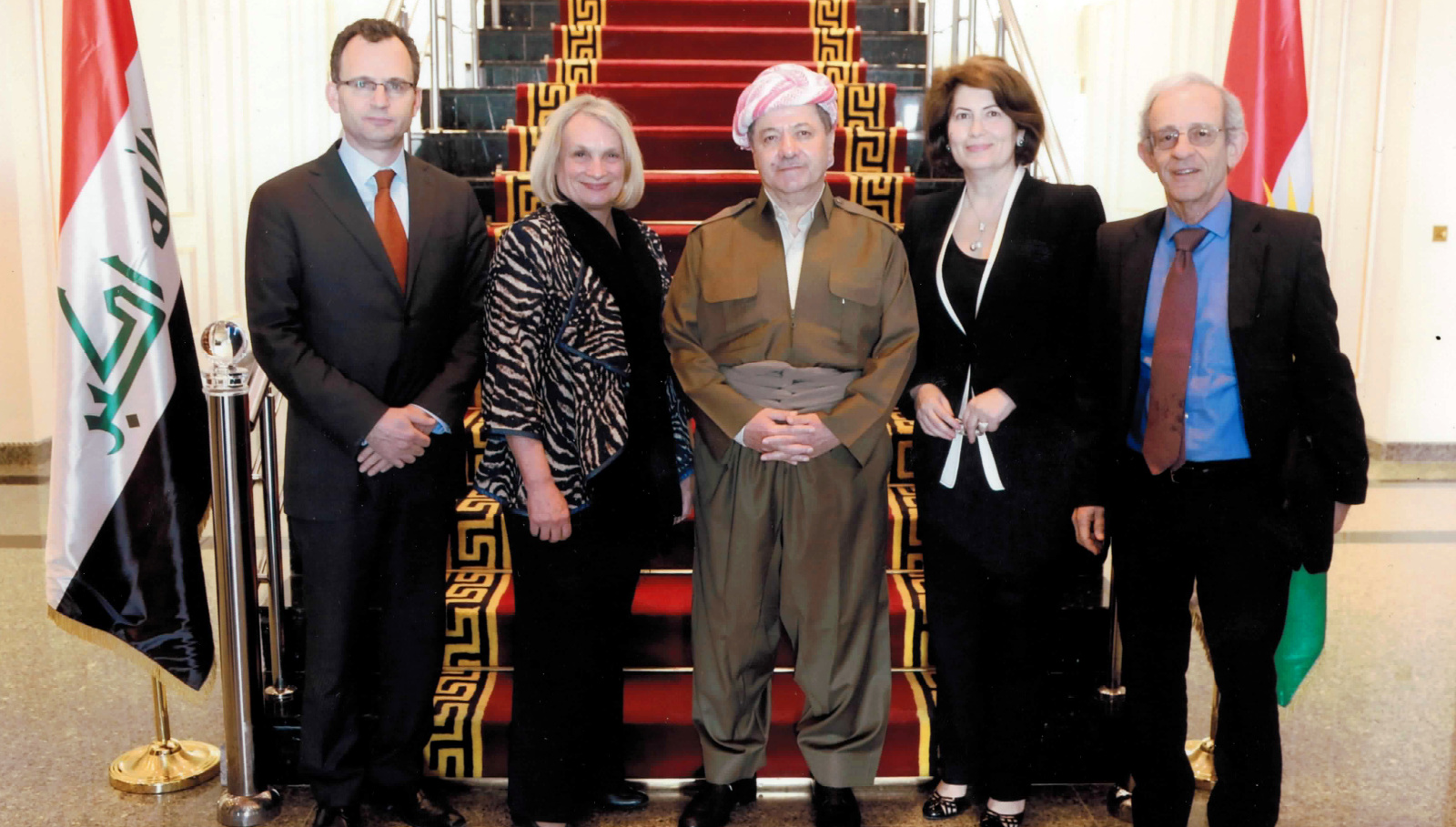
Comments by KRG President Massoud Barzani at Middle East Dialogue in Erbil
The Middle East Dialogue is a Track II forum focusing on emerging political and security trends in the region that meets twice a year, bringing together current and former officials and senior experts from Egypt, Saudi Arabia, the UAE, Iraq, Iran, Turkey, Jordan, Lebanon, Kuwait, the United States, Russia, China, and the EU. Members of the delegation, led by The Middle East Institute’s president, Wendy Chamberlin, met March 31 with Kurdistan Regional Government (KRG) President Massoud Barzani in Erbil, the capital of Iraqi Kurdistan.
Erbil, Baghdad, and Implications of the Oil Dispute
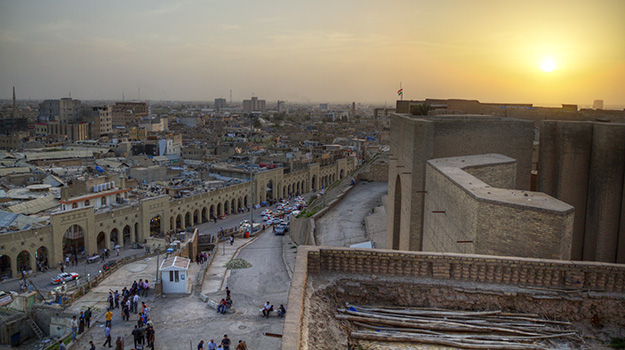
Erbil—the capital of Iraqi Kurdistan—was once a chaotic and dusty backwater. Today, it is well on its way to becoming an attractive and orderly commercial and government center. A decade ago there were virtually no trees, as they had all been cut down for firewood to heat Kurdish hearths during the 1990s wars among Kurds and between Kurds and Saddam Hussein’s army. A magnificent wooded park now graces the mile or so from the high-rise hotel district to the Kurdistan Regional Government’s parliament and offices.
The political crisis in Ukraine and subsequent annexation of Crimea by Russia have sent reverberations throughout the Middle East, where Western and Russian influences continue to weave a complex geopolitical web. MEI interviewed four of its scholars to produce this detailed account of the challenges the conflict poses to the region’s political, security, and economic conditions.
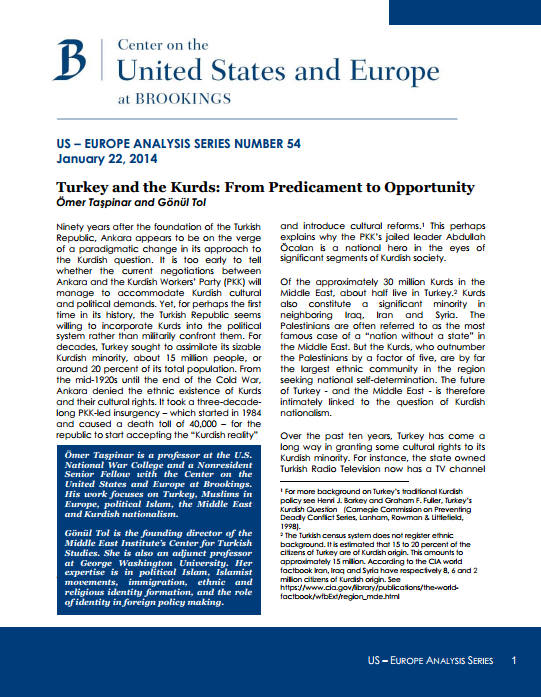
Turkey and the Kurds: From Predicament to Opportunity
This report was co-authored by Ömer Taşpınar and was published by the Center on the United States and Europe at the Brookings Institution on Jan. 22, 2014. Click here to download the full report as a PDF.