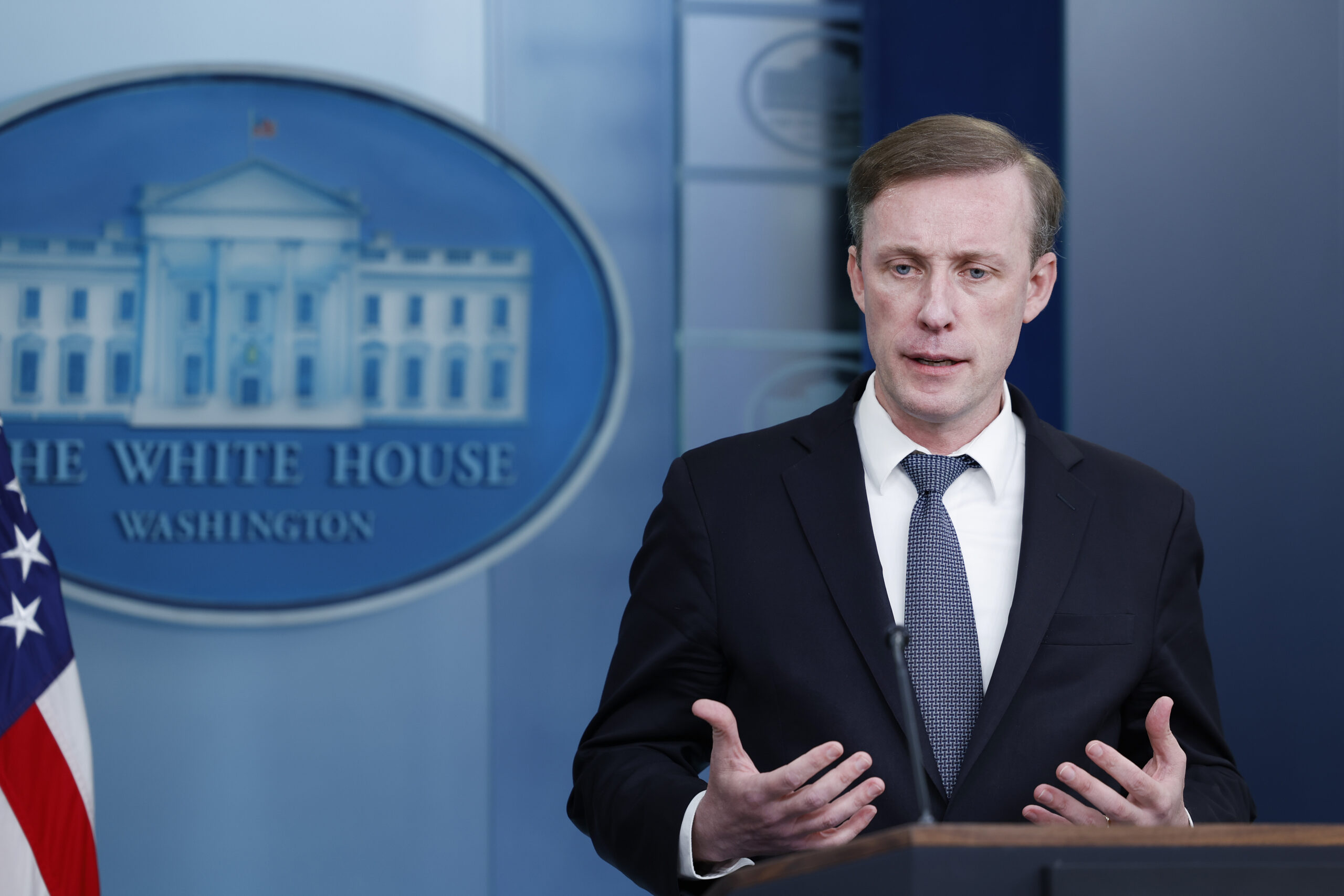
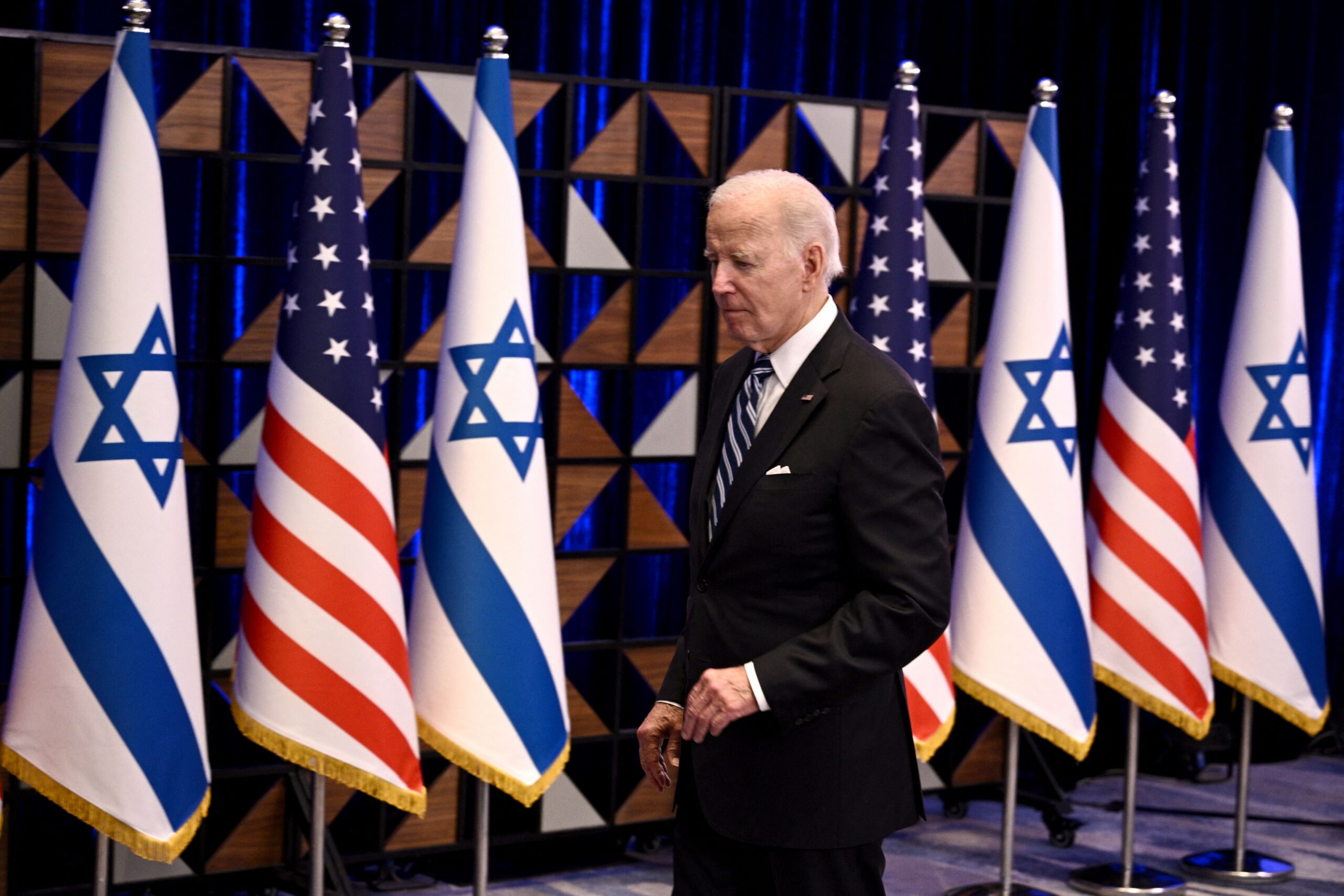
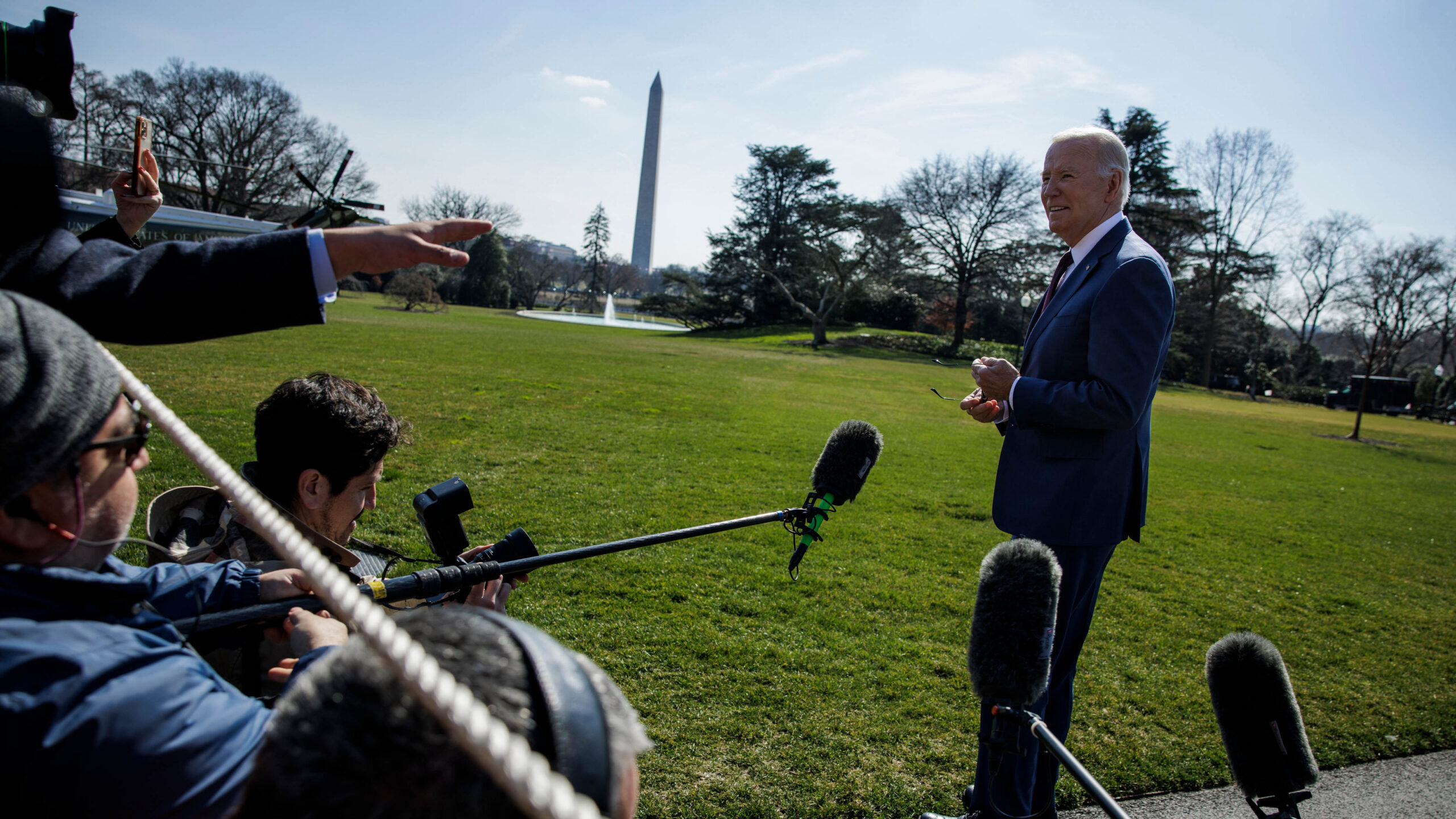
On 13 December 2023, following discussions with Israeli Prime Minister Benjamin Netanyahu on Israel’s military campaign in Gaza, US President Joe Biden rejected congressional calls to stop or condition US military assistance to the Jewish state.
“We’re not going to do a damn thing other than protect Israel in the process. Not a single thing,” he said at the time.
A month earlier, Vice President Kamala Harris said the United States “(was) not going to create any conditions on the support (it) was giving Israel to defend itself.”
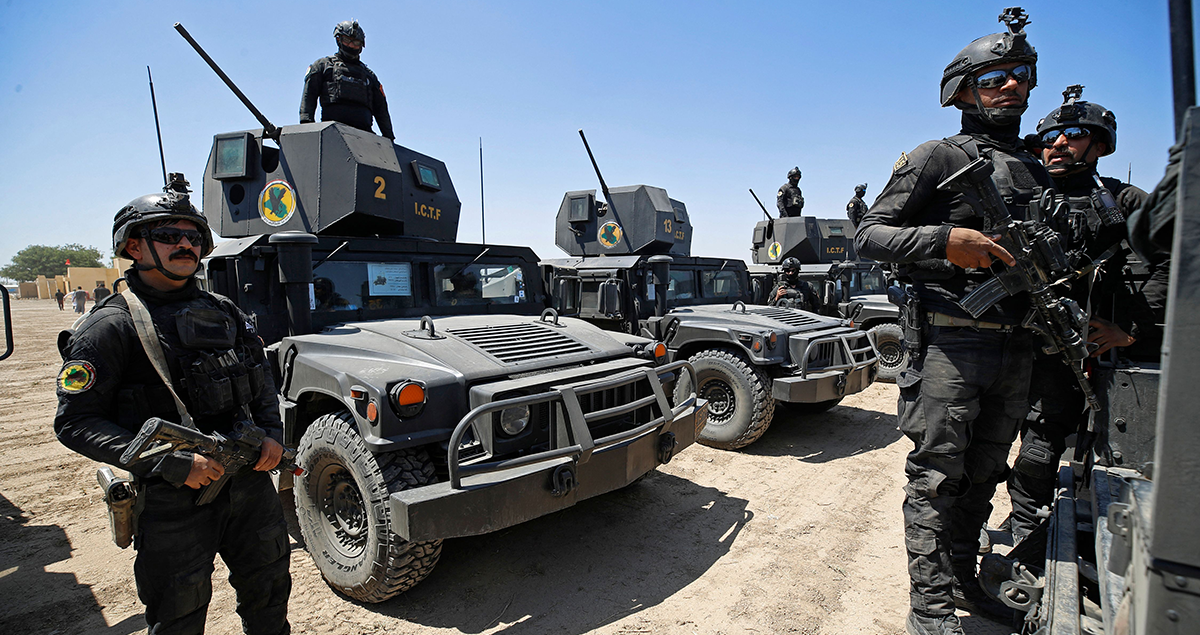
Maintaining the best thing the US built in Iraq: Continued support to the Iraqi Counterterrorism Service
As the US engages in a dialogue with the Iraqi government over the future of the coalition forces combating the Islamic State, Washington must ensure a continued relationship between the US Special Operations Forces and the Iraqi Counterterrorism Service.
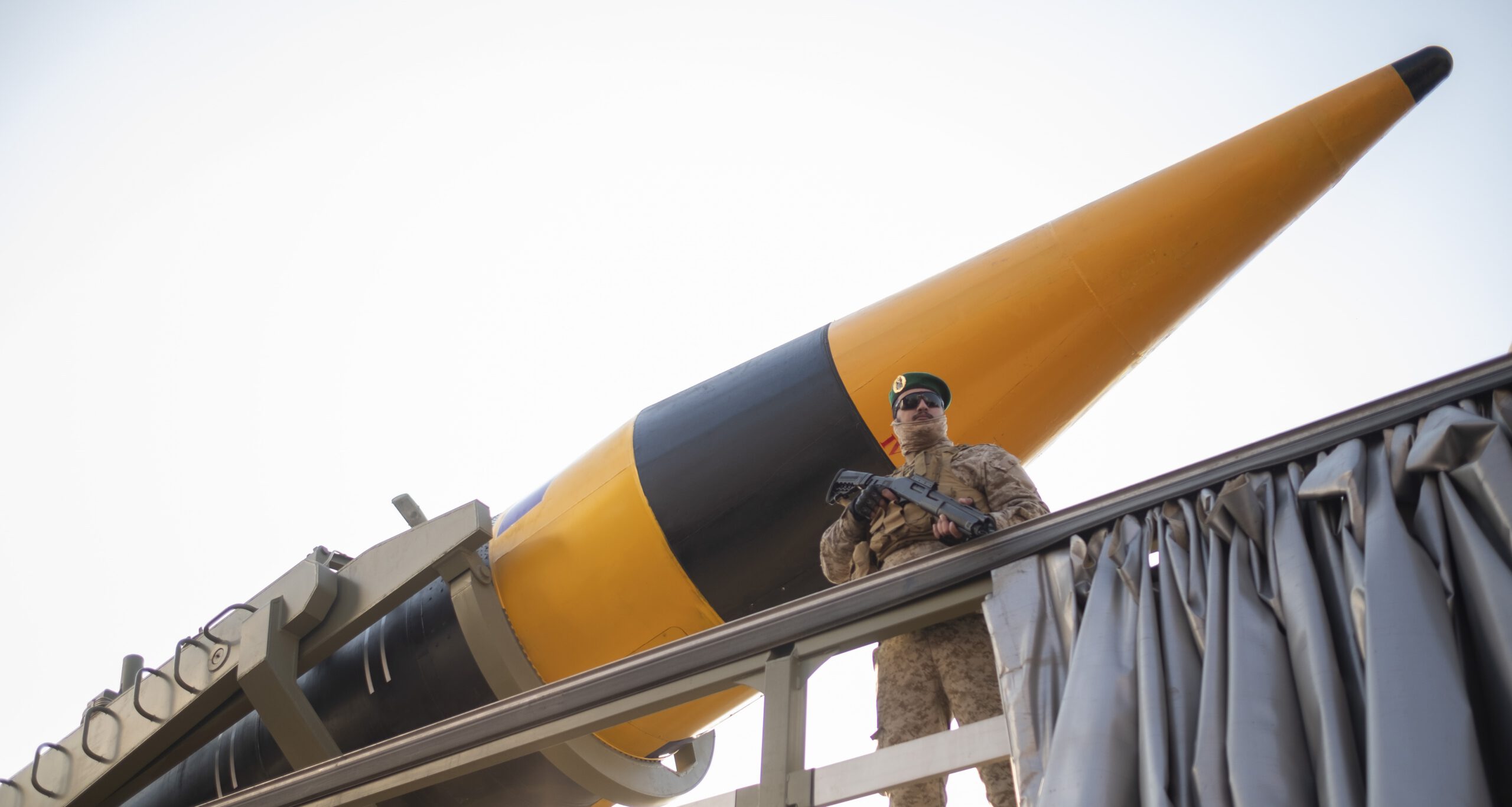
“Exporting its internal problems”: Understanding Iran’s January missile salvos against its neighbors
In mid-January, with the war in Gaza continuing to rage on, Iran launched a series of surprise missile attacks on its immediate neighbors Iraq, Syria, and Pakistan over two days. Taken together, these attacks illustrate that the Islamic Republic puts regime survival above national interest in its foreign policy calculations, which undermines its efforts to engender solidarity and good relations with other Muslim-majority states in the region.
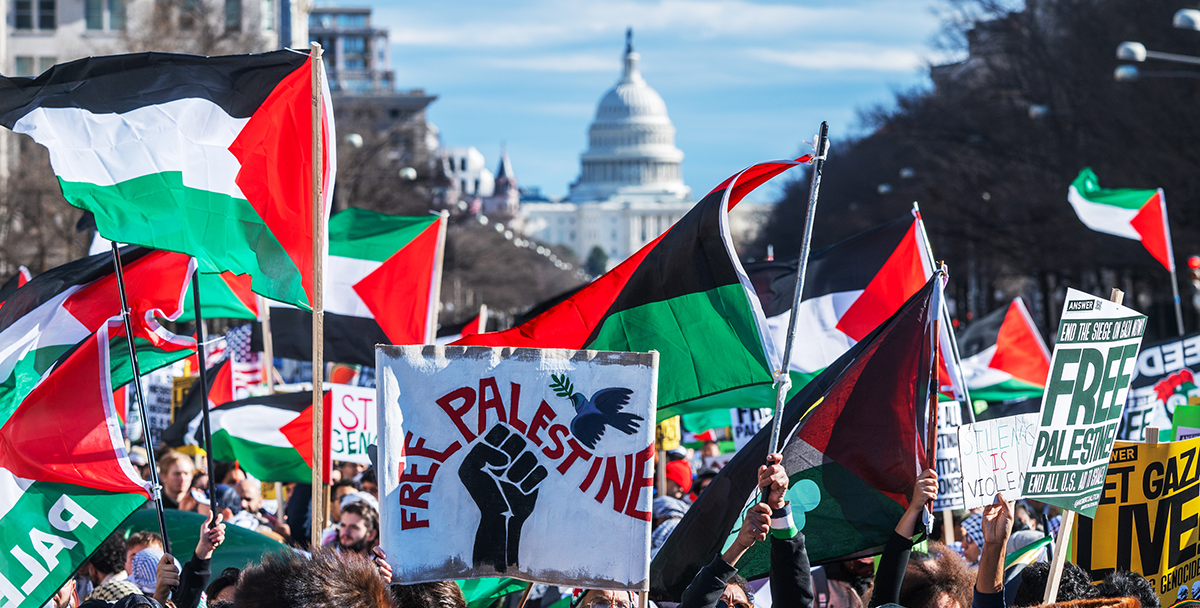
The ongoing catastrophe in Gaza is driving a surge in sympathy for Palestinians in the Western world that could mark a turning point in how the Israeli-Palestinian conflict is engaged with moving forward. Changing attitudes among younger generations are primarily responsible for this shift, driven in part by a post-Black Lives Matter outlook and narrative that has simplified and distilled the conflict.
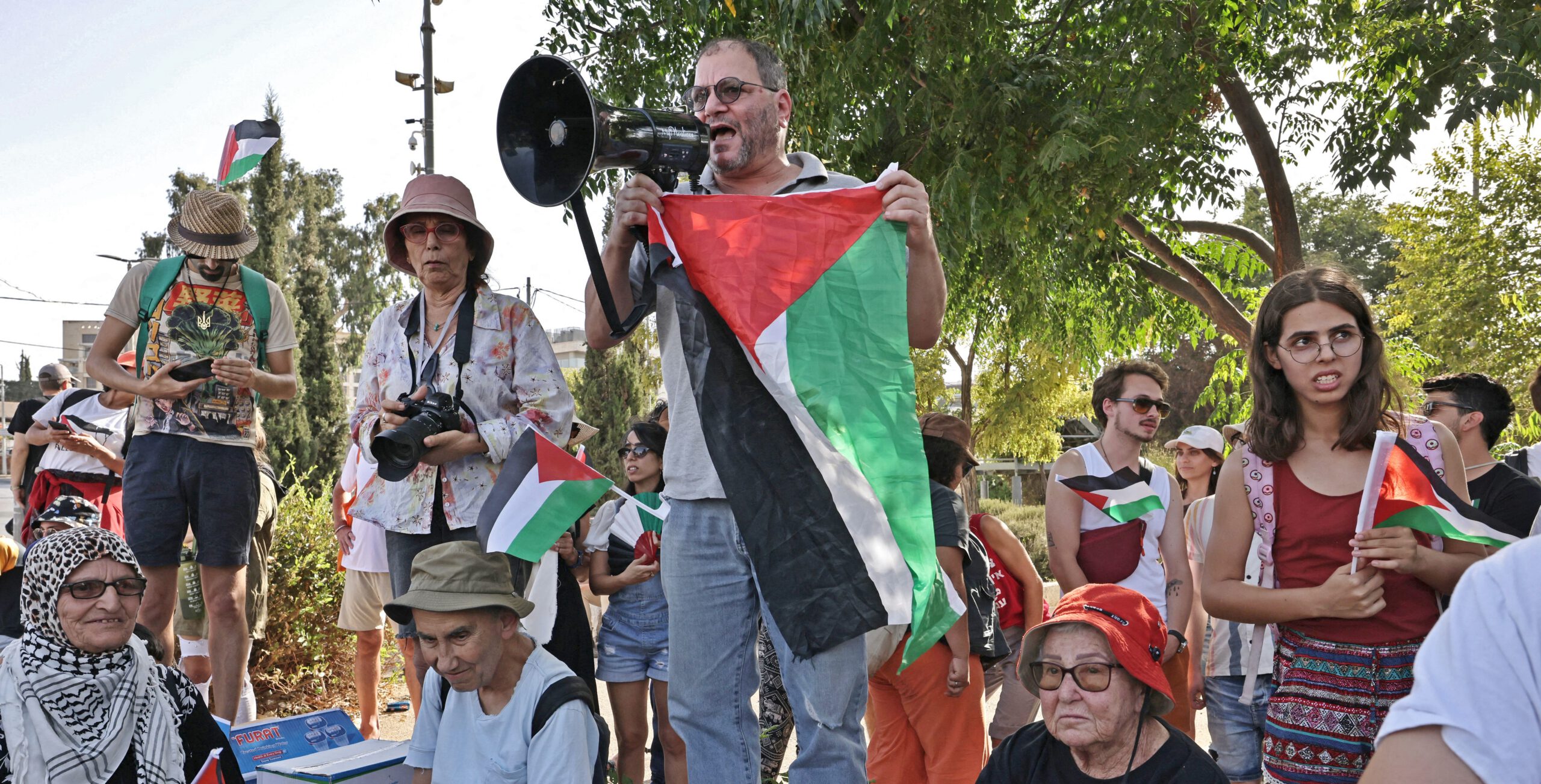
Expelling MK Cassif: A warning sign for Palestinian representation in the Knesset
If the Knesset expels lawmaker Ofer Cassif, it will represent the national legislature’s first use of the Suspension Law and signal a sharp curtailing of legal space for non-Zionist players in Israeli politics.
Suspending UNRWA funding is collective punishment for Palestinians
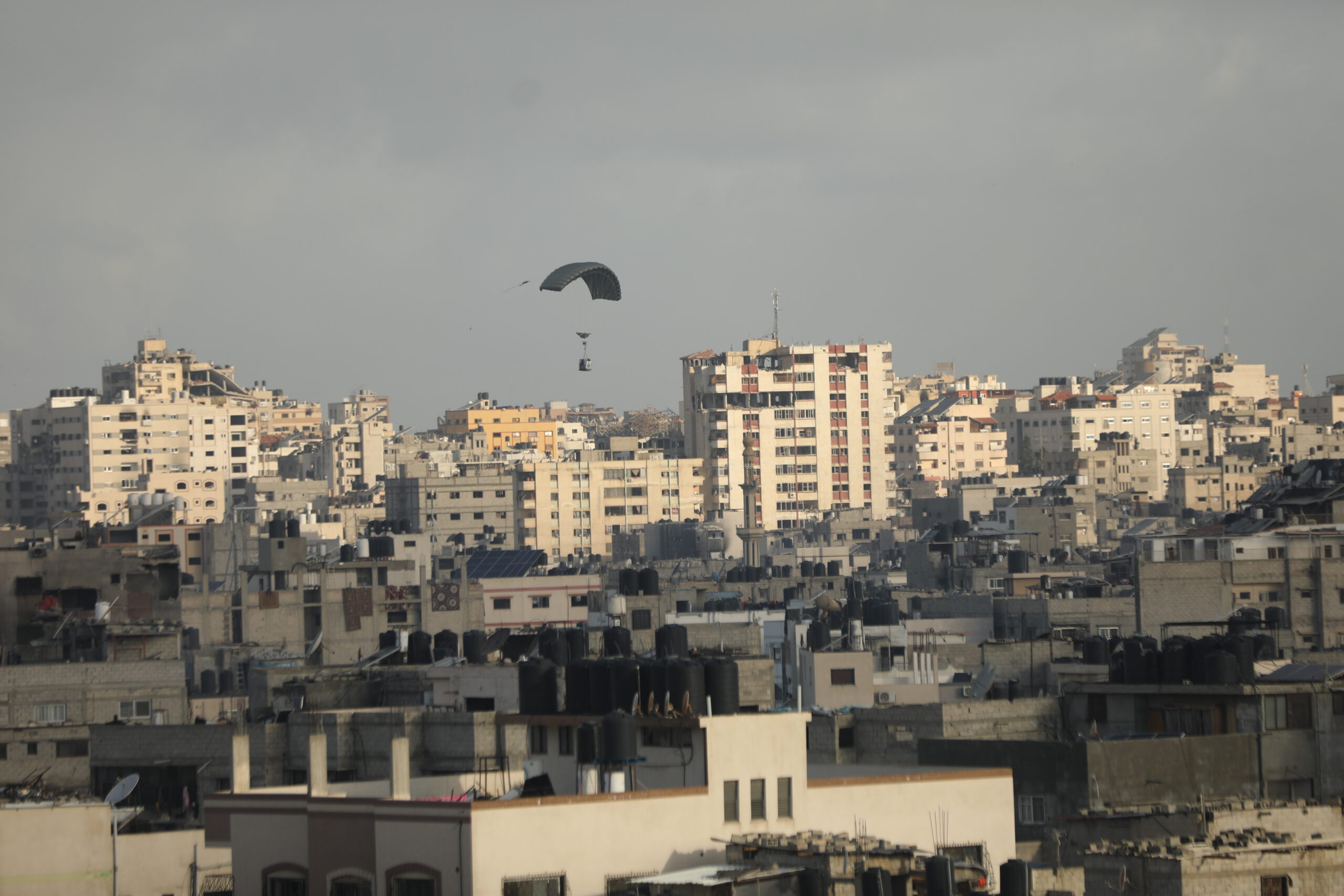
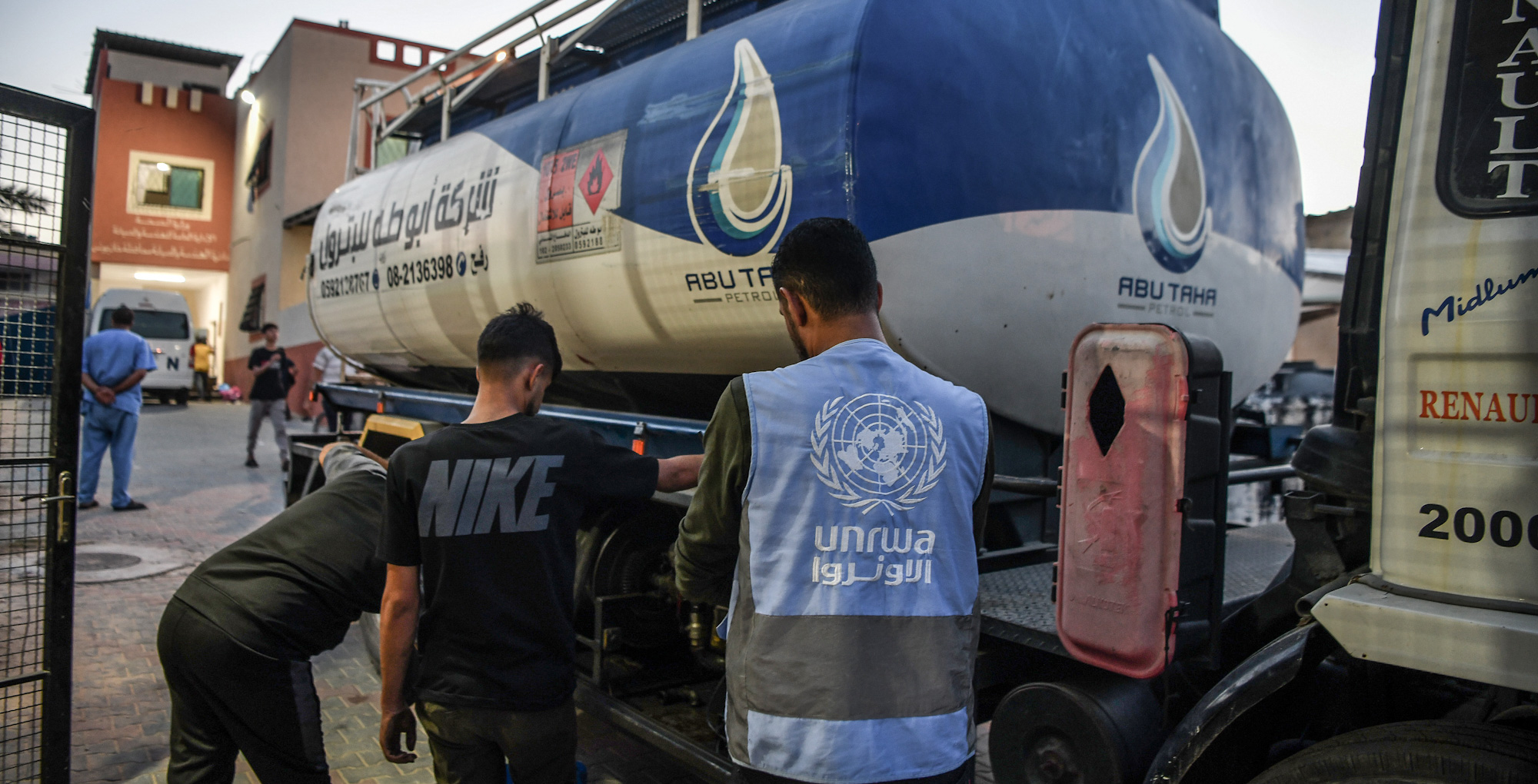
The decision by the United States and other donor countries to suspend financial assistance to UNRWA will have far-reaching and likely devastating consequences for the civilian populations that rely on its services, particularly in the Gaza Strip. Donor countries must realize that the consequences will hinder the humanitarian response to the Israeli war on Gaza, incurring a heavy cost in human lives.
US response to Tower 22 attack in Jordan: Less intense, more restrained than anticipated
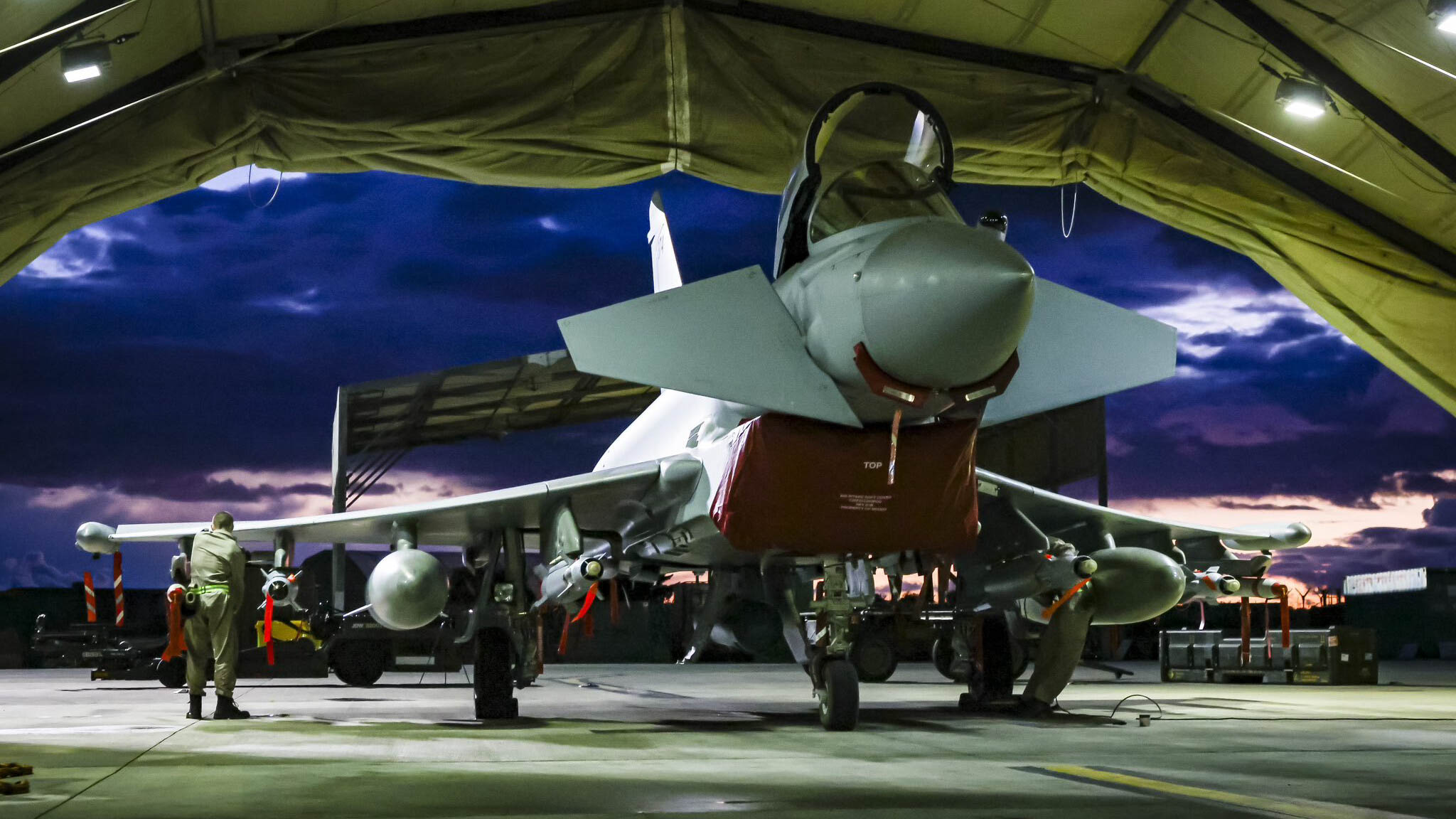
On the evening of Saturday, Feb. 3, local time, US warplanes bombed facilities used by Iranian forces and Iran-backed militias in Syria and Iraq, in retaliation for the death of 3 US service members in a Jan. 28 drone attack on Tower 22, a US military base in northeastern Jordan on the Syrian border. The airstrikes primarily targeted locations in eastern Syria and western Iraq.
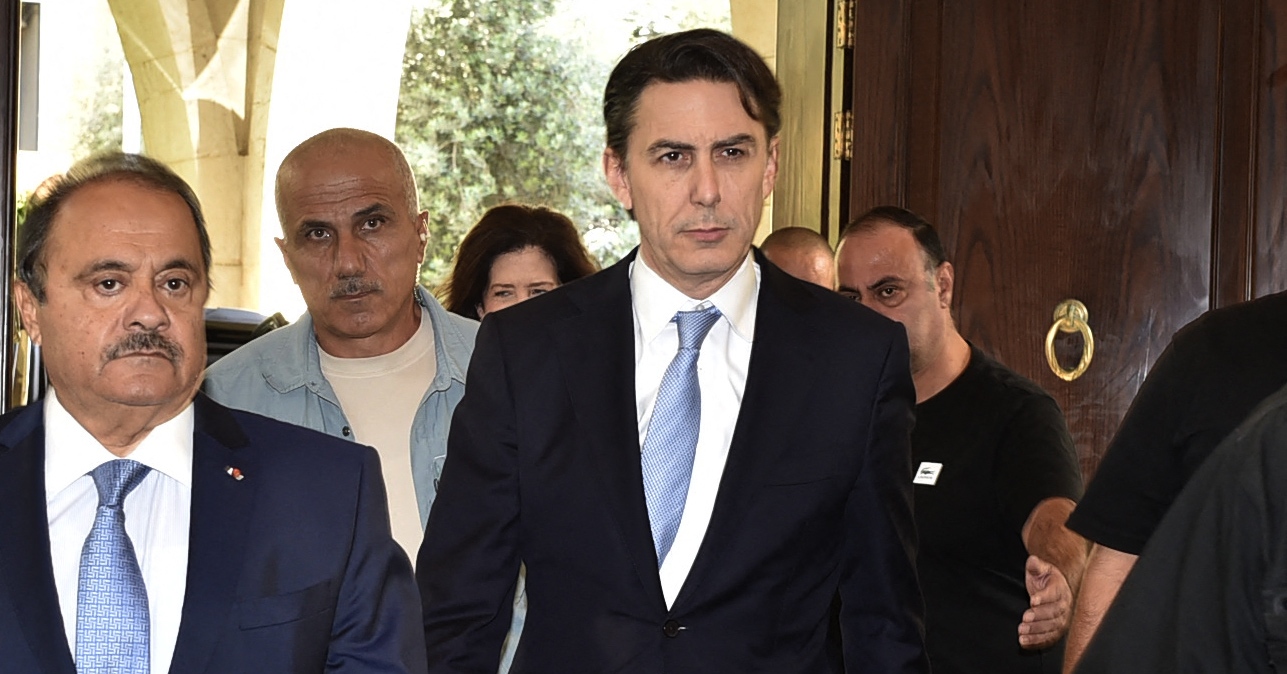
What does Israel want to see come out of US mediation efforts on Israel-Lebanon?
The weeks ahead are crucial for Israel and Lebanon and will likely indicate whether a broader confrontation between Israel and Hezbollah can be avoided diplomatically or if it is inevitable. Israeli officials have called on Lebanon and the world to deliver a solution; but in practice, Israeli eyes are set on Washington, DC.
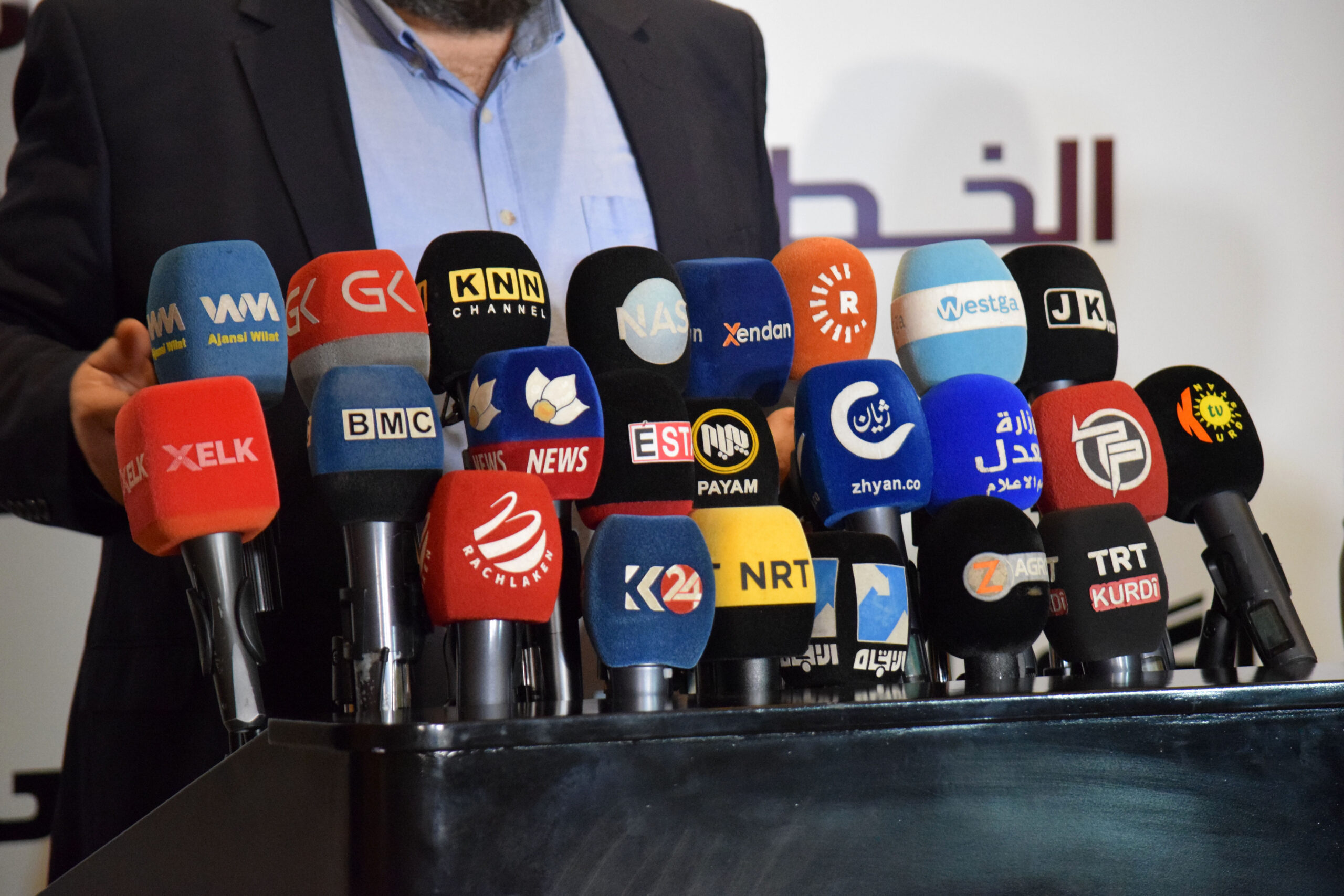
Partisan press: The dominance of party-backed media in Iraq’s Kurdistan Region
The media landscape in Iraq’s Kurdistan Region is dominated by outlets affiliated with political parties. As a result, media coverage largely promotes the interests of politically motivated patrons, rather than performing a public service mission of providing impartial and high-quality information.