Key takeaways for NATO and the Middle East from the Washington Summit Declaration
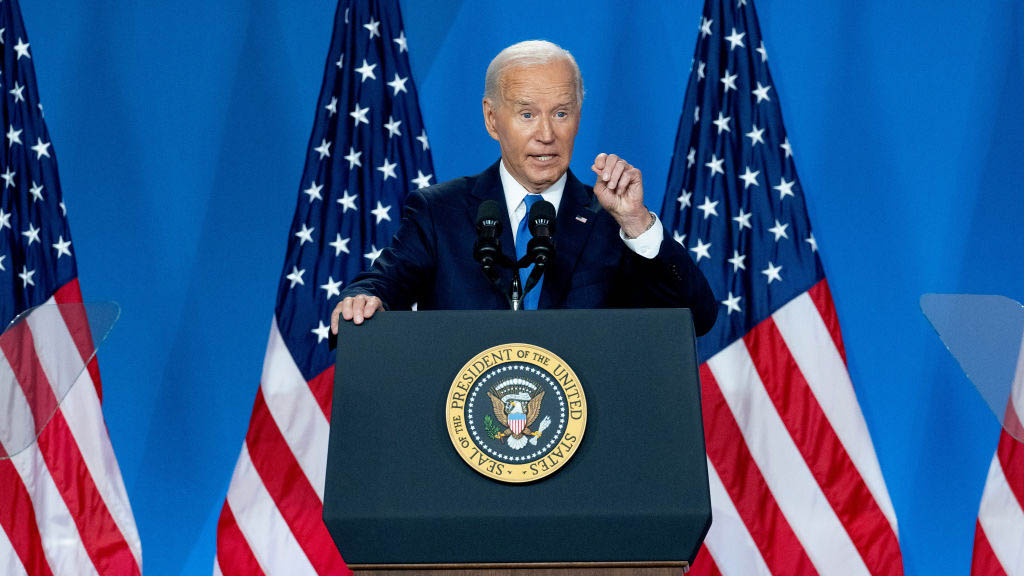
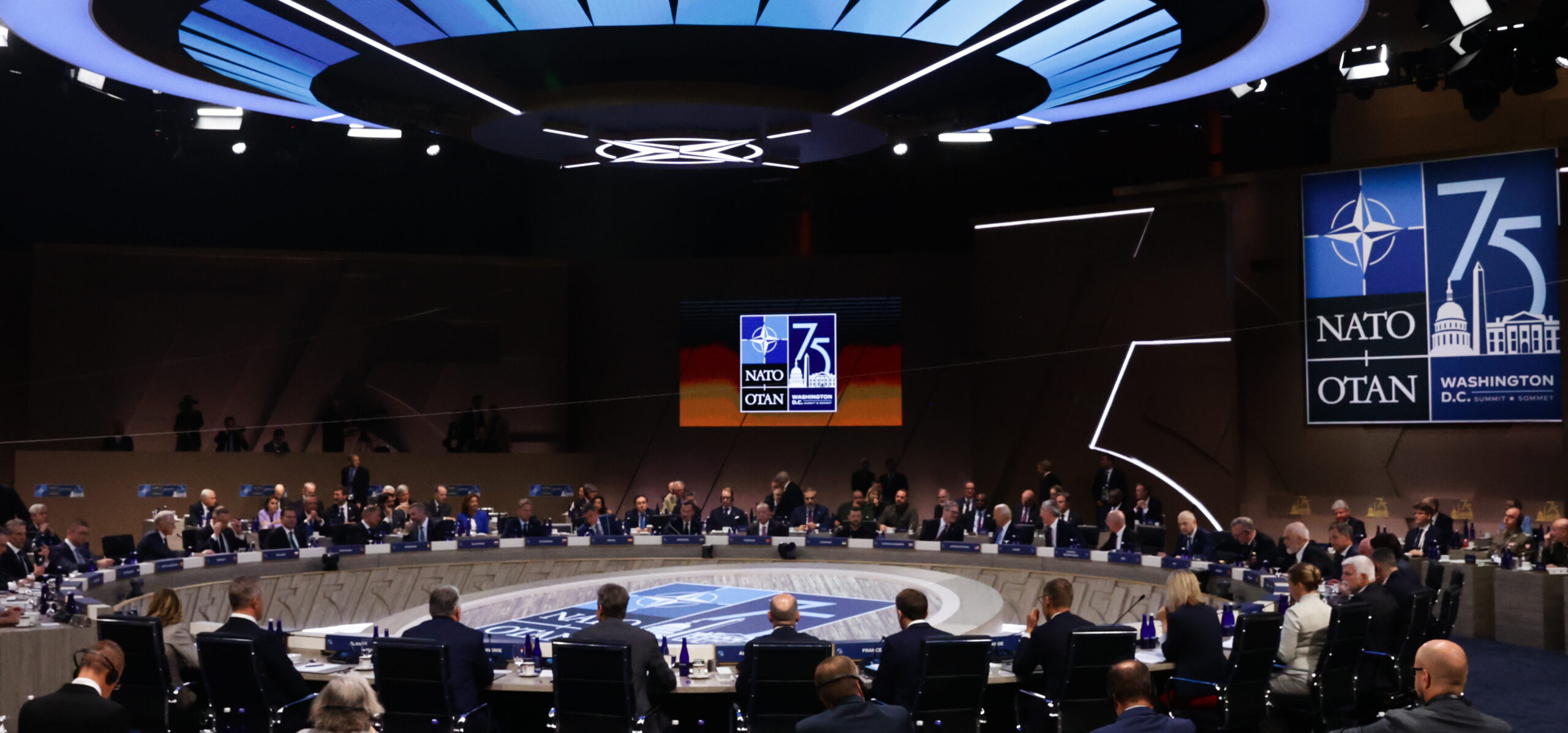
At the Washington Summit, NATO member states mostly focused on efforts to counter Russia and to support Ukraine. However, the 2024 summit communiqué also addresses non-Euro-Atlantic risks and opportunities, based on the idea that “conflict, fragility and instability” elsewhere directly affects NATO security.
Syrian armed groups divided over Turkey-Syria normalization push
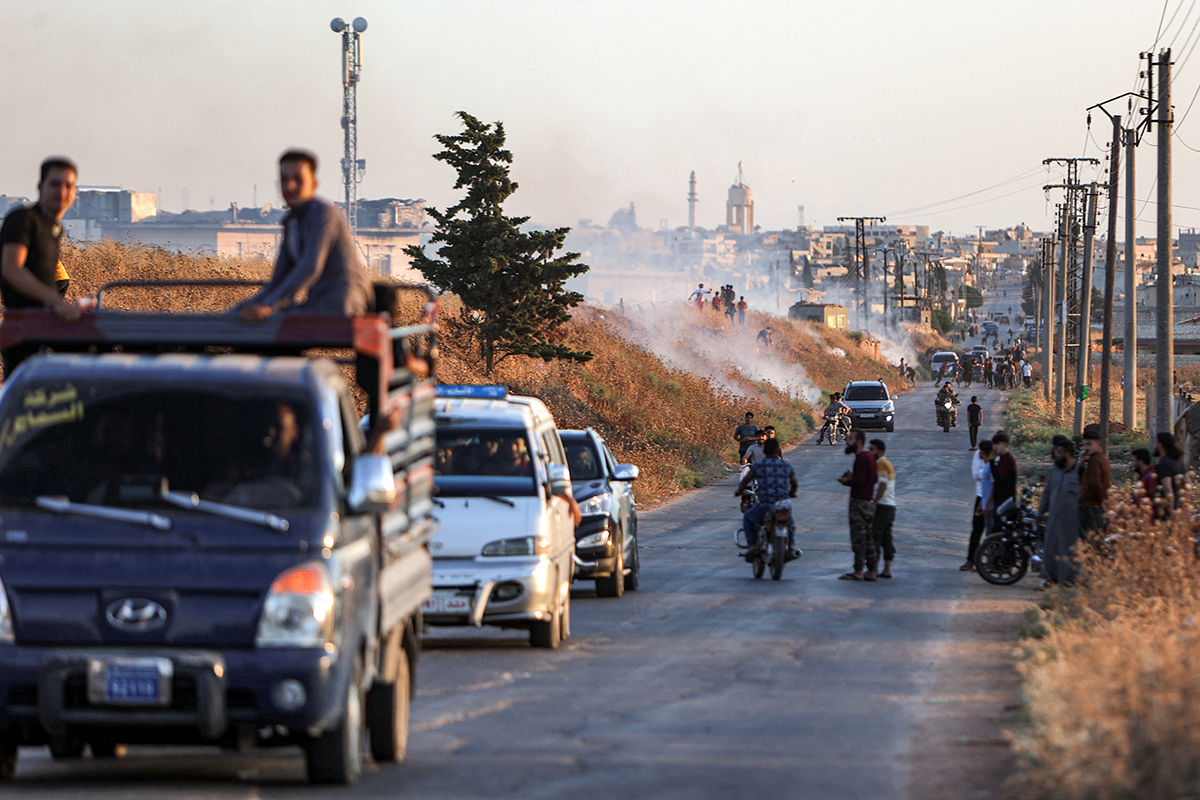
Despite their popular nature, the protests in northwestern Syria, sparked by racist attacks on Syrians over the border in Turkey, have exposed the rifts and divisions between various opposition factions. Bilal Samir explores the positions of the major military groups in Turkish-controlled areas and assesses how closely they align with Turkey’s policy.
Smoke and mirrors: The Syrian regime's dubious anti-drug campaigns
The Syrian regime recently announced that it had arrested over 2,000 people in Damascus on drug-related charges during the first half of 2024. However, the relatively small amount of drugs confiscated suggests the regime is focusing on arresting users and street-level pushers rather than going after the major producers and traffickers. This highlights how the Syrian regime manipulates drug crackdowns to serve multiple agendas while ensuring the flow of illicit drugs continues uninterrupted.
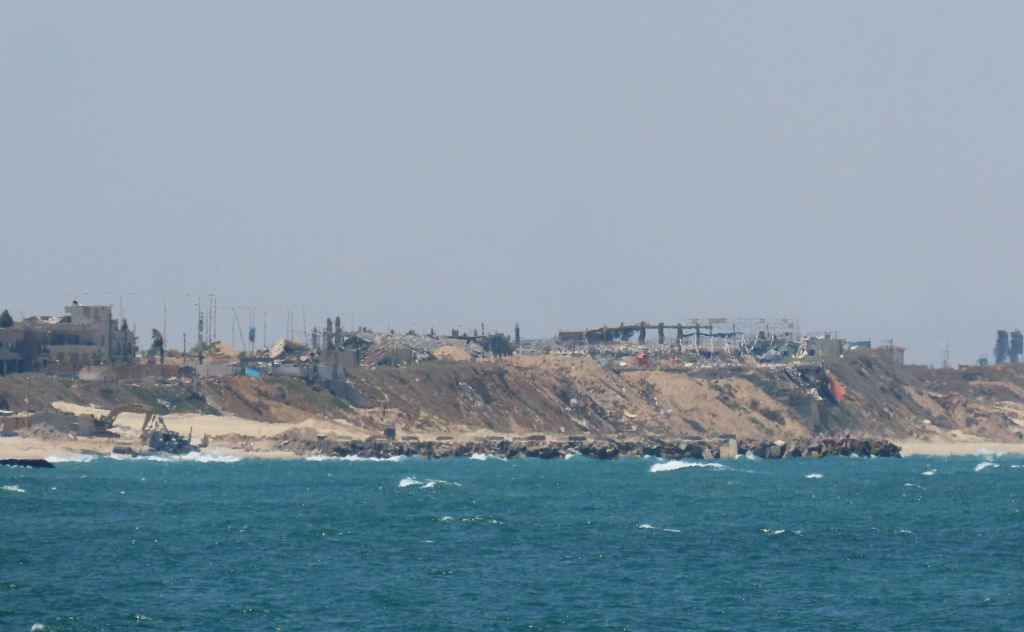
New US pier off Gaza holds opportunities beyond humanitarian aid
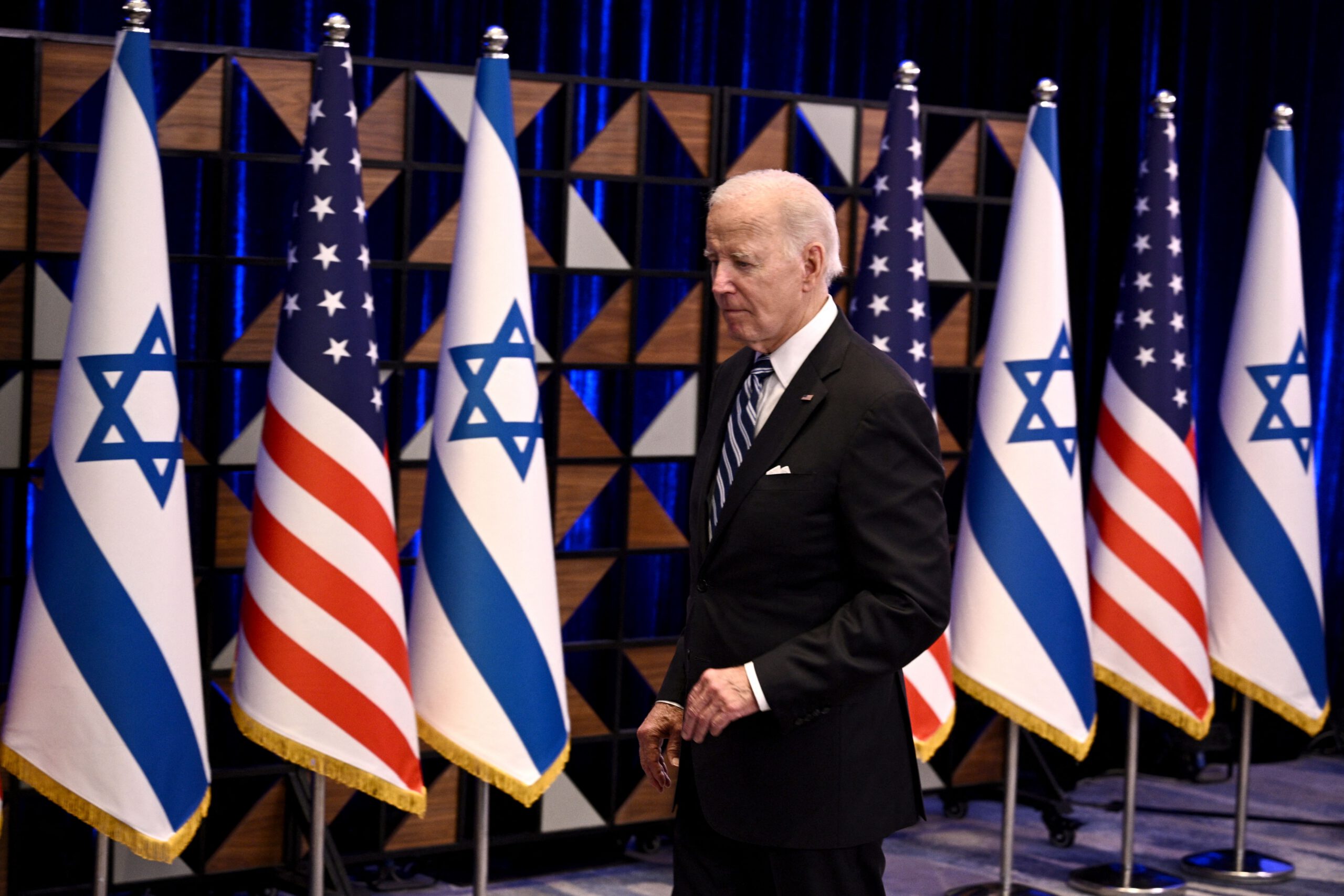
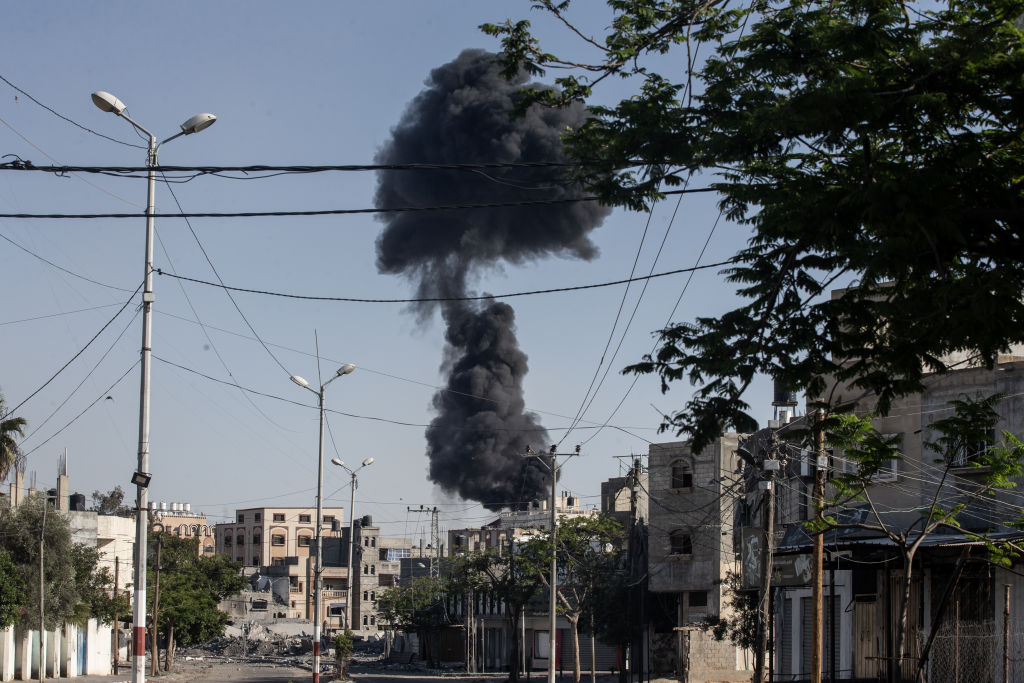
The new U.S. pier off Gaza is back in operational mode, after breaking apart and undergoing a week of repairs. Despite the rocky start, this American initiative could serve as a steppingstone towards a new, more peaceful, post-war Israeli-Palestinian reality. But for this to happen, the U.S. will need to leverage opportunities, address regional skepticism and bring the Palestinians on board.
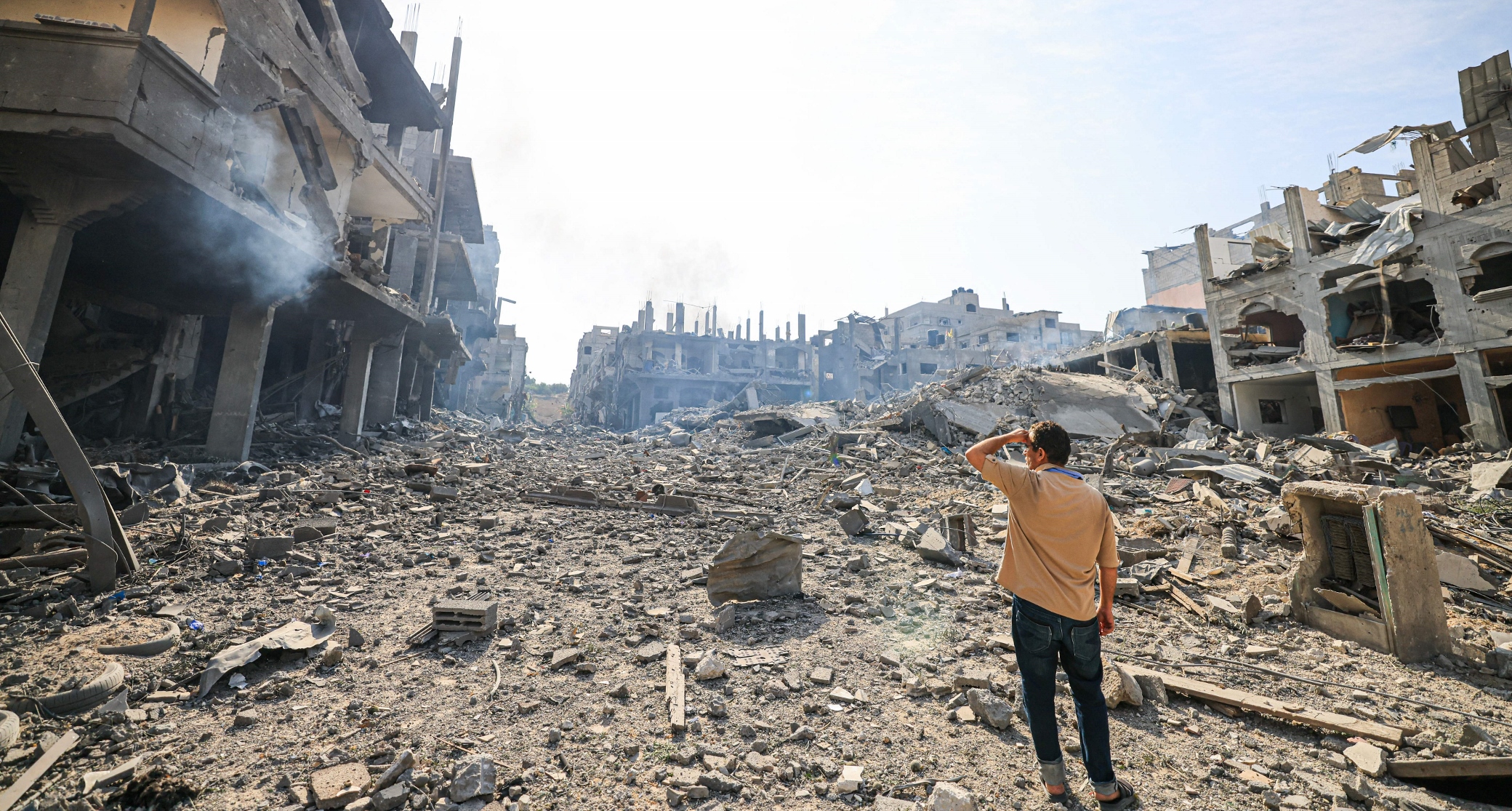
To assist government policymakers faced with a plethora of “day after” plans for Gaza, the following proposes a framework for how to consider and decide among such proposals.
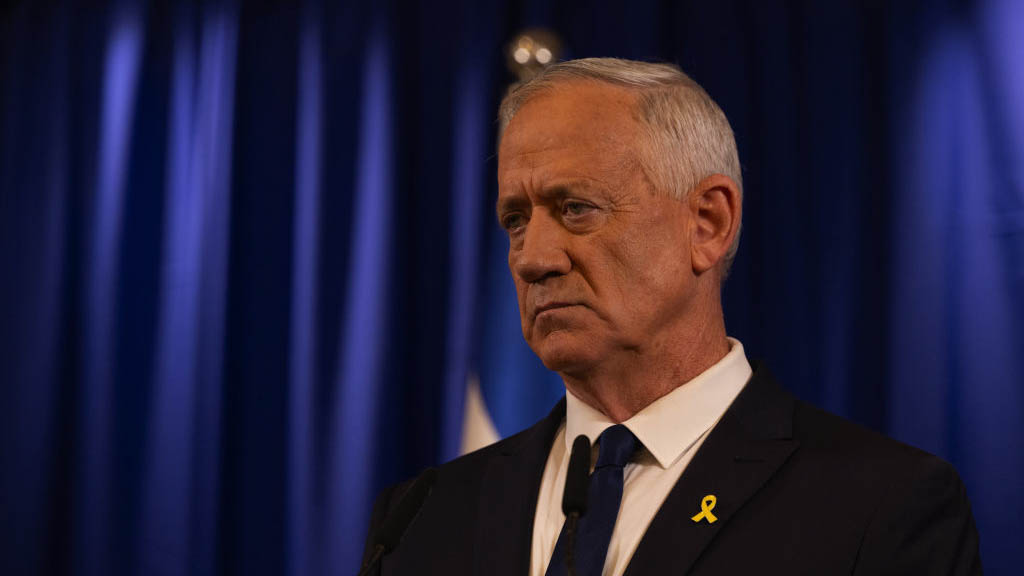
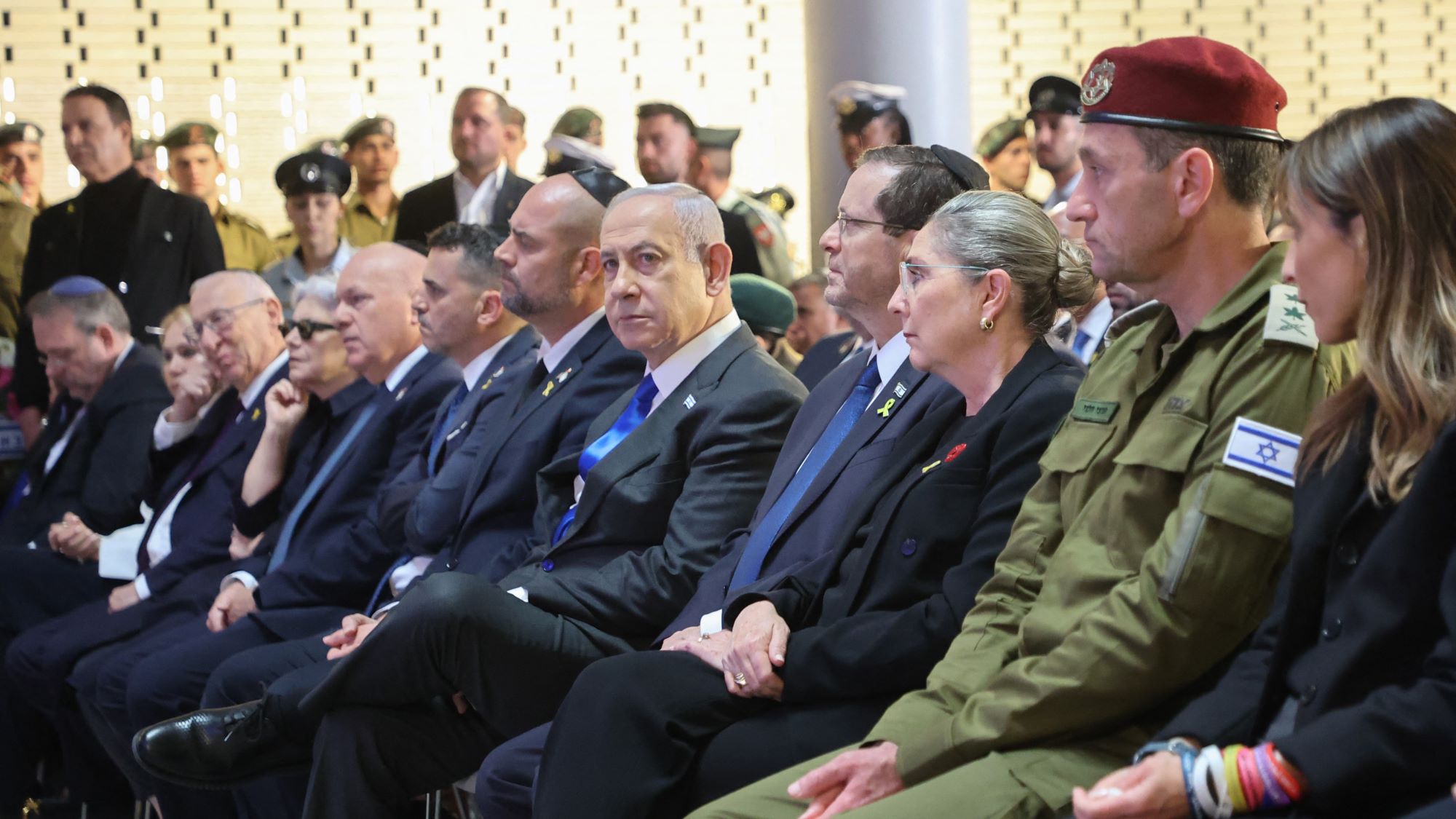
Netanyahu has sought to direct the blame for the debacle of Oct. 7, as well as the subsequent failures in the management of the war, squarely on the Israeli security establishment, while avoiding taking personal responsibility that would cost him his job.
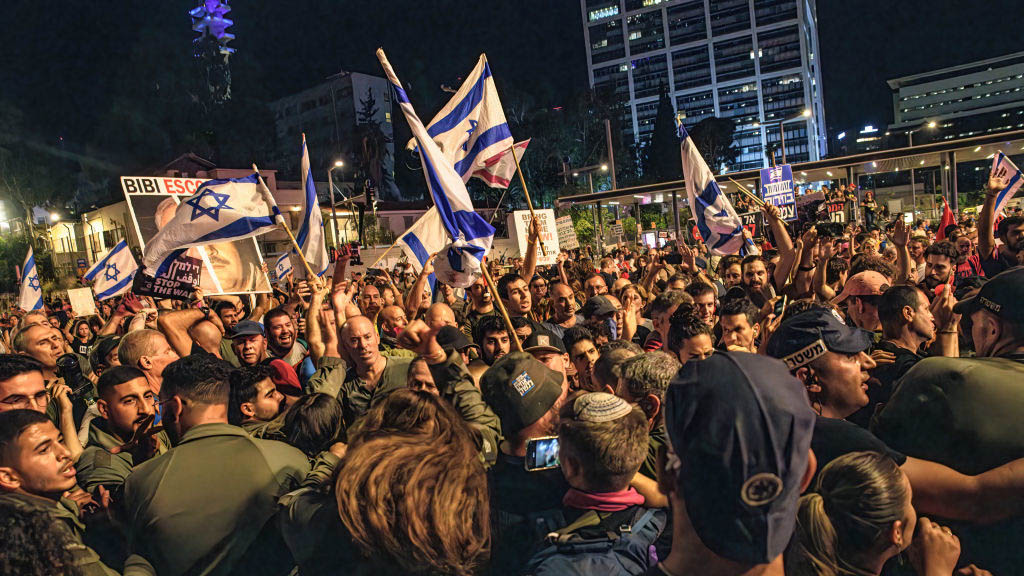
Rafah operation won’t help Israel escape its political doom loop
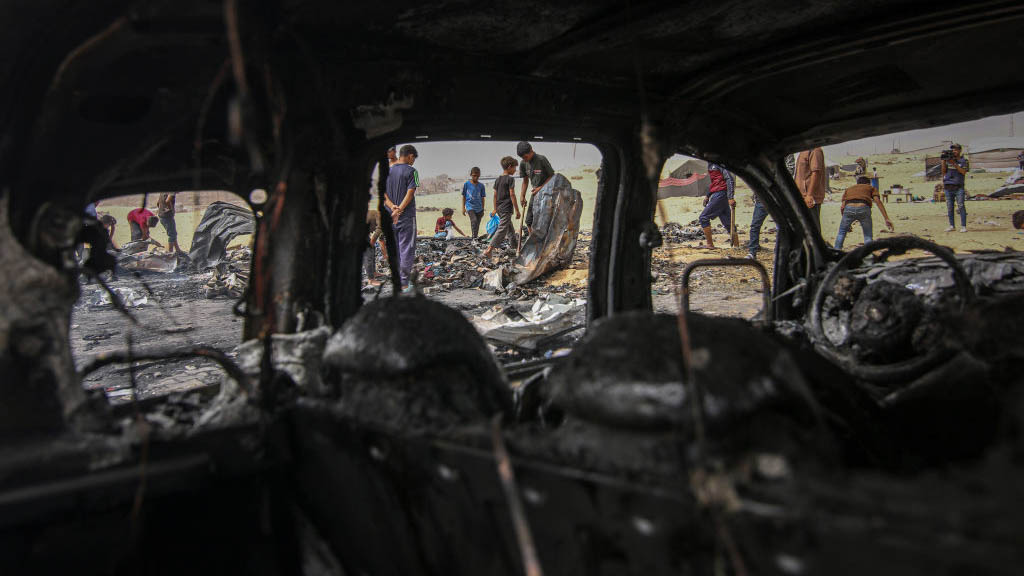
As the ongoing attempts to revive a ceasefire and hostage deal between Israel and Hamas are showing minimal signs of success, Israel is moving forward with its plan for an operation in Rafah, the most southern city in Gaza that borders Egypt. On May 6, the Israeli military issued an evacuation order for more than 200,000 Gazans in the southern-west part of the Gaza Strip.