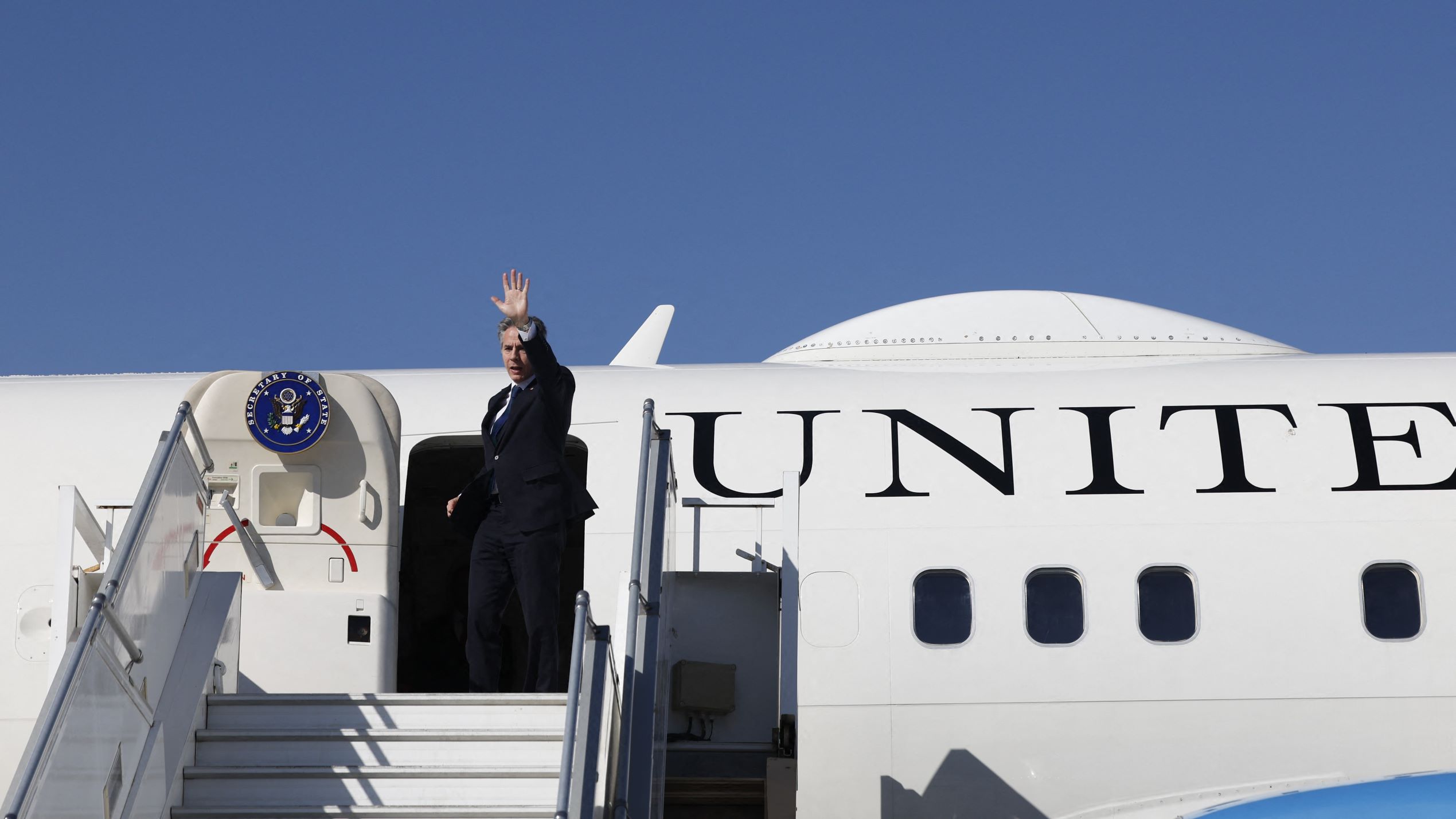
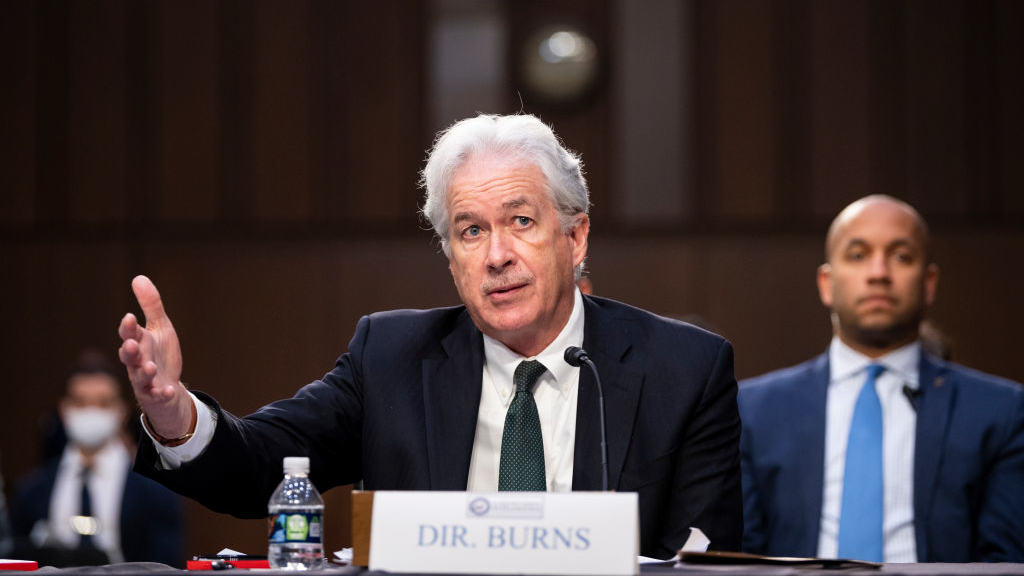
The Biden Administration’s Middle East Policy at a Time of War: An Assessment of US Policy Six Months Into the Israel-Hamas War
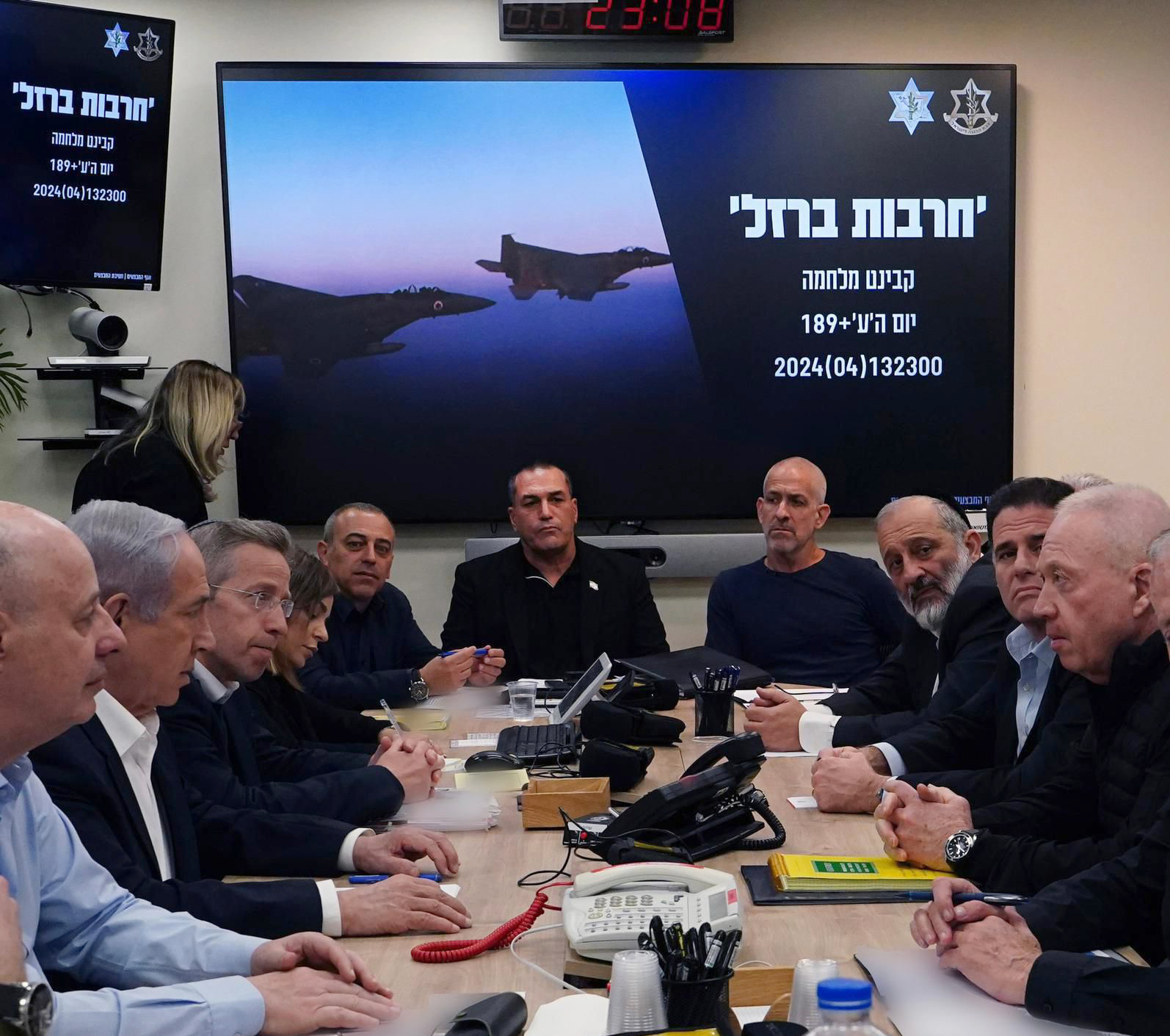
The Biden administration set forth five main objectives in reaction to the Oct. 7 Hamas attack against Israel and ensuing war in the Gaza Strip. Six months into the Israel-Hamas war, the Biden administration has not achieved enough progress toward these goals, although it has avoided some of the worst-case scenarios. Success is hampered in part by tensions stemming from the fact that some of the tactics and policy approaches are at odds with each other.
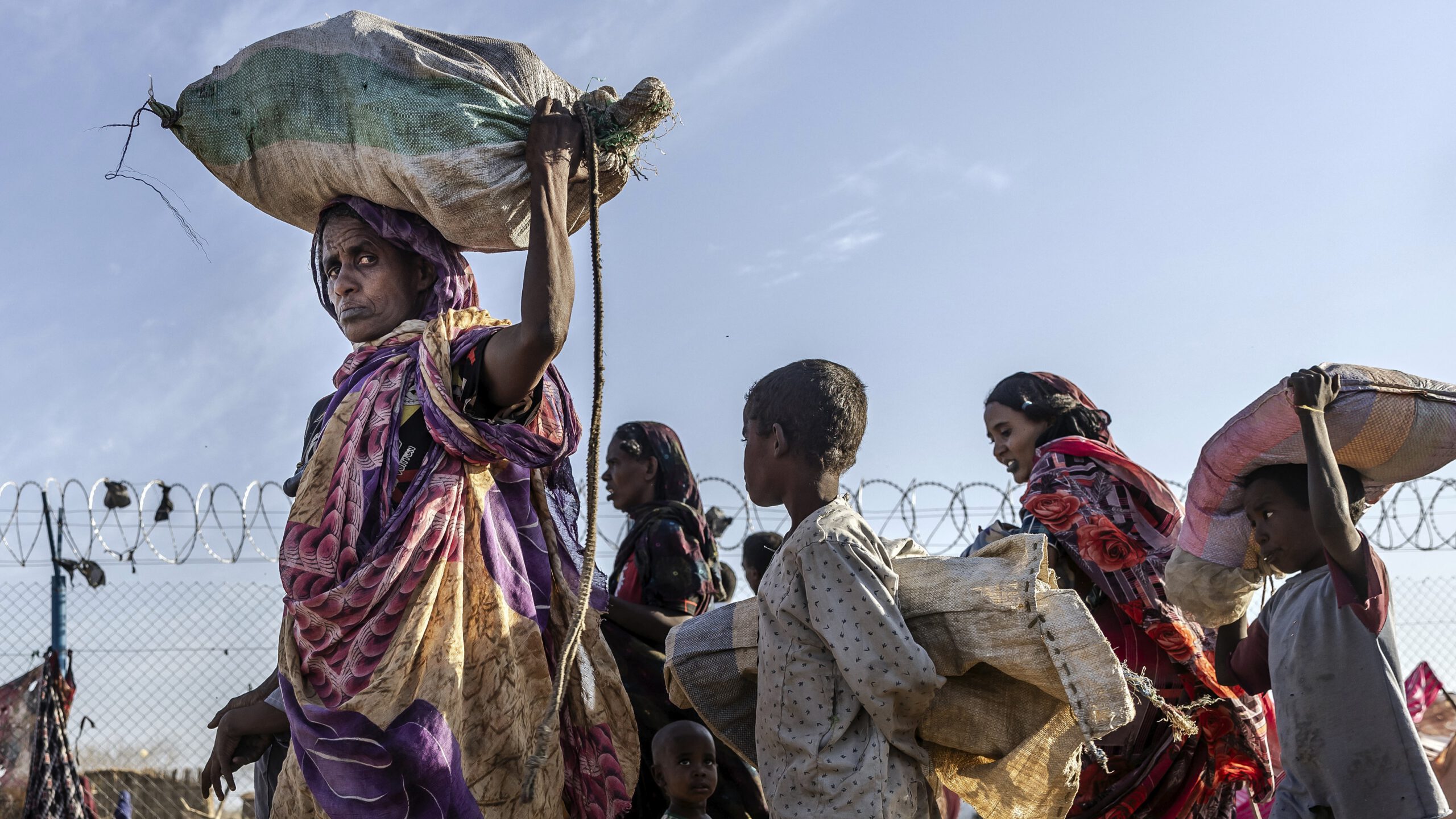
The worst forgotten conflict in the world: Sudan’s civil war one year on
This week marks one year of Sudan’s brutal civil war, when the Sudanese Armed Forces (SAF) and the paramilitary Rapid Support Forces (RSF) started battling in the capital city of Khartoum. Far from silencing their guns, the two sides continue to fight fiercely to devastating effect; and with scant global attention or outcry, the Sudanese war has quickly become the world’s worst forgotten conflict.
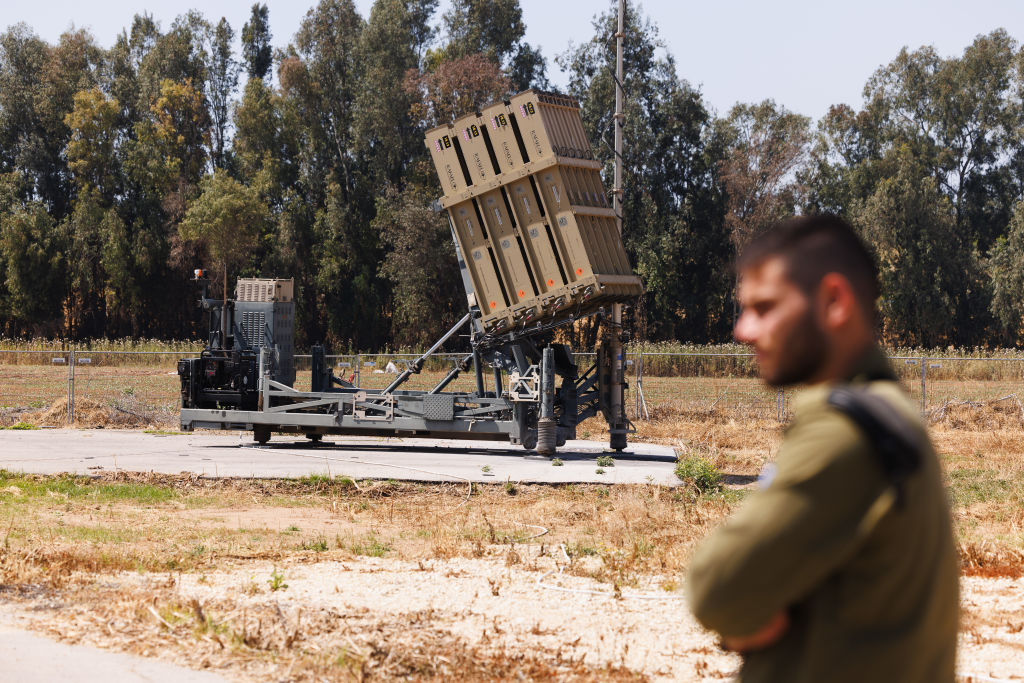
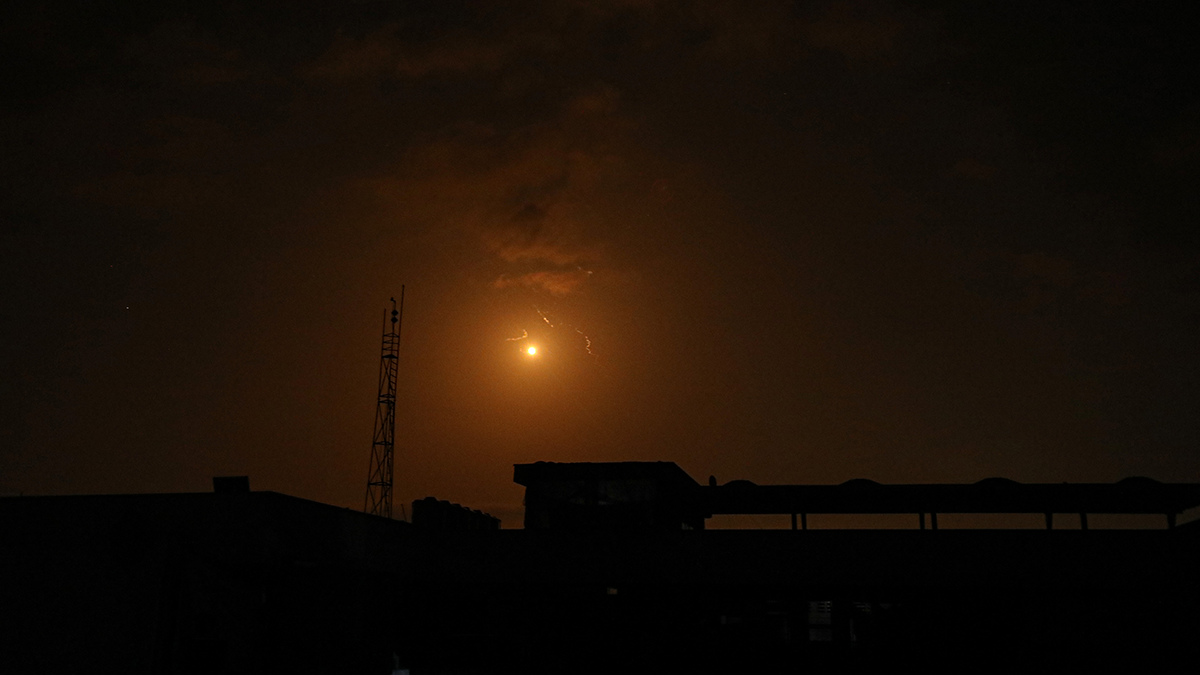
After scoring important points by blocking Iran’s attack, Israel should draw the right lessons from its success
The Iranian strike against Israel was a first of its kind. Its mere occurrence sets a precedent that will have a long-term impact and require Israel to weigh new considerations when planning future military operations against Iranian assets.
Journalism out, hasbara in: How Israeli TV news joined the Gaza war effort
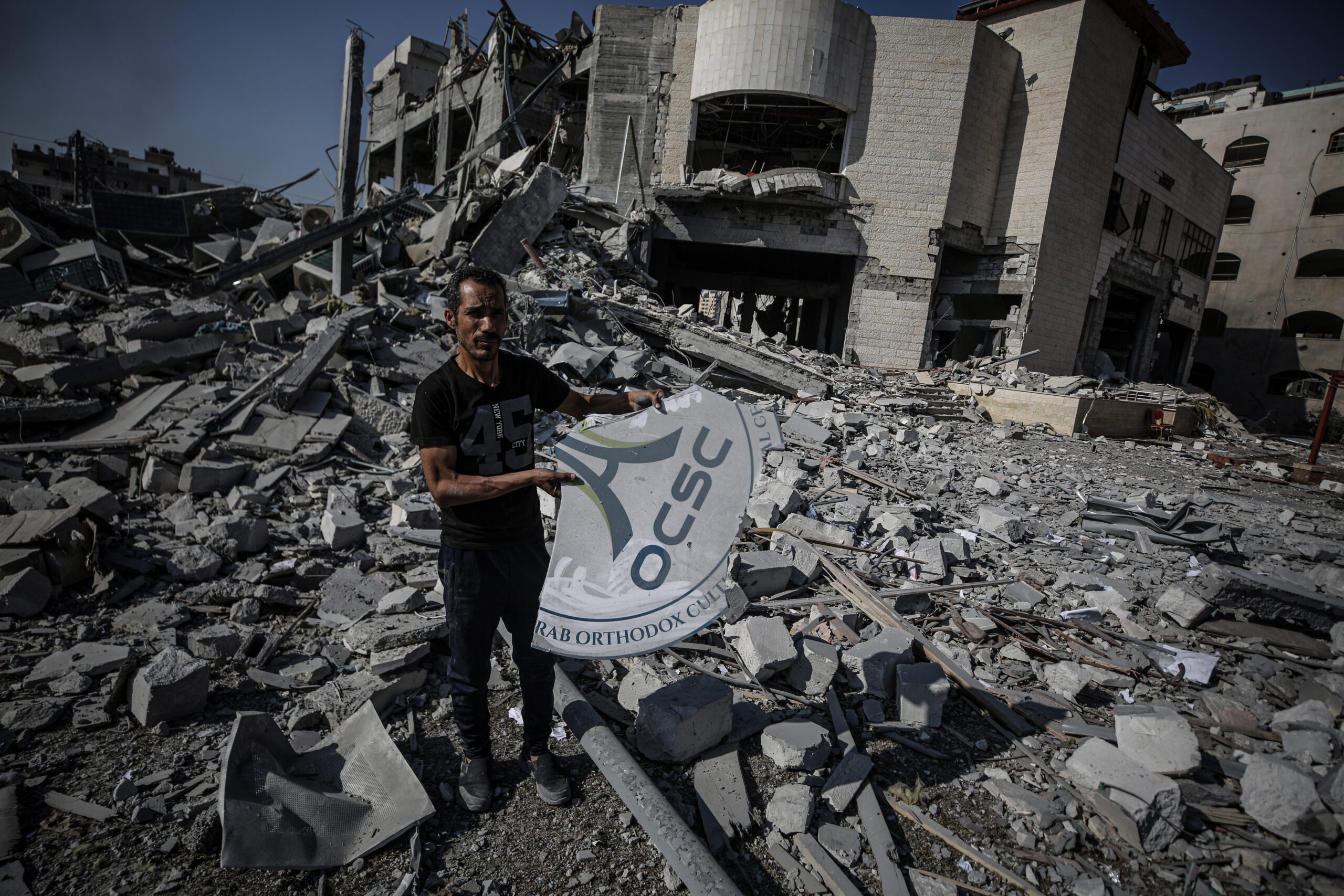
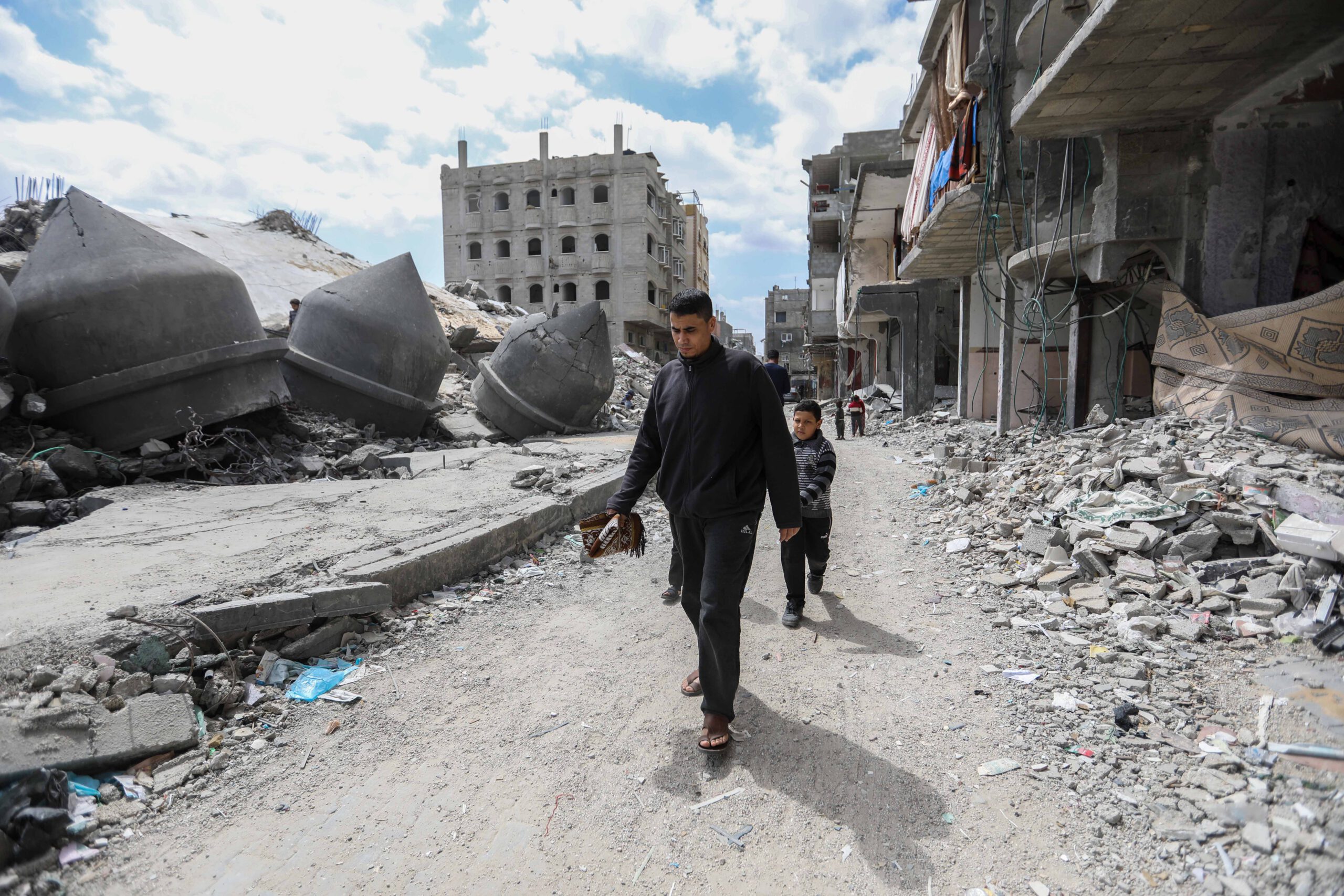
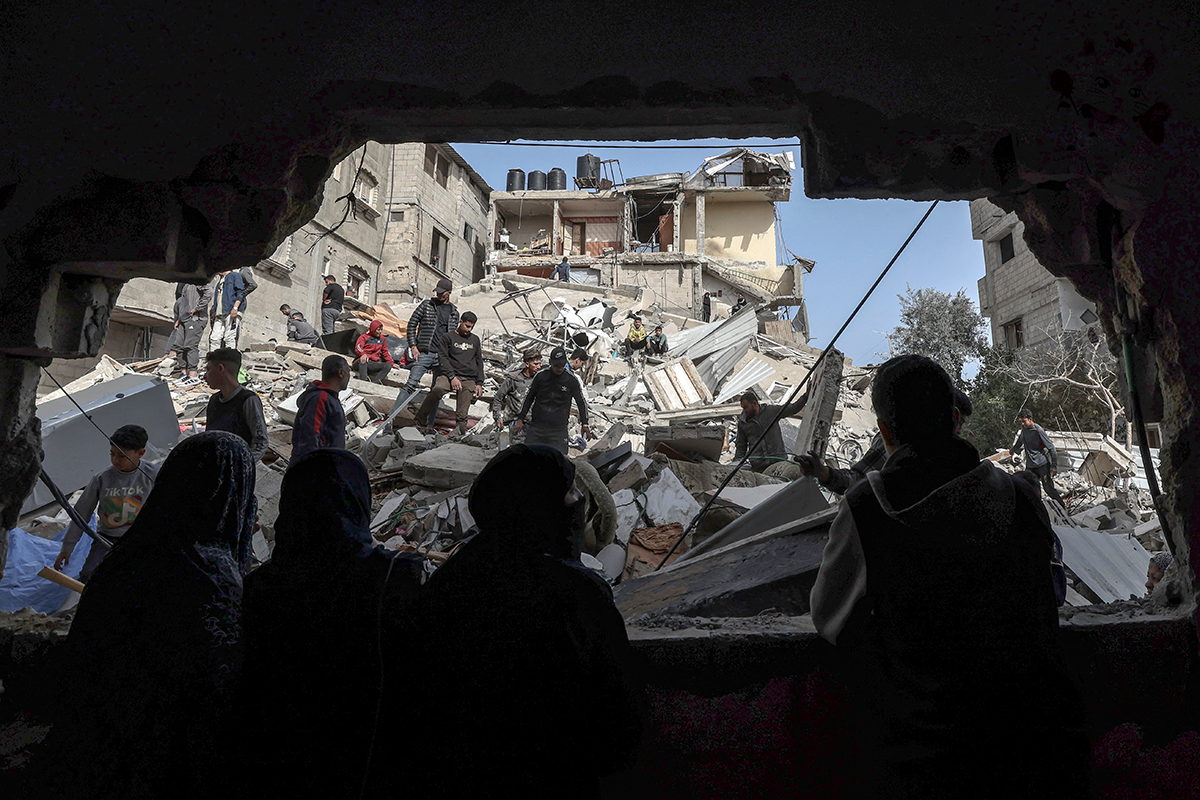
For the last few months, people around the world have been closely following the ongoing brutality of the war in Gaza. Pictures of Palestinians fleeing south and looking for relatives under the rubble, videos of children searching for food and water — these and more have been circulating on social media and news networks every day since October 7.
In recent years, the settler movement discovered a winning strategy: Attack the Israeli military
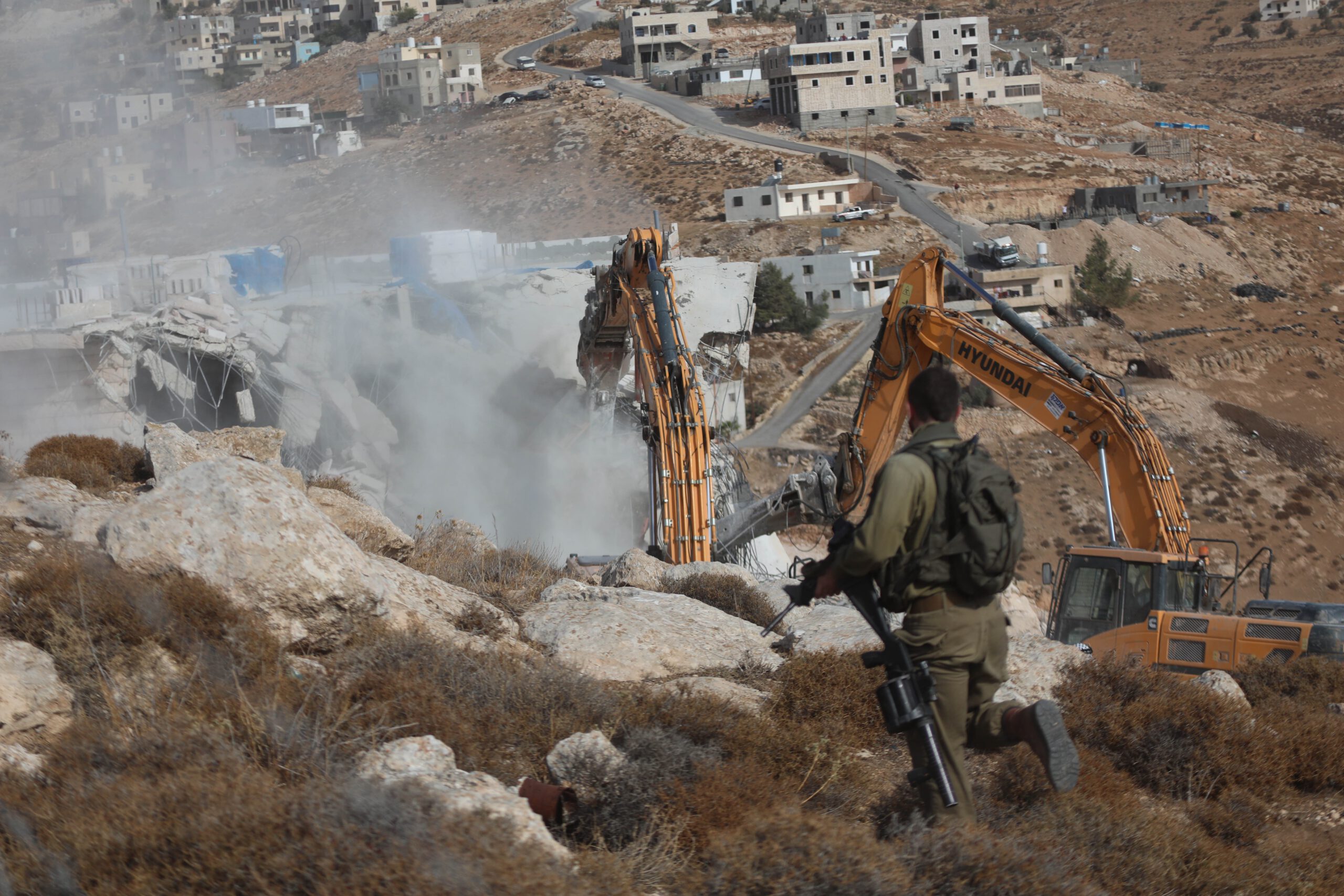
As the war in Gaza approaches its seventh month, the settler movement has been raging its own separate war against none other than the Israeli military itself. While Israeli society is still healing from the devastation of Oct. 7 and tens of thousands of Israelis are displaced from their homes near the Gaza Strip and the northern border, the settlers have launched campaigns against the Head of the Central Command, advocated for resettling Gaza, and escalated tensions with the Israeli military.
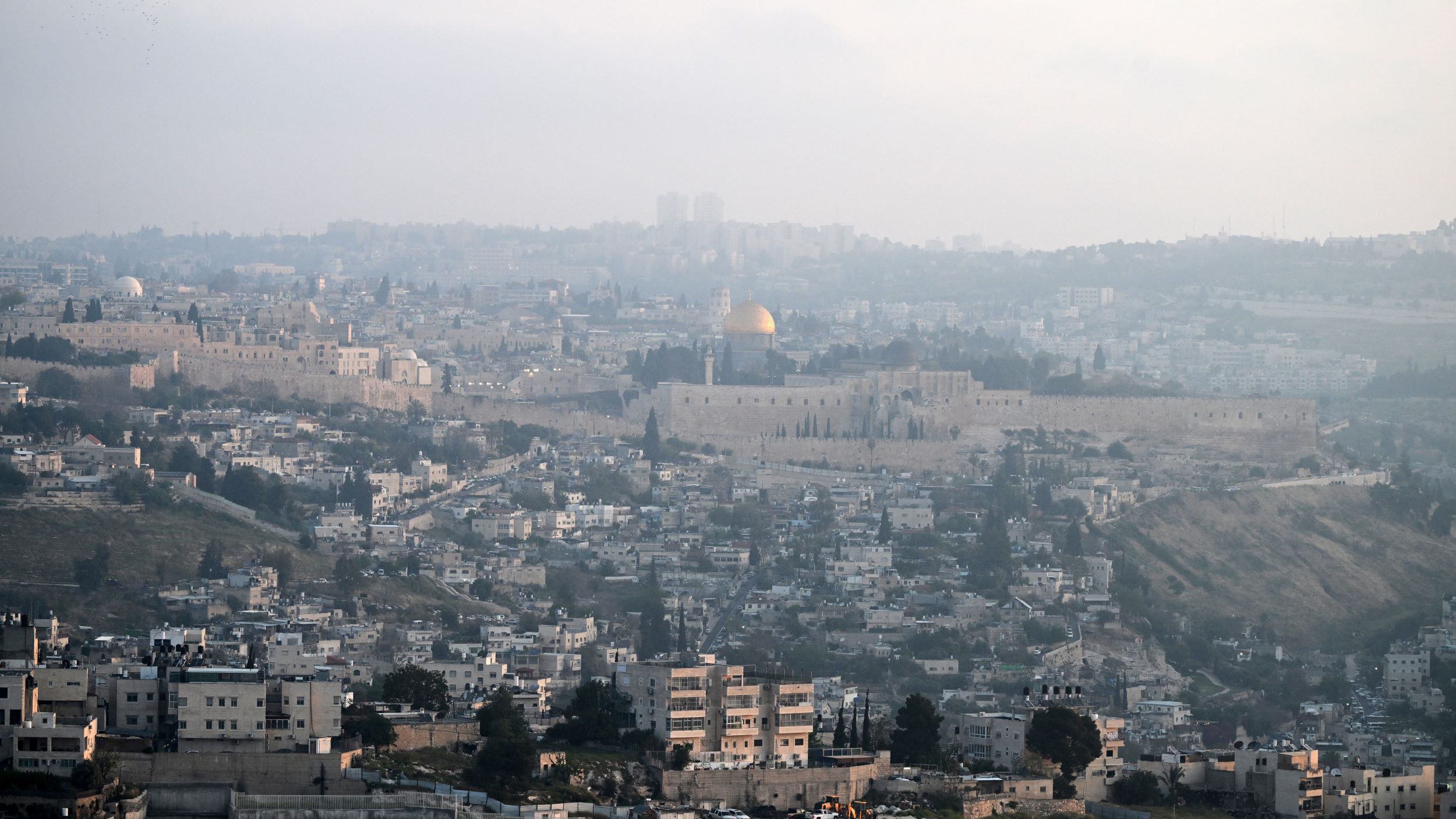
Expert Views: What is needed to end the war in Gaza?
Six months since the October 7 Hamas attacks on Israel and subsequent outbreak of war in Gaza, the deadly and devastating conflict looks no closer to concluding. Is it still possible to achieve a sustainable cessation of hostilities and restart the conflict-resolution process? To get there, what are the incentives and disincentives that could be constructed for the two main combatants, Israel and Hamas?
Amid renewed protests and political maneuvering, the odds of early elections in Israel are rising
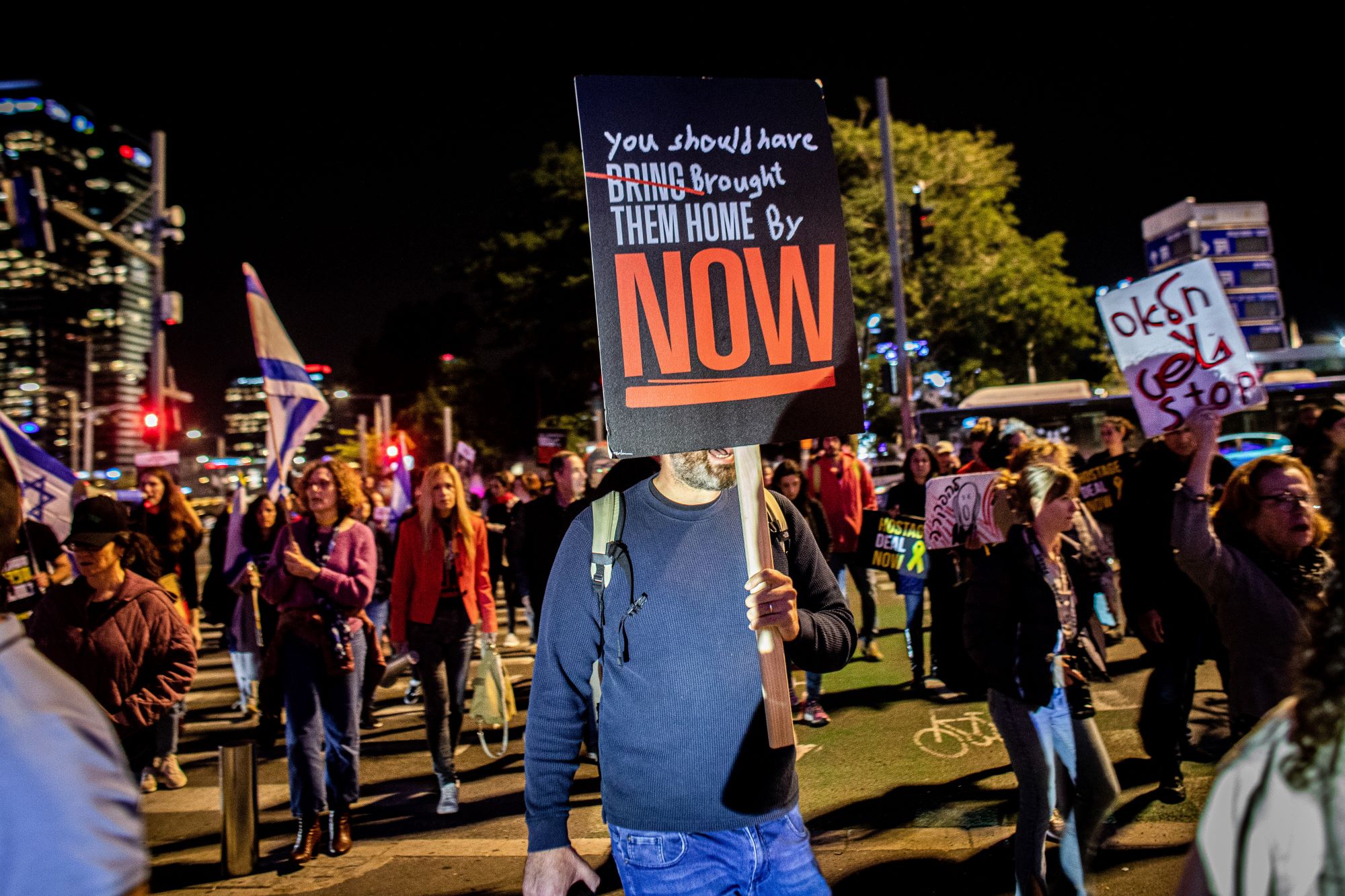
Public opinion polls indicate that a plurality of Israelis have lost faith in Prime Minister Benjamin Netanyahu and support early elections. Recently, this trend has been coupled with renewed demonstrations against the government and maneuvers by key politicians, indicating that the chances Israelis will go to the polls during 2024 are on the rise.
Strategic foresight is helping create Arab futures
On March 5-7, 2024, the United Nations’ Economic and Social Commission for Western Asia (ESCWA) hosted the annual Arab Forum for Sustainable Development (AFSD). The inclusion of a special session on “Collaborative Futures: Strategic Foresight for Sustainable Development in a World of Crisis” is another example of the growing attention to foresight-driven analysis and decision-making among leaders in the Arab world.
The Second War for Palestine has continued longer than any Israel-Palestinian conflict since Israel’s establishment. Neither Gamal Abdel Nasser’s army nor Hafez al-Assad’s tanks fought as long as the Izzedine al-Qassam Brigades still battling in Gaza.
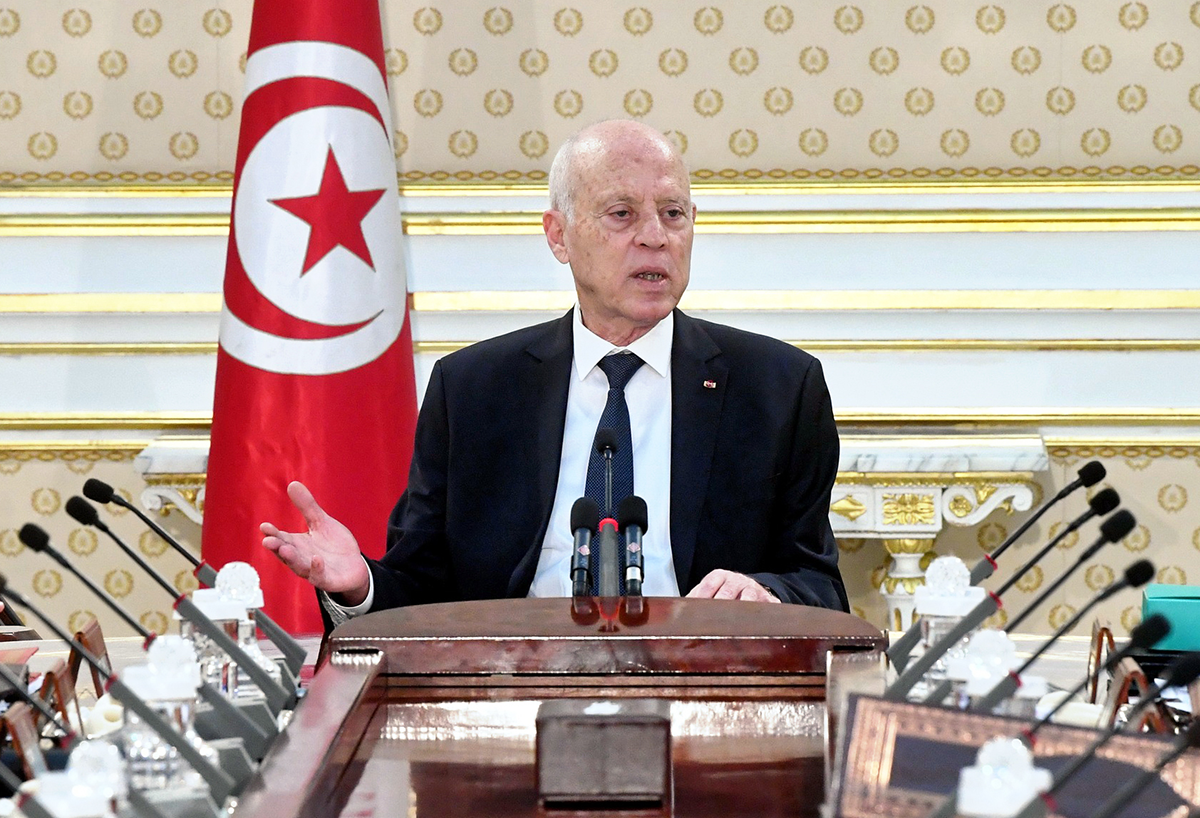
Tunisian President Kais Saied appears to be constructing a new economic strategy. While he has previously outlined his priorities with broad strokes, like fighting corruption and defending sovereignty, he has recently begun to add greater detail, adopting a personalized approach that appears to be attempting to bypass the existing corporatist structures.
The great financing gap: The state of climate funding in MENA
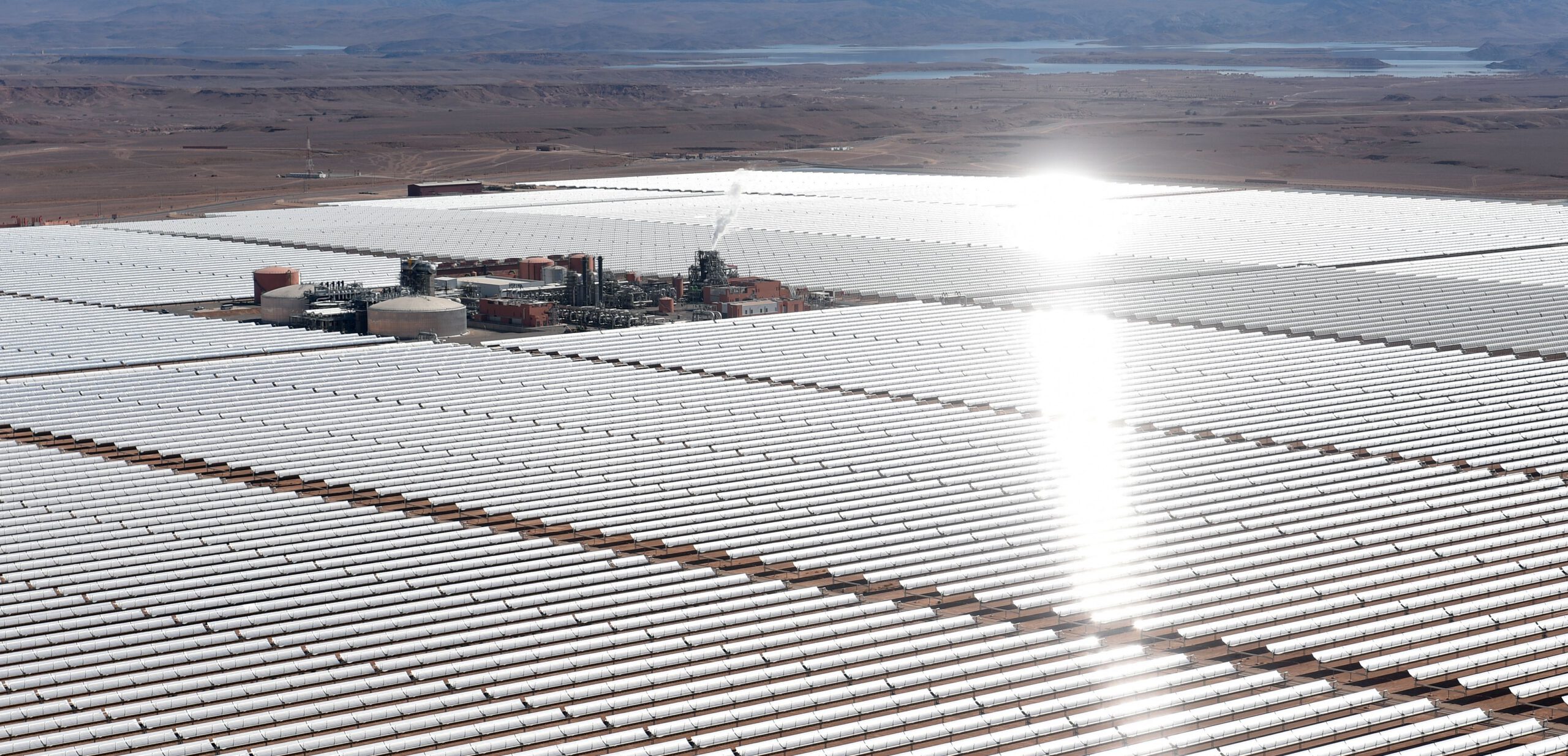
The Middle East and North Africa region is one of the lowest recipients of climate finance compared to other areas of the globe, such as East Asia and the Pacific Islands, despite MENA’s exposure to extreme climate risks. The MENA region’s share of climate financing from the big three global climate funds — the Green Climate Fund (GCF), the Climate Investment Funds (CIF), and the Global Environment Facility (GEF) — and their sub-funds made up only 6.6% of their cumulative global financing through 2023.