Interconnected: Trade, food security, and stability in the GCC and MENA
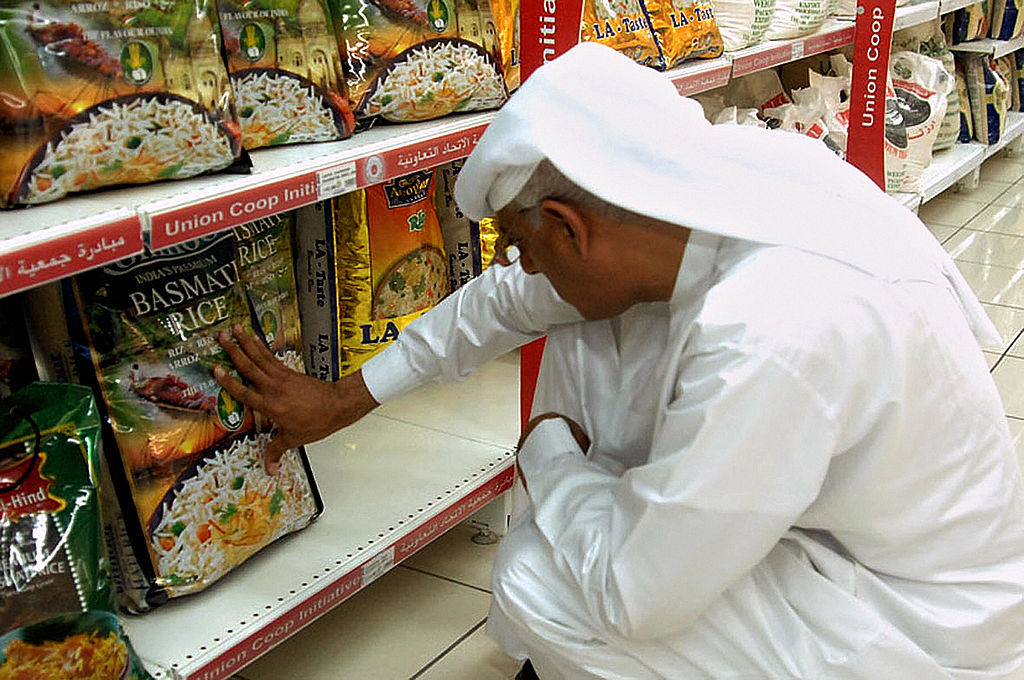
It is easy to overlook the fact that food security could be an issue of concern in the Gulf Cooperation Council. After all, its member states have some of the world’s highest per capita income levels. Food supplies in the Gulf are normally abundant and stable. Were they to be disrupted, however, it could lead to food security challenges and a chain of adverse consequences for human security throughout the region.
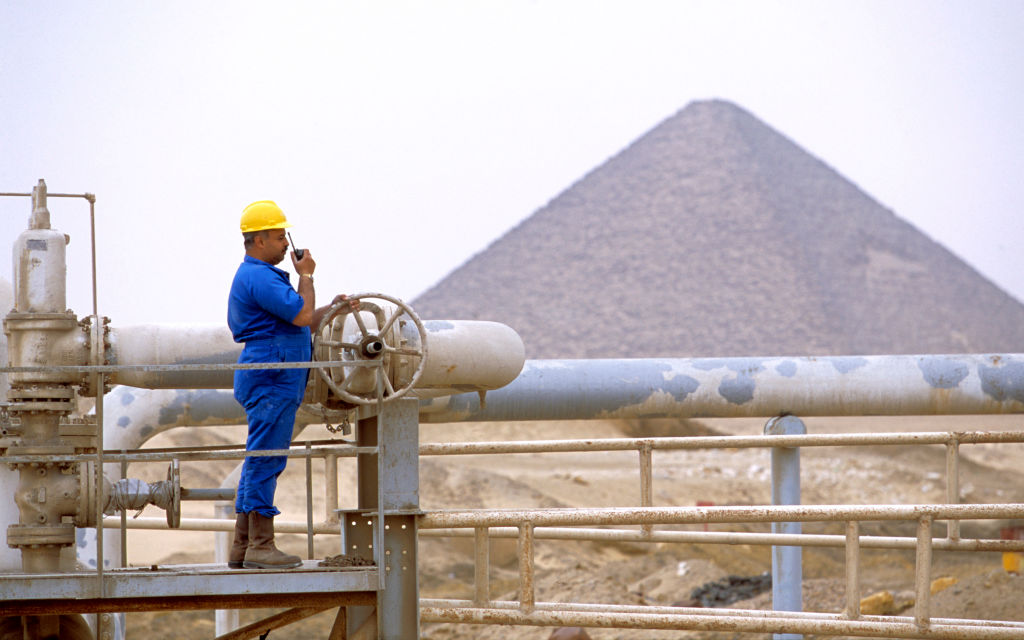
Competition for security and energy is at the center of recent developments in the Eastern Mediterranean. Countries from Egypt to Turkey are moving to secure, exploit, and market their (not always fair) share of the game-changing offshore natural gas reserves. Russia, China, and Iran are securing port facilities, and in the case of Russia, drilling rights, in Lebanon and Syria.
The Trump administration’s upcoming conference in Bahrain, scheduled for June 25-26, under the pretext of boosting the Palestinian economy, has put Jordan in an unenviable position. Forced to choose, Amman seems to have opted to follow Washington’s wishes over those of its overwhelmingly pro-Palestinian domestic audience.
Security Sector Change: Georgian and Jordanian Transitions
This piece is an edited transcript of a conversation between Khatia Dekanoidze and Omar Al Rafie hosted by Alex Walsh on the margins of the Conference on the Future of Arab Policing in Amman, Jordan in March 2019. The participants discuss the transformation of the police during Georgia’s political transition, the lessons that could be drawn from this experience that might be applicable to Jordan, and the role of Community Policing as a tool to engage the community and bring about positive change.
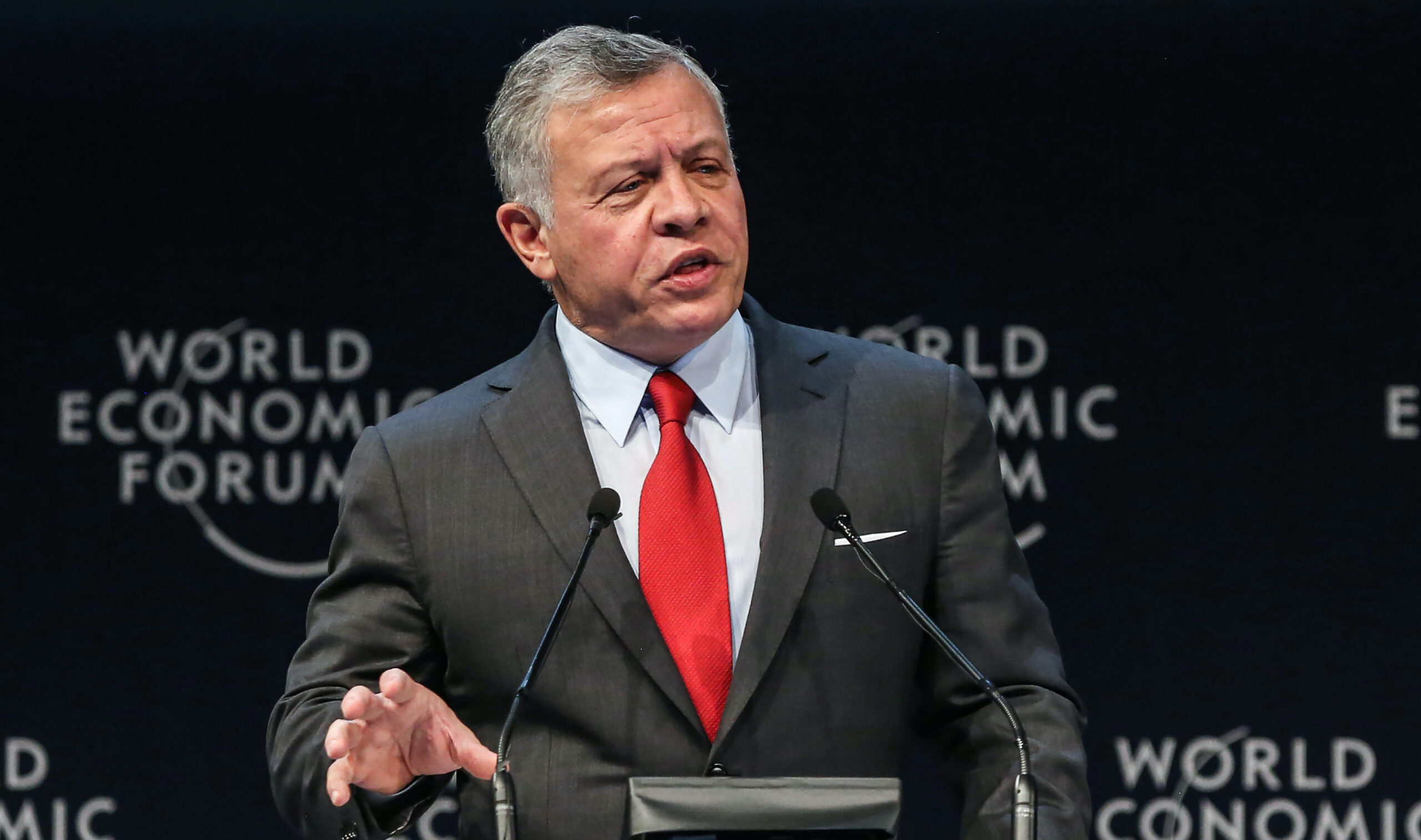
Jordan’s King Abdullah is defiant ahead of the release of Trump’s peace plan
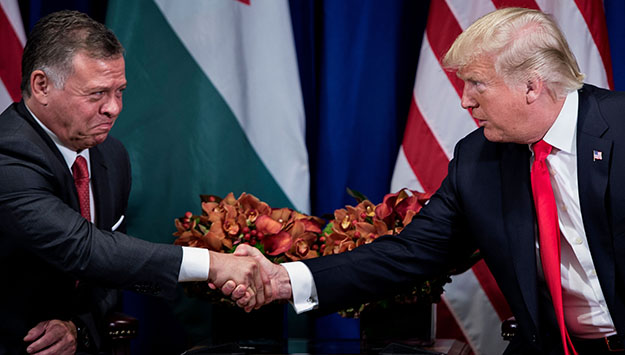
Jordan’s King Abdullah is mobilizing his people ahead of the expected June unveiling of President Donald Trump’s much touted Middle East peace plan. Since returning from a working visit to Washington in March, King Abdullah has been unusually vociferous in his defense of his position on the fate of East Jerusalem and his rejection of any plan that would undermine Jordan’s stability.
The EU and the Middle East: In Search of a Strategy
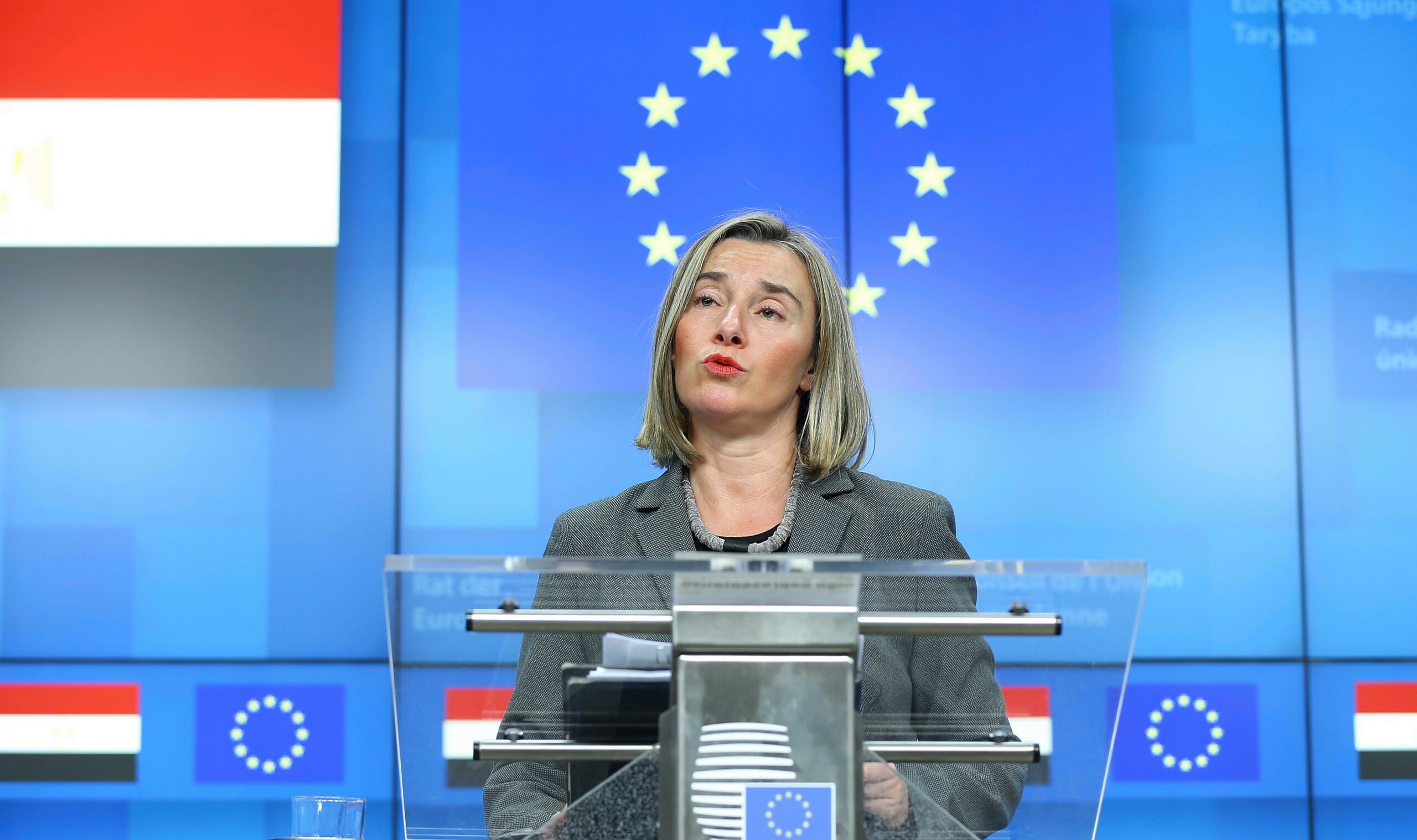
Since 1993, the EU has not adopted any comprehensive document to form the basis for its diplomatic and economic actions toward the Middle East, rendering the union less influential in the region today. The question remains, however, as to whether this attitude is in line with the bloc’s global ambitions.
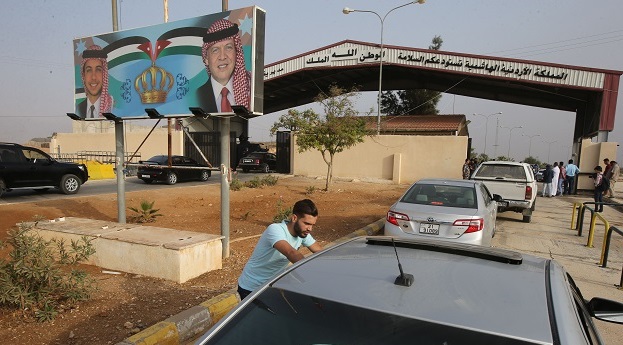
Border opportunities: Reviving the Jordan-Syria free trade zone
The reopening of the Naseeb-Jaber border crossing offers an opportunity to address the pressing political, economic, and humanitarian challenges confronting Jordan.
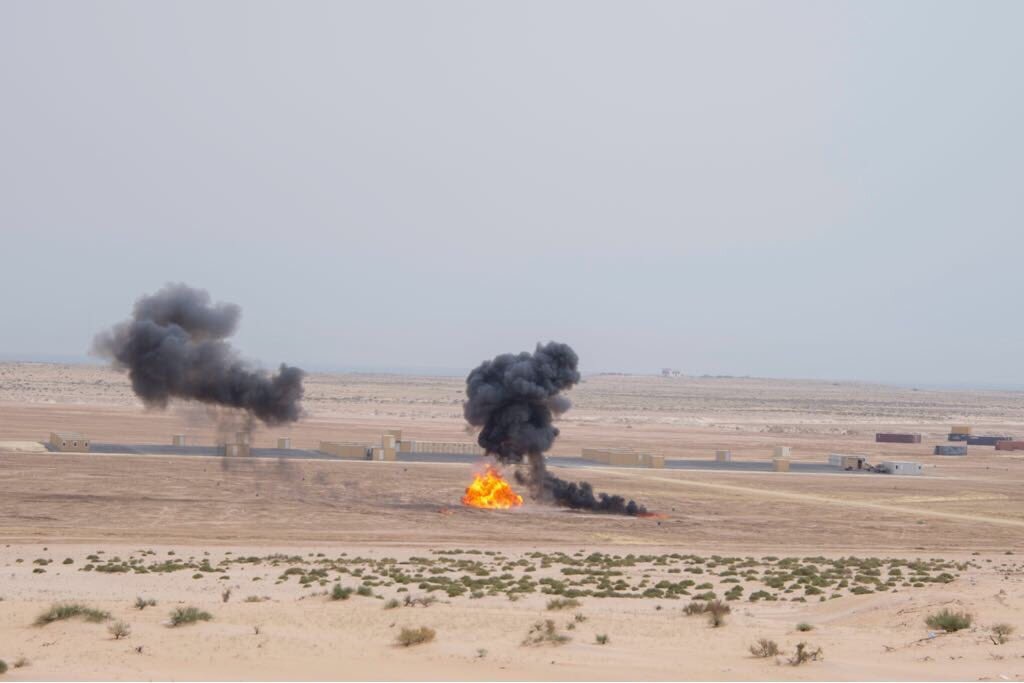
As naval, air, and ground units from Bahrain, Egypt, Jordan, Kuwait, Saudi Arabia, and the UAE conduct war games in western Egypt this month, many speculate that this could represent the birth of the so-called “Arab NATO.”
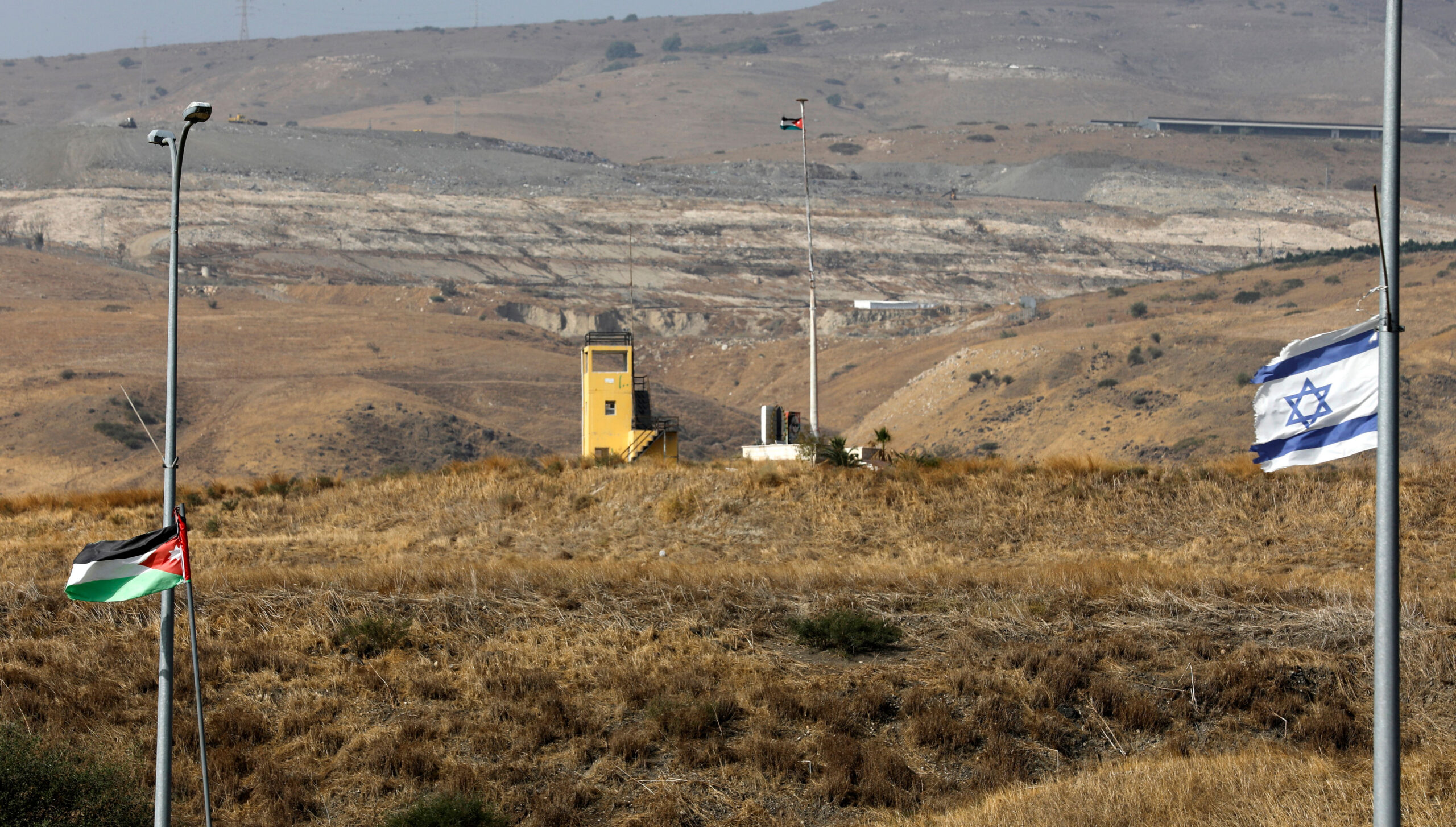
Challenging the cold peace: Jordan’s cancellation of the land lease
King Abdullah’s decision to cancel a 25 year land lease to Israel is likely to exacerbate long-simmering tensions between the two nations and challenge the cold peace that has been in place since 1994.
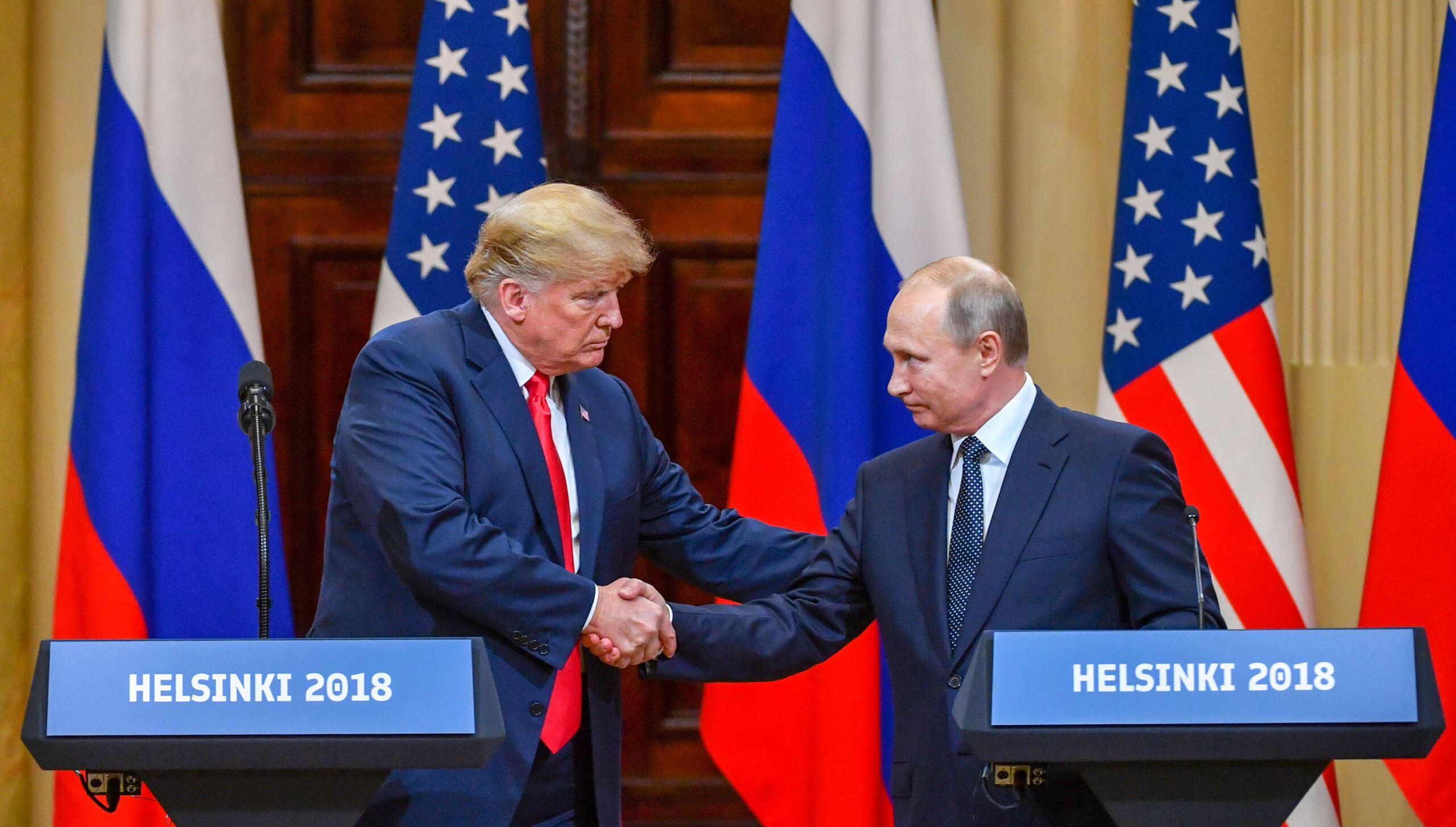
Despite the absence of a public and formal account of what transpired during the meeting between Presidents Trump and Putin in Helsinki on Jul. 16, it seems that there is at least tacit agreement that effectively endorses the Syrian regime’s takeover of southern Syria and limits Iranian presence in Syrian areas near the Jordanian and Israeli borders.
Two major events in the past few weeks have come into play regarding the future of a de-escalation zone in southern Syria from a Jordanian perspective. The first was the Western coalition’s missile strike on April 13 against Syrian regime positions in retaliation for an alleged chemical attack in the besieged Eastern Ghouta that took place on April 7.
Turkey is one month into its military offensive against U.S.-backed Syrian Kurdish forces in the area of Afrin in northern Syria. How is the operation going, and how has the strained U.S.-Turkish relationship been affected? Gonul Tol, director of Turkish studies at MEI, and Amberin Zaman, a journalist and columnist for Al-Monitor, join host Paul Salem to discuss.
With the absence of multilateral diplomatic forums in the Middle East and the Trump administration scaling back on U.S. diplomatic outreach, the role of backdoor diplomatic channels, known as “Track II” dialogues, has seldom been more important. Randa Slim, director of MEI’s program on conflict management and Track II dialogues, and Robert Ford, former US ambassador to Syria, join Paul Salem to discuss the role of these dialogues in addressing issues ranging from the Syrian civil war to the conflict in Yemen and regional tensions between Iran and Saudi Arabia.
King Abdullah's pragmatism keeps US-Jordan ties on track
Unlike the celebratory reception he received in Israel, U.S. Vice President Mike Pence’s visit to Jordan on Jan. 22 was low-key and short. There was no touring of the kingdom’s historical sites and no interaction with the Jordanian parliament. At the popular level, public opinion was mobilized against the visit. On a cold and rainy day, three days before Pence’s arrival, a handful of Jordanians held a protest in front of the U.S.