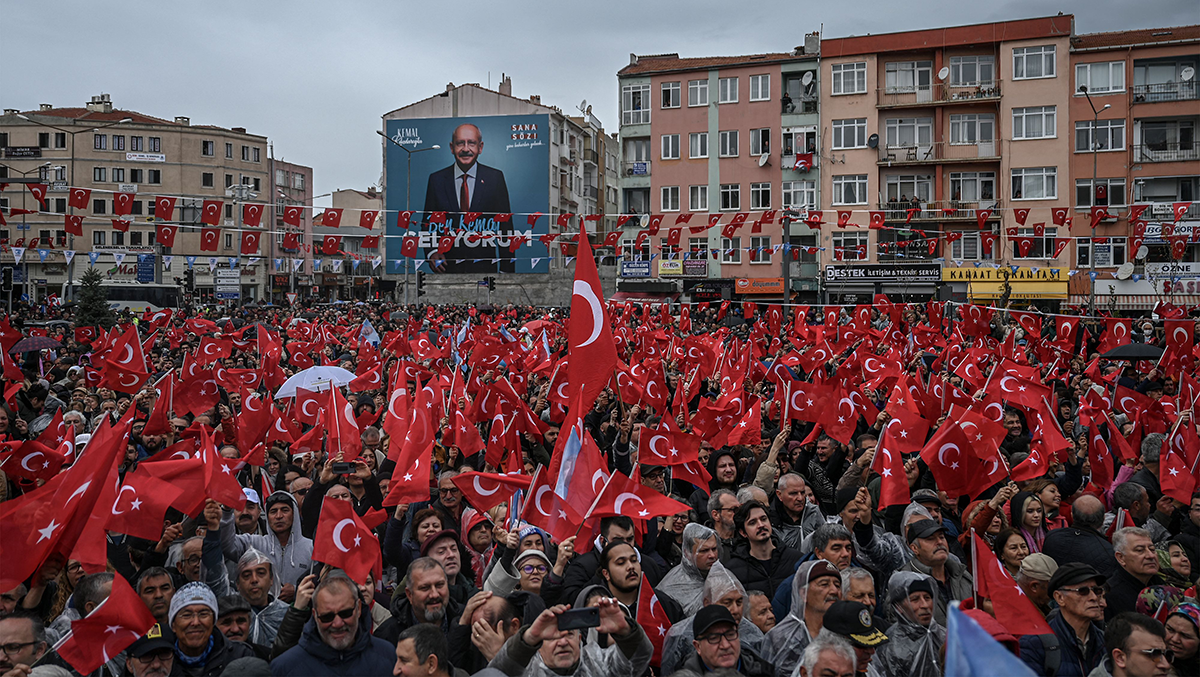
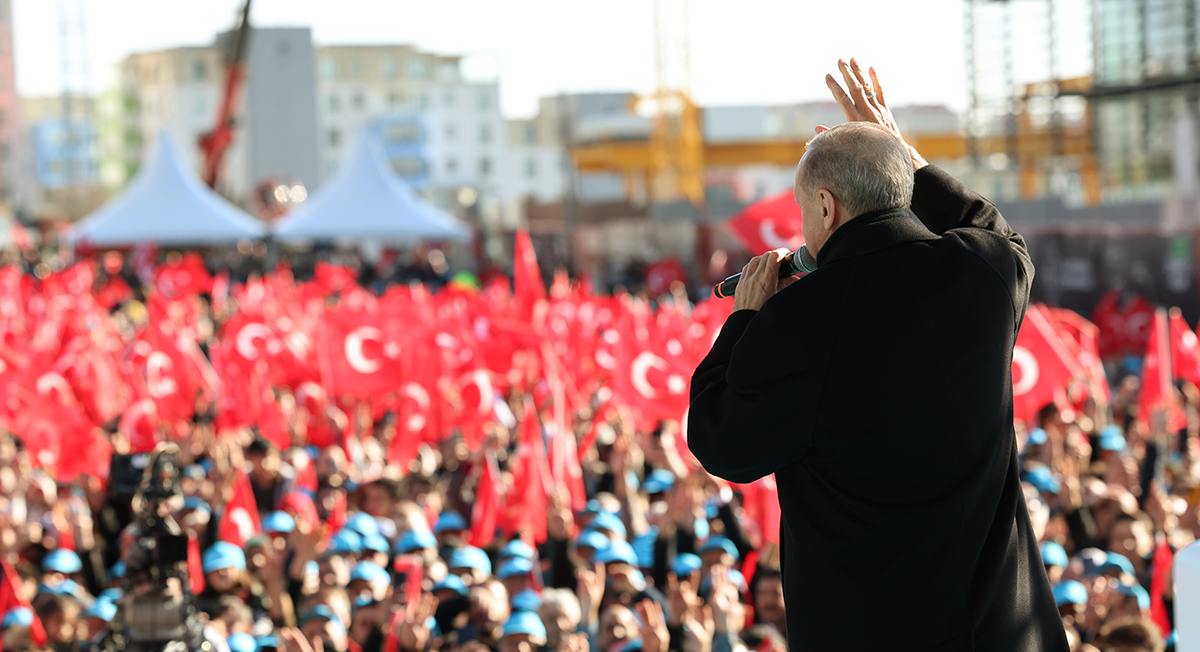
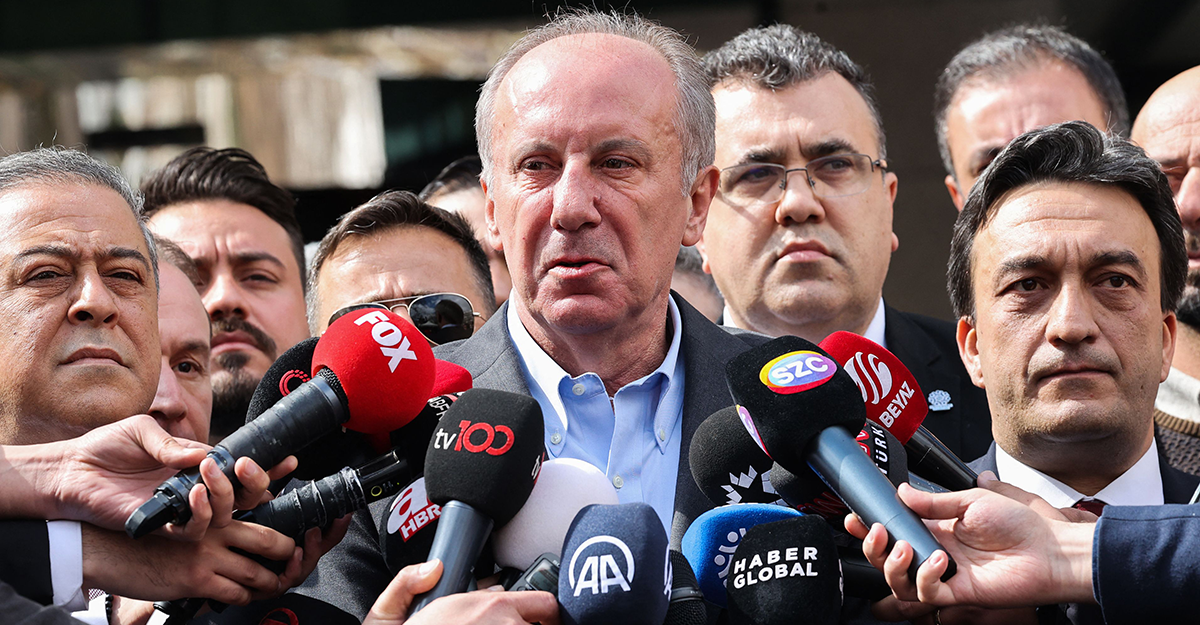
Catch up with the latest developments about Turkey’s May elections with weekly updates from MEI’s Turkey Program. In this week’s installment of Turkish Election Watch: Erdoğan launches his re-election campaign, Kılıçdaroğlu announces pledges for the first 100 days, and İnce’s difficult week.
Catch up with the latest developments about Turkey’s May elections with weekly updates from MEI’s Turkey Program. In this week’s installment of Turkish Election Watch: Kiliçdaroğlu and the carpet, Erdoğan talks tough to the Americans again, attacks on opposition parties, and coalition politics and the parliamentary elections.
Israel and Azerbaijan: Trusted friends and reliable partners
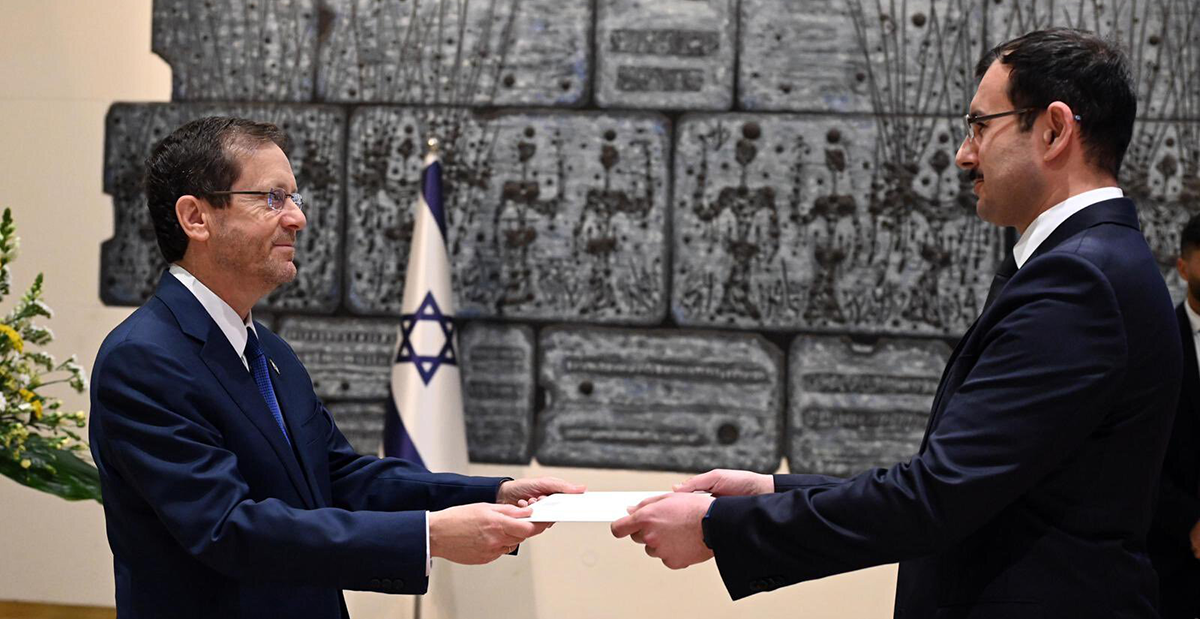
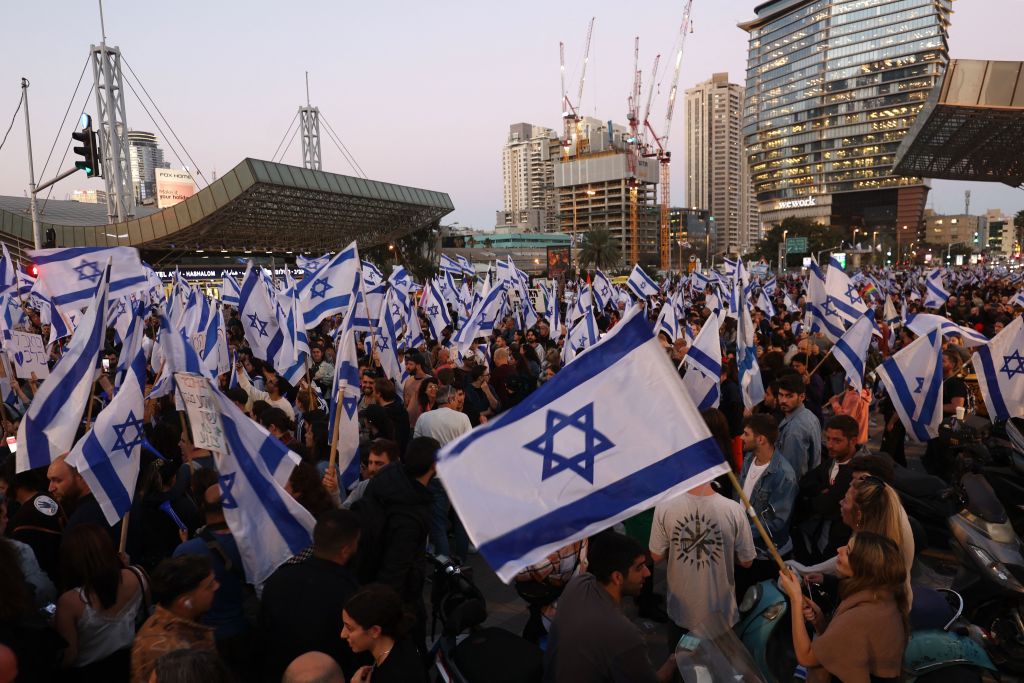
Israeli-Azerbaijani relations are based on two main pillars: patient and cordial political relations as well as defense cooperation and arms sales. While the former reached a more intensive level this year, with the opening of an Azerbaijani embassy in Tel Aviv in late March, the latter pillar of the relationship was well developed long before, as Israel became Azerbaijan’s largest weapons supplier.
Turkish Election Watch: The Week of March 26-April 2
Catch up with the latest developments about Turkey’s May elections with weekly updates from MEI’s Turkey Program. In this week’s installment of Turkish Election Watch: It’s officially a four-candidate race for the presidential election, Kılıçdaroğlu meets with İnce, Kılıçdaroğlu receives a warm welcome in an Erdoğan stronghold, and Bahçeli makes an unexpected move.
Why the Iranian public remains silent in the face of Israeli attacks
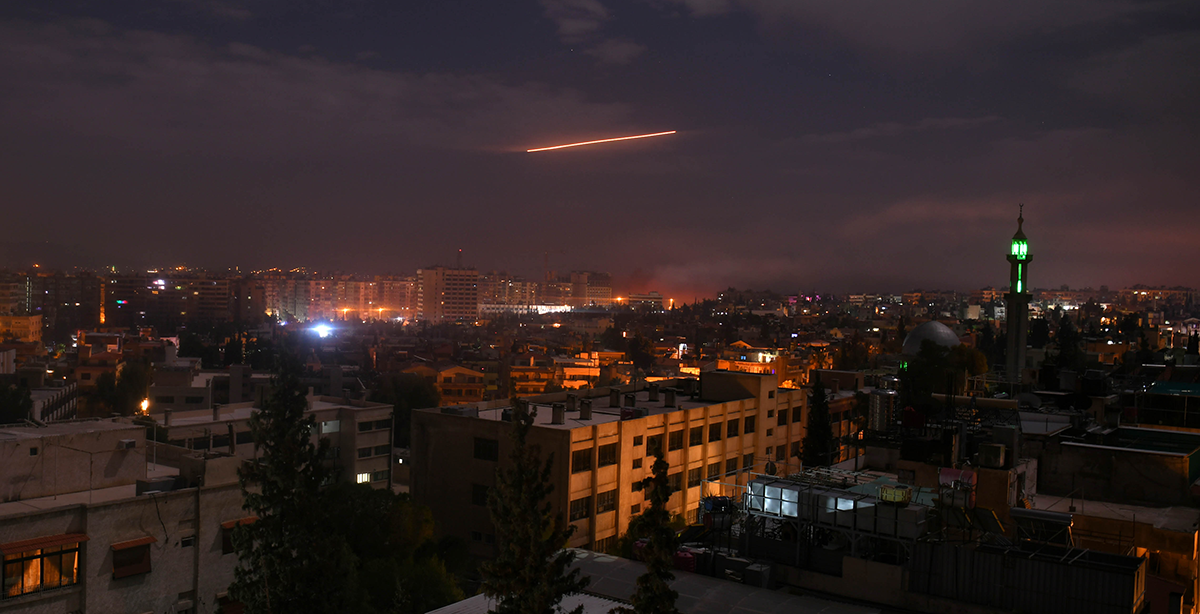
The silence from Iran is deafening. Judging by social media reactions and media reports from Iran, few, if any, members of the Iranian public seem to care that, since 2011, the Israeli air force has attacked Iranian and Iranian-affiliated positions in Syria on more than a thousand occasions, reportedly killing a number of Iranian members of the IRGC.
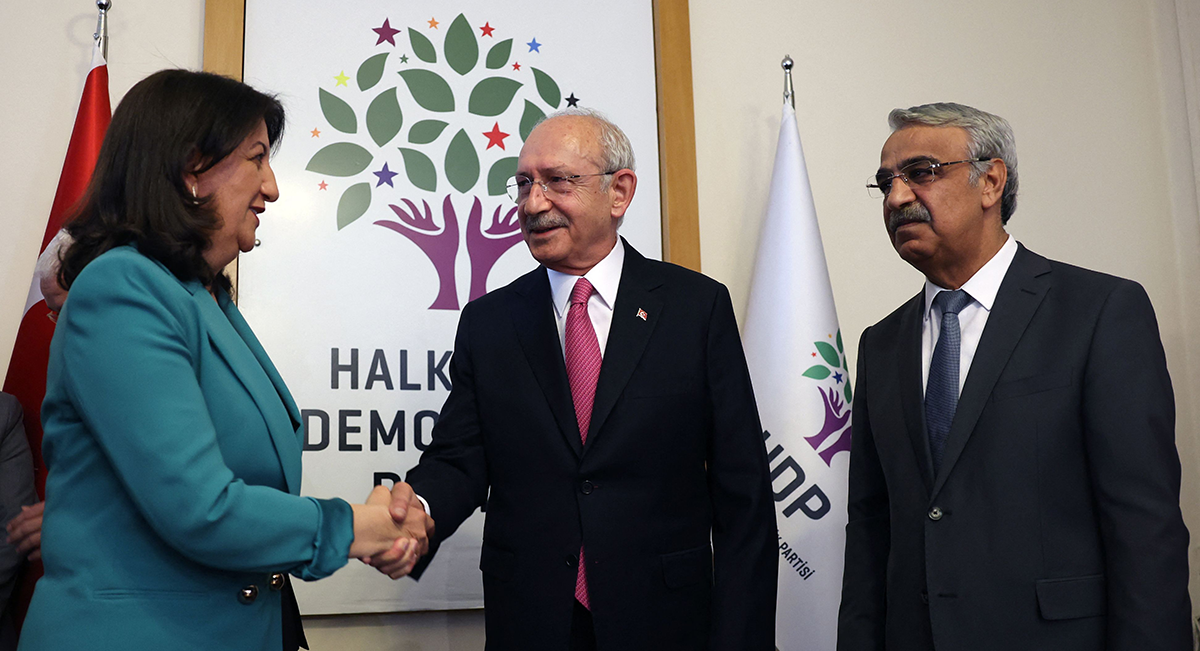
Catch up with the latest developments about Turkey’s May elections with weekly updates from MEI’s Turkey Program. In this week’s installment of Turkish Election Watch: The HDP takes sides without taking sides, the dark horse candidate Muharrem İnce, and the AKP’s “People’s Alliance” coalition.
A message to the donors convening in Brussels to aid Syria’s earthquake recovery
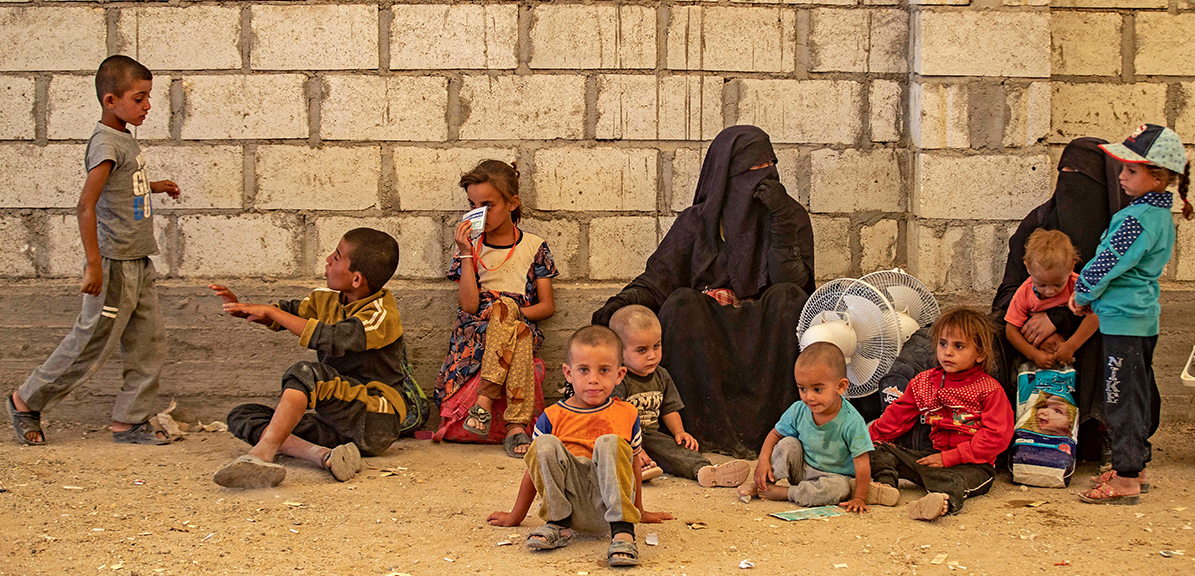
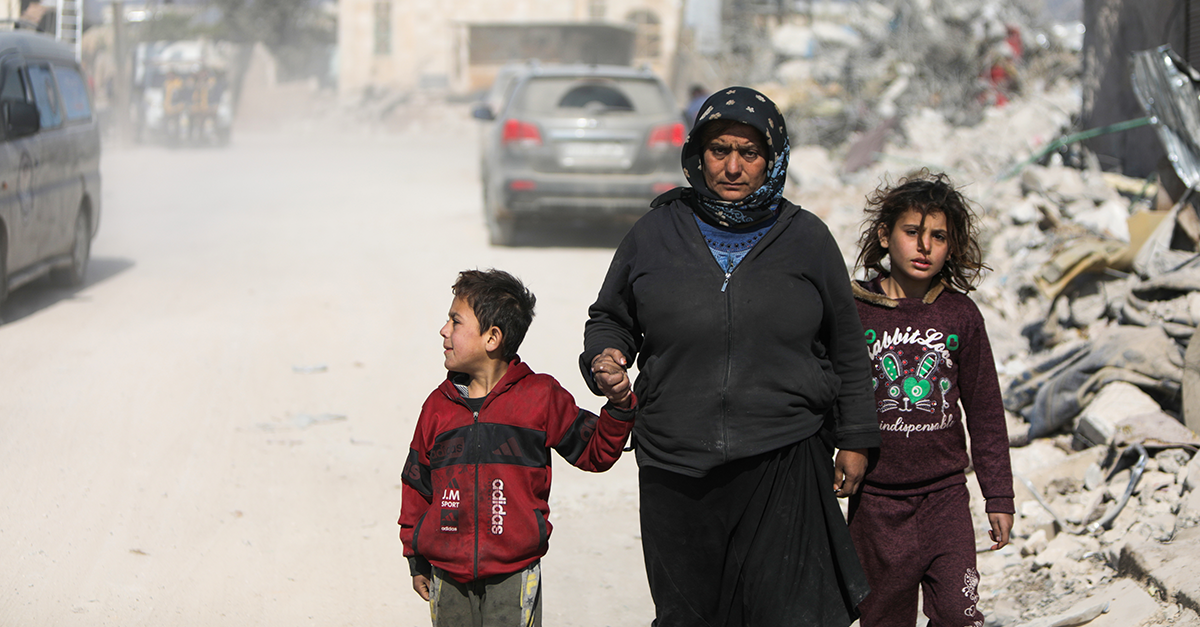
On March 20, the EU will hold an international donors’ conference in Brussels to raise funds for Turkey and Syria’s recovery from the devastating earthquakes that struck in early February. While Turkey’s foreign minister will speak before the pledging session, no one will represent or even speak on behalf of Syrians.
Turkey’s "Gandhi" sets his sights on strongman Erdoğan
The earthquake seems to have damaged the charismatic populist’s image. And voters may finally be ready for an uncharismatic man who promises to put things in order.