Deepening defense-industrial cooperation on NATO’s eastern flank
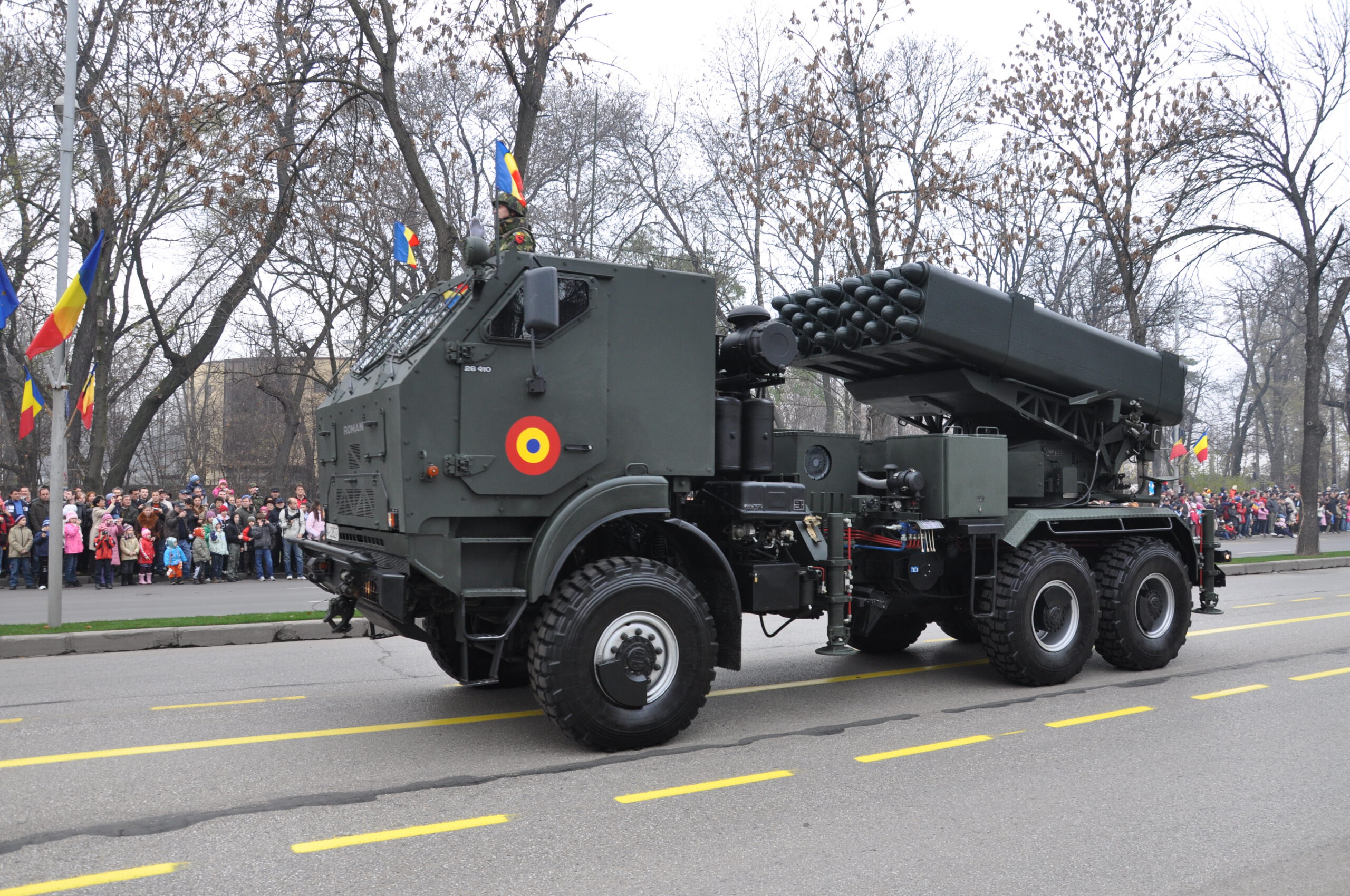
The war in Ukraine has turned policymakers’ eyes back toward the Euro-Atlantic arena and highlighted the need to reinvigorate NATO’s defense-industrial base. This analysis describes the macro policy environment that shapes the current relationship between Romania and the United States, and considers what steps the U.S. could take to improve Romania’s integration with the Euro-Atlantic defense-industrial base.
Polish and Romanian responses to Russian aggression: Lessons for a US CEE Strategy
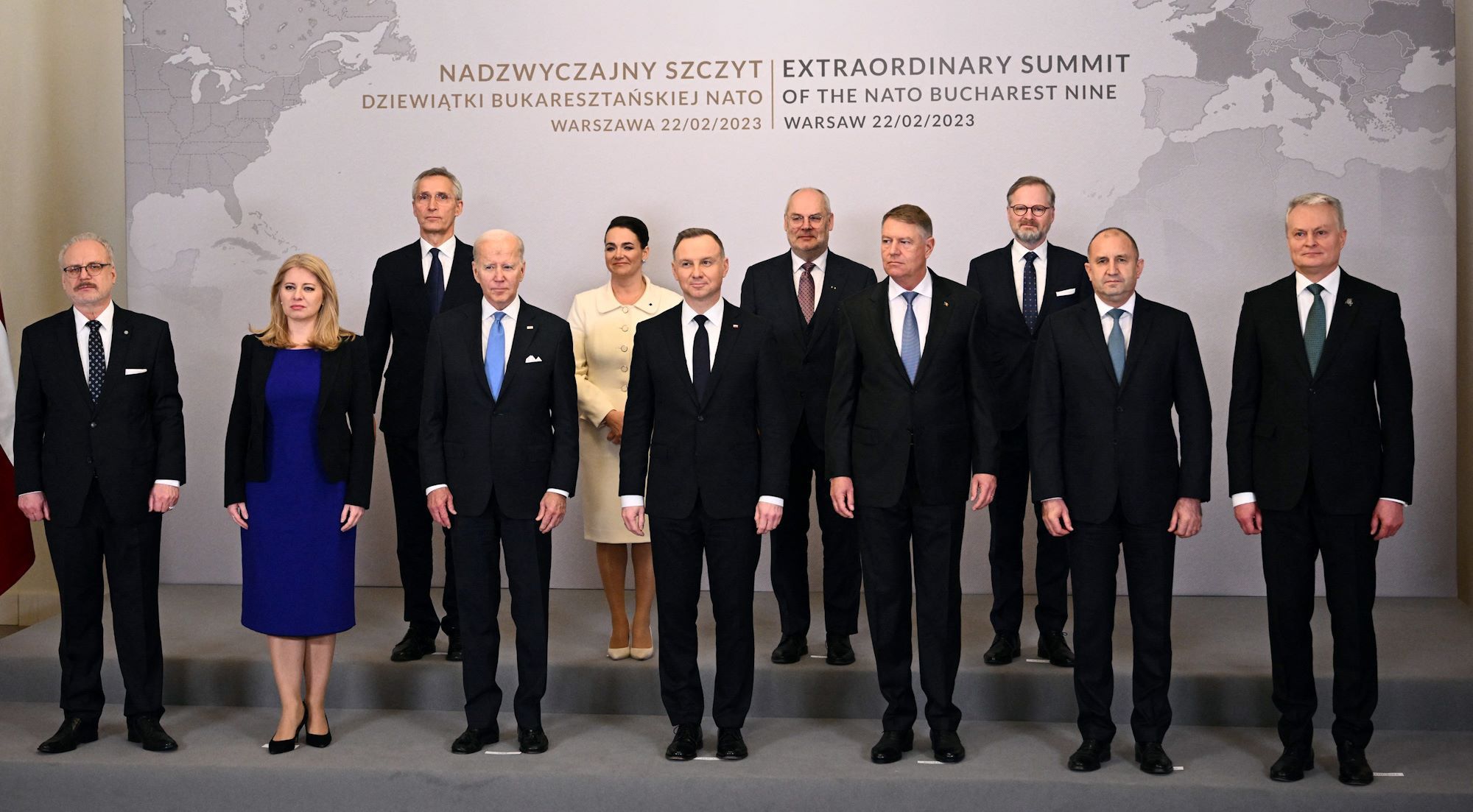
The following analysis provides an overview of Poland’s and Romania’s engagement with NATO priorities on its eastern front line since 2022 and outlines their advocacy for increased regional security in multilateral formats. Drawing on the expertise of over two dozen Polish and Romanian security experts, it offers recommendations for an enhanced CEE security strategy for the United States, the leading member of the NATO alliance.
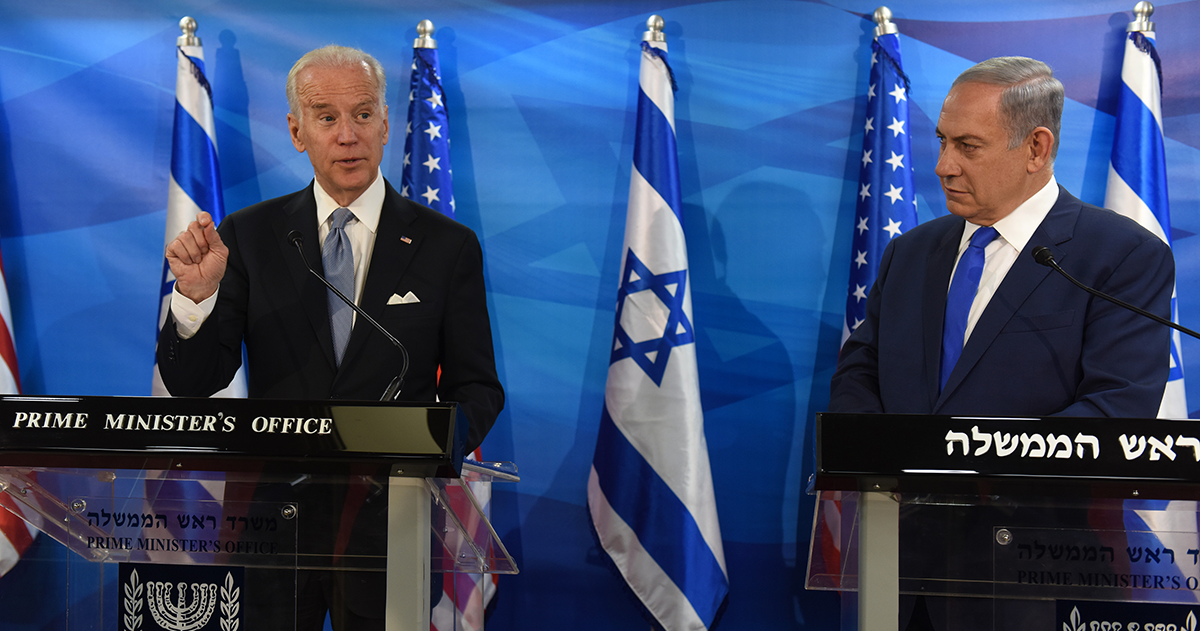
On this week’s episode, MEI’s Editor-In-Chief Alistair Taylor discusses the Biden administration’s push to reach a normalization accord between Saudi Arabia and Israel with Martin Indyk, Sanam Vakil, and Bilal Saab.
While there are plenty of potential hurdles to reaching a deal — including Saudi Arabia’s steep demands, Israel’s far-right government, and challenging domestic politics here in the US — if done right, the potential geopolitical ramifications could be substantial.
Hydrogen as a fuel of the future: Moving the GCC’s climate mitigation agenda forward
Hydrogen has been touted as an energy solution for the future and a leading mitigation technology against climate change. Among the states of the GCC, it has come to be seen as central to their energy transition strategy and a means to retain the region’s hegemonic position within global energy relations.
After Prigozhin: The future of Wagner and Russian gray zone activities in MENA
As the Wagner Group has an entrenched military presence in Syria, Libya, and Sudan, the evisceration of its senior leadership will have serious repercussions for Russia’s influence in the MENA region. Wagner’s military contractors are unlikely to depart, since they guard strategically valuable oil and mining facilities; but they are likely to now be swiftly integrated into the regular Russian Armed Forces.
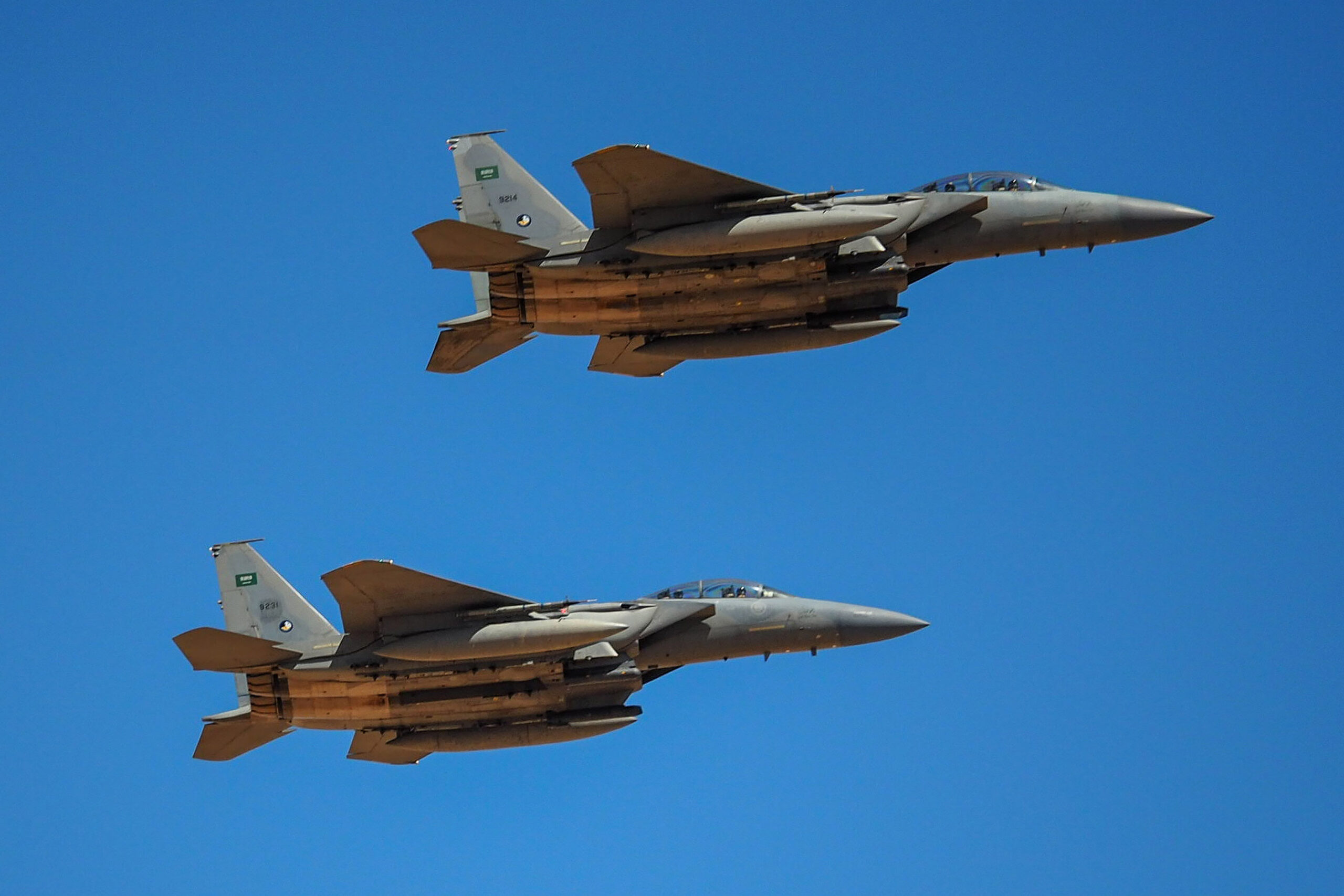
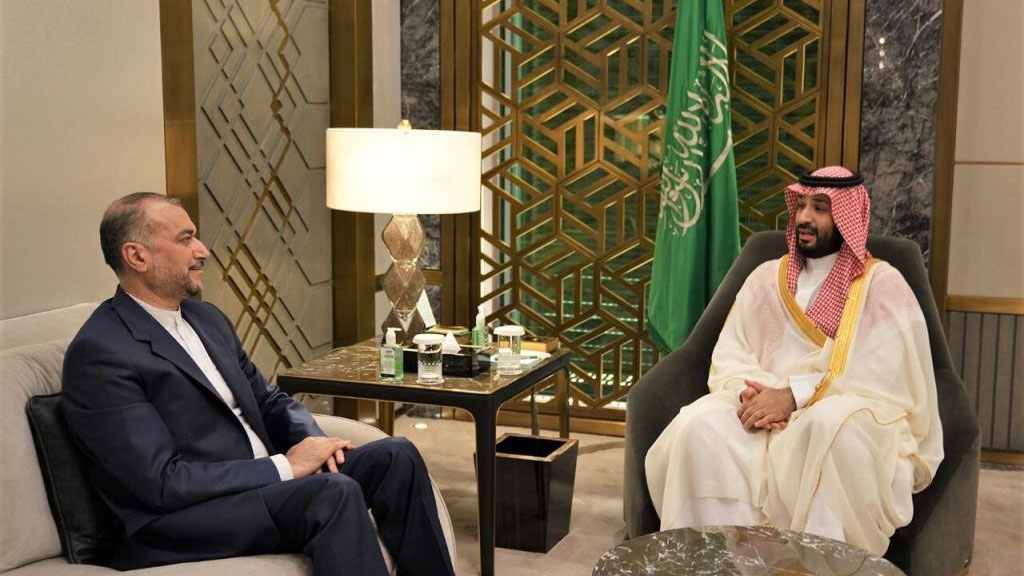
Of all the challenges to Saudi Vision 2030, arguably none is greater than Iran’s threat to Saudi national security. To succeed, Crown Prince Mohammed bin Salman must protect the kingdom, which will require not only fortifying its defenses against further Iranian and Houthi attacks but also establishing a level of deterrence against Tehran.
A US security guarantee to Israel should help to advance Israeli-Palestinian peace, not avoid it
It has been nearly 70 years since Israel first asked the U.S. to sign a bilateral defense treaty. Ever since then, the idea of a formal security agreement has resurfaced from time to time, only to be struck down, due to an understanding that it does not serve the two sides’ actual needs. Prime Minister Netanyahu is currently floating the idea once again, but the U.S. can make use of his interest in a security upgrade to revive a different idea instead: the decade-old security plan for the two-state solution, known as the Allen Plan.
Peshmerga reform hangs in the balance in Iraq’s Kurdistan Region
Efforts to reform the Iraqi Kurdish security forces known as the Peshmerga are at serious risk of failing. Tensions between the ruling parties of Iraq’s Kurdistan Region are not new, but the working relationship between the leaders of the Kurdistan Democratic Party and the Patriotic Union of Kurdistan has collapsed over the past year. As a result, officials within the Ministry of Peshmerga Affairs are no longer capable of preventing the politics of partisan self-interest from consuming the reform project. The prospects for the depoliticization and unification of the Peshmerga have rarely seemed more remote.
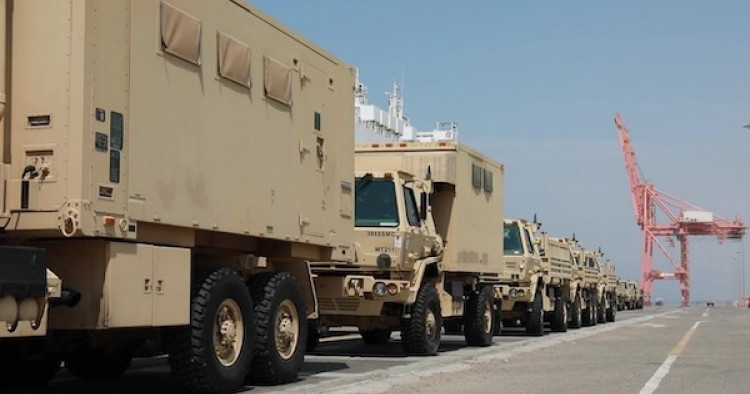
The future of America's Middle East posture is now
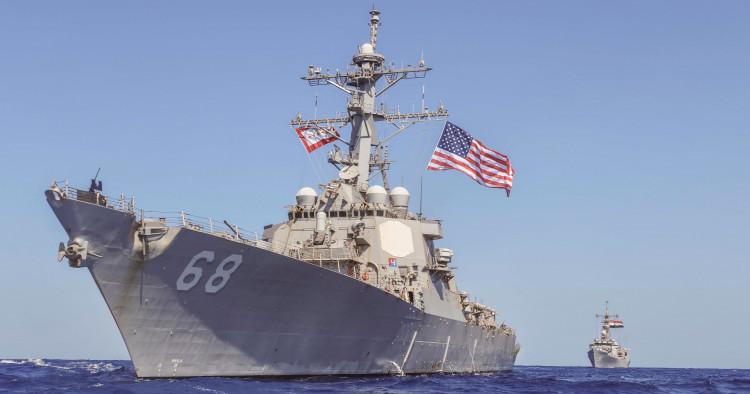
With its strategic prioritization of the Indo-Pacific and European theatres, the United States has had to significantly adjust its defense posture in the Middle East through new concepts and procedures to safeguard collective security interests.
The result is at least the beginning of a more dynamic and flexible approach to military deployment in the US Central Command (CENTCOM)’s Area of Responsibility. Instead of emphasising large and permanent basing, the United States will surge assets and resources from other locations depending on threats and needs.
Breaking down the details of the UAE’s climate strategy
In the race to manage climate change, the UAE is ramping up its efforts in a bid to accelerate its transition to a green economy. In the first two weeks of July 2023, it published several important documents laying out its actions and objectives, including a revised version of the national climate pledges it made under the Paris Agreement, as well as a number of targeted policies and strategies.
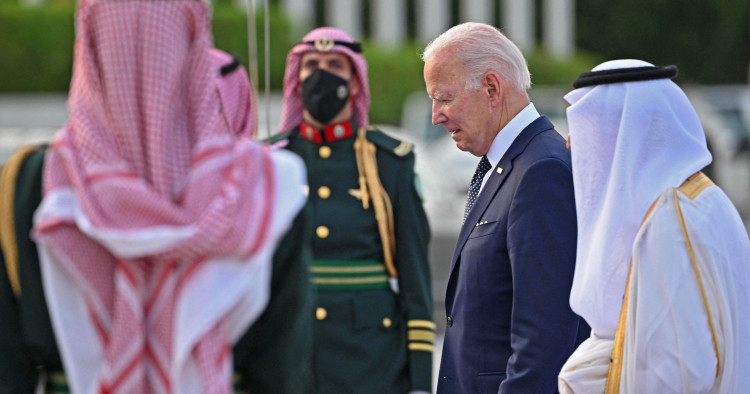
A defense treaty is not how Biden should fix the Saudi relationship
The United States has likely reached a crossroads in its relationship with Saudi Arabia. President Joe Biden can reconcile with Riyadh and use its influence to reshape the Middle East to Washington’s liking and stabilize the global energy markets. Or else the Saudis most probably will tie their fortunes much closer to China, thus complicating America’s top foreign-policy priority.
Effectiveness, not size, key to US involvement in Middle East
In the summer of 2016, I was honoured to be asked by former US national security advisor Stephen Hadley and former US Secretary of State Madeleine Albright to help design a wargame, or a simulated crisis, to test whether more or less US engagement in the Middle East would be more beneficial for US interests and regional security.
The crisis revolved around a fictitious incident at sea between Saudi and Iranian naval forces. We postulated that several small attack craft belonging to the Iranians confronted a Saudi frigate in the Arabian Gulf southwest of the island of Abu Musa.