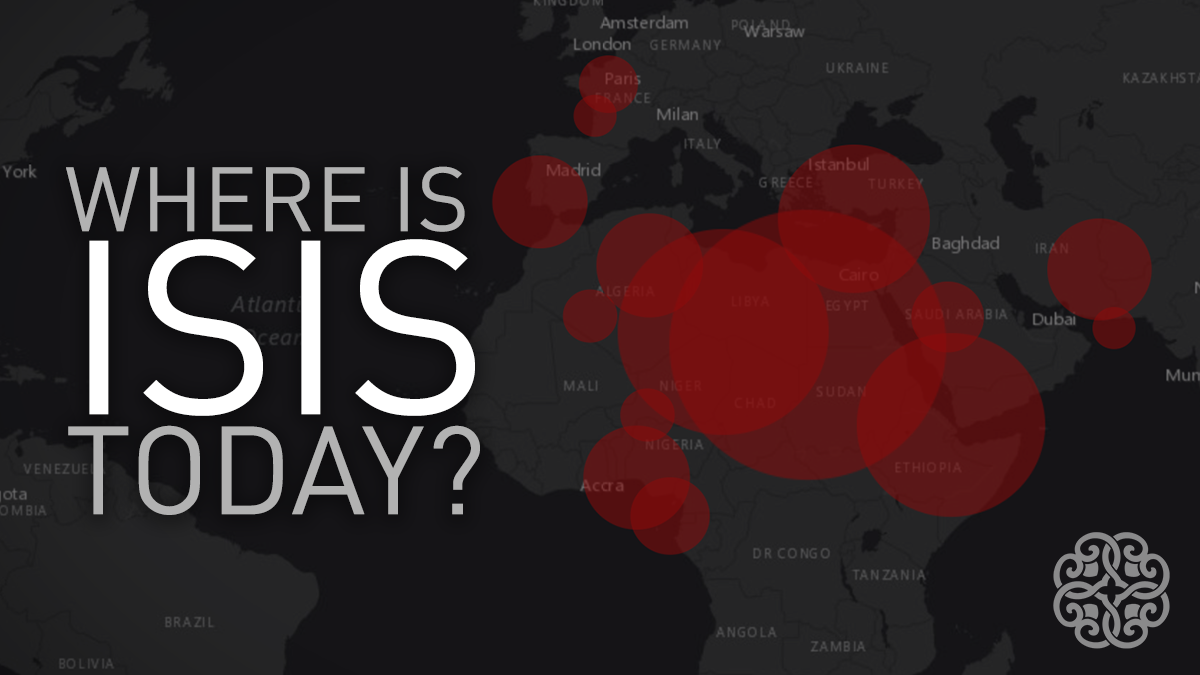
Where is ISIS today?
After years of international intervention, ISIS was routed from its Iraqi stronghold in Mosul and from its so-called capital in the Syrian city of Raqqa last year. However, the group remains dangerous both in the region and globally. Charles Lister discusses how ISIS is operating today, and what the international community must do to combat it.

The battles in, above and around Syria
Amb. Robert Ford and Charles Lister join host Paul Salem to discuss last week’s U.S. airstrikes in Syria in response to the Assad government’s ongoing use of chemical weapons, what the Trump administration is signaling about America’s plans there, and the escalating standoff between Israeli and Iranian forces in the country.
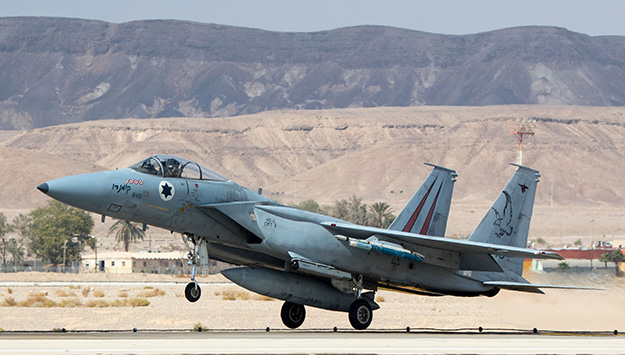
The Israeli airstrike on Syria Monday: A message to Iran, Russia—and Trump
Read the full article on Daily Beast
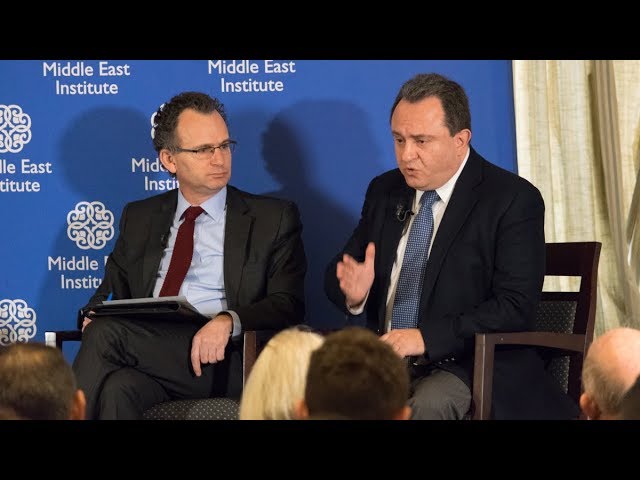
Violent extremism: historical patterns and precedents, ancient and modern
Middle Eastern history is often portrayed as a succession of empires and political orders harassed and occasionally brought down by violent opponents–usually labeled as terrorists at the time. This was true in ancient times as well as modern. And today’s violent extremist groups resurrect historical narratives and grievances to fuel contemporary conflict.
The humanitarian disaster in Syria’s eastern Ghouta
The Damascus suburb of eastern Ghouta is the site of a humanitarian disaster unfolding day by day as the Syrian regime and its Russian and Iranian backers have maintained a massive aerial assault that has killed hundreds. MEI Fellows Ibrahim al-Assil and Charles Lister join host Paul Salem to discuss the conditions on the ground and what led to the campaign that has turned Ghouta into a “Hell on Earth.”

Syria: Which Way Forward? | Congressional Testimony by Charles Lister
The below testimony was delivered to the House Foreign Affairs Committee by Charles Lister on February 6, 2018. See also testimony by Amb. Robert S. Ford, delivered at the same hearing, or the video webcast of the proceedings.
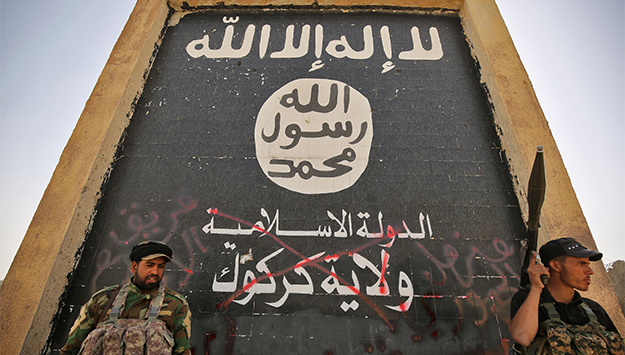
The rise of violent transnational movements in the Middle East
Summary
Rebuilding Raqqa: Understanding the Toll of Syria's Civil War
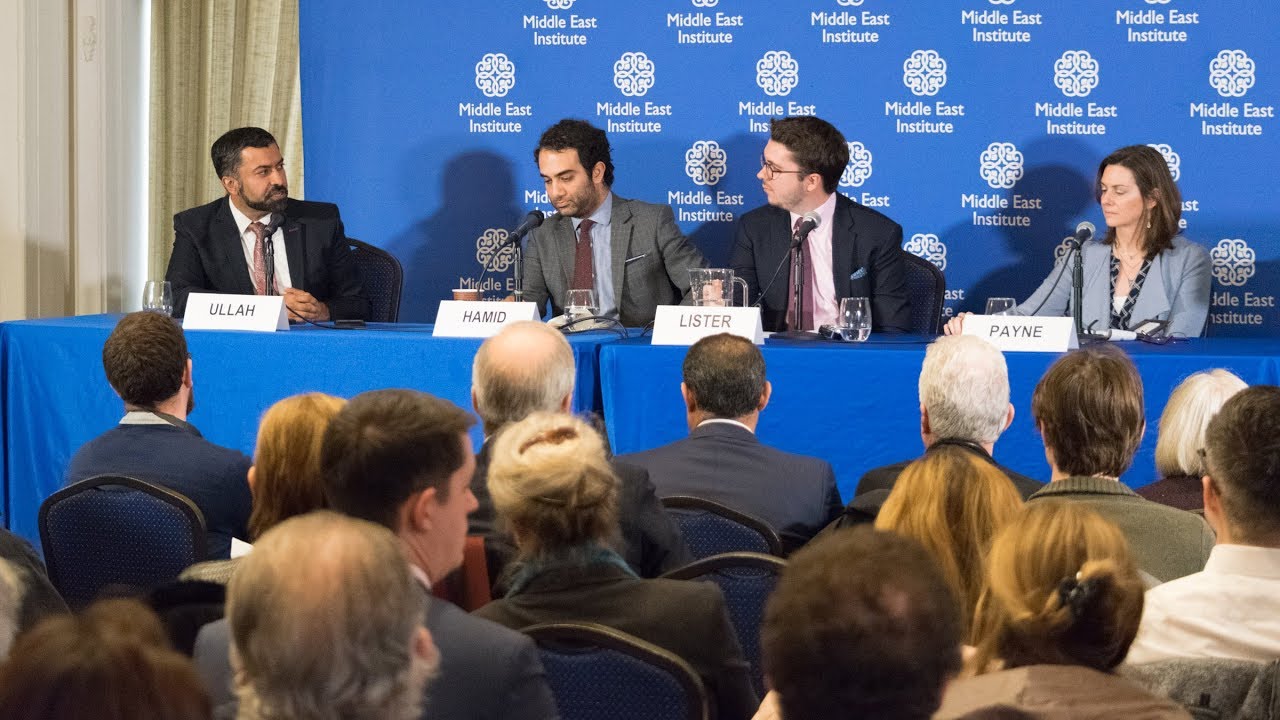
Countering the Weaponization of Information
January 10, 2018 – Mobile technologies for consuming and spreading information are empowering individuals and nonstate actors in politics and in conflicts. Social media activists scrutinize authoritarian and democratic powers alike. Violent extremists such as ISIS have used the web to advance their ideologies, project invincibility, undermine governments, and sow fear and hatred. The information battlefield surrounds all internet users.
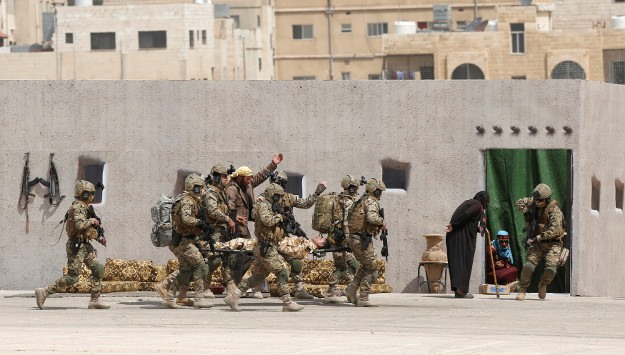
The Future of U.S.-Jordanian Counterterrorism Cooperation
Read the full analysis, co-authored by Hardin Lang and Alia Awadallah, on the Center for American Progress.
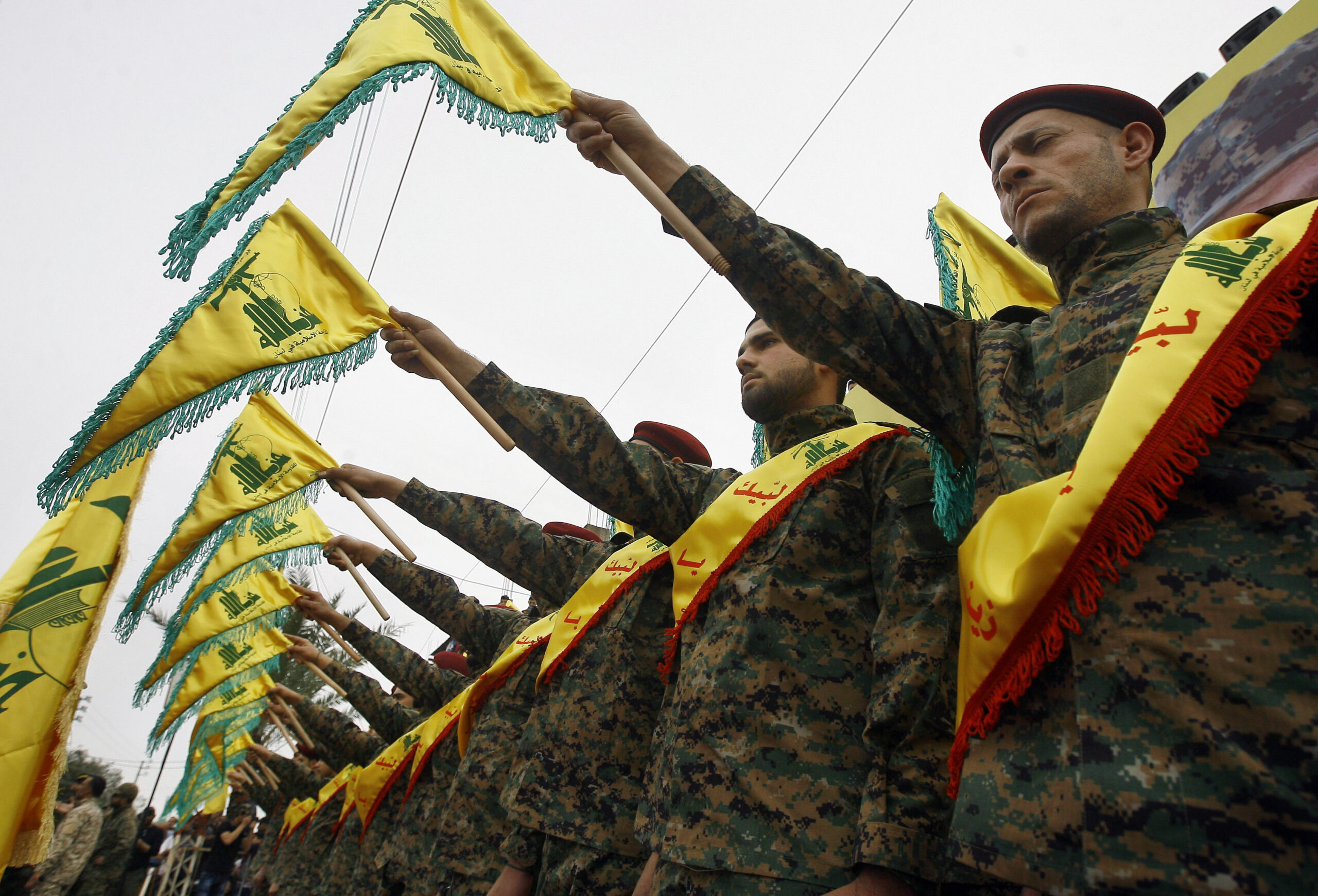
Hezbollah’s Evolution: From Lebanese Militia to Regional Player
Summary
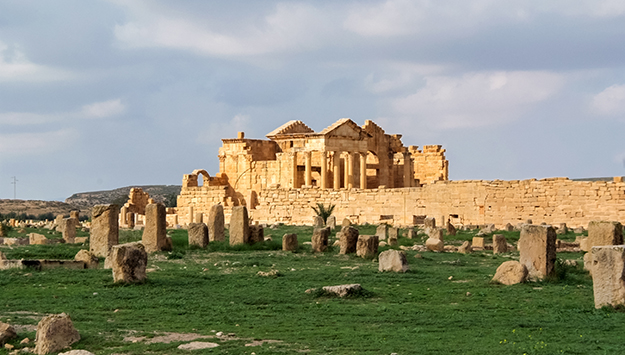
ISIS Eyes Tunisia’s Cultural Heritage as Militants Return
Looting and trafficking of antiquities in the Middle East and North Africa has reached unprecedented levels since the rise of ISIS. In a region with tens of thousands of archaeological sites, antiquities are as easily accessible as oil for terrorist groups controlling such archaeologically rich territory.
Countering ISIS-inspired Terrorism
Last week’s terrorist attack in New York City utilized similar tactics to other low-tech attacks carried out in western Europe, closely following the ISIS playbook.
Jasmine El-Gamal, senior fellow at the Atlantic Council, Charles Lister, director of MEI’s Extremism and Counterterrorism project, and Will Wechsler, MEI senior fellow on national security and counterterrorism, join host Paul Salem to discuss what the attack means for U.S. counterterrorism policy and the future of the fight against ISIS.