Skip to Content

Research & Commentary Results

Filter by
8735 Results
Art in Isolation
Middle East Institute
  • Podcast
  • Art in Isolation

    Artists Asim Ahmed, Reem Aljeally, and Jamila Rizgalla join guest host Lyne Sneige to discuss the challenges facing artists across the region during the global pandemic. Their works are featured in MEI’s first ever open call exhibition, titled “Art in Isolation: Creativity in the Time of Covid-19,” which is on display at the MEI Art Gallery until January 29. The pieces can also be viewed and are for sale online.

    December 9, 2020

    U.S. Economic Engagement with the Black Sea Region Must Be a Priority for 2021
  • Analysis
  • U.S. Economic Engagement with the Black Sea Region Must Be a Priority for 2021

    The Black Sea region is home to some of America’s strongest allies and most vocal advocates of continued Euro-Atlantic cooperation and integration. The Trump Administration’s commitment to the region has led with U.S. support for regional security. It is in America’s national interest to double down on the successes of the Trump Administration’s regional economic engagement strategy, and establish trade and investment initiatives as the forefront of U.S. policy toward the Black Sea region.

    December 9, 2020

    Why the premature verdict on Lloyd Austin?
    Photo by Allison Shelley/Getty Images
  • Analysis
  • Why the premature verdict on Lloyd Austin?

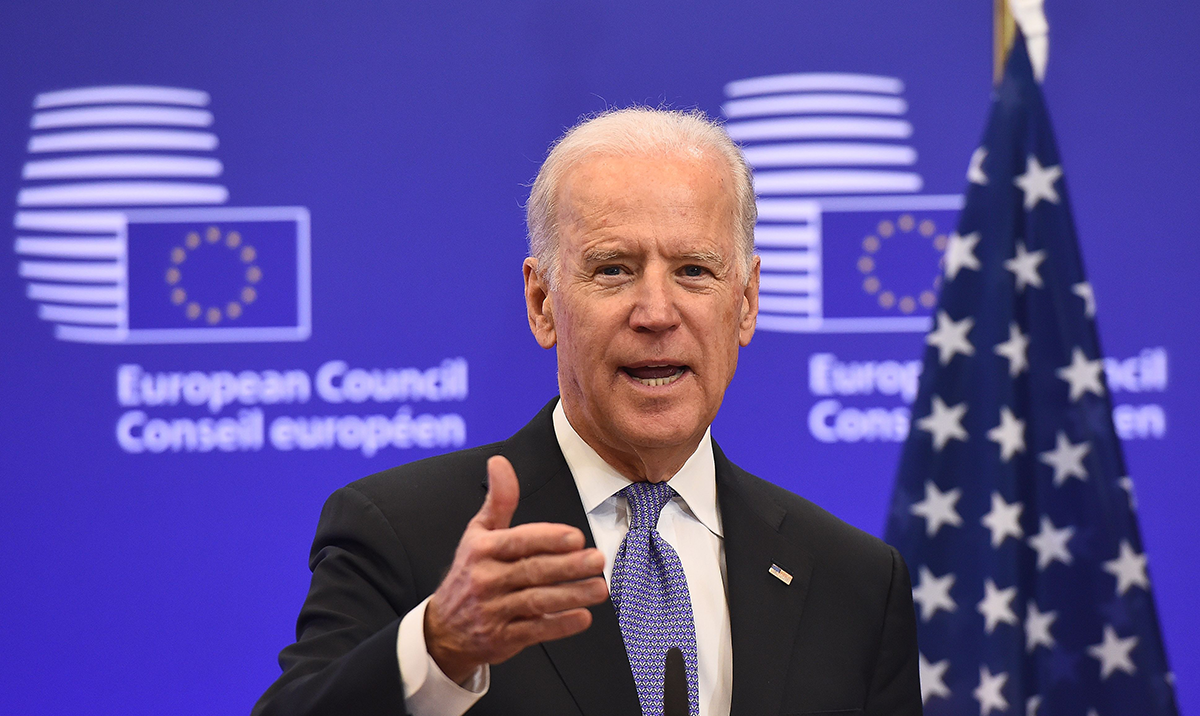
    For someone who’s on the record strongly supporting Michèle Flournoy, the former under secretary of defense for policy in the Obama administration, to serve as President-elect Joe Biden’s secretary of defense, I don’t believe the choice of Lloyd Austin is as troubling as many portray it to be. He’s an impeccable and loyal public servant who will bring a wealth of relevant experience to the job. He is more than qualified. And he enjoys the full trust of Biden, which is indispensable.

    December 9, 2020

    A recipe for intolerance: Iran’s blueprint for cracking down on Christians
    Photo by ATTA KENARE/AFP via Getty Images
  • Analysis
  • A recipe for intolerance: Iran’s blueprint for cracking down on Christians

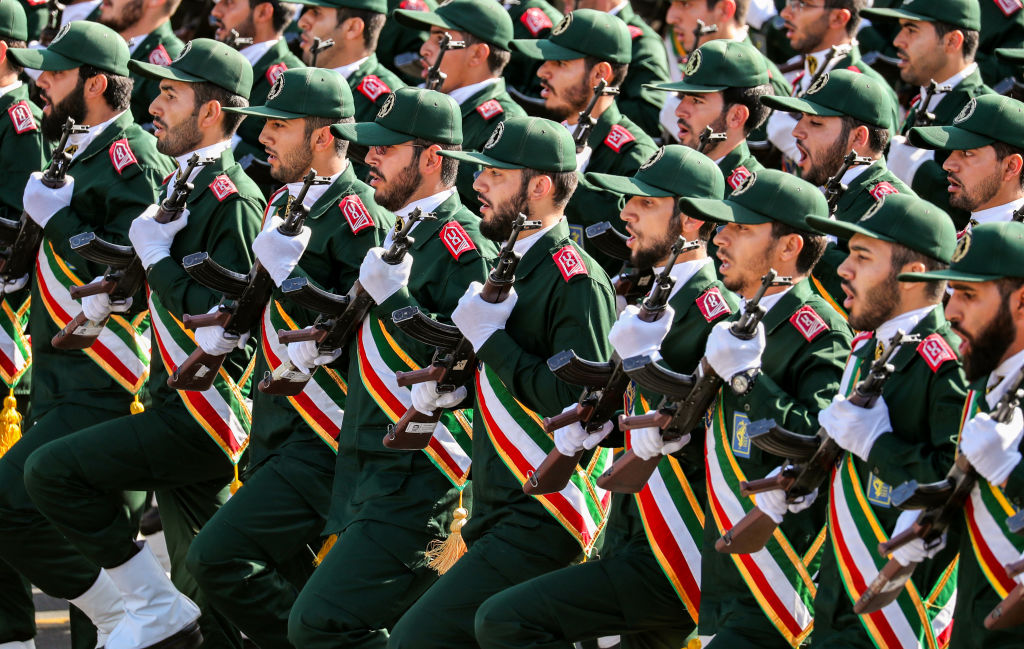
    the reality of life for religious minorities in the Islamic Republic of Iran has proven very different, as many Iranians will attest, regardless of their political or religious viewpoints. One recent illustration is the 80 lashes given to two Christian converts in the past two months for drinking wine as part of Holy Communion. One of these converts is currently serving a six-year prison sentence; the other is in internal exile, having already spent two years in prison. The charge against them? “Acting against national security by establishing house-churches and promoting ‘Zionist’ Christianity.” In the regime’s eyes, these converts, and all others like them — a recent survey suggests there may be as many as 1 million — are no Christians. They are erring Muslims. So any punishment is justified.And in spite of what regime figures like to say about the “tolerance” of the Islamic Republic, from the early days of the revolution — as soon as they were firmly in power — the ayatollahs began a crackdown on civil and religious liberties.

    December 9, 2020

    The Middle East and American Democracy’s Near-Death Experience
  • Commentary
  • The Middle East and American Democracy’s Near-Death Experience

    The fascination with the peaceful removal of leaders by a simple vote in the United States has always contrasted painfully with the inability of most Middle Eastern populations to do the same.

    December 8, 2020

    Iraq’s Fragile State in the Time of Covid-19
    Photo by AHMAD AL-RUBAYE / AFP) (Photo by AHMAD AL-RUBAYE/AFP via Getty Images)
  • Analysis
  • Iraq’s Fragile State in the Time of Covid-19

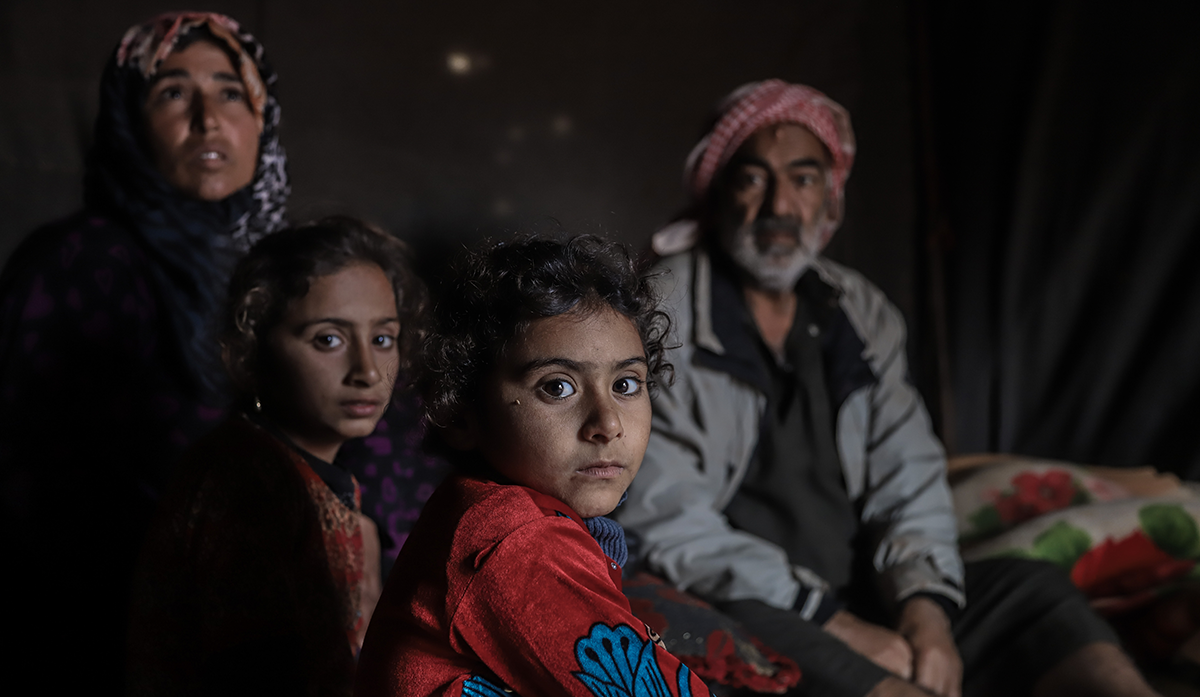
    Iraqi authorities have taken a series of preventative and remedial measures to deal with the pandemic and its second order effects. However, since early June, the number of positive COVID cases has soared, while job losses and rising prices have caused the national poverty rate to climb. Three overlapping segments of the Iraqi population — the forcibly displaced, women, and children — have been hit especially hard by the public health and socioeconomic impacts of COVID-19.

    الجغرافيا السياسية وحقوق الإنسان في دائرة الضوء أثناء زيارة الرئيس السيسي لفرنسا
  • Commentary
  • الجغرافيا السياسية وحقوق الإنسان في دائرة الضوء أثناء زيارة الرئيس السيسي لفرنسا

    إعادة التفكير في الحقوق المدنية يجب أن يكون من أولويات الحكومة المصرية، لأسباب داخلية ودولية أيضا”.

    The last emir?: AQIM’s decline in the Sahel
    Photo by ISSOUF SANOGO/AFP via Getty Images
  • Analysis
  • The last emir?: AQIM’s decline in the Sahel

    Five months after the elimination of Abdel Malek Droukdel, aka Abu Musab Abdel Wadud, the leader of al-Qaeda in the Islamic Maghreb (AQIM), by the French army in the Malian city of Talhandak, AQIM appointed a new emir on Nov. 21. His name is Yazid Mebarek, aka Abu Ubayda Yusef al-Annabi, a 51-year-old Algerian and a jihad veteran.

    December 7, 2020

    Special Briefing: The Trump administration’s potential last-minute Middle East policy moves
  • Commentary
  • Special Briefing: The Trump administration’s potential last-minute Middle East policy moves

    From Israel/Palestine and Lebanon to Iran and Afghanistan, there are a number of areas where the Trump administration may make policy moves before leaving office on Jan. 20. Experts from across MEI weigh in with their thoughts on what to watch out for over the next seven weeks.

    December 3, 2020

    A thinly veiled strategy: Assad's co-optation of women religious leaders
  • Analysis
  • A thinly veiled strategy: Assad's co-optation of women religious leaders

    A few weeks ago, Syrian social media was abuzz about a short clip featuring the famous woman religious scholar and regime loyalist Khuloud Suruji. The video also drew attention to one question that has gone largely unaddressed: how have Assad and the Ba‘ath regime mobilized and manipulated female religious scholars throughout the Syrian civil war?

    December 2, 2020

    Economic desperation and dependence are driving the Palestinian Authority’s political decisions
    Photo by Issam Rimawi/Anadolu Agency via Getty Images
  • Analysis
  • Economic desperation and dependence are driving the Palestinian Authority’s political decisions

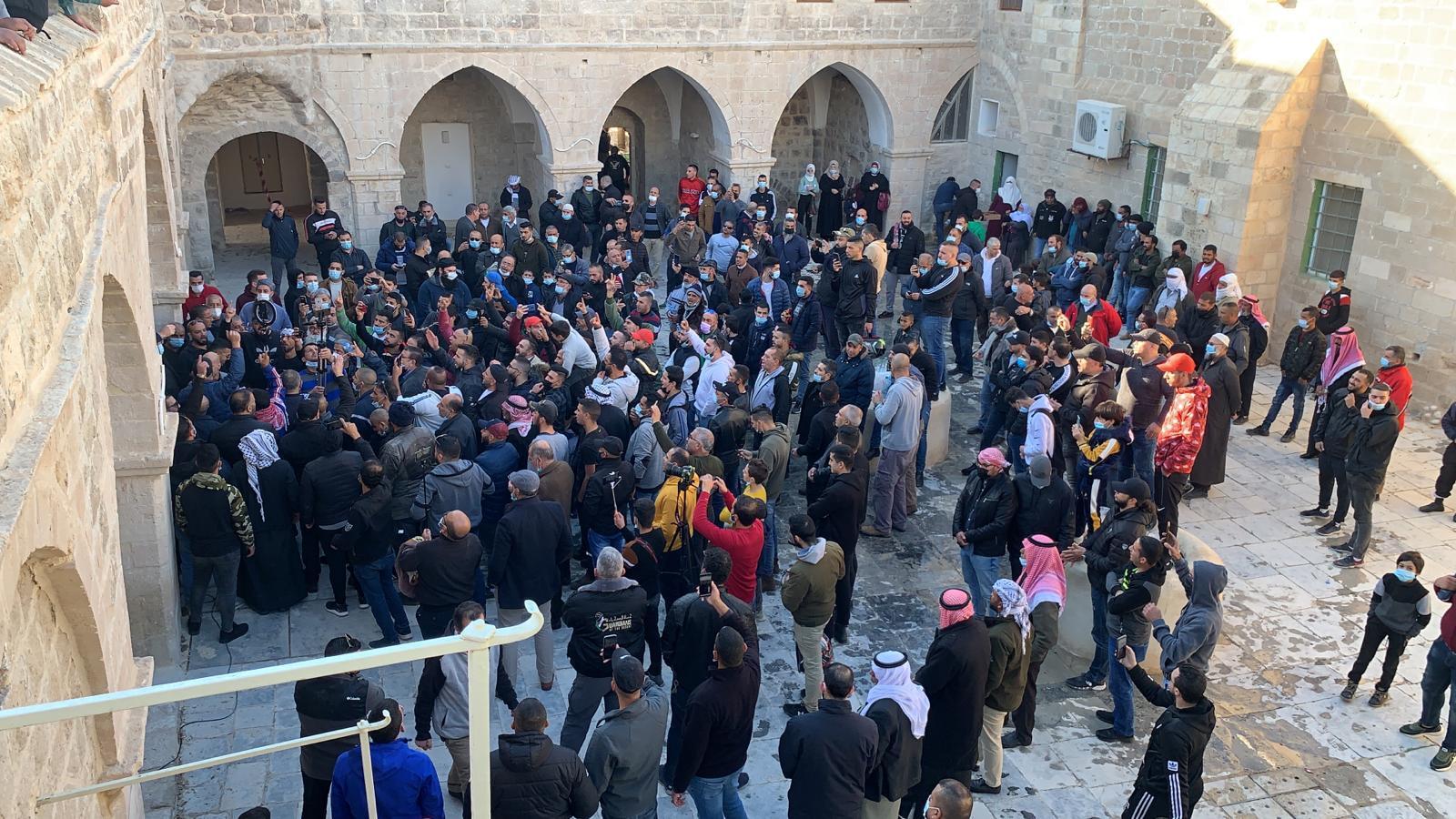
    Faced with the Trump and Netanyahu governments’ persistent dismissal of the Palestinians and their rights, the PA has spent the better part of the last three years threatening to terminate all relations with Israel, and even to withdraw the Palestine Liberation Organization’s (PLO) recognition of Israel. The deteriorating situation culminated in Palestinian President Mahmoud Abbas’ May 2020 declaration that the Palestinian leadership was absolved “of all the agreements and understandings with the American and Israeli governments.” Notwithstanding previous similar warnings from Abbas in recent years, the announcement prompted speculation among Palestinian political parties, Palestinians at home and in the diaspora, scholars, activists, and journalists over the future of Palestinian politics in the post-Oslo era.

    December 2, 2020

    The Trans Adriatic Pipeline: Why it Matters and What Comes Next?
  • Analysis
  • The Trans Adriatic Pipeline: Why it Matters and What Comes Next?

    On November 14, the Transadriatic Pipeline (TAP) commenced operation. It is difficult to overstate the significance of this development. The new transit link running from Greece’s border with Turkey all the way to Italy, via a 878-stretch that also crosses Albania and the Adriatic Sea, makes the much-discussed Southern Gas Corridor a reality. It brings an annual 10 billion cubic meters (bcm) of natural gas from the Shah Deniz offshore field in the Caspian to consumers in the EU and the Western Balkans, helps diversify supplies away from Russia, and enhances Azerbaijan’s position on European markets.

    December 2, 2020

    Georgia’s new role in the Black Sea security framework
  • Analysis
  • Georgia’s new role in the Black Sea security framework

    It is critical that Tbilisi reframes and strengthens its role as a proactive contributor to Black Sea security. Georgia has already proved itself as a trustworthy NATO partner and contributor to Euro-Atlantic security through active participation in NATO-led operations and international missions. In a recent address, Prime Minister Giorgi Gakharia highlighted Georgia’s need for a new strategic role in Black Sea security.

    December 2, 2020

    DIY futures in the Middle East: What if small got bigger?
    Photo by Marwan Naamani/picture alliance via Getty Images
  • Analysis
  • DIY futures in the Middle East: What if small got bigger?

    It’s difficult to look at the Middle East and consider its future optimistically. Much of the analysis of the region centers on crisis and collapse. There is plenty of both, fueled by wars and civil conflicts, poverty, extremism, and more. Given the human toll, focusing on all this is natural. It is also necessary if solutions to deeply rooted problems are ever to be developed, leading to a better future.A related risk is becoming blinded to “weak signals” — early indicators of what could become features of potential alternative futures. Weak signals are developments that are emerging outside the dominant norms and trends of today. In the Middle East, probably the most dominant norm is the inability of governments throughout the region to provide security and prosperity for their citizens. The COVID-19 pandemic is making this even more apparent, and markedly worse. It is not just the obvious failed states — as Steven Cook recently observed, “sometimes state failure is a more chronic condition.” But in the midst of this — and fueled by it — there is evidence of activities at the local level to create what is missing. Could these be signals of a future different than the one it is so easy to expect for the region?

    December 1, 2020