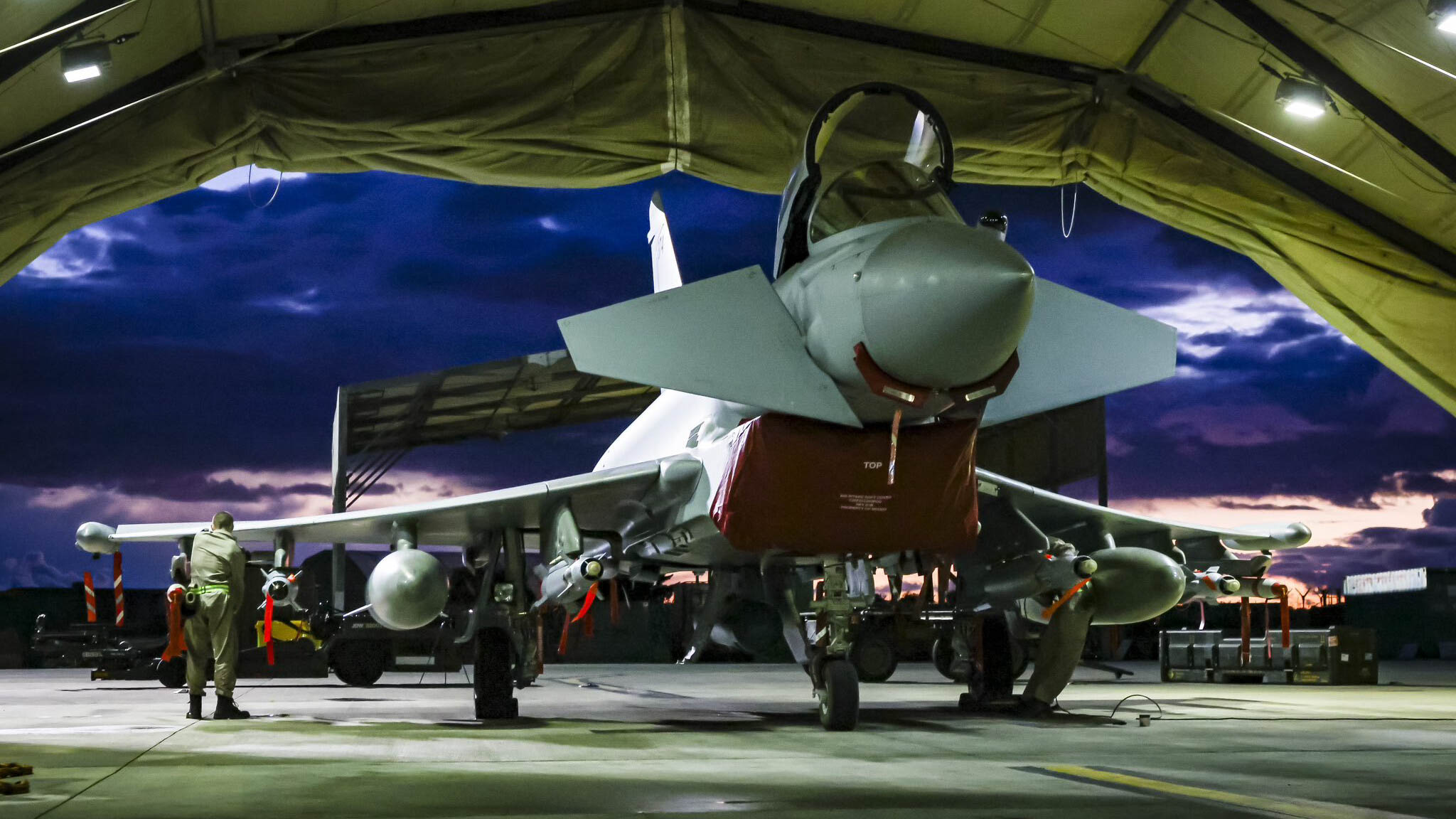
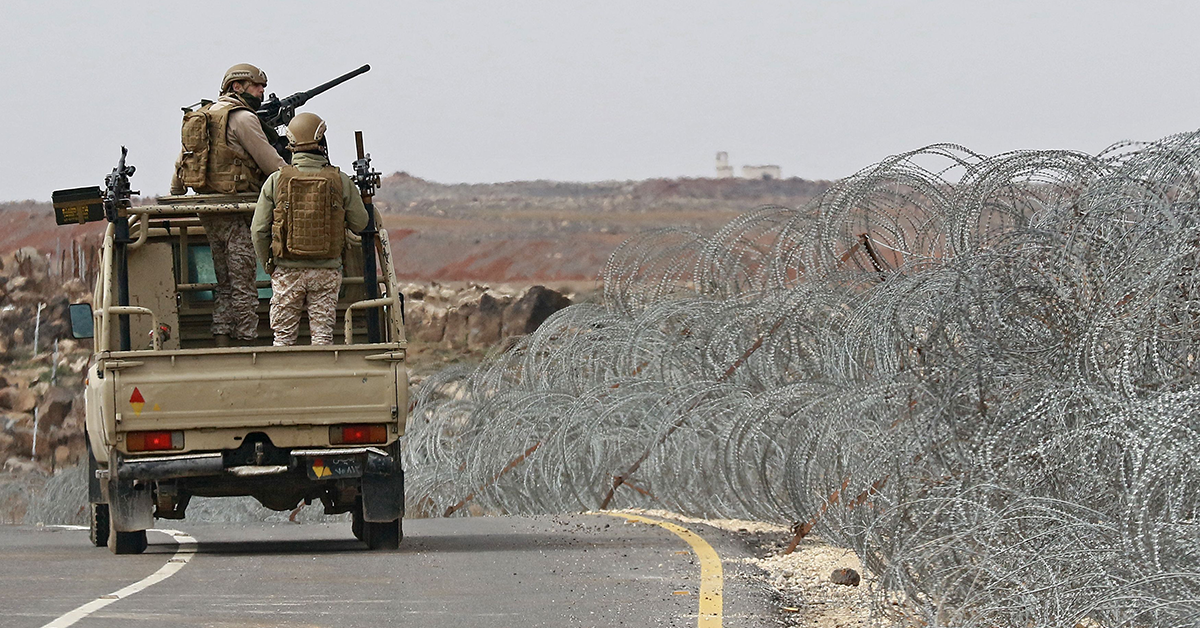
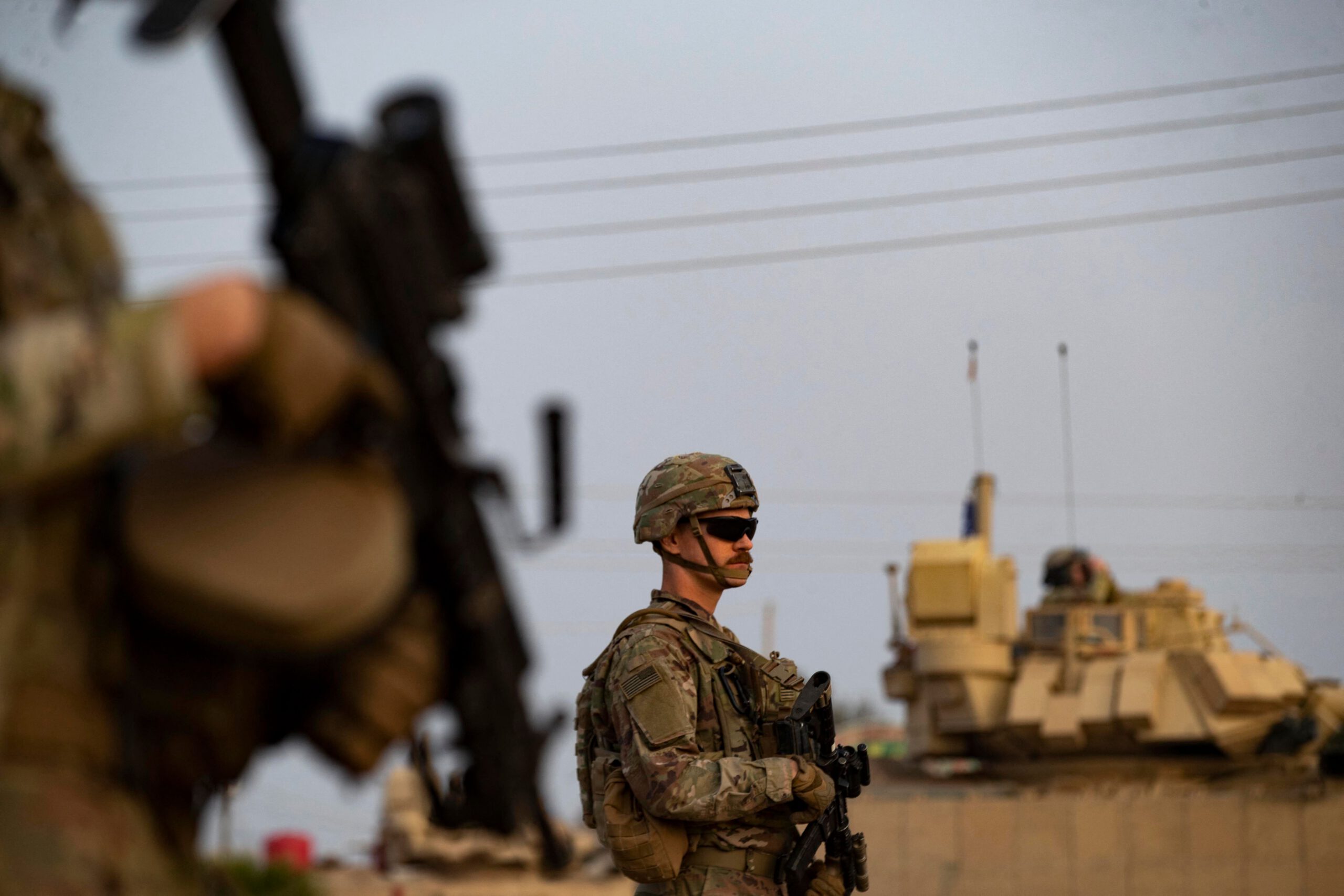
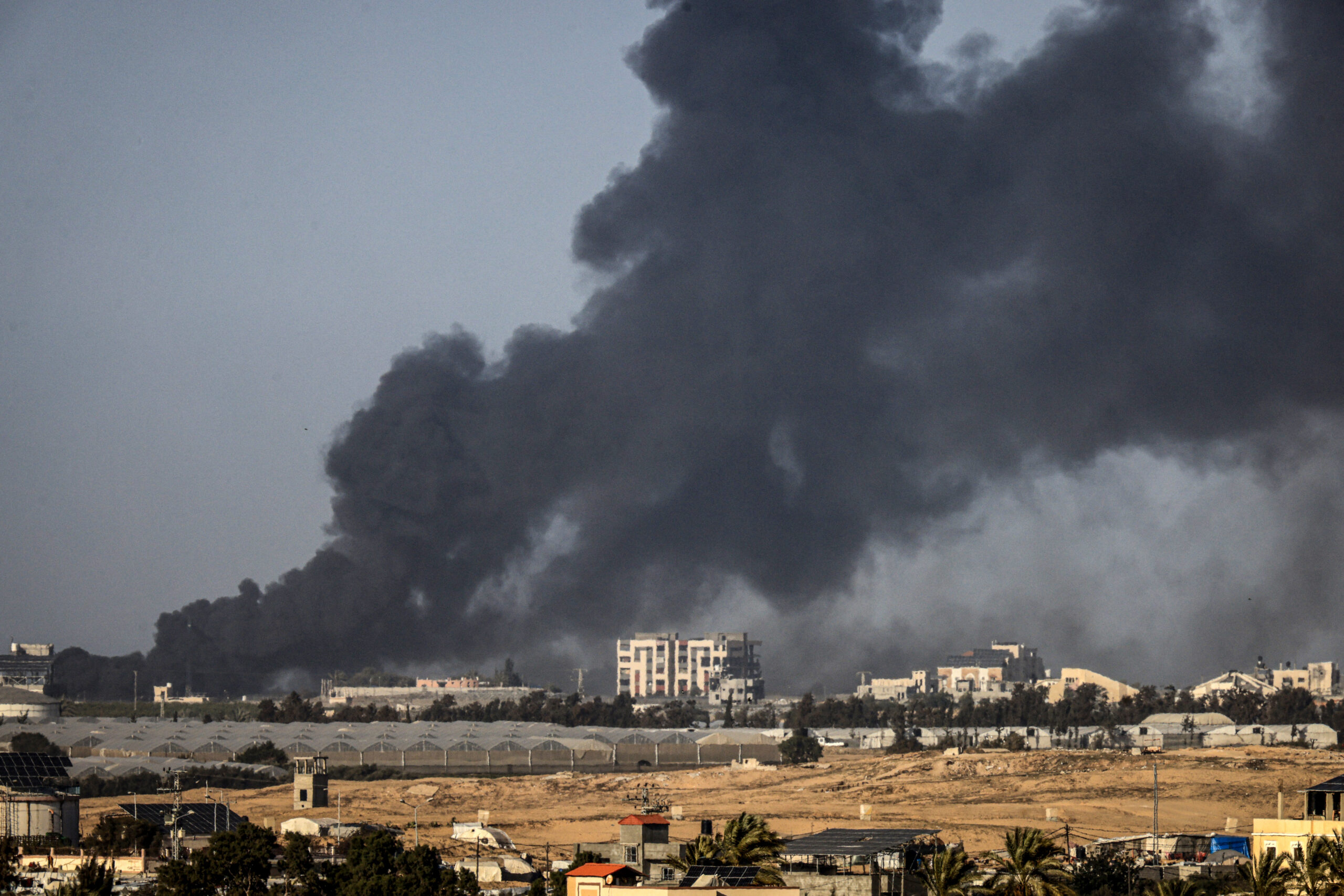
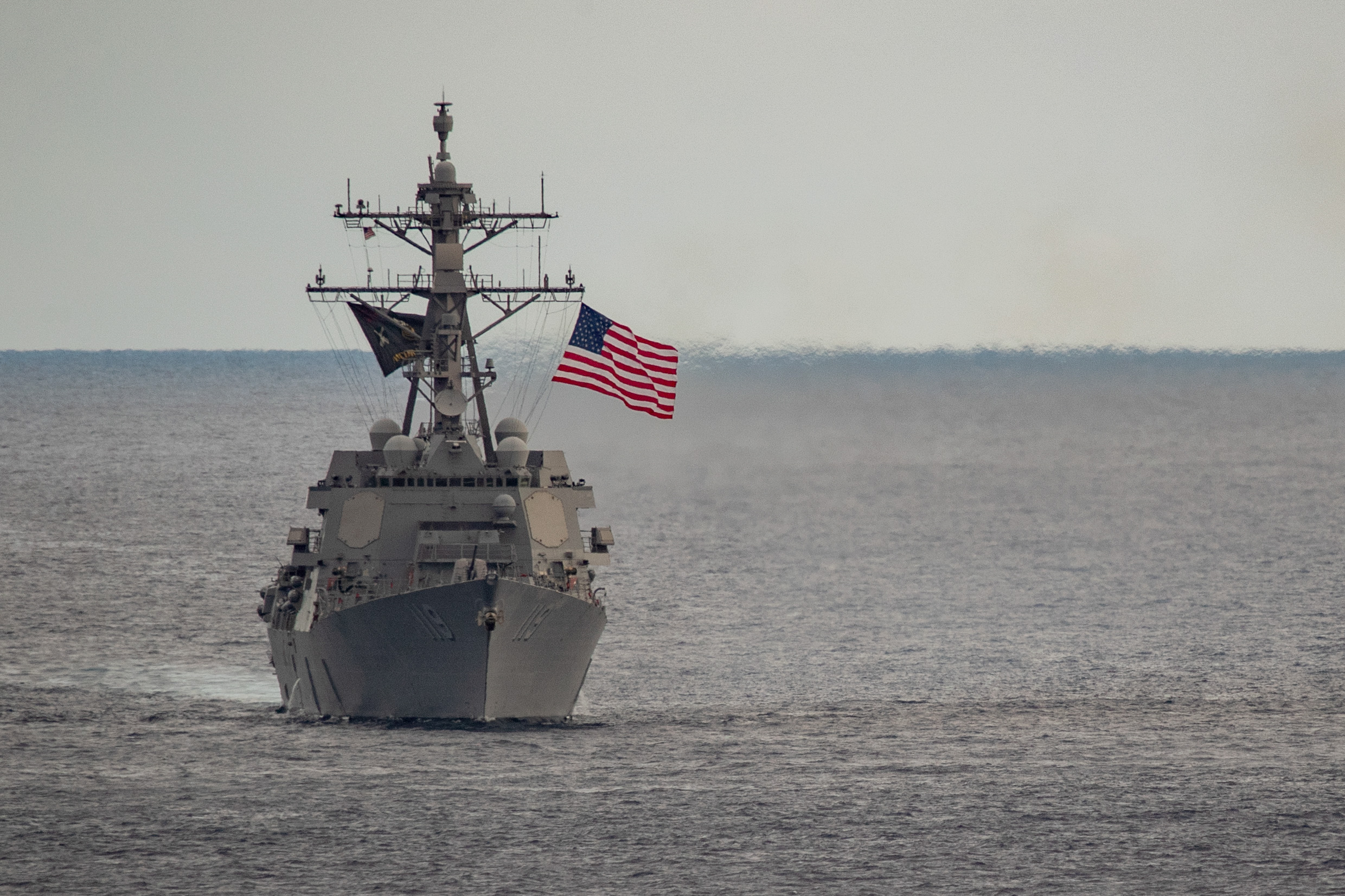
On this week’s episode, Director of MEI’s Syria and Countering Terrorism & Extremism Programs Charles Lister and MEI Editor-In-Chief Alistair Taylor talk about US policy toward Syria. The deadly Jan. 28 drone attack on a US military outpost in northeastern Jordan, near the borders with Syria and Iraq, has drawn renewed attention to the US military presence in the area. This comes against a backdrop of regional conflict and escalation.
Growing unrest in Syria’s Suwayda as Jordanian airstrikes and civilian deaths increase
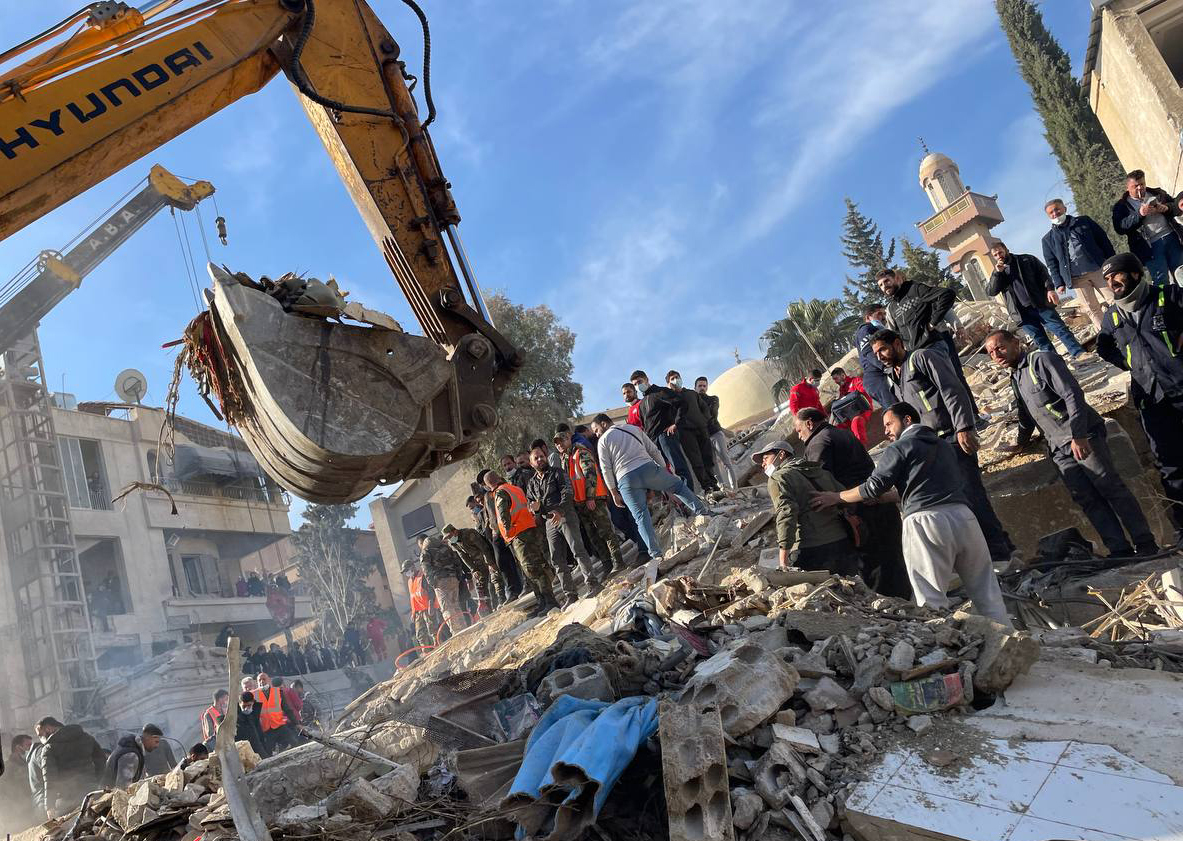
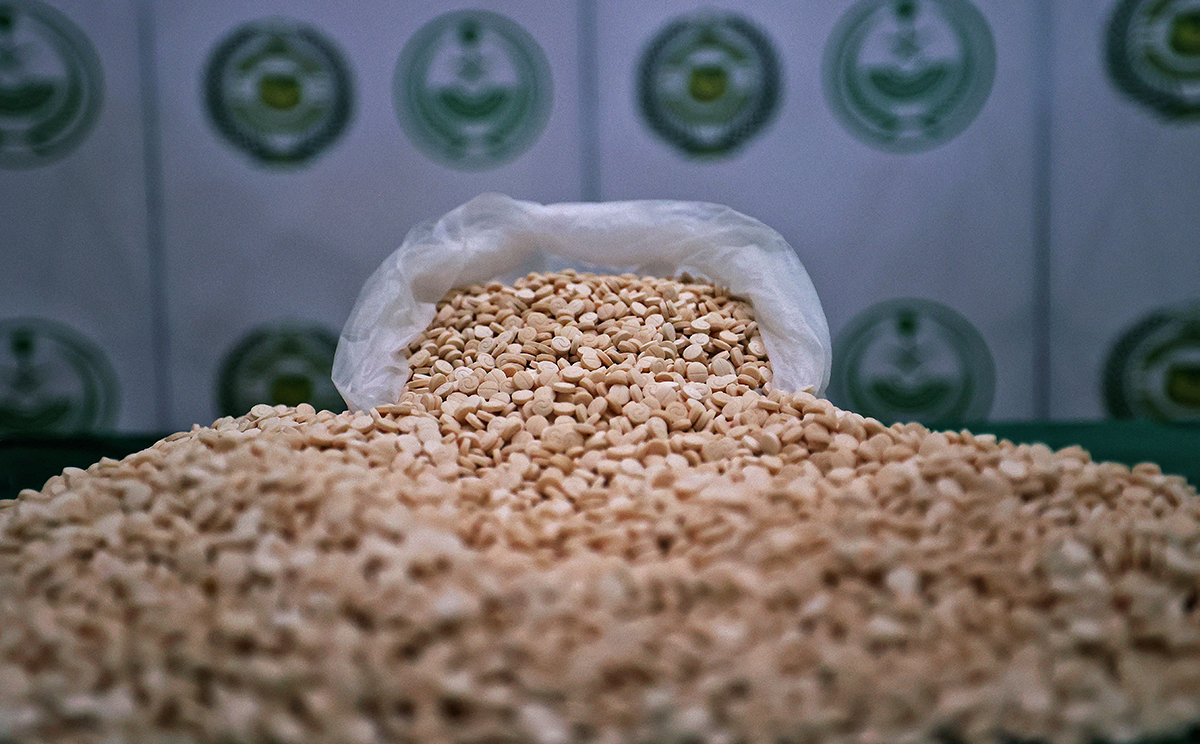
As the civilian death toll continues to rise, Jordan has come under growing criticism for its airstrikes in southern Syria’s Suwayda Governorate, aimed at combatting drug trafficking and smuggling operations.
The ideological underpinnings of the Houthis’ Red Sea attacks
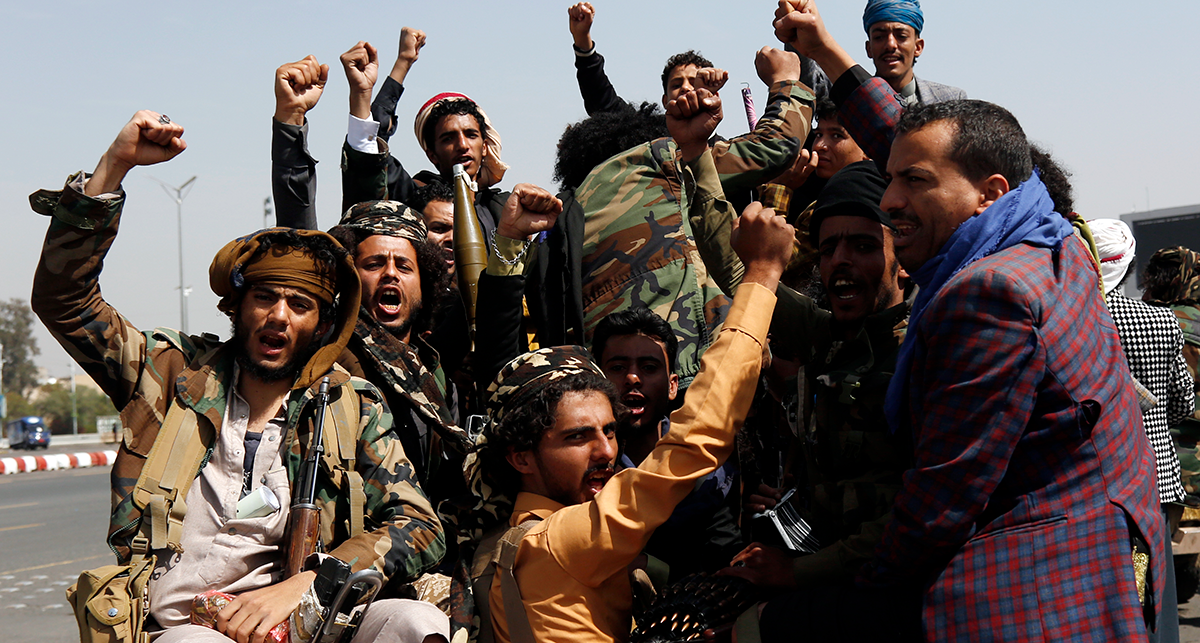
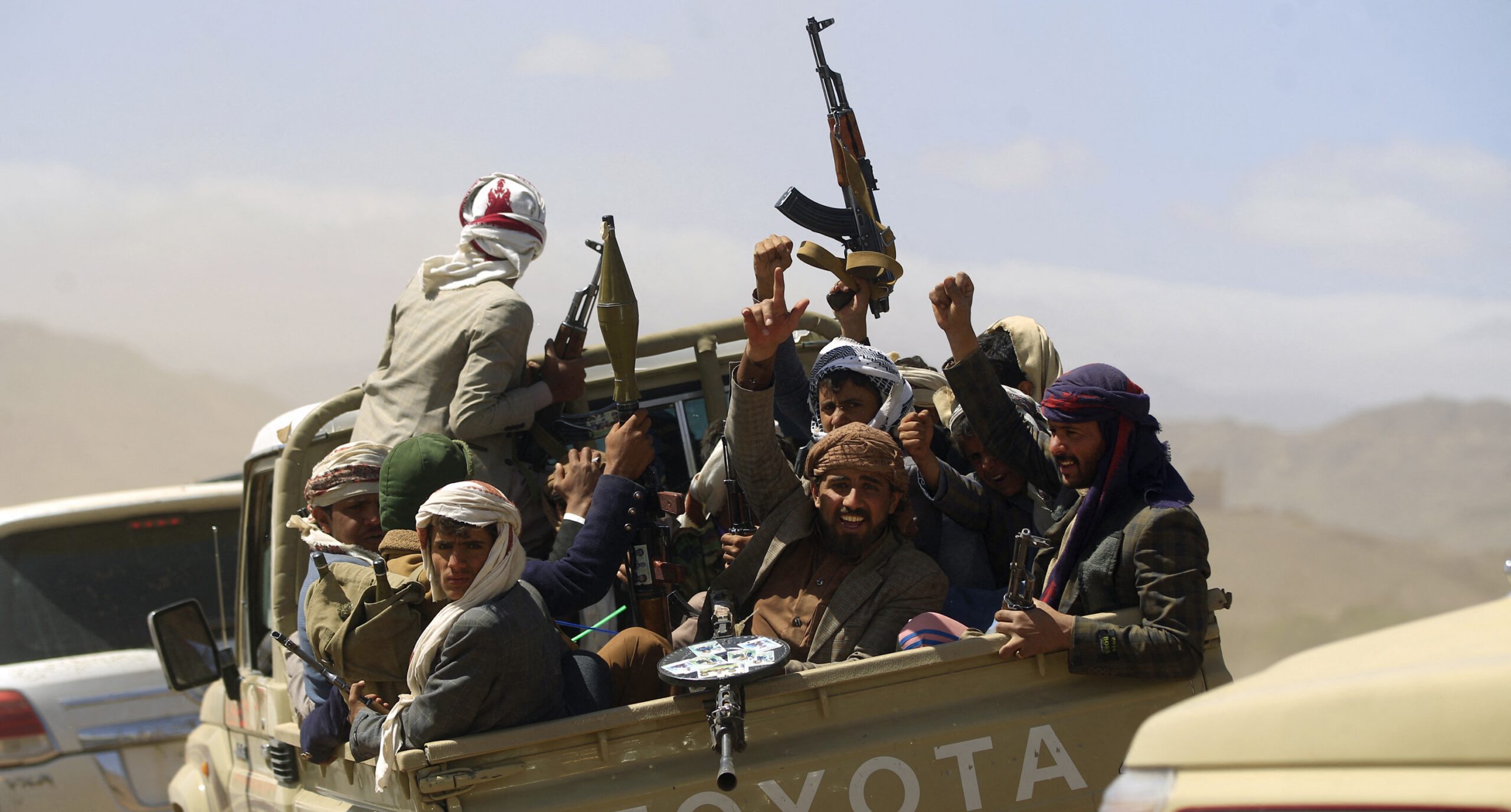
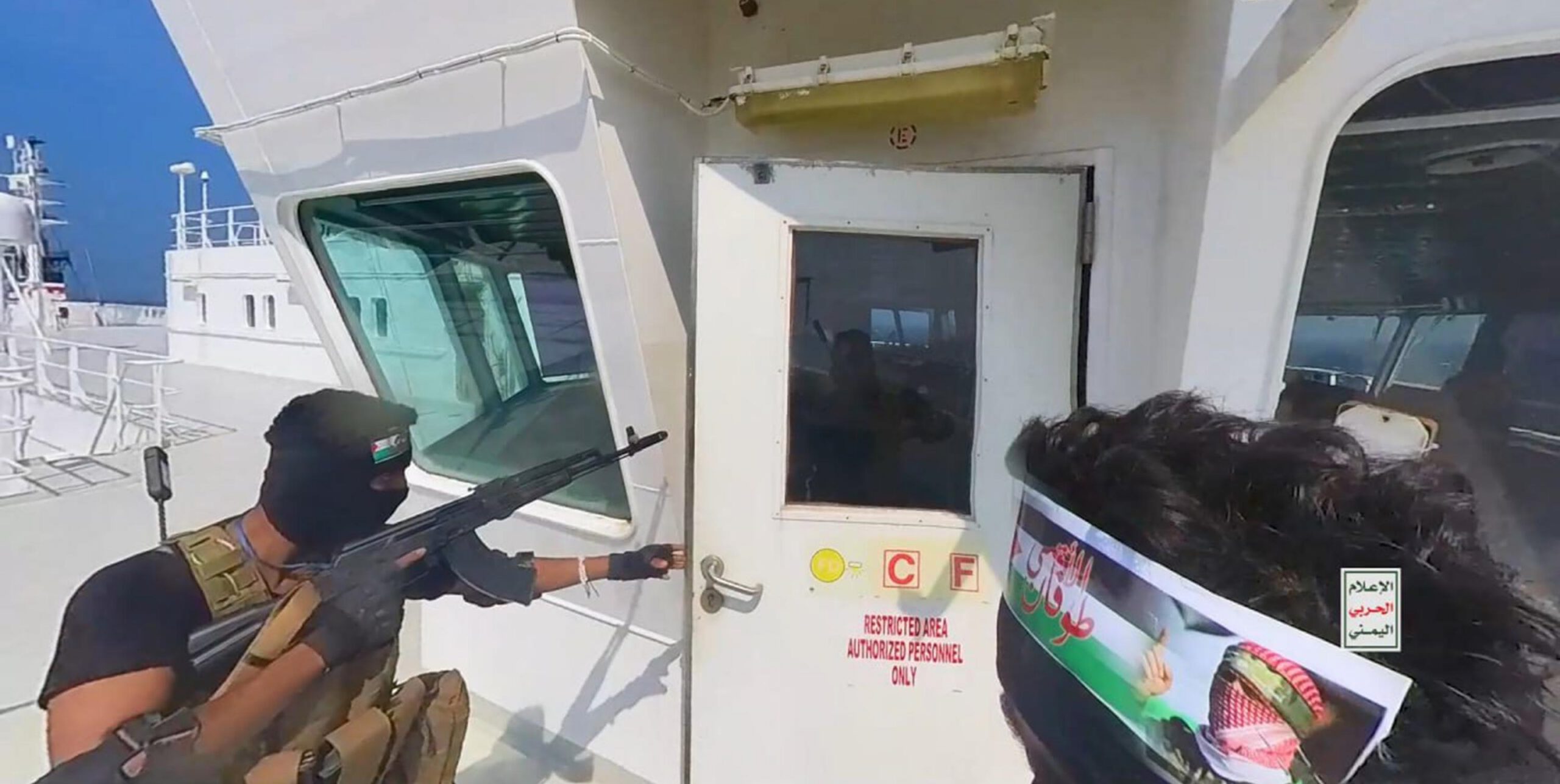
The Houthis’ attacks in the Red Sea are a manifestation of their ideology, rooted in Islamic fundamentalism. Today, aligned with Iran’s “Axis of Resistance,” this ideology aims to expel the US from the Middle East, destroy Israel, and institute a worldwide Islamic Caliphate with Jerusalem at its core. The following analysis delves into the ideological framework that propels the Houthis’ actions in the Red Sea and its broader implications.
What it means when nine nations bomb in the Middle East in two weeks
Nine nations, including terrorist groups that are de facto governments, have attacked other countries in the region over the course of about two weeks. Numerous commentators have drawn the conclusion that a regional war is already underway or soon will be.
Dutch support for allied anti-Houthi airstrikes: Shared objectives with a pinch of opportunism
When the United States and the United Kingdom decided to strike Houthi targets inside Yemen to stop the group from launching attacks on commercial shipping in the Red Sea, most European allies did not want to get involved in the operation. The sole exception was the Netherlands, which grabbed the opportunity to step forward and show its willingness to provide not only political but also military support, albeit largely symbolic.
US options to counter Houthi threat to global shipping
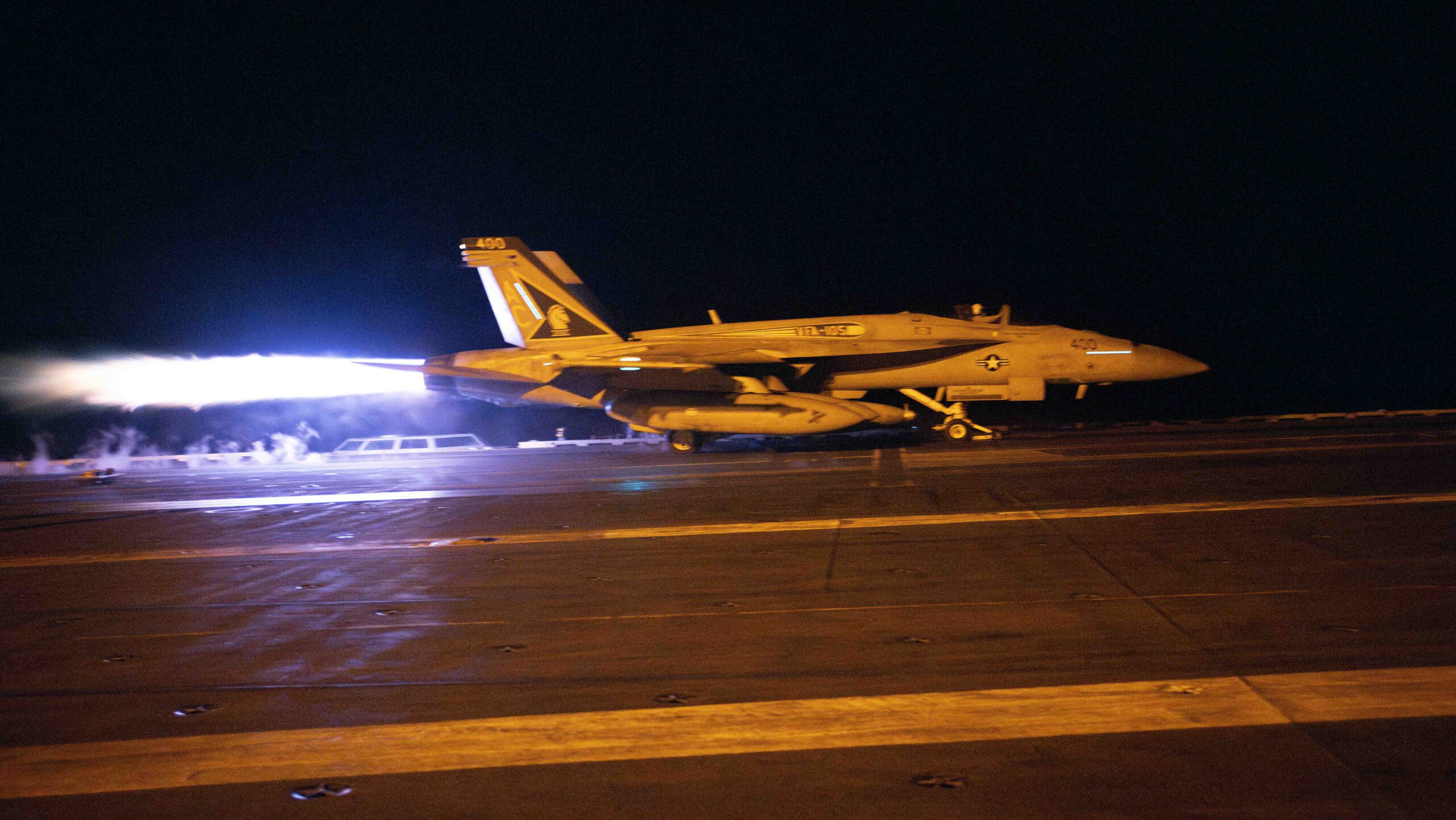
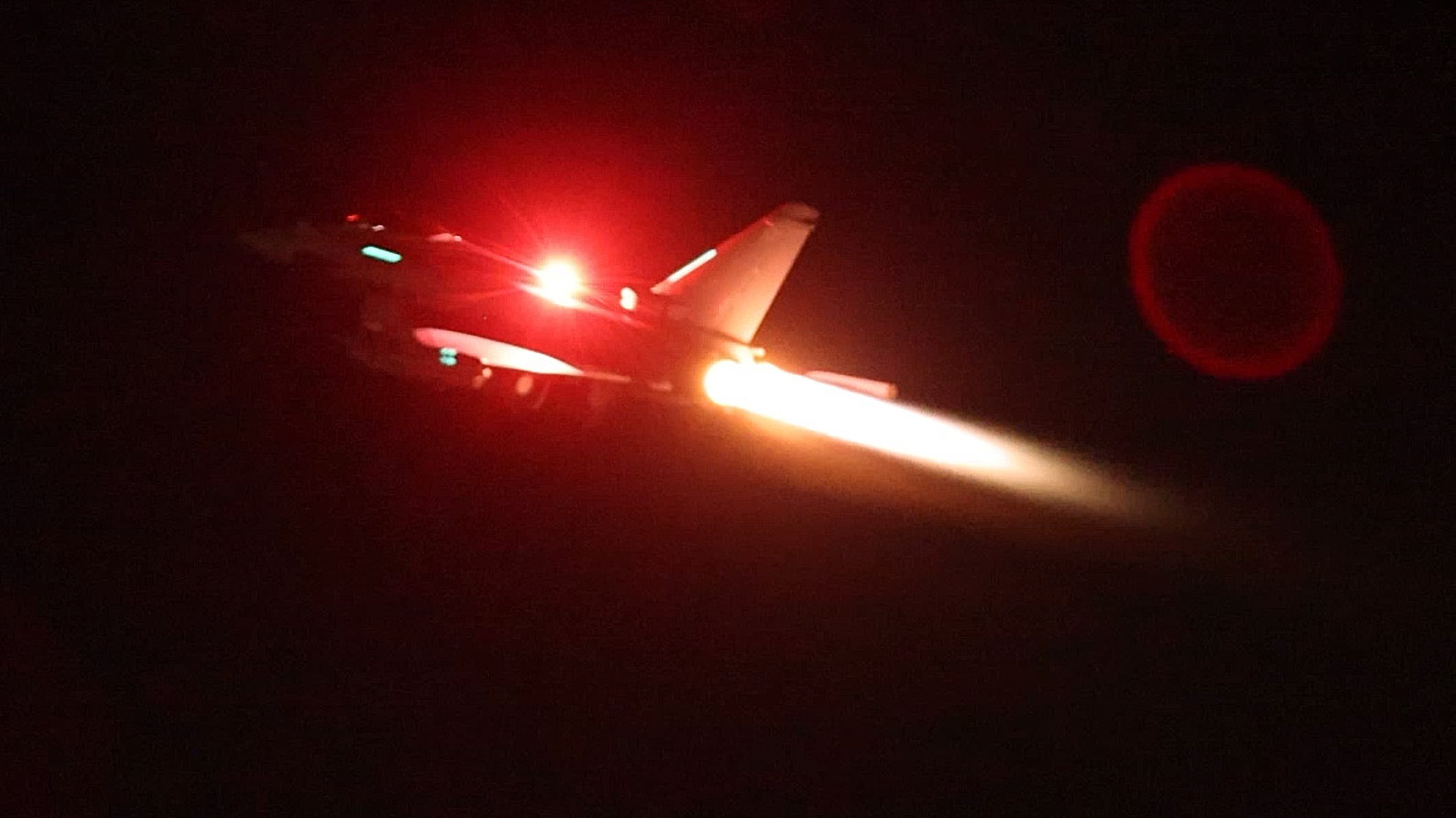
Overnight US and UK strikes on Thursday delivered a strong message to the Houthis: their attacks on global shipping in the Red Sea will not go unpunished.
Ansar Allah, the Yemen-based militant group commonly referred to as the Houthis, is arguably the latest and largest addition to the Iran-led Axis of Resistance. Present tensions in the Red Sea illustrate both the utility of the Houthis for Tehran’s anti-American and anti-Israel regional agenda as well as the challenges their actions can create for the Iranians.
Houthis see domestic and regional benefit to continued Red Sea attacks
Since the outbreak of the Israel-Hamas conflict in October, Yemen’s Houthi rebels have sought means to capitalize on the war in Gaza to raise their profile, enhance their pan-Arab legitimacy, and burnish their credentials both domestically and in the region. In their effort to insert themselves into the Gaza conflict, the Houthis believe their actions will strengthen their support base at home while also cementing their movement more firmly into the Iranian “Axis of Resistance.”
Locals fight their own war on drugs in Syria’s Daraa Province
Since early last year there has been a surge in drug-related assassinations in Syria’s southwestern Daraa Province, adding a new layer to the region’s persistent violence. The regime’s complicity, driven by financial and political motives, has fostered a climate where drug networks operate with impunity, spurring locals to take matters into their own hands.