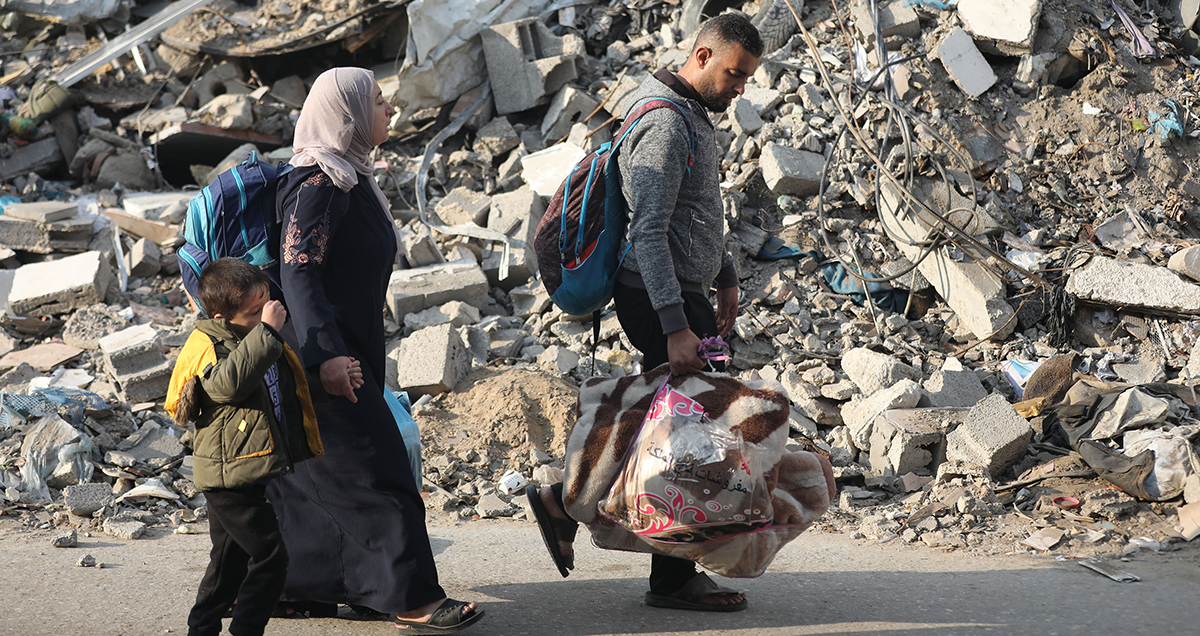
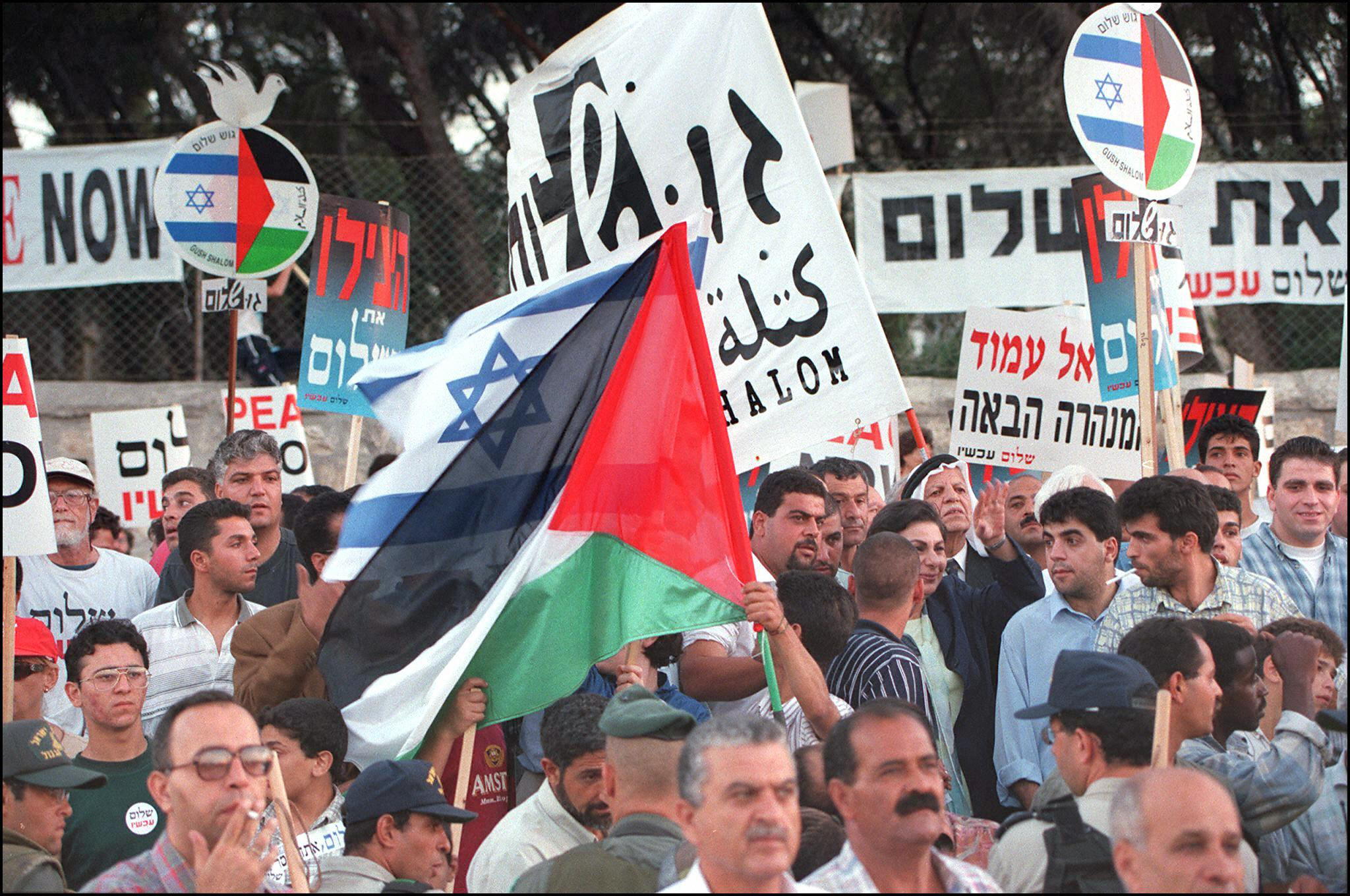
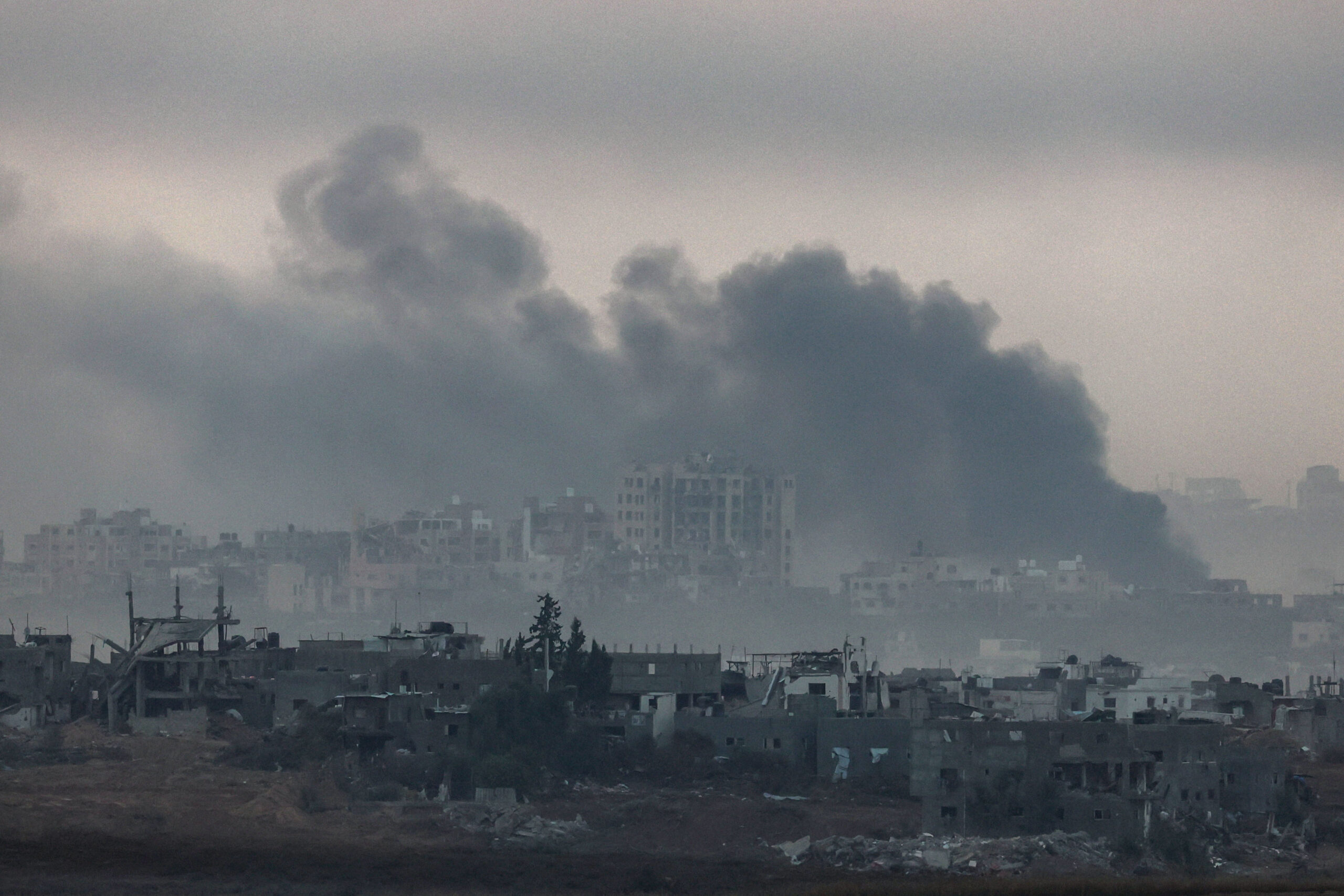
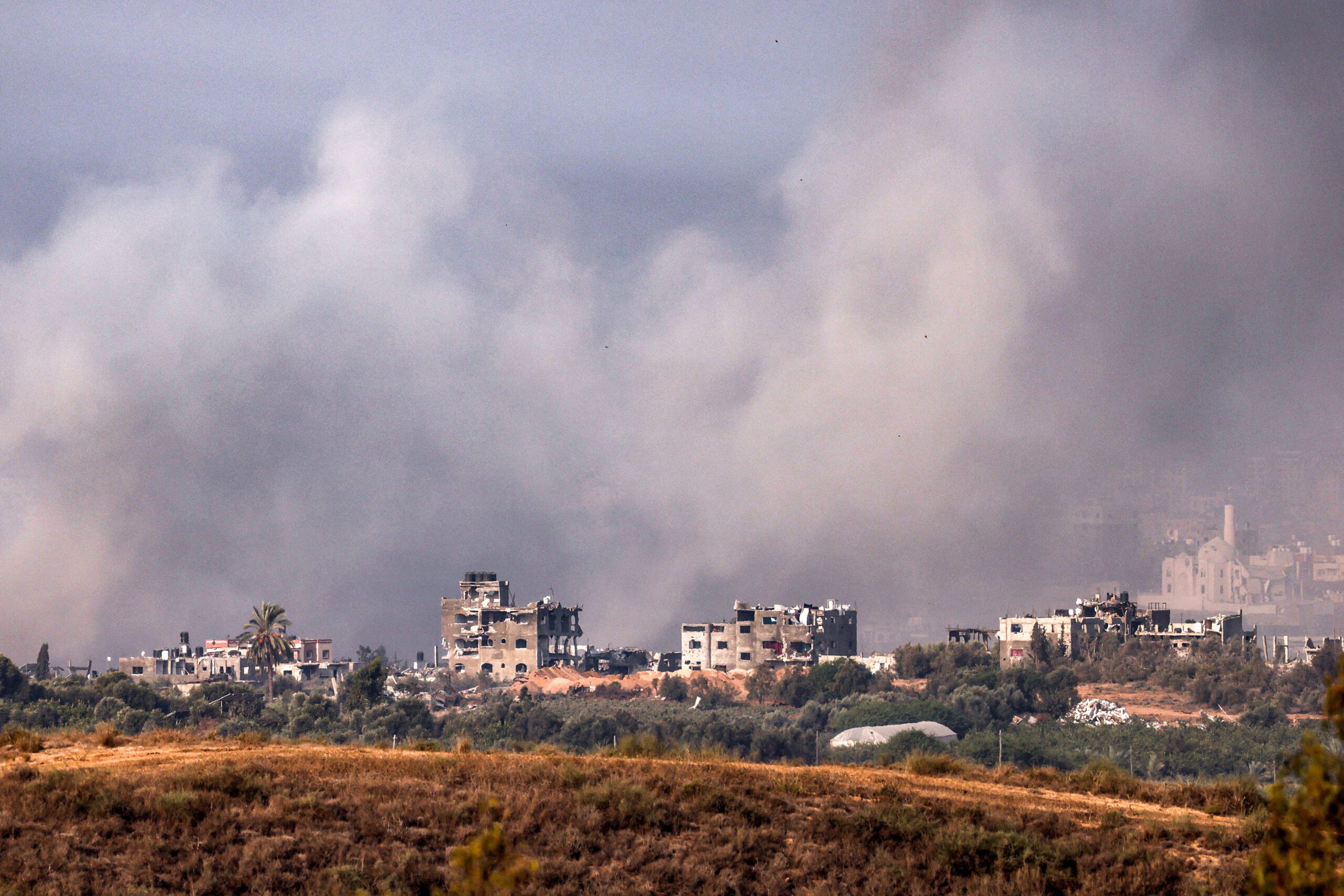
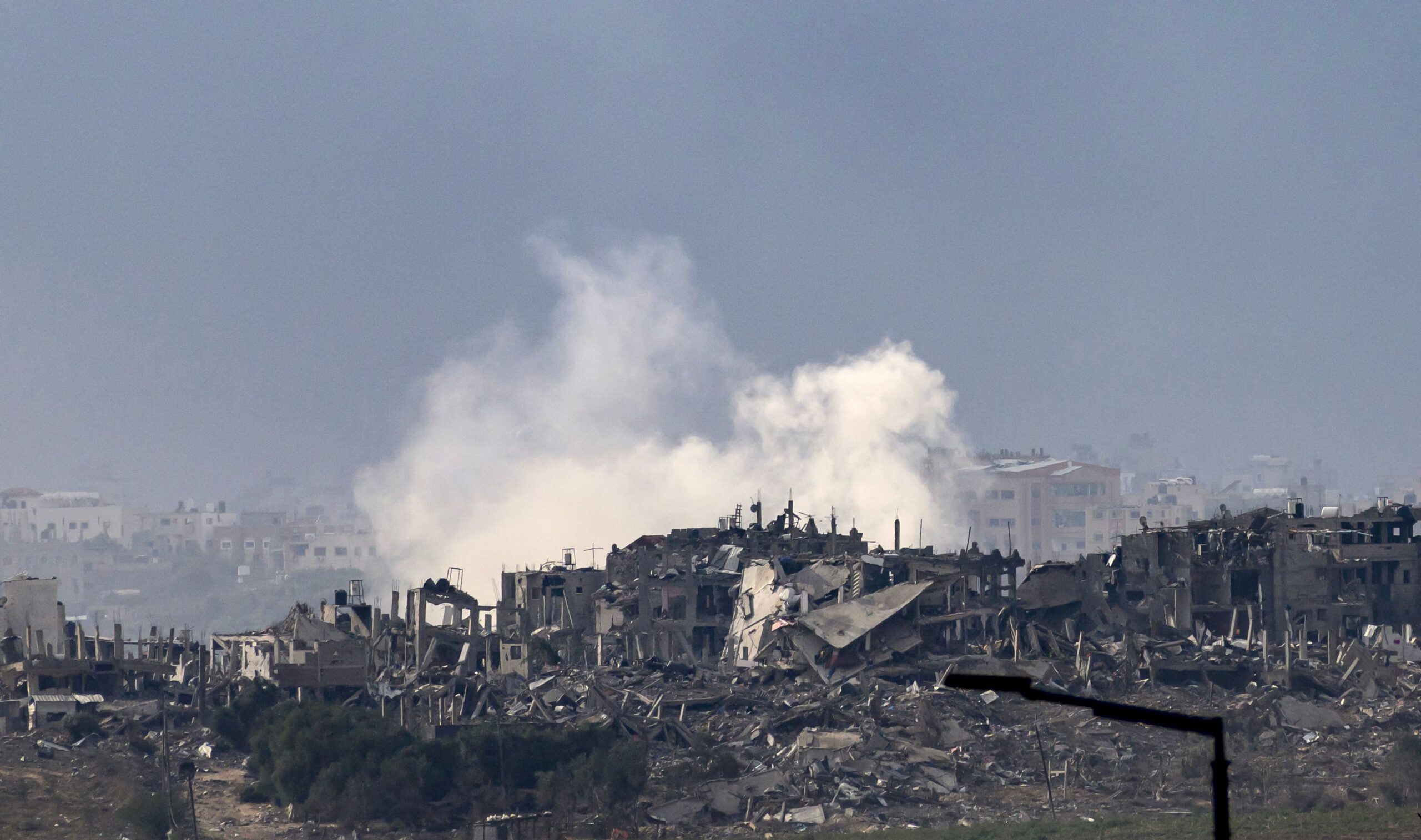
The international community is focused on “the day after” in Gaza, built on the comforting but illusory assumption that Oct. 7 never happened. In contrast, Israel and Hamas alike are engaged in a zero-sum contest to build a new system created out of blood and fire. When we consider the options for Gaza, the most instructive point of departure is the day before — that is, the evolution of Israeli occupation policies in the half century since the June 1967 war.
An Israeli-Palestinian peace process would present Iran with a difficult choice
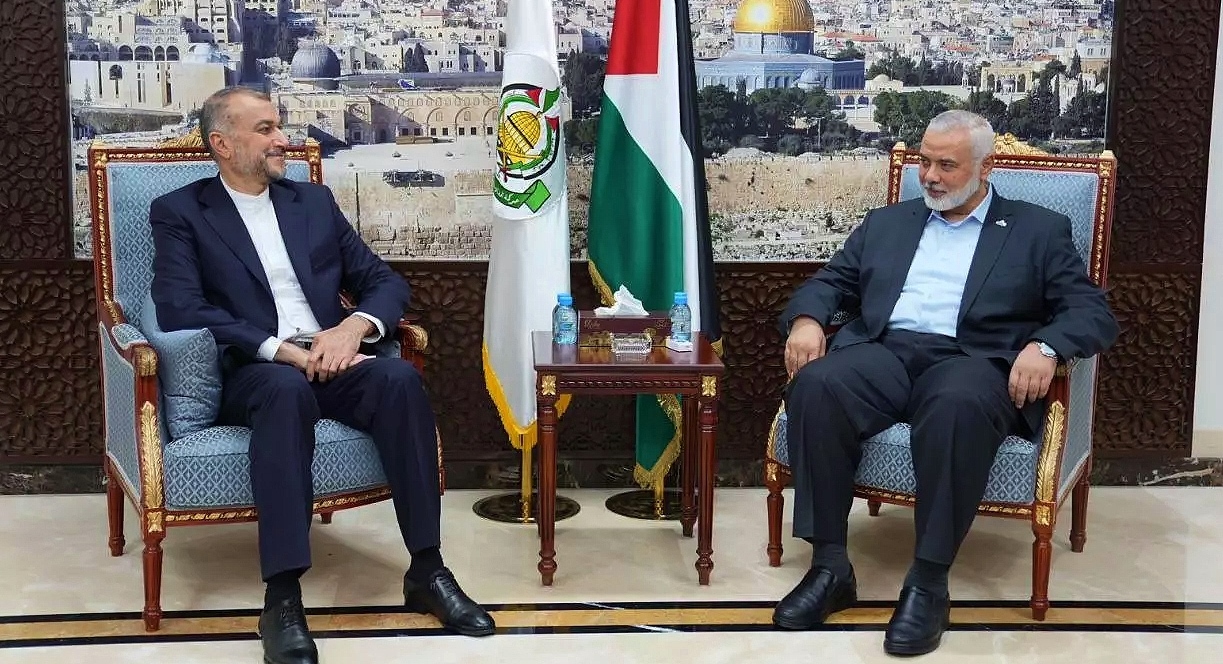
The Israel-Hamas war provides Tehran with a meaningful opportunity to fundamentally shift its position toward Israel. Should a peace process follow this latest war, Iran will have a hard choice to make – double-down on upholding its Axis of Resistance against Israel, or look for ways to work with the majority in the region that seek a feasible political settlement to the Israeli-Palestinian conflict.
Expert Views: How do we restart the Middle East peace process?
What would it take to start a new Israeli-Palestinian peace process that could actually have the prospect for enduring success? MEI has asked a group of regional and U.S. experts to weigh in.
In the aftermath of the brutal Hamas terror attack Oct. 7, Israel has launched a ground invasion aimed at “eliminating Hamas.” Many of Israel’s Western allies have expressed concern about this operation given the lack of a clear plan for what will happen in Gaza after Hamas is eliminated. Prime Minister Benjamin Netanyahu said yesterday that “Israel will, for an indefinite period will have the overall security responsibility” of Gaza. President Joe Biden even said publicly on 60 Minutes that the reoccupation of Gaza would be a “big mistake.”
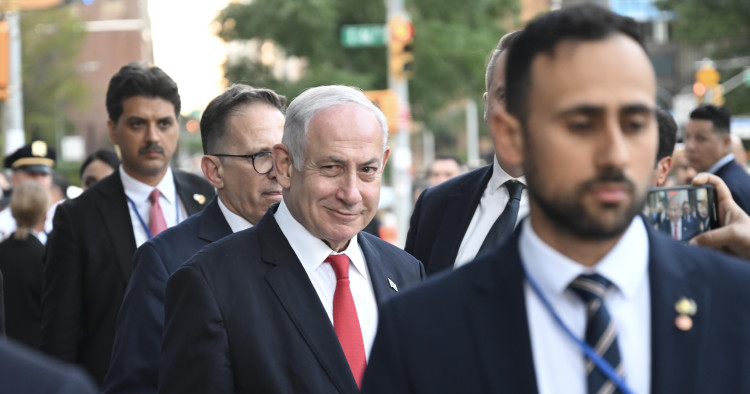
How Netanyahu could beat the odds and stay in power
There has been much speculation that the military and intelligence failure to prevent the Hamas terror attack on Oct. 7 (which became known in Israel as the “Black Shabbat”) means that Israeli Prime Minister Benjamin Netanyahu’s days in office are numbered.
But Netanyahu is signaling that he will not step down without a fight. He is preparing the ground for blaming military officials for the failure and continuing to promote the overhaul of the judiciary, which was at the center of the political debate in Israel in the months before Hamas’s attack.
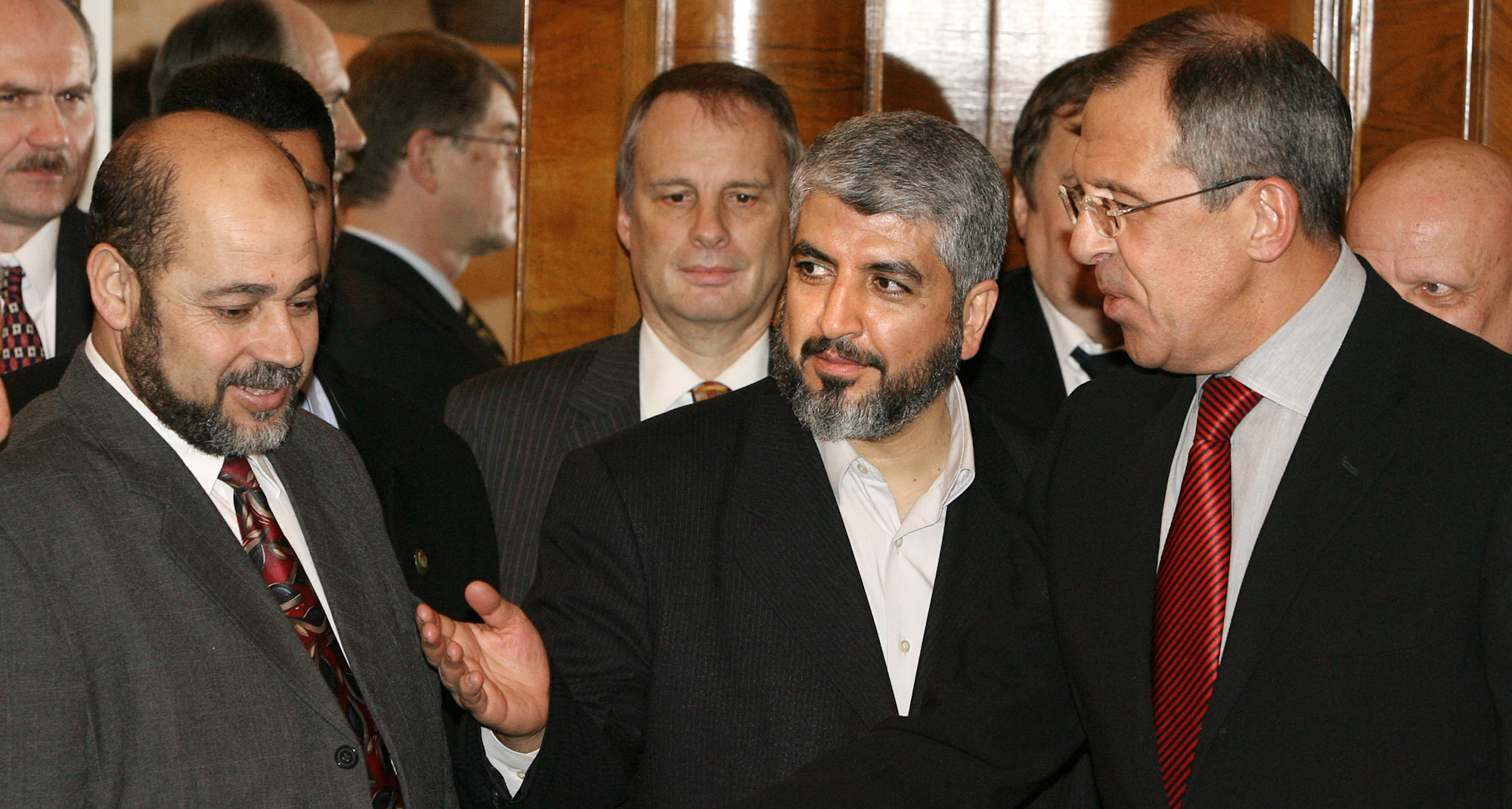
Essential questions about the Russia-Hamas link: The evidence and its implications
As the war in Gaza continues to unfold, essential questions about Russian and Iranian support for Hamas remain. They include whether Russia played any role in providing support to Hamas ahead of its Oct. 7 attack on Israel. Evidence available from foreign-language publications in Russian, Persian, Arabic, and Hebrew, as well as those in English, provides provocative leads, which, if accurate, have serious potential implications.
Climate casualties: How the Gaza war threatens Mideast climate action
The renewed violence in Gaza could not have come at a less opportune time for the climate agenda in the Middle East. From energy economics to environmental degradation, the ripple effects of conflict will complicate the path ahead.
After the Gaza War: The Risks of Deterrence and the Chances of Peace
Policymakers in the United States, Europe, and the Middle East are rightly focused on where the current crisis in Gaza is headed. The humanitarian disaster hovering over the region since Hamas’ October 7 attacks on Israel has resulted in countless lives lost and now threatens regional and global security. Among many of the issues occupying policymakers is the concern that new fronts in the war will open, potentially involving the West Bank, Hezbollah, the Houthis, and even Iran.
Israel’s Response to Iran in Syria: Choosing Between Escalation and Accommodation
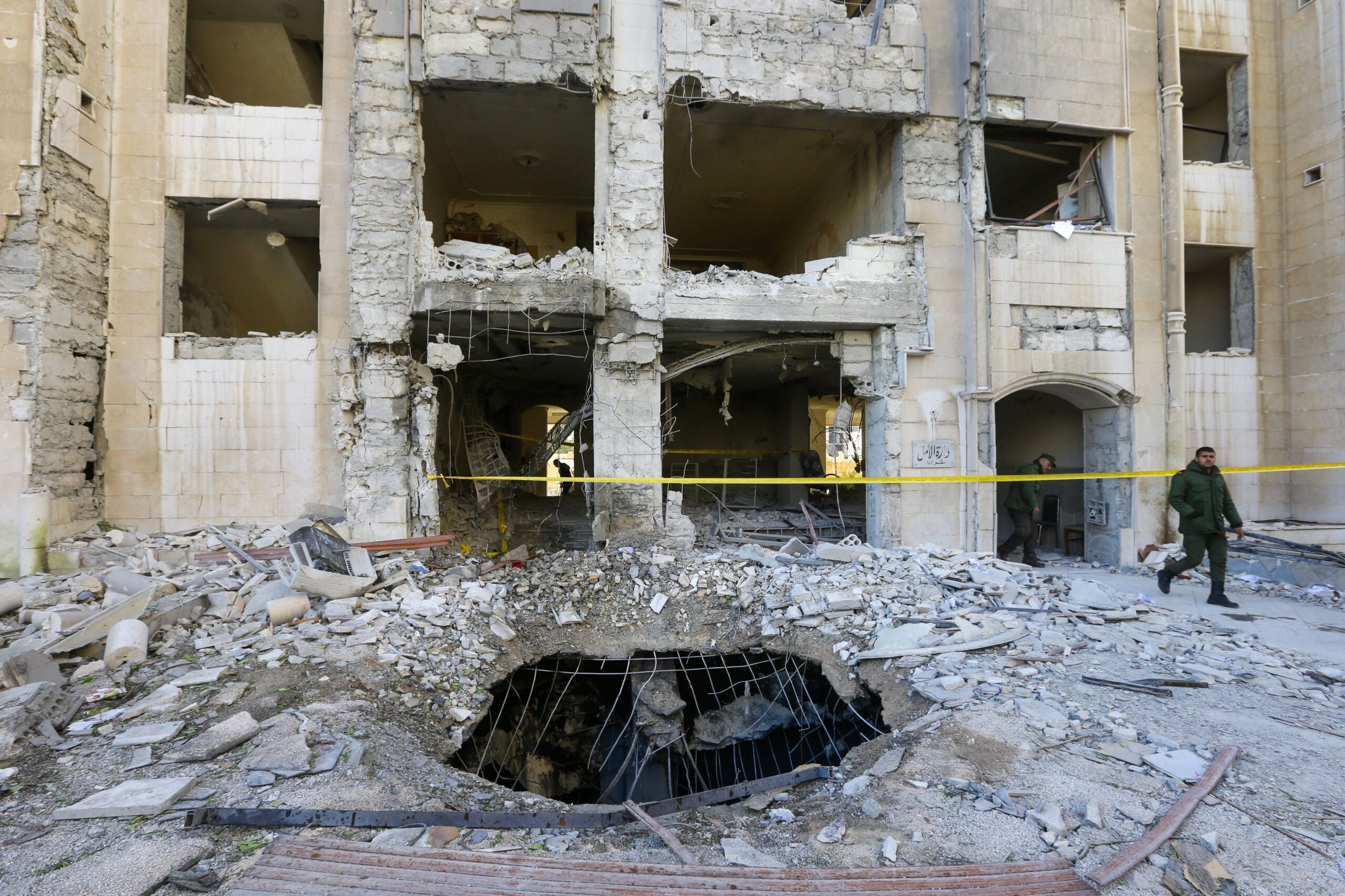
The following quantitative analysis explores the core of Israel’s strategic airstrikes in Syria between 2013 and August 2023, a critical aspect of its defense policy during this time, aimed at mitigating Iranian influence in the region and protecting its national borders.
As talk of a revived Israeli-Palestinian political process grows, the Abraham Accords partners must play a role
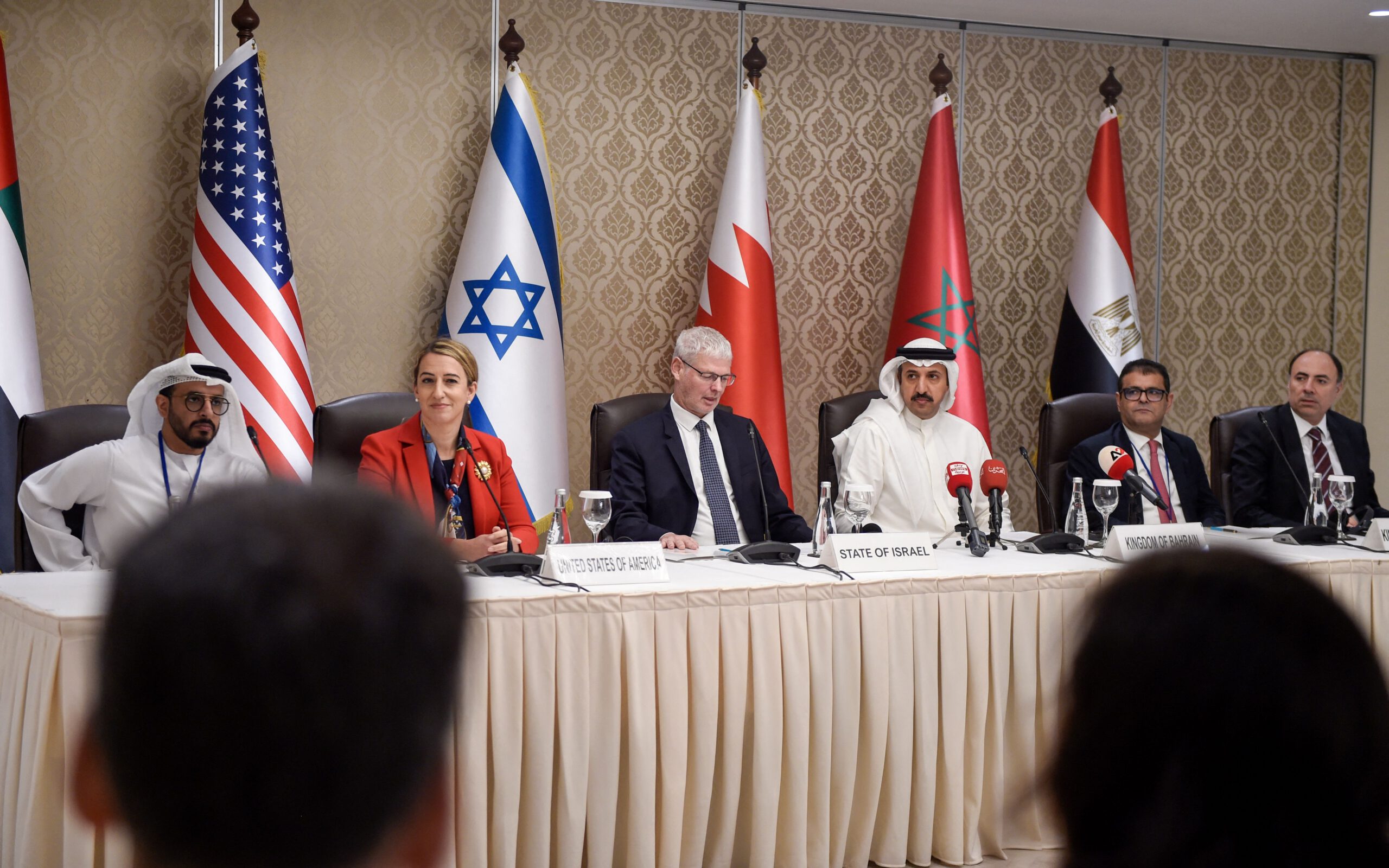
Oct. 7 sounded the death knell of the Abraham Accords. Yet the end to the initial conceit of the Abraham Accords does not mean an end to the essential role that the Abraham Accords partners can play in helping broker an Israeli-Palestinian agreement.
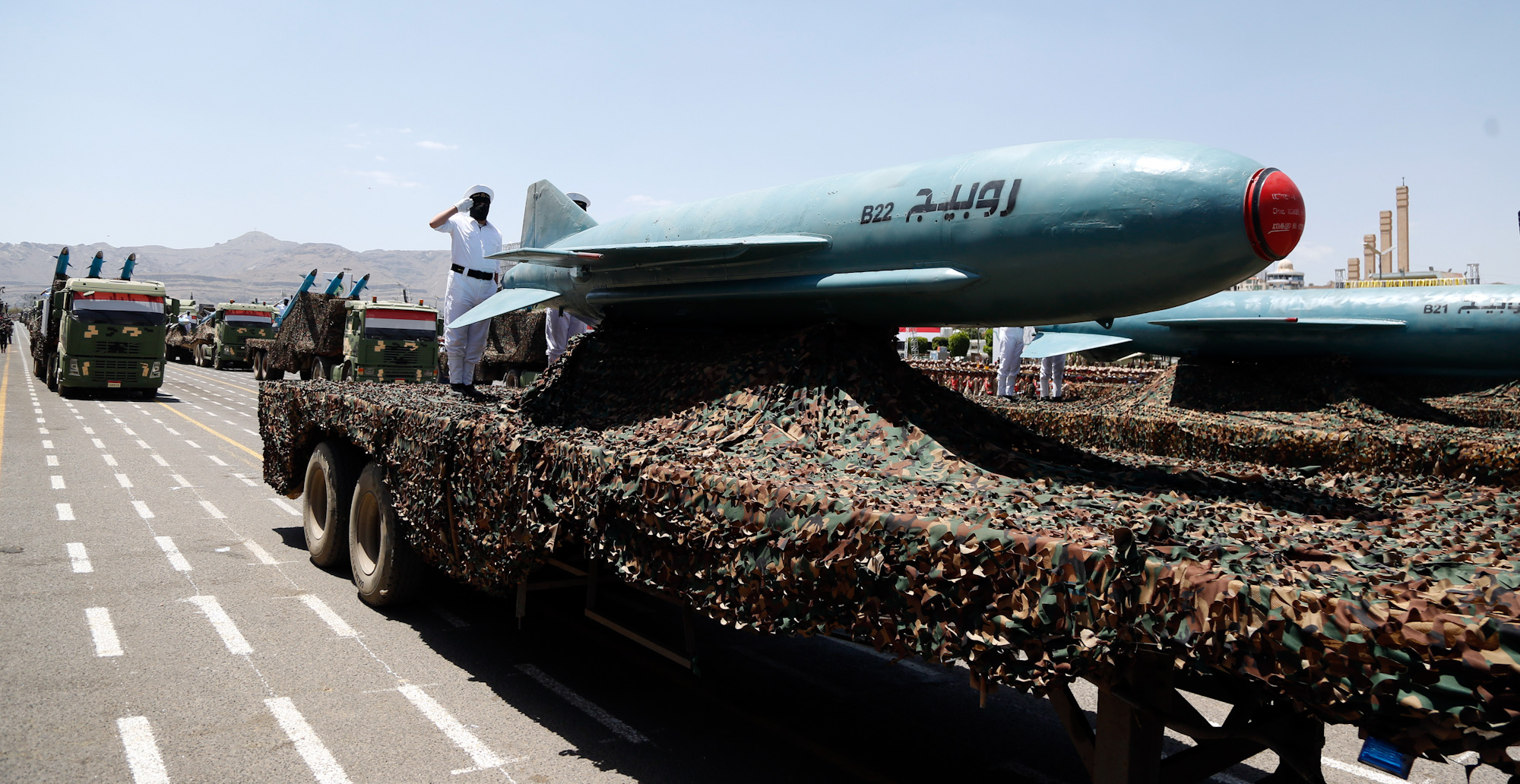
Despite the Houthis’ geographical distance from Israel and perceived limited capabilities, the threat they represent is all too real and if underestimated, they have the potential to derail diplomatic efforts and destabilize the region, with potentially catastrophic consequences.
The EU and the Israel-Hamas war: A narrow but important niche
Much has been written about the European Union’s confused and cacophonic response to the heinous Oct. 7 Hamas terrorist attack that has plunged the Middle East into one of the most violent crises the region has known since World War II. While the condemnation of Hamas’ atrocities was unanimous, not much else was.