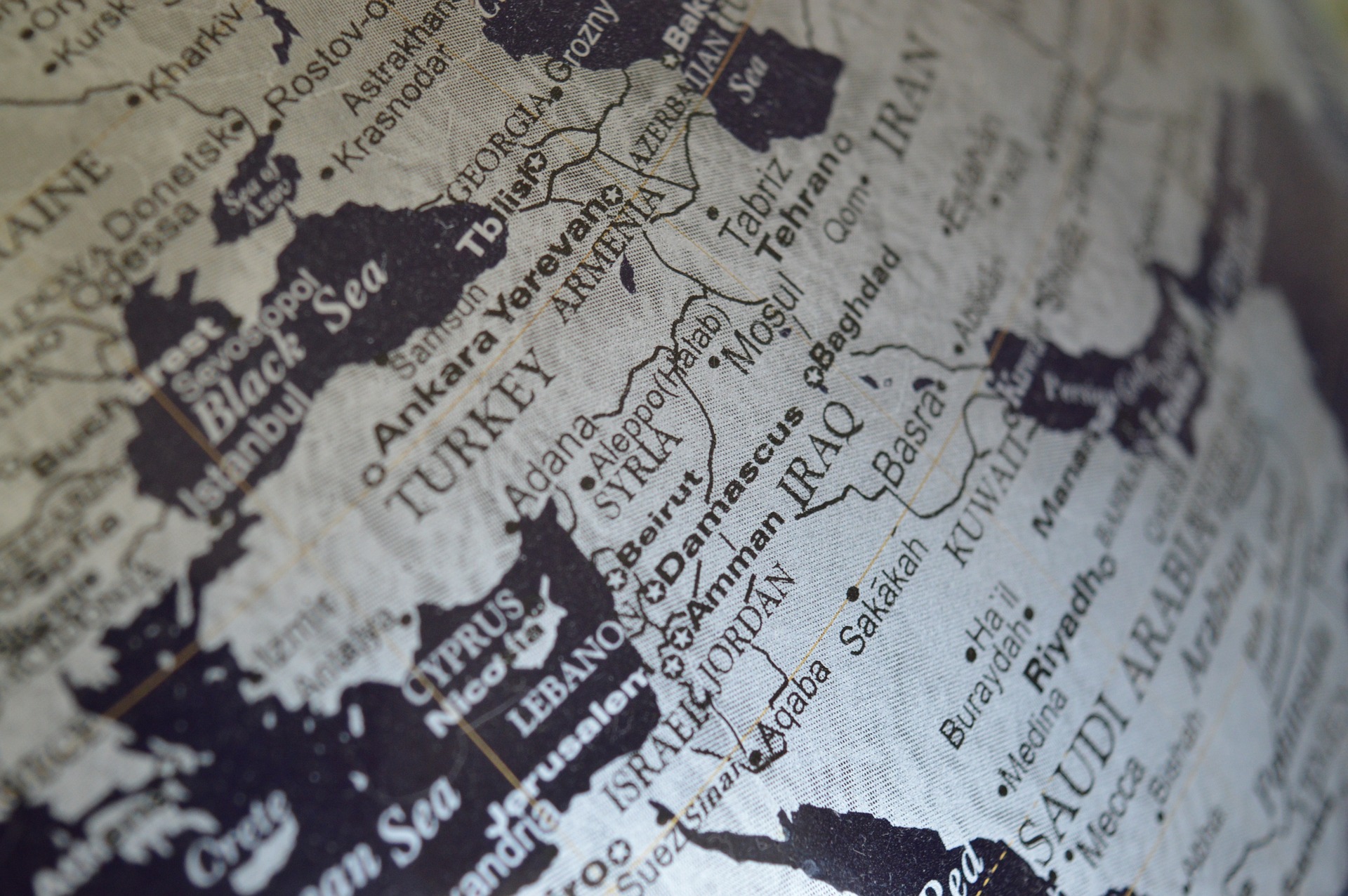
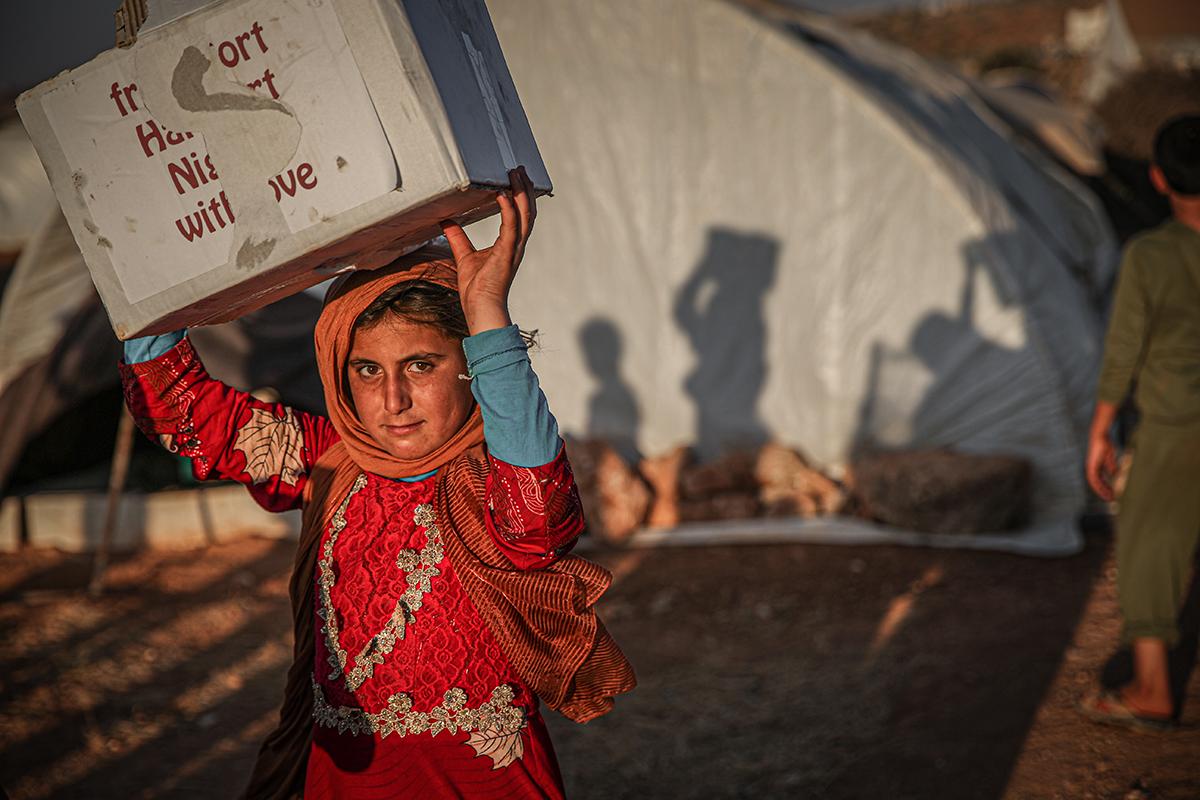
Three signs of impending famine in Syria absent immediate action
The pace of military action in Syria has plateaued. With the assumption of a frozen conflict comes the attendant assumption that humanitarian conditions are also likely to be stable. This could not be further from the truth. Humanitarian conditions continue to deteriorate, driven by three factors, and urgent action is now needed to avoid a famine.
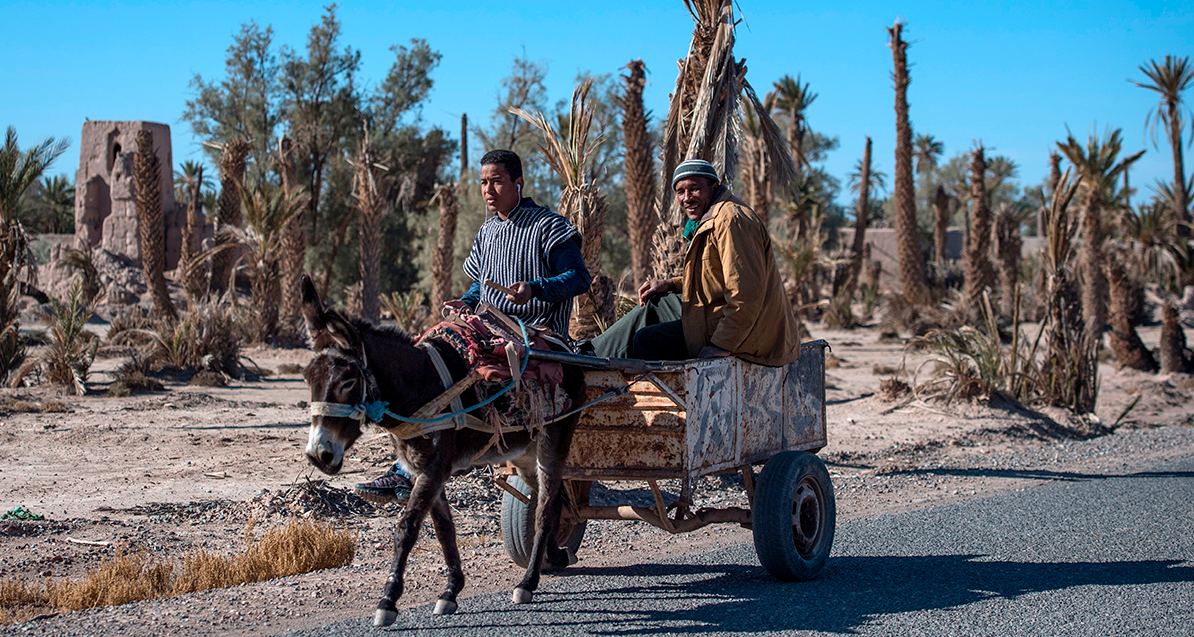
The Fragile State of Food Security in the Maghreb: Implication of the 2021 Cereal Grains Crisis in Tunisia, Algeria, and Morocco
North Africa has entered a food security crisis. Tunisia, Algeria, and Morocco are witnessing food inflation levels not seen since the civil unrest of the Arab Spring a decade ago. Although the Maghreb’s current food crisis was precipitated by the local and global economic shocks brought on by the onset of the COVID-19 pandemic in 2020 and its 2021 aftermath, the structural fragility of the food systems in Tunisia, Algeria, and Morocco is responsible for severity of the problem. At the core of this fragility is the failure to implement adequate measures to address the impact of increased water scarcity and debilitating climate change.
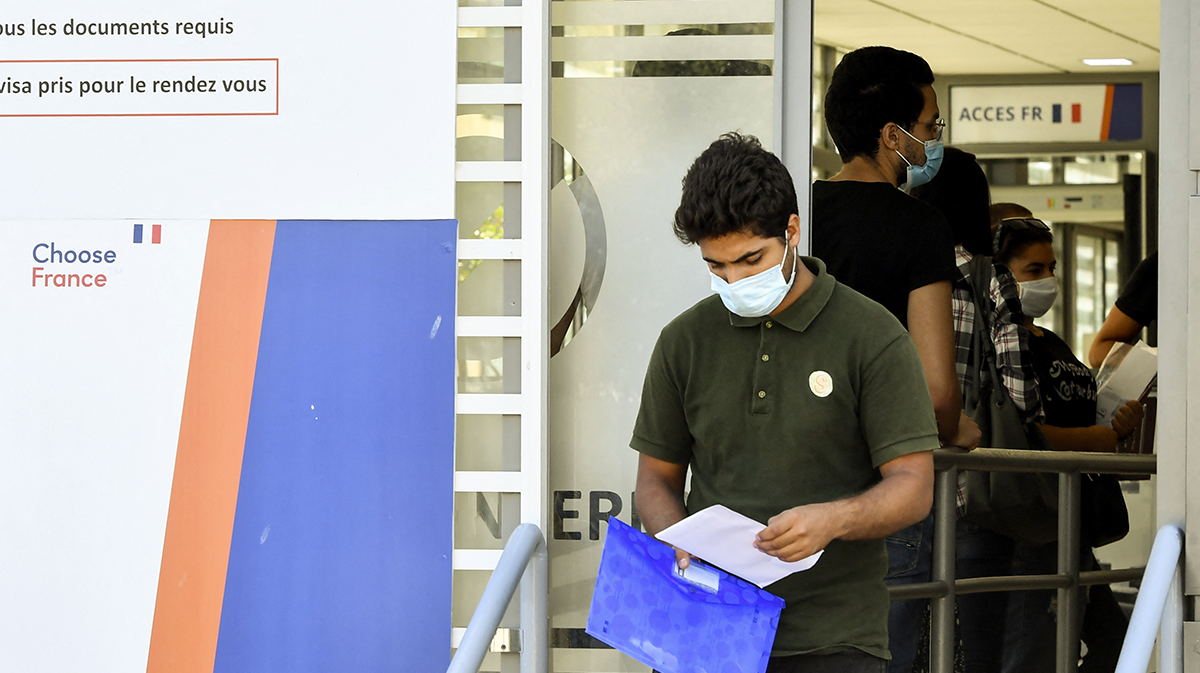
The thorny question of readmission in France-Maghreb migration talks
Readmission of irregular migrants has been a critical element in migration cooperation between France and Maghreb countries. In an attempt to increase its leverage, France recently decided to toughen its stance on migrant return by linking it more tightly to the country’s visa policy.
Will China save the Afghan economy?
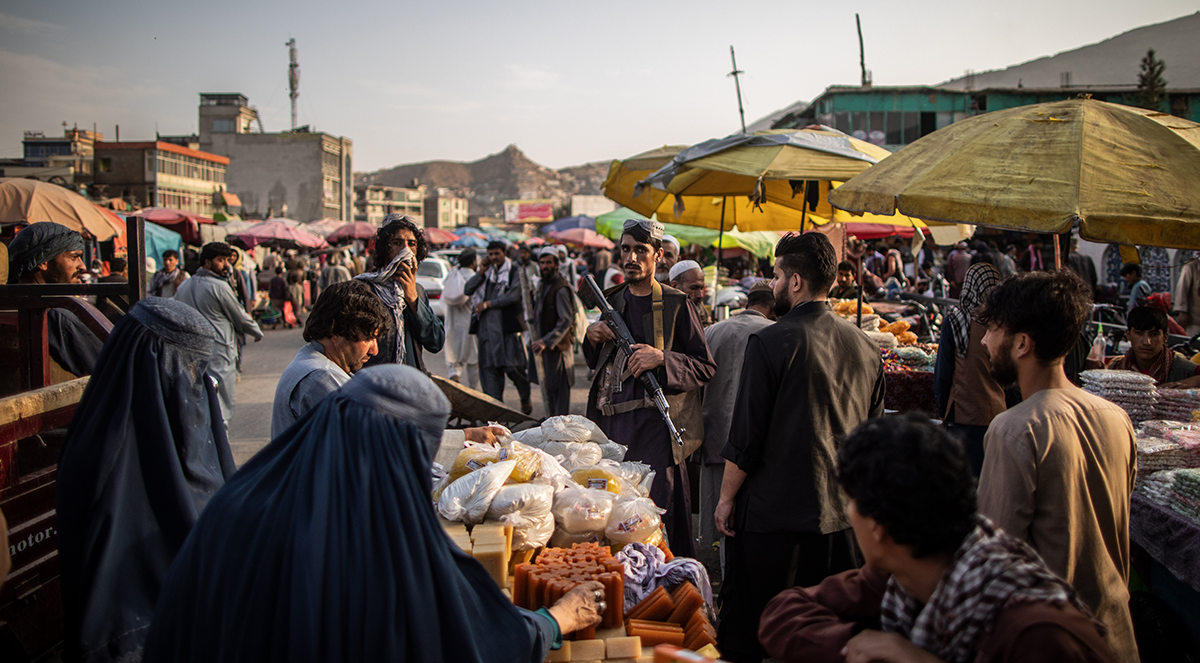
Afghanistan’s economy is collapsing. The Taliban’s forceful seizure of power led to a curtailment of almost all foreign aid, a devastating development for a nation overwhelmingly dependent on international assistance. Widespread drought, pervasive corruption, the perennially inadequate use of the country’s human capital, and a population largely unvaccinated against COVID-19 have exacerbated this longstanding problem of foreign financial dependence.
Has Israel’s campaign between the wars reached an impasse?
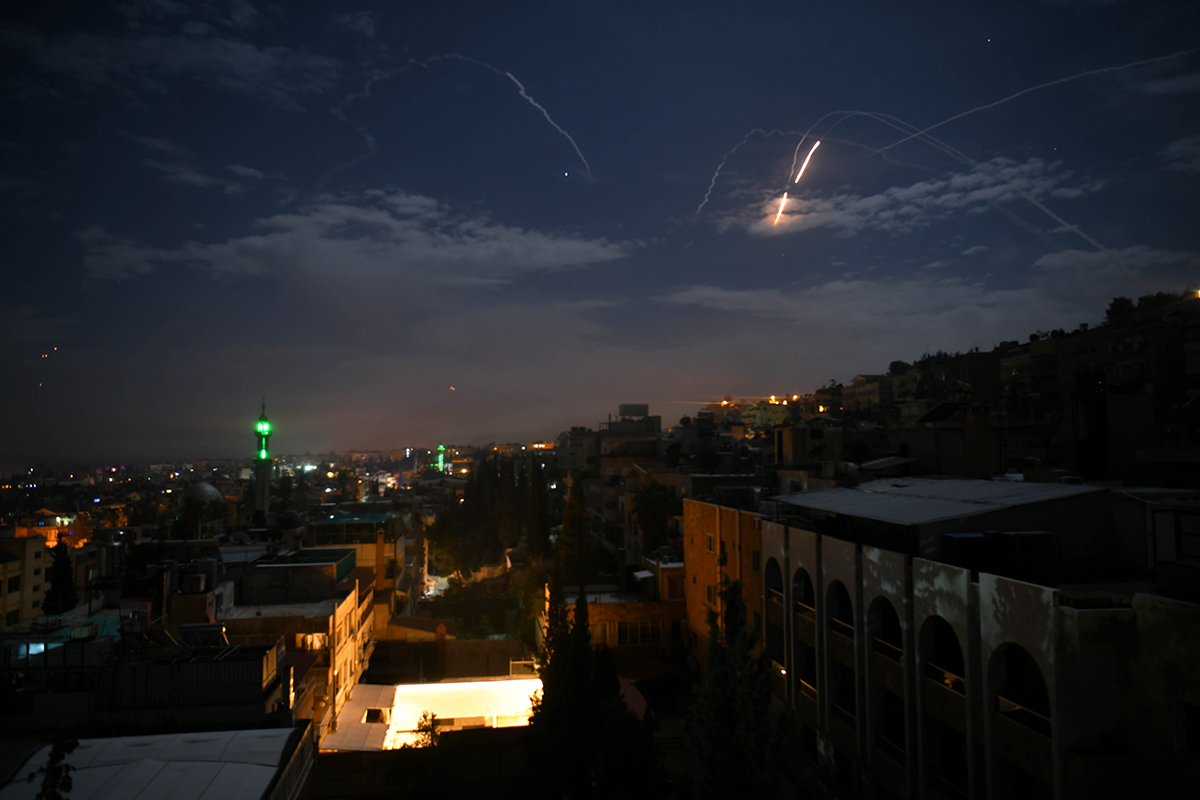
In recent years, Israel has waged a campaign against the military buildup of its enemies, mainly Iran, Syria, and Hezbollah. This ongoing effort is called “the campaign between the wars,” or the Mabam Campaign. Several events in recent weeks have given rise to questions about the effectiveness of this campaign, however, and have underscored the need to rethink its future.

Tunisia's political crisis
Lilia Blaise and Fadil Aliriza join Intissar Fakir for a discussion on Tunisia’s political turmoil following President Kais Saied’s series of moves since July to reshape the country’s government.
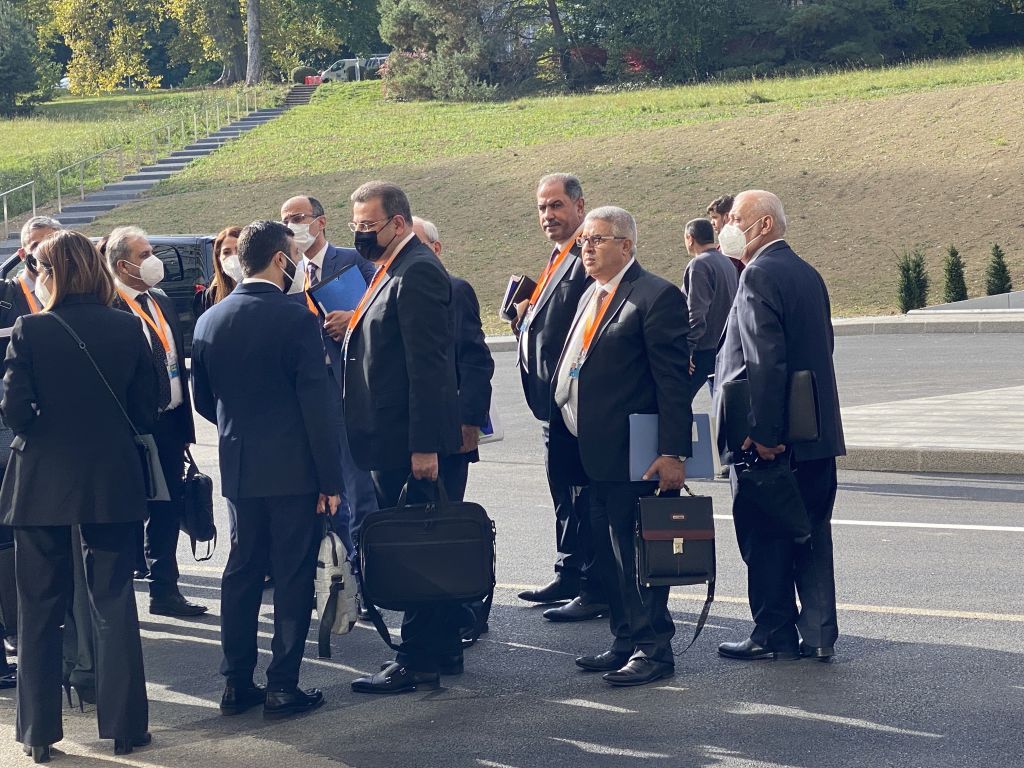
اللجنة الدستورية السورية بدأت عملها أخيرًا وسط غياب المشاركة الدبلوماسية الغربية
كبير الباحثين ومدير برامج سوريا ومكافحة الإرهاب والتطرف

Monday Briefing: The Syrian Constitutional Committee finally begins its work amid a lack of Western diplomatic engagement
Read MEI’s weekly briefing featuring expert analysis of key regional developments for the week ahead.
في جميع أنحاء المنطقة المغاربية، لا يزال الدعم منخفضًا لجميع الجهات الفاعلة الخارجية، بما في ذلك الصين وروسيا
هذا المقال يأتي ضمن سلسلة من أربعة أجزاء نشرها معهد الشرق الأوسط بالتعاون مع الباروميتر العربي لتحليل نتائج الدورة السادسة من استطلاعات الباروميتر العربي.
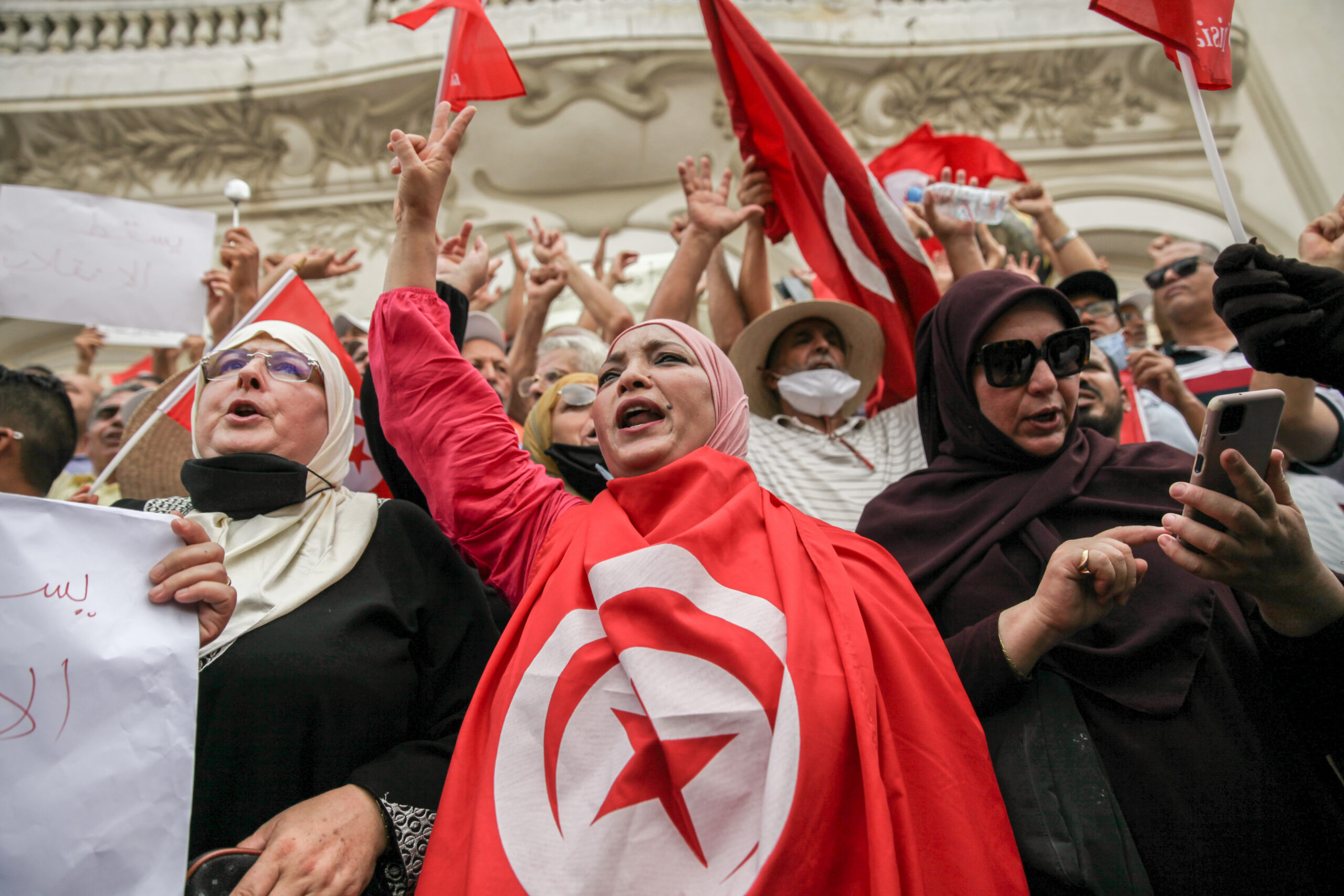
Zogby survey highlights Tunisia’s bumpy road
On Oct. 4, MEI hosted a discussion with Dr. James Zogby, president of the Arab American Institute and founder of Zogby Research Services (ZRS); Elizia Volkmann, a British freelance journalist based in Tunis; and Dr. Eya Jrad, researcher and assistant professor of security studies at the Ministry of Higher Education and Scientific Research Tunisia. The conversation revolved around the findings of a ZRS survey of 1,551 Tunisians conducted between Aug. 15 and Sept. 5 covering their attitudes and optimism regarding the future.
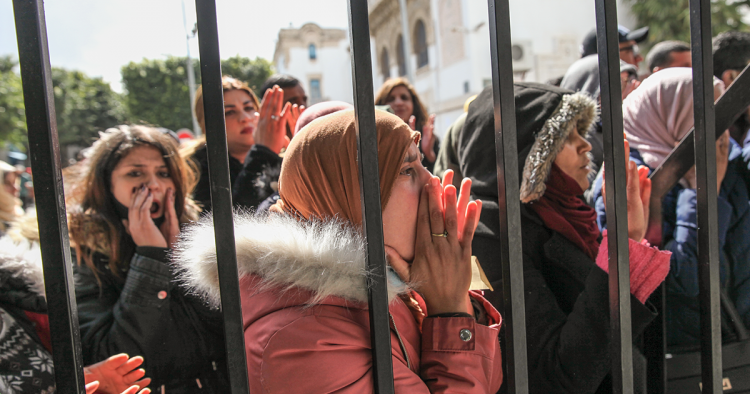
في استطلاعات الرأي، يتحدث التونسيون عن مظالم اقتصادية مستمرة
هذا المقال يأتي ضمن سلسلة من أربعة أجزاء نشرها معهد الشرق الأوسط بالتعاون مع الباروميتر العربي لتحليل نتائج الدورة السادسة من استطلاعات الباروميتر العربي.
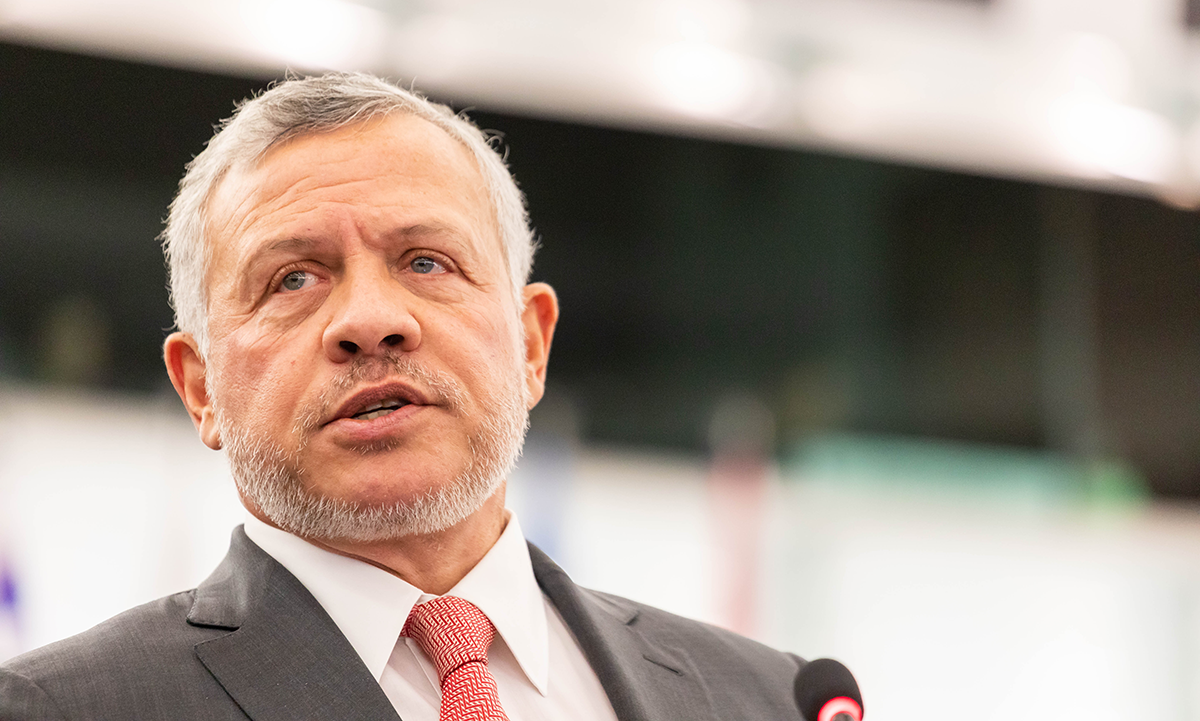
Why Washington has provided King Abdullah with political cover to engage the Assad regime
Jordan is going full speed ahead in normalizing relations with the Syrian regime, 10 years after it suspended political and economic ties with its northern neighbor in the wake of the eruption of the Syrian uprising. On Oct. 3, and in the first public contact between Abdullah and Syrian President Bashar al-Assad since 2011, Amman announced that the king had received a call from Assad. Talks focused on bilateral relations and ways to strengthen cooperation. The king stressed Jordan’s support for efforts to back Syrian territorial integrity, sovereignty, and unity. Jordan had allowed the Syrian embassy to remain open in Amman and kept a skeleton staff at its embassy in Damascus.
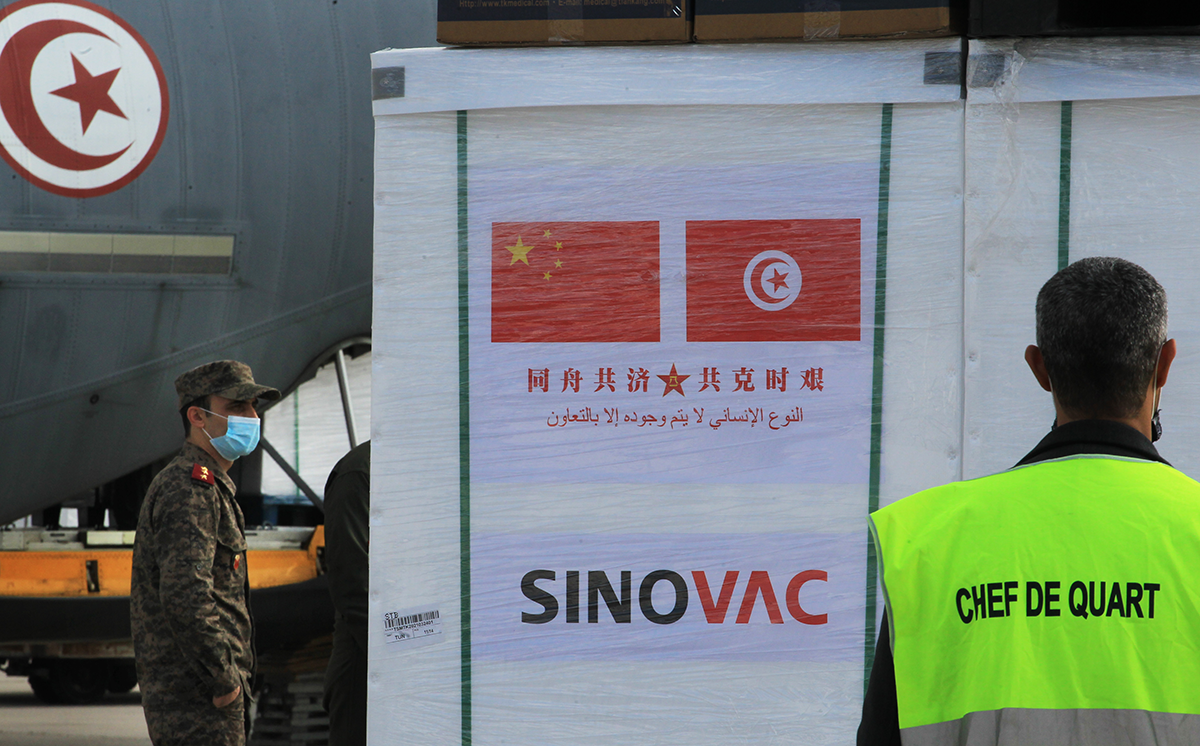
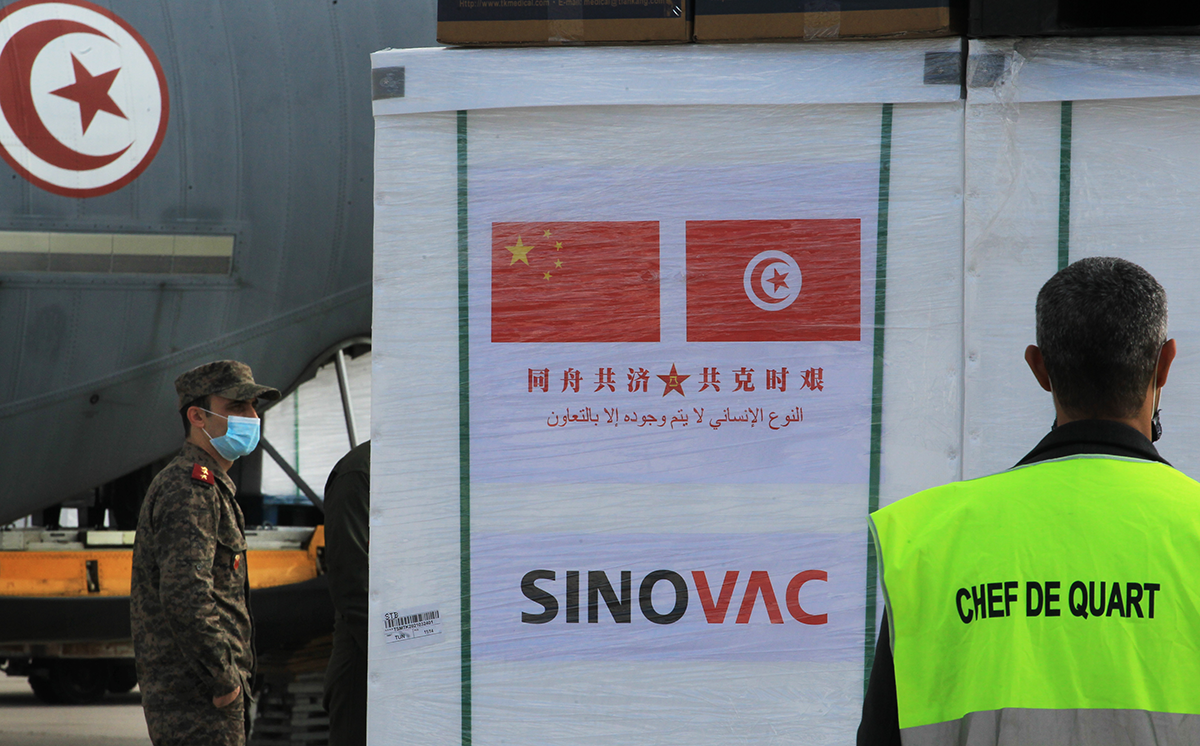
Across the Maghreb, support for all outside actors, including China and Russia, remains low
In recent years, China and Russia have gradually increased their influence in the Maghreb. The two powers, relative newcomers to the regional scene compared to Europe and the U.S., have been building stronger commercial, security, and diplomatic ties to the Maghreb countries of Morocco, Algeria, and Tunisia. However, these ties have not yet translated into significant popular approval or support.
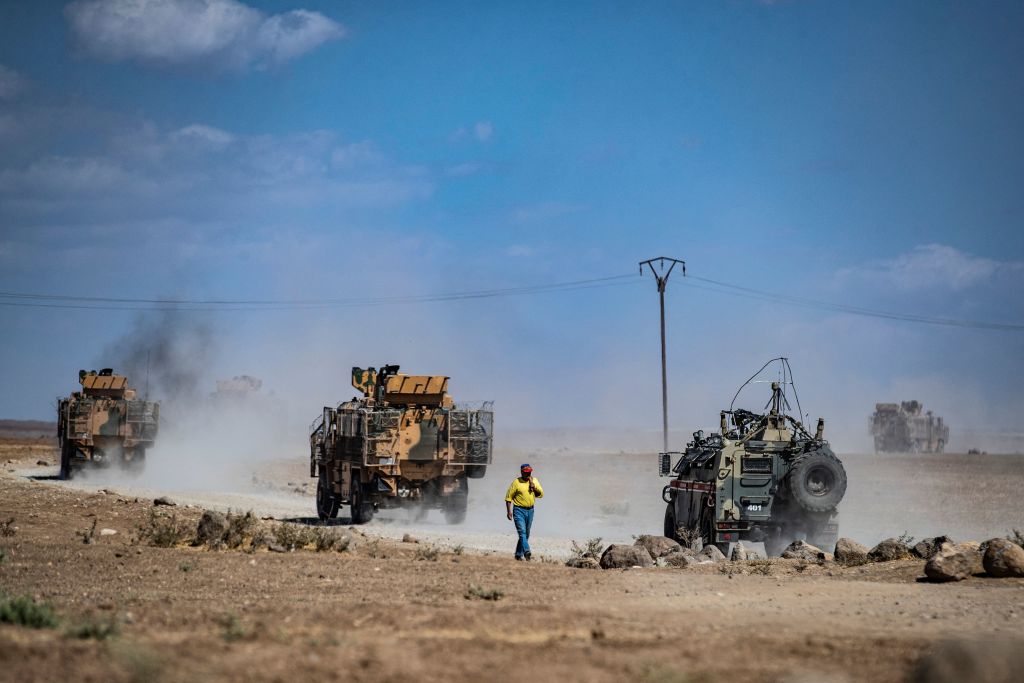
تصعيد روسي في سوريا قبيل القمة مع تركيا وإيران
يجتمع الرؤساء الروسي والتركي والإيراني يوم الأربعاء 29 سبتمبر/أيلول في مدينة سوتشي الروسية لمناقشة الوضع في سوريا. وكما كان الحال في الاجتماعات السابقة، من المرجح أن يتصدر الوضع في شمال غرب سوريا جدول الأعمال. على الرغم من أن منطقة إدلب الكبرى ظلت من الناحية التقنية خاضعة لوقف إطلاق النار الذي اتفقت عليه روسيا وتركيا في مارس/آذار 2020، إلا أن الطائرات الروسية والمدفعية السورية ارتكبت انتهاكات قاتلة ومتكررة منذ ذلك الحين.