The victory of Israel’s extreme right: Implications for citizens’ rights and Israeli-US relations
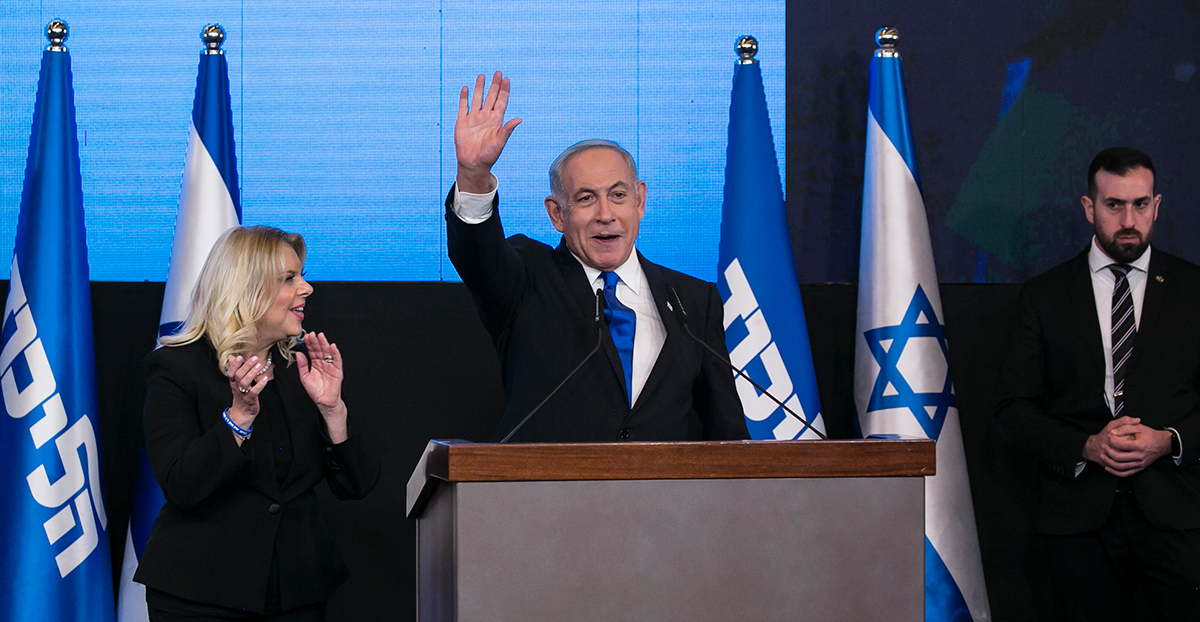
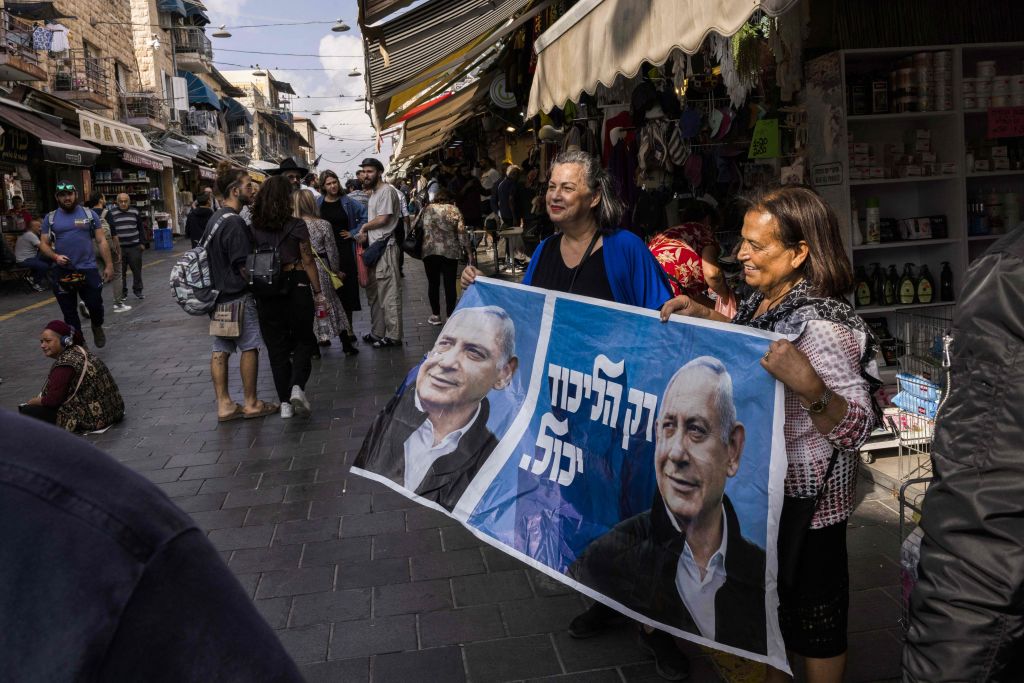
Since winning the Israeli elections on Nov. 1, Benjamin Netanyahu leads a bloc that is ideologically homogeneous in ways never before seen, with a majority of religious nationalists and ultra-Orthodox parties set to enter government and likely to work cohesively for the next four years, unlike in the past.
Israel’s election produces a clear winner — and a lurch further to the right
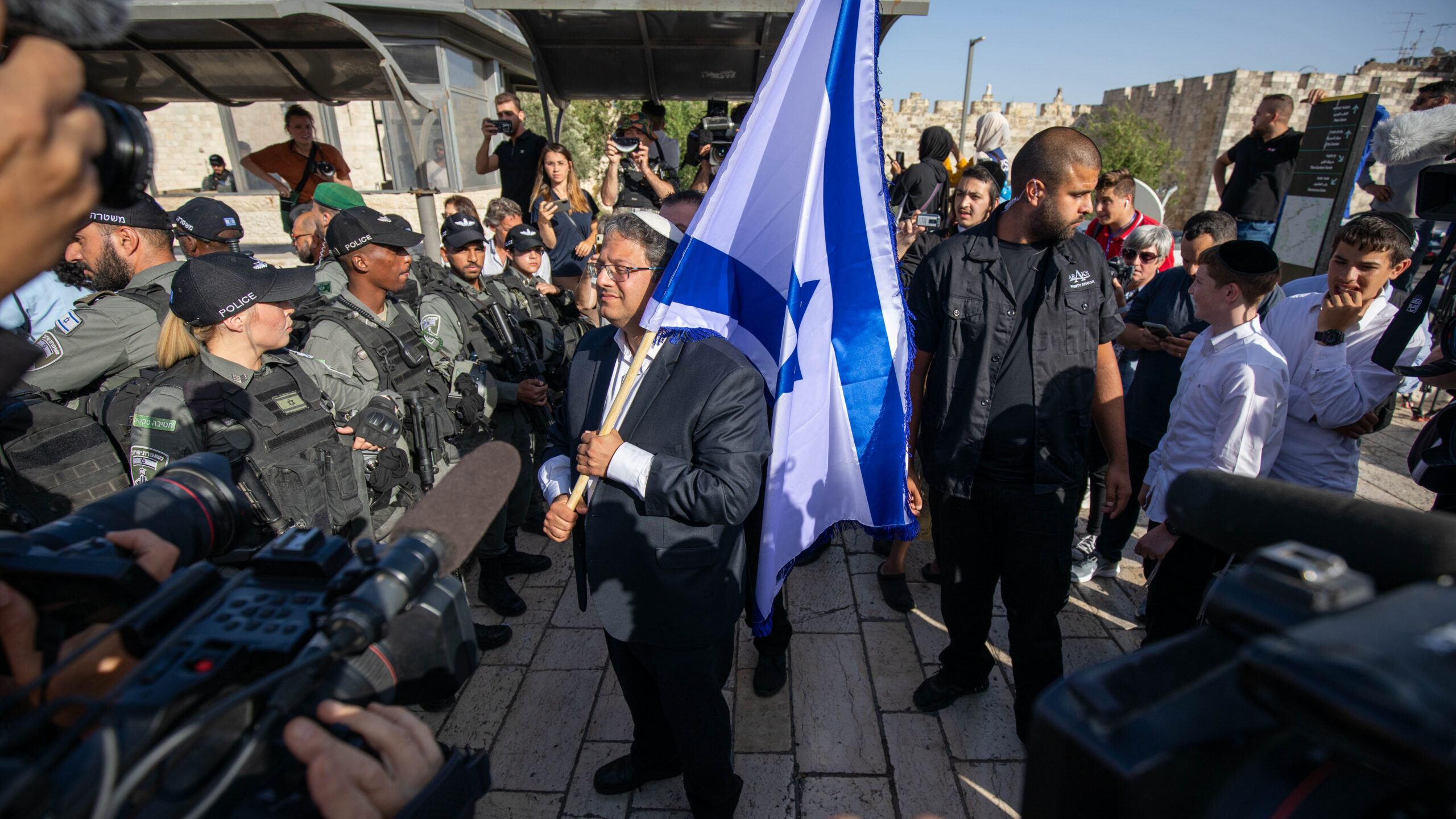
On Nov. 1, Israel’s democracy was shaken, perhaps as never before. It is not so much that former Prime Minister Benjamin Netanyahu has been returned to power, but that if he does become prime minister again, as seems overwhelmingly likely, it will undoubtedly be with crucial support provided by the “Religious Zionism” party, which includes “Jewish Power,” the vehicle of the veteran neo-Kahanist Itamar Ben-Gvir.
The Arab Peace Initiative returns. Will it supplant the Abraham Accords?
Although the Abraham Accords have been the main focus of Arab-Israeli peace-making since they were signed, the Arab Peace Initiative (API), introduced by the late Saudi King Abdullah 20 years ago, remains relevant and may be the better reflection of a path forward for Middle East peace
Today’s two-part episode is a study in contrasts. On one hand, the Partnership for Peace Fund strives to create a social and economic environment in which sustainable peace can become possible. On the other, hard political realities and gridlock undermine cooperation at every turn.
Domestic Political Chaos Is Not the Only Thing Happening in Iraq
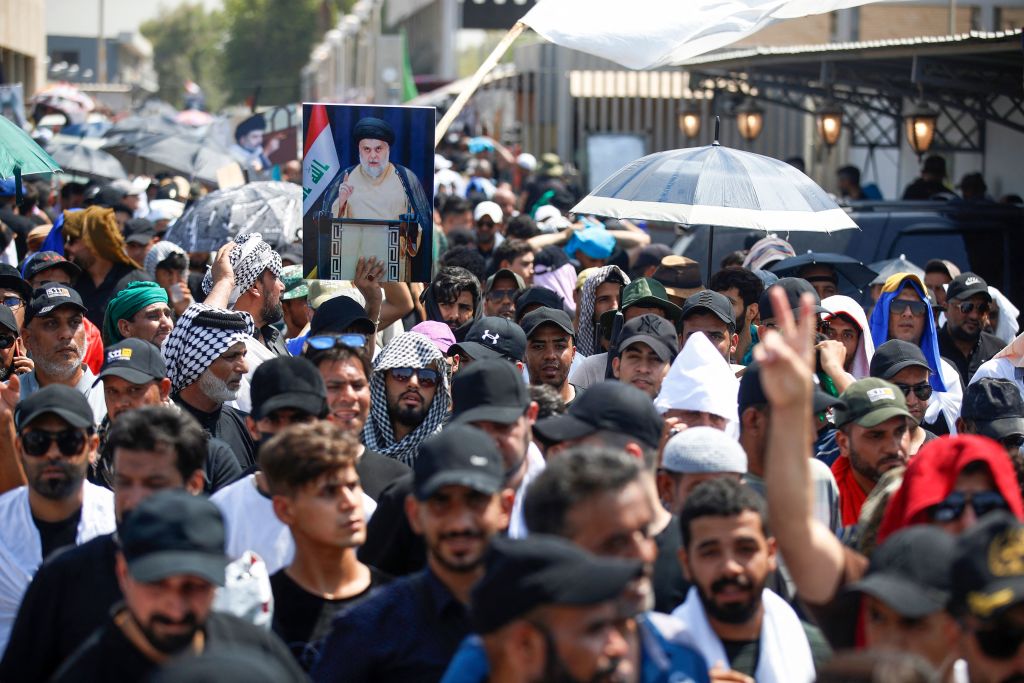
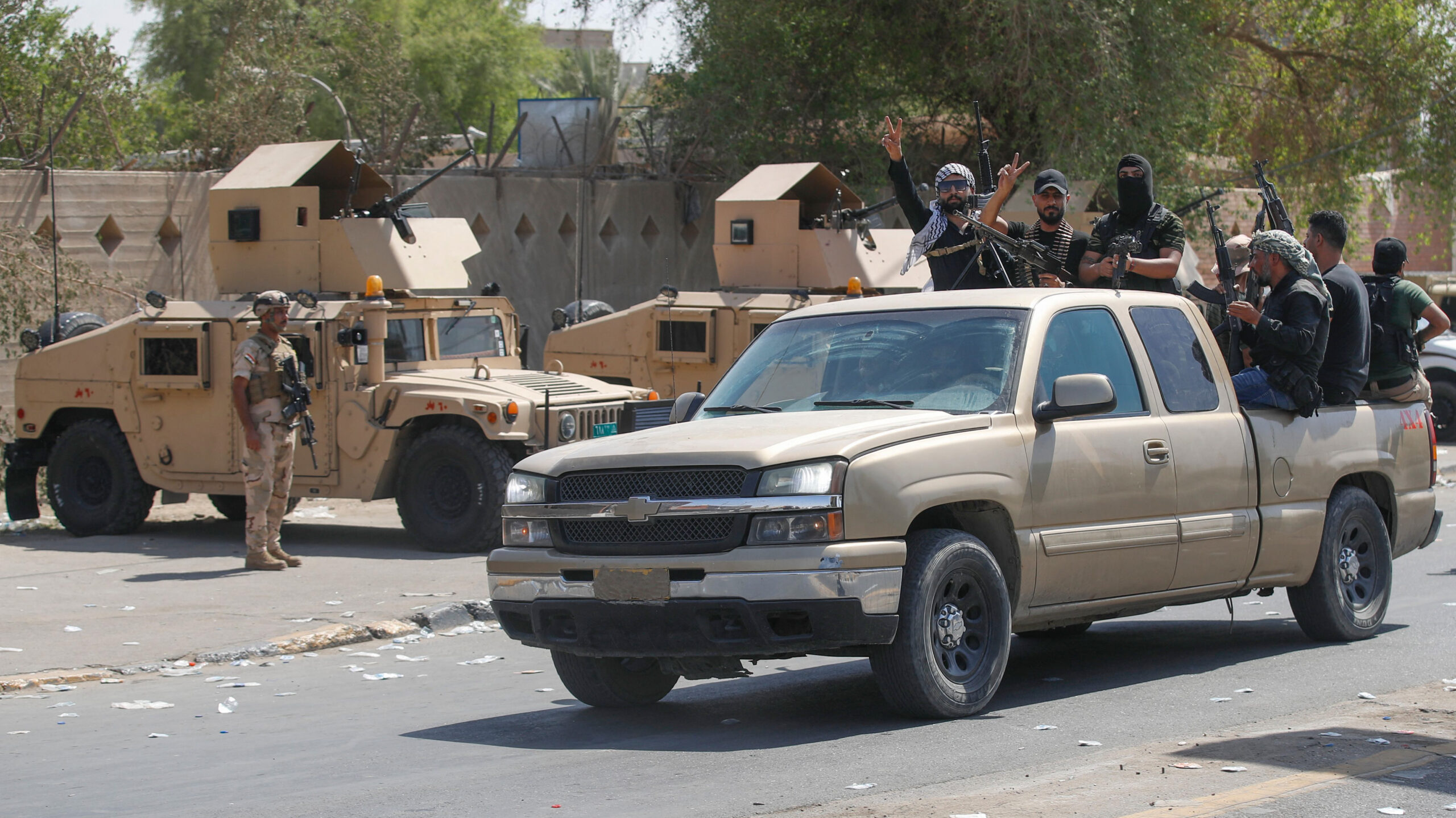
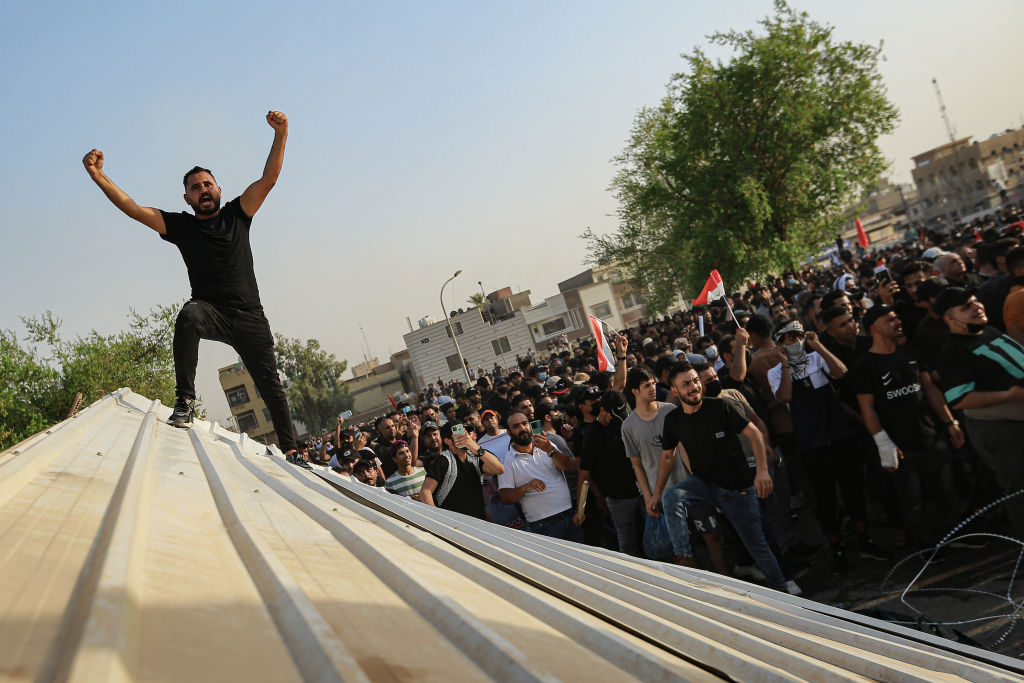
It appears that calm has returned to Iraq after the reported intervention of Ayatollah Ali al-Sistani, the country’s chief and widely respected Shia cleric. In recent weeks, violence had occurred in and near parliament, which has been unable to implement last October’s election results. The clashes involved demonstrators and armed forces loyal to Moqtada al-Sadr, the leading candidate in the elections, and militias loyal to a loose array of rival Shia political parties calling themselves the Coordination Framework.
Followers of Iraqi Shi’a cleric and political leader Muqtada al-Sadr and those of the Iran-aligned Coordination Framework clashed in downtown Baghdad on Aug. 29. Iraqis spent that evening wondering whether the country was descending into an intra-Shi’a civil war.
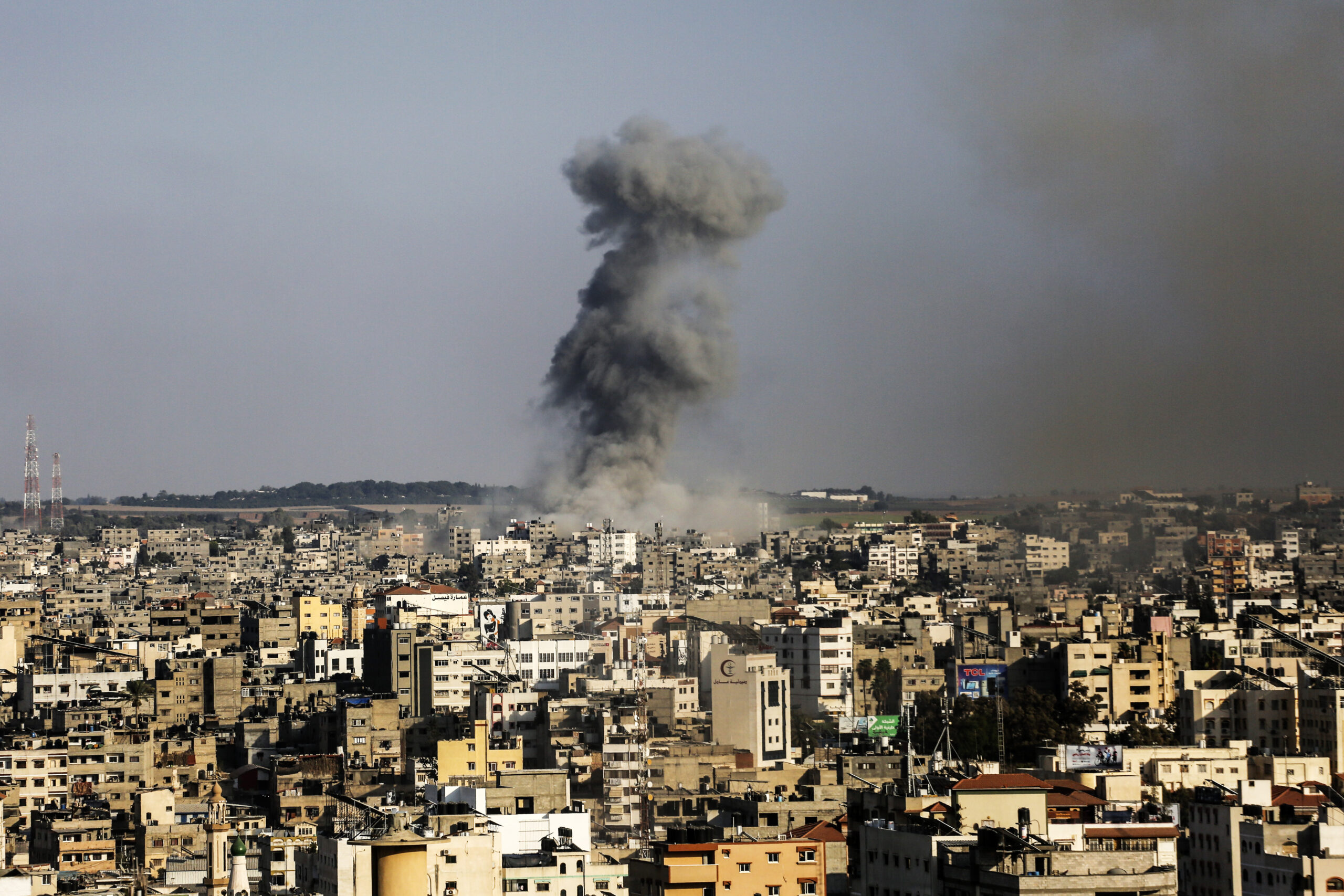
The causes and consequences of Israel’s latest attack against Islamic Jihad in Gaza
Israel’s early August offensive against Palestinian Islamic Jihad in Gaza achieved several strategic and tactical goals, but it failed to entirely sever the PIJ’s relationship with Hamas.
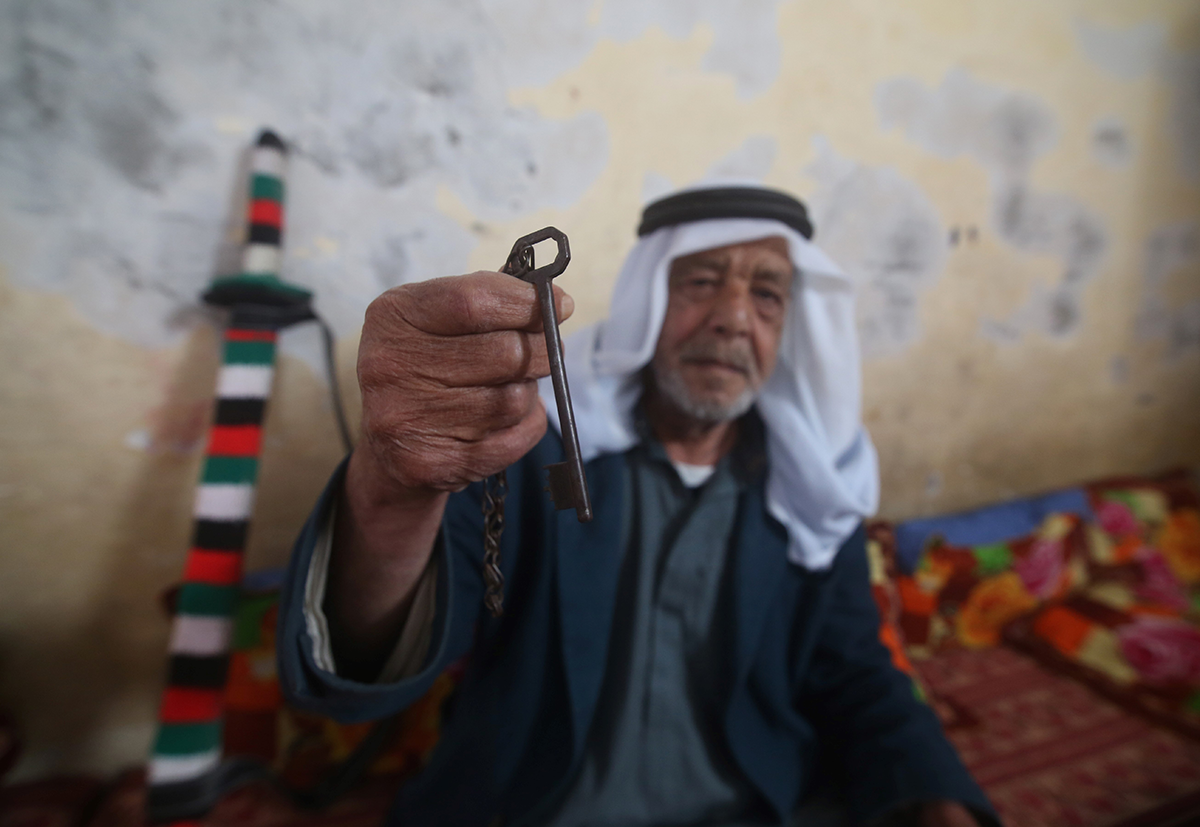
Refugees First: A New Approach to Middle East Peace
According to UNRWA, there are approximately 6.3 million registered Palestinian refugees across the Arab world. The majority of these are the descendants of the 750,000 Palestinians who were displaced between 1947 and 1949 over the course of Israel’s creation, an event known among Palestinians as the Nakba or “catastrophe.” This paper aims to evaluate past proposals on the refugee question and promote a new refugee-first framework that could produce tangible solutions for Palestinian refugees and for the conflict at large.
During two days of meetings in May 2022, members of the Middle East Dialogue, convened by MEI, met in Istanbul, Turkey to discuss pressing issues relating to: i) the effects of the war in Ukraine on the MENA region; ii) current and future projections regarding Gulf relations with Iran, amid the stalemate over a revival of the 2015 JCPOA; iii) the future pathways and security framework for the MENA region; and iv) the Baghdad Declaration of Good Neighborhood Principles for the Middle East. This meeting brought together policymakers, academics, and experts from across the MENA region. This report provides an analytical understanding of the issues discussed and recommendations shared during the meeting.