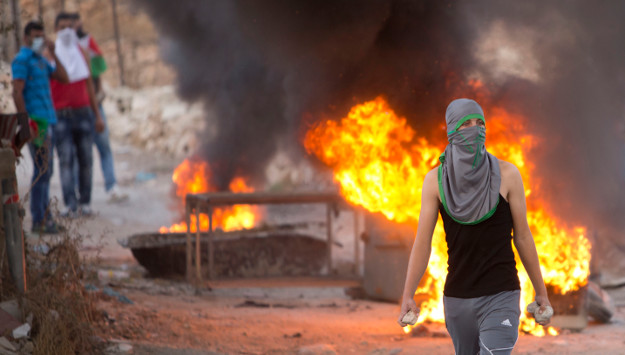
Although the Israeli-Palestinian conflict has been around for generations, it still has the capacity to surprise. Even the experts are confused by the current violence that has been roiling Jerusalem for weeks now. Is this the long-awaited third intifada? What is causing it? Why is it centered in Jerusalem, not the West Bank? Who is leading it, and why are the principal actors teenagers with household knives? In fact, similar questions were asked at the beginning of the two previous intifadas, and of the Palestinian Revolt during the British Mandate. Why now? What for?
Palestinian Security Forces: Living on Borrowed Time
On a scale not seen since April 2002, Israel is instituting dramatic increases in the deployment of its military and police forces throughout Israel, East Jerusalem and the West Bank proper. These moves by the government of Prime Minister Benjamin Netanyahu comprise the initial security response to limited but escalating Palestinian attacks against Israeli civilians, settlers, and military forces throughout Israel and the occupied West Bank.
Recent Russian activity in Syria is not about combating the Islamic State, despite Russian claims to the contrary. Though actively fighting ISIS and thus propagating its long-stated goal of keeping Assad in power would seem to be the straightforward explanation for Russia’s recent behavior, the fact that Russian strikes are also hitting U.S.-backed, rebel-held areas demonstrates the hollowness of official discourse.
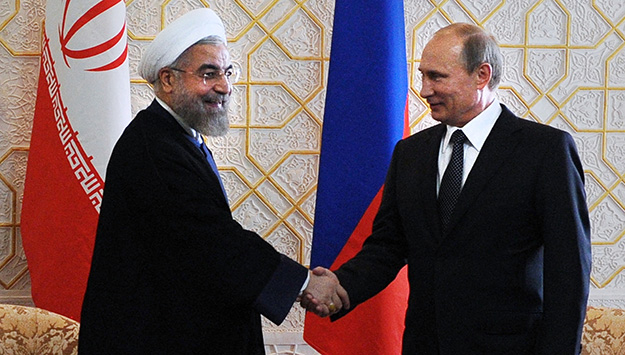
Russian President Vladimir Putin made waves leading into the UN General Assembly with new military deployments to Syria and an accord with Iran and the Iraqi government, signaling the formation of something like an alternate coalition combating ISIS. The sudden moves serve as a wakeup call not only for the United States and its allies, but also for Iran. The Russian actions are not enough to lead the Iranians to openly second-guess their support for Syria’s President Bashar al-Assad, but they are bound to raise tough questions among officials in Tehran.
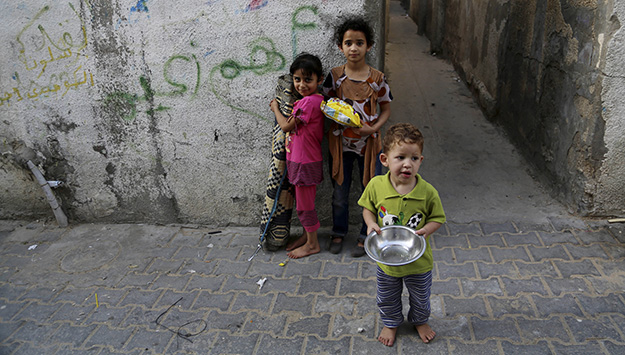
While the international community focuses on the latest refugee crisis fomented by the cascading calamities now engulfing the Middle East, Gaza—home to the region’s first permanent refugees—offers a cautionary lesson about the costs of man-made hardship and instability.
The UN recently reported that the infant mortality rate in the Gaza Strip has increased for the first time since Israel occupied the area in June 1967, in part because of the draconian restrictions on Gaza trade imposed by Israel and Egypt during the last decade.
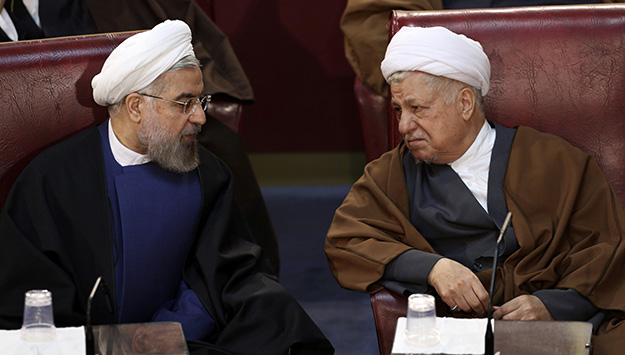
Looking to capitalize on the momentum from the July 14 nuclear deal, the moderate government of Iranian President Hassan Rouhani is now seeking ways to reduce tensions with its regional rivals, particularly Saudi Arabia. This is no small task. Not only must Rouhani convince his domestic critics that mending ties with their arch rival is in Iran’s interest, but he must also get a read on Riyadh’s new leader, King Salman, and the ruling elite.
Upgrading Civil Society in Iran: Dynamics of Adaptation
Since the end of Mahmoud Ahmadinejad’s government in June 2013 and the election of the moderate Hassan Rouhani, Iran’s diplomatic activity has changed, specifically its engagement in nuclear talks. The possibility of an agreement reignited enthusiasm for and attention to Iran’s civil society, which played an important role in supporting a diplomatic solution to the nuclear dispute. While many lauded Minister of Foreign Affairs Javad Zarif as the champion of the diplomatic breakthrough, others interpreted the progress in the negotiations to be the result of effective collective efforts by pro-democracy activists.
The Multinational Force of Observers and the Sinai Storm
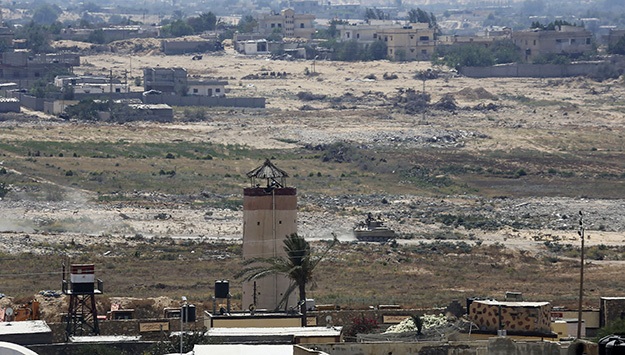
The 1,667-strong contingent of U.S. and international forces that make up the Multinational Force of Observers (MFO) in Egypt’s Sinai Peninsula is in a tough spot. The ongoing failure of the Egyptian government’s war against the ISIS-led rebellion there has shredded the MFO’s mandate to monitor Egyptian and Israeli adherence to their peace treaty. Sinai’s descent into anarchy also puts outnumbered and outgunned U.S. troops in the only location other than Iraq that confronts ISIS in an active theater of war.
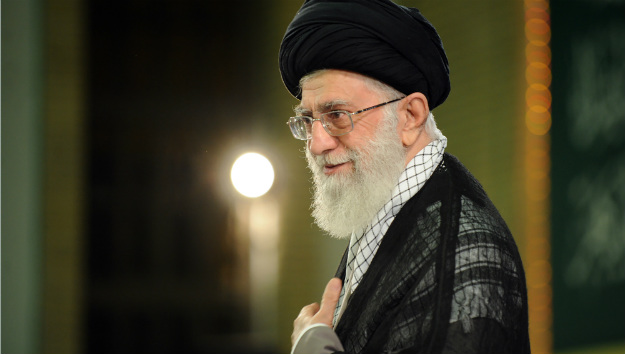
In the United States the nuclear deal with Iran has become a political football of historic proportions, but that hasn’t been the case in Iran. Why not? Most likely it is because for Iran’s Supreme Leader, Ayatollah Ali Khamenei, there is no viable alternative to the Joint Comprehensive Plan of Action (JCPOA). It’s a choice between a deal with the world community or more isolation and economic pain, as well as the social-political uncertainty at home that could come with it.
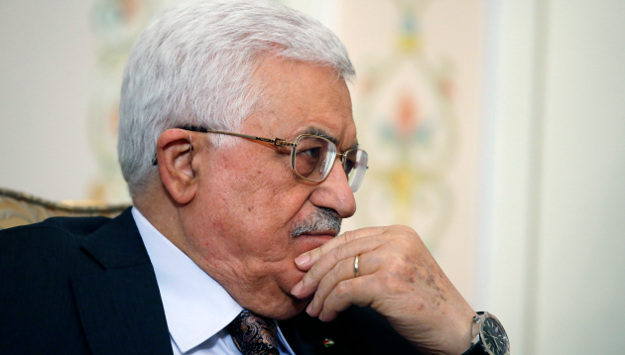
In the coming months, we can expect that Palestinian President Mahmoud Abbas will no longer occupy the executive leadership position in the muqata, the interim Palestinian government headquarters in Ramallah. His age and his repeated insistence that he does not plan to run in new elections, as well as his most recent comments about his willingness to resign, point to this fact.
Few states face the kind of complex, sustained security challenges that Israel does.
Israel has not enjoyed one day of peace with its neighbors since its independence in 1948. Many Arab and Muslim states have maintained an economic and political boycott against Israel for decades.
Predictions of a new Palestinian intifada in the occupied territories tend to accompany every breakdown in the diplomatic process, announcement of a new colonial expansion project, and Israeli violence against Palestinian life—such as the recent horrific murder of Palestinian infant Ali Dawabsheh by settler terrorists who set fire to his West Bank family home.
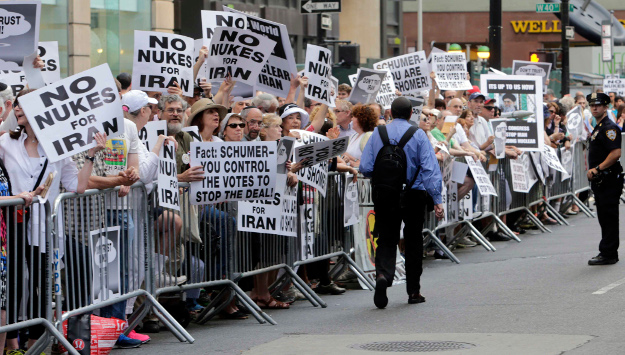
Here are some criticisms of the Iran deal that contain at least a kernel of truth; they are worth addressing for the sake of clarifying some of the arguments pro and con.