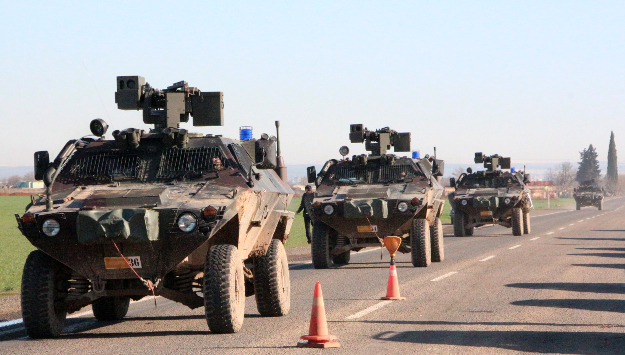
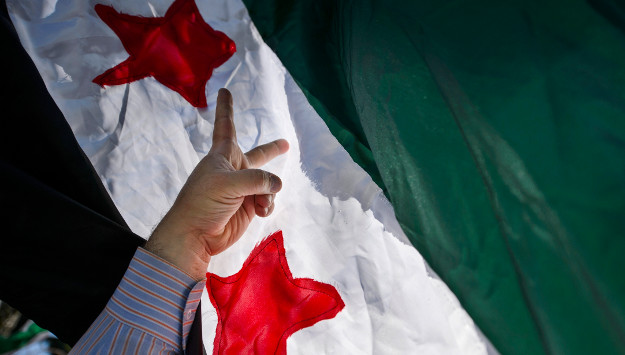
The United States has been pushing Turkey for a campaign to eject ISIS from a 60-mile stretch of border that it still controls between the Syrian towns of Jarabulus and Azaz. However, the joint U.S.-Turkey operation has faced several roadblocks. From the outset, the United States and Turkey have had different goals. Washington wants Ankara to close the border, which is the sole remaining crossing point for ISIS militants.
Monday Briefing: Syrian Peace Talks, Yemen's Cease-fire, and Saudi Regional Diplomacy
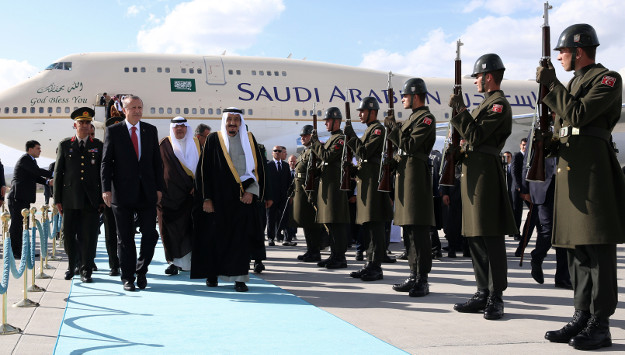
In this week’s Monday Briefing, MEI experts Randa Slim, Charles Schmitz, and Paul Salem provide analysis on recent and upcoming events including the next round of Syrian peace talks, the cease-fire in Yemen and the negotiations ahead, and Saudi King Salman’s visits to Egypt and Turkey.
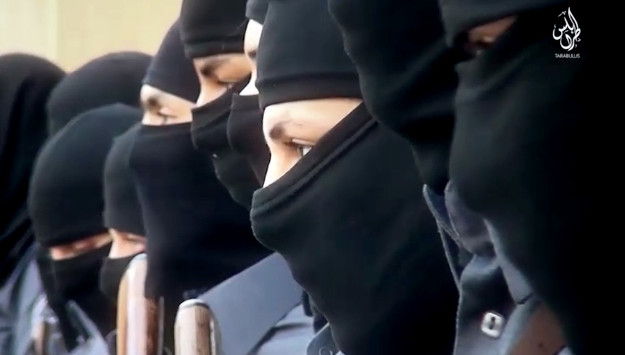
“The ‘Islamic State’ Rocked Crusader Europe Again. Hundreds of Deaths and Injuries as a Result of Martyrdom Operations in Brussels,” read the headline of the Islamic State’s (ISIS) Arabic-language newsletter al-Naba’ on March 21, 2016. There were not much details about the terrorist bombings, but they certainly follow a pattern established since early 2015. “Do not look for specific targets. Kill anybody,” said Boubaker Hakim, an ISIS commander of French-Tunisian origins, in an interview initially published in March 2015 by ISIS’ French-language magazine Dar al-Islam.
Defying Expectations: China’s Iran Trade and Investments
This essay examines China-Iran trade relations, as well as Chinese investments in Iran. Particularly, it asks whether the Chinese-Iranian stated ambition to increase the value of bilateral trade to $600 billion within a decade is attainable. Additionally, it identifies the factors responsible for the trade deficit in Iran’s favor, and shows that the pace of China’s foreign direct investment (F.D.I) in Iran is slowing in spite of absolute increases.
Monday Briefing: Erdogan's Failed Washington Trip, Iraq's Cabinet Reshuffle, and Other Key Issues in Week Ahead
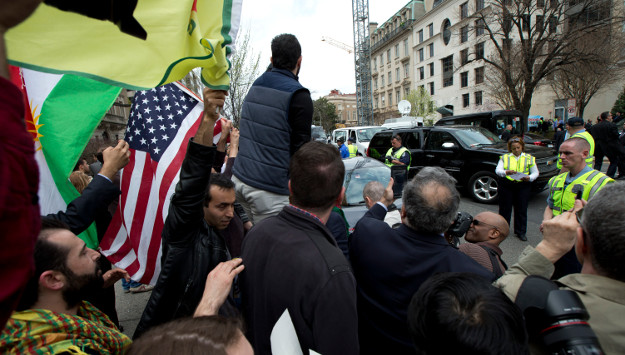
In this week’s Monday Briefing, MEI experts Gonul Tol, Robert S. Ford, Charles Lister, and Paul Salem provide analysis on recent events including Turkish President Erdogan’s visit to Washington, the reshuffling of Iraq’s cabinet, King Salman’s forthcoming visit to Egypt, and the latest attempts by Jabhat al-Nusra over the weekend to disrupt the Syrian political process.
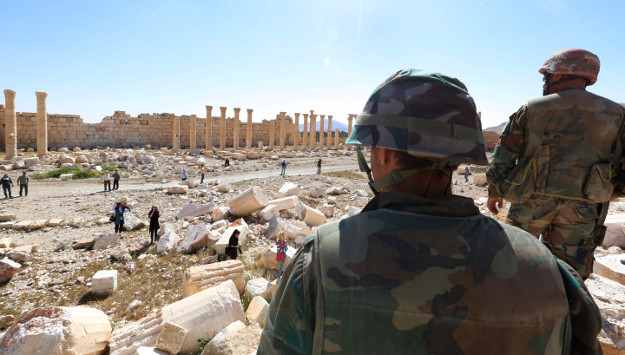
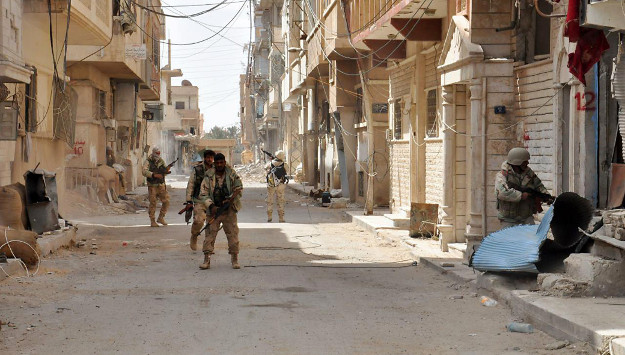
Monday Briefing: Palmyra, Mosul, and the ISIS Threat Abroad
In this week’s Monday Briefing, MEI experts Charles Lister, Paul Salem, and Daniel Serwer provide analysis on recent events including the capture of Palmyra by Syrian government forces, preparations for the campaign to retake Mosul, the risk of further terrorist attacks in Europe like last week’s in Brussels. Allen Keiswetter also responds to recent comments by Republican presidential candidate Donald Trump on U.S. policy toward Saudi Arabia.
The Islamic State has been steadily losing territory in its self-declared caliphate in Syria and Iraq, where a U.S. bombing campaign and a host of rival forces chip away at its holdings.
Iran’s Uneasy Relationship with its Sunni Minority
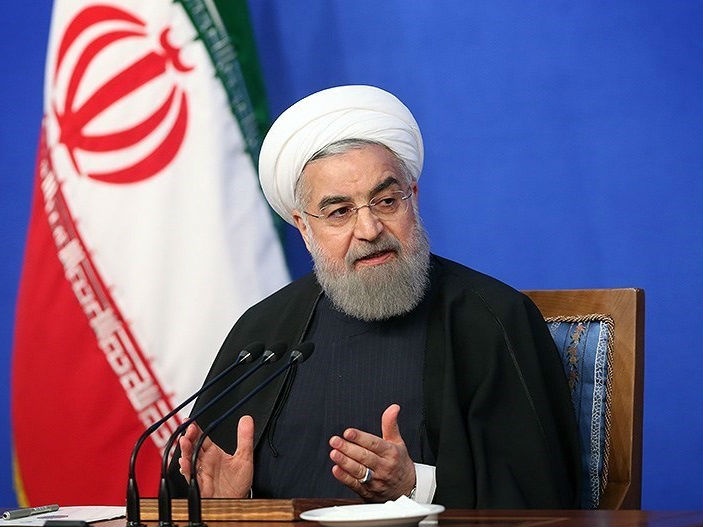
The threat of militant extremism among Iran’s Sunnis is being taken very seriously in Tehran. Iranian authorities have been exerting considerable effort to stem the spread of Salafism and Wahhabism into Iran’s mainly Hanafi Sunni majority regions. One strategy that authorities are not pursuing, however, is development. Indeed, the continued underdevelopment of these regions is leaving the door open to radical Islam. Iran’s Sunnis have long struggled with poverty and discrimination, and are suspiciously viewed as the country’s fifth column.
After first surprising the world by entering the fray in Syria last year, Vladimir Putin again shocked observers by announcing he was partially pulling out. On March 14, the Russian president declared his objectives “generally accomplished” and announced the withdrawal of part of his Russian military forces in Syria.
One of the positive and significant aspects of the Syria crisis is its effect on US-Russian relations. Russian President Vladimir Putin’s unexpected decision to withdraw forces from Syria is merely the latest chapter of this fast-moving engagement.
Humanitarianism in Highly Religious Contexts: Responding to Syrian Refugees in Lebanon
This essay discusses the potential value of and impediments to the provision of assistance to refugees by local religious institutions. It explores this issue by focusing on Lebanon, highlighting the important contribution of a small NGO, the Lebanese Society for Educational and Social Development (LSESD), in mentoring and training pastors and many of the key local church leadership in how to respond to the humanitarian needs of Syrian refugees.