Strained Israel-Jordan ties are further tested by Gaza, but a turnaround is possible
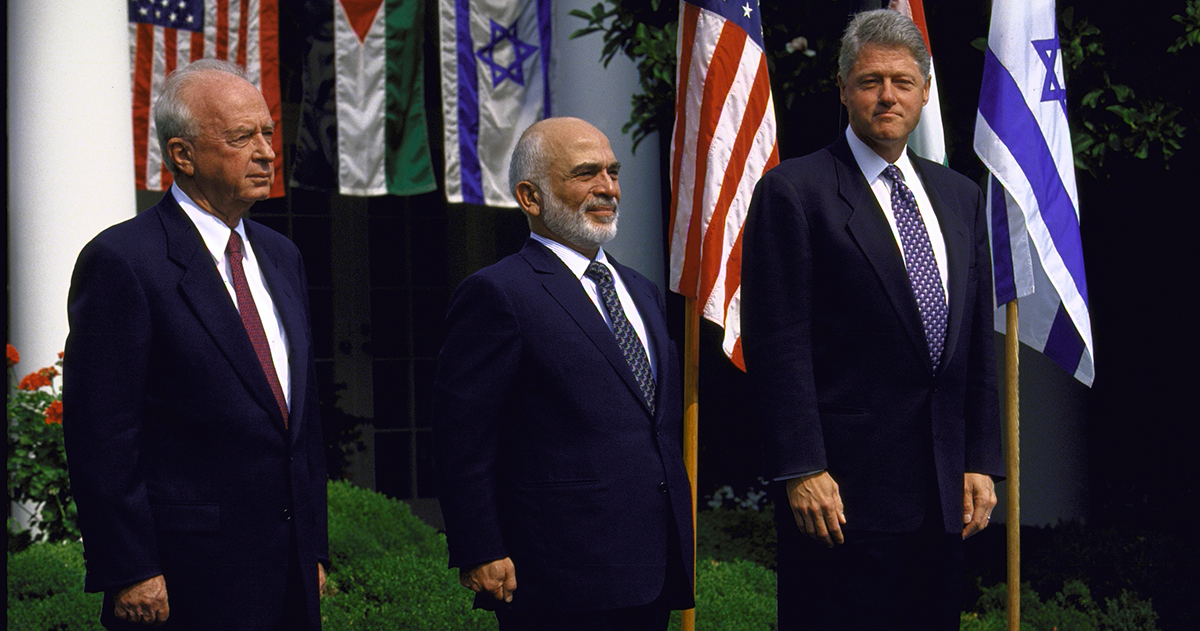
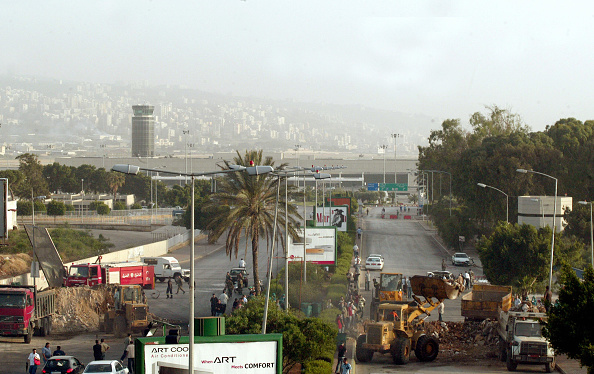
30 years have passed since Israel and Jordan signed a peace treaty on Oct. 26, 1994. But instead of celebrations, this anniversary was largely marked by disappointment and even despair. Relations, it is claimed, are at an all-time low and the future prospects seem bleak, as the war in Gaza continues and peace between Israelis and Palestinians seems more distant than ever. However, Israel-Jordan relations have proven resilient, even in the face of the current crisis, and the two countries continue to advance vital shared interests.
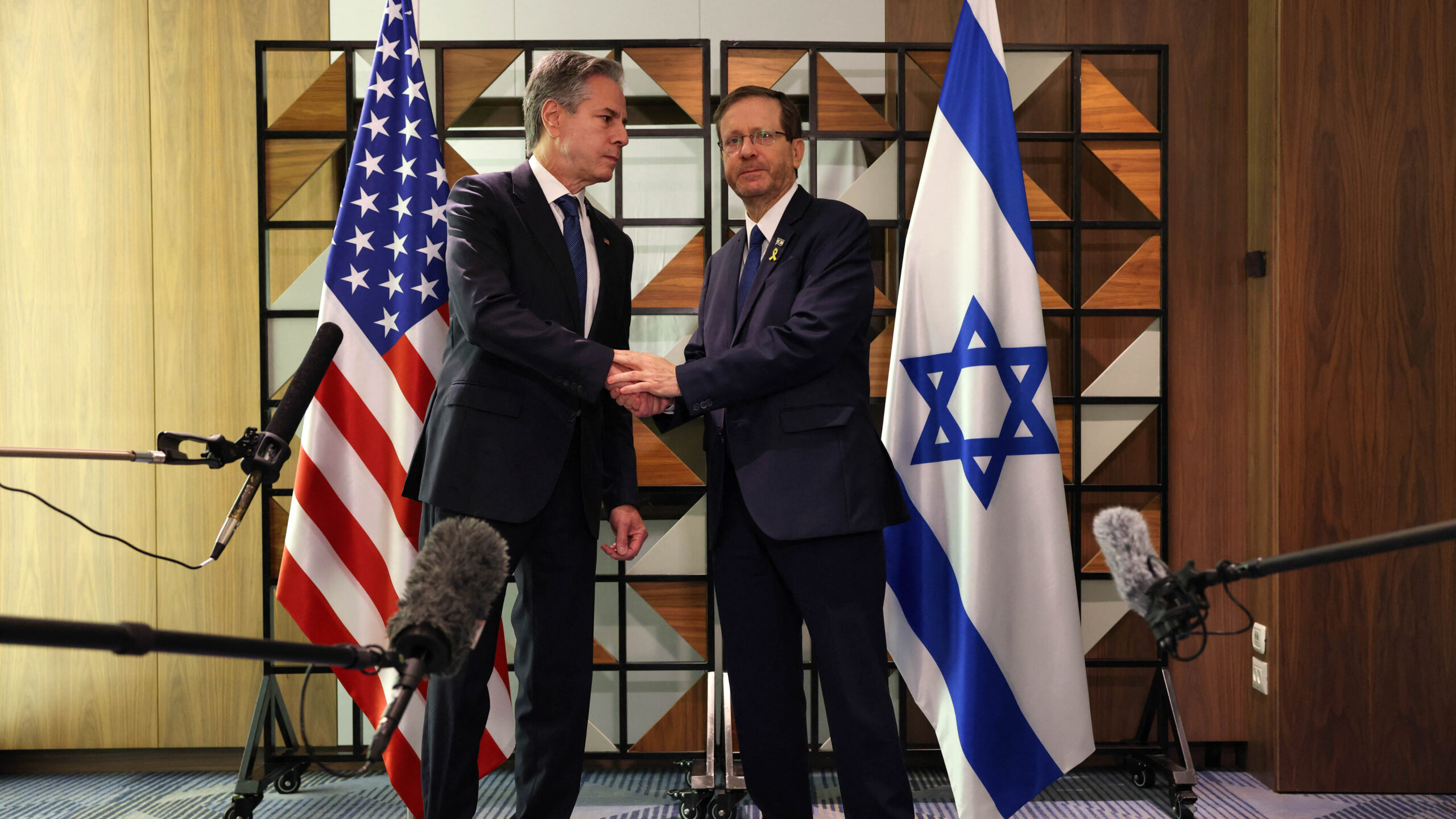
The two leading presidential candidates in America’s 2024 election have made statements and established track records on the Middle East based on their time in office. This document aims to highlight the most important and reliable positions staked out by former President Donald Trump and current Vice President Kamala Harris.
Change and continuity in EU’s foreign policy in the MENA region: What to expect from the new political cycle in Brussels
In the corridors of power in Brussels, it is common to hear that the position of the EU High Representative for Foreign Affairs and Security Policy is an impossible job. It may actually become even more difficult for the outgoing Estonian Prime Minister Kaja Kallas, who is set to succeed the Spanish Josep Borrell as the European Union’s foreign policy chief in the coming weeks.
As the Middle East becomes more autonomous and empowered domestically, the leaders in the region might consider more synergetic relations with each other and prepare national long-term plans that provide a balanced and integrated approach to social, technological, environmental, economic, and political development and progress.
Djibouti dodges scrutiny despite China, Iran, Houthi ties and links to illicit activities
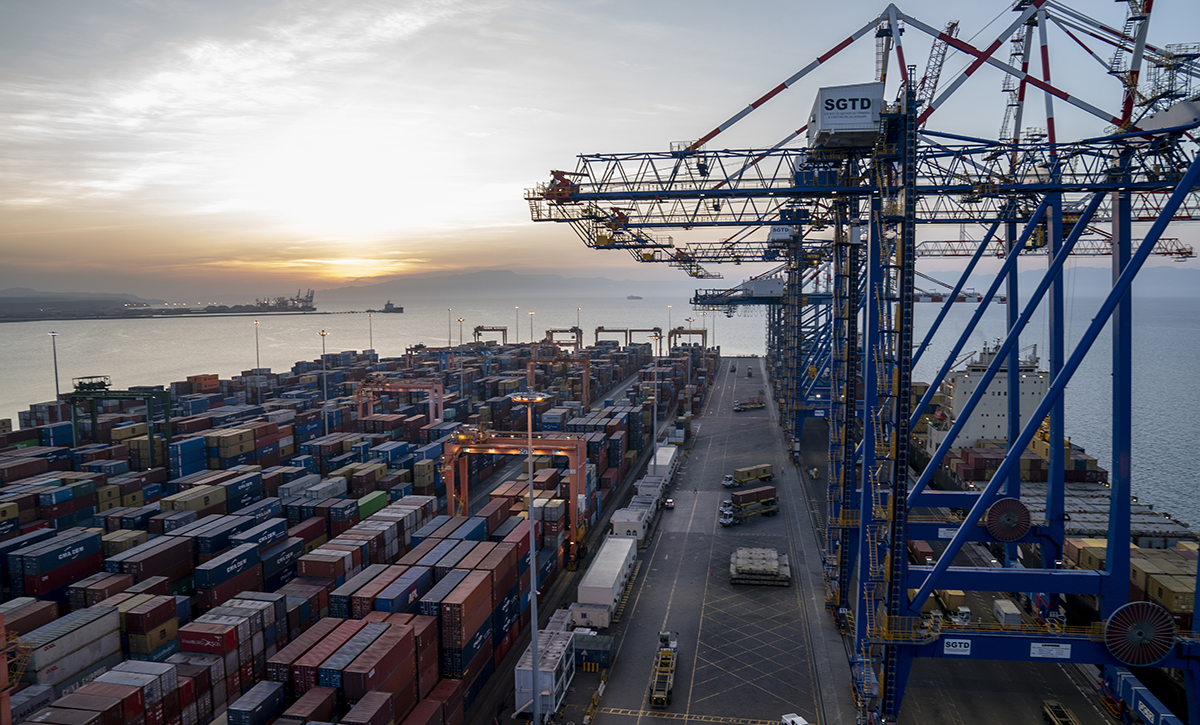
The Bab el-Mandeb Strait, which connects the Indian Ocean and the Red Sea through the Gulf of Aden, is a crucial chokepoint for global maritime commerce. Despite the strait’s importance, the waters around it have long been plied by smugglers of weapons and other illicit goods. Djibouti today is an important player in trade in the Horn of Africa region, but it also serves as a conduit for Chinese influence, has been linked to malign actors like Iran and the Houthis, and has faced allegations of involvement in various grey and black market activities, including money laundering, illicit finance, oil smuggling, and weapons trafficking.
Monday Briefing: The Middle East is the closest it has ever been to an all-out war
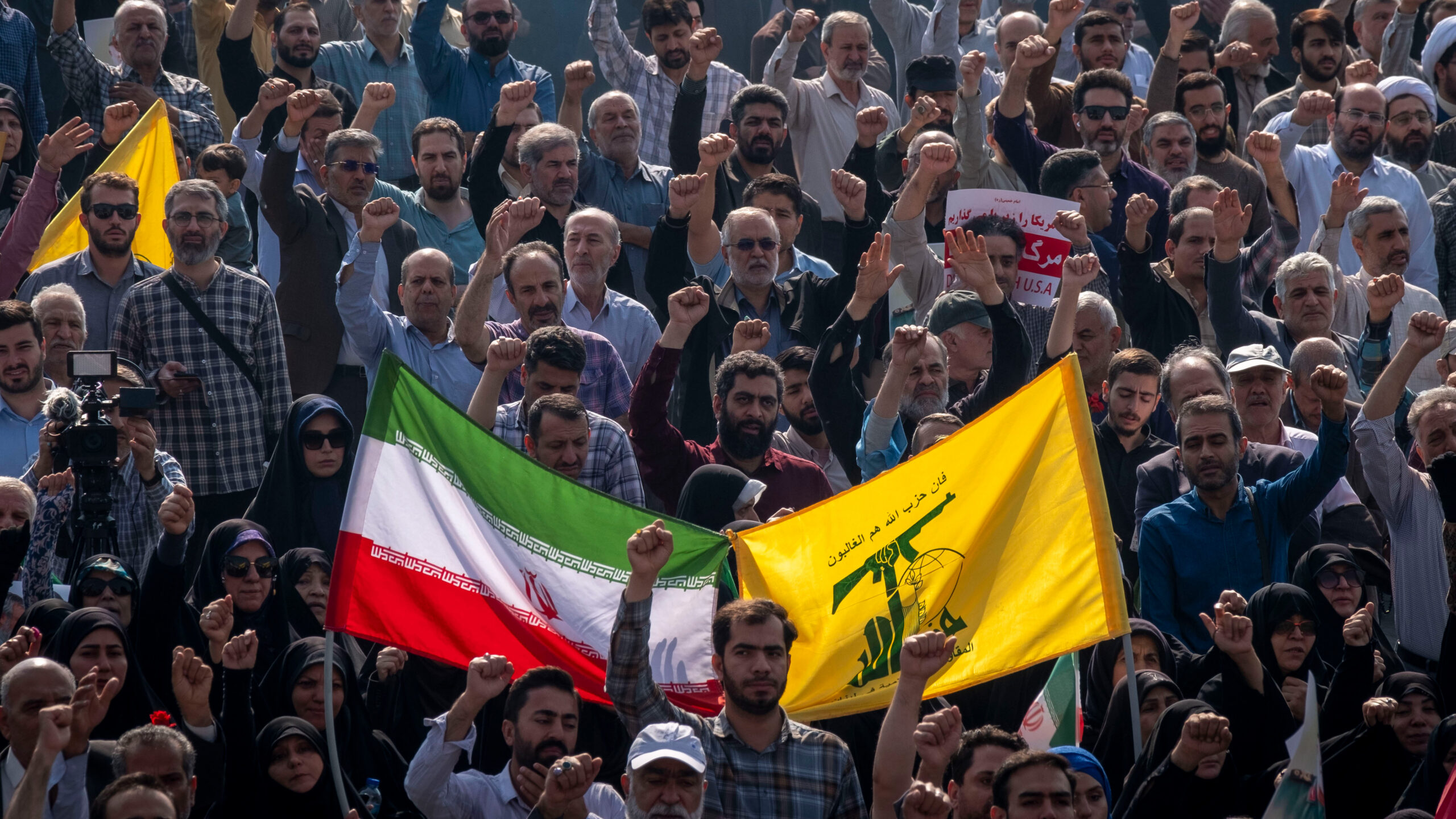
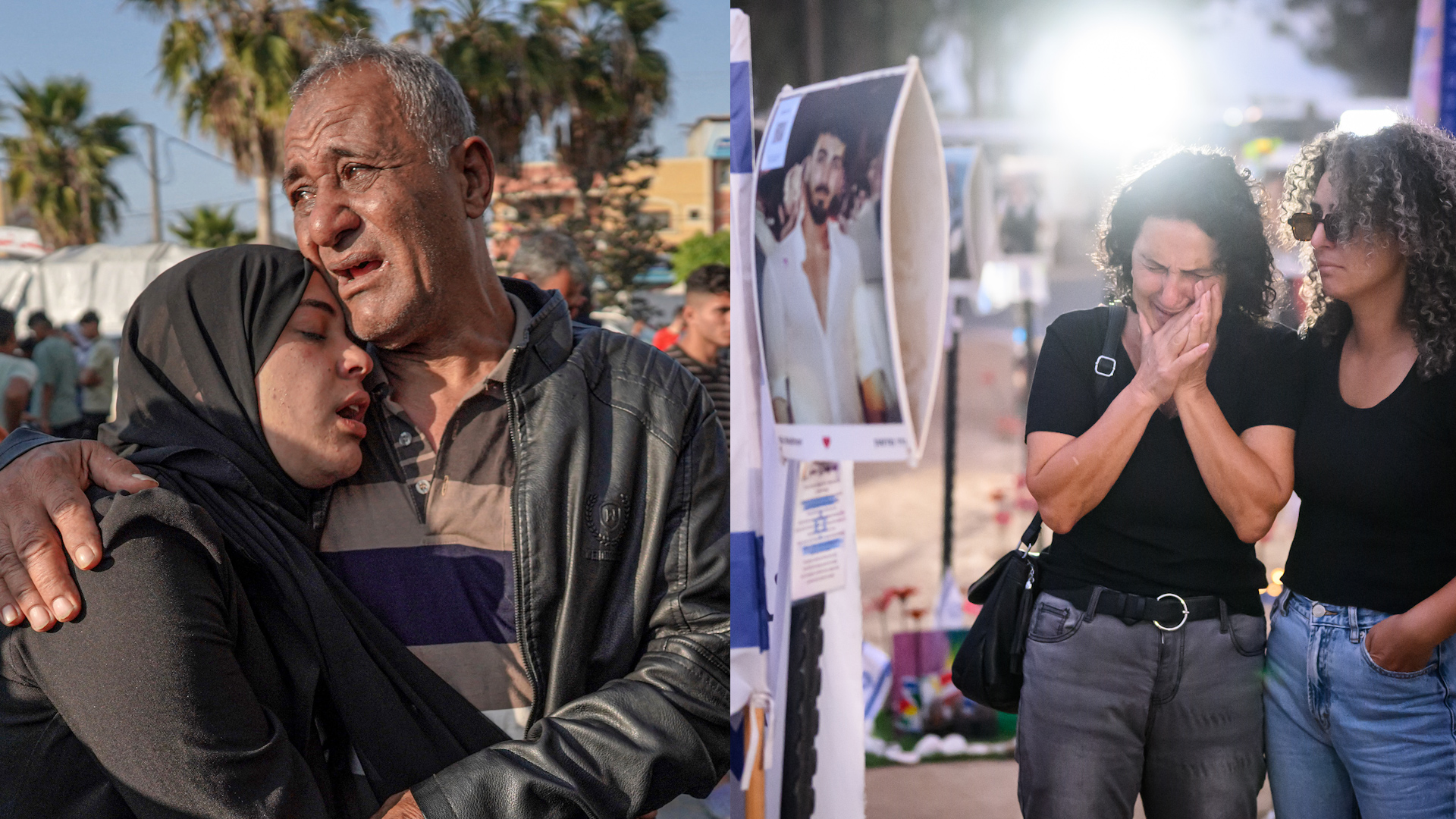
After 10 months of Israel’s war on Gaza, the US administration has lost control over its ally and the fear of its opponents. As a result, Washington has only limited, if any, impact on the cost-benefit escalation calculus of the fighting sides. The Middle East is today the closest it has ever been to an all-out multi-front regional war.
Wide gap between the Egyptian government’s rosy figures and the economic hardship suffered by millions
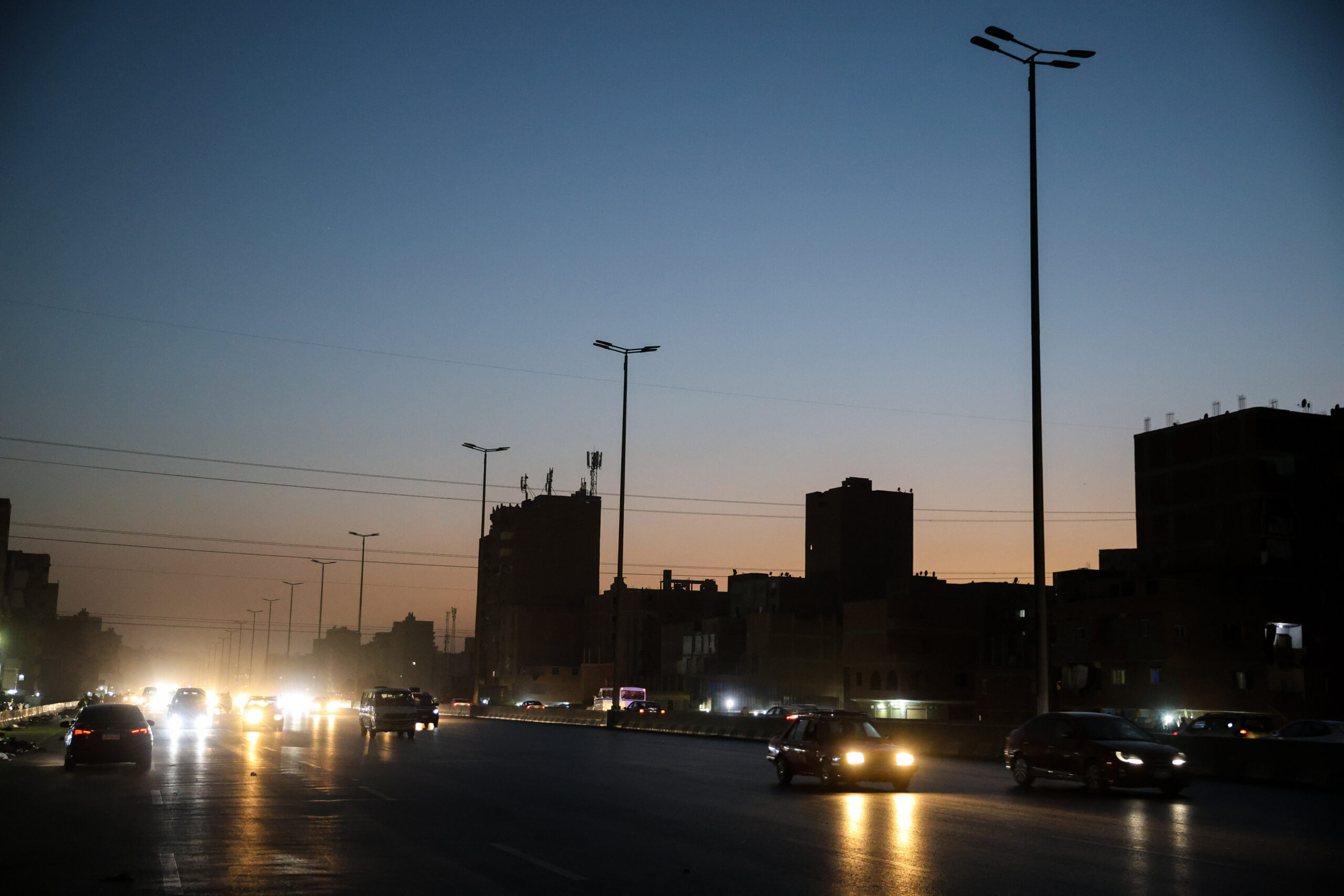
For Egyptian officials, June should have been a month to celebrate. And yet none of the seeming macroeconomic successes that the government recorded brought much reassurance to the average Egyptian, who has continued to experience currency shortages, an unreliable energy grid, and fears of a resurgent spike in inflation.
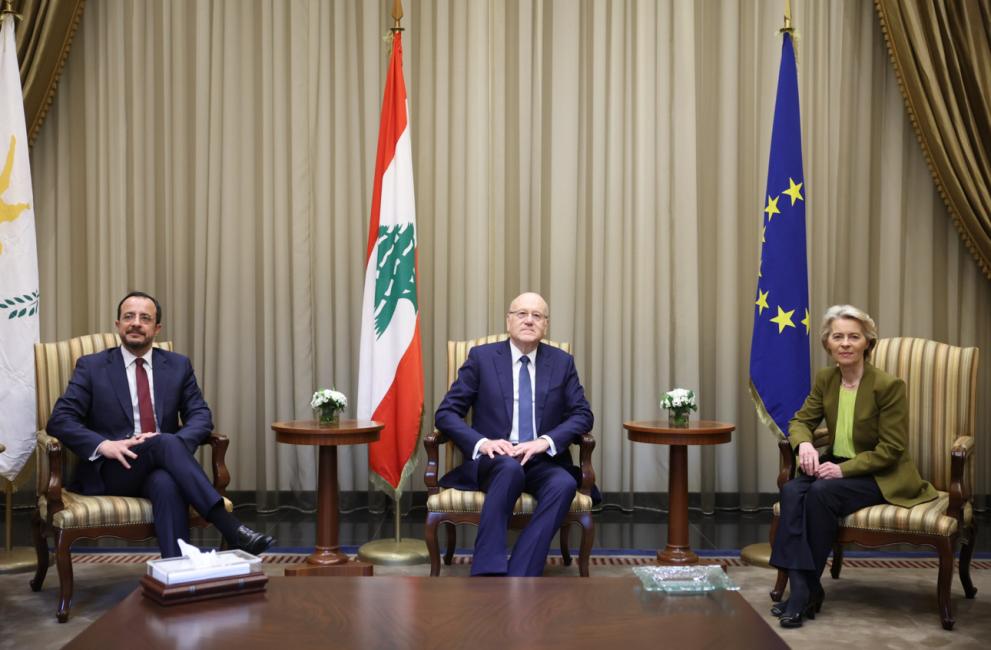
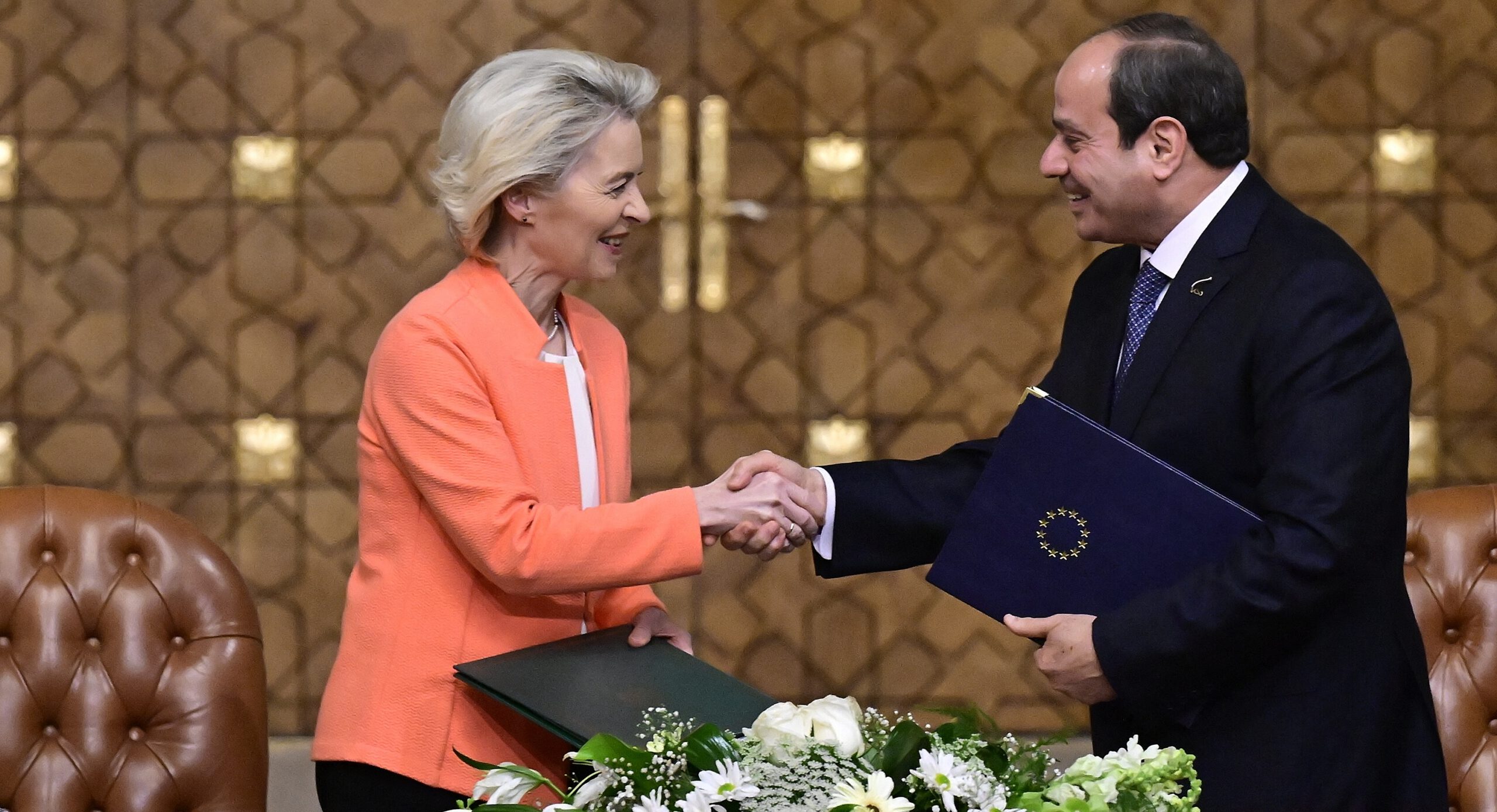
New EU aid and investment in Egypt linked to migration control
On June 29, at an aid and investment conference in Cairo, Egypt and the EU reached a €1 billion investment deal, and over 20 MoUs, collectively worth approximately €40 billion in private investment, were signed on the sidelines. Little mention has been made of migration in the new European agreement with Egypt, but there is little doubt that it is a pivotal factor.