The intra-GCC competition over the Palestinian heart
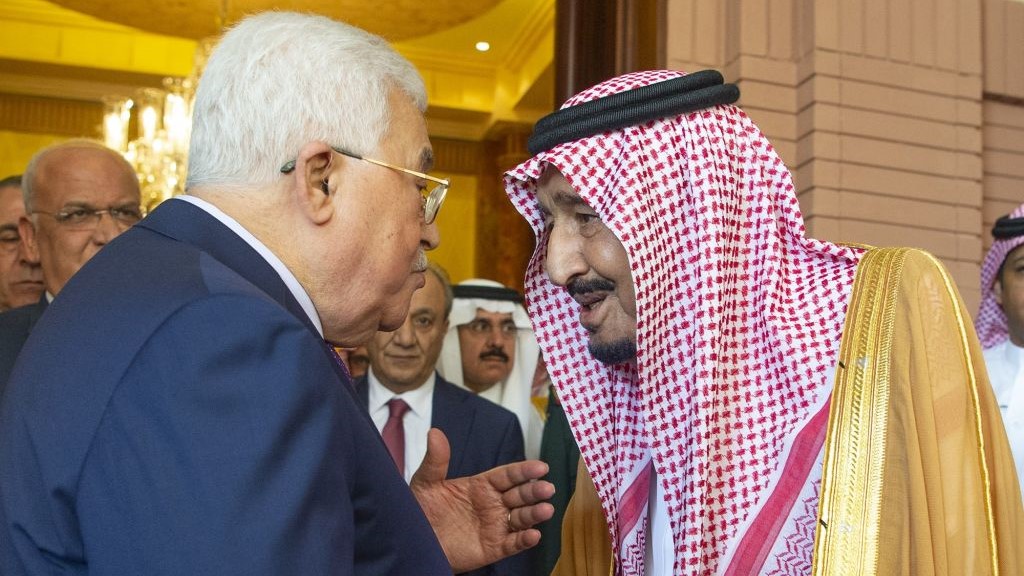
Since 2017 three separate blocs have emerged within the Gulf. Driven by the region’s divisions, rival power centers, and conflicting interests, the Gulf states are playing an ever-greater role in Palestinian affairs.
The steps the Saudis have taken in 2019 may help to ease international pressure on the kingdom’s leadership and restore its image as a constructive player in the world.
The subject of extensive international interest and attention over the past few years, blockchain technology is regarded as a key component of the fourth industrial revolution. This article seeks to shed light on the use of blockchain technology in the Gulf states by analyzing current trends of blockchain adoption in the region compared to those internationally. In so doing, it will determine Gulf institutions’ capacity for keeping pace with the changes and developments blockchain adoption has introduced.
Cautious optimism that the Riyadh summit will open the door to ending the intra-GCC dispute
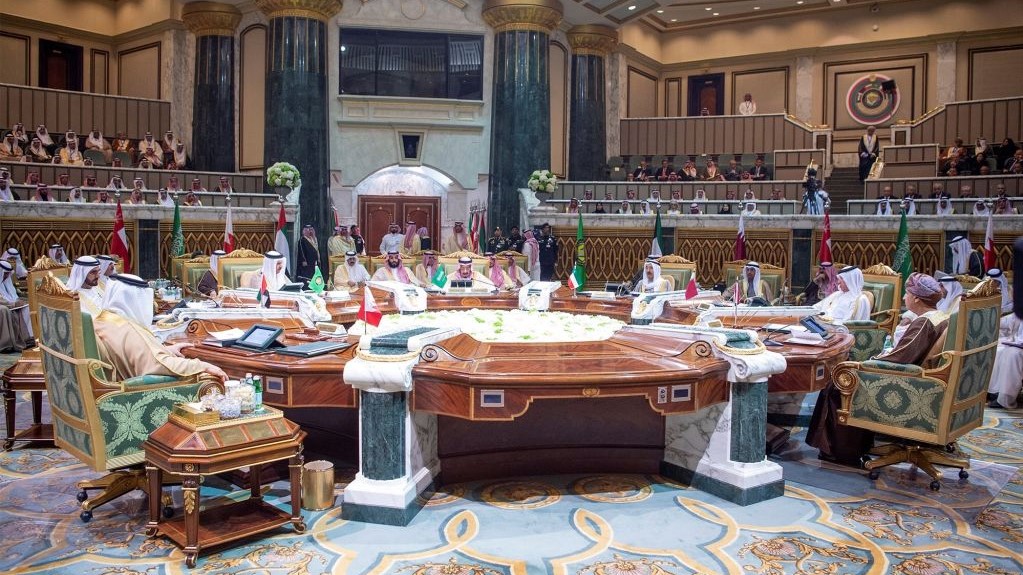
The leaders of the six GCC member states will meet in Riyadh on Dec. 10 amid signs that the 30-month-old confrontation with Qatar by the self-described “Anti-Terror Quartet” is diminishing.
Political analyst Hafsa Halawa and MEI Senior Fellow Alex Vatanka join host Alistair Taylor to discuss the political crisis in Iraq following the resignation of Prime Minister Adel Abdul Mahdi, the protest movements that have rocked both Iraq and Iran, and the impact of Iranian impact in Baghdad on Iraq’s development going forward.
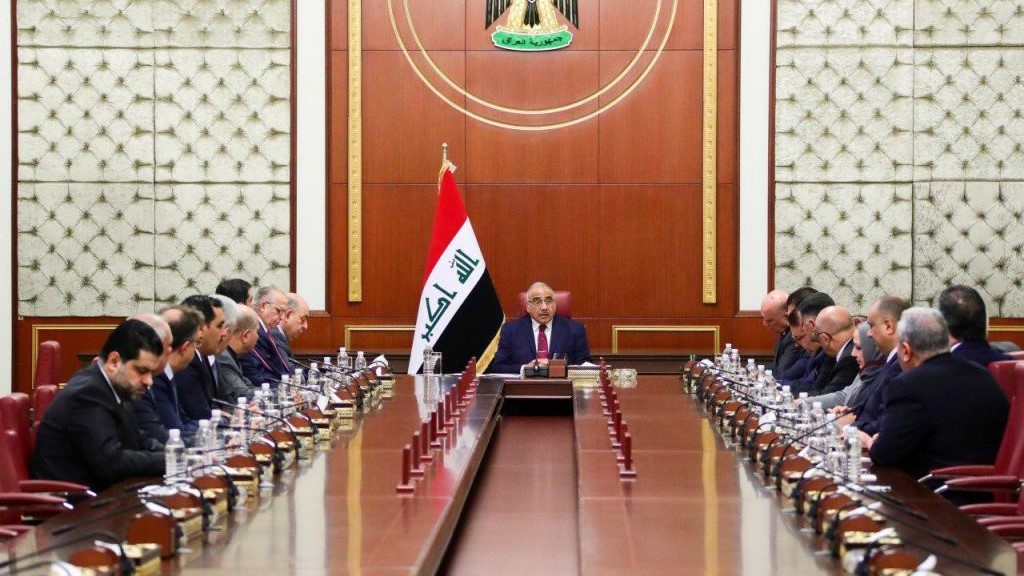
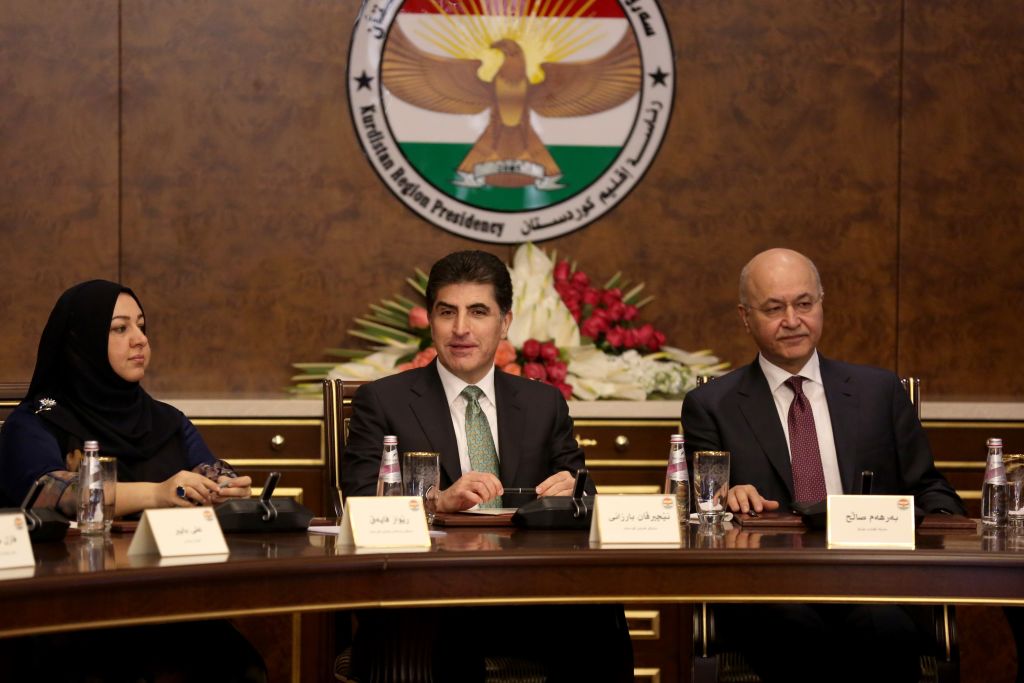
There is no end in sight to Iraq’s political crisis even though Parliament unanimously voted to remove Prime Minister Adel Abdul-Mahdi on Sunday. Abdul-Mahdi now tends a caretaker government while Iraq’s political leaders are interpreting the country’s constitution to give President Barham Salih 15 days starting from Nov. 30 to name a new prime minister.
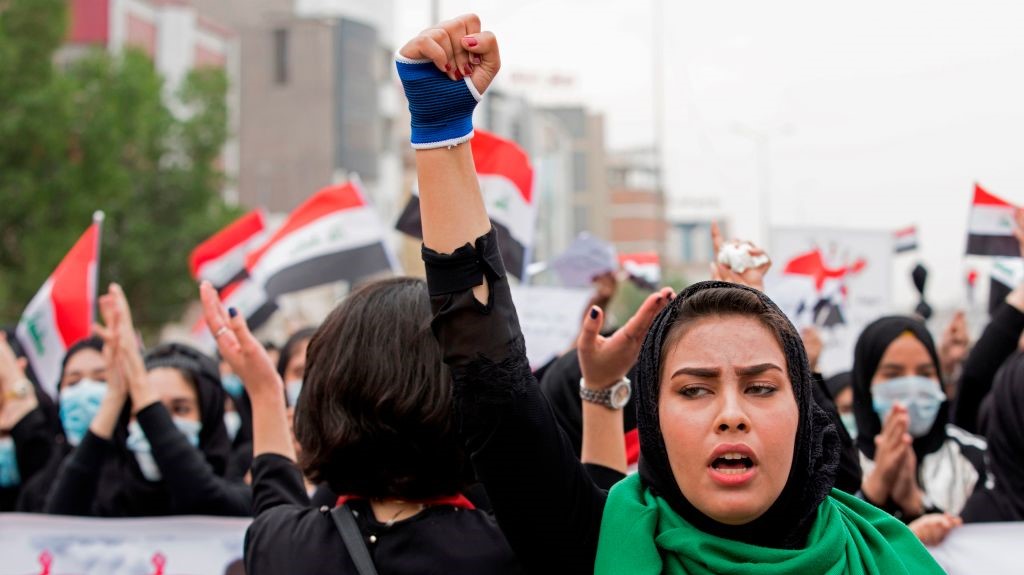
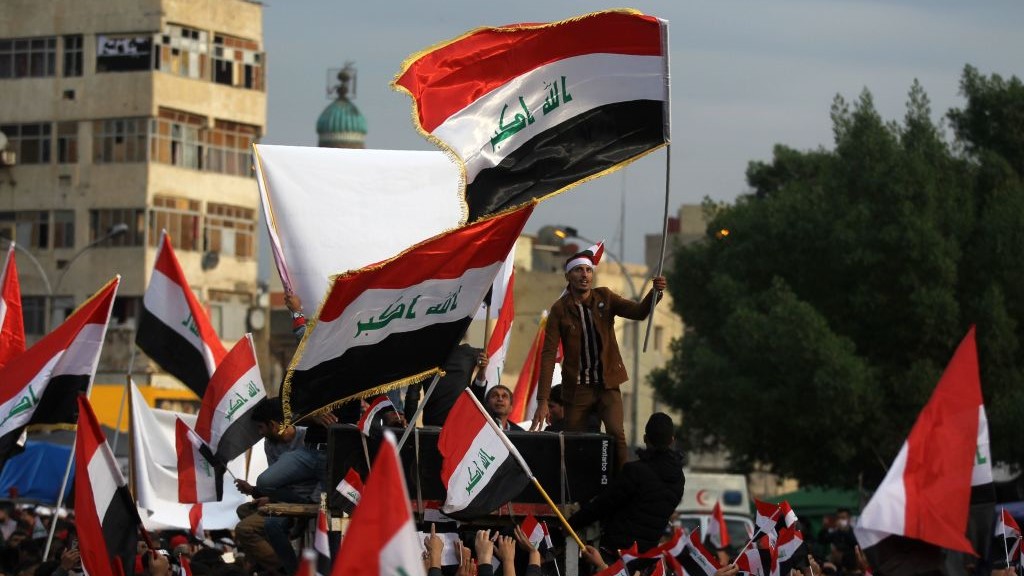
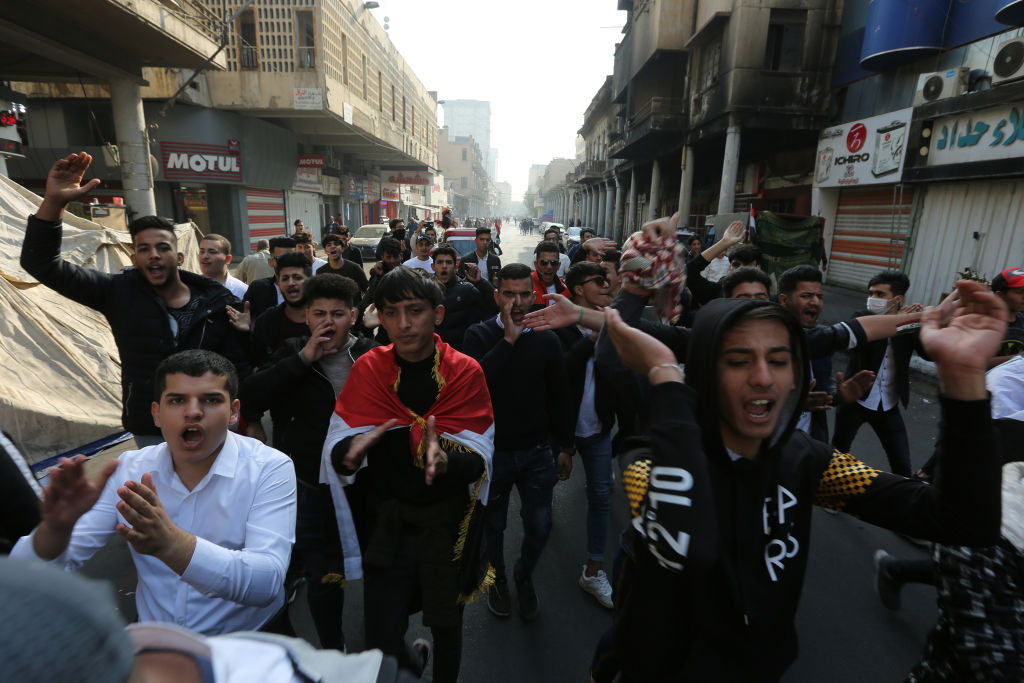
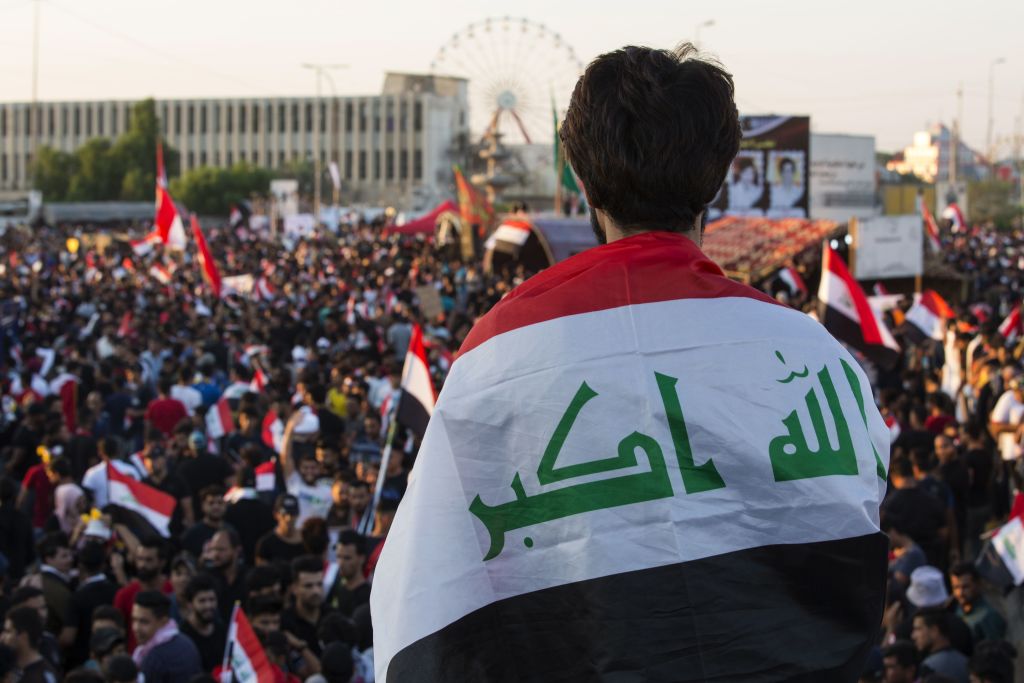
Iraq’s protests continue in force amid political turmoil
Although 350 Iraqis have died to date and close to 16,000 have been wounded, protesters are not going home. Yet, most of the ruling clique is still rejecting the idea of forcing the prime minister to resign.
Breaking each other’s fingers: Kurdish parties nervously watch Baghdad — and one another
Since early October, the southern provinces of Iraq have been consumed by protests and strikes. While ruthlessly attempting to suppress protests, the Iraqi government has promised legal and political reforms. Yet some of the Kurdistan Region-Iraq’s elites are suspicious that the government’s reform agenda is a “conspiracy” against Kurdish entitlements masquerading as a good faith effort to placate the protestors. The region’s hegemonic parties are concerned that legal, constitutional, and procedural reforms may overhaul the institutions that guarantee their positions of influence in the federal government and secure their territorial claims.
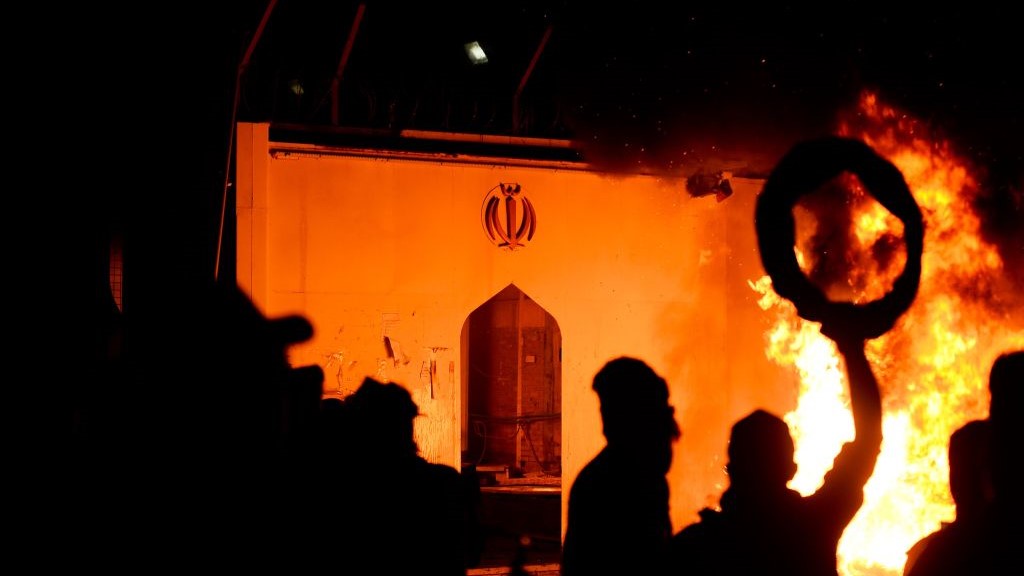
Iraq: Protests and violence continue amid a deepening political crisis
Iranian mediation might bring the two big political blocs to an agreement on a new government, but the protest movement demands only new, clean faces and won’t readily accept another cabinet drawn from discredited political blocs.
MEI’s Paul Salem and Randa Slim join host Alistair Taylor to discuss the nationwide protests that have swept through Lebanon and Iraq this week resulting in political and economic turmoil as well as crackdowns by security forces. Where do things go from here?
A crisis of confidence as Iraq’s protests continue amid violence
Only one leader has the moral standing and mass appeal to be able to move Iraq out of the deadly stalemate in which it now finds itself and which may degenerate into more violence and chaos if the status quo is not upended: Grand Ayatollah Ali al-Sistani.