Skip to Content

Research & Commentary Results

Filter by
1250 Results
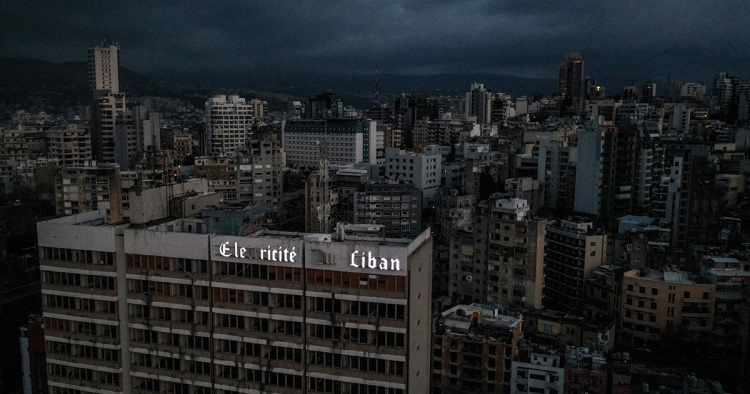
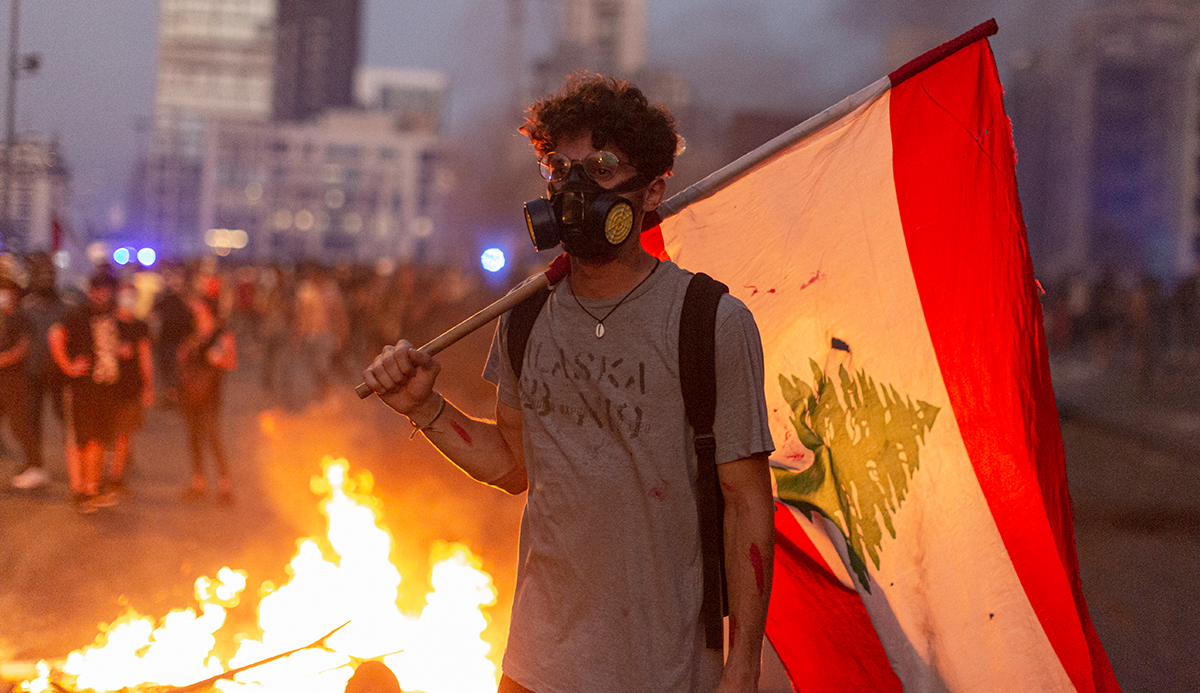
The consequences of Lebanon’s constitutional crisis
Photo by Valery SharifulinTASS via Getty Images
  • Analysis
  • The consequences of Lebanon’s constitutional crisis

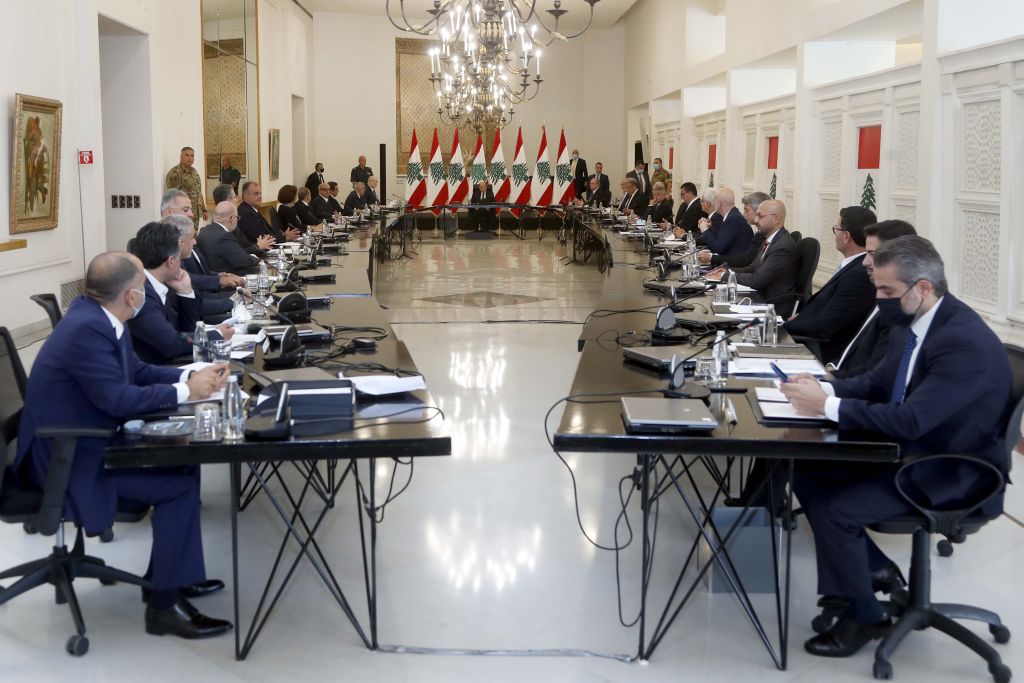
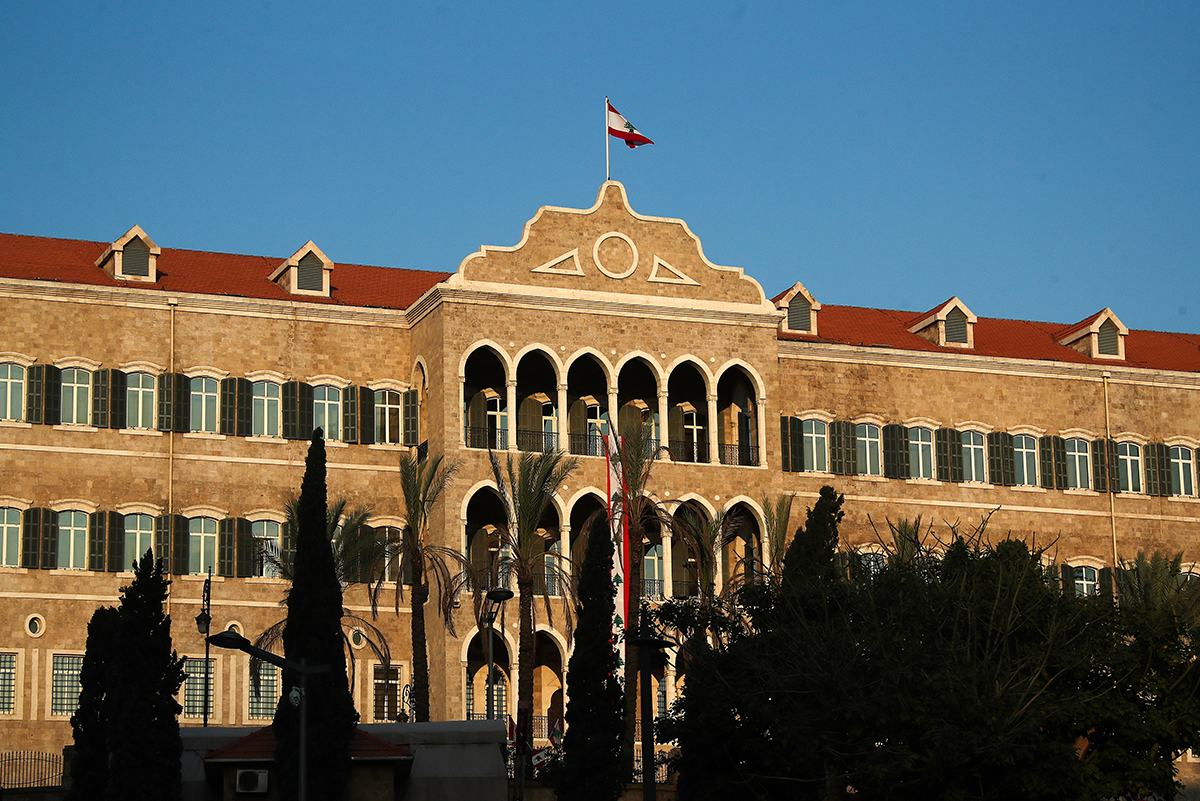
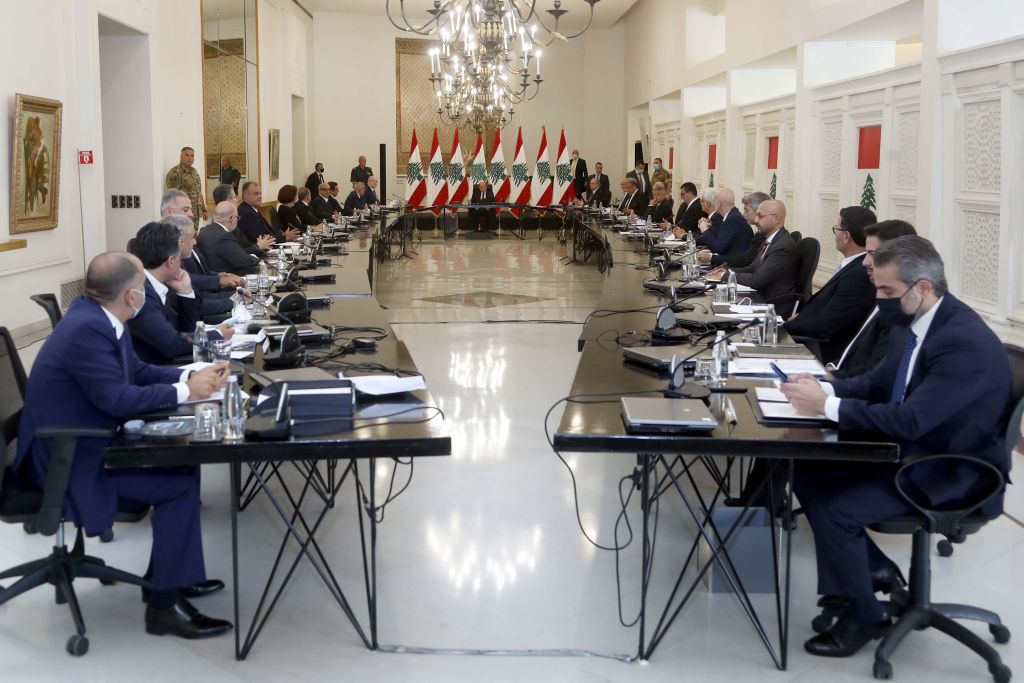
    Lebanon is currently facing an unprecedented constitutional crisis that, if left to simmer, will further worsen the country’s numerous predicaments. Three decades after the Ta’if Agreement that ended the 1975-90 war, officials and warlords failed to implement a real reconciliation that could usher in civil order in a country known for its intrinsic vulnerabilities. Although a diverse society, Lebanon has always suffered from inherent political contradictions and currently agonizes over — among other calamities — major constitutional and political crises that, even though they are engulfed by crumbling socio-economic conditions, remain far more threatening than most imagine. How can the Lebanese put an end to such ongoing deterioration? And can Lebanon’s “business-political” class resolve some of the many crises confronting the country?
    September 20, 2021

    East Med gas needs clean tech and regional integration to support investment case
    Photo by Athanasios Gioumpasis/Getty Images
  • Analysis
  • East Med gas needs clean tech and regional integration to support investment case

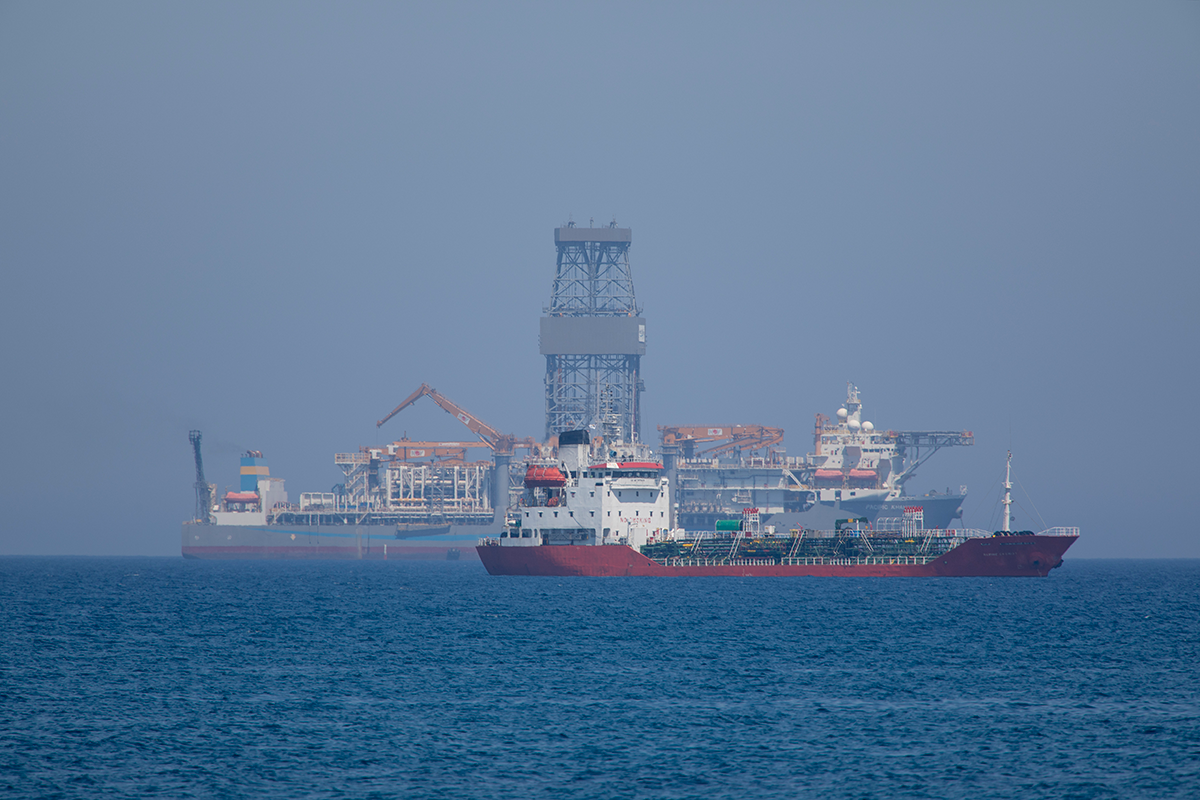
    The viability of Eastern Mediterranean natural gas resources has long been a source of debate for reasons including cost considerations, market demand, and regional geopolitical tensions. The past couple of years have further complicated the debate, introducing new questions about the role of these resources in supporting post-pandemic economic recovery or helping more advanced markets achieve net-zero policies by replacing coal and other fuel sources (a particularly relevant topic of debate given Europe and Asia are key export targets for East Med gas).

    September 14, 2021

    Budget dust: Better approaches for security and sustainability — lessons learned from Iraq and Afghanistan
    Photo by MARCUS YAM/LOS ANGELES TIMES/GETTY IMAGES
  • Analysis
  • Budget dust: Better approaches for security and sustainability — lessons learned from Iraq and Afghanistan

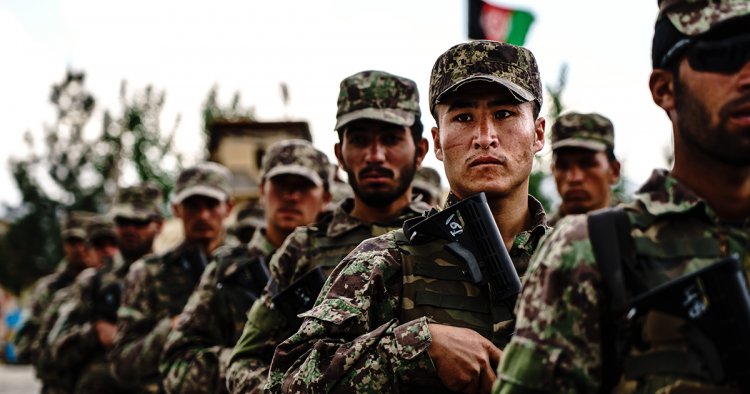
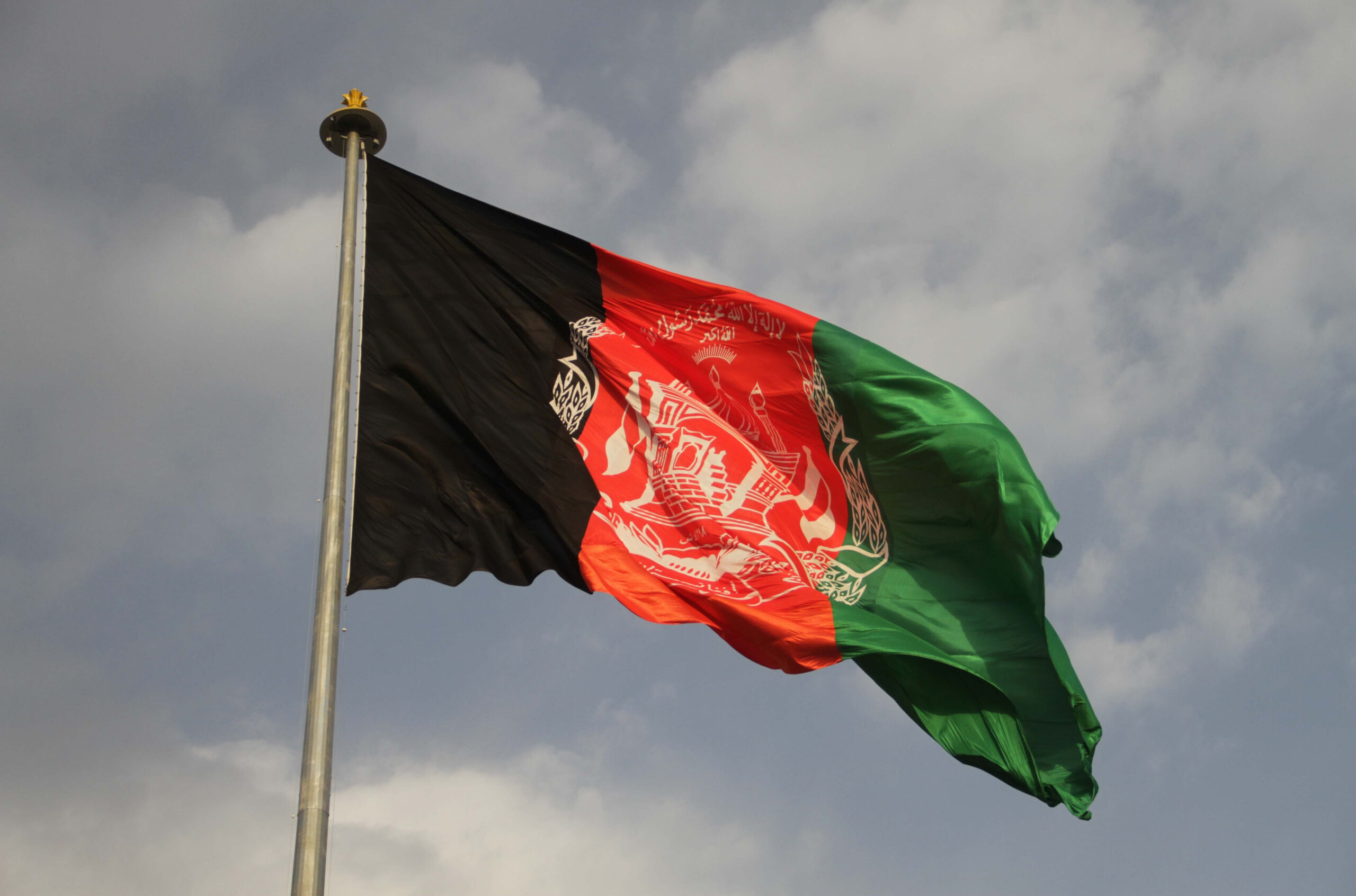
    It took the Taliban just three and a half months to undermine a 20-year international effort to build a competent Afghan military. The Afghanistan National Army (ANA) collapsed once it was clear the U.S. was pulling out ground troops and ceasing air support operations after two decades of training and sustainment that cost the American taxpayer approximately $83 billion. When required to stand alone, against a Taliban force, the ANA failed unequivocally. Building the ANA as a mirror image of the U.S. military was strategically and operationally flawed. If they are designed to fight like the U.S. but cannot fight in the absence of U.S. forces, they are ineffective. What lessons should we learn from this and how could our approach be different in the future?

    9/11’s legacy for U.S.-Middle East relations
    Middle East Institute
  • Podcast
  • 9/11’s legacy for U.S.-Middle East relations

    Ross Harrison, Paul Salem, and Randa Slim join host Alistair Taylor to reflect on 9/11’s impact on US policy in the Middle East over the past 20 years and how its legacy has been viewed by the region.

    September 9, 2021

    Baghdad, Beirut, and the politics of Lebanon’s power crisis
    Photo by AFP via Getty Images
  • Analysis
  • Baghdad, Beirut, and the politics of Lebanon’s power crisis

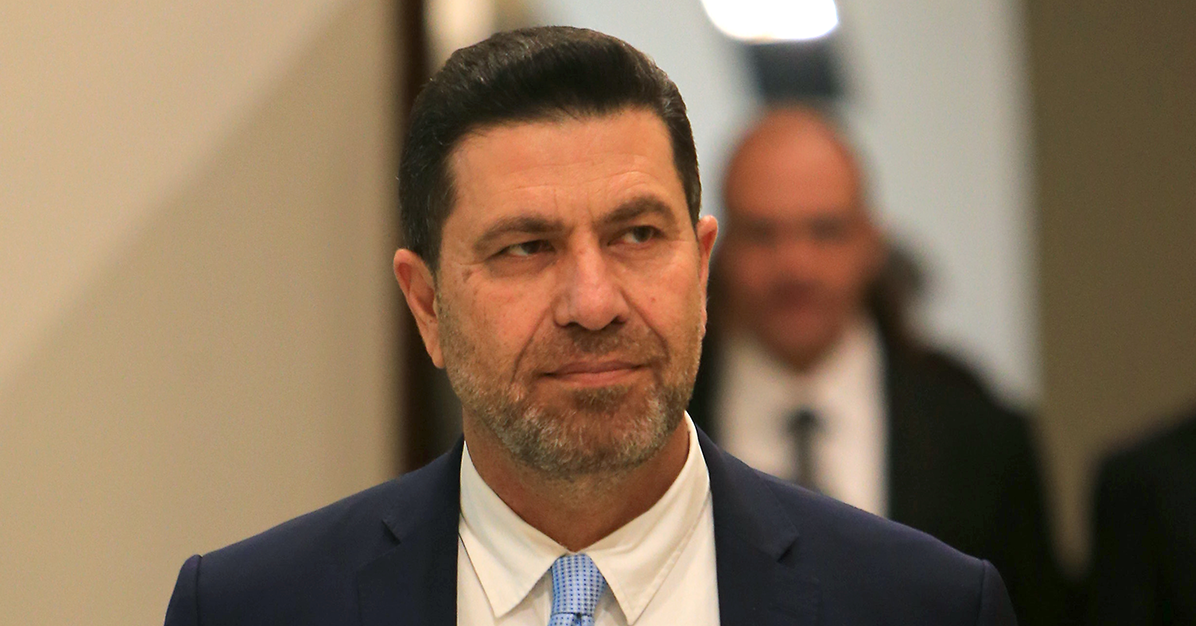
    On July 24, Beirut and Baghdad signed a governmental framework agreement under which Iraq pledged 1 million tons of heavy fuel oil to Lebanon over a full year.

    September 7, 2021

    A Case Study in Irregular Warfare
    Middle East Institute
  • Podcast
  • A Case Study in Irregular Warfare

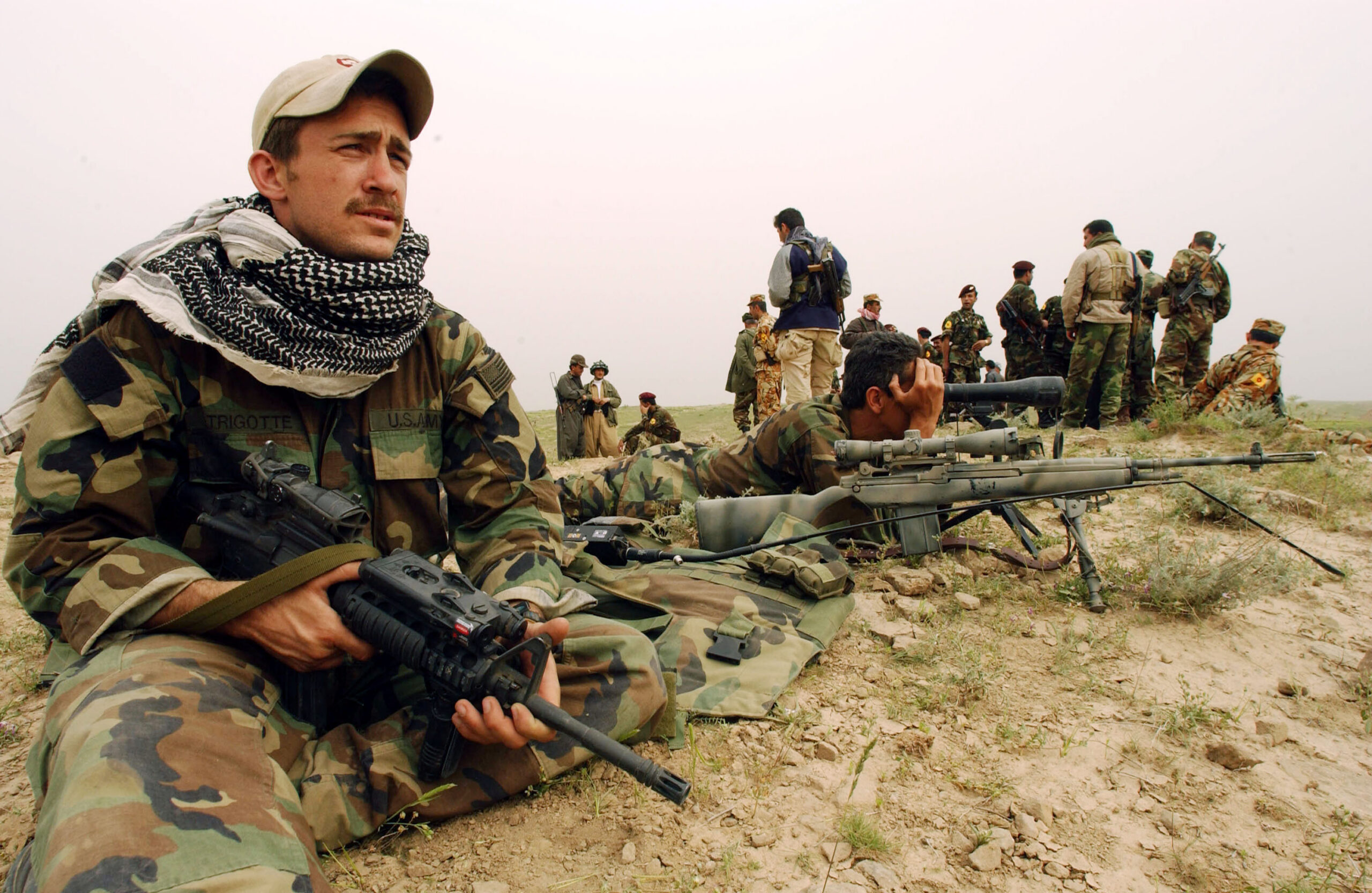
    Mick Mulroy and Ken Tovo join host Alistair Taylor to discuss their recent paper on how US intelligence and military operatives effectively collaborated with local Kurdish partners in Northern Iraq in the early 2000s, why it was a successful partnership, and what lessons it may provide for future operations. The paper, “Irregular Warfare: A Case Study in CIA and US Army Special Forces Operations in Northern Iraq, 2002-03,” is available now on MEI’s website.

    September 1, 2021

    Hezbollah, America, and the race to supply Lebanon with power
    Photo by DYLAN COLLINS/AFP via Getty Images
  • Analysis
  • Hezbollah, America, and the race to supply Lebanon with power

    Amid typical governmental absenteeism, Hezbollah’s Secretary-General Hassan Nasrallah announced on Aug. 19 that the party had secured fuel shipments from Iran. He asserted that the first of many fuel tankers would set sail to Lebanon that same day. Hours later, U.S. ambassador to Lebanon Dorothy Shea declared that the U.S. was working closely with Egypt, Jordan, and the World Bank to find solutions to Lebanon’s crippling fuel shortages. Shea’s comments imply a U.S. willingness to loosen Caesar Act restrictions that would otherwise prevent Lebanon from importing natural gas and electricity through Syria from Egypt and Jordan respectively. The two announcements have been in the making for weeks, but both come at a time when Lebanon’s physical and human infrastructure is crumbling in the absence of essential fuel supplies and energy sources.

    August 20, 2021

    Lebanon is a tinderbox, and Lebanese politicians have started dropping matches
    Photo by Sam Tarling/Getty Images
  • Commentary
  • Lebanon is a tinderbox, and Lebanese politicians have started dropping matches

    Premeditated political paralysis and the absence of economic leadership have brought Lebanon to its knees. Critical infrastructure has collapsed. Reliable electricity and safe water provision are rare. Hospitals and medical services are crippled by the lack of power, medications, and supplies. Food security is at risk for the majority of the population. Desertions from the ranks of security forces are growing. A nationwide security collapse is increasingly likely. The humanitarian collapse is already here.

    August 19, 2021

    The race to reset the Middle East's maritime map
    Photo by Xinhua/Wu Lu via Getty Images
  • Analysis
  • The race to reset the Middle East's maritime map

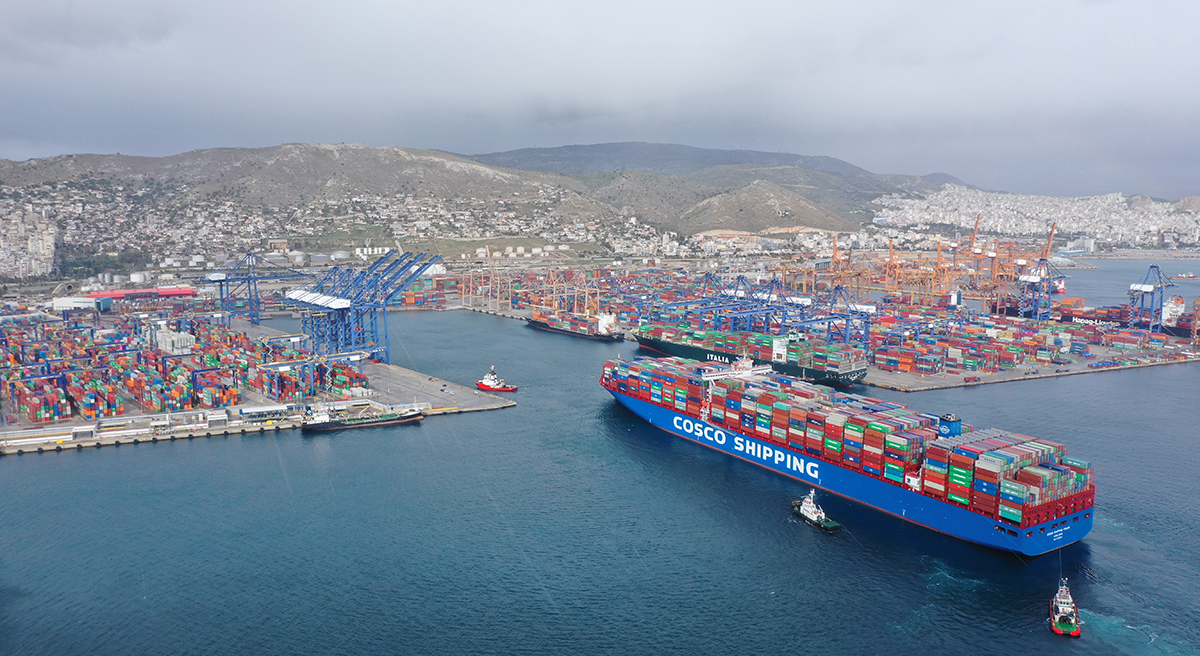
    One of the most consequential changes in the Middle East’s geopolitical map is happening at the water’s edge. Along the entire eastern rim of the Mediterranean basin, global and regional actors are engaging in a spate of port capacity expansions, new private port construction, and the sell-off of major state-owned ports that will determine who sits atop the region’s global trade flows for decades to come. The international competition to rebuild Beirut’s port is one key puzzle piece in this larger process that is reconfiguring the Levant’s maritime commercial architecture and, as a consequence, the geopolitical contours of the Middle East.

    The possibility that the Lebanese government could opt for China to reconstruct Beirut’s port has raised alarm in Washington and European capitals given China’s already outsized commercial port presence in Egypt, Israel, and Greece. Increased Chinese involvement in Lebanon’s port operations could consolidate Beijing’s hold over the commercial connectivity architecture of the Levant. Re-orienting global commercial flows between Europe, the Middle East, and Asia according to Beijing’s priorities would make China’s Belt and Road Initiative a dominant organizing principle in the international relations of the Middle East. The most effective way to offset China’s ambition may be to facilitate Mediterranean rivals France and Turkey to jointly rebuild Beirut’s port.

    Irregular Warfare: A Case Study in CIA and US Army Special Forces Operations in Northern Iraq, 2002-03
    Photo Patrick Barth/Getty Images
  • Analysis
  • Irregular Warfare: A Case Study in CIA and US Army Special Forces Operations in Northern Iraq, 2002-03

    Irregular warfare (IW) is increasingly common in the 21st century and the U.S. must learn from its successful experiences with it and apply those lessons to great power competition. For the past two decades the CIA and Army Special Forces have demonstrated how to leverage interagency relationships and apply complementary capabilities to achieve successful IW outcomes. The CIA/Army Special Forces partnership in Northern Iraq during the invasion of Iraq demonstrates the value of this interagency team and provides lessons and a model for the conduct of IW in the future.