Pragmatic jihadist or opportunistic warlord? HTS’s Jolani expands his rule in northern Syria
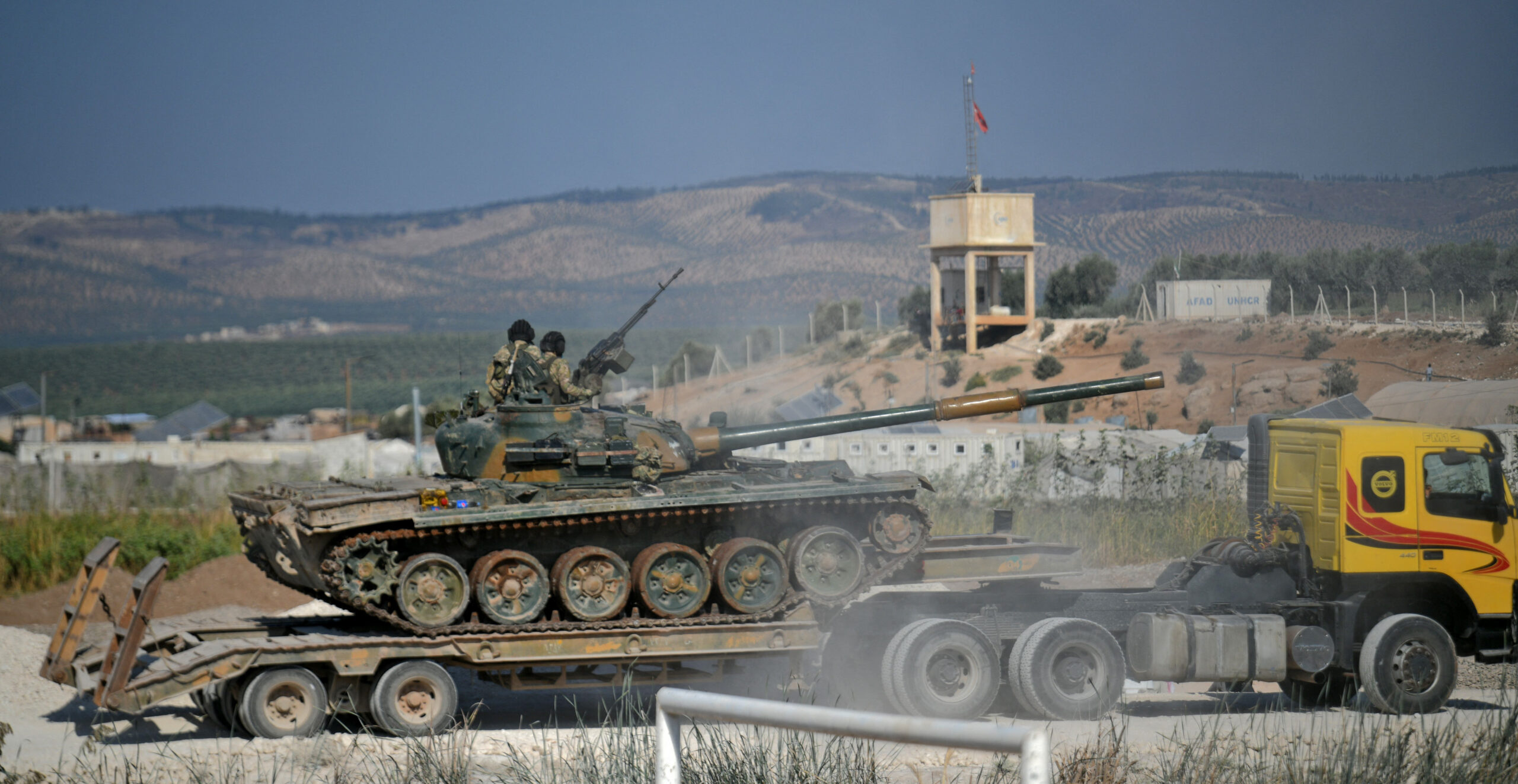
The jihadist group Hayat Tahrir al-Sham (HTS) in Syria has dispatched its fighters from greater Idlib eastward, taking full control of Afrin city and at least 26 towns and villages to its southwest, most without a fight. This has placed many of its jihadist opponents back under HTS’s control. The dynamics of northwestern Syria are shifting, and the consequences look likely to be extremely significant.
Over the past decade, Turkey has been on a steadily downward economic trajectory. Throughout this long period of turmoil the government has pursued a range of different economic policies, most of which were inconsistent with one another. The transition to a presidential system under Erdoğan has had a disastrous impact on Turkey’s economic institutions and administration. This paper explores the impact of the presidential system on the Turkish economy, the country’s economic outlook, and potential solutions to the current crisis, as well as the opposition’s role and ability to implement them, with an eye to the June 2023 elections.
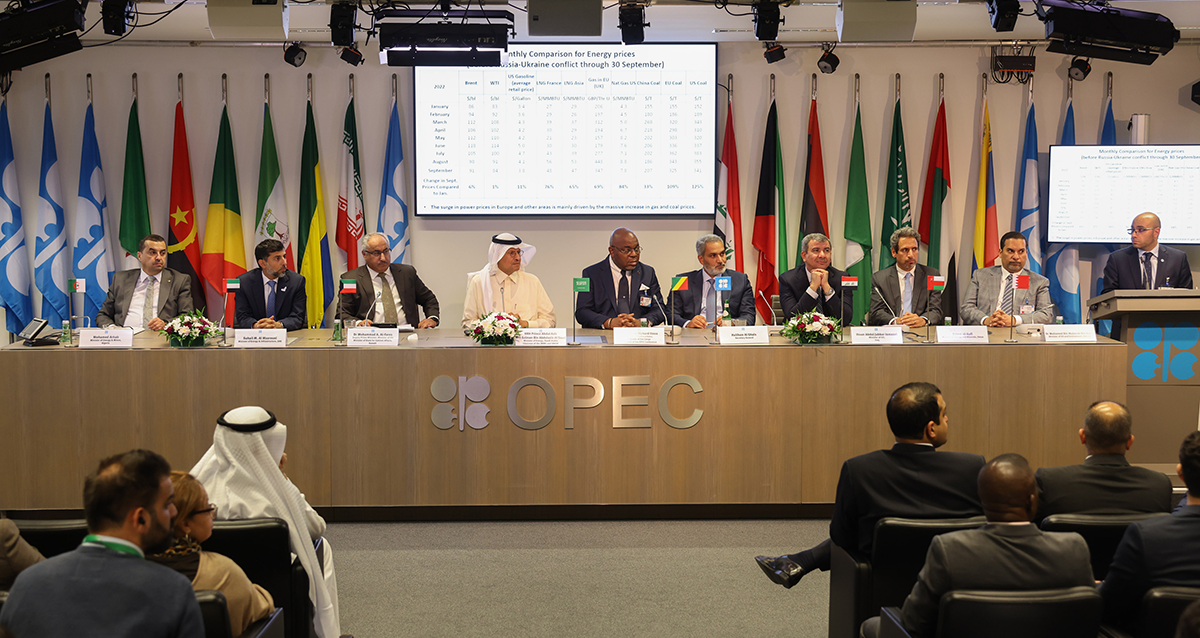
Saudi Arabia at 90: Ushering in a Neo-Saudi state?
Since being named crown prince of Saudi Arabia, Mohammed bin Salman has launched a series of far-reaching socio-economic reforms known as Vision 2030 and introduced a new form of nationalist identity — “Neo-Saudism.” Taken together, some see these changes ushering in what essentially amounts to a fourth Saudi state.
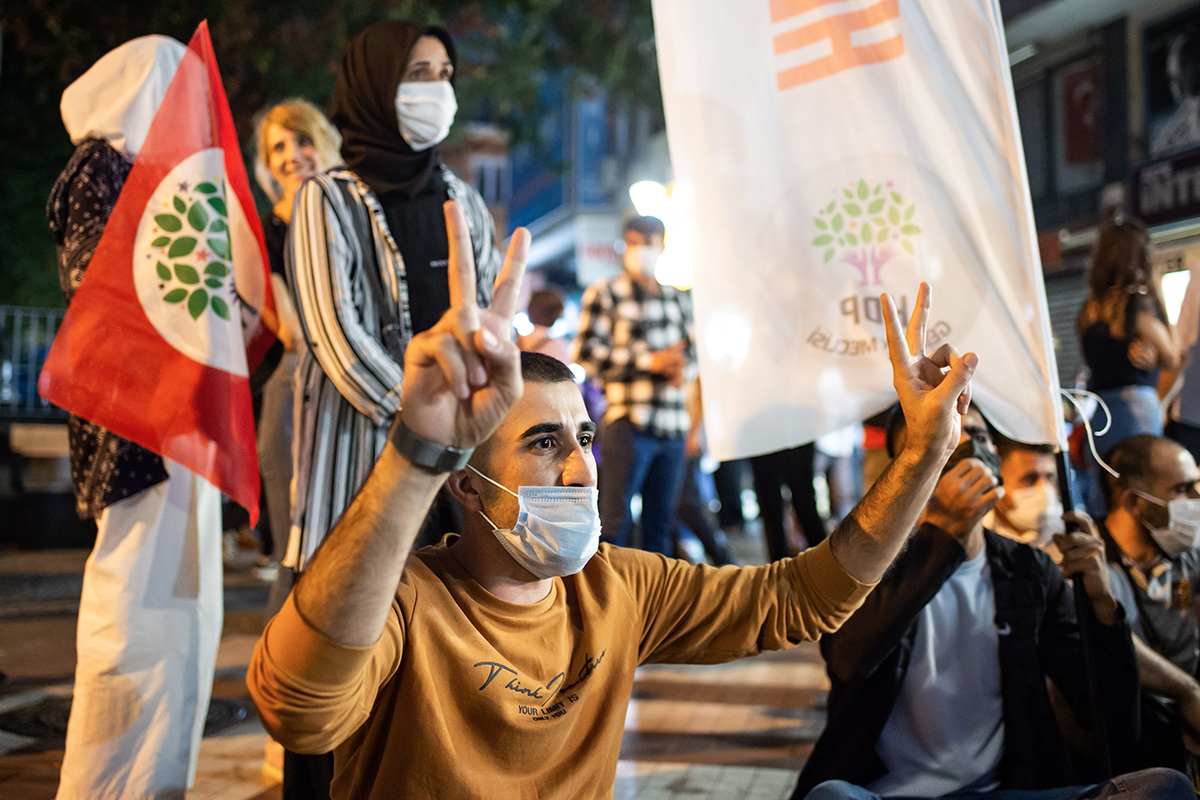
Since Erdoğan adopted a nationalist and militarist approach to reverse the results of the June 2015 elections, the Kurdish political movement has faced immense pressure. The line between the PKK and other non-violent political actors has blurred in the eyes of the elites in Ankara. Leaders and officials of the pro-Kurdish HDP have been arrested and the party has been demonized in the media. This paper aims to understand the motivation behind Erdoğan’s approach to the Kurdish question and explore the potential implications for the upcoming elections in June 2023.
Religion, Nationalism, and Populism in Turkey Under the AKP
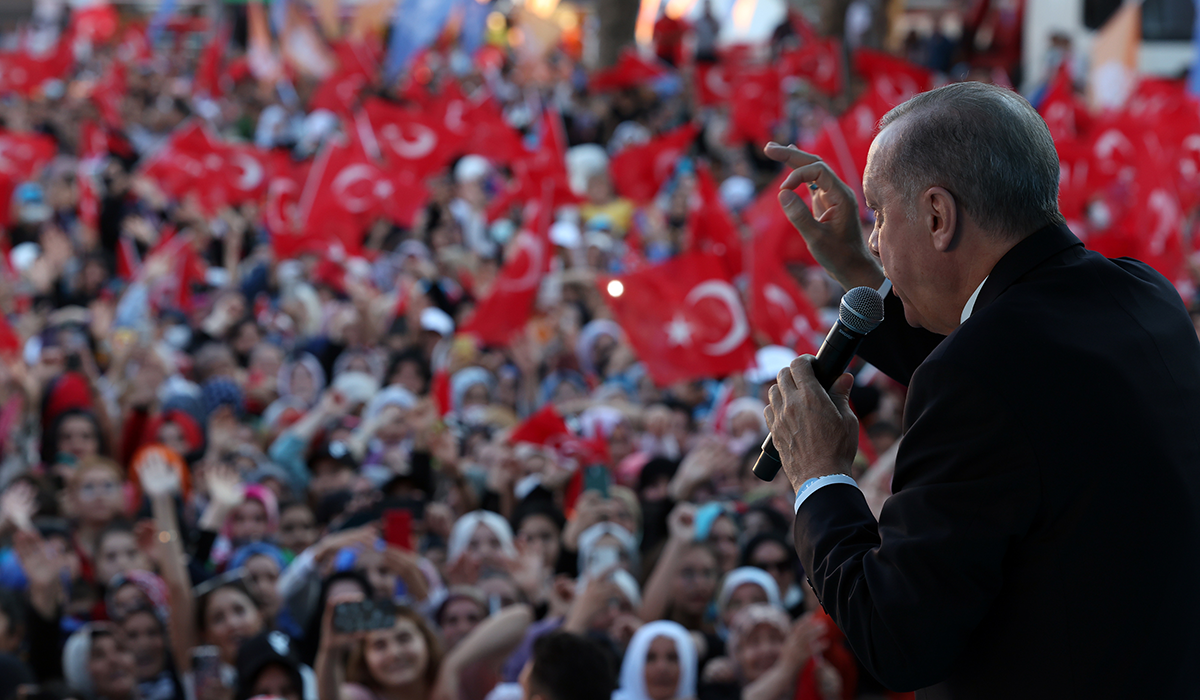
Over its two decades in power, the AKP has shaped relations between different social groups in Turkey based on religious belonging. It altered people’s perceptions of national identity by making “being a Muslim Turk” more appealing for many at home and abroad, and created new public spaces and collective memories embellished with national heroism sacralized by religious references. Moving beyond Turkey’s oft-cited secular-pious cleavage, this paper aims to shed light on the AKP’s complex relationship with religion through the lens of nationalism, populism, and performance as a means of political mobilization.
The Strategies and Struggles of the Turkish Opposition under Autocratization
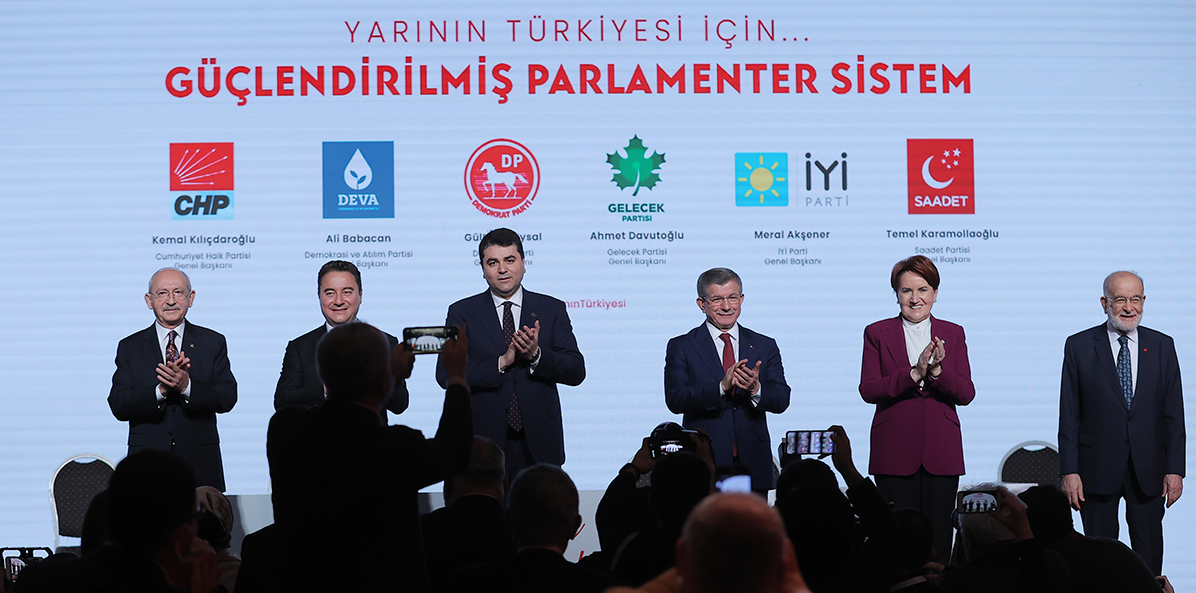
President Recep Tayyip Erdoğan has thus far enjoyed a fragmented opposition and utilized polarization to cement divisions. However, the introduction of a hyper-presidential system after the 2017 constitutional referendum and Erdoğan’s 2018 election victory have provided the necessary impetus for the opposition parties to form an alliance. This paper charts Turkey’s autocratization under AKP rule, addresses the strategies adopted by its political opposition, and maps out the opportunities and risks they face in the run-up to the June 2023 presidential elections.
Turkish Views: Crisis and Opportunities for Turkey in 2023
As the Turkish Republic enters its centennial year, it seems to be at an inflection point. What has been the impact of the AKP’s rule and how might the opposition change Turkey’s direction if they manage to come to power? In this series of papers, seven prominent Turkish scholars weigh in on these questions, thinking about this from a wide variety of perspectives and focusing on a range of specific fields of policy, explaining how we got to the current juncture and where Turkey might go from here.
Is Red Sands the future of Middle East defense cooperation?
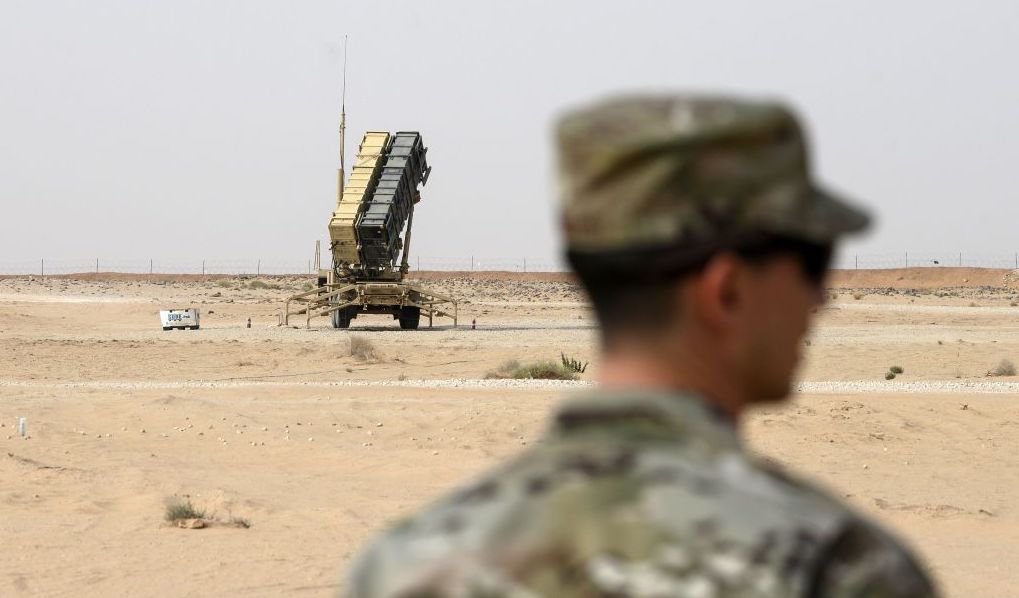
Drawing comparisons to the U.S. Army’s White Sands Missile Range in New Mexico, the Red Sands Integrated Experimentation Center will increase US-Saudi cooperation to counter two of the greatest threats emanating from Iran and its proxies — drone and missile attacks.
Structural impediments to Iranian-Gulf Arab reconciliation
As welcome as recent moves toward Iranian-Gulf détente have been, extensive obstacles continue to stand in the way of a real and sustained relaxation of tensions, cause by what international relations scholars call the “security dilemma.”